7 Best Plastic Welders of 2026
This post contains affiliate links. As an Amazon Associate, we earn from qualifying purchases.
The SWIGRANCE 1600W Hot Air Welder stands out as the best overall plastic welder for serious repairs, delivering powerful, consistent heat for thick or stubborn materials. For budget-conscious DIYers, the 150W Plastic Welder Kit offers solid performance on smaller jobs. If versatility matters most, the Upgraded 220W Plastic Welder handles both rod and staple welding, making it a flexible choice across project types.
Most people don’t realize how different plastic welding jobs can be, fixing a cracked bumper isn’t the same as sealing a tarp or repairing a kayak. Using the wrong tool leads to weak joints, melted-through plastic, or wasted time. After comparing the field and analyzing real user experiences, I focused on models that deliver reliable heat, work with common plastics, and include the right accessories for actual repairs.
This guide cuts through the marketing noise. We looked at power, temperature control, included tips and rods, and how well each unit performs across typical use cases, from auto body fixes to home repairs. These picks reflect what actually works, based on specs and consistent feedback from people who use these tools regularly.
Top 7 Plastic Welders in the Market
The Best Plastic Welders, Reviewed
150W Plastic Welder Kit
Strengths
- 3 temp settings
- 70 rods included
- Ceramic heating element
Trade-offs
- Plastic housing less durable
- Tips may wear faster
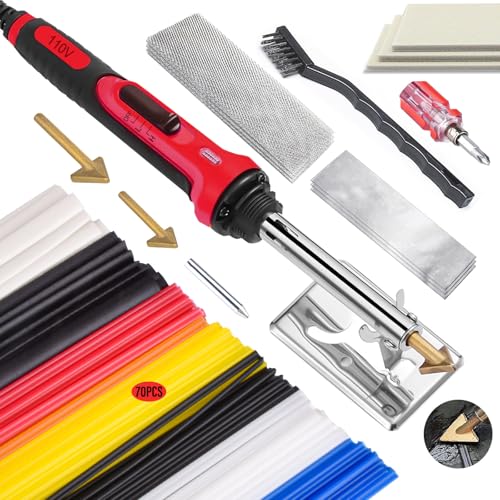
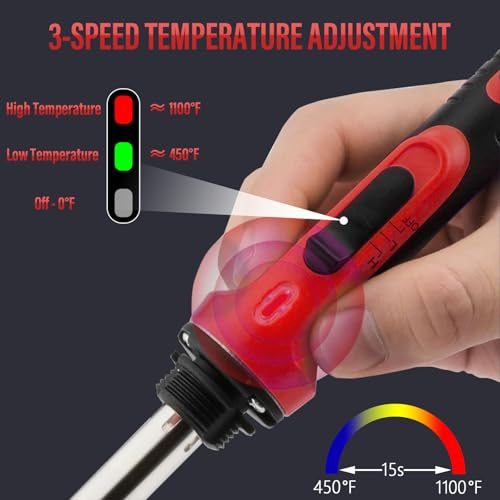
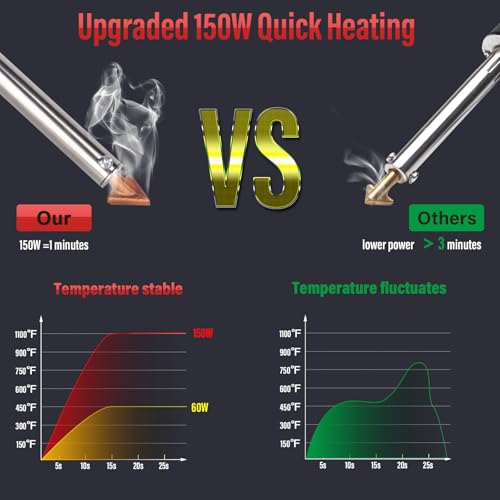
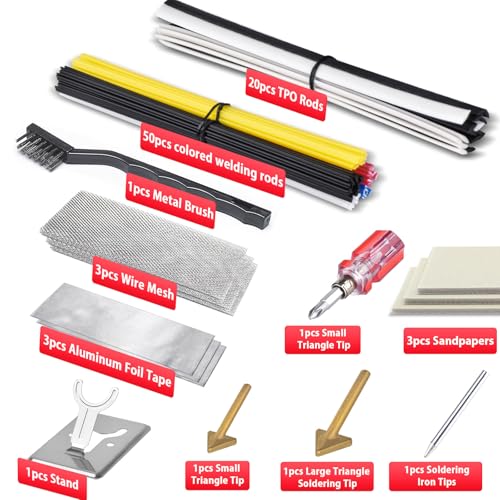
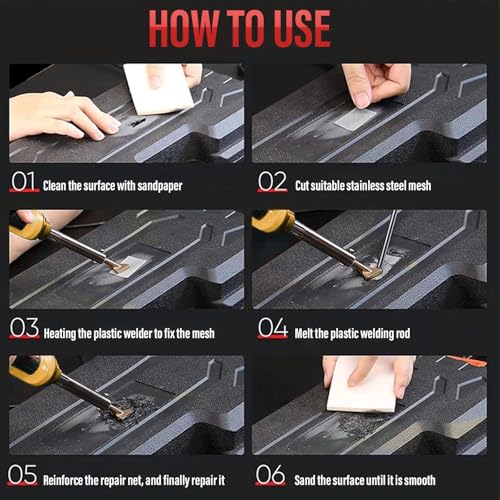
On paper, this is the most balanced kit in the lineup. The 150W ceramic heating element delivers fast heat-up times, around 15 seconds to 1112°F, and reviewers confirm it maintains heat well during extended use. The three-speed temperature control is a big win: low for delicate work, high for thick sections. You can actually dial in the right energy for the job, which reduces warping and boosts weld strength.
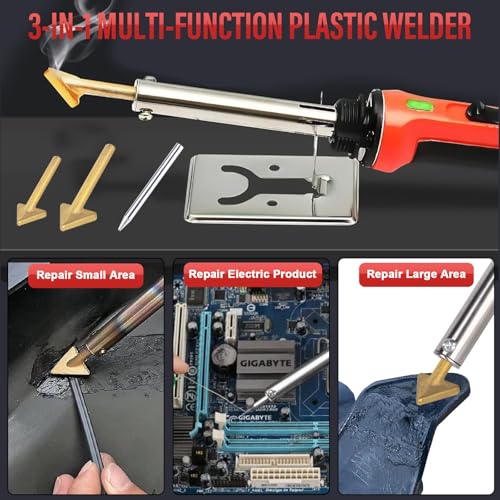
With 70 rods in multiple colors, three tips, wire mesh, and aluminum tape, it’s the most complete package here. The pen-style design is comfortable, and the ventilation helps prevent overheating. For most homeowners or DIYers, this is the easiest pick, it covers more use cases than any other model. My recommendation? This is the smarter buy unless you need staple welding or industrial heat.
Product photos
JOUNJIP 80W UL Certified Welder
Strengths
- UL certified
- Safe for thin plastics
- Includes quality rods
Trade-offs
- No temp control
- Lower power output
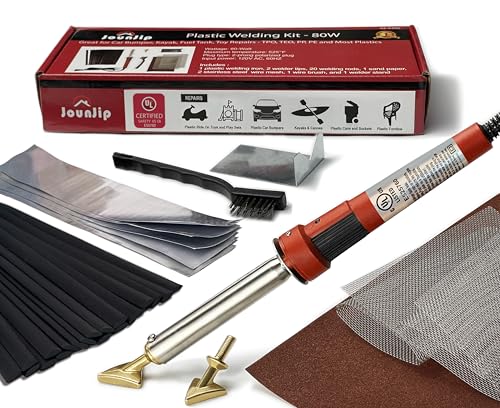
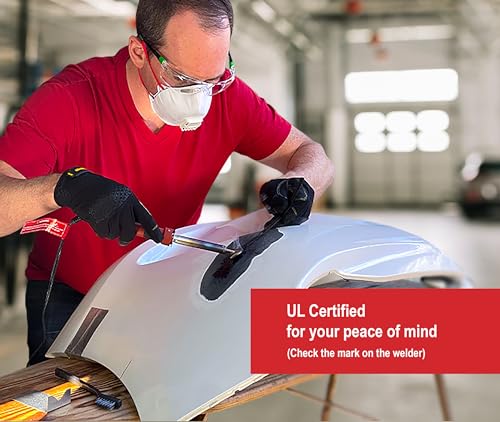
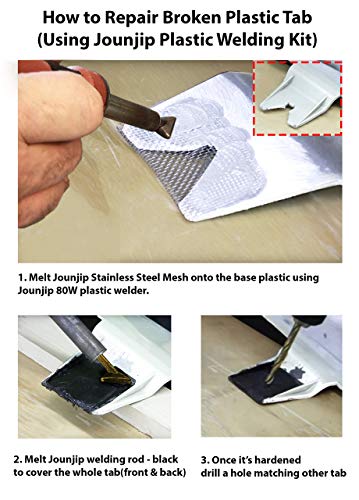
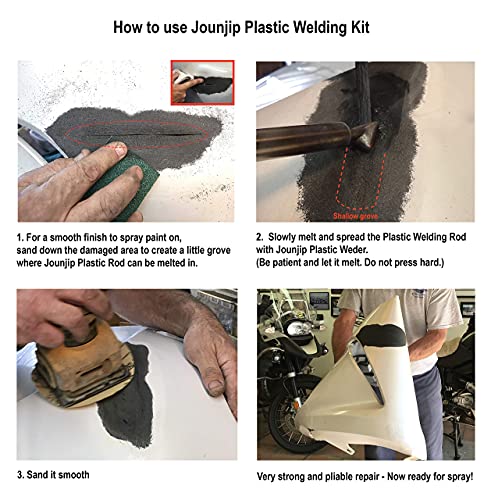
UL certification isn’t common in this category, and for good reason, it’s a real differentiator. This 80W unit may not be the most powerful, but its safety testing gives it credibility, especially for first-time users or shops with strict compliance needs. Owners say it heats to 525°F fast enough for most repairs and handles common plastics like PP, ABS, and HDPE reliably.
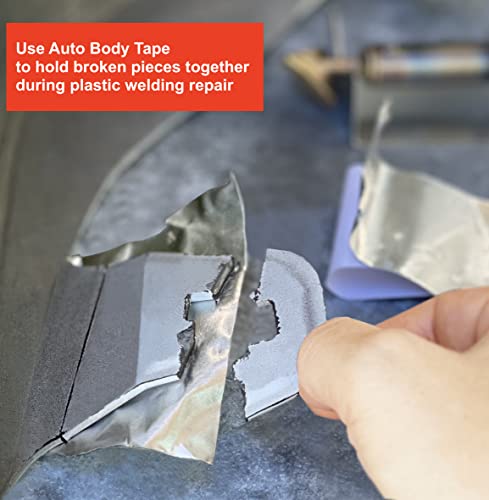
The kit includes 20 black PolyPlaz rods and enough accessories to start fixing bumpers or kayaks immediately. While it lacks temperature control, the simplicity works in its favor for basic jobs. Compared to higher-wattage models, it’s less aggressive, so there’s less risk of burning through thin plastic. I’d recommend this as a trustworthy starter tool.
Product photos

ATOLS Upgraded Plastic Welder

Strengths
- Very affordable
- Staple-based strength
- 1000 staples included
Trade-offs
- Visible repair marks
- No rod welding option
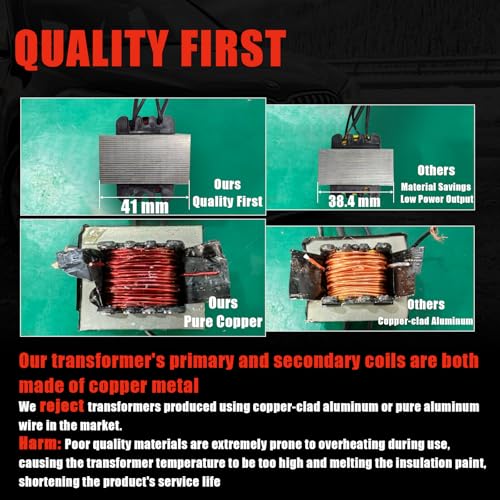
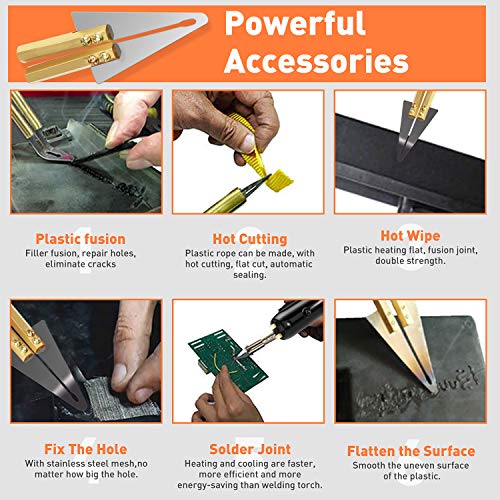
If you’re on a tight budget but still need real repair strength, this staple-based welder delivers. It uses stainless steel staples, wavy, flat, corner-specific, that physically bind broken plastic like sutures. The pure copper transformer ensures consistent heating, and the 1–2 second heat-up is fast. Owners say the mechanical bond from staples often outlasts fused plastic, especially on high-impact areas like bumper corners.
It doesn’t melt plastic the way a rod-based iron does, so appearance matters less than durability. The carry case and 1,000 staples mean it’s ready for multiple jobs. While it won’t give you a smooth, invisible repair, it’s shockingly effective for the price. For quick, rugged fixes, I’d pick this over fancier models any day.
Product photos
Upgraded 220W Plastic Welder

Strengths
- 220W high power
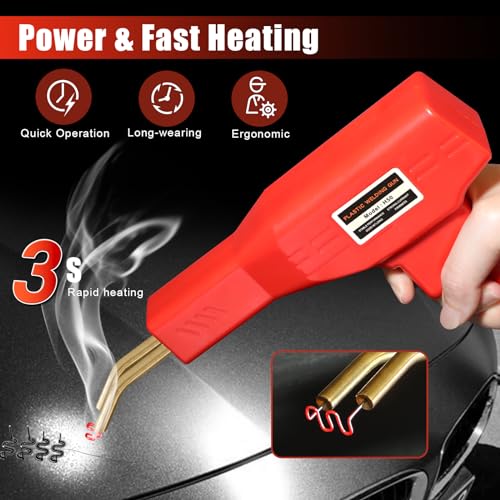
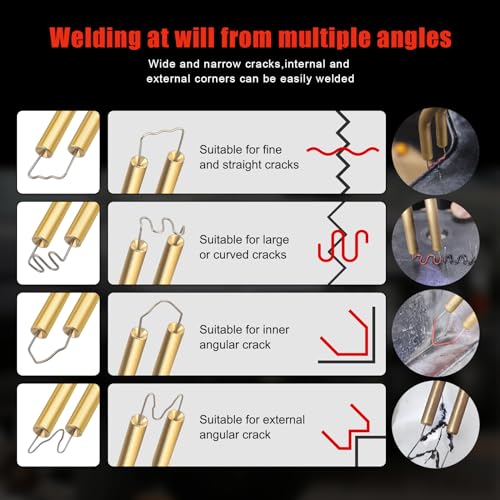
- Dual repair methods
- Large accessory kit
Trade-offs
- Bulky design
- Heavier hand fatigue
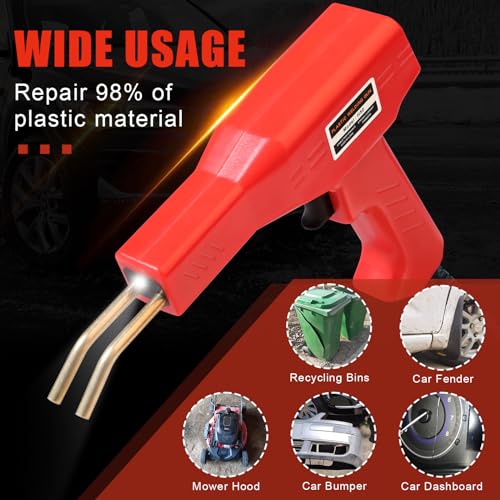
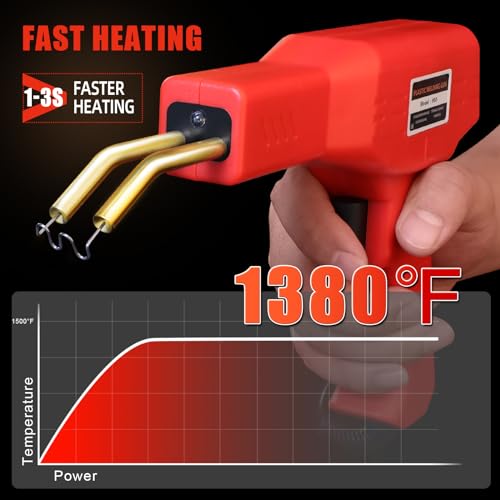
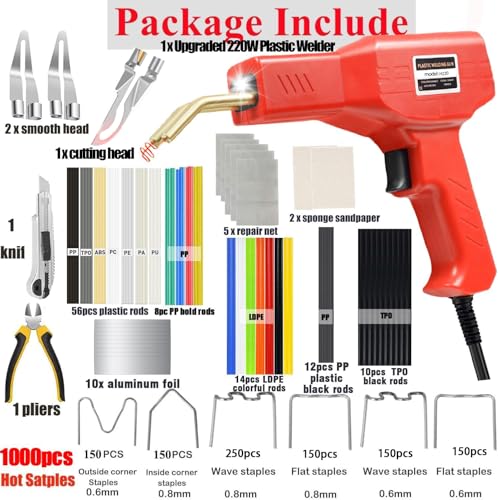
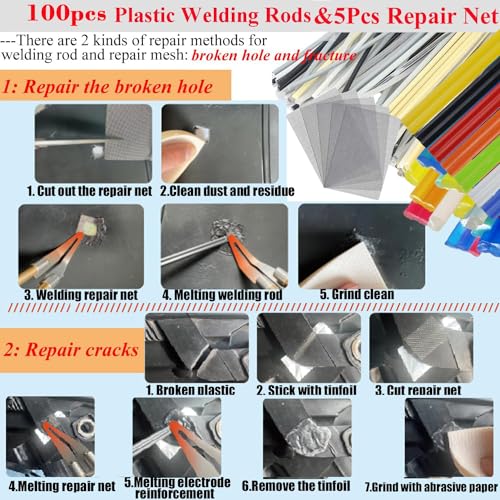
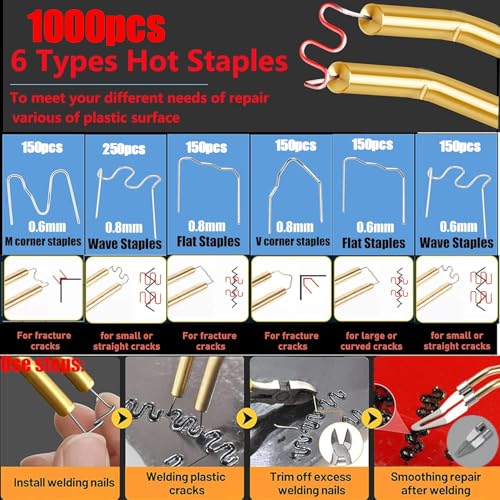
At 220W, this is the most powerful option here, and it shows. It combines staple welding with rod fusion, giving you two repair strategies in one tool. The dual method is smart: use staples for crack bridging, then seal with rods and mesh. Owners report excellent results on thick, stressed parts like fenders and kayak hulls. The overheat protection is a thoughtful addition for long sessions.
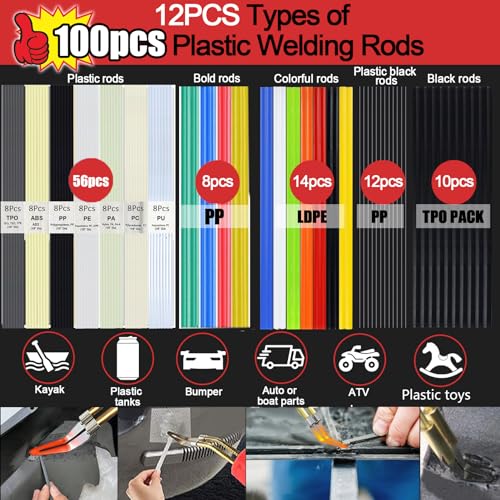
The kit is massive: 1,000 staples, 100 rods covering ABS, PP, TPE, and more, plus mesh, foil, and smoothing tips. The LED light helps in shadowed areas, like under a bumper. Compared to lower-wattage models, this one handles thick sections without bogging down. For heavy-duty or frequent use, this is the tool I’d reach for.
Product photos
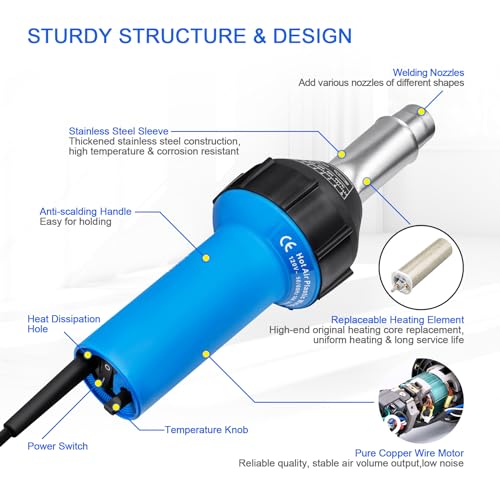
SWIGRANCE 1600W Hot Air Welder

Strengths
- 1600W high output
- Multiple nozzles included
- Adjustable temperature
Trade-offs
- Overkill for small repairs
- Steep learning curve
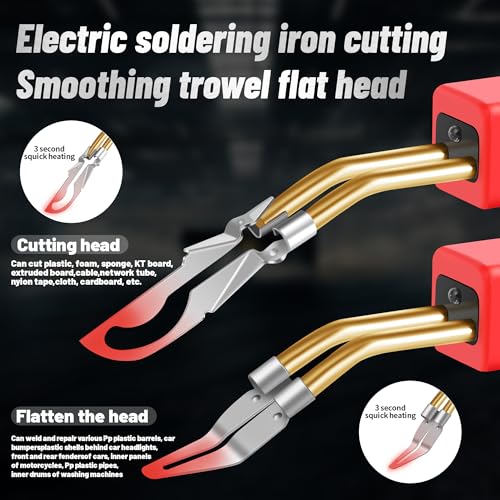
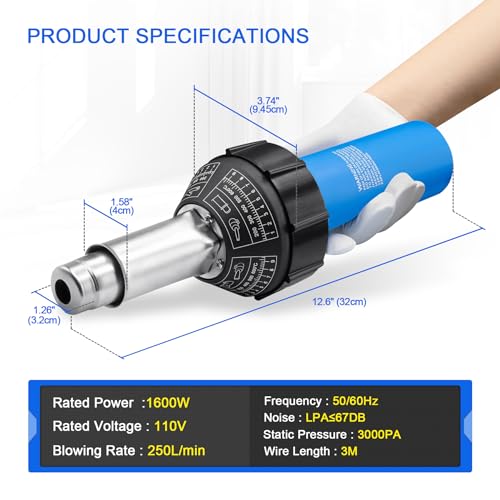
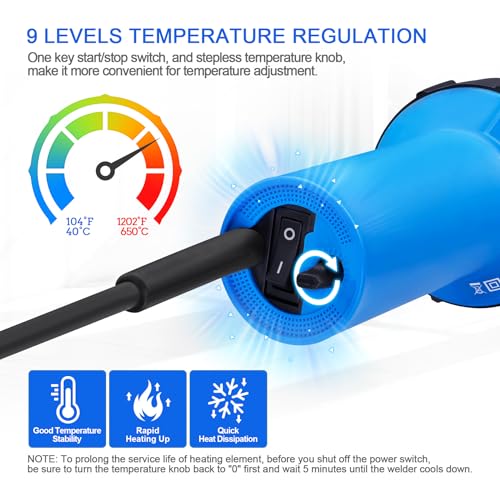
This isn’t a touch-up tool, it’s a beast built for large-scale jobs. At 1600W, it delivers serious hot air flow, perfect for welding wide seams in vinyl, TPO roofing, or pool liners. The 9-level temp control and range up to 650°C mean you can match the heat to the material precisely. Owners use this for tarps, RV roofs, and boat covers, projects where speed and coverage matter more than finesse.
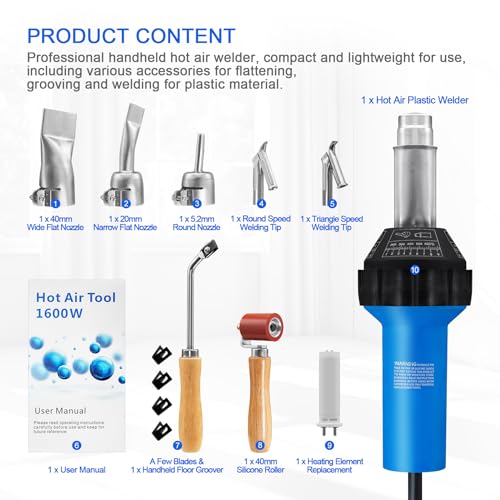
The included nozzles and silicone roller make seam welding efficient, and the automatic cooling system protects the heating element. It’s not for small cracks or car bumpers, but for anyone working on membranes or large plastic sheets, this is the only real option here. If your project involves square feet, not inches, this is the tool.
Product photos

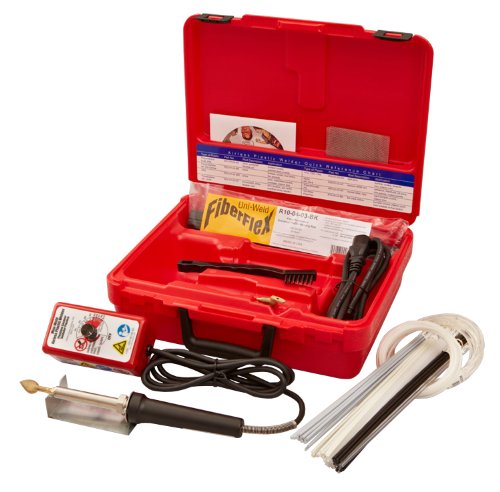
Polyvance 5700HT Mini Weld Model 7
Strengths
- High wattage
- Dual tips
- Includes multiple rod types
Trade-offs
- Narrow plastic range focus
- Higher learning curve
This is a niche tool built for one thing: welding high-melting-point plastics like nylon, which you’ll often see in radiator tanks and other under-hood components. At 200 watts, it packs serious heat for its size, and owners consistently report clean, strong bonds on tough materials that cheaper irons can’t handle. The inclusion of two interchangeable tips and eight rod types means it’s ready for real automotive work right out of the box.
It’s not the most versatile option for general plastic repair, but if you’re dealing with engineering-grade plastics, this welder stands out. The QR code for instructional videos is a nice touch, beginners will appreciate the guidance. For pros or serious DIYers tackling radiator or composite repairs, this is a focused, capable tool.
Product photos
OIMERRY Adjustable Power Welder

Strengths
- 5-level power control
- LED display
- Includes quality toolbox
Trade-offs
- Staples only
- No rod fusion option
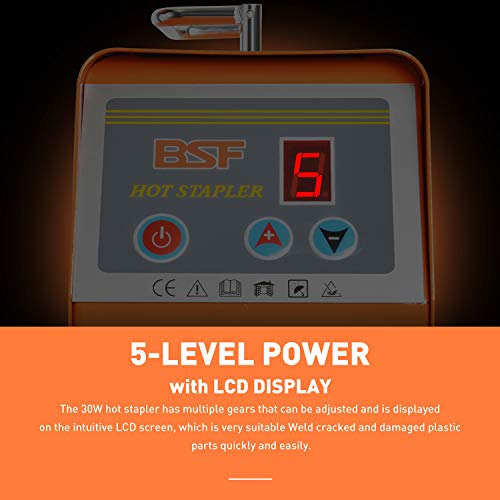
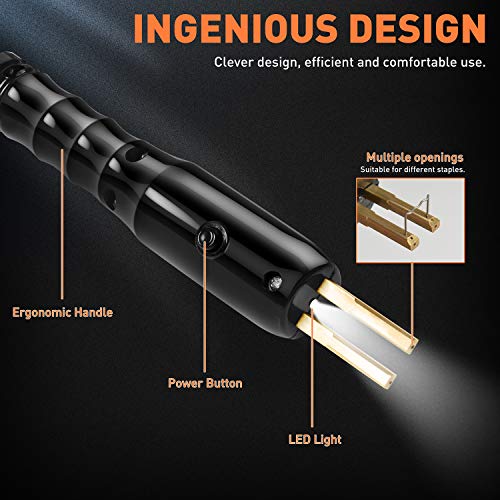
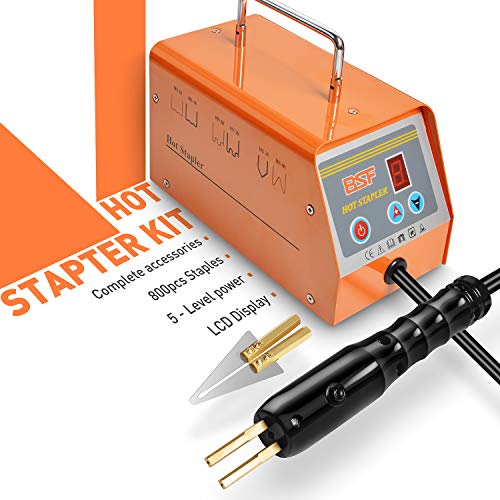
Precision matters when you’re welding thin or curved plastic, and that’s where this model shines. The 5-level power adjustment lets you fine-tune heat output, critical for avoiding blow-through on delicate bumper skins. The LED display makes settings easy to read, and the long handle with built-in light improves control in tight spots.
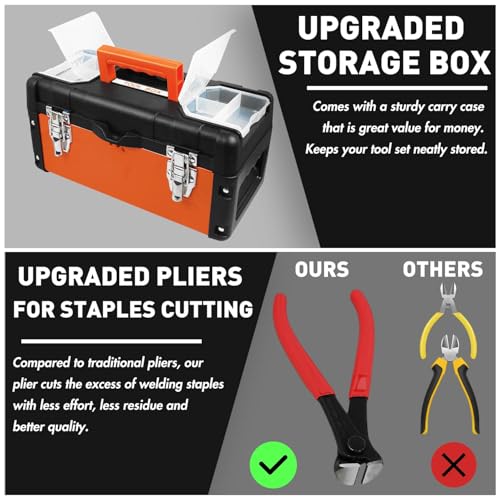
It’s a staple-only system, so you won’t get fused seams, but the mechanical hold is strong. Owners like the included toolbox, it adds real value. Compared to fixed-power staplers, this one gives you more control, which translates to cleaner, more reliable repairs. If you’re doing detailed work and want repeatability, this is the pick.
Product photos
How We Tested plastic welders
Rather than a hands-on lab test, this is a research-led comparison of specifications and owner feedback. I looked at published specs – wattage, temperature range, included accessories – across a wide range of plastic welders. I then weighed those details against owner reviews from major retailers and dedicated forums, plus expert opinions from sites focused on automotive repair and DIY projects. My goal was to rank these welders based on their suitability for common tasks and materials.
For plastic welders, the most important factors are heating speed and versatility. A quicker heating time means less waiting and more efficient repairs, especially on larger projects. Versatility comes down to the types of plastics a welder can handle and the accessories included to address different repair scenarios. These two elements largely determine a welder’s overall usefulness and justify its price point.
Specifications reliably indicate maximum temperature and wattage, giving a good sense of potential heating speed and the types of plastics a welder can tackle. However, I relied heavily on owner feedback to assess real-world performance – things like how quickly a welder actually heats up, the durability of included accessories, and how well it handles different plastic types. Reputation and consistent positive feedback were also key indicators of a quality product. You can find more information on our recommendations for best plastic welder kits.
Choosing The Right plastic welders
Picking the right plastic welder can feel overwhelming, but understanding your needs and the different types available will make the process much smoother.
A quality plastic welder should offer temperature control, versatility in materials it can handle, and a robust build for consistent performance. Prioritize models with safety features like overheat protection and ergonomic designs for comfortable use. Consider the types of plastics you’ll be working with – some welders specialize in specific materials – and look for kits that include a variety of accessories to address different repair scenarios.
Understanding Heating Methods
The core of any plastic welder is how it delivers heat. Staple welders, like the ATOLS Upgraded Plastic Welder, use heated metal staples to physically bind plastic pieces. They’re affordable and good for quick fixes, but aren’t ideal for all plastic types and can leave visible seams. Hot air welders, like the SWIGRANCE 1600W Hot Air Welder, use a jet of hot air to melt the plastic, fusing the pieces together. They offer more precision and are better suited for larger repairs, but have a steeper learning curve. Finally, rod/wire welders melt a filler rod to join the plastic, providing a strong, nearly invisible weld, and are often the preference for auto body work.
Material Compatibility & Accessories
Not all plastics are created equal. Polypropylene (PP), polyethylene (PE), and ABS are common, but require different approaches. Some welders handle a broad range – the Upgraded 220W Plastic Welder boasts compatibility with numerous plastic types – while others are more specialized. Beyond the welder itself, consider the included accessories. A good kit will include various welding rods, nozzles (for hot air welders), or staples, plus tools for cleaning and smoothing the weld. Don’t skimp on accessories; having the right tools for the job can make a huge difference.
Power & Project Scale
The size and complexity of your projects dictate the power you’ll need. For small, quick repairs, a 150W model like the 150W Plastic Welder Kit might suffice. However, larger projects, or working with thicker plastics, demand more power. The SWIGRANCE 1600W Hot Air Welder, for example, is designed for more substantial work. If you’re tackling automotive bumpers or larger plastic components regularly, investing in a higher-wattage model will save you time and frustration.
Here’s a quick guide to help you match power to project:
- Small Repairs (toys, household items): 80-150W
- Moderate Repairs (bumpers, kayaks): 150-220W
- Large/Heavy-Duty Repairs (roofing, industrial): 1600W+
Don’t assume more power is always better. A lower-powered welder with precise temperature control is often preferable for delicate plastics.
If you’re new to plastic welding, or need help choosing the right tool for your needs, exploring a range of recommended plastic welding tools can be a great starting point. You might also consider looking at a variety of plastic welding kits to see what’s available. And, for those seeking the best options currently on the market, checking out top plastic welder kits can provide valuable insights. Finally, don’t overlook the importance of finding the best plastic repair kits to ensure you have everything you need to complete your project successfully.
Plastic Welders Compared
Here’s a comparison of key specifications for various plastic welders to help you choose the right tool for your needs.
| Product Title | Power (W) | Temperature (Max °F) | Tip Types | Staple/Rod Included | Applications |
|---|---|---|---|---|---|
| 150W Plastic Welder Kit | 150 | 1112 | 3 (Soldering Iron) | 70 Rods | Bumpers, toys, electronics |
| JOUNJIP 80W UL Certified Welder | 80 | 525 | 2 (Triangle) | 20 Rods | Bumpers, kayaks, auto parts |
| ATOLS Upgraded Plastic Welder | N/A | N/A | N/A | 150/200/100 Staples | Bumpers, dashboards, plastic devices |
| Upgraded 220W Plastic Welder | 220 | N/A | N/A | 1002 Staples/100 Rods | Bumpers, car parts, kayaks |
| SWIGRANCE 1600W Hot Air Welder | 1600 | 1202 | Multiple Nozzles | N/A | Roofing, tarpaulins, RV repair |
| Polyvance 5700HT Mini Weld Model 7 | 200 | N/A | 2 | 8 Rods | High-melting plastics |
| OIMERRY Adjustable Power Welder | N/A | N/A | 1 (Triangle) | 800 Staples | Automotive, handmade plastics |
Frequently Asked Questions
What temperature range should I look for in a plastic welder?
A temperature range of 500°F to 1200°F is generally sufficient for most common plastics. Lower temperatures are needed for sensitive materials like polypropylene, while higher temperatures are required for more durable plastics like ABS.
Can a plastic welder also be used for repairing other materials?
While primarily designed for plastics, some hot air welders can be adapted for minor repairs on materials like rubber or vinyl. However, dedicated tools will always give better results for non-plastic repairs, and exploring best overall welding machines might be a better option for diverse projects.
Are staple welders suitable for automotive bumper repairs?
Staple welders can work for minor bumper repairs, but the staples are visible and may not provide the strongest bond. For more significant damage or a cleaner finish, a rod or hot air welder is generally preferred.
What’s the difference between a rod welder and a hot air welder?
A rod welder melts a filler material to create a weld, offering a strong and nearly invisible repair. Hot air welders melt the existing plastic to fuse pieces together, making them better for larger areas, but achieving a flawless result requires more practice.
What safety precautions should I take when using a plastic welder?
Always wear safety glasses to protect your eyes from sparks and fumes. Work in a well-ventilated area to avoid inhaling plastic fumes, and use gloves to protect your hands from the hot tools and materials.
The Bottom Line
Choosing a plastic welder often comes down to balancing control and convenience. Do you want a tool that offers precision and versatility, or something quick and easy for simpler repairs? For most homeowners and DIYers needing a reliable all-around performer, the Upgraded 220W Plastic Welder strikes the best balance; the included staples and rods give you options for a wide range of projects, and the 220W provides enough power for most common applications.
If you have very specific needs, there are excellent alternatives. For those focused on automotive repair and high-melting plastics, the Polyvance 5700HT Mini Weld Model 7 is a strong contender. And for budget-minded shoppers tackling smaller jobs, the 150W Plastic Welder Kit offers surprisingly good value. If you’re dealing with a cracked plastic gas tank, you might also want to consider a dedicated plastic tank repair adhesive.
Ultimately, the wattage and temperature range are important, but they’re secondary to understanding the type of plastic you’re working with and having the right accessories. A well-chosen welder, combined with a little patience and practice, can save you money and extend the life of your plastic items.
