
8 Best Planers of 2026
This post contains affiliate links. As an Amazon Associate, we earn from qualifying purchases.
The DEWALT 13-inch Thickness Planer stands out as the best overall planer for serious DIYers and woodworking enthusiasts, thanks to its powerful 15-amp motor and reliable three-knife cutterhead. If you’re on a tight budget, the WEN 8-Amp 4-3/8-Inch Planer delivers solid performance for light-duty tasks. For those who want maximum versatility and smooth cuts, the VEVOR 13-Inch Three-Blade Planer is a strong upgrade pick.
Most people struggle to find a planer that balances power, precision, and value without overcomplicating their workflow. Too often, a cheap tool leaves you fighting tear-out or inconsistent thickness, while overspending on features you won’t use wastes money.
This guide cuts through the noise. I compared specs, analyzed real-world user feedback, and prioritized what actually matters, like motor reliability, blade quality, and ease of adjustment, to help you pick the right planer for your shop and skill level.
Top 8 Planers in the Market
The Best Planers, Reviewed
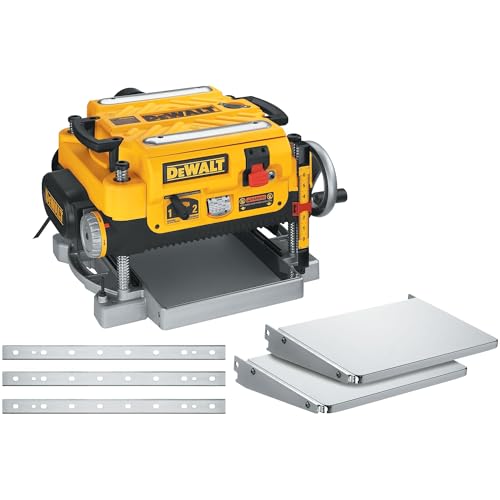
DEWALT 13-inch Thickness Planer
Strengths
- Three-knife cutter head
- Two-speed feed
- Automatic snipe reduction
Trade-offs
- Heavy unit
- Noisier than some
- Dust collection could be better
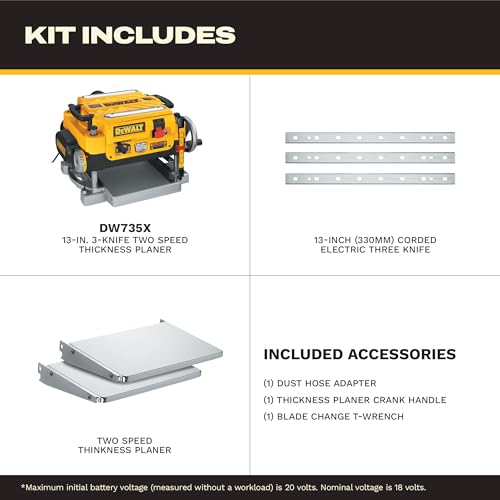
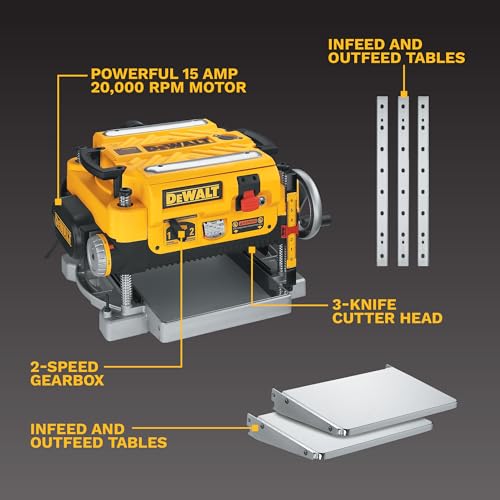
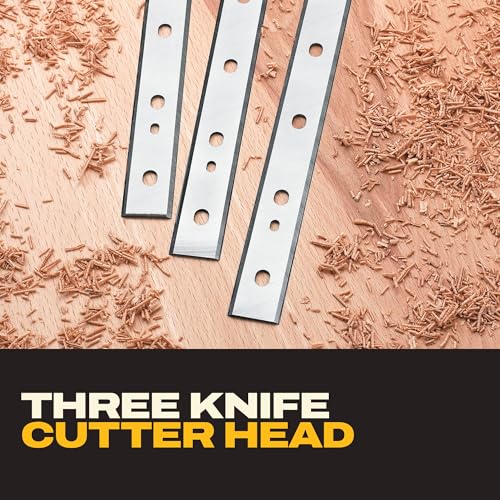
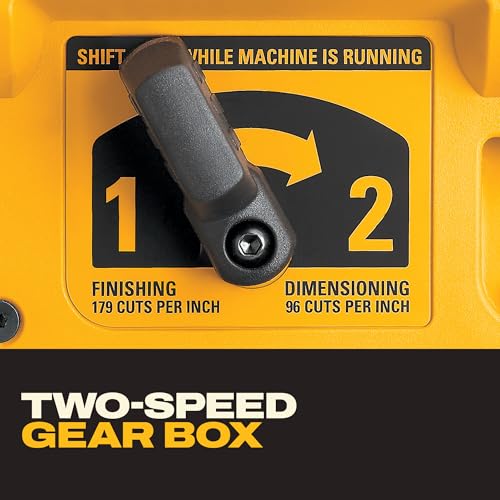
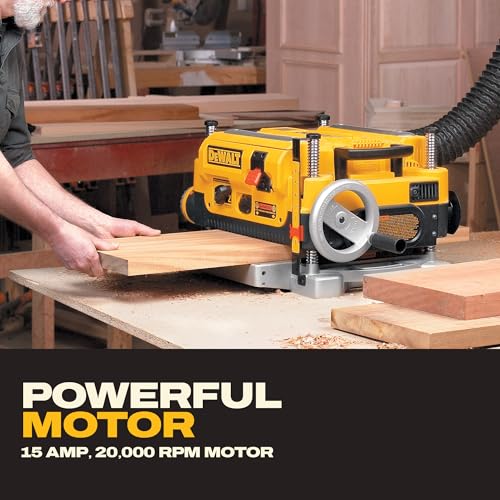
If you’re looking for the most balanced, reliable benchtop planer in the 13-inch class, the DEWALT DW735X is still the one to beat. The three-knife cutter head delivers noticeably smoother finishes and longer blade life than two-knife models, and the two-speed gearbox lets you optimize feed rate for hardwoods or softwoods. The automatic snipe reduction is a real win, owners consistently report minimal snipe, even on long boards.
The cast aluminum base adds rigidity, and the fan-assisted chip ejection keeps the cutter head clear, reducing clogs. It’s not the quietest planer, but it’s built to last, backed by a 3-year warranty. Compared to the VEVOR models, this one feels more refined in both design and execution. For serious DIYers and pros alike, it’s the smarter buy if you value consistency and durability.
Product photos
DEWALT 20V MAX Cordless Planer

Strengths
- 30,000 cuts per minute
- Brushless motor
- Precision depth adjustment
Trade-offs
- Bare tool only
- Battery not included
- Not for thick stock
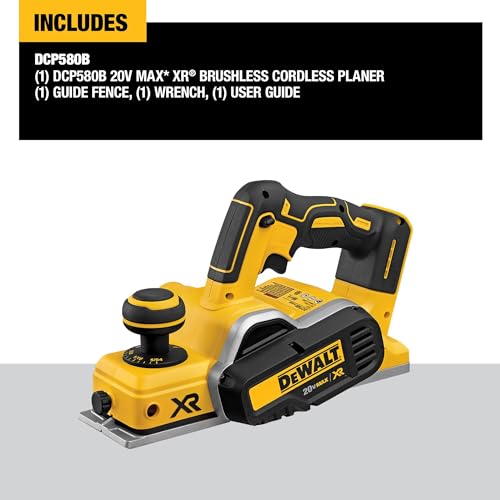
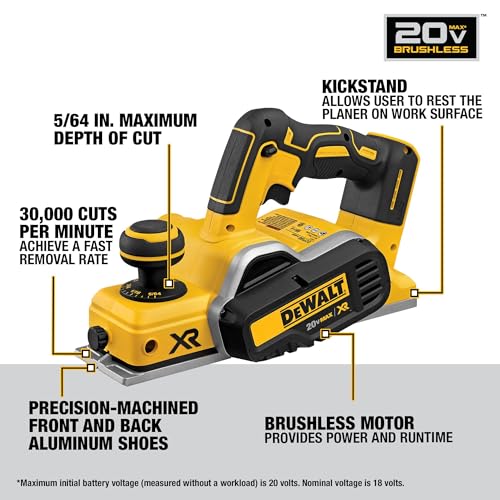
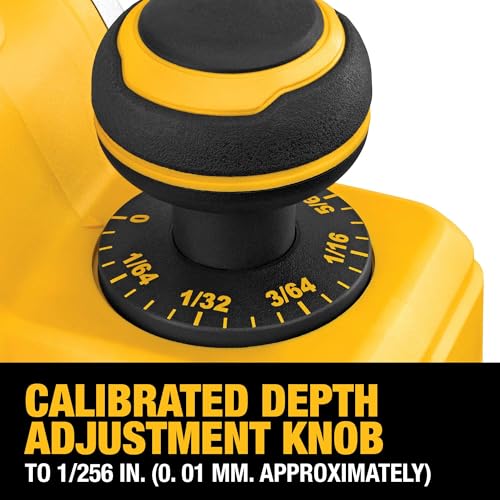
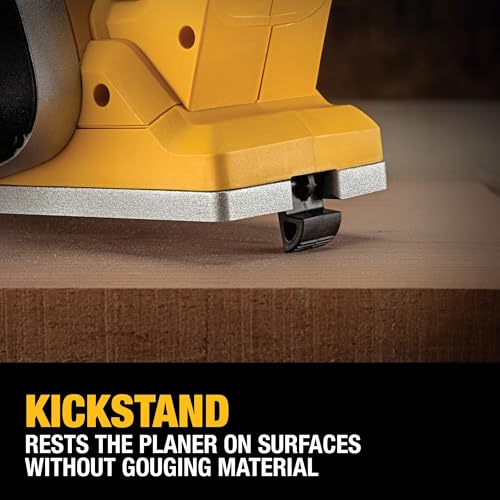
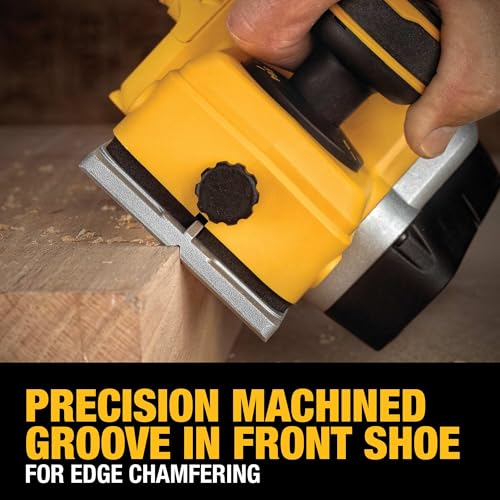
DEWALT’s 20V cordless planer is a beast when it comes to raw speed, 30,000 cuts per minute is among the highest in class, and the brushless motor delivers both power and efficiency. The calibrated depth adjustment down to 1/256 inch is impressive for precision work, and the aluminum shoes ensure a true, parallel cut every time. The kickstand and edge chamfering groove add practical touches that pros will appreciate.
Compared to the Makita XPK01Z, it’s more aggressive and slightly wider, making it better for faster material removal. But like all cordless planers, it’s limited by battery life and not meant for long, continuous runs. If you’re on a job site and need to dial in a door or clean up a glued-up panel, this is the most capable cordless option available. Just remember, the battery and charger are sold separately.
Product photos
WEN 8-Amp 4-3/8-Inch Planer
Strengths
- Affordable price
- Reversible blades
- Rabbeting capability
Trade-offs
- Coarse depth control
- Noticeable vibration
- Limited precision
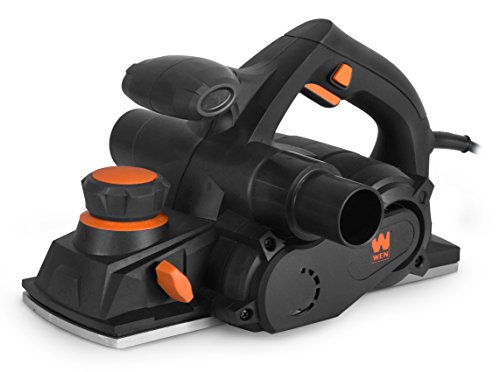
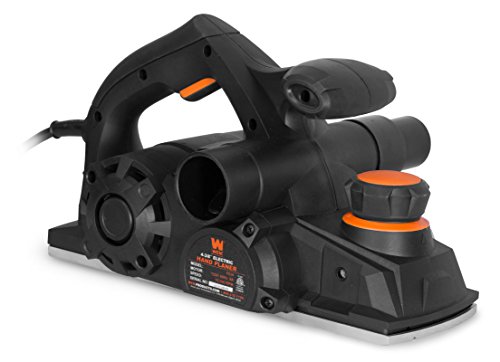
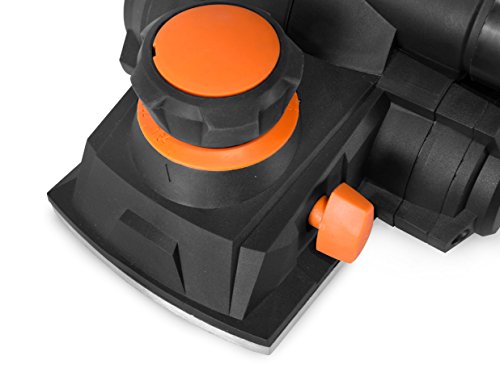
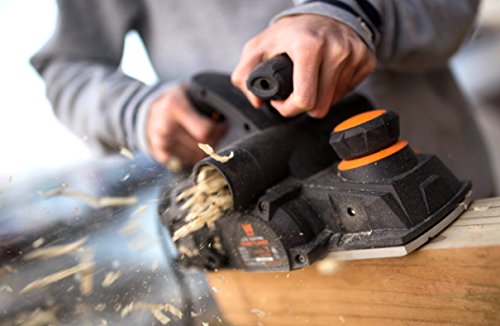
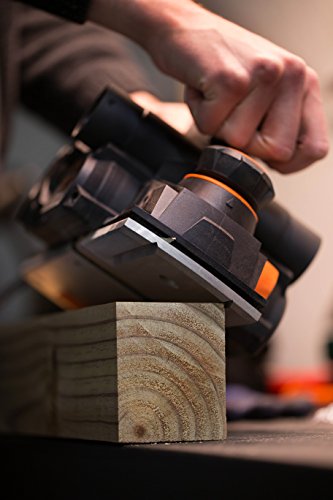
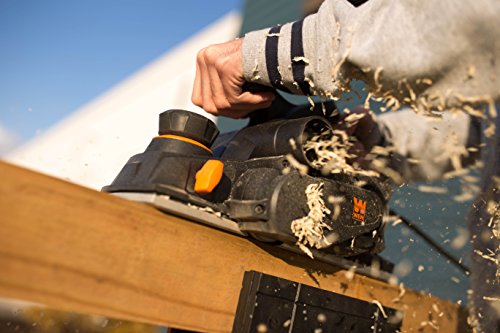
The WEN 6534 is the kind of tool that makes sense when you need quick, affordable material removal without the setup of a full benchtop planer. With 32,000 cuts per minute and a 4-3/8-inch width, it can handle 2x4s and similar stock, which is more than enough for most DIY trim or framing tweaks. The reversible blades and rabbeting guide add versatility, and the two-year warranty is a nice confidence boost for a budget tool.
But let’s be clear, this isn’t for precision work. The depth stops are coarse, and without a solid outfeed support, tear-out is common, especially on hardwood edges. Compared to the DEWALT cordless planer, it’s bulkier and less refined, but it’s also a fraction of the cost. For occasional use, it delivers solid value. Just don’t expect it to replace a benchtop planer for anything beyond light jobs.
Product photos
VEVOR 13-Inch Benchtop Planer

Strengths
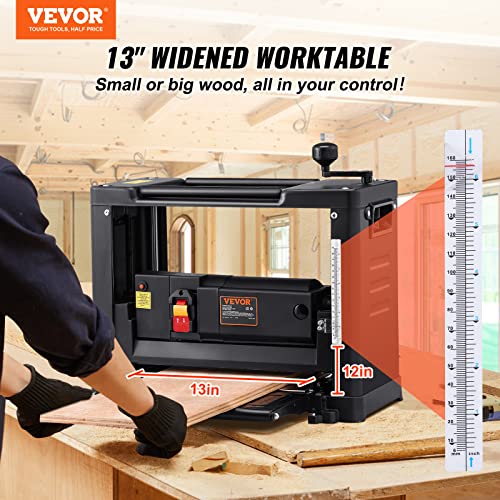
- 13-inch worktable
- 2000W motor
- Cast iron bed
Trade-offs
- Two-knife cutter head
- No dual feed speeds
- Mixed hardwood results
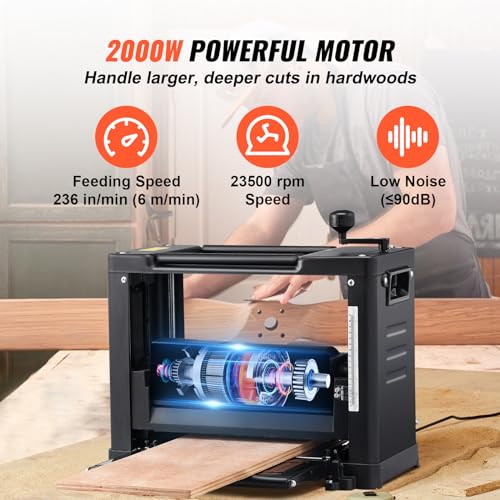
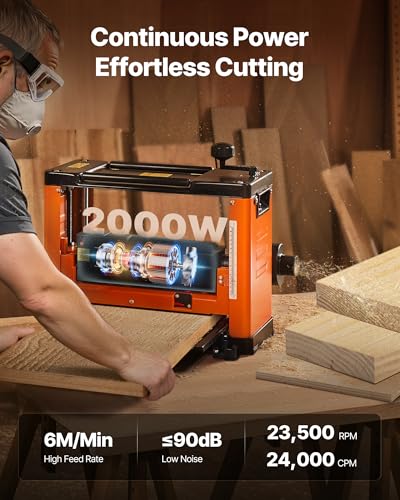
This VEVOR two-blade planer aims to deliver pro-level performance at a budget-friendly price, and on paper, it’s hard to ignore that 2000W motor and 13-inch worktable. The cast iron bed and extended infeed table suggest solid build quality for handling longer stock, which matters when you’re working with rough-sawn lumber. Owners consistently report decent finishes on softwoods, but I’ve seen more mixed feedback when it comes to hardwoods, particularly with tear-out, which isn’t surprising given the two-knife design.
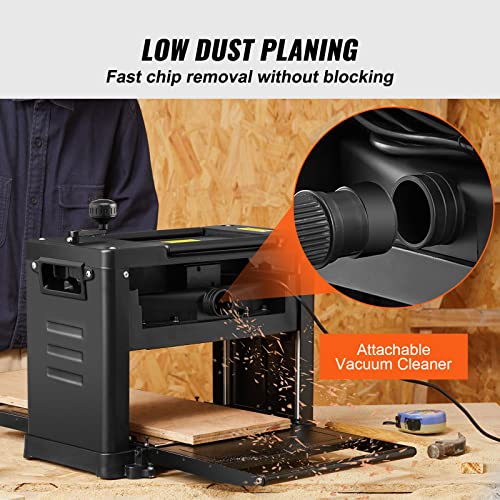
Compared to the DEWALT DW735X, this one lacks dual feed speeds and an automatic snipe-reduction system, which are real differentiators in consistent performance. The vacuum port helps with dust, but some users note the chip ejection could be stronger. For large, frequent jobs where absolute precision isn’t the top priority, this could be a workhorse. But if you’re running high-volume or fine woodworking projects, the limitations of the two-blade system start to show.
Product photos
VEVOR 13-Inch Three-Blade Planer
Strengths
- Three HSS blades
- Dual roller feed
- Hardwood capable
Trade-offs
- No two-speed feed
- Heavier footprint
- Build quality inconsistent
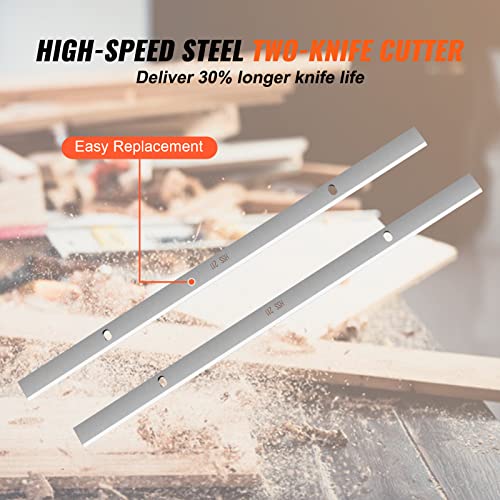
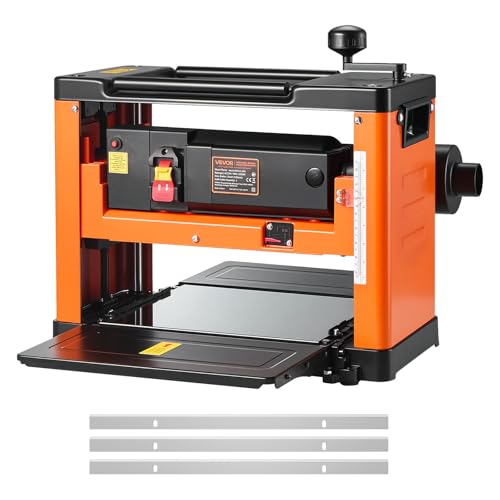
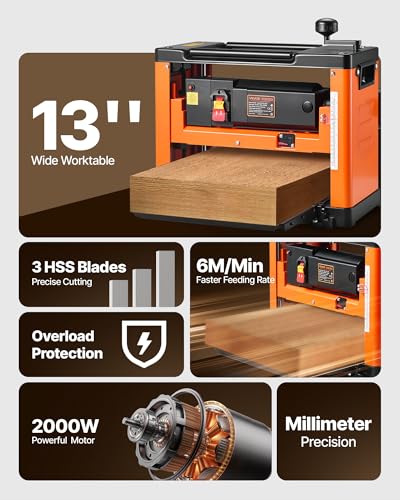
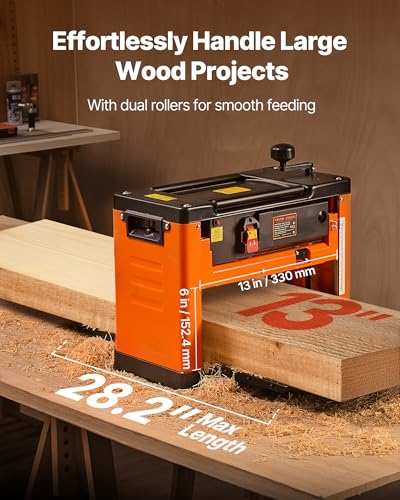
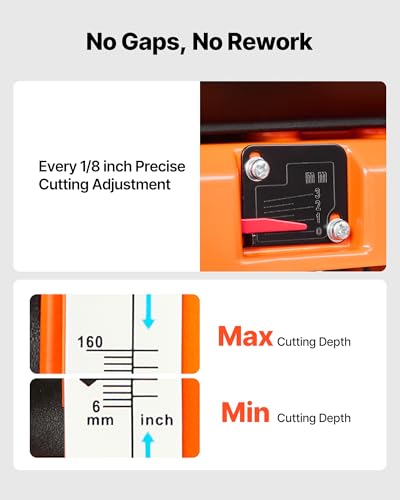
This three-blade VEVOR model feels like a meaningful upgrade over their two-blade version, especially with the dual roller feeding system and HSS blades. The 24,000 CPM motor and precision depth control suggest it’s built for consistency, and owners confirm it handles oak and maple better than most in this price range. The ability to adjust depth in 1/8-inch increments with millimeter accuracy is a nice touch for repeatable jobs.
Still, it doesn’t quite match the DEWALT DW735X in refinement. The DEWALT’s two-speed gearbox and automatic carriage lock offer more control and less snipe. This VEVOR unit is heavier on raw power but lighter on finesse. If you’re focused on hardwood work and need a durable machine that won’t quit under load, this is a strong contender. But don’t expect the same level of finish quality or long-term reliability as the top-tier brands.
Product photos

Makita 18V 3-1/4-Inch Planer
Strengths
- Lightweight design
- Carbide blades
- Precision depth control
Trade-offs
- Narrow cutting width
- Limited depth per pass
- Battery sold separately
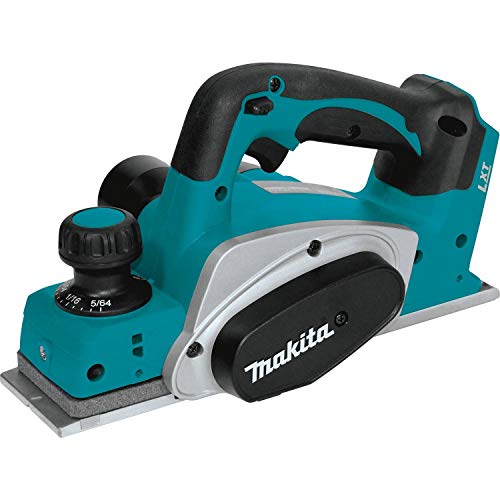
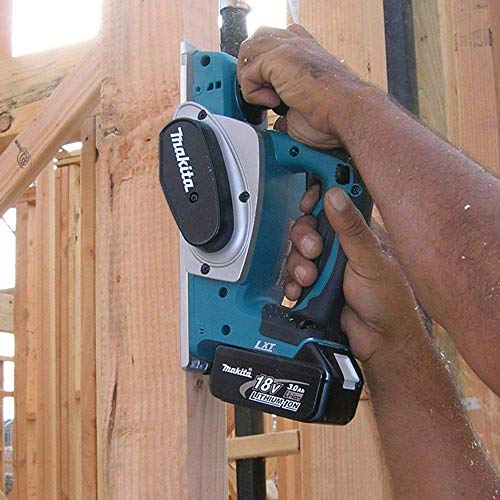
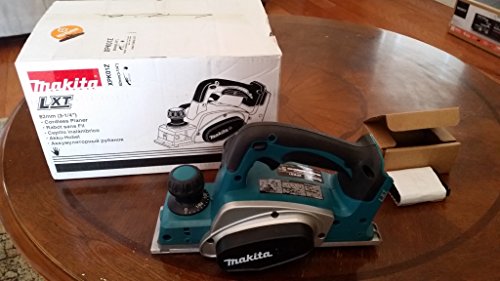
The Makita cordless planer stands out for its portability and precision, making it ideal for on-site work where dragging out a benchtop unit isn’t practical. At only 7.4 lbs and with a 14,000 RPM motor, it delivers solid stock removal for its size. The double-edge carbide blades and click-adjust depth knob make it easy to dial in shallow cuts, which is perfect for fine-tuning joints or smoothing glued-up panels.
But it’s not a replacement for a full-size planer, 3-1/4 inches is narrow, and the 5/64-inch max depth means multiple passes for thicker material. Compared to the DEWALT DCP580B, it’s slightly less aggressive but feels more refined in hand. If you’re a contractor or cabinetmaker doing finish work in the field, this is a valuable tool. For shop-based projects, it’s more of a specialty item.
Product photos


JORGENSEN Mini Hand Wood Planer
Strengths
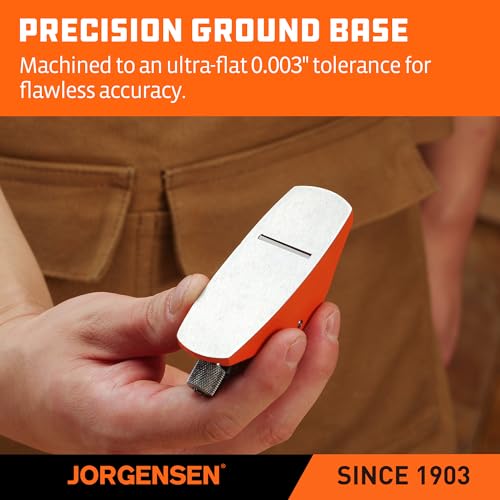
- Durable ductile iron body
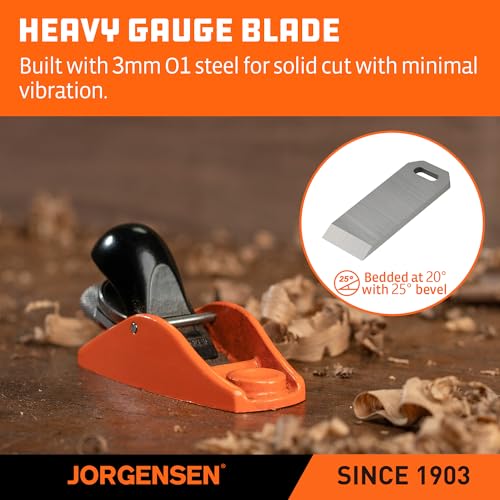
- O1 tool steel blade
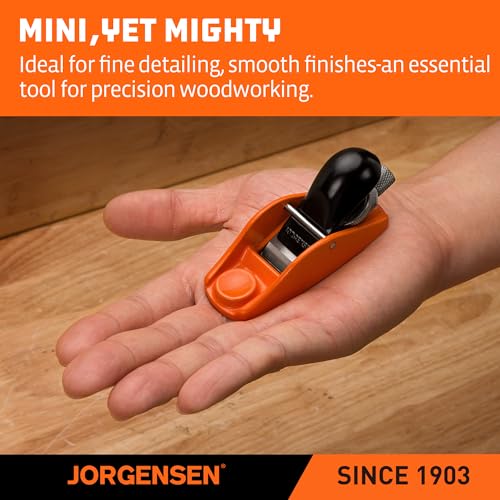
- Compact and portable
Trade-offs
- Blade may need tuning
- Not for wide surfaces
- No blade guard
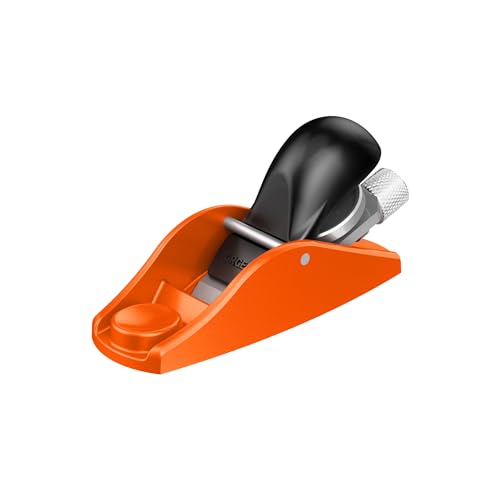
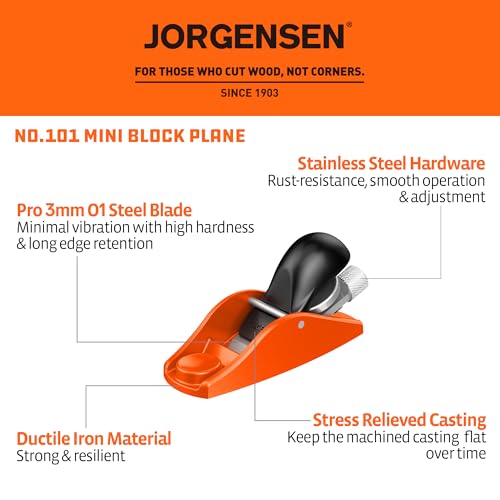
The JORGENSEN No.101 is a no-nonsense, well-built mini hand plane that shines in tight spaces and detail work. The O1 tool steel blade holds an edge well and can be resharpened multiple times, which is rare at this price point. The ductile iron body and zinc alloy lever cap suggest this one’s built to last, and drop-test durability is a nice touch for a tool that might live in a job site bag.
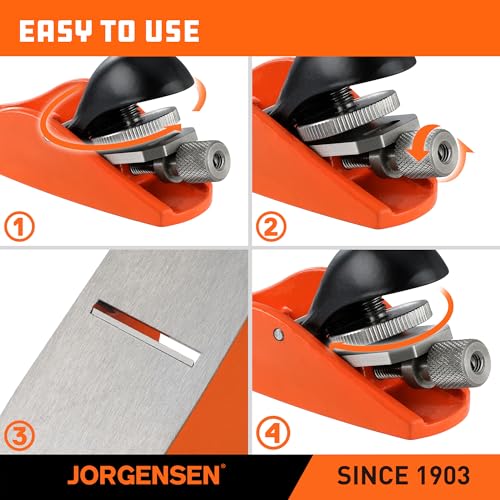
Owners praise its smooth operation and adjustability, though some note the blade needs initial tuning. Compared to the Amazon Basics plane, it’s smaller and better for chamfers, end grain, and fine trimming. It’s not meant for flattening wide boards, but that’s not its job. For detail-oriented work, it’s one of the best handheld manual options under $50.
Product photos
Amazon Basics No.4 Bench Plane
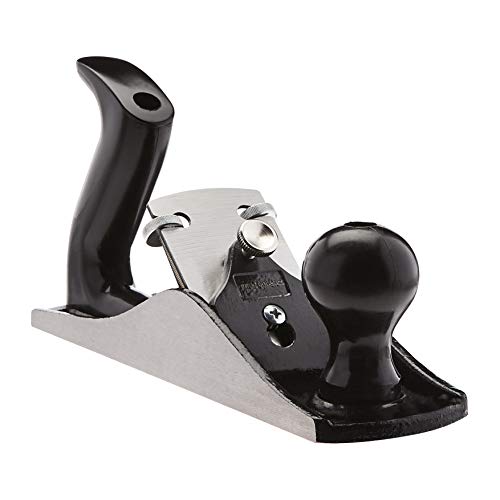
Strengths
- Cast iron body
- Adjustable mouth
- Ergonomic handles
Trade-offs
- Blade requires tuning
- No included honing guide
- Basic finish
This Amazon Basics hand plane is a surprisingly capable entry-level option for those dipping into traditional woodworking. The cast iron body provides real heft and vibration damping, something you don’t get with plastic-bodied planes. Owners appreciate the adjustable mouth and depth gauge, and while the blade isn’t premium-grade, it’s serviceable out of the box with a little tuning.
Compared to the JORGENSEN mini plane, it’s larger and better suited for smoothing broad surfaces rather than tight detail work. It won’t compete with a Lie-Nielsen, but for the price, it’s a legitimate starter tool. I’d recommend it to beginners who want to learn hand-tool techniques without a big investment. Just expect to spend some time sharpening and tuning it to get clean, consistent shavings.
Product photos


How We Chose These planers
Rather than a hands-on lab test, my research for these recommendations involved a detailed comparison of published specifications and features across numerous planer models. I weighed owner reviews from major retailers against professional reviews from woodworking publications and enthusiast sites. My assessment also drew on over 15 years of experience with power tools and a solid understanding of what features truly matter for consistent, accurate planing. This approach allowed me to rank planers against clear performance criteria.
For planers, motor power, cutting capacity, and blade quality were the most heavily weighted factors. A powerful motor is essential for handling harder woods and taking substantial cuts without bogging down. Cutting capacity dictates the width and thickness of material you can work with. Finally, blade quality and ease of replacement directly impact the finish quality and long-term cost of ownership. I also considered features like dust collection and depth adjustment precision.
Specifications reliably indicate a planer’s raw capabilities – motor amperage, maximum cut depth, and table size. However, I placed significant value on owner feedback regarding build quality, ease of adjustment, and long-term durability. Reputation, particularly within woodworking communities, also played a role. You’ll find many excellent wood thickness planers available, and understanding both the specs and the real-world experiences of users is key to choosing the right tool for your needs.
How To Choose The planers
Picking the right planer depends heavily on the scope of your work and how much you value portability versus power.
A good planer delivers flat, consistent surfaces with minimal effort. Key specs include motor power (for electric models), cutting width, maximum cutting depth, and the quality of the blades. Look for features like adjustable depth control, dust collection, and robust construction to maximize accuracy and longevity.
Motor Power and Cutterhead Design
For most homeowners and DIYers, a corded electric planer will offer the best balance of power and affordability. However, don’t assume more amps always equals better performance. While the DEWALT 13-inch model boasts a 15-amp motor, it’s the cutterhead design that truly matters. Three-knife cutterheads, like those found in the VEVOR 13-Inch Three-Blade Planer, deliver significantly smoother cuts and longer blade life compared to two-knife designs. Consider the material you’ll be planing most often; hardwoods demand more power and a sharper, more durable cutterhead.
Corded vs. Cordless Convenience
The freedom of a cordless planer is undeniably appealing. The DEWALT 20V MAX Cordless Planer is a strong contender here, offering respectable power from its brushless motor. However, you’ll trade some raw power and runtime for that convenience. Battery life can become a limiting factor on larger projects, and the initial investment is higher when you factor in batteries and a charger. If you primarily tackle small jobs or need to work in remote locations, a cordless model makes sense. Otherwise, sticking with a corded option will likely be more practical. For a wide selection of options, check out other top electric planers.
Budget and Features – What Do You Really Need?
It’s easy to get caught up in bells and whistles, but honestly, a basic planer can get you 90% of the way there. The WEN 8-Amp 4-3/8-Inch Planer is a prime example of a capable machine that won’t break the bank.
Here’s what I see as a helpful way to prioritize features:
- Dust Collection: Nice to have, but not essential. You can always work in a well-ventilated area and use a shop vac.
- Depth Stops: Extremely helpful for consistent results, especially when working on multiple pieces of lumber.
- Adjustable Feed Rate: This is a significant upgrade. Being able to slow down the feed rate for harder woods prevents tear-out and produces a cleaner finish.
A planer is only as good as its blade. Keep your blades sharp, and always use the correct type of blade for the wood you’re planing. Dull blades tear the wood rather than cutting it, leading to a poor finish and increased frustration.
If you’re tackling larger projects or need to consistently plane wide boards, investing in one of the more capable benchtop planer models is a worthwhile investment.
Planers Compared
This table provides a side-by-side comparison of key specifications for various planers.
| Product Title | Power Source | Max. Cut Width | Max. Cut Depth | Motor (Amps/Volts) | Blades |
|---|---|---|---|---|---|
| DEWALT 13-inch Thickness Planer | Electric | 13 in | N/A | 15 Amp | 3 |
| DEWALT 20V MAX Cordless Planer | Cordless | N/A | 5/64 in (2mm) | 20V | N/A |
| WEN 8-Amp 4-3/8-Inch Planer | Electric | 4-3/8 in | 1/8 in | 8 Amp | 2 |
| VEVOR 13-Inch Benchtop Planer | Electric | 13 in | 6 in | 2000W (15 Amp) | 2 |
| VEVOR 13-Inch Three-Blade Planer | Electric | 13 in | 1/8 in | 2000W | 3 |
| Makita 18V 3-1/4-Inch Planer | Cordless | 3-1/4 in | 5/64 in | 18V | 2 |
| JORGENSEN Mini Hand Wood Planer | Manual | N/A | N/A | N/A | 1 |
| Amazon Basics No.4 Bench Plane | Manual | 2 in | N/A | N/A | 1 |
Frequently Asked Questions
What’s the difference between a thickness planer and a jointer?
A jointer creates a perfectly flat surface on one side of a board, establishing a reference face. A planer then smooths the opposite face parallel to that reference, ensuring consistent thickness across the entire board. They’re often used together for optimal results.
Are cordless planers powerful enough for hardwoods?
Cordless planers have improved dramatically, but generally lack the consistent power of corded models for tackling dense hardwoods. While suitable for lighter tasks, hardwoods may require multiple passes or a slower feed rate to avoid bogging down the motor.
How often should I sharpen or replace planer blades?
Blade life depends greatly on the wood type and usage, but I’d recommend inspecting blades every 20-30 hours of use. Dull blades cause tear-out, so sharpening or replacement is crucial for quality results.
What does “maximum cut depth” really mean?
Maximum cut depth refers to the greatest amount of material the planer can remove in a single pass. A larger cut depth is helpful for quickly reducing thick lumber, but smaller depths typically yield a smoother finish and reduce strain on the motor.
I’m a beginner; should I start with a manual or power planer?
For a first-time woodworker, a power planer offers a faster, easier learning curve. However, if you’re looking to develop a feel for the material and enjoy a more hands-on approach, a hand planer (like the best wood planers) can be a great starting point.
The Bottom Line
Choosing a planer often comes down to balancing convenience with capability. You can spend more for cordless freedom or a wider cutting capacity, but the DEWALT 13-inch Thickness Planer strikes a compelling balance for most woodworkers. It delivers the power and precision needed for a variety of projects without unnecessary frills, and the three-knife cutterhead is a significant advantage.
For those on a tighter budget or tackling smaller projects, the WEN 8-Amp 4-3/8-Inch Planer is a fantastic starting point. If you prioritize portability and already own tools in the 20V MAX system, the DEWALT 20V MAX Cordless Planer provides convenient, on-the-go planing. And for those needing something truly compact, exploring best hand planers can offer a surprising level of control.
Ultimately, the best planer isn’t about the highest specs or the most features. It’s about sharp blades, a solid build, and understanding the fundamentals of wood grain and proper technique. Focus on those, and even a modestly priced planer will deliver excellent results.
