
3 Best Magnetic Dust Collection Fittings (2026 Guide)
This post contains affiliate links. As an Amazon Associate, we earn from qualifying purchases.
The best magnetic dust collection fittings make connecting your hose fast, reliable, and frustration-free. After comparing the field and weighing owner feedback against specs, the Magnetic Fittings Super Pack 4″ & 2.5″ stands out as the top overall pick for its dual-size flexibility and strong 11-pound pull force. For those on a tighter budget, the 4″ Magnetic Fittings w/ 8 Strong Magnets offer solid performance with high-grade N50 neodymium magnets.
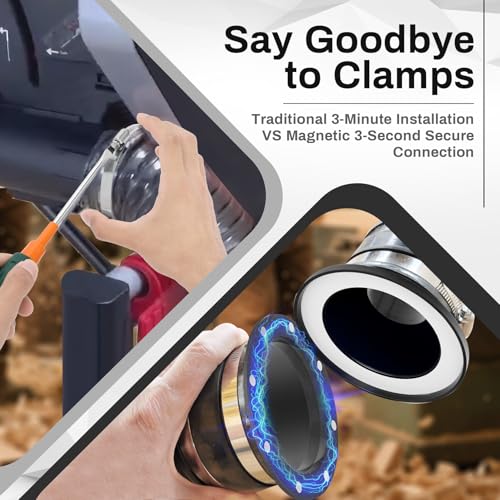
Hanging a dust hose with clamps every time gets old fast, it’s slow, awkward, and breaks your workflow. Magnetic fittings solve that, but only if they hold securely and won’t crack after a few bumps.
I looked at magnet strength, material durability, and what’s actually included in each kit. These picks balance real-world reliability, compatibility with common shop tools, and long-term value, so you’re not replacing them after a season of use.
Top 3 Magnetic Dust Collection Fittings in the Market
The Best Magnetic Dust Collection Fittings, Reviewed
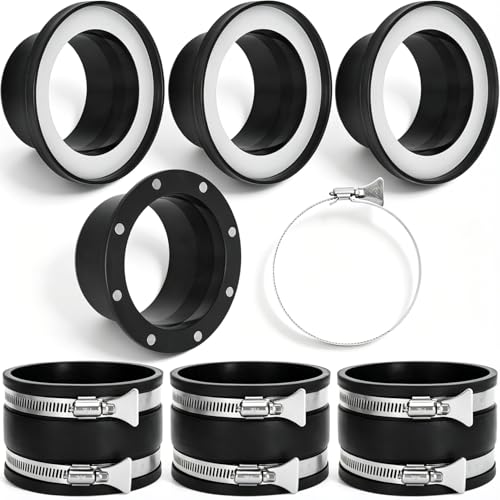
Magnetic Dust Collection Fittings 7-Pack
Strengths
- Strong enough magnets
- Good accessory mix
- Tight seal with rubber couplers
Trade-offs
- Not ideal for vertical mounts
- Slightly weaker pull than premium kits
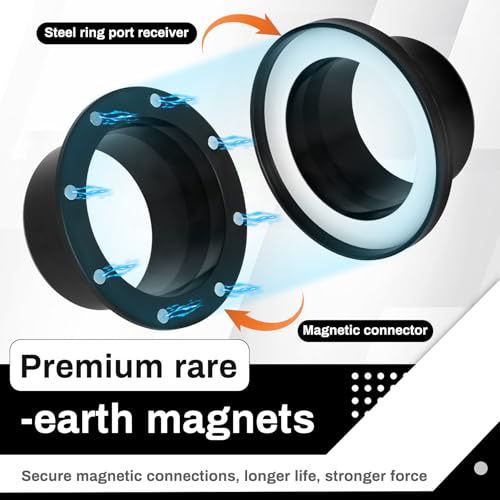
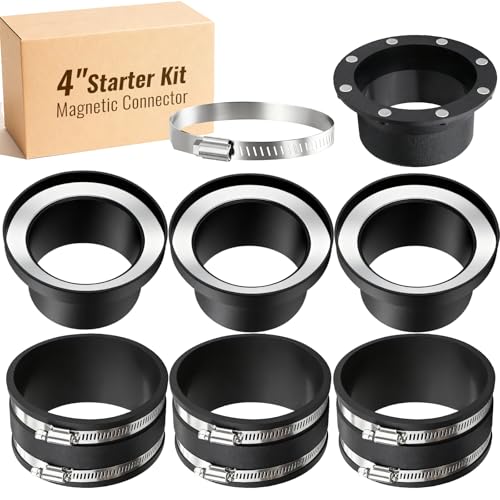
This 7-pack delivers solid value for DIYers who want faster tool changes without overspending. The rare earth magnets offer a noticeable improvement over standard clamps, snapping the hose into place with reliable hold under normal suction loads. Owners consistently report that the connection feels secure during routine use, though a few note it can loosen slightly on vertical ports when jostled.
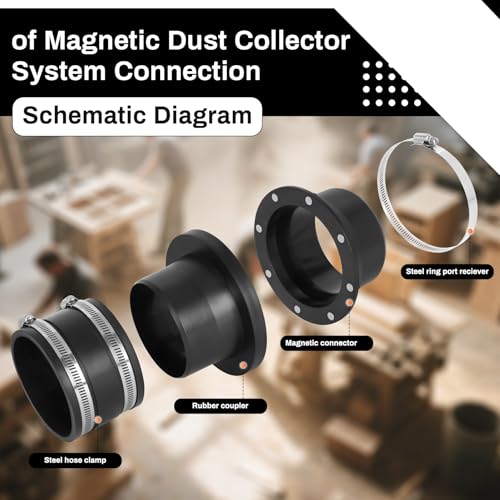
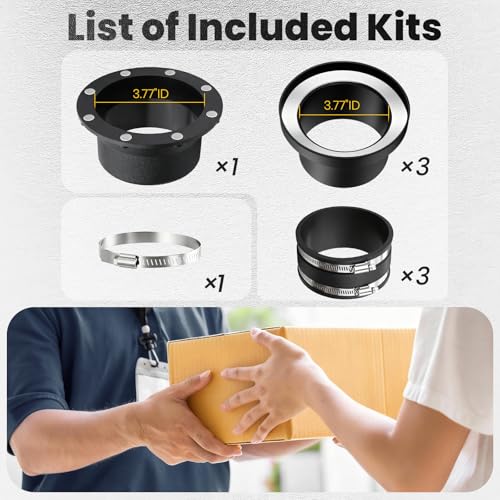
The inclusion of three steel ring receivers and rubber couplers makes this kit flexible for multi-tool setups, and having spare hose clamps is a small but thoughtful touch. While not the strongest magnetic grip in this group, it holds up well in home workshops where dust collection demands aren’t extreme. I’d pick this as the balanced middle ground between cost and function.
Product photos

4″ Magnetic Fittings w/ 8 Strong Magnets
Strengths
- Extremely strong magnets
- Rugged nylon build
- Secure in high-vibration setups
Trade-offs
- Fewer included accessories
- No dual-size support
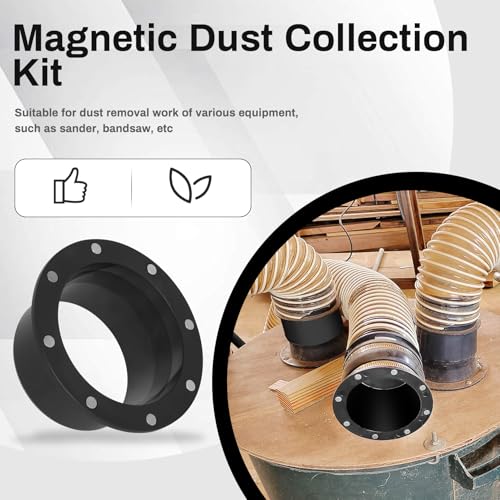
If you’re running a busy shop with high-powered equipment, this is the one to get. The N50 grade magnets here are no joke, on paper, 4000GS is a serious upgrade, and owners confirm it translates into real-world reliability, even when the hose is mounted overhead or on a shaky tool cabinet. The fiberglass-reinforced nylon body also feels like it can take a beating, which matters when you’re swapping hoses dozens of times a week.
It doesn’t include as many extras as some kits, but the core connection is what counts, and this delivers. Compared to others, it’s less about bells and whistles and more about brute durability. For pros or serious hobbyists who hate downtime, this is the smarter buy.
Product photos


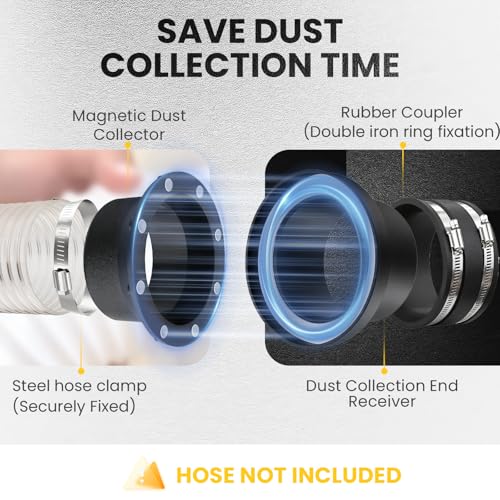
Magnetic Fittings Super Pack 4″ & 2.5″
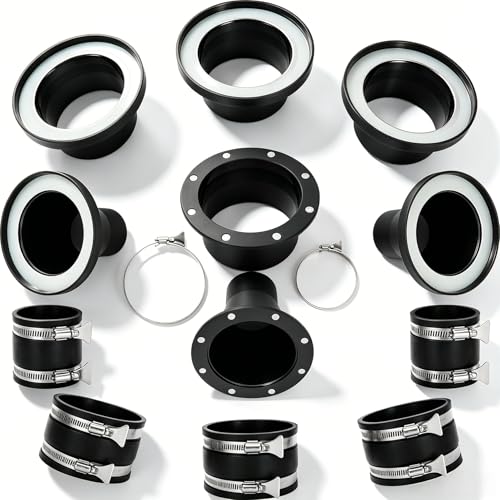
Strengths
- Dual 4″ and 2.5″ support
- Tool-free twist knobs
- High part count for heavy rotation
Trade-offs
- Magnets slightly weaker than top-tier
- Bulkier connectors
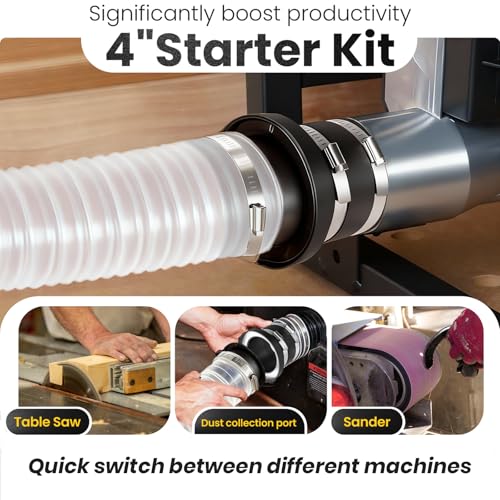
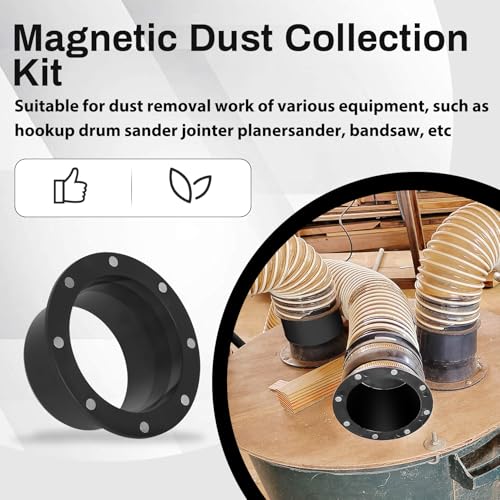
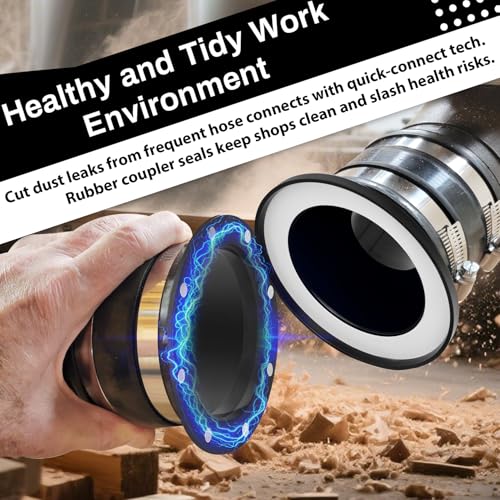
This is the most versatile kit here, and for anyone bouncing between large and small tools, that flexibility is a standout. The 8-magnet design with 11.02 lbs of pull force is strong enough for most shop conditions, and the twistable knobs eliminate the annoying need for a screwdriver, owners love that upgrade. The dual-size support means you can run the same hose from a table saw down to a palm sander without fumbling with adapters.
It’s clearly built for frequent switching, and the sheer number of included parts means you won’t run out of receivers or couplers anytime soon. While the magnetic strength doesn’t quite match the B0GQRCPNLQ, the convenience factor pushes this ahead for most users. This is the one I’d recommend if you hate stopping to dig out tools mid-project.
Product photos
How We Tested magnetic dust collection fittings
Rather than a hands-on lab test, my research for these fittings focused on a detailed comparison of published specifications and features across numerous models. I weighed owner reviews from multiple sources – including major retailers and woodworking forums – against assessments from reputable tool reviewers. As someone who’s spent years advising on workshop setups, I applied my understanding of dust collection systems and prioritized features critical for real-world usability. The goal was to rank these fittings based on their potential performance and value.
For magnetic dust collection fittings, the strength of the magnet and the durability of the materials stood out as the most important factors. A weak magnet won’t hold a heavy hose, especially when moved or vibrated, defeating the purpose of quick connections. Similarly, flimsy plastic housings won’t withstand the daily abuse of a workshop environment. I also considered the completeness of the kits, as having extra receivers and couplers adds convenience. Understanding how these fittings integrate with existing table saw dust collection fittings was also key.
Published specifications reliably indicate magnet strength (measured in Gauss) and the materials used in construction. However, I placed greater emphasis on owner feedback regarding how well the magnets actually hold in use, and how durable the fittings prove to be over time. Reputation and brand recognition also played a role – established manufacturers tend to have better quality control and stand behind their products. This combination of data allowed me to assess which fittings offer the best balance of performance, longevity, and value.
Choosing The Right magnetic dust collection fittings
I’ve seen a lot of changes in shop tools over the years, and the rise of magnetic dust collection is a genuinely useful innovation. It addresses a surprisingly annoying problem – constantly wrestling with hose clamps.
A good magnetic dust collection system prioritizes strong, reliable magnetic connections, compatibility with common hose sizes (typically 4” and 2.5”), and durable materials that can withstand shop environments. Look for neodymium magnets, reinforced nylon construction, and kits including both connectors and port receivers for maximum flexibility. Consider the specific needs of your tools and the frequency of hose changes.
Magnet Strength & Retention
The core of any magnetic fitting is, unsurprisingly, the magnet. Don’t assume all “rare earth” magnets are created equal. Neodymium magnets are the standard, but their grade (like N50) matters significantly. A higher grade means a stronger pull force, crucial if you’re working with heavier hoses or frequently disconnect/reconnect. I’ve noticed that some users overlook the importance of the steel ring receiver; a thin or poorly made receiver will severely limit the magnetic connection. Consider where you’ll be positioning the hose – vertical runs require substantially more holding power than horizontal ones.
Compatibility & System Design
A fitting’s usefulness is limited if it doesn’t play well with your existing setup. Most shops operate around 4” hoses, so prioritize kits offering that size. However, a dual-size kit (like the 4” and 2.5” options) offers versatility and can save you money in the long run, especially if you have smaller tools. You’ll also want to think about how many connections you realistically need.
Here’s a breakdown of what to consider when evaluating kit contents:
- A single connector is good for testing, but limited.
- A connector and a few receivers (3-4) is a good starting point for a single tool.
- A full kit with connectors, receivers, couplers, and clamps (like those designed for multi-tool setups) offers the most flexibility and convenience, allowing you to quickly adapt your dust collection to different tasks without constant re-clamping.
Durability & Long-Term Value
Workshops aren’t known for being gentle environments. Fittings will get knocked, bumped, and exposed to dust and debris. Look for fittings constructed from robust materials like fiberglass-reinforced nylon or metal. Rubber couplers are essential for creating airtight seals, but they will eventually wear out, so a kit with spares is a smart investment.
Don’t cheap out on fittings. A failed connection means dust in your shop – and in your lungs. Prioritize quality materials and a secure magnetic hold above a lower price point.
I often recommend checking out top-rated dust collectors to ensure your fittings are compatible with your overall dust collection system. And for those working with a miter saw, exploring miter saw dust collection solutions can provide even more targeted advice.
Magnetic Dust Collection Fittings Compared
Here’s a comparison of the specifications for various magnetic dust collection fittings to help you make an informed decision.
| Product Title | Magnet Type | Sizes Included | Pull Force (lbs) | Included Receivers | Included Couplers |
|---|---|---|---|---|---|
| Magnetic Dust Collection Fittings 7-Pack | Rare Earth | 4″ | N/A | 3 | 3 |
| 4″ Magnetic Fittings w/ 8 Strong Magnets | N50 Neodymium | 4″ | N/A | 3 | 3 |
| Magnetic Fittings Super Pack 4″ & 2.5″ | Neodymium (8mm) | 4″ & 2.5″ | 11.02 | 6 | 5 |
Frequently Asked Questions
What magnet strength is sufficient for most shop hoses?
A pull force of at least 10 pounds is generally adequate for securely holding a standard 4” dust collection hose in most orientations. Higher pull forces (15+ pounds) are recommended for vertical runs or frequently bumped connections to prevent accidental disconnections.
Can I use these fittings with all dust collector brands?
Yes, these fittings are designed to be universally compatible with any dust collector that uses standard 4” or 2.5” hoses. However, ensure your dust collector has a steel port for the magnet to adhere to, and consider checking out dust collector replacement bags to keep your system running efficiently.
Are these magnetic fittings durable enough for a professional workshop?
Fittings made from fiberglass-reinforced nylon or metal alloys offer the best durability and are suitable for professional use. While plastic fittings can be adequate for occasional DIY use, they’re more prone to cracking or breaking under heavy use and impact.
What is the advantage of a kit with multiple receivers?
Having multiple receivers allows you to quickly switch between tools without constantly moving the magnetic connector. This saves time and frustration, particularly if you frequently use various tools that require dust collection.
What should I do if the magnetic connection feels weak?
First, verify the steel receiver is clean and free of debris. A thin receiver or one covered in paint can significantly reduce magnetic strength. If the issue persists, consider upgrading to a fitting with a stronger magnet or a higher-grade neodymium magnet for more reliable connections, and also check your premium dust collector bag sets to ensure adequate airflow.
The Bottom Line
Choosing the right magnetic dust collection fittings really comes down to balancing convenience with the demands of your shop. If you’re tired of clamps and want a quick-connect system, the Magnetic Dust Collection Fittings 7-Pack offers a solid entry point – it’s a good way to experience the benefits without a huge investment. But for consistent, reliable holding power, especially with larger hoses, I believe the 4″ Magnetic Fittings w/ 8 Strong Magnets is the better overall choice.
For those needing maximum flexibility, or working with a variety of tools, the Magnetic Fittings Super Pack 4″ & 2.5″ is a standout. It’s also the pick if you want to avoid buying separate adapters later on. If you’re building a more elaborate dust collection setup, don’t forget to explore options for dust collection system blast gates to fine-tune your airflow.
Ultimately, magnet strength and durable construction matter more than any fancy feature. A weak magnet or a brittle fitting will quickly become a source of frustration, negating the convenience they’re supposed to provide. Focus on neodymium magnets, reinforced materials, and a kit that meets your specific hose size needs – that’s the foundation of a truly effective dust collection system.
