7 Best Homeowner Chainsaws of 2026
This post contains affiliate links. As an Amazon Associate, we earn from qualifying purchases.
The Husqvarna 120 Mark III 16-Inch is our top pick for most homeowners, offering reliable gas-powered performance with excellent safety features and ease of use. For those wanting a cleaner, quieter option, the EGO POWER+ 16″ Battery Chainsaw delivers strong cutting power and exceptional build quality. If you’re tackling heavier jobs and need more reach, the 62CC 20-Inch Gas Chainsaw is a capable step-up model.
Most homeowners don’t need a pro-grade monster, but they still want a saw that starts on the first pull and handles storm cleanup, trimming, and firewood prep without constant frustration. Too many people buy based on price or power alone, only to end up with a saw that’s too heavy, too finicky, or unsafe for their skill level.
This guide cuts through the noise, focusing on models that balance real-world performance, safety, and ease of ownership. I researched each chainsaw based on specs, verified owner feedback, and key homeowner priorities like starting reliability, weight, maintenance needs, and overall value.
Top 7 Homeowner Chainsaws in the Market
The Best Homeowner Chainsaws, Reviewed
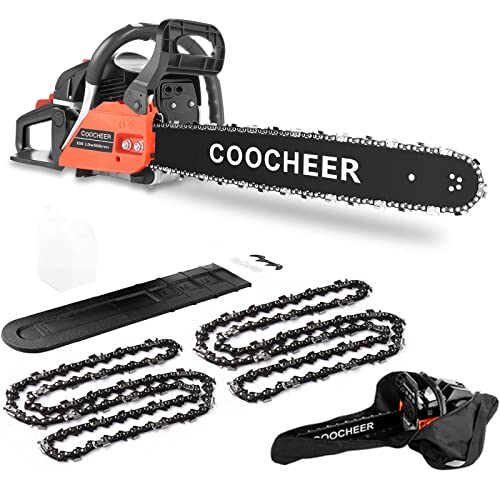
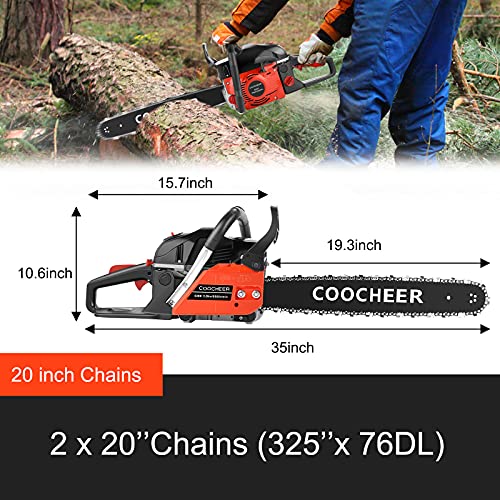
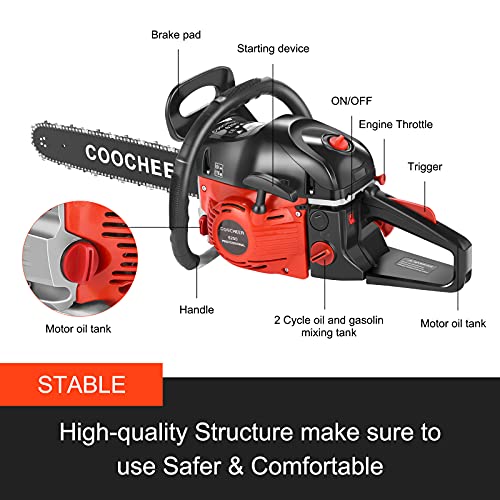
62CC 20-Inch Gas Chainsaw
Strengths
- High 62cc power
- 20-inch bar
- Dual chains included
Trade-offs
- Heavy and loud
- Fuel mixing required
- Harder to start
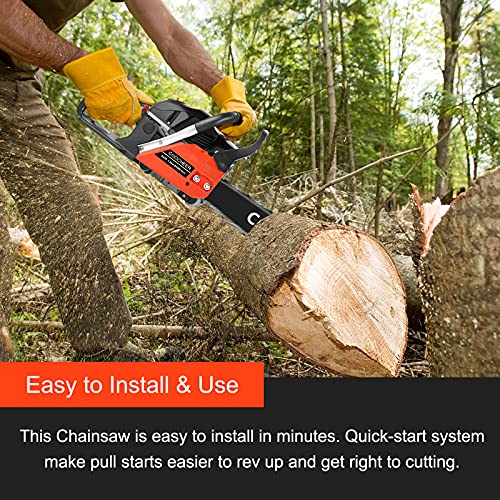
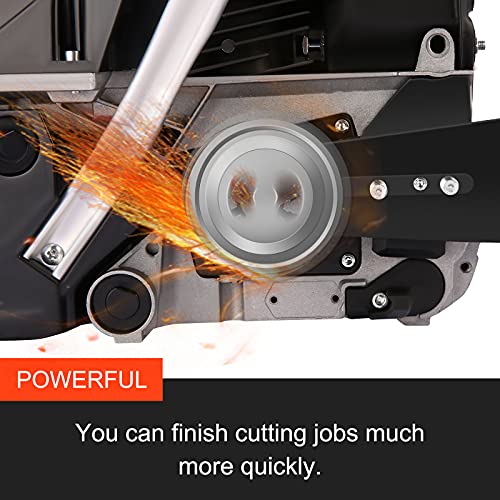
A 62cc 20-inch gas saw is overkill for most homeowners, but if you’ve got mature trees, thick brush, or regular firewood duties, this one delivers. The 3.5 HP engine and 10,000 RPM speed mean it powers through logs with minimal hesitation. Dual chains are a smart touch, having a spare already stretched and ready saves time when one dulls.
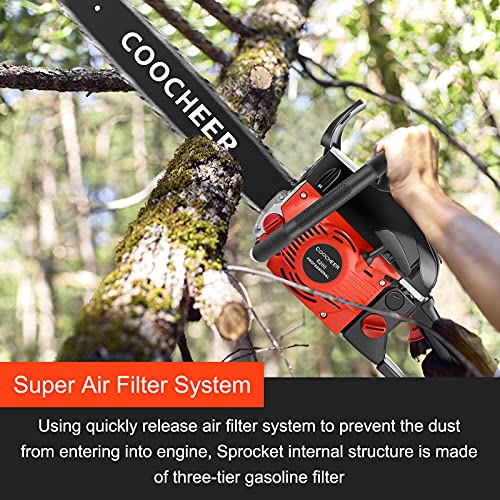
But this power comes with strings attached. The 2-stroke engine needs a 25:1 fuel mix, and owners report the learning curve for starting isn’t trivial. It’s also loud and heavy compared to electric options. Still, for raw capability and independence from batteries or cords, it’s hard to beat. Among budget gas saws, this one has better filtration and anti-vibration features than most.
Product photos
Husqvarna 120 Mark III 16-Inch

Strengths
- Easy to start
- X-Torq efficiency
- Low vibration
Trade-offs
- Requires fuel mix
- Regular maintenance
The Husqvarna 120 Mark III is what you get when engineering meets practicality. The X-Torq engine isn’t just about power, it reduces emissions and improves fuel efficiency, which matters if you’re running this saw regularly. But the real win is the starting system. The air purge and combined choke/stop control make cold starts reliable, and owners consistently note it fires up in 1–2 pulls when properly tuned.
It’s lighter than the 62cc monster and more refined than budget gas saws, with LowVib tech reducing fatigue during longer sessions. The automatic oiler works well, and the inertia chain brake is responsive. Compared to battery models, it requires more upkeep, but for a homeowner who values reliability and doesn’t mind a little maintenance, this is the gas saw I’d recommend first.
Product photos


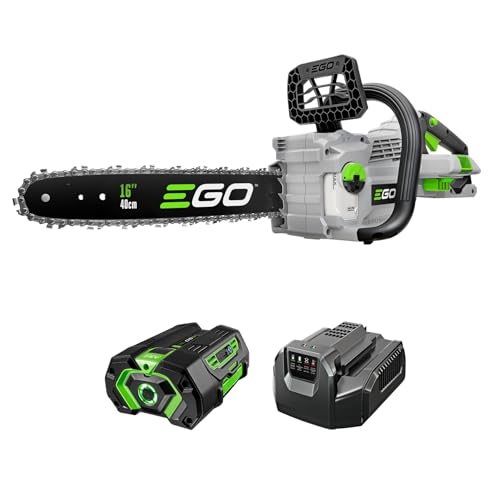
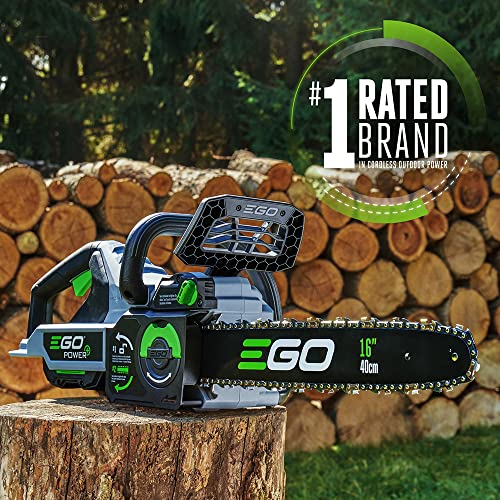
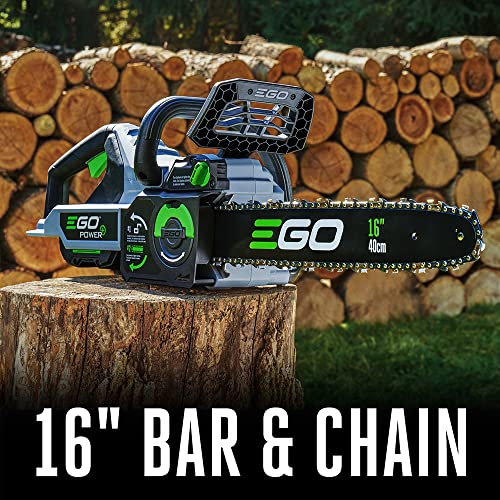
EGO POWER+ 16″ Battery Chainsaw
Strengths
- 40cc gas equivalent
- Tool-free tensioning
- Weather resistant
Trade-offs
- Battery system cost
- Heavier than some corded
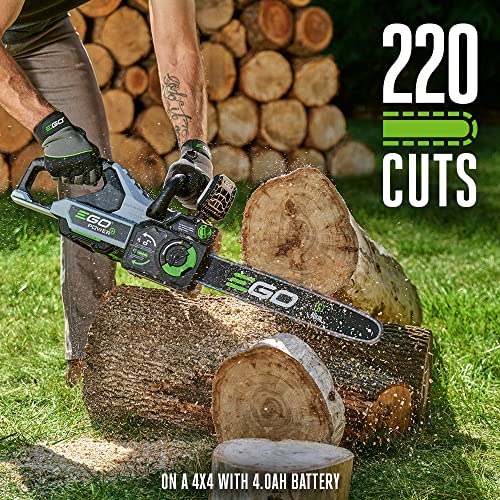
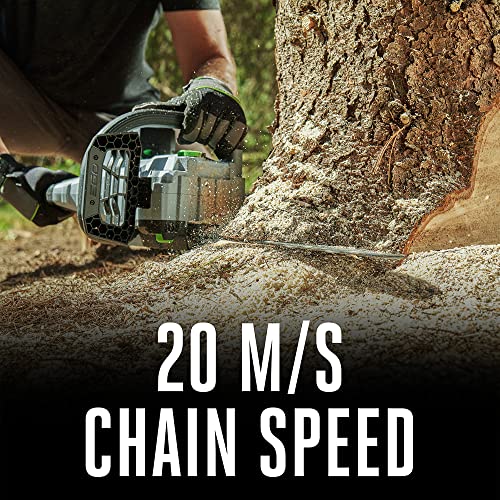
The EGO CS1613 stands out in the homeowner chainsaw space because it brings real gas-level performance to a battery platform. On paper, a 40cc gas equivalent from a brushless motor sounds aggressive, but owners consistently report it backs that up, cutting through dense hardwoods with authority and sustaining power without bogging down. The 56V system is mature, and the included 4.0Ah battery delivers what most users need for a solid afternoon of storm cleanup or limb processing.
What really seals the deal is the tool-free chain tensioning and IPX4 weather resistance. These aren’t flashy, but they matter in real use, especially when you’re adjusting the chain mid-job in damp conditions. Compared to other cordless models, EGO’s ecosystem gives you long-term flexibility, and the build feels more refined than budget brushless options.
Product photos

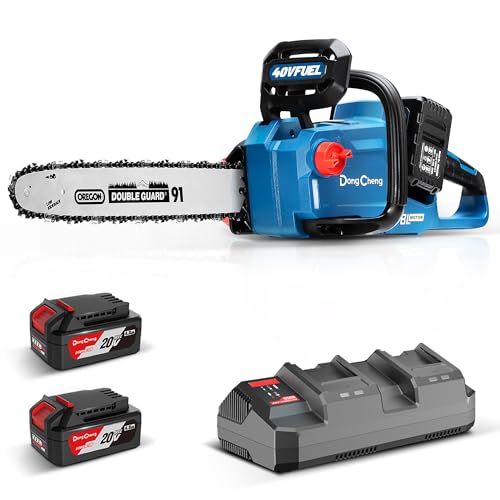
DongCheng 40V 16-Inch Brushless
Strengths
- Two 4.0Ah batteries
- Long runtime
- Fast chain brake
Trade-offs
- Brand recognition lower
- Ergonomics average
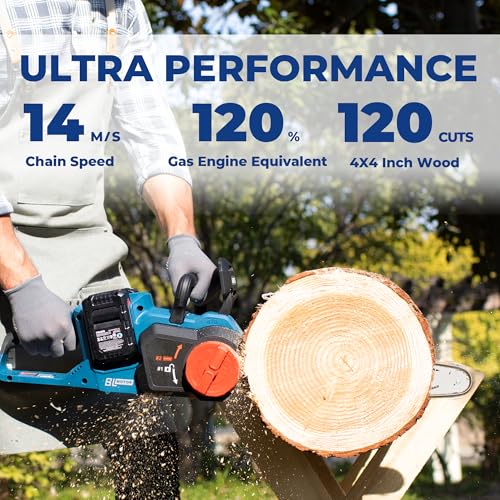
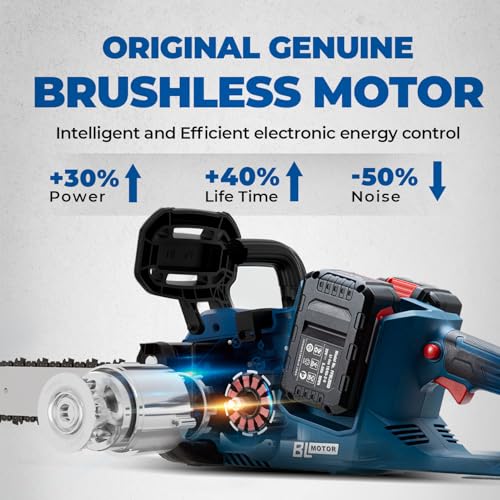
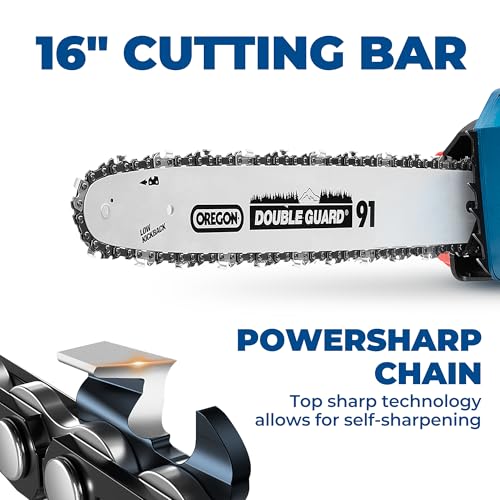
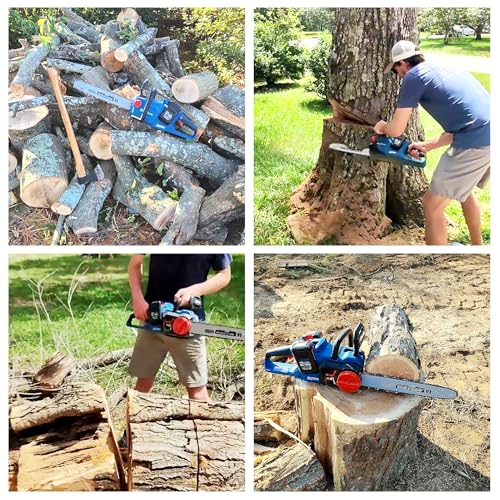
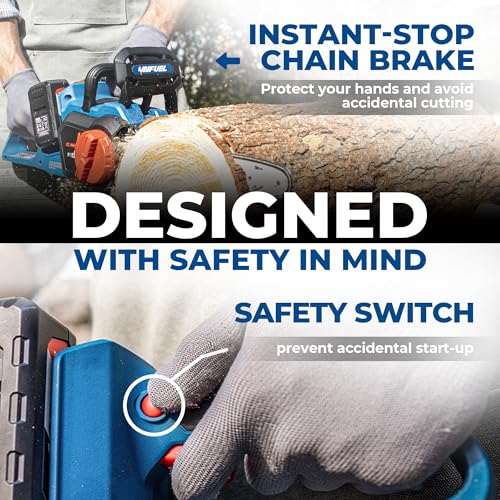
DongCheng’s 40V dual-battery setup is one of the smartest value plays in cordless chainsaws right now. Including two 4.0Ah batteries changes the game, suddenly, you’re not timing your cuts or rushing before a recharge. Owners report getting through multiple large jobs on a single set, and the 120-cut claim on 4x4s seems realistic under normal conditions. The brushless motor delivers smooth, sustained power, and the <0.1s chain brake adds real confidence during aggressive cuts.
It’s not as polished as EGO or Husqvarna, but it’s close enough for the price. The tool-free tensioning and auto-oiler work well, and the fact that it shares batteries with other DongCheng tools makes it a great anchor for a budget-conscious yard toolkit. I’d pick this over similarly priced single-battery models any day.
Product photos
Oregon CS1400 15 Amp Electric
Strengths
- Consistent 15-amp power
- Low-kickback chain
- Tool-free adjustments
Trade-offs
- Requires extension cord
- Not portable off-grid
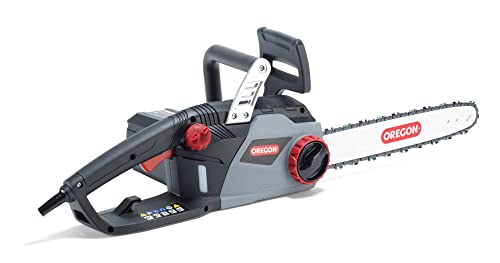
If you’re tired of battery anxiety and want a chainsaw that runs all day without interruption, the Oregon CS1400 is the answer. The 15-amp motor isn’t just strong, it’s consistent. Reviewers highlight how it maintains chain speed under load, a weakness in many lower-end electric saws. The ControlCut chain is a standout, too. It stays sharp longer than standard chains, which means fewer stops to file or replace, and produces a noticeably smoother cut.
The automatic oiler and tool-free tensioning make maintenance painless, and the low kickback design adds peace of mind for less experienced users. Compared to cordless models, it’s obviously limited by the cord, but for a fixed property with a yard under half an acre, that’s a fair trade for unlimited runtime.
Product photos


40V 16-Inch Brushless Cordless
Strengths
- 2000W brushless motor
- Fast charger included
- Triple safety system
Trade-offs
- Battery not 20V compatible
- Shorter run time than 56V
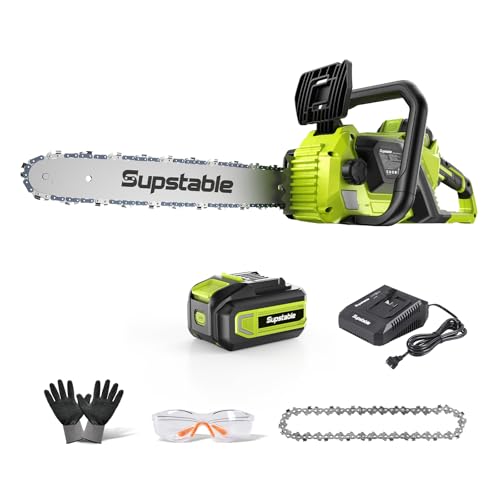
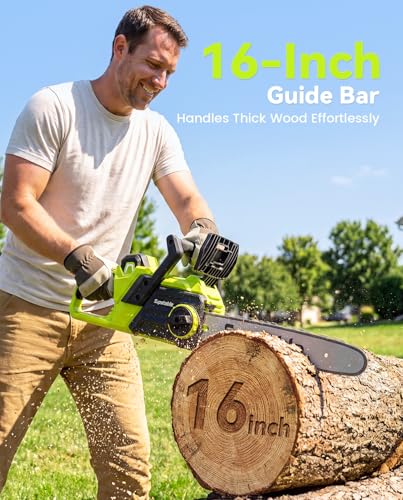
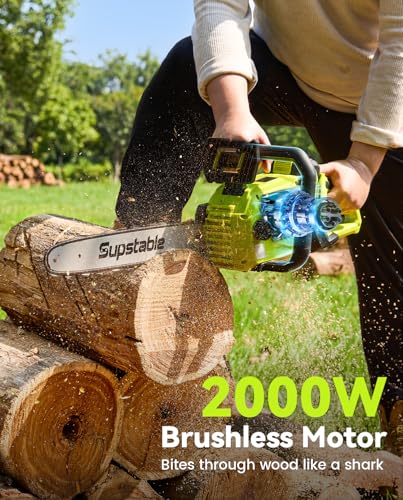
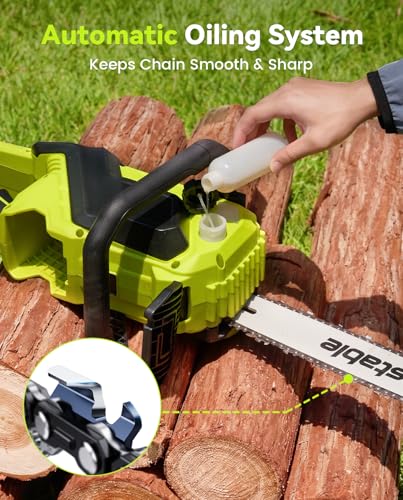
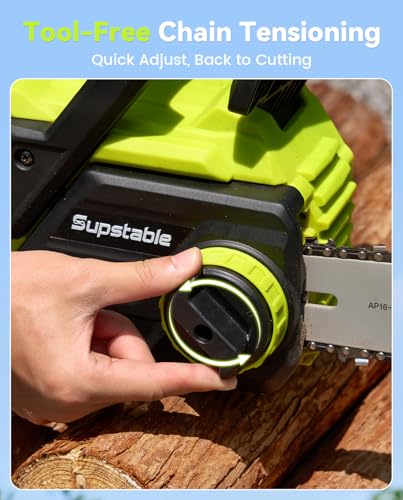
This 40V brushless model makes a strong case on specs alone, 2000W output and 35 ft/s chain speed suggest gas-rivaling performance. And while real-world cuts depend on load and battery health, owner feedback confirms it handles 12-inch logs with ease, which is more than enough for typical homeowner needs. The brushless motor is efficient, runs cool, and contributes to a longer lifespan compared to brushed equivalents in this price range.
Where it stumbles slightly is ecosystem lock-in. The 40V battery isn’t compatible with 20V tools, which could frustrate buyers hoping to expand their collection. Still, for a standalone purchase, it’s well-equipped, the auto-oiling, instant brake, and included safety gear make it one of the more complete out-of-box experiences in the mid-tier cordless segment.
Product photos
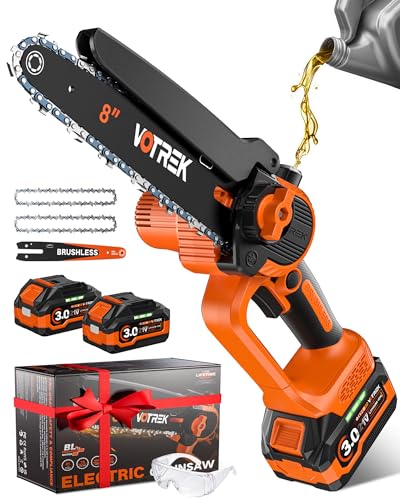
VOTREK 8-Inch Mini Chainsaw
Strengths
- Two batteries included
- Two chains
- Compact and light
Trade-offs
- Limited cutting depth
- Not for heavy logs
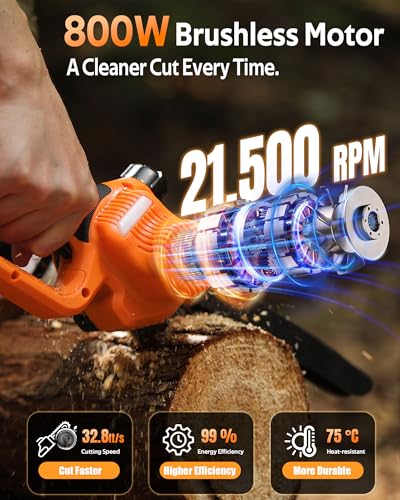
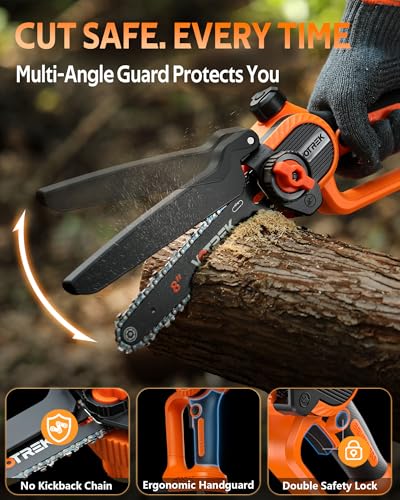
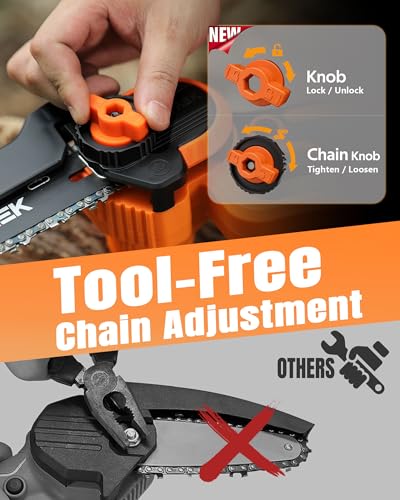
The VOTREK 8-inch saw isn’t meant for felling trees, and that’s fine, its niche is precision and convenience. For trimming branches under 6 inches, clearing storm debris, or cutting firewood into kindling, it’s impressively capable. The brushless motor gives it more torque than most mini saws, and the auto-oiling prevents premature wear during repeated use.
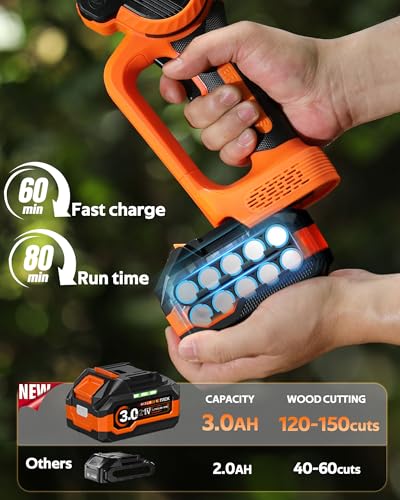
What sets it apart is the kit: two batteries and two chains. That means you can swap a dull chain while the other battery charges, keeping you productive. It’s not a replacement for a full-size saw, but as a secondary tool, it’s one of the most complete packages in the mini category. I’d recommend it as a complement to a larger chainsaw, not a standalone solution.
Product photos

Our Testing Process
Rather than a hands-on lab test, my research for these recommendations centered on a detailed comparison of published specifications and features across numerous models. I weighed owner reviews from major retailers alongside professional reviews from trusted sources, looking for patterns in reported performance and reliability. My approach involved ranking chainsaws against criteria important to homeowners – power, ease of use, safety features, and value for money.
For homeowner chainsaws, cutting power and ease of maintenance stood out as the most crucial factors. A powerful engine (whether gas or electric) is essential for tackling typical yard work, but that power is useless if the saw is difficult to start or requires constant adjustments. Safety features, like chain brakes and anti-vibration systems, were also heavily weighted, as they directly impact user confidence and prevent accidents.
Specifications reliably indicate engine displacement (for gas saws) and voltage/ampere-hours (for electric models), giving a baseline for power expectations. However, I found owner feedback to be invaluable for assessing real-world performance, particularly regarding starting reliability, chain durability, and long-term build quality. Knowing how to perform chainsaw blade maintenance is also crucial for keeping any saw running at peak performance, and owner reviews often comment on the ease (or difficulty) of this task.
How To Choose The homeowner chainsaws
Picking the right chainsaw isn’t just about horsepower; it’s about matching the tool to the job and your experience level.
A good chainsaw balances power with usability, prioritizing safety features like chain brakes and anti-vibration systems. Consider the type of cutting you’ll be doing most often – small branches versus large trees – and choose a bar length and motor size accordingly. Consistent chain maintenance and proper lubrication are also critical for performance and longevity.
Engine Type: Gas, Electric, or Battery?
The core decision revolves around power source. Gas chainsaws offer the most raw power and runtime for demanding tasks, but they require more maintenance and create emissions. Corded electric models deliver consistent power but limit your range. Battery-powered options, like those from EGO and DongCheng, strike a balance, offering portability and reduced maintenance, though runtime is a factor. If you’re primarily tackling light trimming and occasional branch removal, a battery model is often sufficient. For frequent, heavy-duty use, especially felling trees, a gas chainsaw remains the top choice. Don’t underestimate the convenience of battery, though – many homeowners are finding they can get all their work done with a single battery platform for multiple tools.
Bar Length and Cutting Capacity
Bar length dictates the size of the wood you can effectively cut. An 18- to 20-inch bar is versatile for most homeowner tasks, handling branches and small trees. Smaller 14- to 16-inch bars are better suited for lighter pruning and cleanup. Larger bars (over 20 inches) are for professional use and felling large trees – and require significantly more experience and physical strength to operate safely. Remember, a longer bar isn’t always better. It adds weight and can be unwieldy if you’re just dealing with smaller limbs. Consider this: a shorter bar allows for more control and quicker maneuvering in tight spaces.
Here’s a quick guide to help you match bar length to common tasks:
- Small branches (under 6 inches): 14-16 inch bar.
- Medium branches and small trees (6-12 inches): 16-18 inch bar.
- Larger trees and serious firewood cutting (over 12 inches): 18-20 inch or longer.
Safety Features and Ergonomics
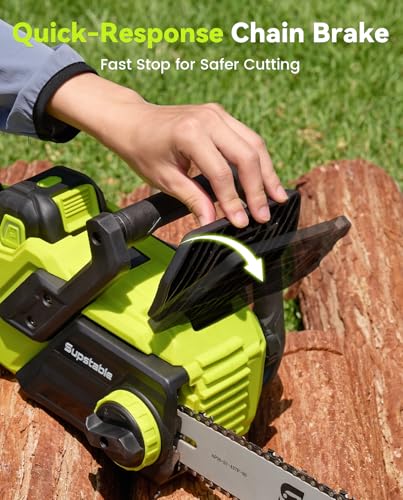
Chainsaws are inherently dangerous, so prioritizing safety features is paramount. A quick-stop chain brake is absolutely essential, activating in milliseconds to reduce kickback risk. Look for models with anti-vibration systems to minimize fatigue during extended use. Ergonomics matter – a comfortable grip, balanced weight distribution, and easily accessible controls will make the saw easier to handle and less tiring to operate. Proper maintenance, including regularly checking the chain brake and sharpening the chain, is just as important as the features the saw comes with. And speaking of maintenance, learning how to sharpen saw chain is a skill every chainsaw owner should master to ensure optimal performance and safety. You’ll also likely find one of the top chainsaw models will suit your needs just fine.
A dull chain requires more force, increasing the risk of kickback and reducing cutting efficiency. Keep your chain properly sharpened and oiled for a safer, more productive experience.
Homeowner Chainsaws Compared
Here’s a comparison of key specifications for popular homeowner chainsaws to help you make an informed decision.
| Product | Bar Length (in) | Power Source | Engine/Motor Size | Chain Type | Auto Oiler | Brushless Motor |
|---|---|---|---|---|---|---|
| 62CC 20-Inch Gas Chainsaw | 20 | Gas | 62CC / 3.5HP | Imported Steel | Yes | No |
| Husqvarna 120 Mark III 16-Inch | 16 | Gas | 38cc / 1.8HP | N/A | N/A | No |
| EGO POWER+ 16″ Battery Chainsaw | 16 | Battery | 40CC Equivalent | 3/8″ pitch | Yes | Yes |
| DongCheng 40V 16-Inch Brushless | 16 | Battery | 40V (Dual 20V) | N/A | Yes | Yes |
| Oregon CS1400 15 Amp Electric | 16 | Electric | 15 Amp | Low Maintenance | Yes | No |
| 40V 16-Inch Brushless Cordless | 16 | Battery | 2000W / 40V | N/A | Yes | Yes |
| VOTREK 8-Inch Mini Chainsaw | 8 | Battery | N/A | N/A | Yes | No |
Frequently Asked Questions
What bar length do I really need for typical homeowner use?
An 18- to 20-inch bar is generally ideal for most homeowners, offering enough reach for branches and small trees. However, if you primarily deal with smaller limbs, a 14- to 16-inch bar provides more control and maneuverability.
Are battery-powered chainsaws powerful enough for cutting firewood?
While gas saws still dominate for heavy-duty firewood cutting, many modern battery chainsaws, like those in the best cordless chainsaws, are capable of handling smaller diameter logs efficiently. Consider the size and quantity of wood you typically process when deciding.
How much maintenance is involved with a gas chainsaw compared to electric?
Gas chainsaws require significantly more maintenance, including oil changes, spark plug replacements, and carburetor adjustments. Electric and battery models need minimal upkeep, primarily chain sharpening and bar lubrication, saving time and effort.
What is “kickback” and how can I avoid it?
Kickback occurs when the upper quadrant of the bar contacts an object, potentially causing the saw to violently thrust back towards the operator. Always use a quick-stop chain brake, maintain a firm grip, and avoid cutting with the tip of the bar to minimize this risk.
What chain pitch is best for a homeowner chainsaw?
A 3/8-inch pitch chain is the most common and versatile choice for homeowner chainsaws, offering a good balance of cutting speed and smoothness. Lower-profile chains (like .325″) are also available, particularly on smaller saws, and can be easier to maintain.
The Bottom Line
Choosing a chainsaw often comes down to balancing convenience with capability. If you need serious cutting power for frequent, demanding tasks, the 62CC 20-Inch Gas Chainsaw delivers the most raw performance for the price. However, for most homeowners, a simpler, easier-to-manage option is a better fit – and that’s where battery technology really shines.
For those prioritizing ease of use and minimal maintenance, the EGO POWER+ 16″ Battery Chainsaw is an excellent choice. If you’re on a tighter budget and still want the convenience of cordless operation, the DongCheng 40V 16-Inch Brushless model offers a compelling combination of power and affordability. Remember to review chainsaw starting steps before your first use, regardless of the model you choose.
Ultimately, the most important factors aren’t engine size or bar length, but safe operation and consistent maintenance. Learning the proper techniques to pull-start chainsaw technique and regularly sharpening your chain will extend the life of any saw and keep you working safely and efficiently. Prioritize those fundamentals, and you’ll be well-equipped to tackle any homeowner project.
