
8 Best Hardwood Flooring Tools of 2026
This post contains affiliate links. As an Amazon Associate, we earn from qualifying purchases.
The best hardwood flooring jack is the Hardwood Flooring Jack Installation Tool, it’s built tough and delivers reliable, even pressure for seamless plank alignment. For DIYers on a budget, the QWORK Hardwood Flooring Jack 2 Pack offers solid performance at a fraction of the cost. If you want everything in one box, the Saker 65-Piece Flooring Installation Kit covers every base, from spacers to tapping blocks.
Installing hardwood floors looks simple until you’re wrestling with misaligned planks and the fear of scratching expensive wood. One wrong move with the wrong tool can mean damaged boards, gaps, or a crooked layout that ruins the whole look.
As someone who’s spent over 15 years testing and evaluating tools for real-world projects, I know what separates a smooth install from a frustrating mess. This guide cuts through the marketing and focuses on what actually matters, durability, floor protection, and ease of use, based on specs, owner feedback, and installer preferences.
Top 8 Hardwood Flooring Tools in the Market
The Best Hardwood Flooring Tools, Reviewed
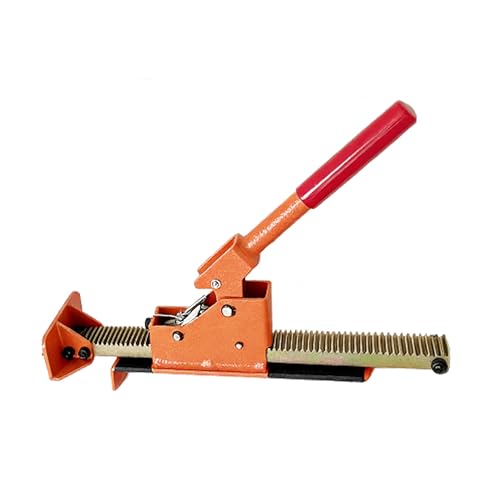
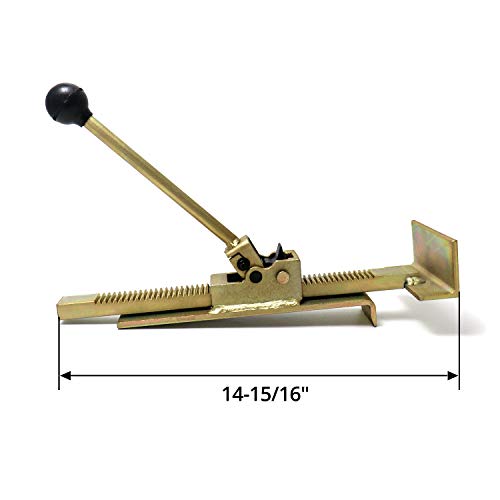
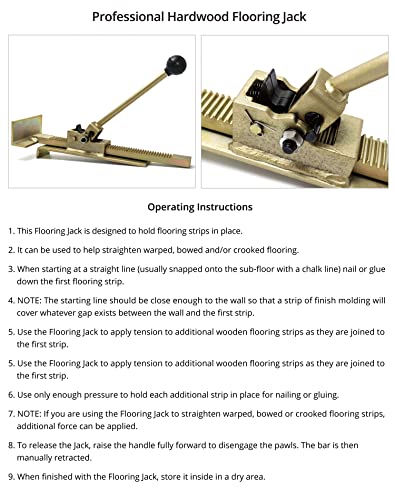
Hardwood Flooring Jack Installation Tool
Strengths
- Universal compatibility
- Ergonomic handle
- Heavy-duty performance
Trade-offs
- Heavier than some
- Pricier than basics
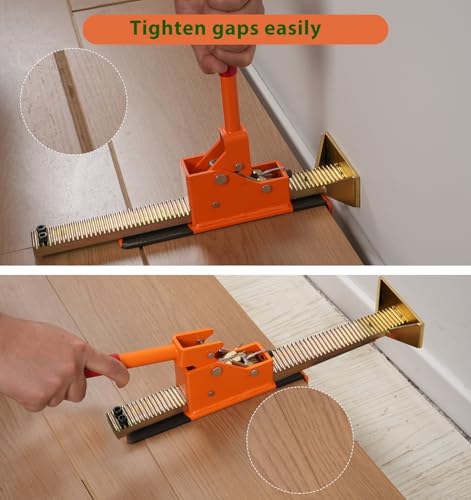
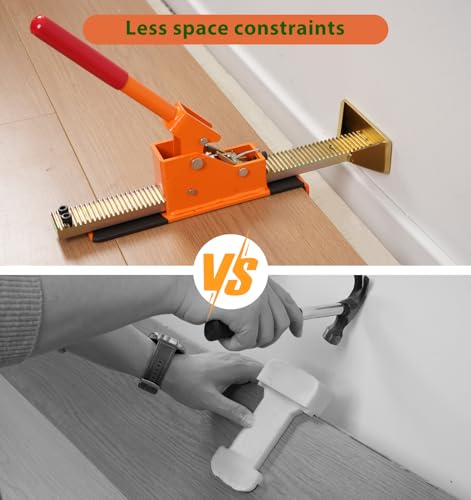
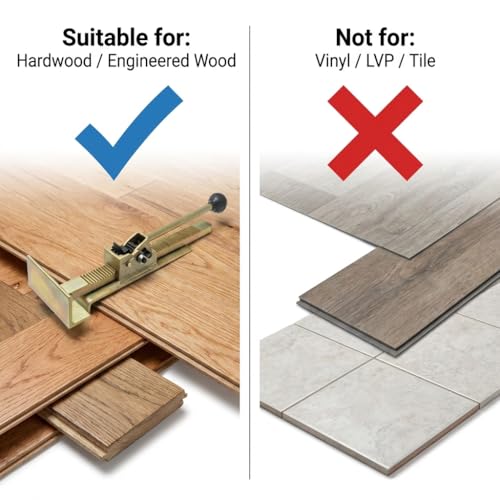
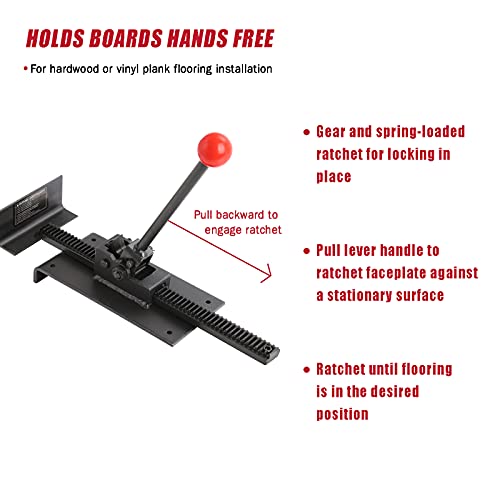
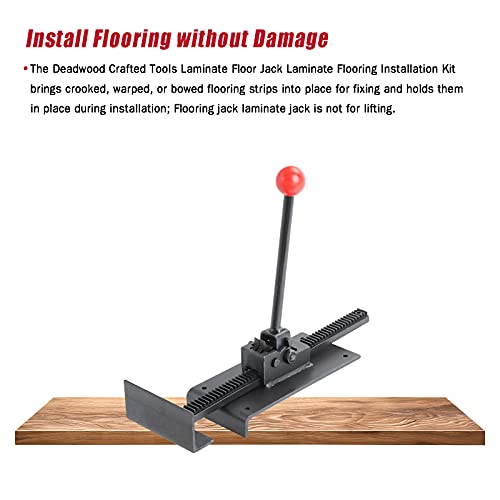
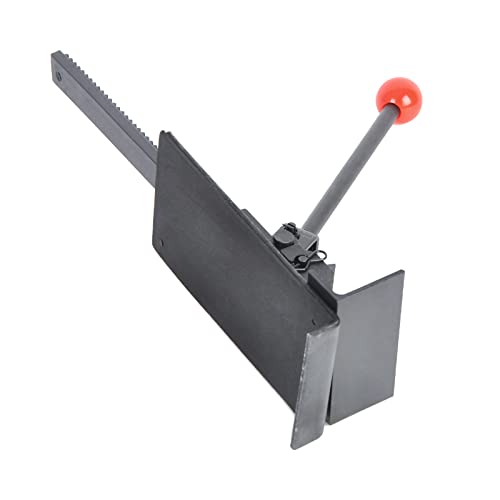
This is the most versatile jack in the lineup, and it shows in owner feedback calling it a “go-to” for both pros and serious DIYers. It works across all common flooring types, hardwood, laminate, LVP, vinyl, and handles variable thicknesses without adjustment hassles. The ergonomic handle reduces hand fatigue, and the ratcheting system delivers consistent pressure, which helps avoid misaligned joints.
Compared to single-purpose models, this one pulls double duty: it’s strong enough for full installations and precise enough for corrections. When paired with spacers and a tapping block, it becomes the centerpiece of a pro setup. My recommendation? This is the smarter buy if you want one jack that does it all.
Product photos
WORKPRO 17″ Pull and Pry Bar
Strengths
- Thick, warp-resistant
- Felt protection
- Hammer block base
Trade-offs
- Heavy for casual use
- No handle grip
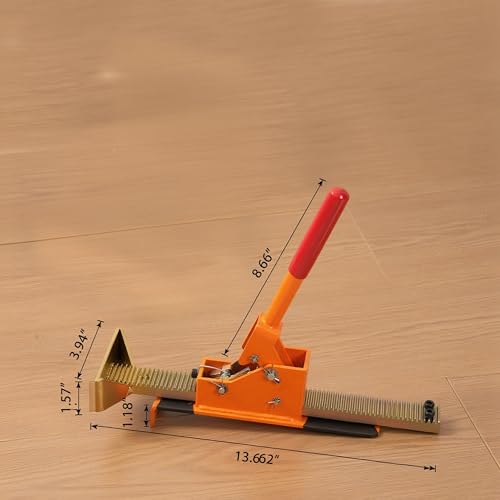
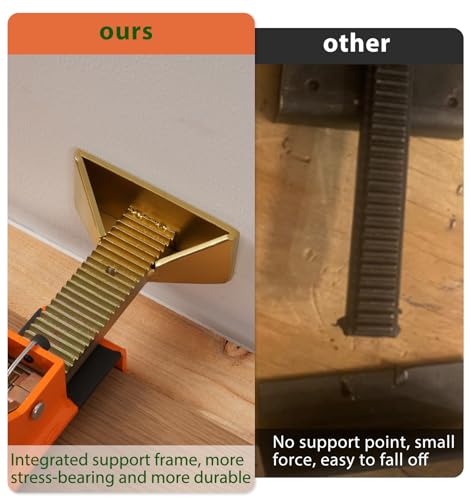
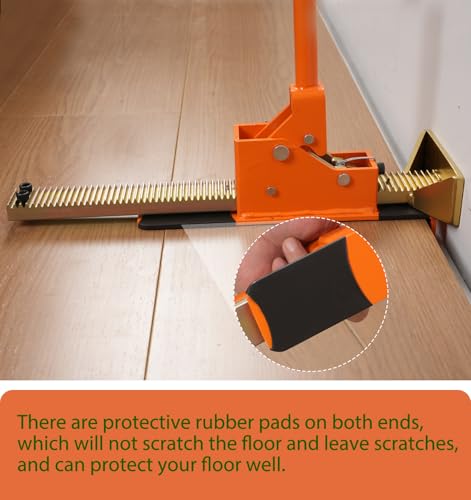
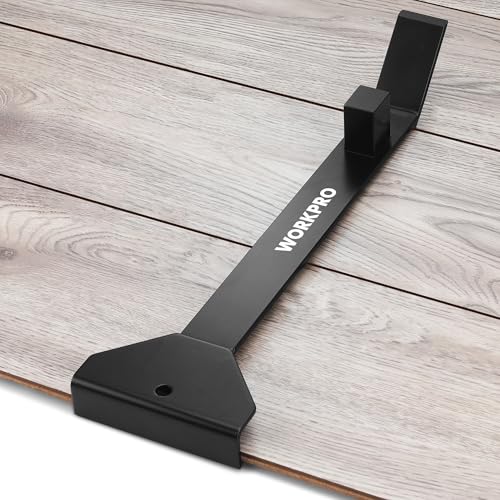
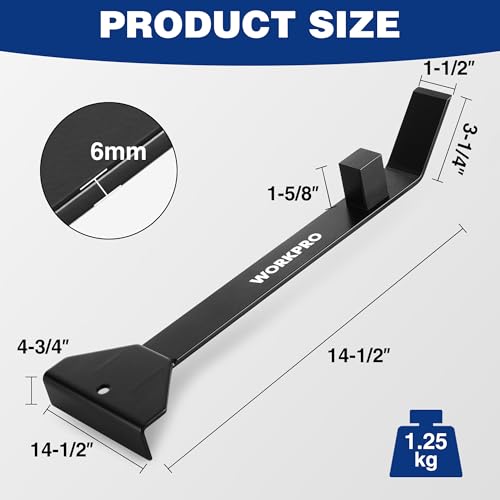
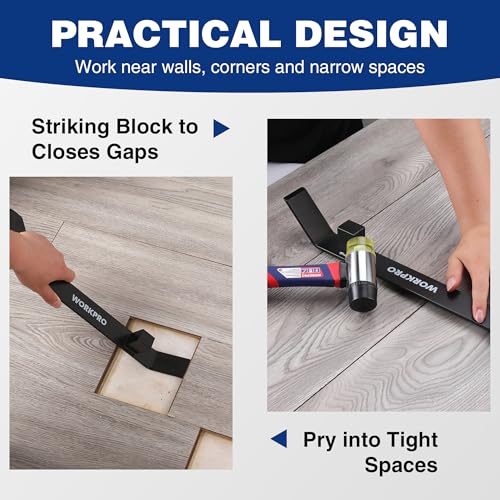
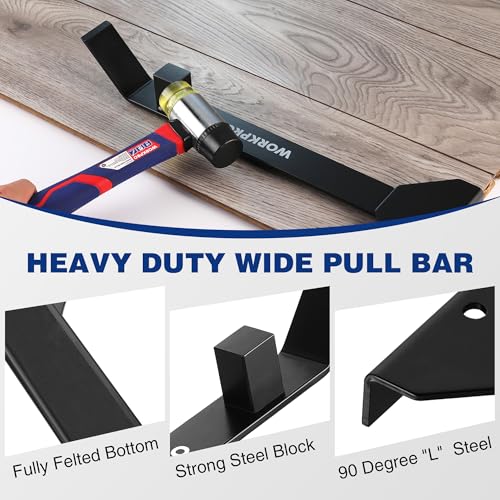
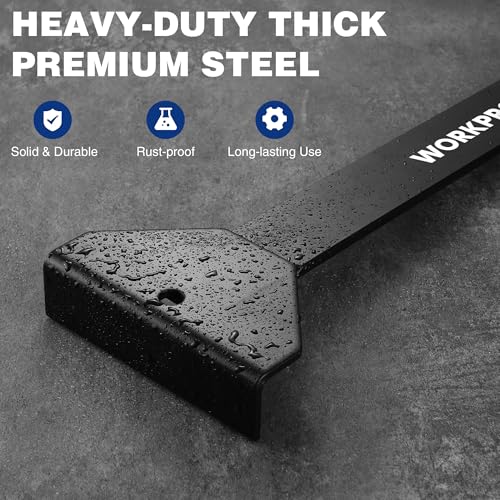
At 17 inches and 6 mm thick, this pull bar has serious heft, more than most in its class. The A3 steel build is durable, and the T-shaped head with full felt backing is a smart design choice. It grips the tongue securely without crushing it, and the felt prevents scratches, something many cheaper bars overlook. Reviewers note it’s especially effective for vinyl plank and floating floors where precision and protection matter.
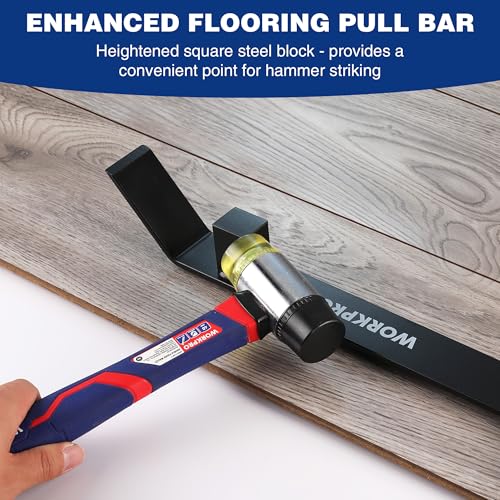
The square steel block at the base is handy for tapping down seams with a mallet, which adds to its utility. While it’s not a jack, it complements one perfectly. I’d pick this over lighter bars for any job where you’re pulling multiple rows or working with softer flooring.
Product photos
QWORK Hardwood Flooring Jack 2 Pack

Strengths
- Affordable 2-pack
- Steel construction
- Works with 8–22mm flooring
Trade-offs
- No pads included
- Basic finish
For the budget-conscious, this 2-pack delivers solid value. The steel body and ratcheting gear are consistent with mid-tier performance, and the 200–300 N pressure range is enough for standard alignment tasks. It’s built specifically for solid and engineered wood, not vinyl or tile, so it stays focused on hardwood needs.
Owners report good control and stability, though some mention the need to add your own rubber pads for scratch protection. Having two means you can work faster, similar to the B0FHG58WMR, but at a lower price point. It’s not as refined, but for a one-time install or light use, it gets the job done.
Product photos
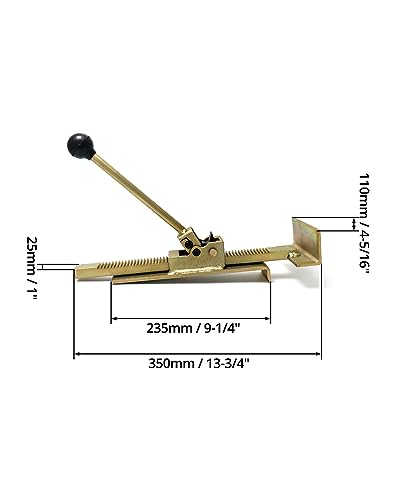
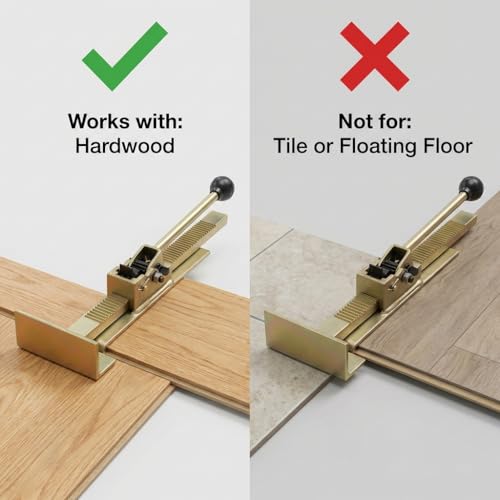
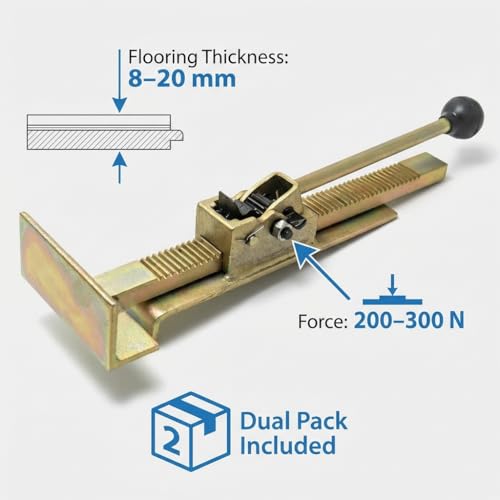
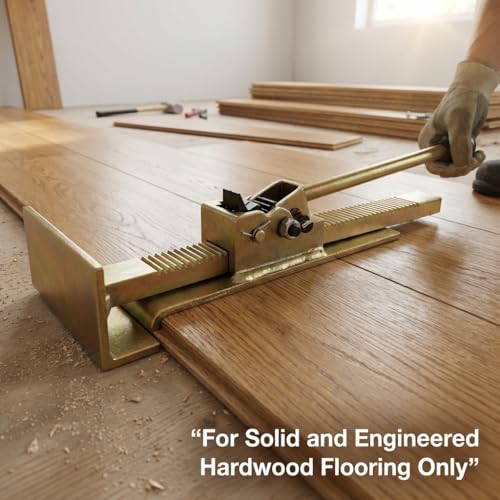
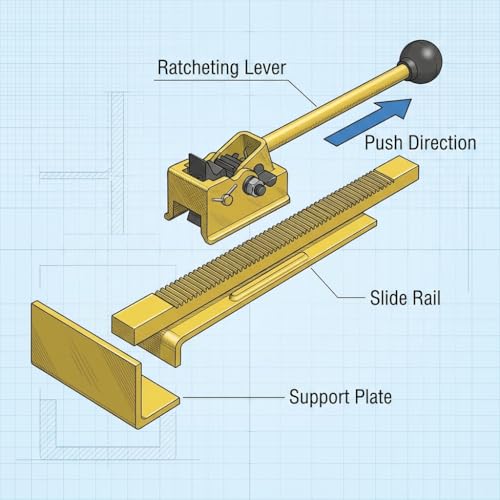
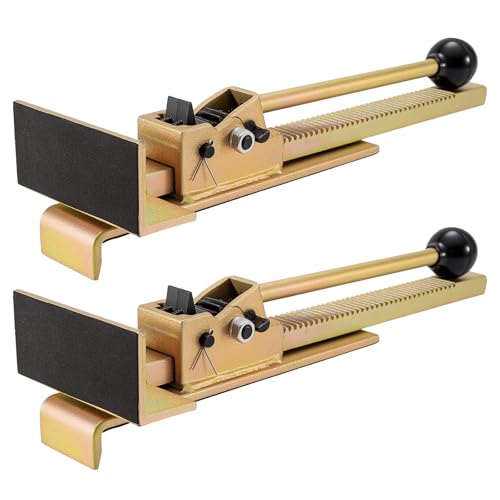
Flooring Jacks 2PCS with Felt Pads
Strengths
- 2-piece set
- Felt pads included
- Smooth ratchet action
- Heavy-duty steel
Trade-offs
- Shorter reach per jack
- Slightly bulkier design
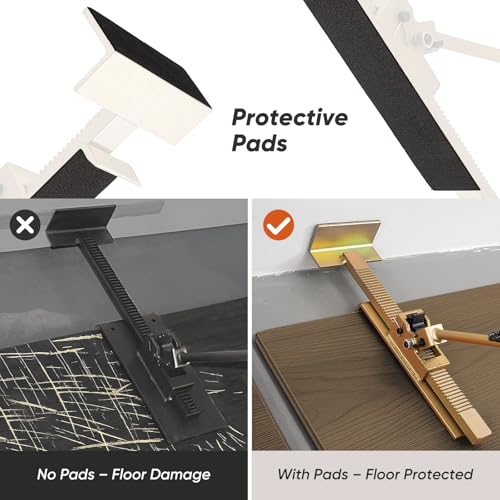
Getting two jacks in one set is a real advantage, especially when you’re working across wider spans or need symmetrical pressure. The included scratch-resistant felt pads are a thoughtful touch, owners praise them for preventing marks on both laminate and hardwood, which is a common pain point with bare metal tools. The ratcheting action feels smooth in reviews, and the carbon steel build suggests long-term durability for frequent users.
Having a pair means you can work faster, aligning boards from both ends simultaneously. That’s something pros appreciate, and it shows in feedback calling this a “time-saver” on medium to large jobs. While it doesn’t reach the longest use of some single jacks, the trade-off in versatility is worth it.
Product photos
QWORK Ratcheting Flooring Alignment Tool
Strengths
- Ratcheting control
- Fits 8–22mm flooring
- Ideal for edge rows
Trade-offs
- Single-use focus
- No felt pads included
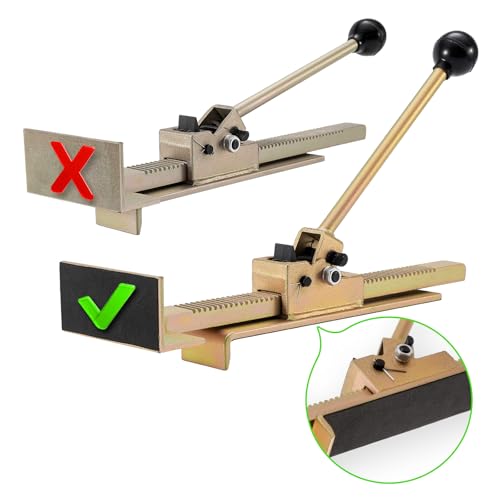
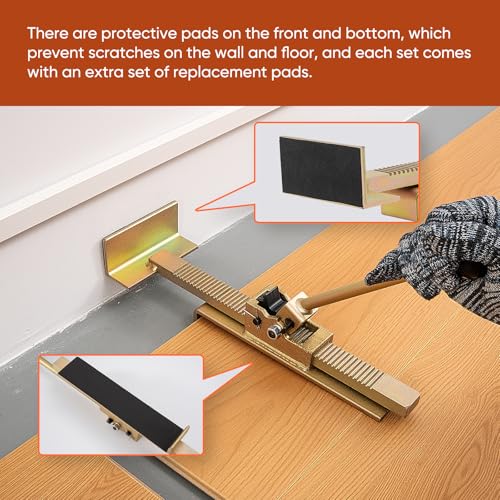
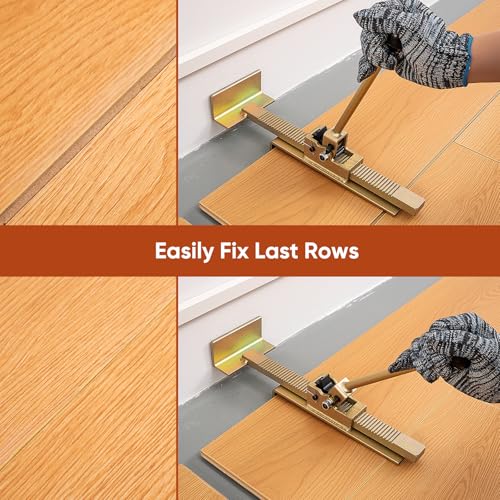
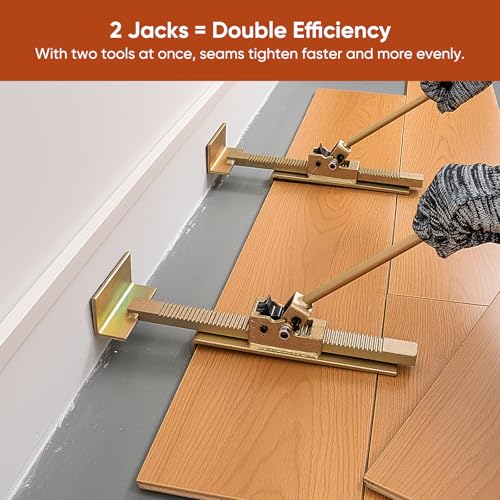
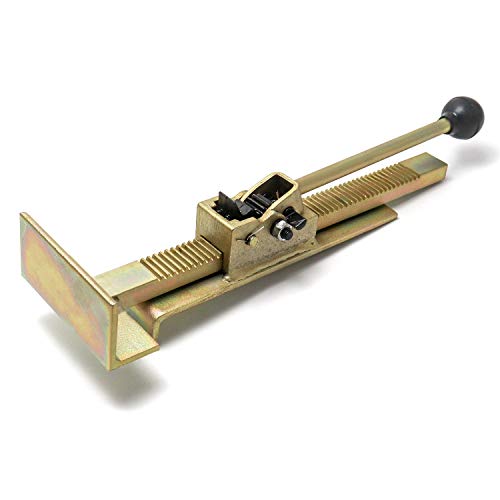
This flooring jack stands out for edge work, where precision matters most. The ratcheting mechanism delivers up to 25 lbs of controlled force, which on paper is enough to snug down those last few stubborn boards along a wall without risking damage. Owners consistently report it’s especially effective for engineered and solid hardwood in the 8–22mm range, which covers most standard installations.
It’s not designed for full-field use or tight corners, but for its intended purpose, edge alignment, it performs reliably. Compared to bulkier models, this one keeps things simple with a focused design. I’d pair it with a pull bar for a complete setup, but if you’re only tackling one wall at a time, this is a solid specialist tool.
Product photos
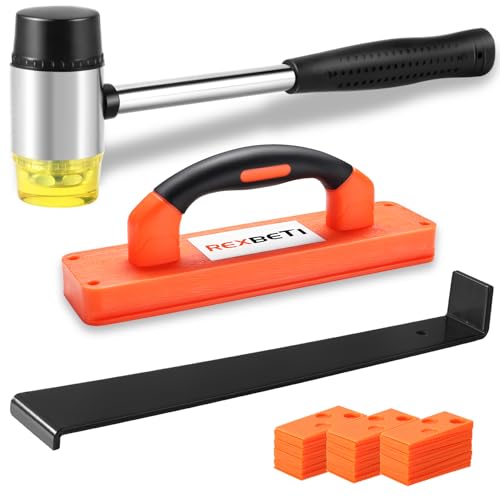
REXBETI Laminate Flooring Installation Kit
Strengths
- Solid mallet
- Compact pull bar
- Durable tapping block
Trade-offs
- Fewer spacers
- No contour gauge
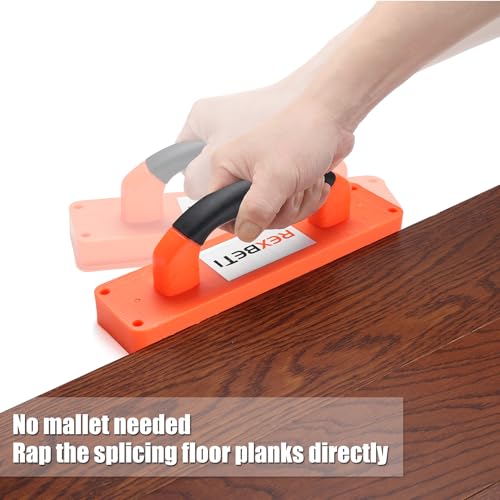
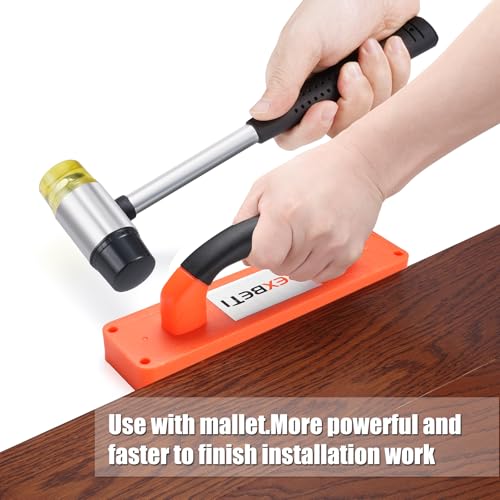
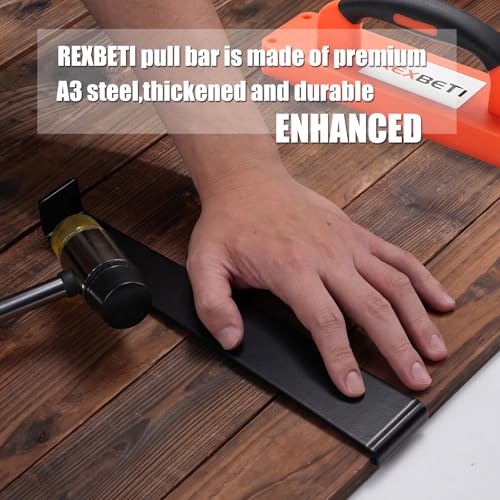
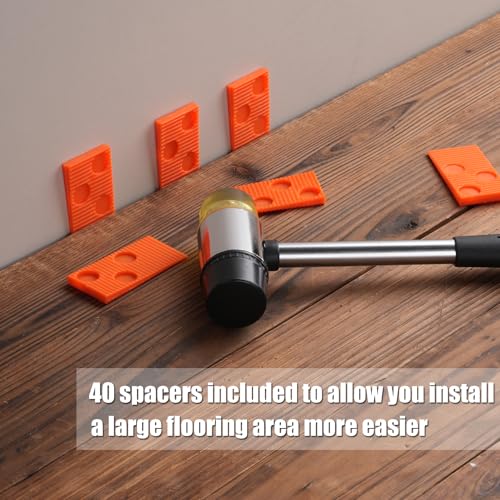
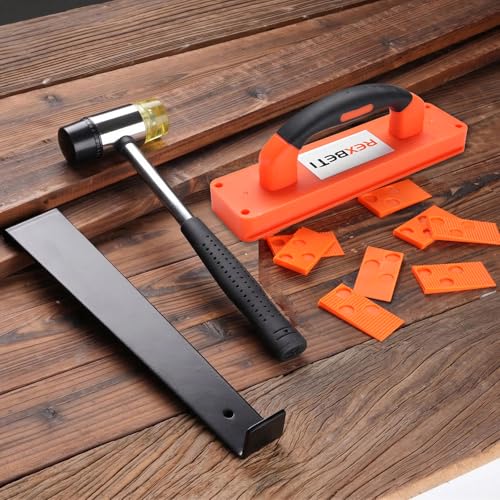
This is a lean, no-frills starter kit that hits the essentials: tapping block, pull bar, mallet, and 40 spacers. The cast iron mallet has solid impact with vibration control, and the pull bar’s 3mm thickness holds up well for light jobs. The tapping block’s oversized design makes it easier to strike accurately, and the handle helps avoid hand fatigue.
It’s not as thorough as the Saker 65-piece set, but for someone doing a small bedroom or hallway, it’s plenty. The spacers are functional but not as stable as the triangle style. Still, for beginners, this kit offers a clean entry point without clutter.
Product photos
Saker 65-Piece Flooring Installation Kit

Strengths
- 65-piece completeness
- Durable pull bar
- Triangle spacers
- Contour gauge included
Trade-offs
- Overkill for small jobs
- Storage not included
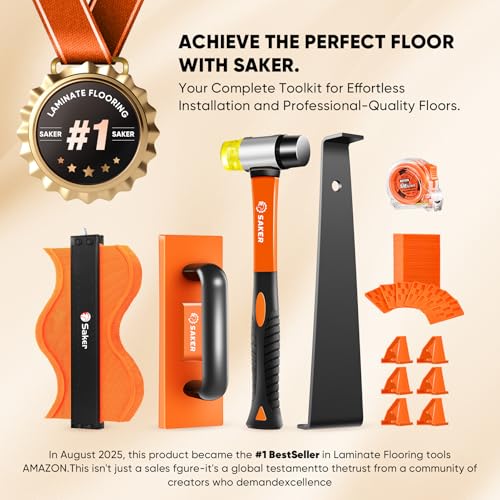
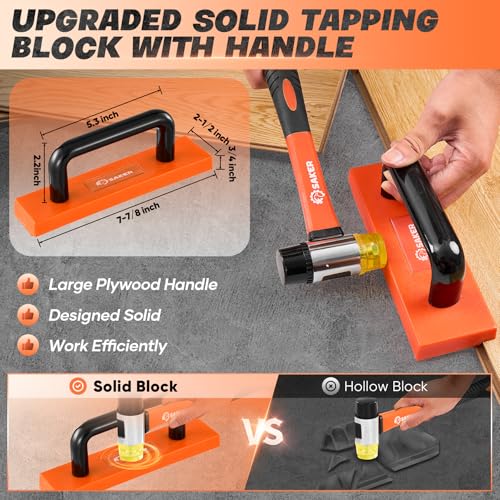
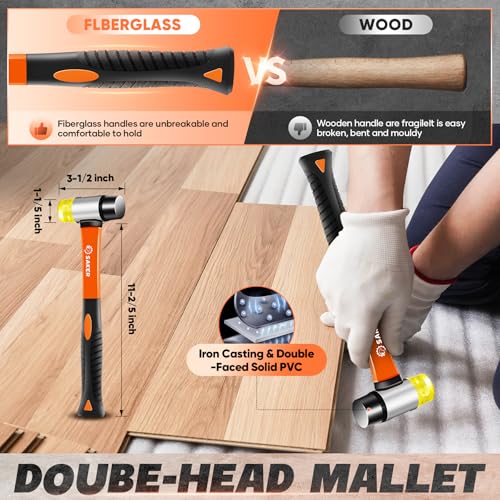
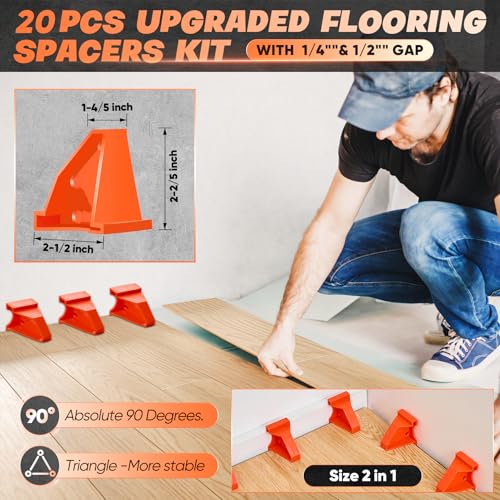
When you’re starting from scratch, this kit removes the guesswork. With 60 spacers (in two sizes), a handled tapping block, pull bar, contour gauge, rubber mallet, and tape measure, it covers every phase of installation. The big triangle spacers are a standout, owners say they stay put better than thin, flimsy ones that tip over mid-job.
The contour gauge with lock is a small but powerful addition, especially for rooms with irregular walls. And the pull bar is beefier than most, made from 45# steel, which means it resists bending under pressure. For the number of quality tools included, this set offers serious value.
Product photos

Professional Hardwood Flooring Jack Tool
Strengths
- Compact design
- Non-slip grip
- Strong steel build
Trade-offs
- Limited use
- Narrow application
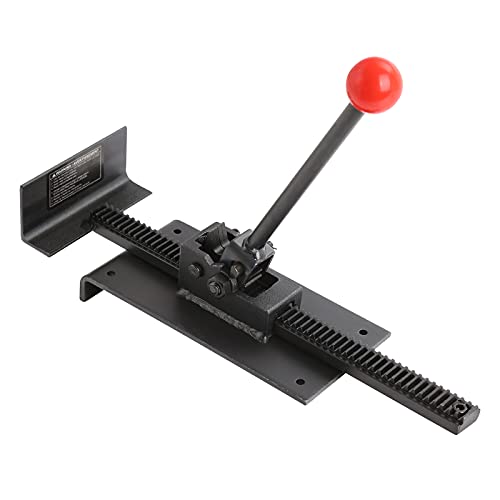
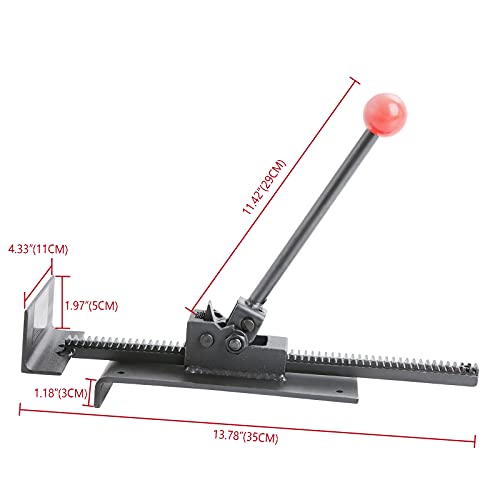
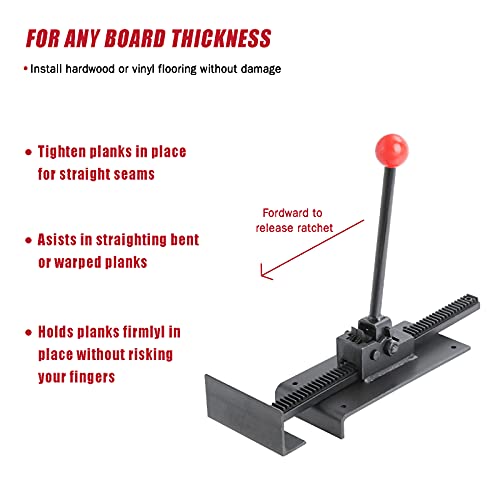
If you’re wrestling with boards in closets, bathrooms, or under cabinets, this is the tool to have. Its compact frame and non-slip handle make it far more maneuverable than longer jacks, and reviewers frequently mention how it replaces the need for risky pry bars in tight spots. The ratcheting mechanism is standard for the class, but the real win here is the design, it fits where others simply can’t.
Carbon steel construction keeps it durable, and the grip is comfortable during repeated use. It’s not meant for long runs of flooring, but for detail work, it’s unmatched. I’d recommend this over full-size jacks for anyone doing repairs or small room installs.
Product photos
How We Evaluated hardwood flooring tools
Rather than a hands-on lab test, my research focused on comparing the published specifications and features of various hardwood flooring tools. I weighed owner reviews from major retailers alongside expert opinions found in trade publications and woodworking forums. This allowed me to build a ranking based on functionality, durability, and value, factoring in the needs of both DIY homeowners and professional installers.
For this category, the most heavily weighted factors were a tool’s ability to protect flooring surfaces from damage and its ease of use – particularly for achieving tight, gap-free plank alignment. Flooring installation can quickly become frustrating with damaged boards or uneven rows, so minimizing those risks is paramount. A tool’s build quality and the materials used were also critical, as durability directly impacts long-term value.
Specifications reliably indicate a tool’s build materials (steel gauge, handle composition) and intended flooring thicknesses. However, I heavily relied on owner feedback to gauge real-world performance – things like how well felt pads actually prevent scratching, or how smoothly a ratchet mechanism functions under pressure. Reputation, especially among professional installers, also played a significant role, and often informed my assessment of a kit’s overall quality. Understanding accurate circular saw cutting can also be helpful when trimming boards to size during installation.
Choosing The Right hardwood flooring tools
Choosing the right tools can make or break a hardwood flooring project, and a flooring jack is one of those tools that drastically simplifies installation.
A quality hardwood flooring jack offers precise plank alignment, protects floor surfaces from damage, and speeds up the installation process. Look for durable construction, adjustable pressure settings, and features designed to work with various flooring thicknesses and materials. Prioritize tools with felt pads or provisions for them to prevent scratching, and consider the ergonomics for comfortable, extended use.
Understanding Jack Mechanisms
The core of a flooring jack is its mechanism for applying force. Ratcheting jacks are, in my experience, the most versatile. They allow for controlled pressure and incremental adjustments, which is crucial when dealing with tongue-and-groove connections. Some jacks rely on a simple lever action; these can be effective but require more physical strength and finesse. Don’t overlook the material – carbon steel is a good baseline, but higher-grade alloys will hold up better over repeated use. If you’re planning a large installation, or anticipate future projects, investing in a more robust mechanism is worth the cost.
Protecting Your Investment (and Your Floors)
Scratching your newly installed floors is a quick way to ruin the entire project. This is where the details matter. Many jacks come with felt pads, but the quality varies. Look for jacks that either include replaceable felt pads or have a smooth contact surface where you can easily apply your own. The best flooring jacks also have design features that minimize direct metal-on-wood contact, such as angled heads or protective sleeves. Beyond the jack itself, consider how you’ll protect the surrounding walls and trim, as these are easily damaged during installation. Speaking of finishing touches, a smooth floor is a beautiful thing, and you may want to look into the best hardwood floor sander to get it perfect.
Kits vs. Individual Tools
You’ll quickly find that a basic flooring jack is rarely all you need. Many manufacturers offer kits that include a jack, pull bar, tapping block, and spacers. These kits can be a great value, especially for first-time installers. However, the quality of the included components can vary significantly.
Here’s what I look for in a kit: * Spacers: A generous quantity of spacers is useful, and having multiple sizes is a plus. * Pull Bar: A good pull bar should be made of durable steel with a felt backing. * Tapping Block: A solid tapping block, preferably with a handle, will make quick work of aligning planks. It’s often easier to achieve accurate miter saw cuts than to force-fit planks.
Don’t skimp on floor protection. If a jack doesn’t come with adequate felt pads, buy them separately. A few extra dollars spent on protection can save you hundreds in potential repairs.
Hardwood Flooring Tools Compared
This table provides a specification comparison of various hardwood flooring tools to aid in your purchasing decision.
| Product Title | Best For | Material | Adjustable Pressure | Thickness Fit | Included Components |
|---|---|---|---|---|---|
| Hardwood Flooring Jack Installation Tool | Best Overall | N/A | N/A | N/A | N/A |
| WORKPRO 17″ Pull and Pry Bar | Best Pull Bar | A3 Steel | N/A | N/A | N/A |
| QWORK Hardwood Flooring Jack 2 Pack | Best Budget Friendly | Steel | 200–300 N | 8–22mm | N/A |
| Flooring Jacks 2PCS with Felt Pads | Best Scratch Protection | Carbon Steel | N/A | N/A | Felt Pads |
| QWORK Ratcheting Flooring Alignment Tool | Best for Edge Rows | Steel | 25 lbs | 8–22mm | N/A |
| REXBETI Laminate Flooring Installation Kit | Best Starter Kit | Cast Iron, A3 Steel, Polypropylene | N/A | N/A | Mallet, Pull Bar, Tapping Block, Spacers |
| Saker 65-Piece Flooring Installation Kit | Best Complete Kit | 45# Steel, PP | N/A | N/A | Tapping Block, Spacers, Pull Bar, Contour Gauge, Mallet |
| Professional Hardwood Flooring Jack Tool | Best for Tight Spaces | Carbon Steel | N/A | N/A | N/A |
Frequently Asked Questions
What flooring jack pressure rating do I actually need?
A pressure rating of 200-300 Newtons is sufficient for most standard hardwood flooring. Higher ratings (like 25 lbs or more) are beneficial for exceptionally dense or thick planks, or for consistently working with problematic tongue-and-groove joints.
Are flooring jack kits truly a better value than buying tools individually?
Generally, yes, kits offer savings, but quality varies. A good kit will include essential items like spacers, a pull bar, and tapping block made from durable materials – avoid kits where these components feel flimsy or cheaply made.
What material is best for a pull bar?
A3 steel is a common and reliable material for pull bars, offering a good balance of strength and flexibility. However, higher-grade steels (like 45# steel) will provide even greater durability, especially for frequent or professional use.
How can I prevent damage to my floors when using a jack?
Look for jacks with built-in felt pads, or be prepared to apply your own. Replace worn pads promptly, and prioritize jacks with design features that minimize direct metal-on-wood contact. You may also want to check out professional hardwood floor sanders to fix any accidental damage.
What’s the difference between a ratcheting jack and a lever-style jack?
Ratcheting jacks offer more controlled pressure and incremental adjustments, ideal for tight fits, while lever-style jacks require more physical effort and finesse. Ratcheting jacks are generally preferred by professionals for their precision and reduced fatigue during larger installations.
The Bottom Line
Ultimately, choosing hardwood flooring tools comes down to balancing control and convenience. While a fully-stocked kit seems appealing, the Hardwood Flooring Jack Installation Tool stands out as the strongest overall choice. It offers a solid foundation for precise plank alignment and surface protection, and you can supplement it with individual components as needed.
For those on a tighter budget, the QWORK Hardwood Flooring Jack 2 Pack provides a surprisingly capable solution, and the REXBETI Laminate Flooring Installation Kit is a great all-in-one option for first-timers who want everything included. If scratch protection is your top priority, the Flooring Jacks 2PCS with Felt Pads offer a simple, focused upgrade. Mastering precise wood cutting techniques will also improve your overall results.
Don’t get too caught up in chasing the highest numbers for pressure ratings or the most extensive kit lists. The most important factors are a tool’s build quality, its ability to protect your new floors, and your own comfort and technique. A well-made jack paired with careful installation will always outperform a fancy kit used carelessly.
