
9 Best Edge Painter Tools for 2026
This post contains affiliate links. As an Amazon Associate, we earn from qualifying purchases.
The Shur-Line Paint Edger Pro stands out as the best overall edge painter tool for its reliable performance and thoughtful design, especially its easy pad ejection system. For those on a budget, the Paltren 12-Inch Stainless Steel Edger delivers solid precision at a lower price. If you need maximum flexibility for ceilings and trim, the 360° Rotation Paint Edger Kit offers unmatched multi-angle control.
Most people struggle with messy edges and paint bleed, no matter how steady their hand. It’s frustrating to spend hours painting only to end up with uneven lines that ruin the finish. This guide cuts through the noise by focusing on what actually matters: real-world performance, durability, and smart design based on specs and owner feedback.
I compared top models by analyzing build quality, user reviews, and key features like blade rigidity, handle comfort, and versatility. These picks reflect tools that consistently deliver clean lines and stand up to regular use, without relying on gimmicks.
Top 9 Edge Painter Tools in the Market
The Best Edge Painter Tools, Reviewed
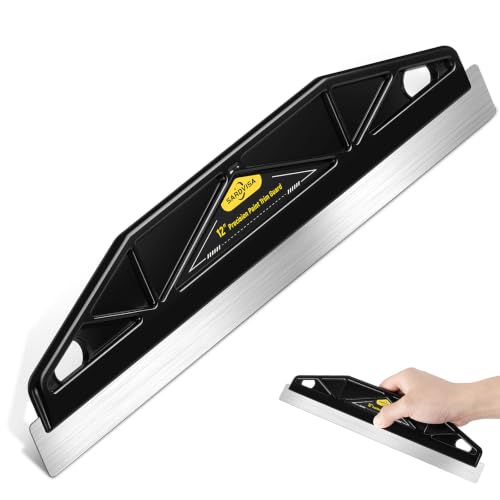
12 Inch Stainless Steel Paint Edger
Strengths
- Rigid stainless steel blade
- Ergonomic non-slip handle
- High-visibility design
Trade-offs
- Not for textured surfaces
- No flexibility in tight corners
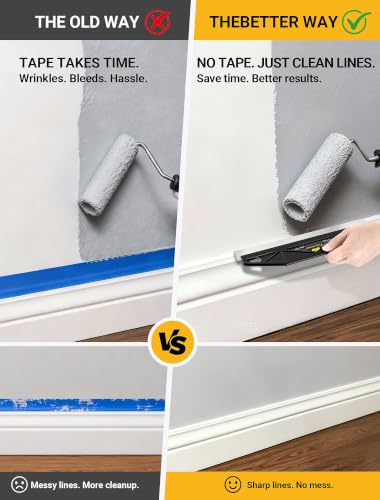
This is, without question, the best overall paint edging tool in this lineup. It combines the rigid stainless steel blade of the Paltren with a brighter, more ergonomic handle design and better grip texture. The 12-inch length covers more ground per pass, and the non-slip handle reduces fatigue during long sessions, something real users consistently highlight.
It’s a true tape alternative that delivers pro-grade results with minimal effort, especially on smooth walls. The high-visibility yellow handle is a small but smart touch, no more losing it in the drop cloth. Compared to pad edgers, it’s faster and cleaner for straight runs; compared to other metal guards, it’s better built and easier to clean. If you only buy one edging tool, this should be it.
Product photos
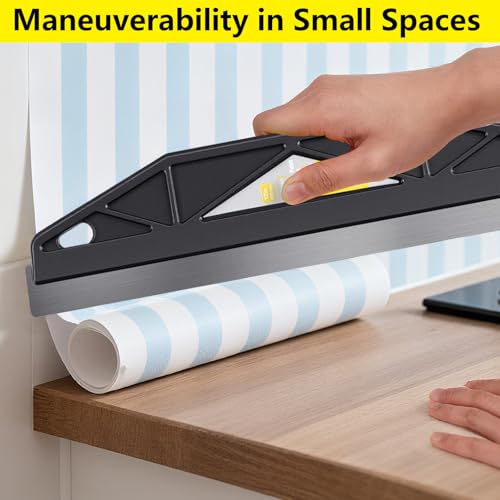
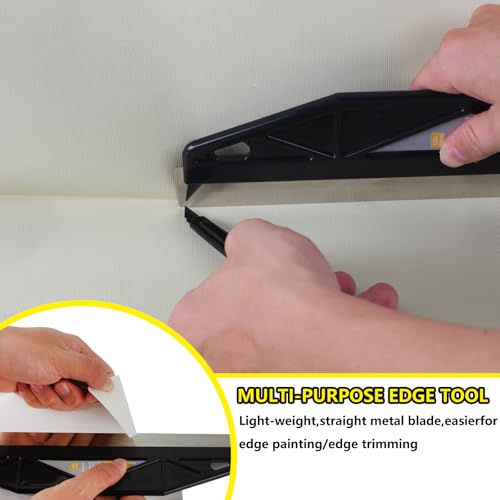
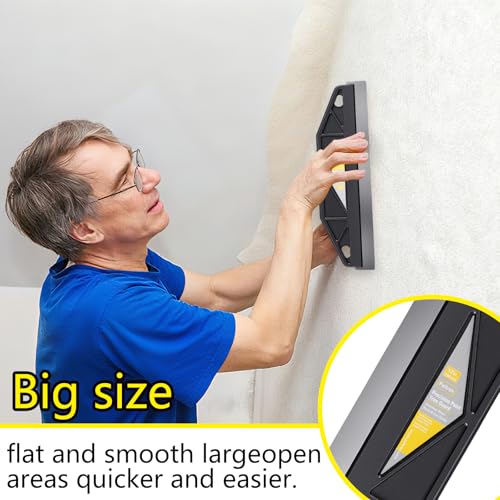
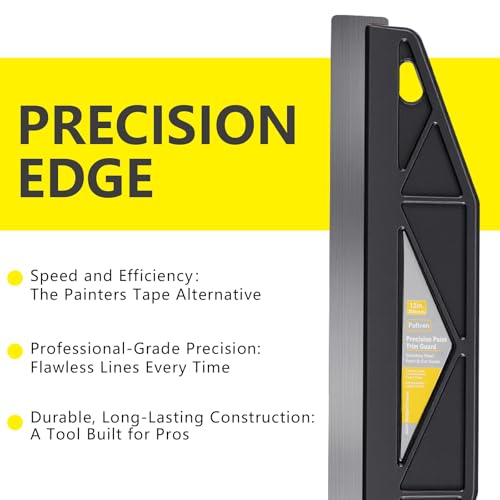
Paltren 12-Inch Stainless Steel Edger
Strengths
- Rigid stainless steel blade
- Ergonomic non-slip handle
- Easy to clean
Trade-offs
- Not for textured walls
- No flexibility in corners
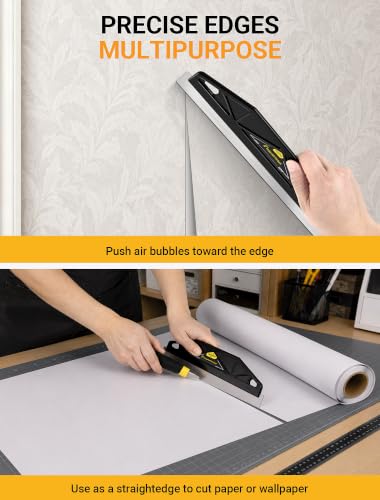
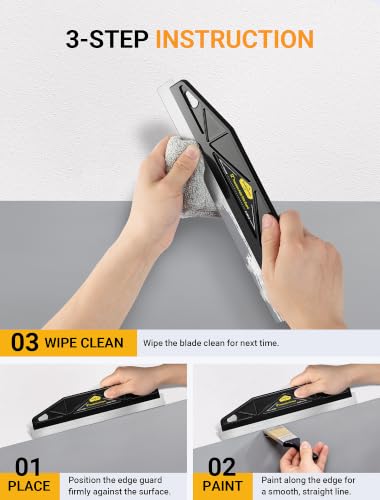
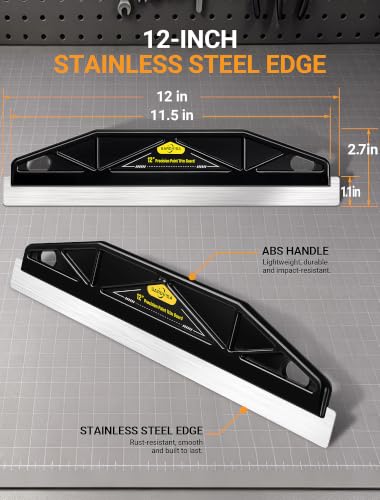
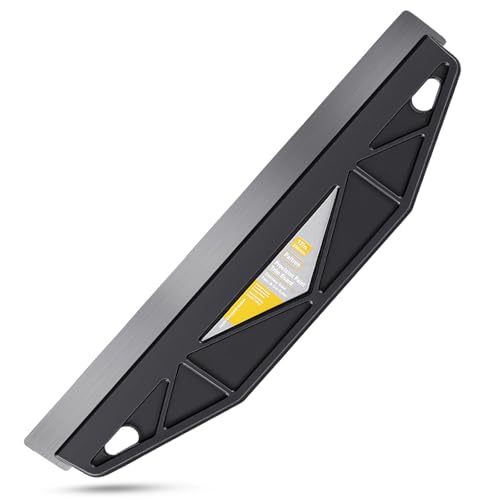
This is one of the best-built stainless steel edgers I’ve seen at this price point. The rigid 12-inch blade doesn’t flex, which is essential for crisp lines, especially on smooth walls where any give in the guide can lead to paint bleed. The quality of the build stands out: thick stainless steel, a corrosion-resistant finish, and an ergonomic ABS handle that stays comfortable over long sessions.
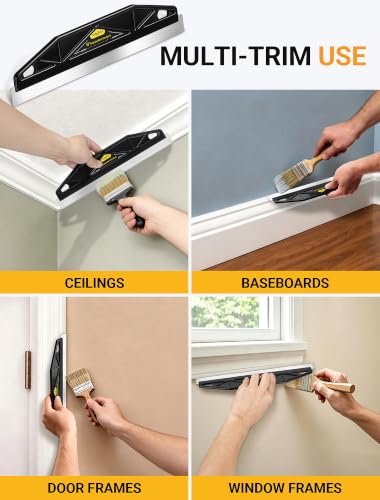
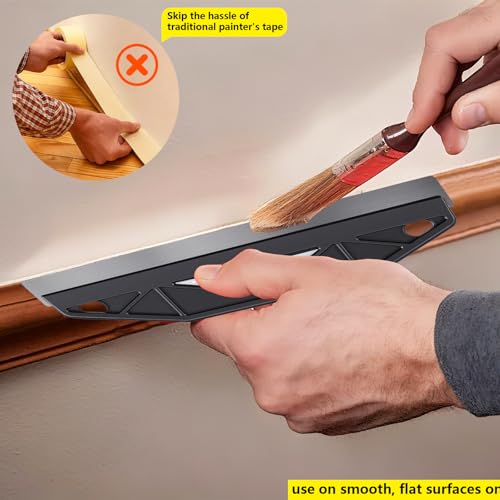
It’s a true tape alternative, letting you cut in directly without any prep. Reviewers note it works best on flat, non-textured surfaces, which makes sense, any imperfections in the wall will throw off the seal. Compared to pad edgers, it’s faster for long, straight runs but less forgiving in corners. If you’re doing a full room repaint and hate taping, this tool saves hours.
Product photos
Spliceable Long Pole Paint Edger
Strengths
- Spliceable long pole
- Drip-resistant pads
- Universal paint compatibility
Trade-offs
- Bulkier than handheld models
- Pole joints can loosen over time
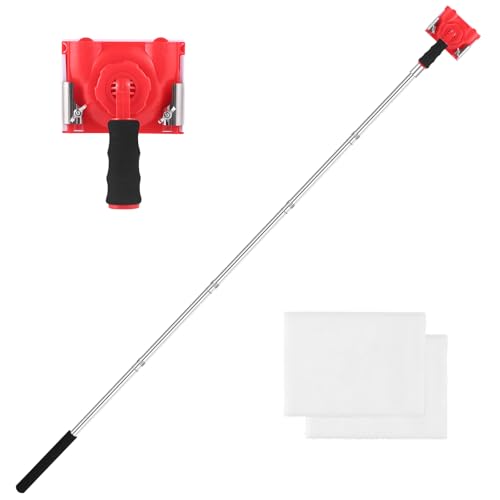
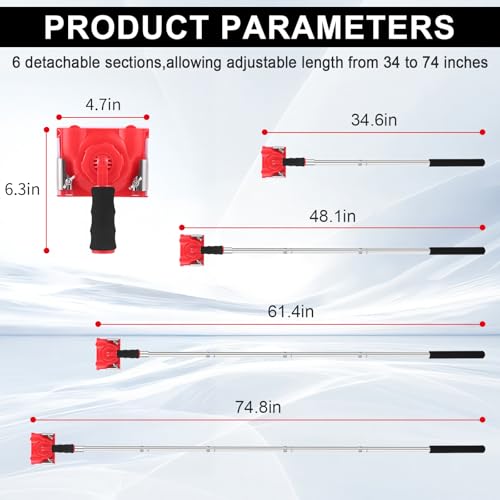
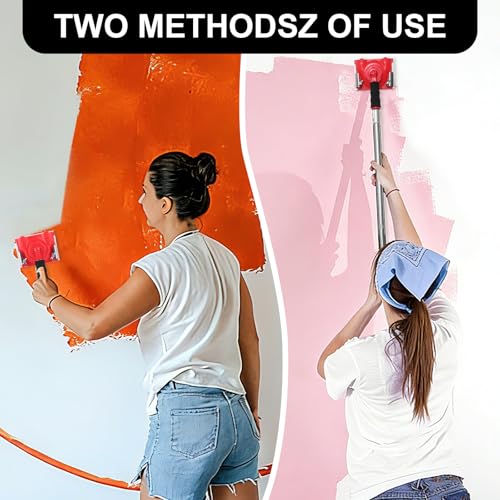
If you’re dealing with tall rooms or cathedral ceilings, this spliceable long-pole edger is one of the smartest buys in the category. The ability to extend from 34 to 74 inches means you can stay grounded while painting crown molding or high wall edges, no ladder gymnastics required. The adjustable pole is where it pulls ahead of most competitors, and reviewers frequently mention how much time it saves on prep and repositioning.
The replaceable pads are high-density and drip-resistant, which matters when you’re working overhead, nobody wants paint raining down on freshly painted walls. It’s compatible with all paint types, a small but meaningful detail for users switching between latex and oil-based finishes. While it lacks the ultra-precise control of a stainless steel trim guard, it’s far more versatile for full-room projects.
Product photos
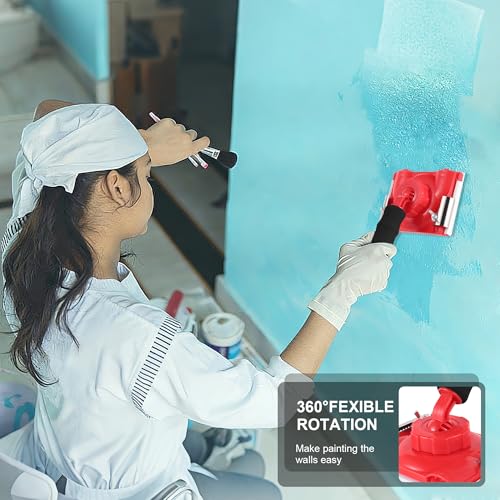
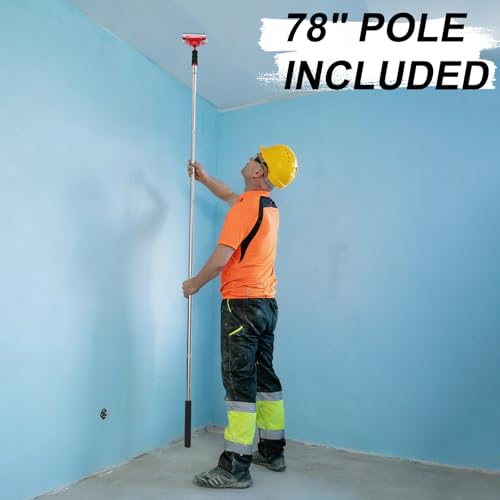
360° Rotation Paint Edger Kit

Strengths
- Full 10-piece kit
- 360° multi-angle handle
- Includes V-corner and detail pads
Trade-offs
- No extension pole included
- Pad durability varies
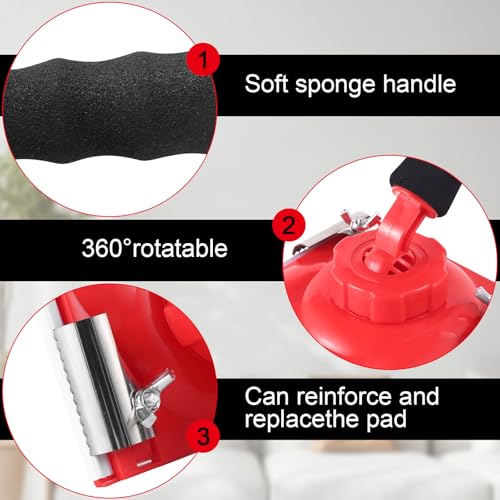
With its multi-angle control and included 10-piece kit, this edger is built for versatility. The 360° rotating handle is smooth and locks securely, letting you pivot between vertical and diagonal edges without switching tools. The inclusion of a V-corner pad and mini 1-inch detail pad makes it one of the few edgers that can genuinely handle complex joints and tight spots, think attic rafters or behind pipes.
The spill-proof tray is a thoughtful addition, helping control paint load and reduce mess in confined areas. Owners appreciate the range of accessories, though some note the pads don’t last as long as premium brands. It doesn’t include an extension pole, which is a missed opportunity given its high-ceiling focus. Still, for the variety of applications it supports, it’s one of the most adaptable options out there.
Product photos
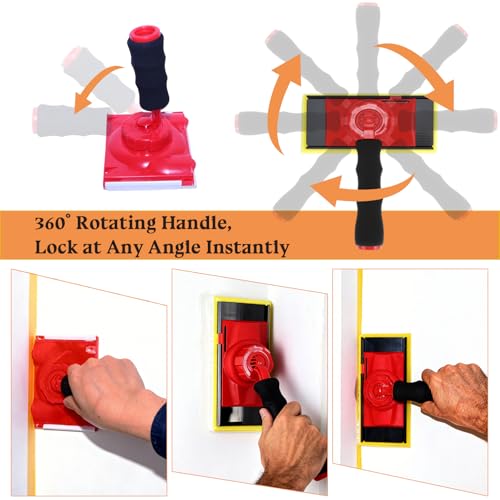
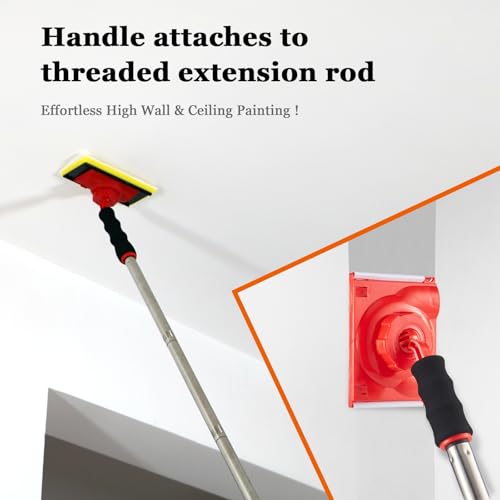
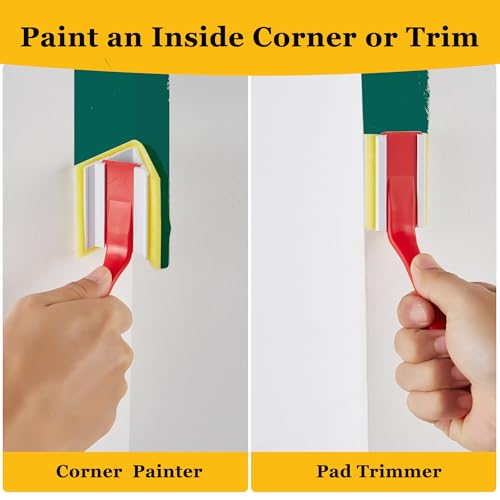
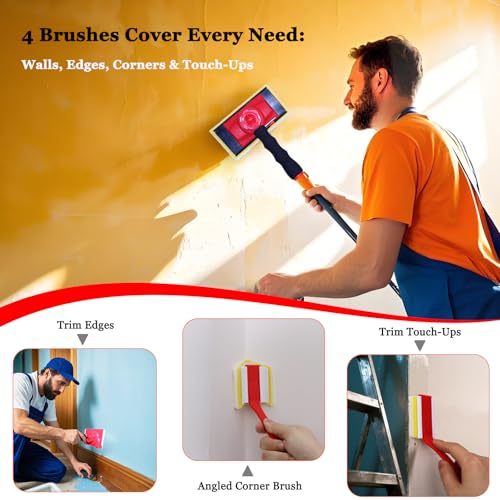

BANCOO RSL43 Paint Edge Trimmer

Strengths
- Stable guide wheels
- Durable bristle pads
- Rotatable handle
Trade-offs
- Handle lock can be finicky
- No pad ejection
The BANCOO RSL43 earns its keep with exceptional wheel stability, a common failure point in cheaper edgers. Multiple owners report that the wheels stay firmly seated even after repeated use, which is not something you can say about every model in this price range. That stability translates into straighter lines and less wobble when guiding along baseboards or ceiling edges.
The 5mm dense bristles offer solid paint retention, and the rotatable handle gives decent multi-angle flexibility. It works with extension poles, though you do need to manually tighten the knob to prevent slippage, a minor hassle. Compared to the VOOMEY model, it feels slightly more rugged, but the pad absorption isn’t quite as even. Still, it’s a reliable middle-ground option for users who want durability without overpaying.
Product photos

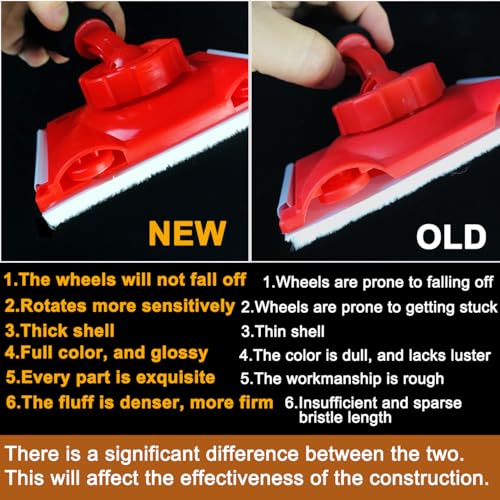
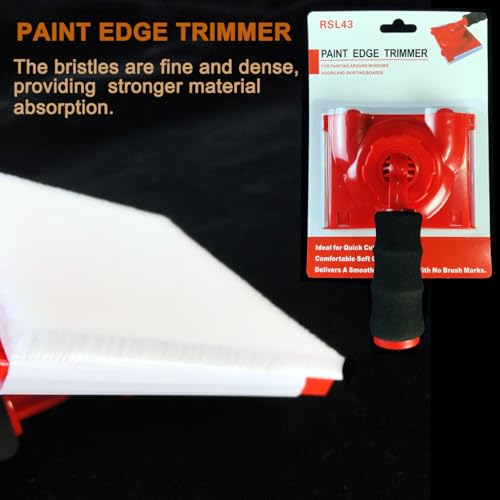
VOOMEY 360° Rotation Paint Edger
Strengths
- 360° rotatable handle
- High pad absorption
- Stable wheel design
Trade-offs
- No extension pole included
- Pads may fray with heavy use
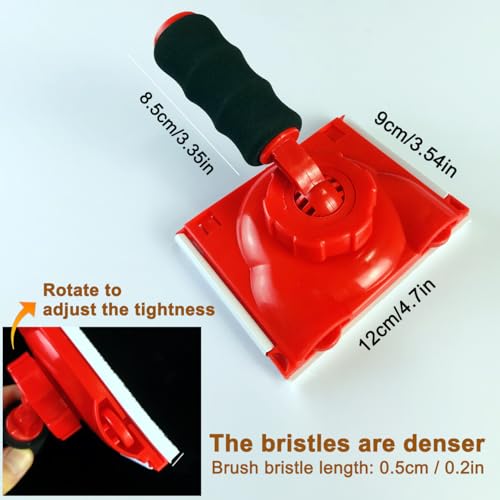
The VOOMEY Paint Edger stands out in a crowded field for one key reason: its pad absorption. Owners consistently report that the 5mm dense bristles hold paint evenly without dripping, which is rare in budget-friendly edgers. That kind of performance means fewer touch-ups and a smoother finish, especially when working on baseboards or ceiling lines. The 360° rotating handle is a real win, being able to lock it at precise angles helps maintain control on diagonal cuts or tight corners.
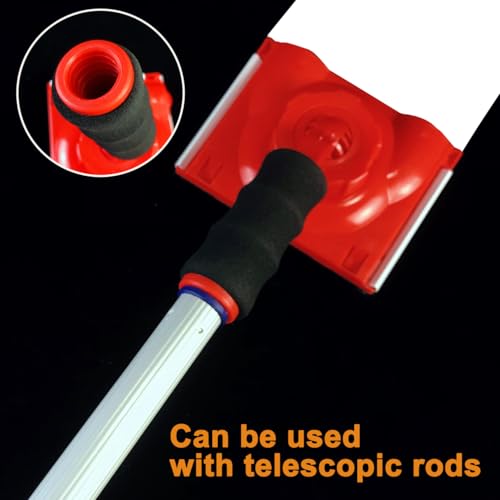
Still, I’d say it’s best paired with an extension rod (sold separately), since the design really shines on high walls and vaulted ceilings. Compared to rigid blade tools, it’s more forgiving on slightly textured surfaces, but it still demands a steady hand. For DIYers who want pro-level results without the tape hassle, this one delivers on paper and in user feedback.
Product photos

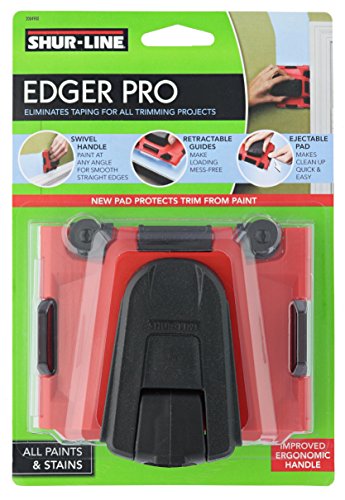
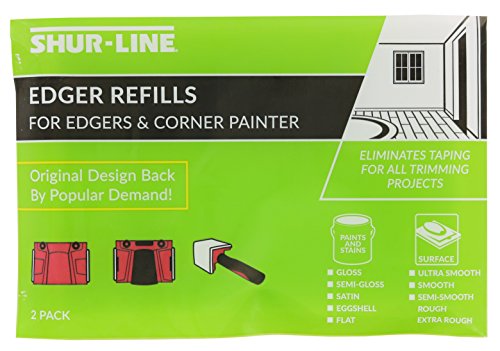
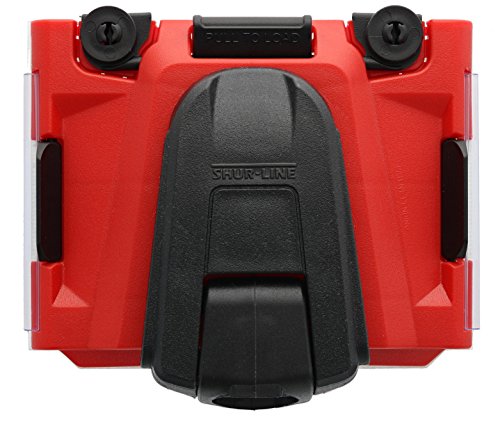
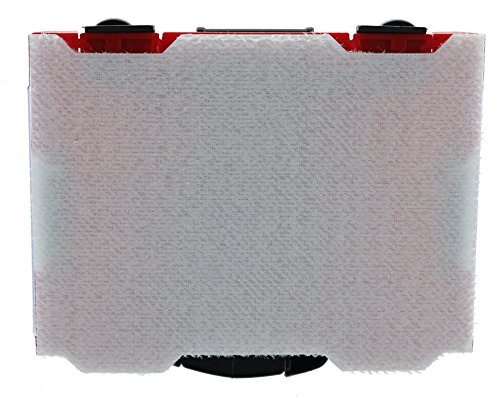
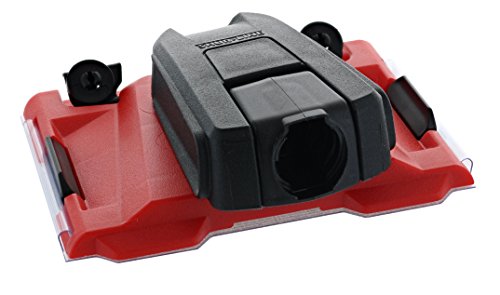
Shur-Line Paint Edger Pro
Strengths
- Ejects wet pads cleanly
- Flexible handle
- Compact for tight spots
Trade-offs
- Smaller pad size
- Less rigid edge definition
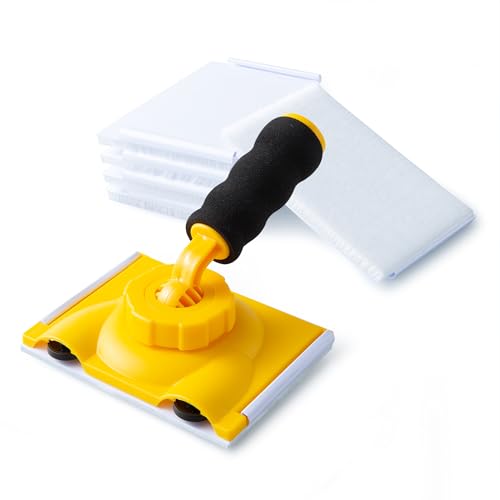
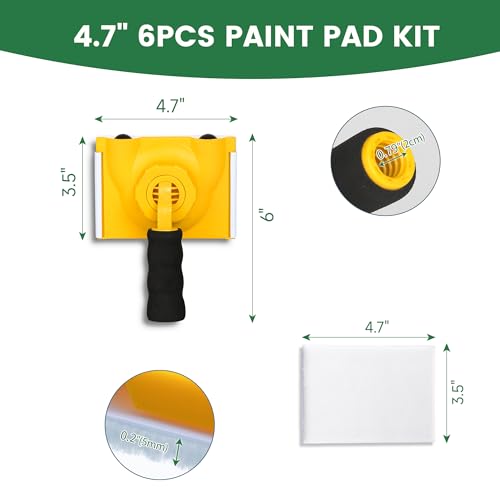
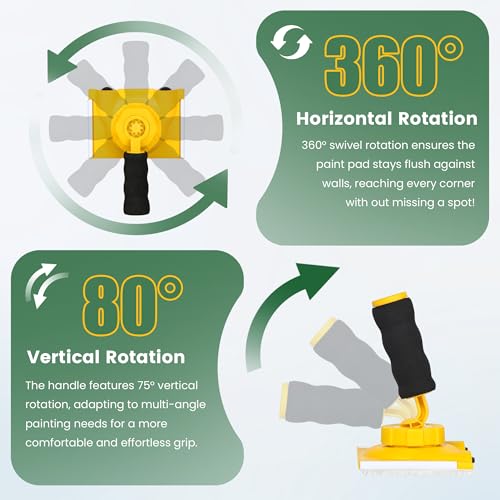
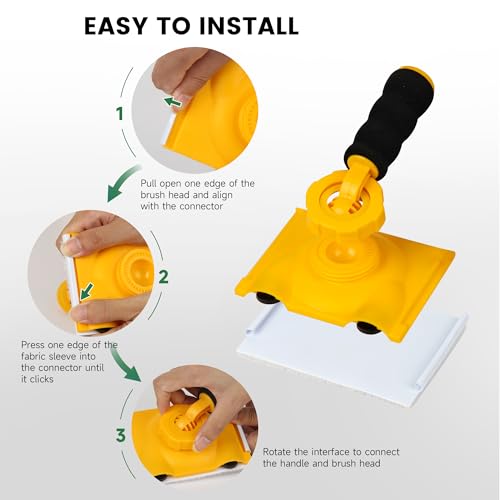
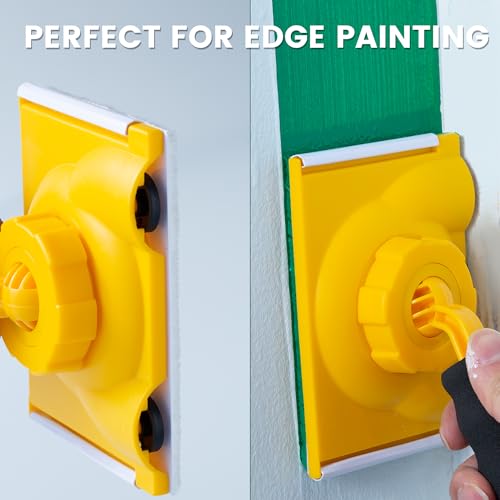
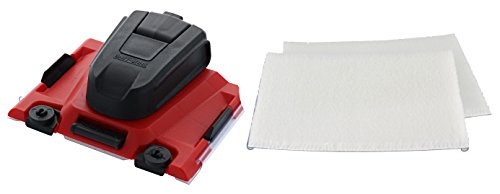
The standout here is the eject button for wet pads, a small feature that makes cleanup dramatically less messy. Most pad edgers force you to peel off soaked, paint-heavy pads by hand, but Shur-Line’s design lets you pop them out cleanly. That’s a real quality-of-life upgrade, especially if you’re doing multiple rooms in one go. The flexible handle is another subtle win, letting you pivot into awkward angles without repositioning your grip.
It’s compact, which helps in tight spaces like behind toilets or under cabinets, but that also means you’ll need to reload more often than with larger pad tools. It works well with all standard paint finishes, from flat to gloss, which speaks to the pad’s adaptability. Compared to rigid edgers, it’s more forgiving on slightly uneven surfaces, though not quite as sharp on perfectly straight lines.
Product photos
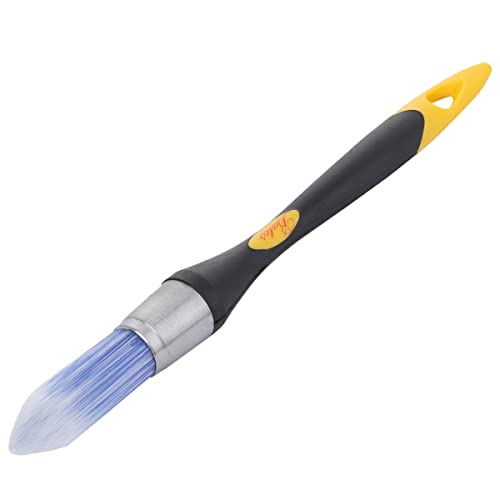
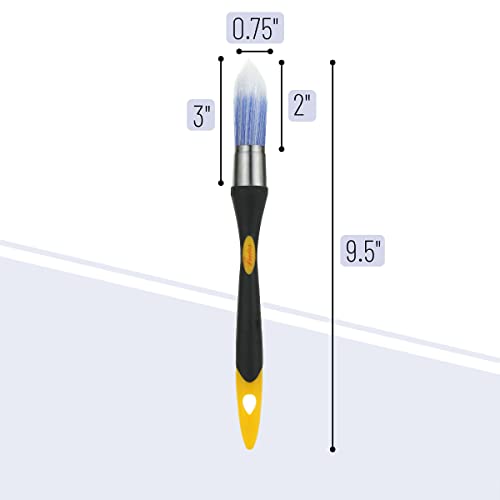
Bates 0.75 Inch Trim Brush
Strengths
- Sharp filament control
- Durable synthetic bristles
- Lightweight and comfortable
Trade-offs
- Not for large areas
- Requires skill for clean lines
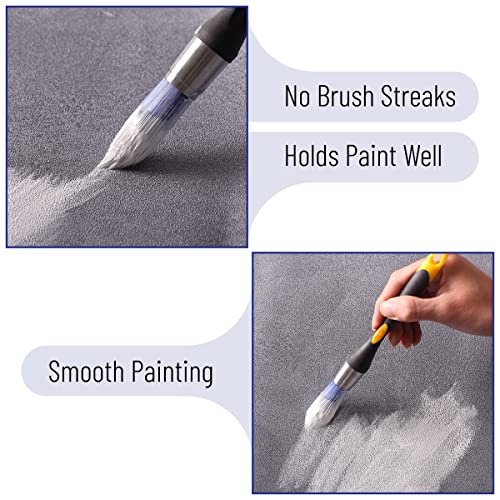
Sometimes, the old way still wins. The Bates 0.75-inch trim brush is a no-nonsense tool for fine detailing where edgers can’t reach, think window muntins, narrow moldings, or decorative trim. The synthetic bristles hold a good paint load and snap back sharply, allowing for clean, controlled strokes. It’s not a replacement for an edger, but it’s the perfect companion to one.
Owners praise its durability and ease of cleaning, and at this price, it’s a low-risk upgrade over disposable brushes. Compared to pad edgers, it’s slower but far more precise in tight geometries. If you’re doing a high-end finish job, you’ll still end up using a brush like this for touch-ups, so getting a quality one makes sense.
Product photos



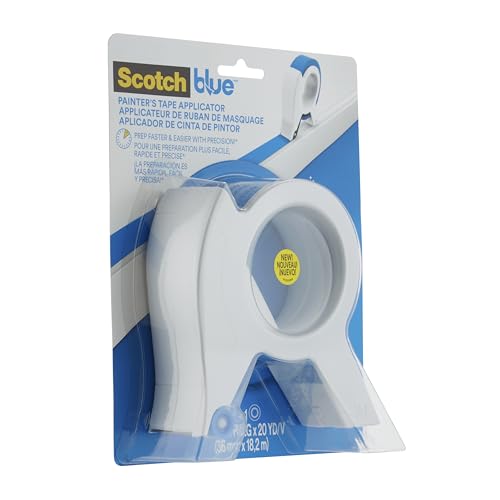
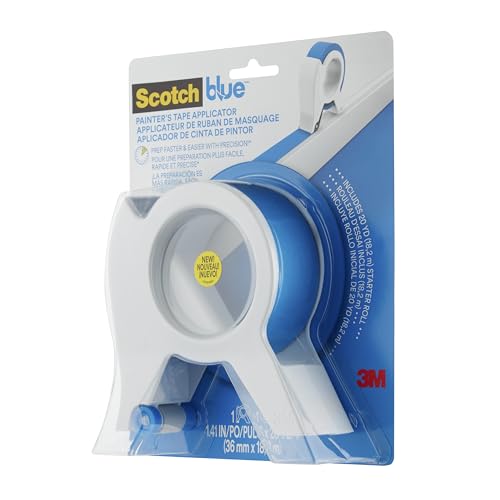
Scotch Blue Tape Applicator

Strengths
- Applies tape smoothly
- Clean 14-day removal
- Sharp built-in cutter
Trade-offs
- Still requires tape
- Not for textured surfaces
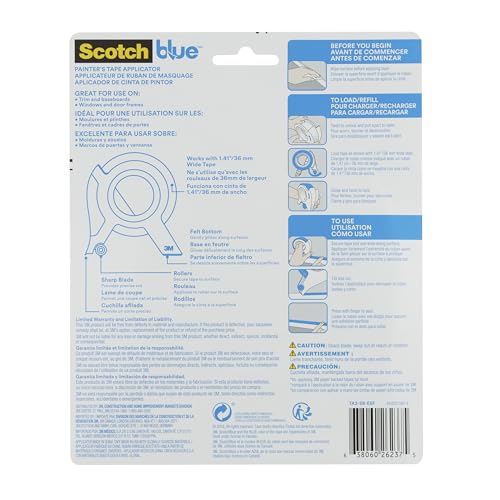
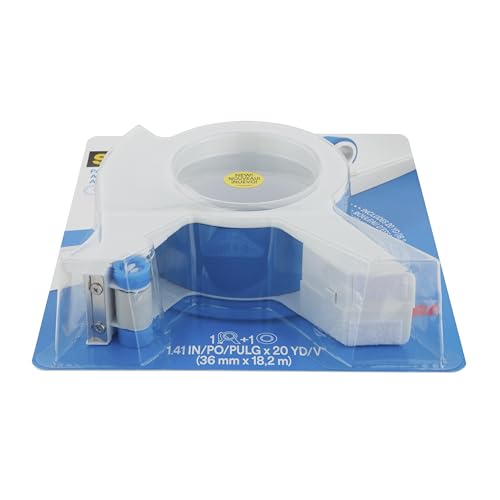
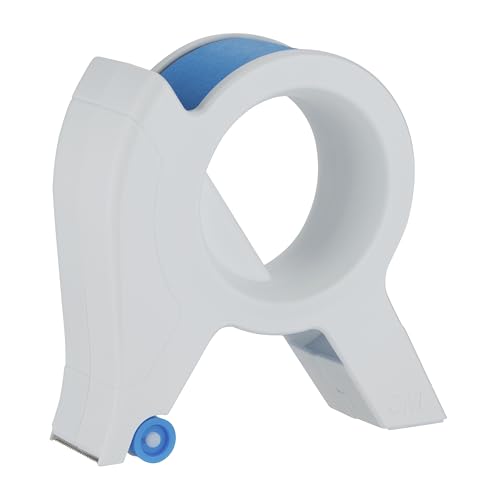
This isn’t a paint edger in the traditional sense, but it’s one of the most effective tape alternatives for prep work. The device applies a continuous strip of painter’s tape with built-in pressure rollers and a sharp blade for clean cuts, meaning no more fumbling with loose tape ends or uneven adhesion. Owners love how fast it makes prep, especially around windows and trim.
The included ScotchBlue tape is proven to remove cleanly within 14 days, which is critical for avoiding residue or surface damage. While it doesn’t eliminate tape use, it streamlines it in a way that rivals even the best edgers for crisp results. However, it’s only as good as the surface prep, dirty or dusty walls will still lead to bleed-through. Compared to pad edgers, it’s slower in execution but more foolproof for beginners.
Product photos
How We Picked These edge painter tools
Rather than a hands-on lab test, this is a research-led comparison of specifications and owner feedback. I looked at the stated features of numerous edge painter tools, focusing on build materials, design elements intended to improve precision, and ease of use. To build a well-rounded picture, I weighed owner reviews from multiple sources alongside expert opinions found in trade publications and home improvement websites. My goal was to rank these tools based on how effectively they address common painting challenges.
For this category, the most important factors were build quality and precision. A rigid construction is vital for creating those clean lines everyone wants, so stainless steel blades and durable handles were heavily favored. Equally important was the ability to control the tool; features like ergonomic grips, rotating handles, and stable guide wheels significantly impact the final result. Understanding proper edger operation is also crucial for achieving the best outcome.
Specifications reliably reveal the materials used and the overall construction of the tool. However, owner feedback provided insight into real-world performance – how well a tool holds up over time, how easy it is to clean, and whether it truly delivers on its promises of precision. Reputation and long-term reliability, gleaned from consistent positive reviews, played a significant role in the final rankings.
How To Pick The Right edge painter tools
Choosing the right edge painter tool can dramatically improve the speed and quality of your paint jobs.
A truly effective edge painter delivers clean, consistent lines with minimal effort. Key features include a rigid guide to prevent bleed-through, ergonomic design for comfortable handling, and durable materials built to withstand repeated use. Buyers should also consider the versatility of the tool for different paint types and project sizes, as well as ease of cleaning for long-term maintenance.
Blade Rigidity & Straightness
The core of any good edge painter is its ability to create a crisp, clean line. Don’t underestimate the importance of a truly straight and rigid blade; even slight flexing can lead to uneven paint application. Stainless steel is generally superior to plastic here, resisting bending and corrosion. While some tools, like the precision paint edgers offer adjustable features, a fundamentally solid blade is paramount. I’ve seen too many projects ruined by tools that simply couldn’t hold a straight line.
Handle Ergonomics & Control
A comfortable and secure grip is essential, particularly for larger projects. Look for handles with non-slip textures and, ideally, a shape that fits comfortably in your hand. The Paltren 12-Inch Stainless Steel Edger gets good marks here for its ABS handle designed for control. Beyond comfort, consider the handle’s impact on control. A heavier handle can offer more stability, while a lighter one allows for quicker maneuvering.
- A shorter handle is best for small touch-ups.
- A medium-length handle balances control and reach for most wall painting.
- For ceilings and high walls, pairing a tool with an extension pole is crucial, but ensure the connection is secure and doesn’t introduce wobble. A wobbly pole defeats the purpose of a straight edge.
Versatility & Value
Many edge painters focus solely on straight lines, but some offer additional features to increase their usefulness. Features like rotating heads (as seen in the 360° Rotation Paint Edger Kit) or multiple pad options can make a single tool adaptable to a wider range of tasks. However, don’t pay for features you won’t use. Sometimes, a simpler, well-built tool is the best value.
Don’t overlook the value of a simple solution. A quality metal edge painter, coupled with careful technique, will often outperform a complex tool with subpar construction.
For those looking for alternative methods, understanding the string trimmer edging method can be helpful for outdoor projects, but it’s a very different application than precise indoor painting – and requires caution. Ultimately, consider your typical projects and choose a tool that best fits your needs and skill level.
Edge Painter Tools Compared
Here’s a comparison of key specifications for various edge painter tools to help you make an informed decision.
| Product Title | Blade Material | Pad/Wheel Type | Pole Attachment | Handle Rotation | Pad Replacement | Key Feature |
|---|---|---|---|---|---|---|
| 12 Inch Stainless Steel Paint Edger | Stainless Steel | N/A | N/A | N/A | N/A | Rigid Stainless Edge |
| Paltren 12-Inch Stainless Steel Edger | Stainless Steel | N/A | N/A | N/A | N/A | Superior Control |
| Spliceable Long Pole Paint Edger | N/A | Replaceable | Yes | N/A | Yes | Adjustable Long Pole |
| 360° Rotation Paint Edger Kit | N/A | Pad | Yes | 360° | Yes | Multi-Angle Control |
| BANCOO RSL43 Paint Edge Trimmer | N/A | Bristle | Yes | Rotatable | N/A | Wheel Stability |
| VOOMEY 360° Rotation Paint Edger | N/A | Pad | Yes | 360° | Yes | Pad Absorption |
| Shur-Line Paint Edger Pro | N/A | Pad | Yes | N/A | Easy Ejection | Easy Pad Replacement |
| Bates 0.75 Inch Trim Brush | N/A | Bristle | N/A | N/A | N/A | Fine Detailing |
| Scotch Blue Tape Applicator | N/A | N/A | N/A | N/A | N/A | Tape Application |
Frequently Asked Questions
What blade material offers the best precision?
Stainless steel consistently delivers the straightest lines because it resists bending during use. While plastic options exist, they are more prone to flexing, especially with thicker paints, impacting the quality of your sharp line painting tools.
Can I use an edge painter on textured walls?
Edge painters work best on smooth or lightly textured surfaces. Heavy textures can prevent a consistent seal and lead to paint bleed, so careful technique or masking with painter’s tape tools may be required for optimal results on rougher walls.
Are edge painters useful for ceilings?
Yes, but a tool with a secure pole attachment is essential. Look for models specifically designed to accommodate extension poles, and always double-check the connection to prevent wobbling, which compromises the straightness of your lines.
How do I clean an edge painter with a pad?
Most pad-style edge painters allow for easy pad ejection or removal for cleaning. Discard used pads and replace them for the best results; reusable pads can be gently washed with soap and water, ensuring they are fully dry before reattaching.
What’s the advantage of a rotating-head edge painter?
A rotating head provides increased versatility for painting in tight corners or awkward angles. These designs, like the 360° Rotation Paint Edger Kit, let you adjust the tool to the surface rather than straining your wrist, improving control and accuracy when using paint edge applicators.
The Bottom Line
Ultimately, choosing an edge painter tool comes down to balancing control and convenience. If you prioritize a consistently clean line above all else, and are willing to take a little extra care with setup and technique, the Paltren 12-Inch Stainless Steel Edger stands out as the strongest overall choice. Its solid construction and focus on handling deliver the precision that makes all the difference.
For those on a tighter budget, the 12 Inch Stainless Steel Paint Edger provides a capable, no-frills solution. If you need versatility for reaching difficult areas, the 360° Rotation Paint Edger Kit is worth considering, while the Spliceable Long Pole Paint Edger is the best option for high walls and ceilings. Remember, though, extra features don’t compensate for a flimsy blade.
More than any specific feature or price point, a successful paint job relies on preparation and a steady hand. Proper surface prep – cleaning and taping – is essential, and taking your time to maintain a consistent speed and pressure will yield the best results. Don’t let a tool distract you from these fundamentals; a little patience goes a long way toward achieving professional-looking clean lawn edges.
