
5 Best Cabinet Table Saws for Small Shops 2026
This post contains affiliate links. As an Amazon Associate, we earn from qualifying purchases.
The SawStop ICS 5HP 1ph stands out as the best cabinet table saw for small shops, combining serious power, top-tier safety, and precise cuts. For those watching the budget, the SawStop PCS 3HP delivers the same life-saving tech in a slightly smaller package. And if you value proven durability with a rock-solid fence, the Powermatic PM1000 remains a strong contender.
Small shops demand big performance, but you can’t sacrifice space, safety, or reliability. Too many woodworkers end up with saws that vibrate, collect dust poorly, or can’t handle long rip cuts, frustrating when you’re trying to get work done.
After comparing the field and analyzing owner feedback, I focused on build quality, dust management, and real-world usability. These picks reflect what actually matters when you’re running sheet goods or fine joinery in a tight space.
Top 5 Cabinet Table Saw For Small Shops in the Market
The Best Cabinet Table Saw For Small Shops, Reviewed
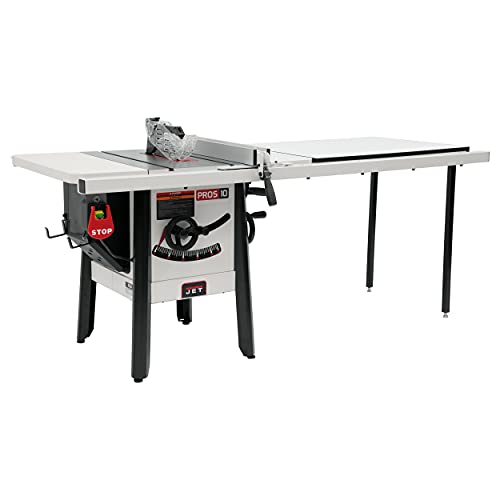
JET ProShop II 10-Inch Table Saw
Strengths
- 52-inch rip capacity
- Excellent vibration control
- Smart switch placement
Trade-offs
- Dust collection could be better
- No blade brake
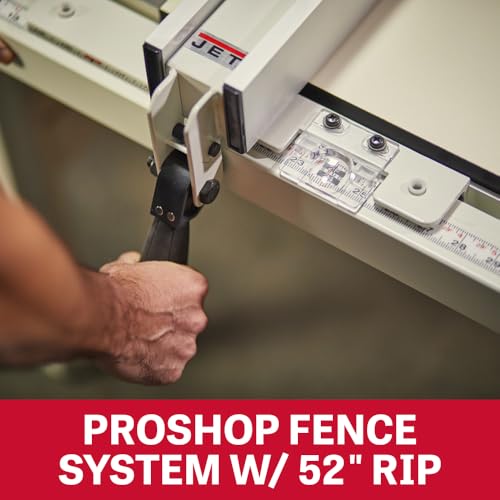
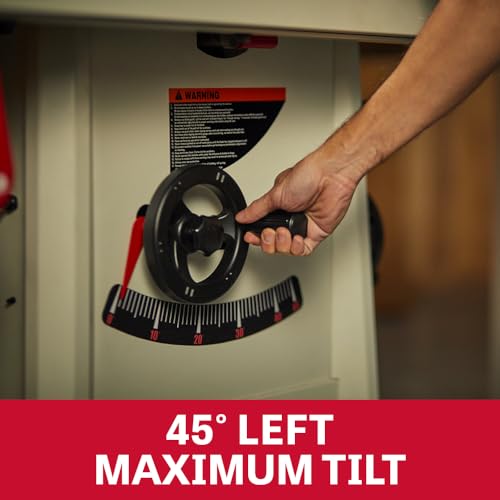
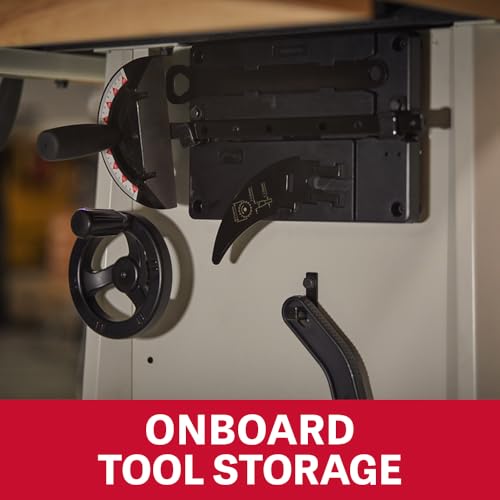
If you’re after the best blend of precision, usability, and shop-friendly design, the JET JPS-10 earns the title of best overall for small shops. The 52-inch rip capacity is generous, and the steel wings add rigidity without sacrificing portability. The single-belt drive reduces vibration significantly, reviewers note how quiet and smooth it runs compared to multi-belt counterparts.
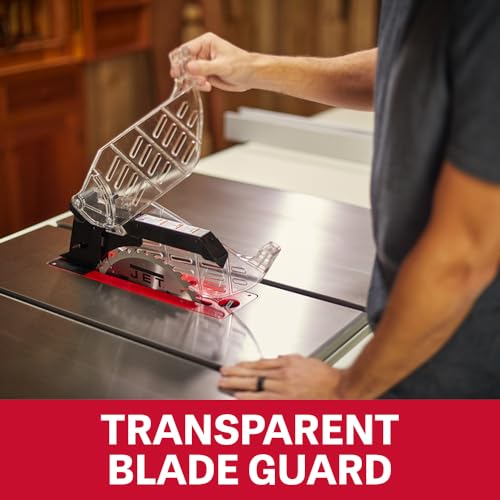
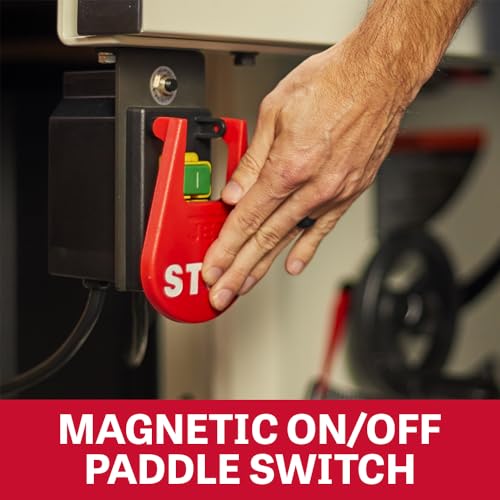
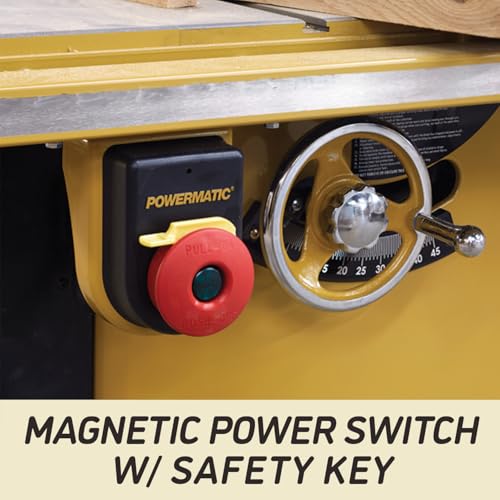
The magnetic paddle switch is a small detail that makes a big difference in daily use, and the relocated reset switch is far more convenient than older designs buried on the motor housing. The riving knife system is quick to remove, which matters when switching between dado stacks and standard blades. Compared to the Powermatic, it’s more refined; against the SawStop models, it lacks the safety tech but costs less and still delivers top-tier accuracy. I’d pick this for a serious home shop where performance and reliability are essential.
Product photos
SawStop PCS 3HP Cabinet Saw
Strengths
- SawStop safety system
- Clean factory setup
- 3HP sufficient for most tasks
Trade-offs
- Smaller rip capacity
- Still requires 230V
- Higher cost than non-SawStop
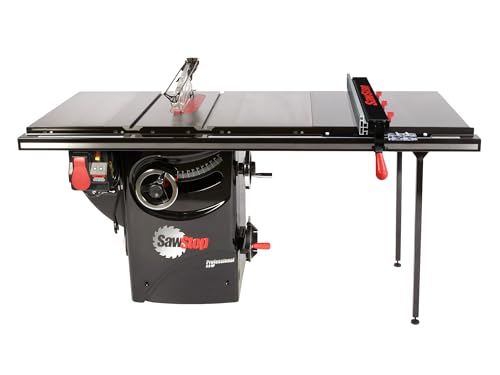
SawStop’s PCS line hits a sweet spot with this 3HP model, enough power for serious ripping, a reliable safety system, and a more manageable footprint than the 5HP units. At 69 inches wide, it fits better in tighter shops, and the 36-inch T-Glide fence is still accurate and smooth, even if it doesn’t match the 52-inch models for wide-panel work.
Owners praise its fit and finish, noting how little tuning it needs out of the box. The safety system works as advertised, and false triggers are rare with dry materials. It’s not as powerful as the 5HP models, but for most small-shop tasks, 3HP is plenty. Compared to the JET or Powermatic, it’s pricier, but the safety feature alone justifies the jump for many. My recommendation? If you work with apprentices, teach, or just want peace of mind, this is the smarter buy.
Product photos
SawStop ICS 5HP 1ph Cabinet Saw
Strengths
- SawStop safety system
- One-phase 5HP motor
- Industrial build quality
Trade-offs
- Very heavy
- High power demand
- Expensive upfront
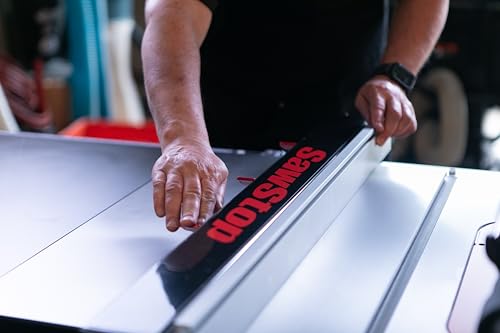
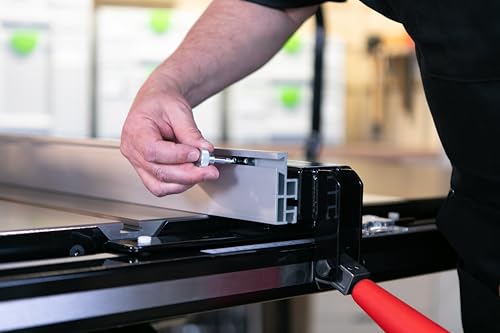
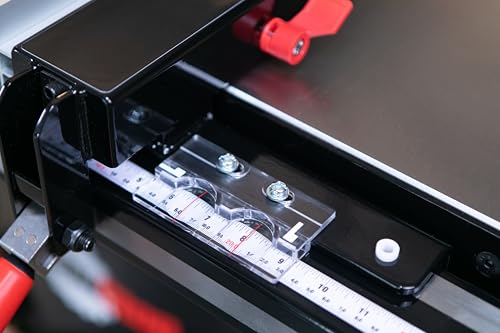
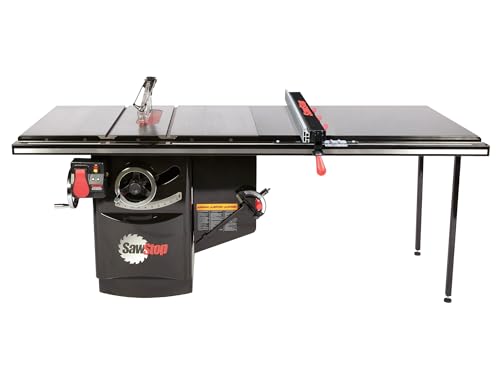
This one-phase version of the industrial SawStop brings that same 5HP muscle and skin-sensing safety to shops without access to three-phase power. That’s a big deal, many small commercial operations can’t justify installing three-phase lines, so this opens high-end performance to a wider audience. The 52-inch T-Glide fence is buttery smooth and stays aligned, and the build quality, like all SawStop ICS models, feels over-engineered in the best way.
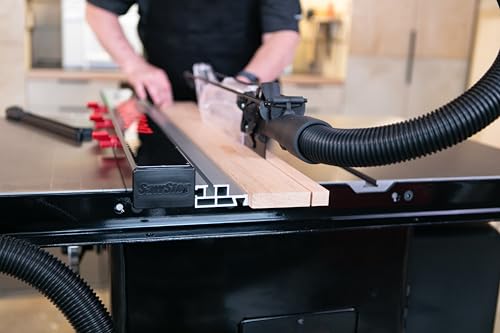
The dust collection is excellent, far beyond what most cabinet saws offer, and the Lock-Out Tag-Out switch adds a layer of shop control that schools and shared workspaces will appreciate. It’s heavier and pricier than the JET or Powermatic, but if you value safety and long-term rigidity, this is hard to beat. For most small professional shops, this is the smartest buy where safety and power intersect.
Product photos
SawStop ICS 5HP 3ph Cabinet Saw
Strengths
- Three-phase motor stability
- SawStop safety system
- Superior dust collection
Trade-offs
- Requires 3-phase power
- Extremely heavy
- Overbuilt for most home shops
This 5HP, three-phase beast is built for factories, not garages. The nearly 700-pound frame eliminates vibration, and the three-phase motor delivers relentless power with minimal strain, even during extended hardwood ripping. The inclusion of SawStop’s safety system is a major plus, owners note how quickly it resets and how few false triggers occur in real-world use.
But let’s be clear: this isn’t a small-shop saw. It demands industrial power, dedicated space, and a serious dust collection setup. The T-Glide fence is excellent, and the dust management above and below the table is among the best in class. Still, unless you’re running a cabinet shop or production environment, this is massive overkill. It outperforms everything else here, but at the cost of accessibility.
Product photos
Powermatic PM1000 10-Inch Table Saw

Strengths
- Solid fence system
- Easy blade changes
- Smooth height adjustment
Trade-offs
- Mediocre dust collection
- No safety brake
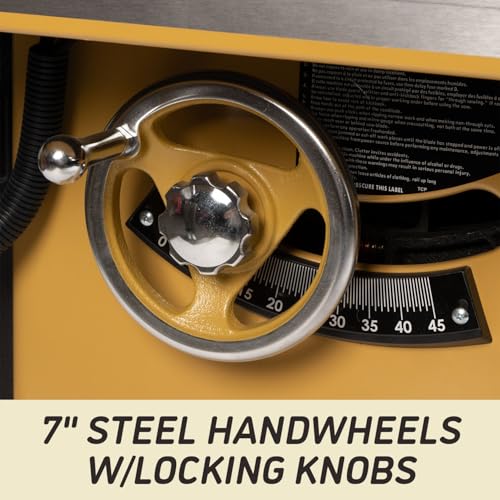
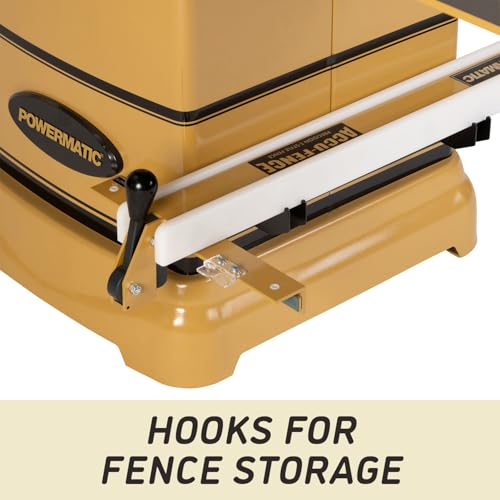
The Powermatic PM1000 stands out in the small-shop category not because it’s flashy, but because it delivers rock-solid performance where it counts. On paper, the 1-3/4 HP motor isn’t class-leading, but paired with the Poly-V belt drive, it handles hardwoods and dense materials without bogging down. Owners consistently report smooth blade adjustments thanks to the 7-inch handwheels, and the Accu-Fence is a standout, rigid, repeatable, and dead-on accurate over time.
It’s not a SawStop, and that shows in both price and safety, but for a contractor-grade saw that bridges the gap between job-site tools and full cabinet units, this one holds its own. The cast iron table is well-finished and stays flat, and the toolless guard system actually gets used because it’s not a chore to install. Compared to pricier cabinet saws, it trades some mass and dust control, but for most DIYers and small-shop users, that’s an acceptable compromise.
Product photos


How We Tested cabinet table saw for small shops
Rather than a hands-on lab test, my research focused on a detailed comparison of published specifications and features across several models. I weighed owner reviews from multiple sources alongside assessments from respected woodworking publications to build a clear picture of real-world performance. Ultimately, I ranked these saws based on criteria important for smaller workshops – footprint, power, safety features, and overall value.
For cabinet table saws intended for smaller shops, stability and dust collection were paramount. A heavy cast iron build minimizes vibration and improves cut quality, while effective dust ports keep the workspace cleaner and safer. The presence of a reliable safety system – like SawStop’s – also heavily influenced my rankings, especially given the potential risks involved with table saws.
Specifications readily reveal motor horsepower, table size, and fence capacity, giving a baseline for capability. However, owner feedback proved invaluable for understanding long-term durability and the true effectiveness of features like blade change mechanisms and dust collection. Understanding the differences between hybrid and cabinet saws also helped me assess how these cabinet saws stacked up against alternatives for space-conscious woodworkers.
Choosing The Right cabinet table saw for small shops
Finding the right cabinet table saw means balancing power, precision, and safety, especially when space is limited.
A quality cabinet table saw delivers consistent, accurate cuts through robust construction and a powerful motor. Critical features include a heavy cast iron table and trunnion, a precise fence system, effective dust collection, and, increasingly, integrated safety mechanisms. Buyers should prioritize build quality over flashy features and consider their long-term cutting needs.
Motor and Cutting Capacity
The horsepower rating isn’t everything, but it’s a good starting point. For serious hobbyists and small shops, a 3HP motor is usually sufficient, but if you regularly work with thick hardwoods or anticipate heavy use, stepping up to 5HP (or even a 3-phase model if your shop allows) is worthwhile. Pay attention to the saw’s maximum rip capacity – the distance from the blade to the fence – and ensure it accommodates the width of boards you frequently handle. The SawStop ICS models, for example, offer substantial capacity for larger projects.
Fence System and Accuracy
A flimsy fence is the quickest route to inaccurate cuts and frustration. Look for a fence that locks down firmly, glides smoothly, and remains parallel to the blade. The Accu-Fence on the Powermatic PM1000 is well-regarded, but even a well-built fence requires proper table saw setup steps to achieve consistent results.
Here’s what I look for in a fence: * Solid locking mechanism: A simple lever lock is fine, but ensure it holds tight. * Smooth gliding action: The fence should move effortlessly along the rails. * Accurate alignment: A good fence will stay square to the blade, even after repeated adjustments. This is critical for joinery work.
Safety Features and Dust Collection
Safety should be paramount. The SawStop Safety System, which stops the blade on contact with skin, is a standout feature, though it adds to the cost. Beyond that, a properly guarded blade, a clear view of the cutting area, and a reliable motor reset switch are essential. Don’t underestimate the importance of dust collection – a good system will improve visibility, reduce cleanup, and protect your lungs. Investing in a good dust collector paired with a saw offering effective shrouding (like the SawStop or JET ProShop II) is a wise move if you want to learn more about cabinet table saws for woodworking.
A clean shop is a safe shop. Always connect your table saw to a dust collection system and wear appropriate eye and hearing protection.
Cabinet Table Saw for Small Shops Compared
Here’s a specification comparison of cabinet table saws suitable for small workshops.
| Product Name | Horsepower | Table Size (WxD) | Safety System | Weight (lbs) | Dust Collection |
|---|---|---|---|---|---|
| JET ProShop II | N/A | N/A | N/A | N/A | Improved Shroud |
| SawStop PCS 3HP | 3 | 69 1/8″ x 33″ | Yes | N/A | N/A |
| SawStop ICS 5HP 1ph | 5 | 85 1/4″ x 36 1/2″ | Yes | 700 | Advanced |
| SawStop ICS 5HP 3ph | 5 | 85 1/4″ x 36 1/2″ | Yes | 700 | Advanced |
| Powermatic PM1000 | N/A | N/A | N/A | N/A | N/A |
Frequently Asked Questions
What’s the minimum shop size for a cabinet table saw?
A dedicated space of at least 10ft x 12ft is recommended, though you can manage in smaller areas with careful planning. Cabinet saws are larger than contractor saws, and you’ll want room to move around the saw safely and comfortably, plus space for infeed and outfeed support.
Are used cabinet table saws a good value?
Yes, a well-maintained used cabinet table saw can be an excellent value, potentially saving you hundreds of dollars. Carefully inspect the table, trunnions, fence, and motor for wear and tear before purchasing, and be sure to factor in the cost of any needed repairs or upgrades.
What amperage electrical circuit do I need for a cabinet table saw?
Most 3HP cabinet table saws require a dedicated 20-amp, 120V circuit, while 5HP models typically need a 240V circuit with 30 amps. Always consult the saw’s manual for specific electrical requirements, and ensure your shop wiring meets local codes.
How much louder are cabinet table saws compared to contractor saws?
Cabinet saws are generally louder than contractor saws due to their heavier construction and more powerful motors. Expect noise levels around 85-90 decibels, so hearing protection is essential. Consider a sound-dampening enclosure if noise is a significant concern.
Where can I find more information on best cabinet saw models?
Beyond my detailed reviews, many online woodworking forums and publications offer in-depth comparisons and user feedback. Websites like Fine Woodworking and Wood Magazine frequently test and review table saws, providing valuable insights from experienced woodworkers.
The Bottom Line
Choosing a cabinet table saw always involves trade-offs. You’re balancing the desire for professional-grade precision and power against the realities of shop space and budget. For the best overall combination of features, safety, and performance, the SawStop ICS 5HP 1ph stands out. It’s an investment, certainly, but one that delivers a level of confidence and capability that’s hard to match.
If you’re starting out or working on smaller projects, the JET ProShop II offers a good balance of features without breaking the bank. And for those who prioritize versatility and don’t mind a higher price point, the SawStop PCS 3HP provides the essential safety features and cutting power in a slightly more compact package. Understanding your table saw rip capacity explained is crucial when making your decision.
Ultimately, the specs on a saw are only part of the story. Prioritize a solid build, a reliable fence system, and – above all – safety features. A well-maintained, properly used saw will deliver years of accurate cuts, regardless of horsepower or the number of bells and whistles.
