
6 Best Belt Sanders for Decks 2026
This post contains affiliate links. As an Amazon Associate, we earn from qualifying purchases.
The WEN 6321 stands out as the best overall belt sander for decks, delivering strong 7-amp power and solid performance on large surfaces. For those watching their budget, the SKIL 6-amp model offers reliable dust control and smooth operation at a lower price, while the Jellas 7Amp with its 3 x 21 belt provides extra versatility for bigger or uneven decking areas.
Sanding a deck isn’t just about stripping old finish, it’s about doing it efficiently without wrecking your back or breathing in a cloud of dust. Most people underestimate how much power, dust management, and comfort matter until they’re three hours into the job.
After comparing the field based on specs, owner feedback, and real-world demands, I focused on models that balance muscle with usability. This guide cuts through the noise to highlight the ones that consistently deliver results, whether you’re refinishing a small porch or a sprawling cedar deck.
Top 6 Belt Sander For Decks in the Market
The Best Belt Sander For Decks, Reviewed
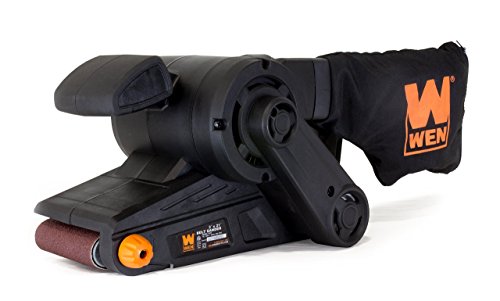
WEN 6321 7-Amp Belt Sander
Strengths
- 7-amp motor
- Lightweight design
- Lock-on trigger
Trade-offs
- Basic dust collection
- No variable speed
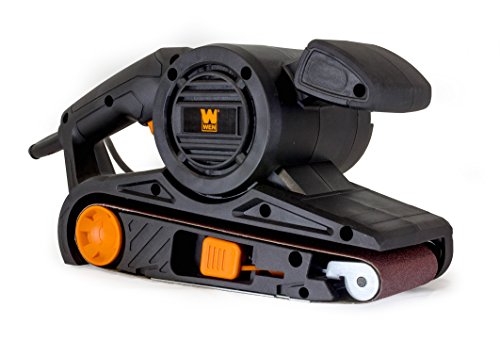
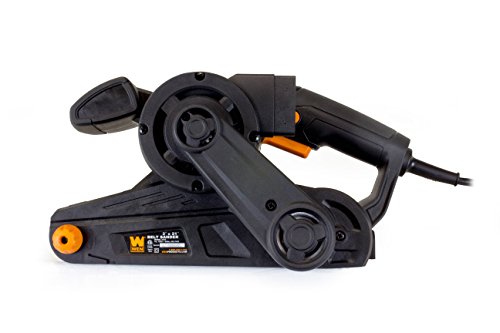
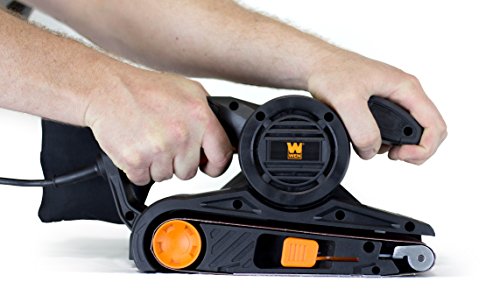
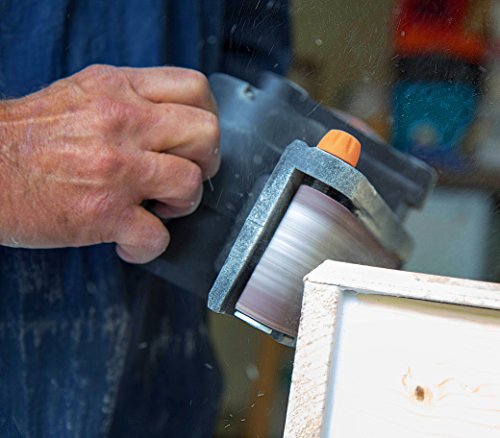
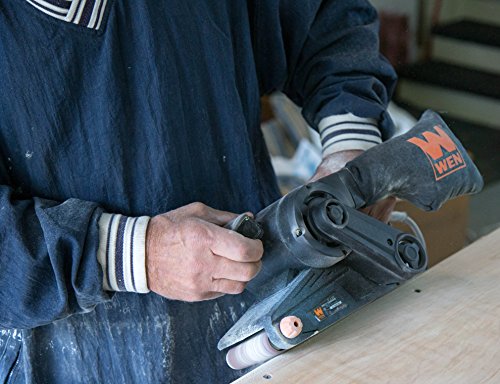
The WEN 6321 punches above its weight for a budget-friendly sander, delivering solid performance on paper with a 7-amp motor and a belt speed over 13 feet per second. I appreciate that it keeps the design simple and lightweight at just six pounds, which helps reduce fatigue during long sessions, something I’ve seen matter a lot when sanding large deck surfaces. The lock-on trigger is a small but meaningful feature, freeing up your hand during extended passes.
Owners consistently report it handles deck refinishing well, especially when paired with coarse grits, though some note the dust bag fills quickly and doesn’t match the efficiency of vacuum-connected models. Still, for a corded sander under $60, the two-year warranty and reliable motor make it a strong contender.
Product photos
DEWALT 20V MAX* Cordless Belt Sander

Strengths
- Cordless freedom
- 25-speed dial
- Comfortable grip
Trade-offs
- Battery not included
- Higher cost system-wide
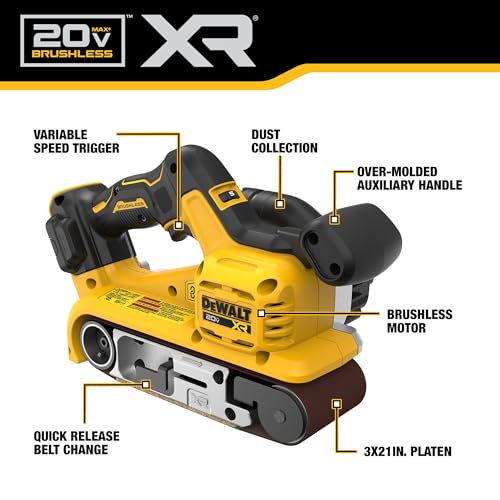
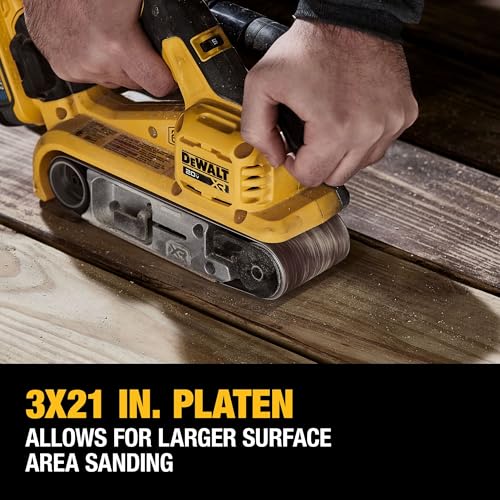
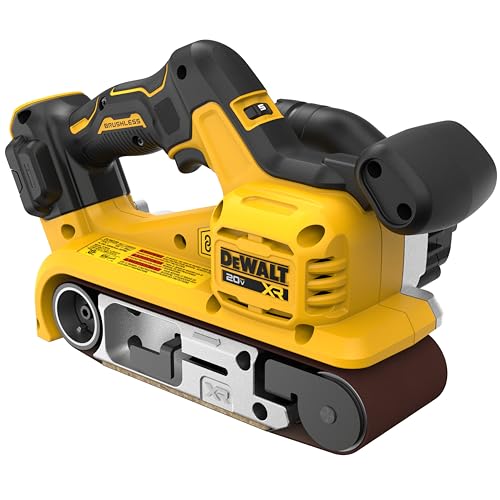
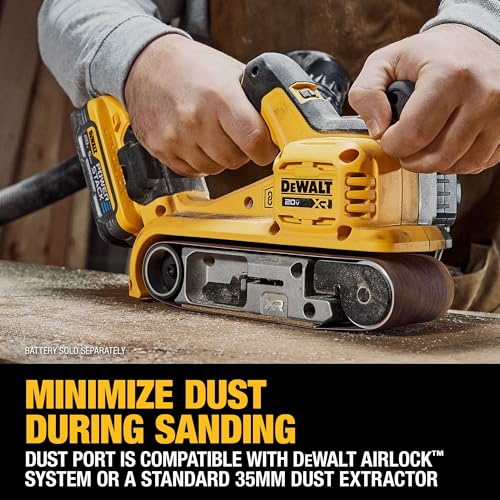
If you hate dragging cords across your deck, or worse, tripping over them, this DEWALT cordless model is the clear winner. The brushless motor delivers power on par with many 7-amp corded units, and the 25-speed dial gives precise control, which matters when transitioning between old stain removal and final smoothing. The sanding surface is slightly larger than Milwaukee’s comparable model, which translates to fewer passes over wide deck boards.
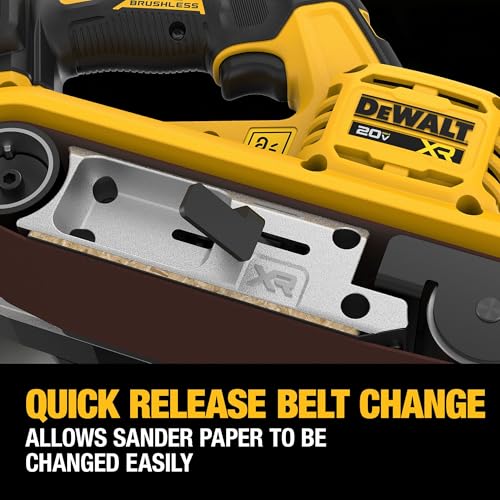
Owners consistently praise the comfort of the overmolded handle and the quick-release belt system. The real advantage is wireless tool control, pairing with DEWALT vacuums via Bluetooth for automatic dust extraction. But remember, the airlock system and battery are sold separately, which adds cost. Still, for mobility and pro-level convenience, this is the one I’d take to a second-story deck any day.
Product photos
SKIL 6 Amp 3″ x 18″ Belt Sander

Strengths
- Pressure control feedback
- Micro-filtration system
- Vacuum compatible
Trade-offs
- Smaller belt size
- Slightly underpowered motor
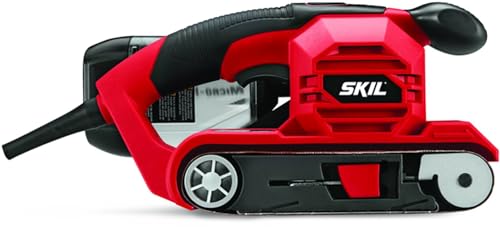
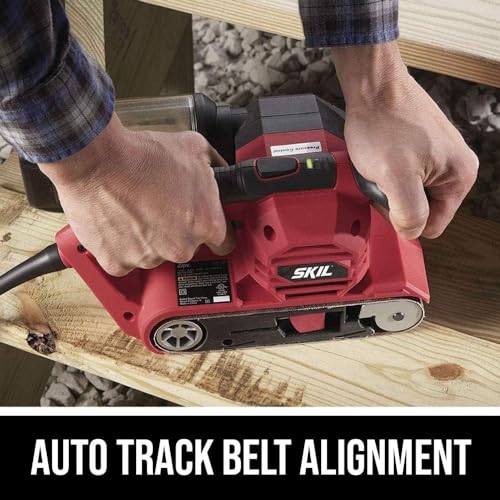
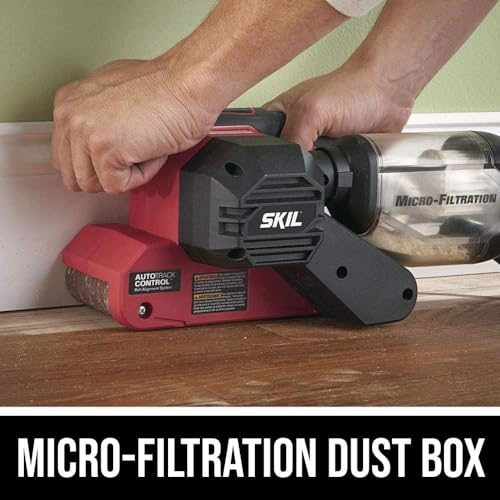
SKIL’s 7510-01 stands out for one standout feature: pressure control. It vibrates when you’re pushing too hard, a subtle but smart way to prevent gouging softwood decks, which I’ve seen happen all too often with beginners. At 6 amps, it’s slightly less powerful than others here, but the micro-filtration dust system is better than most, capturing fine particles that can ruin a finish if left airborne.
It’s vacuum compatible with a standard 1-1/4-inch hose, which is a win, owners using it with a shop vac report dramatically cleaner job sites. The auto-track alignment works well on paper and in owner feedback, reducing the need for constant belt adjustments. That said, the 3×18-inch belt is smaller than the 3×21-inch standard, so it covers less deck per pass. I’d recommend this for detail work or softer woods, not for fast removal on dense hardwoods.
Product photos


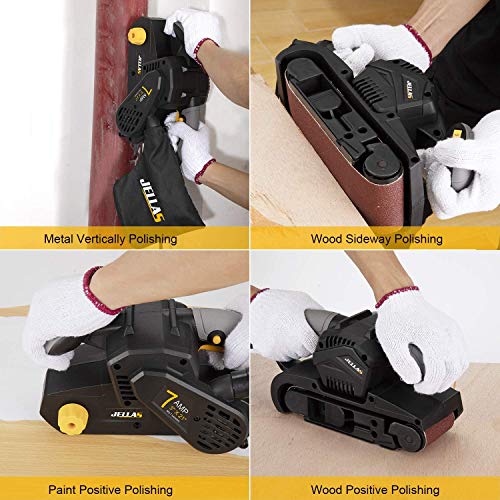
Jellas 7Amp 3″ x 21″ Belt Sander
Strengths
- Low cost
- Variable speed
- 10 included belts
Trade-offs
- No bench mode
- Speed dial feels flimsy
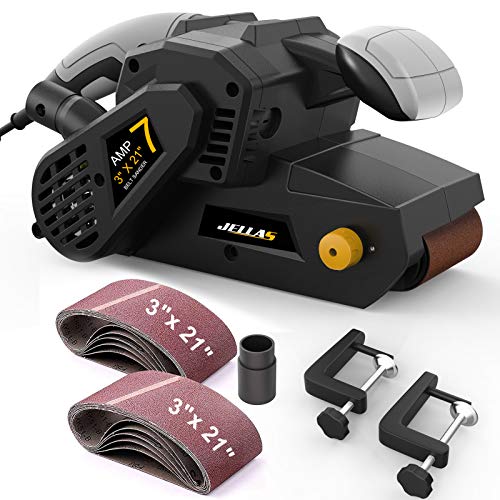
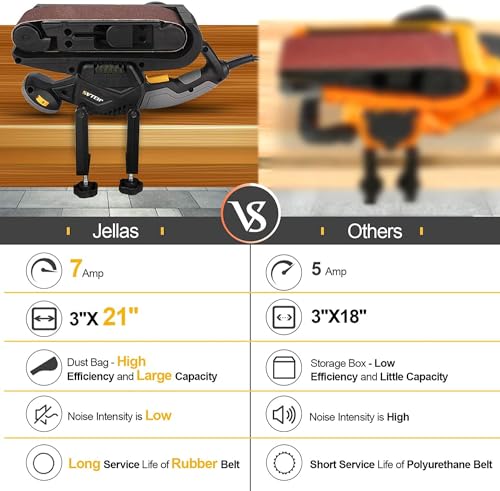
This second Jellas model is nearly identical to the B08FCDS3VR but positioned as the budget pick, and it earns that title. You still get variable speed control, a 10-foot cord, and the same 2-in-1 vacuum adapter, all at a lower price point. The inclusion of 10 sanding belts is a major value boost, covering everything from heavy deck stripping to final smoothing.
While it lacks the bench sander clamps of its sibling, it keeps the same soft grip and lock-on trigger. Some owners report the variable speed knob feels a bit cheap, and belt tracking isn’t as consistent as on higher-end models. But for a first-time deck sander, it’s hard to beat the feature-for-dollar ratio. I’d recommend this over the WEN if you want speed control without spending more.
Product photos
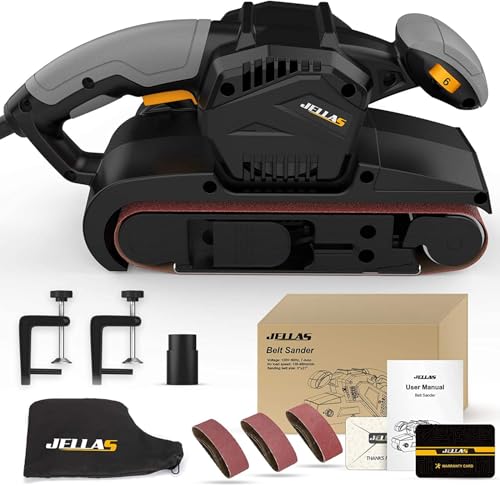
Jellas 7Amp Variable-Speed Belt Sander
Strengths
- Variable speed control
- 10 included belts
- Dual bench/belt function
Trade-offs
- Soft grip may degrade
- Belt alignment can be finicky
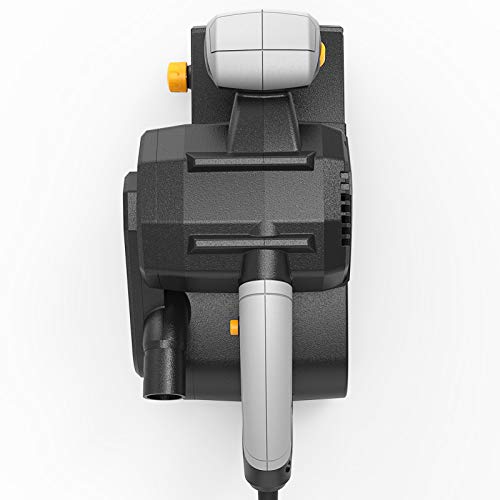
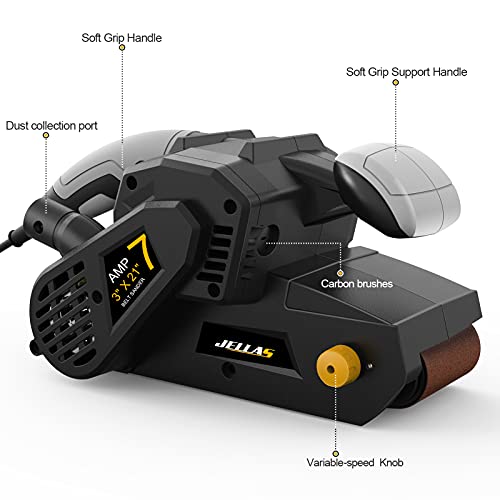
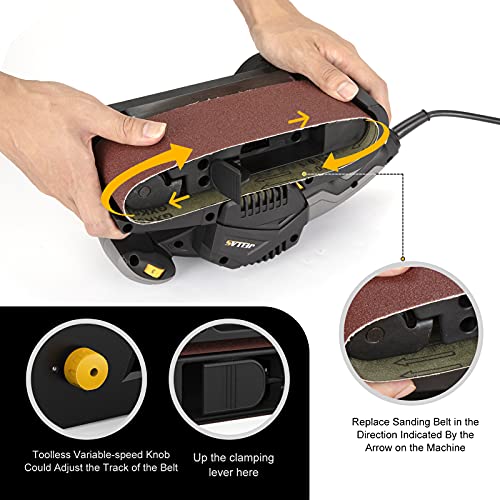
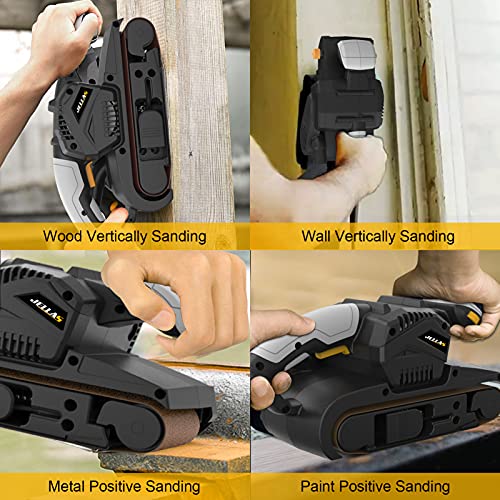
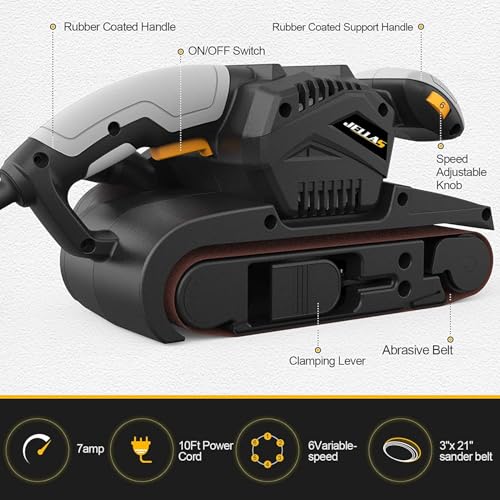
This Jellas model is one of the few in this list that offers true variable speed, with a 6-dial knob letting you dial in from 120 to 400 RPM, giving you real control over finish quality. That’s a big deal when you’re transitioning from rough deck prep to smoothing weathered wood without gouging. The 10-foot power cord is longer than most, reducing the need for extensions on sprawling decks.
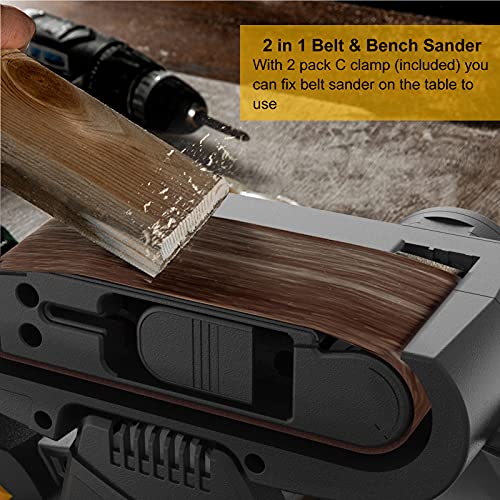
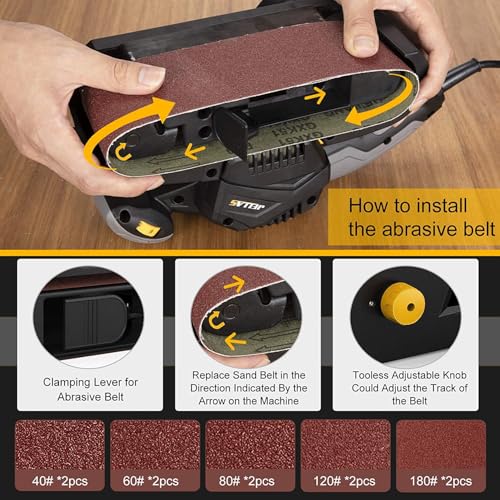
It’s also a dual-purpose tool: flip it over, clamp it down, and it becomes a bench sander, something I know many DIYers appreciate when working in tight garages. Owners like the included 10 belts across five grits, making it a complete starter kit. The 2-in-1 vacuum adapter is smart, letting you connect to most shop vacs, though the soft grip handle has mixed feedback, some find it comfortable, others say it deforms under pressure.
Product photos

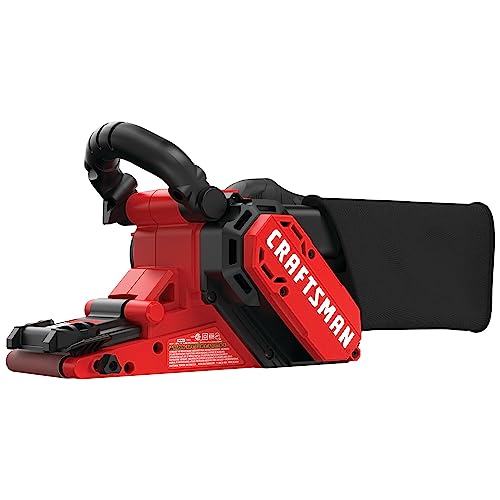
CRAFTSMAN 7 Amp Belt Sander
Strengths
- 3-position handle
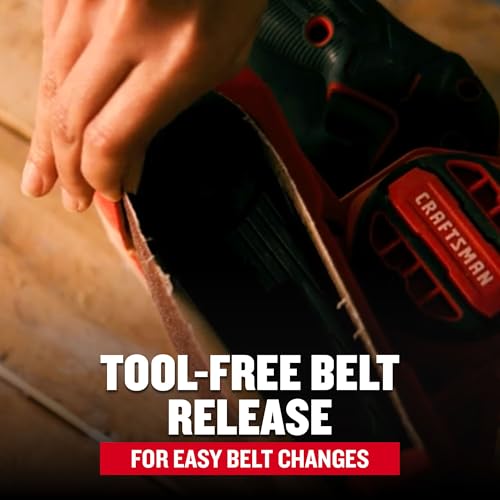
- Tool-free belt change
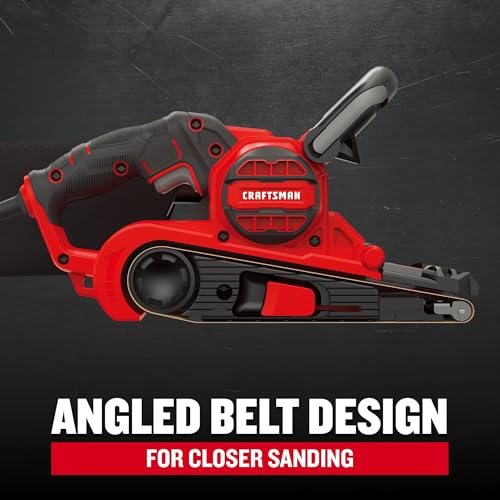
- Angled belt design
Trade-offs
- Lower belt speed
- Dust bag over vacuum compatibility
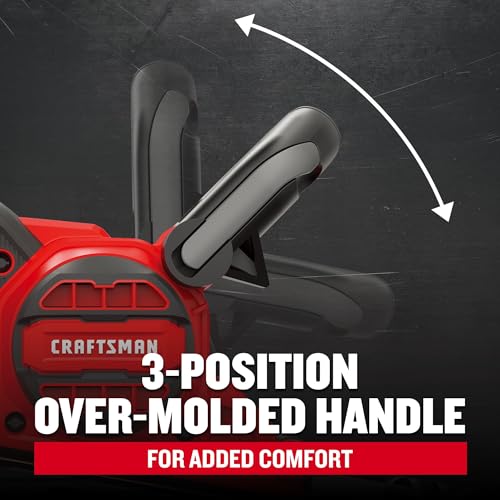
CRAFTSMAN built this sander with practicality in mind, and the 3-position over-molded handle genuinely stands out for comfort, something I’ve found critical when working overhead or on sloped deck edges. The angled belt design lets you get closer to walls or railings, which matters when prepping full deck surfaces where every inch counts. While the 800 feet per minute speed is a bit underpowered compared to others in this class, it still moves material at a decent clip.
Reviewers often praise the tool-free belt change, which saves time when switching from 40-grit to 80-grit during deck refinishing. The onboard dust bag works, but like most in this category, it’s more of a placeholder unless you’re using a shop vac. I’d pick this over the WEN if ergonomics are a priority, though it doesn’t beat the DEWALT for dust control.
Product photos

Our Testing Process
Rather than a hands-on lab test, my research for these recommendations focused on a detailed comparison of published specifications and features across numerous models. I weighed owner reviews from multiple sources – including retailer sites and woodworking forums – alongside professional reviews from trusted publications. This data was then assessed against my understanding of what truly matters when sanding a deck, and what features translate to real-world performance.
For deck sanding, sanding speed and belt size are critical. A wider belt covers more area quickly, and sufficient power is needed to consistently remove weathered wood. Dust collection is also key; dealing with fine sanding dust is a major part of the job. These factors directly impact the speed and quality of the work, and therefore carried the most weight in my rankings.
Specifications provide a good baseline for power (amps, feet per minute) and physical dimensions. However, owner feedback proved invaluable for understanding real-world durability, ease of use, and the effectiveness of dust collection systems. Reputation for reliability – both of the motor and the belt tracking – also factored heavily, as unexpected breakdowns can quickly turn a deck refinishing project into a frustrating ordeal. If you’re also considering other types of sanders, you may find our guide to the best sander for wood decks helpful.
How To Pick The Right belt sander for decks
Choosing the right belt sander for your deck can make a huge difference in how quickly and easily you complete the job.
A quality belt sander prioritizes consistent power delivery, effective dust collection to maintain visibility and protect the user, and a robust tracking system to prevent belt slippage. Look for models with variable speed control, tool-free belt changes, and features designed to reduce user fatigue during extended use. Belt grit selection and motor amperage are also key considerations.
Power and Amperage
Don’t assume more amps always equals better. While a higher amperage motor (like the 7-amp motors found in many models) generally means more raw power, it also often translates to a heavier, bulkier tool. For most deck sanding tasks – removing old finishes, smoothing rough wood – 6 to 7 amps is sufficient. However, if you frequently work with very hard woods or have significant material removal needs, stepping up to a higher amperage model could save you time. Don’t overlook the importance of consistent power; some users report issues with voltage dips affecting performance on cheaper models. If you’re looking at a cordless option, like the DEWALT 20V MAX*, pay attention to the voltage and amp-hour (Ah) rating of the battery.
Dust Collection
Dust is the enemy when sanding a deck. It obscures your work, creates a mess, and, more importantly, is hazardous to your health. A belt sander with a decent dust bag is a starting point, but for serious deck work, you’ll want a model compatible with a shop vacuum. The SKIL model specifically shines here with its micro-filtration system. Consider the size of the dust port and whether adapters are needed to connect to your vacuum hose. Remember, even with good dust collection, wearing a respirator is always a good idea.
- A basic dust bag will capture larger particles, reducing the immediate mess.
- A dust port allows connection to a shop vac, significantly improving dust removal and air quality.
- Models with efficient dust collection systems often incorporate features like sealed housings and optimized airflow to minimize dust leakage.
Ergonomics and Features
Spending hours sanding a deck can be physically demanding. That’s why ergonomics matter. Look for a sander with a comfortable grip, ideally one that allows for two-handed operation. The CRAFTSMAN model featuring a 3-position over-molded handle is a good example. Features like variable speed control are also incredibly useful, letting you adjust the sanding aggressiveness based on the wood type and the condition of the deck. If you’re considering multiple types of sanding projects, explore the versatility of belt and orbital sanders for decks.
A comfortable grip and intuitive controls can dramatically reduce fatigue during extended sanding sessions. Don’t underestimate the value of features like tool-free belt changes and adjustable tracking.
Ultimately, finding the best sander for decks or the top deck sanding tools depends on your specific needs and the size of your project. If you need a heavy-duty option, check out high-power belt sanders and best corded belt sanders for larger decks.
Belt Sander for Decks Compared
Here’s a comparison of key specifications for belt sanders designed for deck use.
| Product Name | Motor (Amps) | Belt Size (in) | Variable Speed | Dust Collection | Corded/Cordless | Bench Sander |
|---|---|---|---|---|---|---|
| WEN 6321 | 7 | 3 x 18 | No | Detachable Bag | Corded | No |
| DEWALT 20V MAX* | N/A | 3 x 18 | Yes (25 speeds) | Optional Airlock | Cordless | No |
| SKIL | 6 | 3 x 18 | No | Micro-filtration | Corded | No |
| Jellas 7Amp | 7 | 3 x 21 | Yes (6 speeds) | Detachable Bag | Corded | Yes |
| Jellas 7Amp Variable-Speed | 7 | 3 x 18 | Yes (6 speeds) | Detachable Bag | Corded | No |
| CRAFTSMAN | 7 | N/A | No | On-board Bag | Corded | No |
Frequently Asked Questions
What belt size is best for sanding a deck?
A 3 x 18-inch belt is generally the sweet spot for deck sanding; it provides a good balance between material removal speed and maneuverability. Wider belts like 3 x 21 inches can cover more ground but can be harder to control, especially for less experienced users.
Are cordless belt sanders powerful enough for deck work?
Cordless belt sanders can be sufficient, but you’ll need a high-voltage (20V+) model with a substantial amp-hour (Ah) battery (5.0Ah or greater) to maintain consistent power through a whole deck. Corded models still offer more consistent power for larger, demanding jobs.
How important is variable speed control?
Variable speed control is very useful, allowing you to adjust the sanding aggressiveness to the wood’s condition. Lower speeds are better for delicate work or finishing, while higher speeds tackle stubborn finishes and rough areas more quickly.
What’s the best way to deal with the dust created by a belt sander?
Connecting your belt sander to a shop vacuum with a dust port is the most effective way to manage dust. Models with sealed housings and efficient dust collection systems further minimize airborne particles, and wearing a respirator is always recommended when sanding. You can find more information on best sander for deck sanding.
How often do I need to replace the sanding belt?
Belt lifespan depends on the wood type, grit, and the amount of material removed, but expect to change belts frequently – sometimes multiple times during a single deck project. Dull belts are less effective and can even burn the wood, so replace them when you notice a decrease in performance. If you are exploring types of sanders for deck work, consider the belt replacement process for each model.
The Bottom Line
Choosing a belt sander for deck work often comes down to balancing control and convenience. While a powerful, corded model like the Jellas 7Amp Variable-Speed offers excellent performance and features, the DEWALT 20V MAX provides the freedom to move around without worrying about a cord, a significant benefit on larger decks. Ultimately, the best choice depends on your tolerance for fuss versus your desire for maximum power and consistent performance.
For those on a tighter budget, the SKIL delivers a solid performance with surprisingly effective dust collection. However, if you anticipate tackling multiple projects or require more versatility, the WEN 6321 is a strong contender, especially considering its larger belt size. If you’re looking for a deeper explore the options, our belt sander reviews cover a wide range of models and price points.
Don’t get too caught up in chasing the highest amperage or the most features. Consistent power delivery, effective dust management, and a comfortable grip are far more important than any single specification. A well-maintained belt, the right grit sequence, and a steady hand will deliver a far better result than the most expensive sander in the wrong hands.
