
6 Best Belt Sander Belts of 2026
This post contains affiliate links. As an Amazon Associate, we earn from qualifying purchases.
The Shineboc 1/2×18 and Aolabela 3×21 stand out as the top all-around choices, delivering strong performance and long life thanks to their zirconia abrasive and solid construction. For those on a budget, the POWERTEC 50-pack offers solid value with reliable aluminum oxide belts that handle routine jobs well.
If you’ve ever wasted time sanding only to find the belt wears out too fast or clogs up, you know how much difference the right belt makes. Poor quality belts don’t just slow you down, they can ruin your finish and put extra strain on your sander.
After comparing the field and weighing specs against real user feedback, I focused on durability, abrasive type, grit range, and joint construction. This guide cuts through the noise to highlight belts that actually hold up, whether you’re stripping wood, shaping metal, or finishing a project smoothly.
Top 6 Belt Sander Belts in the Market
The Best Belt Sander Belts, Reviewed
Shineboc 1/2×18 Zirconia Sanding Belts

Strengths
- 40-piece pack
- Blue zirconia grit
- Bi-directional seam
- Good heat dissipation
- Works on metal
Trade-offs
- No 320 or 400 grit
- Only up to 240
- Not for fine finish
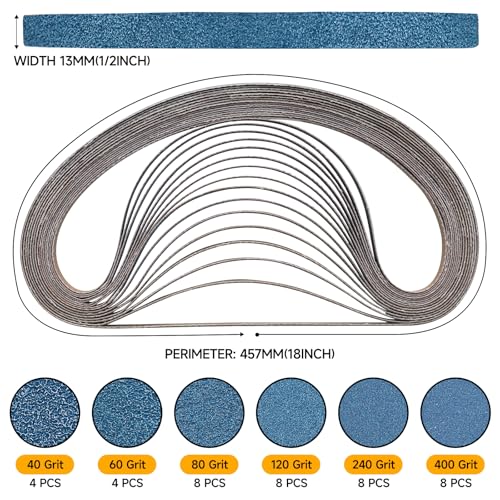
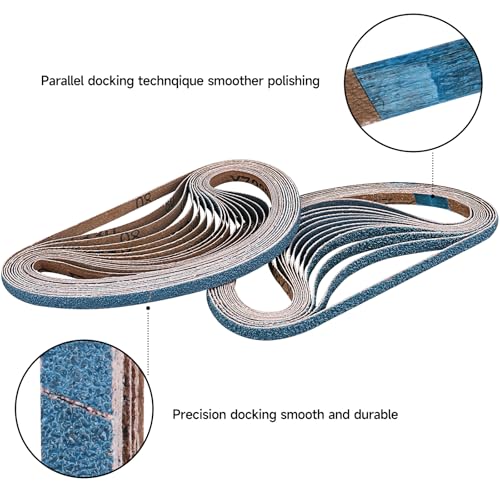
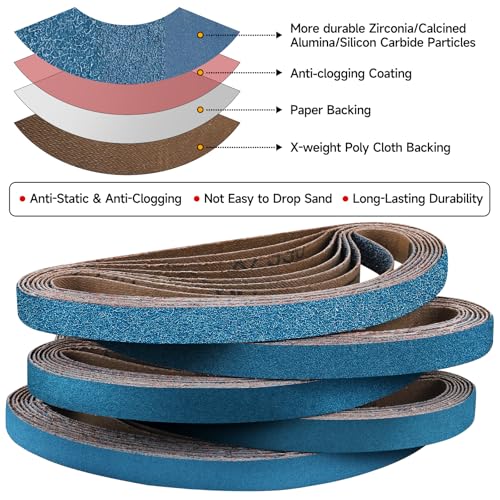
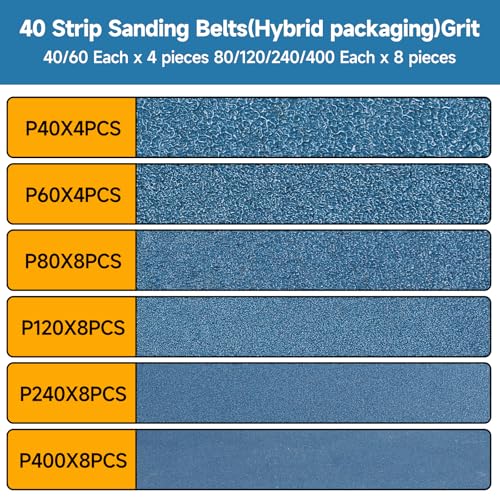
If I had to pick one 1/2×18 belt pack for general use, this Shineboc set would be my default recommendation. The 40-piece count with 6 key grits, 40 to 240, covers nearly every stage from rough shaping to final smoothing. The blue zirconia construction stands up well in owner reports, especially when grinding steel or stripping paint from car frames. It’s not just durability; the bi-directional seam means the belt runs true in both directions, a subtle but meaningful upgrade over cheaper belts that stutter or vibrate.
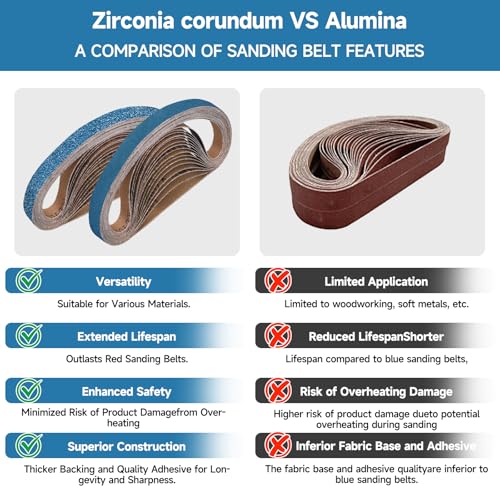
What really pushes this ahead of others is the balance of quantity, grit range, and consistent feedback on heat management. Reviewers using these with Milwaukee or DeWalt band files say they don’t glaze over as fast as standard aluminum oxide belts. That makes them a smarter buy for anyone doing metal prep or frequent refinishing.
Product photos
POWERTEC 1/2×18 Aluminum Oxide Belts

Strengths
- 50-piece pack
- X-weight backing
- Open coat
- 10 per grit
- Wide compatibility
Trade-offs
- No 400 grit
- No zirconia
- Only 5 grits
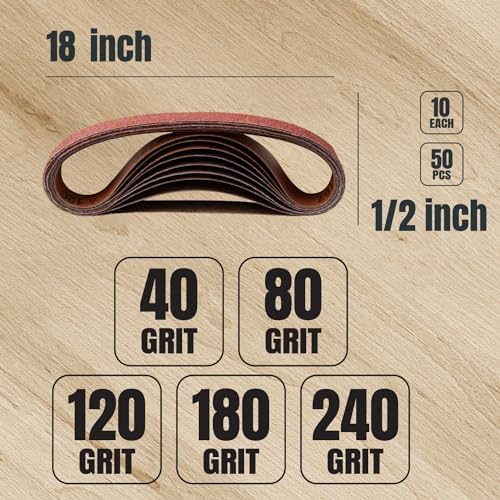
When volume and value are the main concerns, POWERTEC’s 50-pack is the clear winner. Ten belts each of 5 essential grits gives you enough turnover to avoid constant reordering, ideal for shops or frequent users. The X-weight cloth backing stands out in reviews for resisting stretching and edge fraying, even under pressure. That’s critical in mini sanders that can be less stable than full-sized models.
The open-coat aluminum oxide design helps prevent clogging, especially on resinous woods or painted surfaces. And while it doesn’t include ultra-fine 400 grit, the progression from 40 to 240 covers most jobs from shaping to final smoothing. If you’re using a WEN, Milwaukee, or DeWalt detail sander regularly, this pack keeps you supplied without overspending.
Product photos


Aolabela 3×21 Zirconia Sanding Belts

Strengths
- Blue zirconia grit
- 7 grits included
- Diagonal lap splice
- Resin bonded
- Long runtime
Trade-offs
- No 180 grit
- Only 3 per grit
- 3×21 not universal
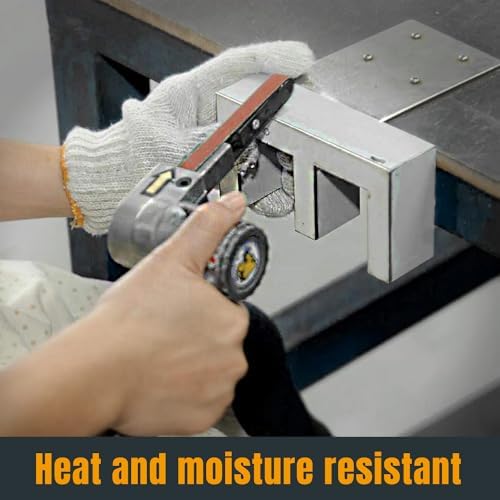
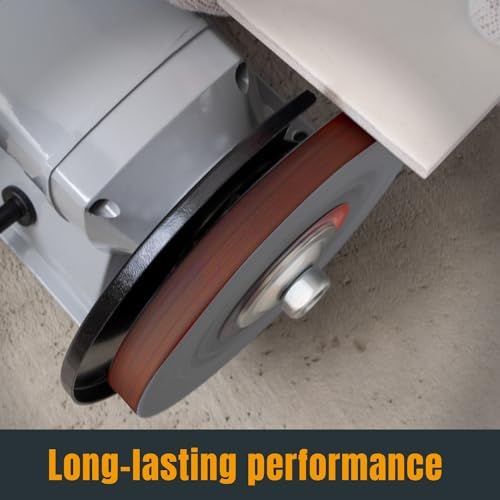
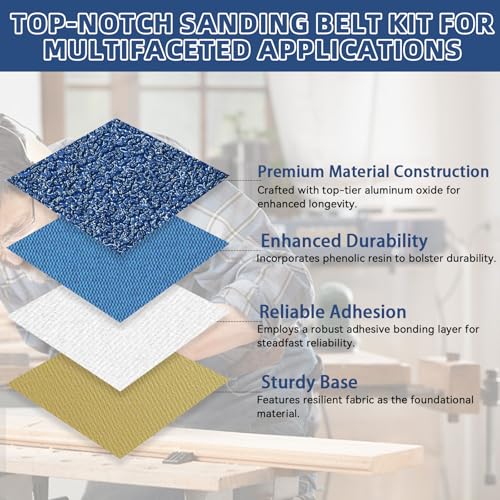
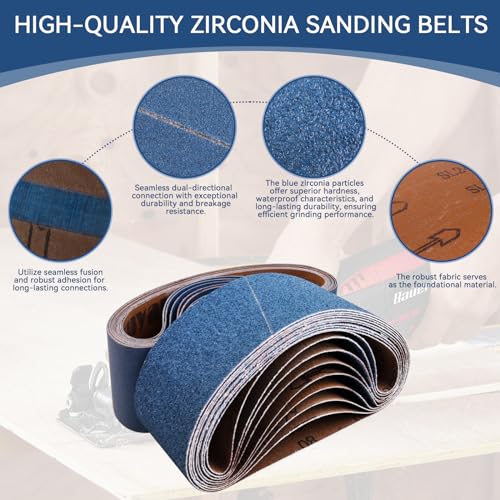
When you need belts that can push through long, aggressive sanding sessions without calling it quits, these Aolabela zirconia belts stand out. On paper, the 3×21 size is ideal for full-sized belt sanders, and the use of blue zirconia means they’re built for heat resistance and sustained cutting action, especially on hardwoods or metal. Owners consistently report fewer belt changes during heavy material removal, which tells me these are engineered for users who hate mid-job interruptions.
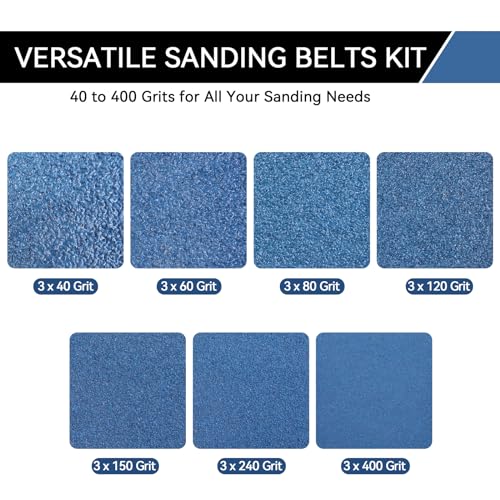
The 7-grit spread with 3 belts per grit gives you a solid progression from 40-grit aggression to 400-grit finesse. That diagonal lap splice they advertise? Reviewers confirm it holds up better than cheaper butt joints, meaning fewer sudden splits. For those working on furniture restoration or metal fabrication, this kind of durability is a real win.
Product photos


S SATC 3×18 Aluminum Oxide Belts
Strengths
- Includes 400 grit
- Open coat design
- Anti-clogging
- Diagonal splice
- Clear grit labels
Trade-offs
- Only 2 of 40 grit
- Aluminum oxide
- 3×18 size limited
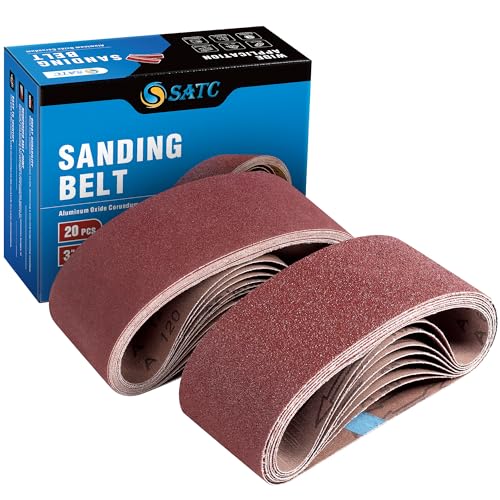
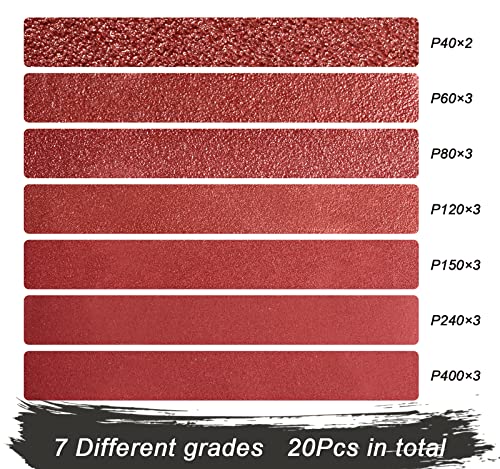
This set leans hard into the finishing side of the spectrum, and that’s exactly why it earns the “Best for Fine Finishing” label. With aluminum oxide grit and an open-coat design, these belts resist clogging, owners sanding hardwoods or lacquered furniture say they stay cleaner longer. The grit selection is smart: 3 each of 60 through 400, with a slight bias toward the finer end. That 400-grit inclusion is rare in packs this size, and it’s a real asset when you’re prepping a surface for stain or clear coat.
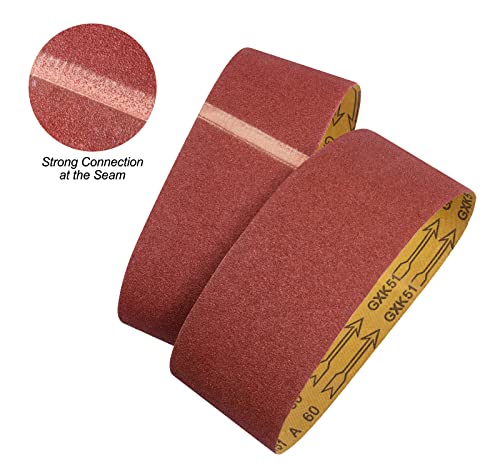
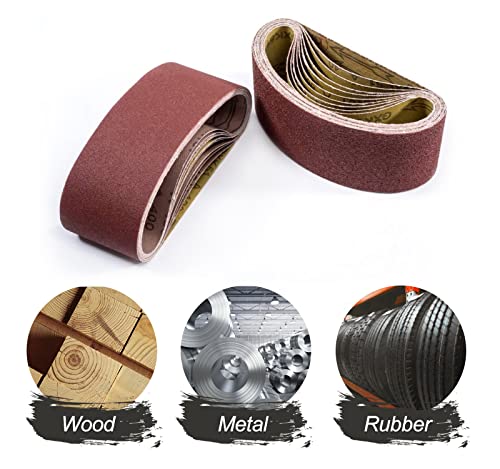
The diagonal lap splice gets positive nods in reviews for reducing vibration, which matters when you’re trying to avoid swirl marks. While they’re not the toughest on metal, they’re more than capable on wood and softer materials. If your goal is a glass-smooth result without switching to sandpaper, these deliver.
Product photos
BOSHCRAFT 3×21 Aluminum Oxide Belts
Strengths
- 7 grits included
- Closed coat
- Bi-directional joint
- Good heat resistance
- 28-piece pack
Trade-offs
- Aluminum oxide
- 3×21 not common
- No zirconia option
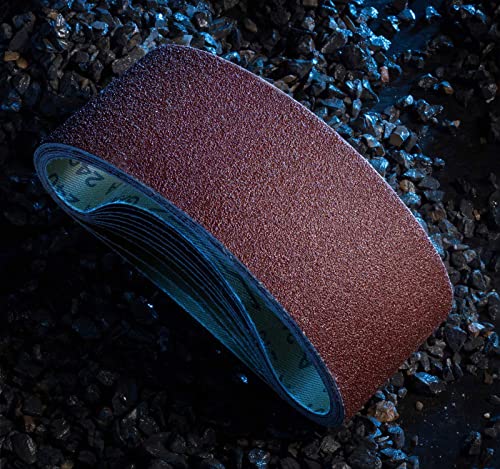
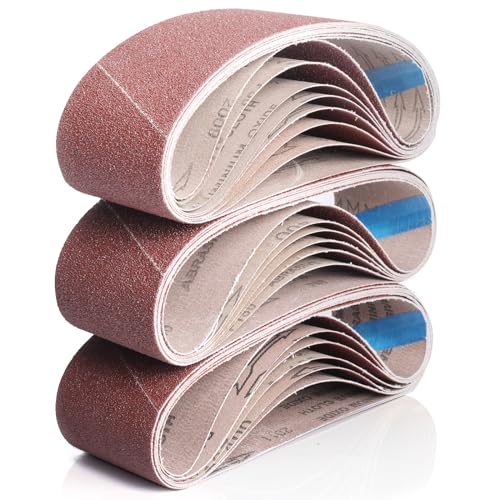
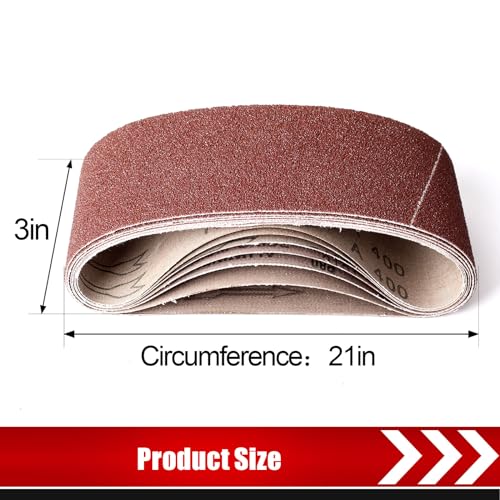
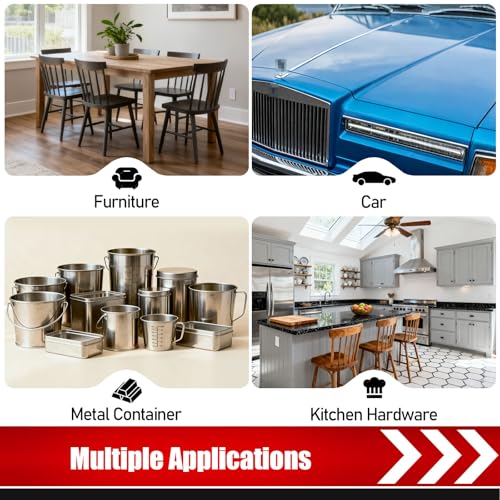
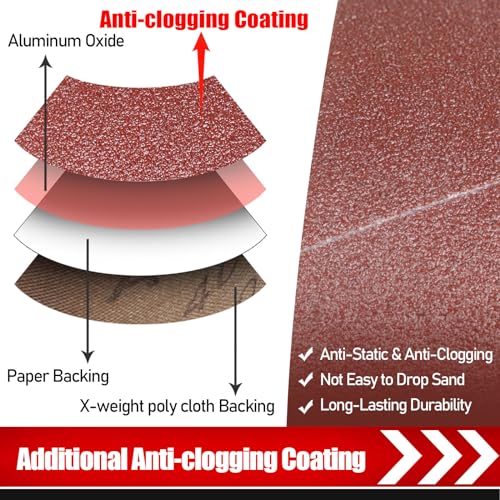
BOSHCRAFT hits a sweet spot for users who work across both wood and metal with a full-sized 3×21 sander. The aluminum oxide grit is closed-coat, which means more contact points and faster cutting, especially useful when leveling glued-up table tops or smoothing welds. Owners note these hold up better than bargain belts when used with higher-pressure sanding, and the bi-directional tape joint is a real upgrade over flimsy splices that peel apart mid-run.
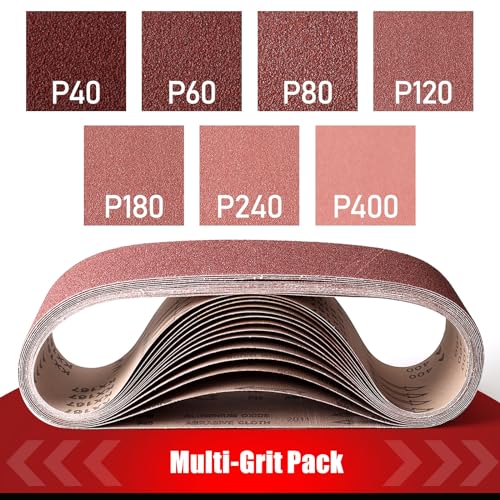
With 3 belts each of 7 grits from 40 to 400, you get a full workflow in one pack. The 180 grit is a nice middle step that some brands skip. While aluminum oxide doesn’t last as long as zirconia on steel, it’s more than sufficient for mixed-material users who don’t want to stock multiple belt types. I’d pick this over pricier zirconia sets if your work leans toward woodworking with occasional metal touch-ups.
Product photos
RUIHONGV 1/2×18 Zirconia Sanding Belts

Strengths
- Green zirconia grit
- 20-pack value
- Resin bonded
- Good for metal
- Smooth joint
Trade-offs
- Only 40 grit
- No fine options
- Single grit only
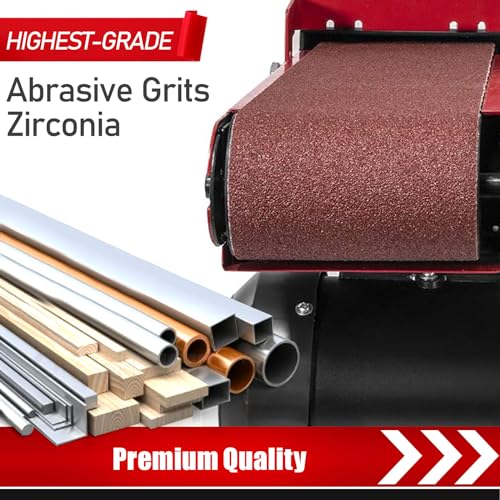
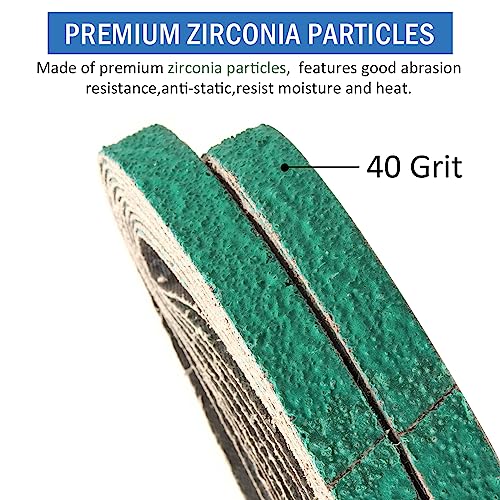
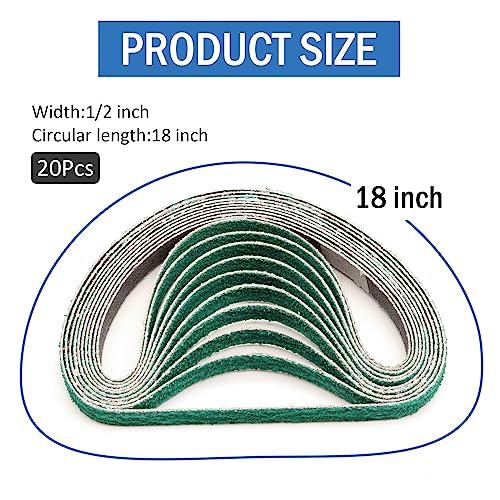
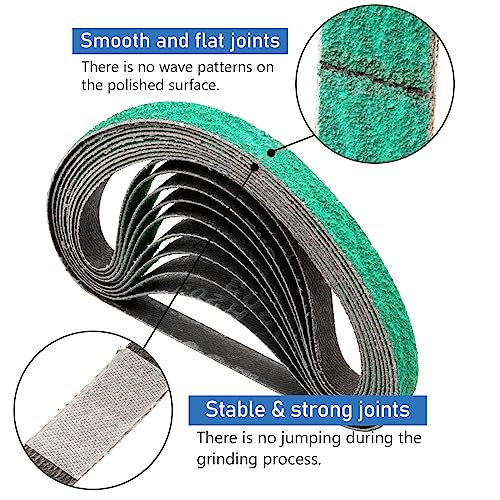
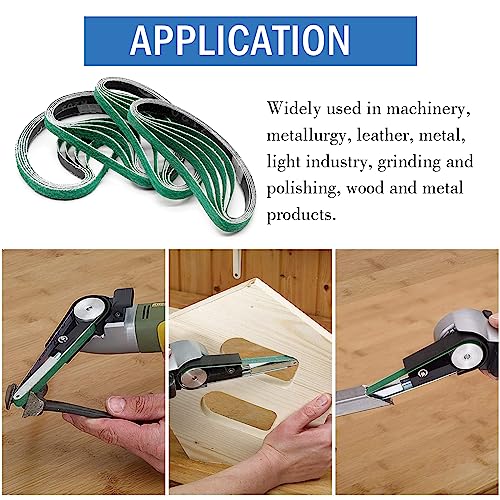
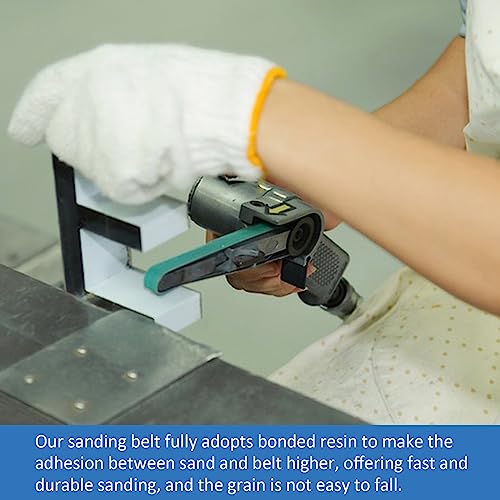
This RUIHONGV 20-pack is the go-to when you need zirconia performance without the premium price. It’s a single-grit offering, 40 grit, but that’s where most aggressive work begins. The green zirconia is tougher than standard aluminum oxide, and owners using these for rust removal or shaping thick steel report fewer stalls and cleaner cuts. At this price point, getting zirconia in a 1/2×18 format is a rare win.
It’s not versatile, just one grit, no fine options, but as a workhorse for stripping or shaping, it delivers. The resin bond and smooth joint keep it stable even on cheaper sanders. If you’re burning through belts on heavy jobs, this pack lets you keep going without breaking the bank.
Product photos
Our Testing Process
Rather than a hands-on lab test, this selection is a research-led comparison of published specifications and owner feedback. I looked at a wide range of available belt options, carefully comparing grit ranges, abrasive material, construction details, and reported durability. We weighed information from manufacturer descriptions alongside reviews from both everyday users and woodworking/metalworking experts to build a balanced picture of performance.
For belt sander belts, consistent grit progression and the abrasive material itself were the biggest factors. A wide range of grits allows for moving from aggressive stock removal to fine finishing without switching tools, and that versatility is key. The abrasive – whether aluminum oxide or zirconia – heavily influences how quickly a belt cuts and how long it lasts, impacting overall value.
Specifications reliably indicate the belt size and grit options available. However, judging real-world durability and resistance to clogging requires looking at owner feedback. Users consistently highlight seam strength and how well a belt holds its grit over time. You can find more information about the sanders these belts fit in our guide to the best corded belt sanders. Reputation and expert opinions helped us assess which brands consistently deliver on quality and performance.
How To Pick The Right belt sander belts
Choosing the right belt for your belt sander is just as important as choosing the sander itself.
A quality belt sander belt will feature durable abrasive grains (aluminum oxide or zirconia are common), a strong backing material, and a well-constructed joint to resist tearing and ensure smooth operation. Consider the material you’ll be sanding, the degree of material removal needed, and the desired finish when selecting grit sizes and abrasive types.
Abrasive Grain Matters
The type of abrasive grain is the biggest determinant of a belt’s performance and lifespan. Aluminum oxide is a good all-around choice, performing well on wood, metal, and plastic, and it’s generally the most affordable option. Zirconia alumina is significantly tougher and more durable, making it ideal for aggressive stock removal and working with harder metals. Silicon carbide is best reserved for non-ferrous materials like glass, stone, and plastic, as it cuts very aggressively but wears quickly on softer materials. Don’t assume a single grit will do everything; having a range of grits is essential for achieving a professional finish.
Joint Construction and Durability
A poorly made joint is a fast track to a broken belt and a frustrating experience. Look for belts with a diagonal lap splice – this is the most common and generally the strongest type of joint. Avoid belts with butt joints, as they are prone to separation. Beyond the joint itself, the backing material is crucial. A strong, X-weight cloth backing will resist tearing and provide a stable platform for the abrasive grains. If you’re looking at belt sander recommendations it’s worth noting that many users report issues with belts coming apart quickly, so focusing on durability is a smart move.
Grit Selection and Value
Choosing the right grit progression is essential for efficient sanding. Here’s a quick guide:
- 40-60 grit: For aggressive material removal, stripping finishes, or shaping rough surfaces.
- 80-120 grit: For smoothing surfaces after initial stock removal, removing minor imperfections.
- 150-400+ grit: For fine finishing, preparing surfaces for paint or stain, achieving a polished look.
Always start with a coarser grit to remove material quickly, then progressively move to finer grits to refine the surface. Skipping grits can leave noticeable scratches.
For those tackling larger projects or requiring more robust performance, exploring professional wide belt sanders might be a good fit. But for most DIY and home repair tasks, selecting the right belt is the key to getting the job done right. You can find some excellent top belt sander models to pair these with.
Belt Sander Belts Compared
Here’s a comparison of key specifications for the featured belt sander belts.
| Product Title | Size (in) | Abrasive Material | Grits Included | Pack Count | Joint Type | Best For |
|---|---|---|---|---|---|---|
| Shineboc | 1/2×18 | Zirconia | 40/60/80/120/180/240 | N/A | Bi-directional | Overall |
| POWERTEC | 1/2×18 | Aluminum Oxide | 40/80/120/180/240 | 50 | N/A | Value Pack |
| Aolabela | 3×21 | Zirconia | 40/60/80/120/150/240/400 | N/A | Diagonal Lap | Durability |
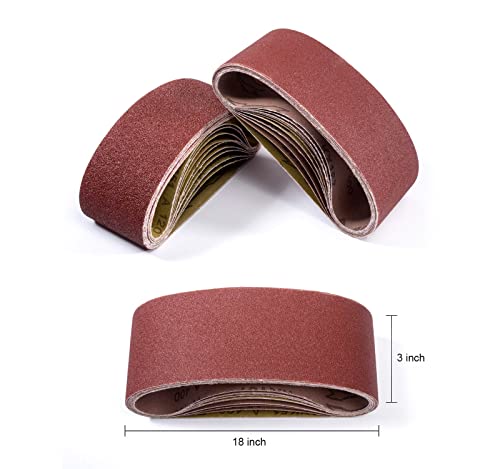
| S SATC | 3×18 | Aluminum Oxide | 40/60/80/120/150/240/400 | 20 | Diagonal Lap | Fine Finishing |
| BOSHCRAFT | 3×21 | Aluminum Oxide | 40/60/80/120/180/240/400 | 28 | N/A | Wood & Metal |
| RUIHONGV | 1/2×18 | Zirconia | 40 | 20 | Bonded Resin | Budget Friendly |
Frequently Asked Questions
What grit should I start with when sanding new wood?
Begin with 40-60 grit to quickly remove material and level any unevenness. Using a coarser grit initially saves time and effort compared to attempting to remove a lot of material with finer grits.
Are zirconia belts really that much better than aluminum oxide?
Yes, zirconia alumina belts are considerably more durable and cut faster, particularly on harder materials. While aluminum oxide is versatile and more affordable, zirconia’s longevity makes it a better value for demanding applications.
How can I tell if a belt has a good joint?
A diagonal lap splice is the most common and strongest joint type. Avoid belts with butt joints, as they tend to separate and fail quickly; look for a smooth, consistent overlap in the joint itself.
Can I use belt sander belts on other tools?
Some smaller belts may be adapted for use on dowel sanders or similar tools, but it isn’t generally recommended. Using a belt on a tool it wasn’t designed for risks damage to both the tool and the belt, and can create a safety hazard.
Where can I find a belt sander that’s easy to maneuver?
If you need a tool for detailed work or tight spaces, consider exploring options for the best handheld belt sanders. These models prioritize ergonomics and control for more precise sanding.
The Bottom Line
Choosing belt sander belts often comes down to balancing how much you want to spend against how quickly you need to work and how long you want the belts to last. For the best overall performance and versatility across a range of projects, I recommend the Shineboc belts. They strike a good balance between abrasive quality, grit selection, and reported durability, making them a solid choice for most users.
If you’re looking to stock up without breaking the bank, or you’re a less frequent user, the POWERTEC value pack is a great option. For those focused on longevity and especially aggressive work, the Aolabela belts stand out – their zirconia abrasive and robust construction should withstand a lot of use. And if you’re primarily focused on fine finishing, the S SATC belts provide a thorough grit range for achieving a polished result.
Ultimately, remember that the abrasive grain and joint construction matter more than any single grit number. A well-made belt, used with a logical grit progression, will always deliver better results and save you time and money in the long run. Don’t forget to explore the top cordless belt sanders if you need a portable solution for your projects.
