
7 Best Battery Power Tool Systems of 2026
This post contains affiliate links. As an Amazon Associate, we earn from qualifying purchases.
The EGO Power+ Multi-Head Tool System is the best overall, delivering serious power and unmatched versatility across yard tools, all on a single 56V platform. For budget-conscious buyers, the Ryobi 6-Tool Combo Kit offers solid performance and broad tool availability at a lower cost, while the DEWALT 20V MAX XR system stands out for reliability and pro-grade durability in home repair and construction tasks.
Most people don’t realize how much time and money they can waste buying tools that don’t share batteries or lack long-term support. A mismatched collection means dead batteries, cluttered chargers, and constant replacements.
This guide cuts through the noise. I looked at voltage, battery life, tool variety, and real-world feedback to find systems that actually work well together. These picks balance performance, expandability, and value, so you’re not stuck buying into a dead-end ecosystem.
Top 7 Battery Power Tool Systems in the Market
The Best Battery Power Tool Systems, Reviewed
EGO Power+ Multi-Head Tool System
Strengths
- Fully customizable
- High-capacity battery options
- Compatible with 15+ attachments
Trade-offs
- Pricier with full upgrades
- Assembly required
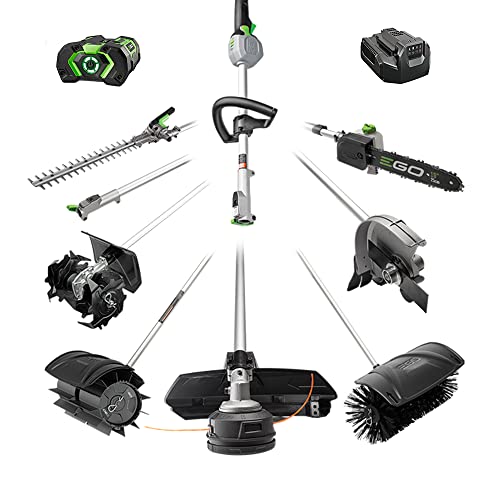
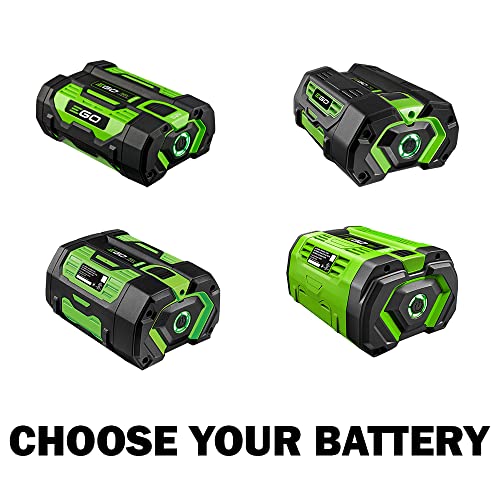
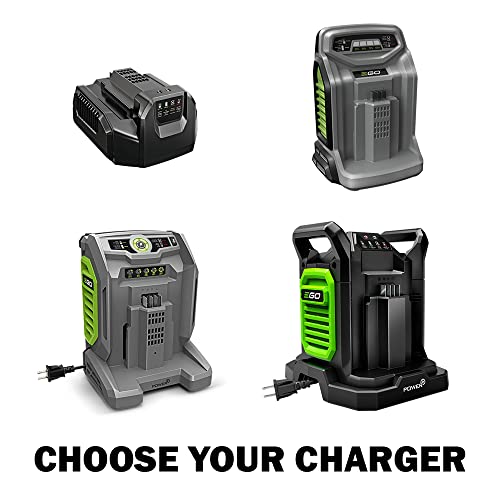
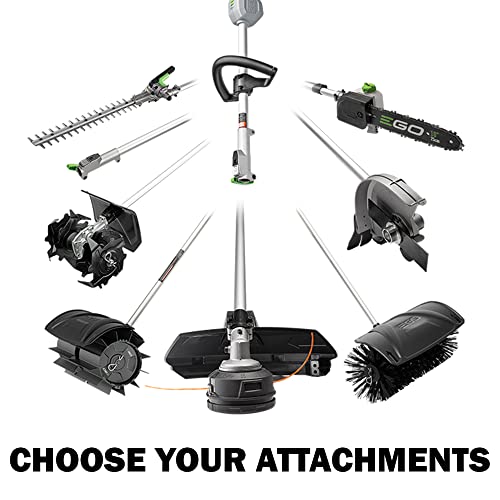
If you’ve ever wished you could customize your power tool system without overpaying for tools you won’t use, this EGO Build Your Own Kit is exactly what you need. It gives you the PH1400 power head, the engine of EGO’s multi-tool lineup, and lets you pick from a long list of attachments: string trimmer, edger, pole saw, hedge trimmer, cultivator, and more. You also choose your battery size and charger, which is rare and valuable. The 7.5Ah battery option, for example, can run a pole saw for over an hour on a single charge, according to owner feedback.
This flexibility makes it the most intelligent entry into the EGO ecosystem. Instead of buying pre-bundled kits with tools you might not need, you tailor it to your yard’s demands. Pair it with the rapid charger and you minimize downtime. The carbon fiber shaft and brushless motor uphold EGO’s reputation for durability and performance. For anyone serious about ditching gas tools, this is the smartest way to start or expand.
Product photos

Ryobi 6-Tool Combo Kit

Strengths
- 6 tools in one bundle
- Good torque and speed specs
- Includes bit set and organized storage
Trade-offs
- Battery capacity not specified
- No brand warranty mentioned
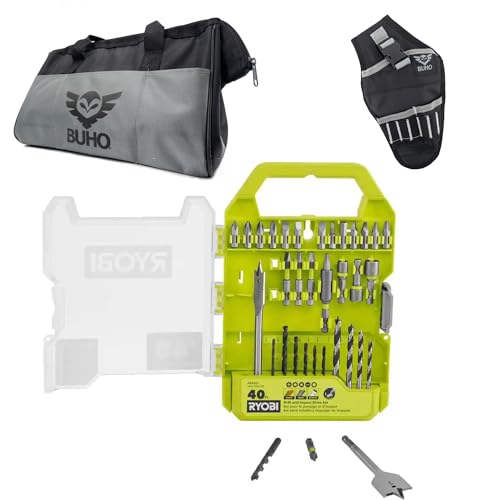
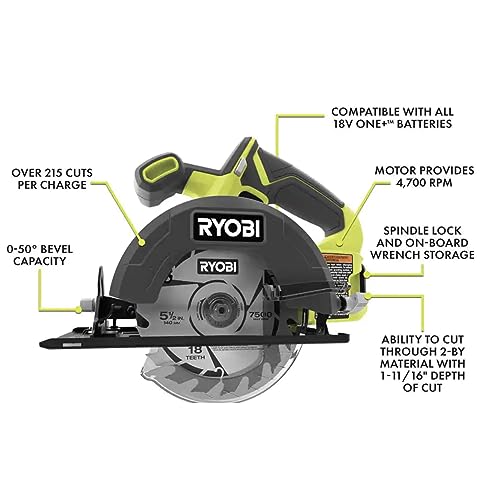
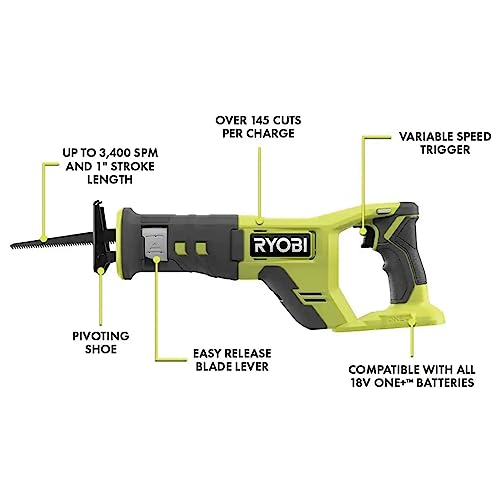
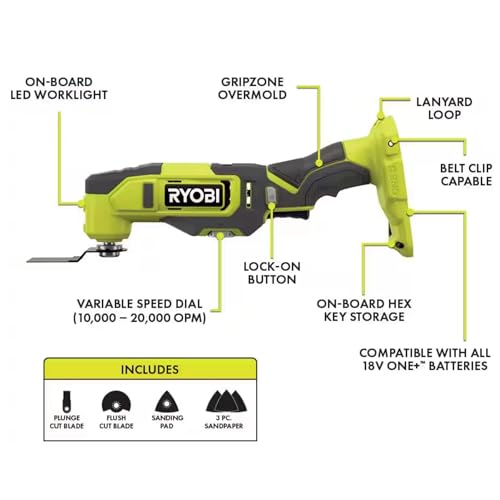
This Ryobi combo kit is the kind of bundle that makes DIYers pause and reconsider their shopping list. It throws in six tools, including a drill, impact driver, circular saw, reciprocating saw, multi-tool, and LED light, plus two batteries, a charger, and a full drill bit set, all packed in a Buho tool bag. On paper, the specs are solid for light to medium-duty jobs: 515 in./lbs. of torque on the drill, 3,400 IPM on the impact driver, and over 215 cuts per charge on the circular saw. Reviewers note these tools handle deck screws, drywall cuts, and basic framing without issue.
The real advantage here is versatility and convenience. You’re not just getting tools, you’re getting a ready-to-go workshop. The inclusion of a variable-speed multi-tool and a pivoting LED light adds real value for detail work and visibility in tight spaces. That said, this is 18V Ryobi, not the higher-end 40V outdoor line, so don’t expect pro-grade endurance. But for weekend warriors or new homeowners, this kit covers most common tasks without forcing you to buy tools piecemeal.
Product photos

BLACK+DECKER 4-Tool Combo Kit

Strengths
- Low entry cost
- Simple, reliable tools
- Part of large tool ecosystem
Trade-offs
- Lower power output
- Shorter battery life
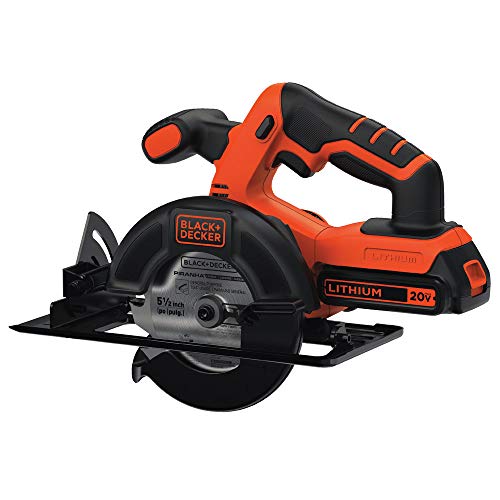
The BLACK+DECKER 20V MAX 4-tool kit is the definition of no-frills, budget-conscious power tool entry. It includes a drill/driver, circular saw, work light, and a second battery, everything a new homeowner might need for basic assembly, shelves, or deck repairs. The drill’s 11-position clutch is a thoughtful touch for preventing over-driving, and the circular saw’s tool-free depth adjustment makes quick work of basic cuts. Owners say it’s perfect for furniture builds and light remodeling, though it struggles with dense materials like treated lumber.
Where this kit wins is affordability and simplicity. It’s part of a massive 20V ecosystem, so you can expand later with specialty tools like heat guns or vacuums. But don’t expect high torque or long runtime, the batteries are smaller, and the motors are geared toward occasional use. Still, for renters, students, or first-time DIYers, this is the kind of starter set that removes the intimidation factor without sacrificing basic functionality.
Product photos


DEWALT 20V MAX XR Oscillating Tool

Strengths
- 3-speed control
- Brushless motor
- Quick blade changes
Trade-offs
- Higher price point
- Limited to 20V MAX batteries
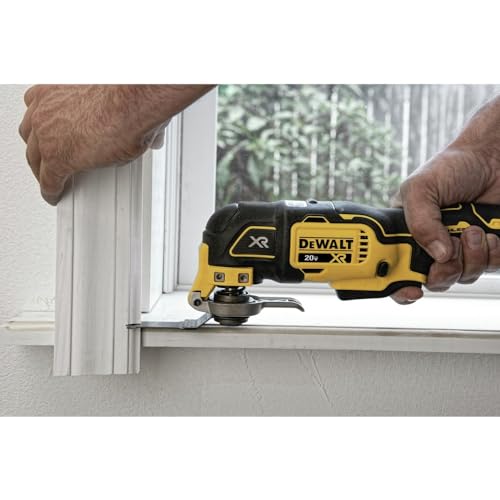
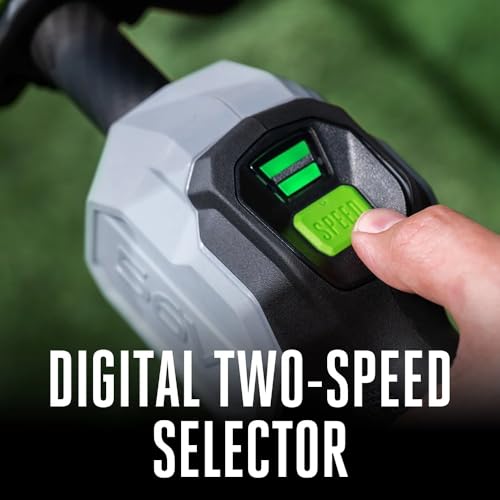
When it comes to precision work, think flush cuts, grout removal, or under-door trimming, the DEWALT DCS356C1 is a standout in the oscillating tool class. The 3-speed selector gives real control, letting you dial down for delicate drywall or ramp up for hardwood. The brushless motor is a big upgrade over brushed models, offering longer runtime and less heat buildup, which owners appreciate during extended jobs. The quick-change system is also a win, swapping blades takes seconds, no wrenches needed.
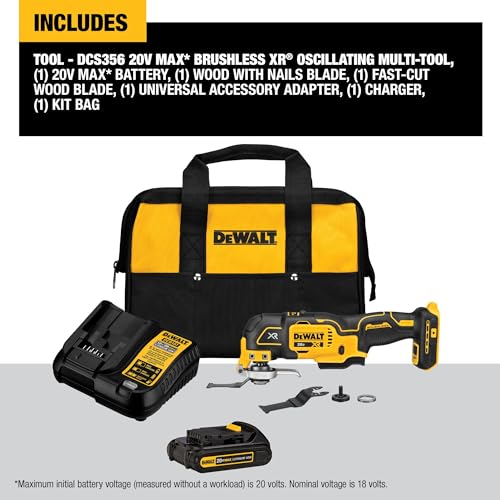
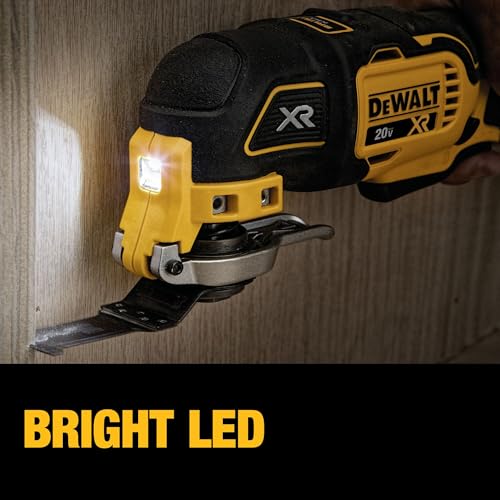
It’s not the cheapest oscillating tool out there, but it delivers pro-level reliability. The included blades cover common tasks, and the bright LED light helps when cutting in dim corners. Compared to budget models, this one maintains speed under load and resists stalling. If you’re doing trim work, tile prep, or home renovations, this is the kind of tool that makes the job faster and cleaner.
Product photos


EGO Power+ 8-in Multi-Head Edger
Strengths
- Brushless motor
- Carbon fiber shaft
- Full EGO 56V compatibility
Trade-offs
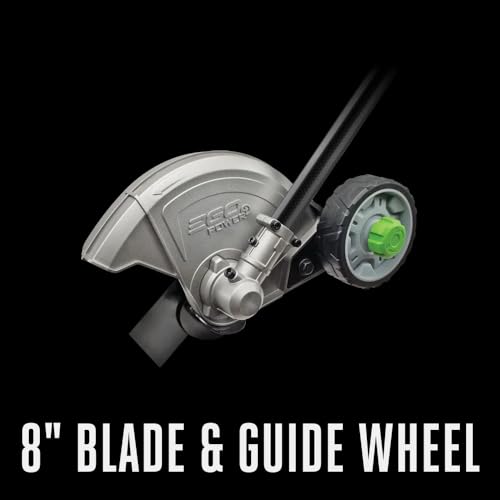
- Narrow 8-inch blade
- Battery sold separately
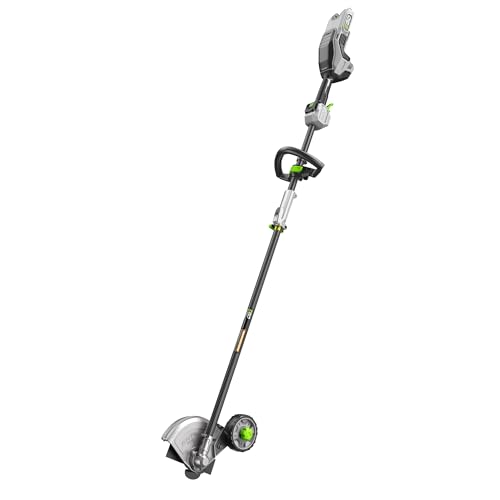
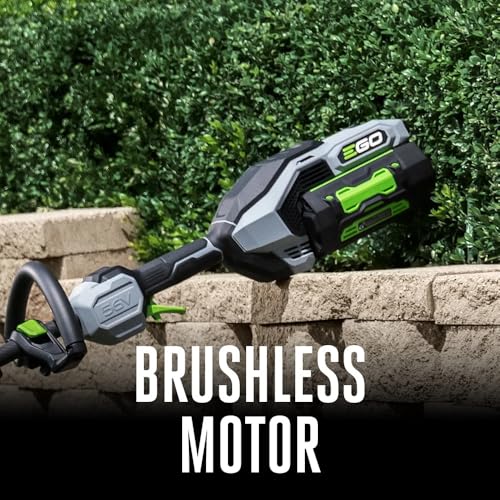
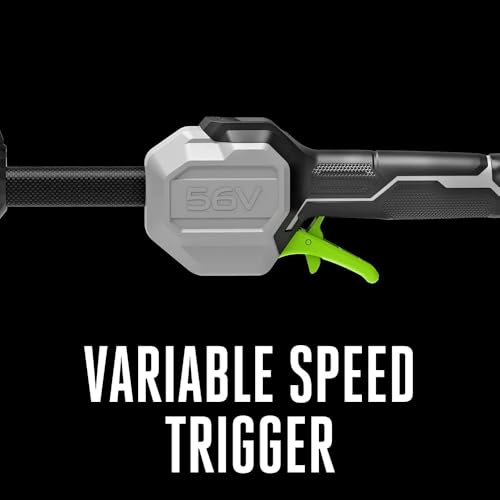
The EGO Power+ ME0820 isn’t just an edger, it’s a smart entry point into one of the most versatile outdoor power tool ecosystems on the market. On paper, the carbon fiber shaft stands out immediately, offering serious durability without the heft of steel, and owners consistently report it makes extended yard work far less taxing. The brushless motor is another win, delivering the kind of runtime and longevity you’d expect from EGO’s 56V platform, and the IPX4 rating means it can handle wet grass and sprinkler spray without issue.
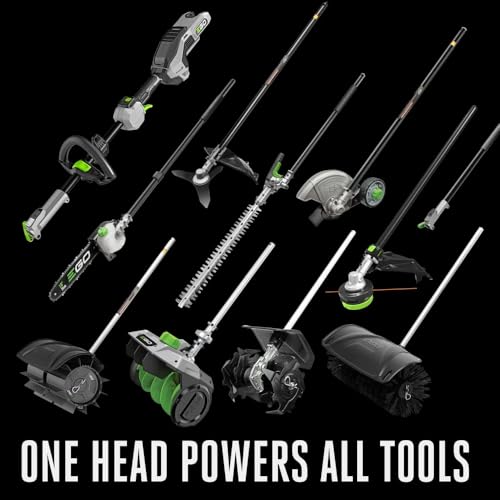
What really matters here is compatibility. This setup gives you the PH1420 power head and an 8-inch edger, but that same head works with string trimmers, pole saws, and hedge trimmers. If you already have or plan to expand into other yard tools, this is a modular win. The depth adjustment knob and guide wheel offer solid control, though some users note the edging width is on the narrower side for large landscapes. Still, for targeted, clean edges, it’s effective.
Product photos
SKIL PWR CORE 12 Starter Kit

Strengths
- USB-C PD charging
- Compact and lightweight
- Fast charging time
Trade-offs
- Lower power for heavy tasks
- Limited tool depth in system
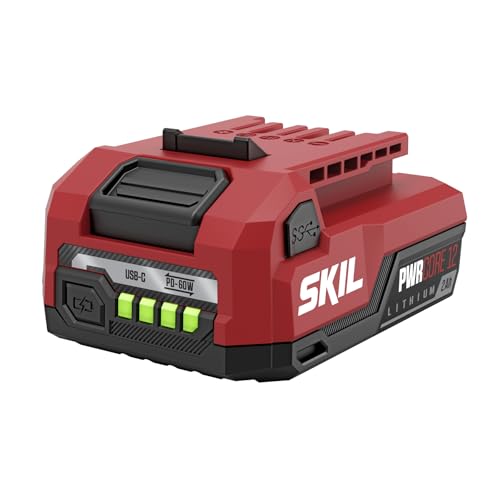
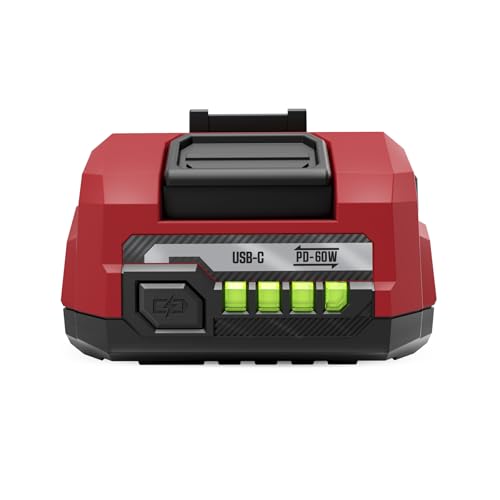
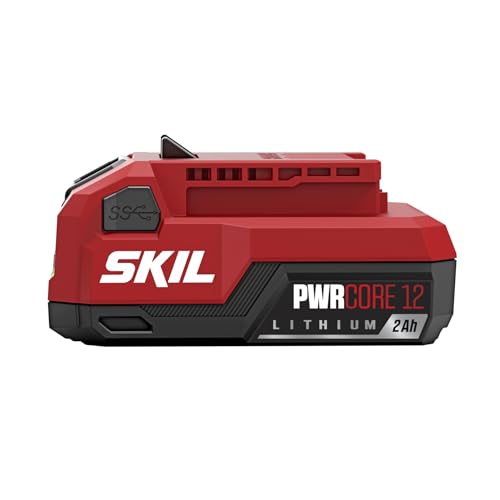
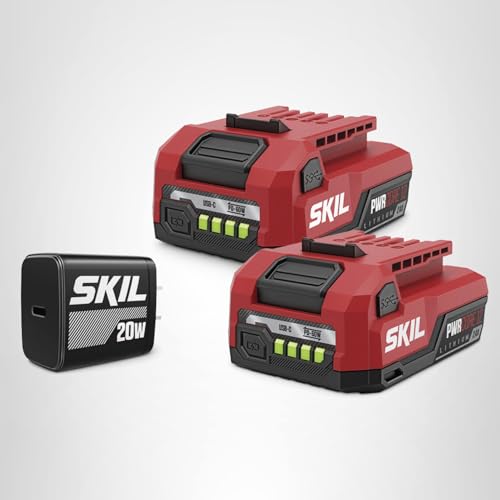
The SKIL PWR CORE 12 starter kit is a sleeper hit for compact power. At 12V, it’s not built for heavy drilling or framing, but it shines in tight spaces and lightweight tasks, think cabinet screws, hanging shelves, or touch-up sanding. What sets it apart is the USB-C PD charging: 60W output means you can charge the batteries or use the charger to power laptops, phones, or tablets. The 85-minute charge time for a 2.0Ah battery is impressive, and the LED fuel gauge takes the guesswork out of battery life.
Owners love how small and balanced the tools feel, and the fact that one battery works across drills, drivers, lights, and saws. It’s not going to replace your 18V or 20V workhorses, but as a secondary system for quick jobs or travel, it’s hard to beat. For anyone tired of dead phone batteries on job sites, this dual-use charging capability is a quiet revolution.
Product photos
Wadaddy Cordless Power Cleaner
Strengths
- Self-priming system
- Brushless motor
- True portability
Trade-offs
- Lower PSI than gas models
- Not for heavy buildup
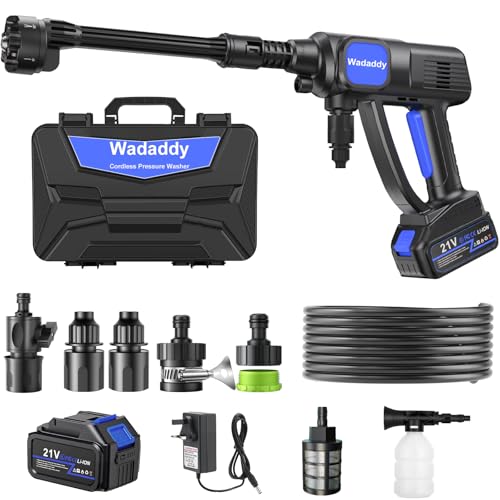
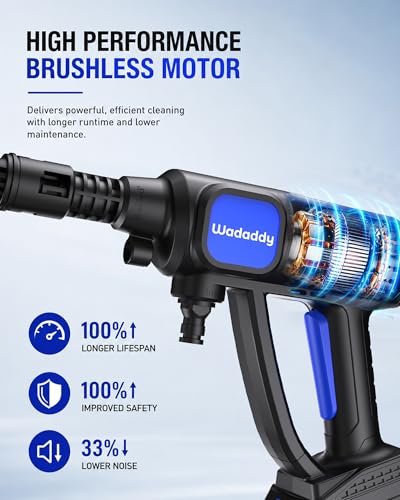
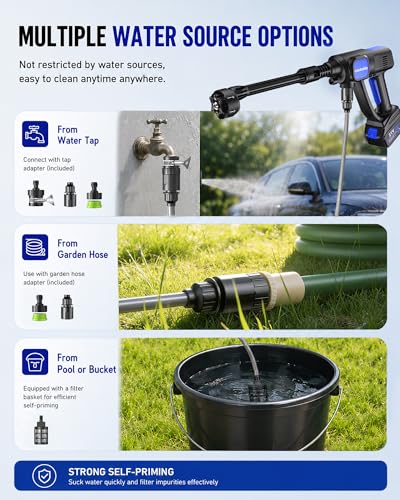
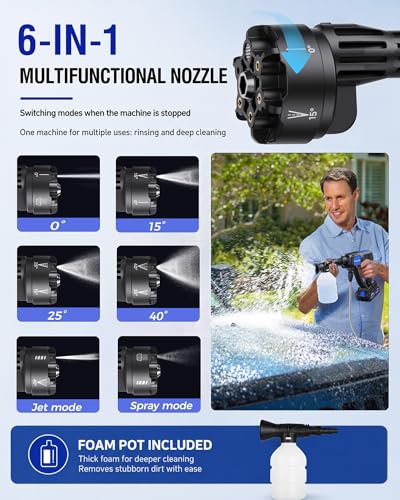
The Wadaddy cordless cleaner is a niche tool that fills a real gap: portable, battery-powered rinsing without a hose hookup. At 1250 PSI and powered by a brushless motor, it’s not replacing your gas pressure washer, but it’s not meant to. It’s designed for quick cleanups, think RV siding, muddy mountain bikes, patio furniture, or camping gear. The self-priming system is the standout feature, letting you pull water from a bucket or stream, which owners love for off-grid use.
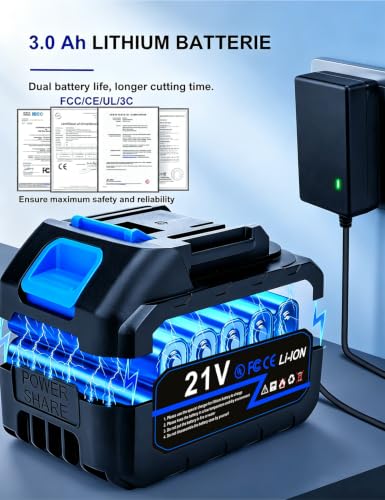
Its portability is a standout for RV owners and campers. The lightweight design and included storage case make it easy to toss in a trunk or trailer. Runtime depends on water source and usage, but most report 15–20 minutes of intermittent spraying on a full charge. It won’t cut through years of grime, but for maintenance washing, it’s surprisingly effective. Just don’t expect deep cleaning power, this is about convenience, not pressure.
Product photos

How We Picked These battery power tool systems
Rather than a hands-on lab test, my research for these systems focused on a detailed comparison of published specifications and features across numerous models. I weighed owner reviews from major retailers alongside evaluations from respected tool review websites, looking for consistent themes in performance and durability. My approach centered on identifying how well each system balances power, versatility, and overall value, based on the needs of typical homeowners and DIY enthusiasts.
For battery power tool systems, runtime and battery compatibility were heavily weighted. A system is only as good as its power source, so I prioritized options with readily available, high-capacity batteries and flexible charging solutions. Equally important was the breadth of tools offered within each ecosystem – a wider range of attachments and compatible tools increases the system’s long-term usefulness and reduces the need for separate purchases.
Specifications reliably indicate motor power, voltage, and included features. However, I paid close attention to owner feedback regarding real-world performance, battery life under load, and the durability of key components. Reputation and brand consistency also played a role; established brands with a history of quality often deliver more reliable products, and knowing when to replace trimmer line is part of that maintenance.
How To Pick The Right battery power tool systems
Choosing a power tool system is a bigger decision than picking individual tools. It’s about building a long-term collection where batteries and chargers work across multiple tools, saving you money and hassle.
A truly effective power tool system prioritizes battery compatibility, tool breadth, and long-term value. Look for systems offering a wide range of tools on the same battery platform, batteries with sufficient amp-hour (Ah) ratings for your typical tasks, and chargers that balance speed with battery health. Consider the availability of specialized tools within the ecosystem, and the overall reputation for durability and reliability.
Battery Voltage & Capacity
The voltage of a power tool system dictates the power it can deliver, while amp-hour (Ah) ratings determine how long a tool will run on a single charge. Most homeowner-focused systems operate at 20V (or 12V for more compact tools like the SKIL PWR CORE 12 Starter Kit), but professional-grade tools often jump to 60V or even 80V. Don’t automatically equate higher voltage with better; it depends on the work you’re doing. For basic homeowner tasks, 20V is usually sufficient. However, if you’re tackling demanding jobs like heavy-duty cutting or demolition, a higher voltage system will provide more power and runtime. I often recommend starting with at least a 4.0Ah battery, and upgrading to 5.0Ah or higher if you anticipate extended use.
Tool Breadth & Attachments
One of the biggest benefits of a power tool system is the ability to expand your collection without repeatedly buying batteries and chargers. Look at the variety of tools offered on a given platform. Does it cover your current needs, and does it have the potential to grow with your future projects? The EGO Power+ Multi-Head Tool System stands out here, offering a wide array of attachments for yard work, all powered by the same battery. Consider if you’re primarily focused on home repair, woodworking, or outdoor maintenance. Some systems excel in specific areas. If you’re frequently using a string trimmer, knowing how to replace trimmer line is crucial, and a system with easily accessible trimmer head replacements is a plus.
Value & Ecosystem Integration
The initial cost of a combo kit is tempting, but don’t focus solely on price. Consider the long-term value of the system. Are batteries readily available and reasonably priced if you need to buy extras? Does the manufacturer offer a good warranty? Is there a robust network of service centers if something goes wrong? A system like Ryobi offers excellent value because of its extensive range of affordable tools and wide availability, but keep in mind that their tools often don’t match the performance of higher-end brands.
- A bare tool (tool only, no battery or charger) is a great way to add to an existing system.
- Combo kits are ideal for starting from scratch, but make sure they include the tools you’ll actually use. Don’t pay for tools that will sit in the garage unused.
- Look for tools with brushless motors – they offer increased runtime, power, and durability, even if they come with a higher upfront cost.
A good rule of thumb: prioritize battery compatibility over brand loyalty. If you already have a substantial investment in a particular battery platform, sticking with that brand will almost always be more cost-effective than switching to a new system.
Battery Power Tool Systems Compared
This table provides a reference comparison of key specifications for various battery power tool systems.
| Product Title | Voltage | Battery Capacity (Ah) | Included Tools | Key Features | Warranty (Years) |
|---|---|---|---|---|---|
| EGO Power+ Multi-Head Tool System | 56V | 2.5/5.0/7.5 | Multiple | Multiple Attachments, Brushless Motor | 5 |
| Ryobi 6-Tool Combo Kit | 18V | 1.5/4.0 | 6 | Drill, Saw, Impact Driver | N/A |
| BLACK+DECKER 4-Tool Combo Kit | 20V | N/A | 4 | Drill, Saw, Work Light | N/A |
| DEWALT 20V MAX XR Oscillating Tool | 20V | N/A | 1 | Brushless Motor, 3-Speed | 3 |
| EGO Power+ 8-in Multi-Head Edger | 56V | N/A | 1 (plus head) | 8” Edger, Brushless Motor | 5 |
| SKIL PWR CORE 12 Starter Kit | 12V | 2.0 | N/A | USB-C Charging, LED Fuel Gauge | N/A |
| Wadaddy Cordless Power Cleaner | N/A | N/A | 1 | Brushless Motor, Self-Priming | N/A |
Frequently Asked Questions
What battery voltage should I choose for a new system?
Most homeowners will find 20V sufficient, but if you regularly tackle demanding tasks like cutting thick wood or demolition, a 60V or 80V system will deliver more power and runtime. Consider your typical projects when deciding.
How many batteries should I buy with a new combo kit?
I generally recommend starting with at least two batteries. This allows you to use one tool while the other charges, minimizing downtime during projects.
Are all batteries within a brand compatible with all their tools?
Generally, yes, but always double-check compatibility before purchasing additional tools. Some brands have different battery platforms even within their own lineup, so confirming compatibility is essential. You can find details on cordless tool battery brands.
What’s the difference between brushed and brushless motors?
Brushless motors lack the carbon brushes found in traditional motors, resulting in increased efficiency, longer runtime, and greater durability. While they often cost more upfront, brushless motors represent a solid long-term investment.
Where can I find information on the best batteries for my tools?
There’s a lot of variation in battery performance; you can explore detailed comparisons and reviews of the top-performing tool battery models to find options that maximize runtime and lifespan.
The Bottom Line
Ultimately, choosing a battery power tool system comes down to balancing initial cost with long-term capability. You can spend less upfront with a system like Ryobi, but the EGO Power+ Multi-Head Tool System offers the best combination of power, versatility, and a strong warranty for most homeowners looking to build a robust, long-lasting collection. It’s a significant investment, but one that should pay dividends over years of use.
For those already invested in a particular platform, expanding within that ecosystem remains the most sensible approach. If you need to add a single tool and already have DEWALT 20V batteries, picking up a bare tool like the DEWALT 20V MAX XR Oscillating Tool makes far more sense than starting a new system. Similarly, if you’re focused on yard work and need to learn how to restring a string trimmer, the EGO system’s attachments will be incredibly valuable.
Don’t get lost in the details of voltage or brushless motors. The most important things are having enough battery capacity for your typical tasks, a selection of tools that meets your needs, and a system you’ll actually use. Prioritize practical tools and reliable batteries over flashy features or brand names; a well-chosen, consistently-used system will always outperform a collection of underused, high-end tools.
