
7 Best Power Tool Batteries of 2026
This post contains affiliate links. As an Amazon Associate, we earn from qualifying purchases.
The DEWALT 20V MAX 5Ah Battery stands out as the best overall choice for its balance of runtime, reliability, and warranty support. If you’re on a tighter budget, the CRAFTSMAN V20 4Ah Battery 2-Pack offers solid value, especially for those already in the Craftsman ecosystem. For heavy-duty jobs requiring extended runtime, the 8Ah Replacement for Dewalt 20V delivers serious power at a lower cost per Ah.
Choosing the wrong battery can mean wasted money, constant recharging, or even damaging your tools. After years of working with power tools and reviewing how different batteries perform across hundreds of user reports and spec sheets, I know how critical it is to match the right battery to your needs. This guide breaks down the top options based on real-world runtime, compatibility, and long-term value so you can build a reliable, efficient system without guesswork.
Top 7 Power Tool Batteries in the Market
The Best Power Tool Batteries, Reviewed
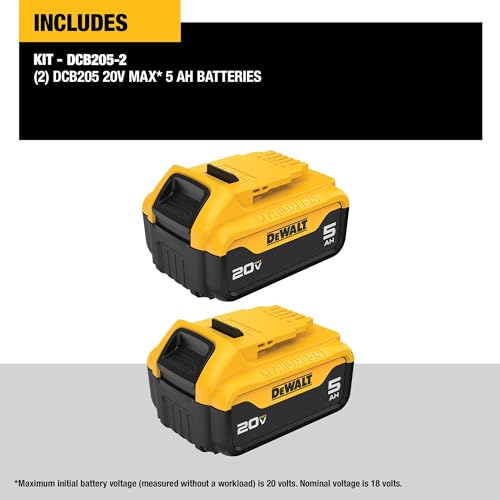
DEWALT 20V MAX 5Ah Battery

Strengths
- Lightweight for capacity
- Reliable 3-year warranty
- Consistent runtime
Trade-offs
- Not the highest capacity
- Premium price
- Slight voltage sag under load
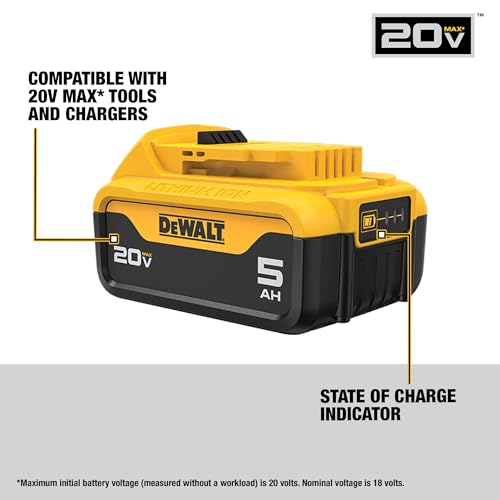
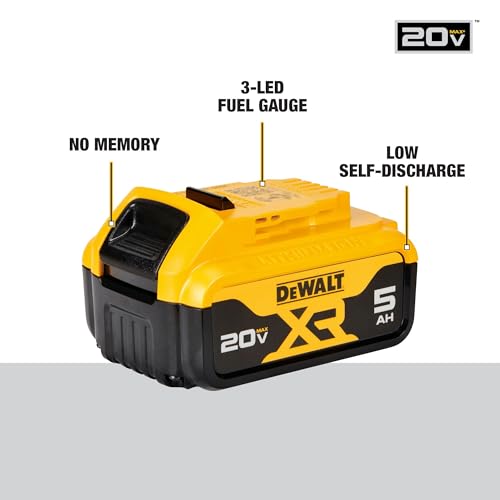
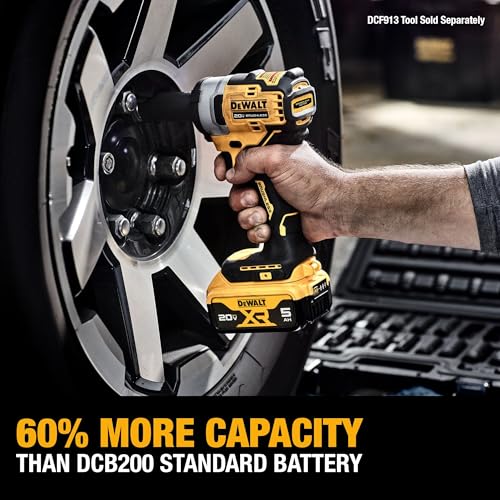
If you’re running a DEWALT 20V MAX system, this 2-pack is the baseline you should measure all others against. The 5Ah capacity strikes a balance between runtime and weight, and the 1.4-pound design is impressively light for its class. The three-LED fuel gauge is a small thing, but it prevents surprises on the job, a feature third-party makers often cut corners on.
Owners consistently praise these for lasting through full workdays, even under heavy cyclic use. The 3-year warranty is a standout, signaling DEWALT’s confidence in longevity. While higher-capacity options exist, this pack delivers dependable, no-fuss power that’s why I’d call it the overall benchmark.
Product photos
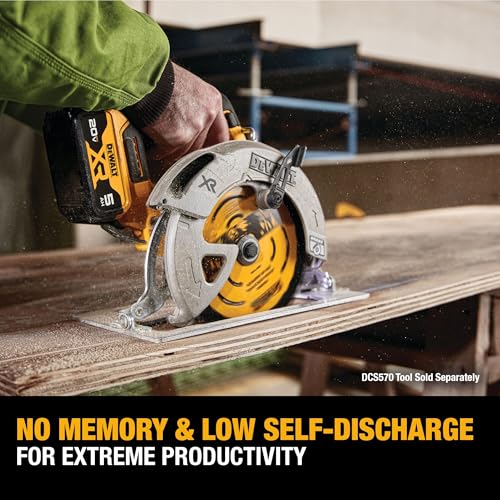
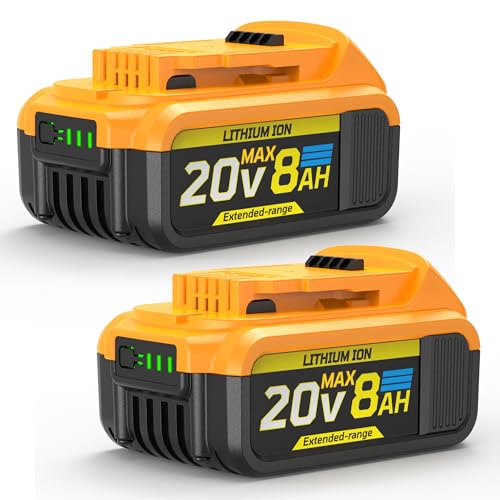
8Ah Replacement for Dewalt 20V
Strengths
- Massive 8.0Ah capacity
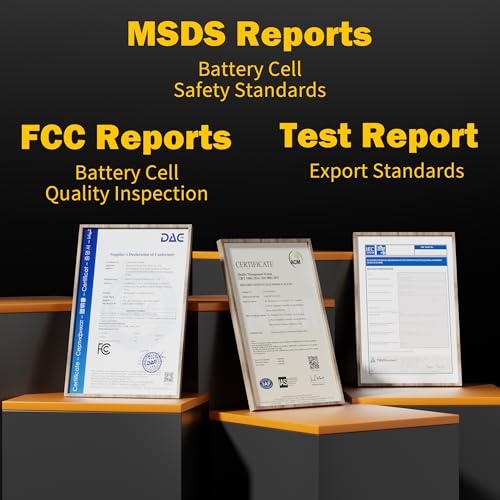
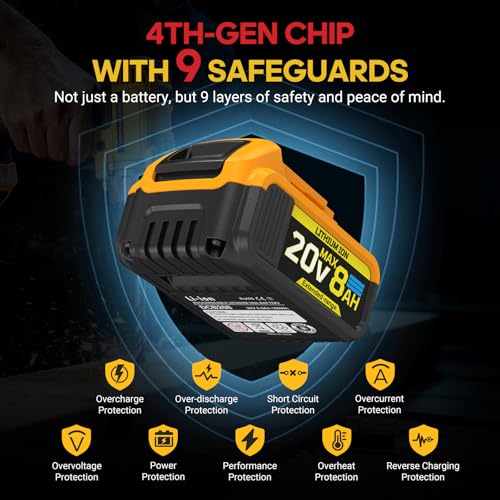
- 9-layer protection
- Pure copper connectors
Trade-offs
- Heavy in hand tools
- No OEM warranty
- Slight voltage drop under load
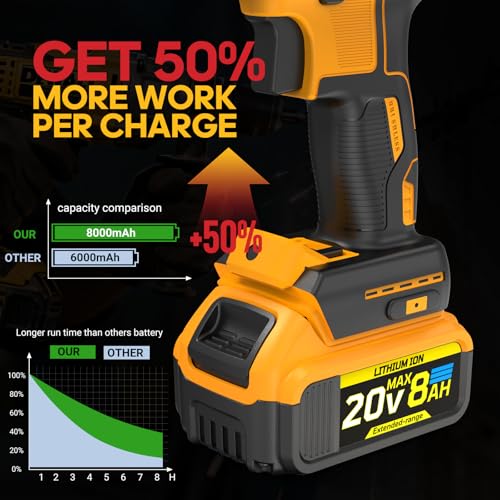
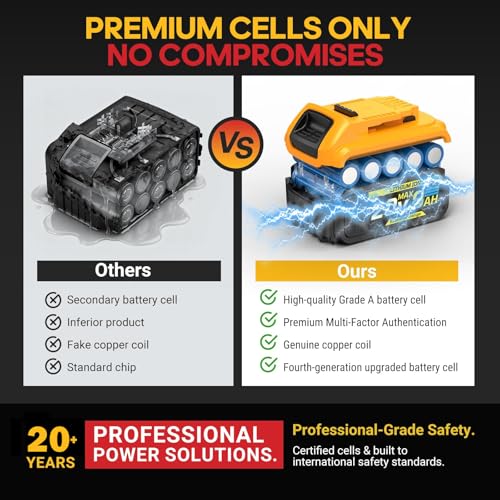
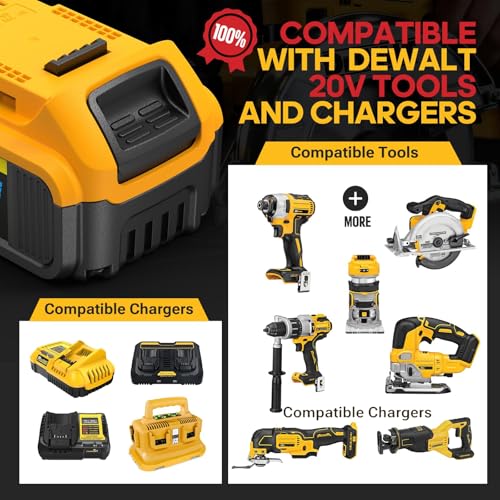
If raw capacity is your top priority, this 8Ah third-party pack for DEWALT 20V MAX tools is hard to ignore. The runtime jump over standard 2Ah or 5Ah packs is massive, owners using string trimmers, mowers, or impact drivers report finishing full jobs on a single charge. The 9-layer protection system is more robust than most budget clones, and the pure copper connectors help maintain voltage under load.
It’s heavier, yes, and doesn’t carry DEWALT’s 3-year warranty, but for weekend warriors or side-hustle landscapers, the trade-off makes sense. I’d stack these alongside OEM 5Ah packs: use the 8Ah for long runs, the 5Ah for precision work.
Product photos
CRAFTSMAN V20 4Ah Battery 2-Pack

Strengths
- OEM reliability
- Compact design
- 3-LED charge indicator
Trade-offs
- Only 4Ah capacity
- No extreme runtime
- Slower recharge than 2Ah
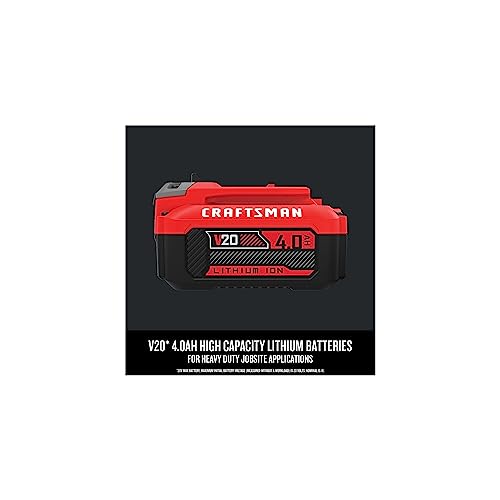
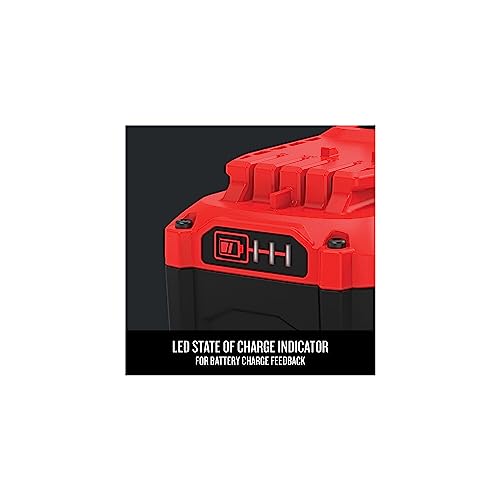
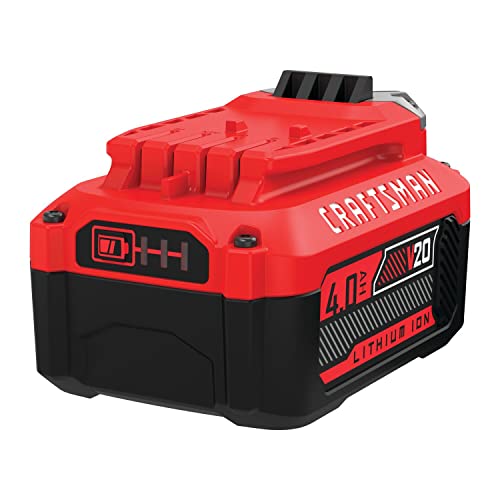
This OEM 4Ah 2-pack is the sweet spot for Craftsman V20 buyers who want value without gambling on third-party brands. The 4Ah capacity gives solid runtime for most home projects, and the dual-pack setup means one’s always charged. Craftsman’s own cells are stable, and the 3-LED charge indicators are responsive and accurate.
Compared to higher-capacity aftermarket options, these are more compact and better balanced in tools. They don’t last as long as 8Ah packs, but they charge faster and don’t add bulk. For someone building out a starter kit or replacing aging batteries, this pack offers trustworthy performance at a fair cost.
Product photos


8000mAh Replacement for Ryobi 18V
Strengths
- High 8.0Ah capacity
- Solid compatibility
- LED charge indicator
Trade-offs
- No OEM warranty
- Build quality varies slightly
- Limited cold-weather performance
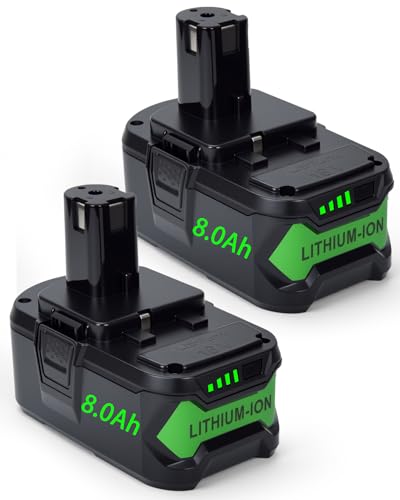
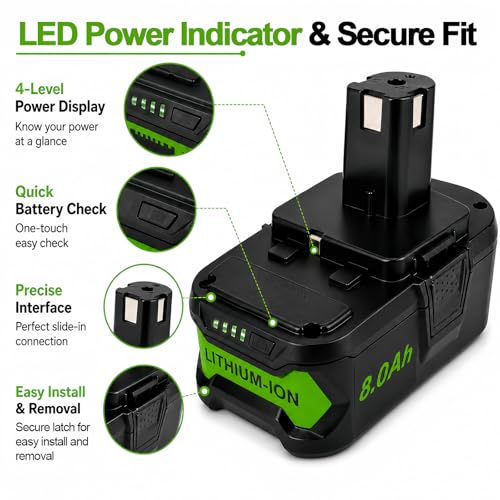
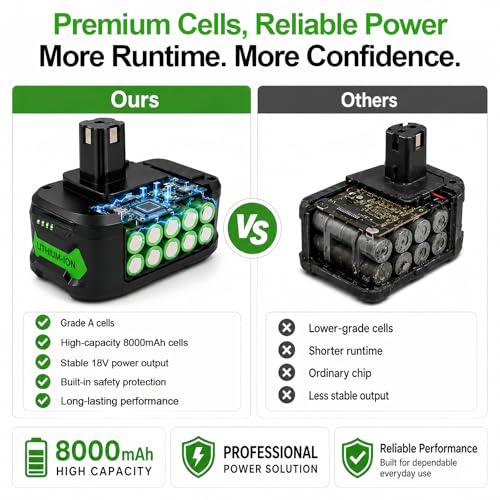
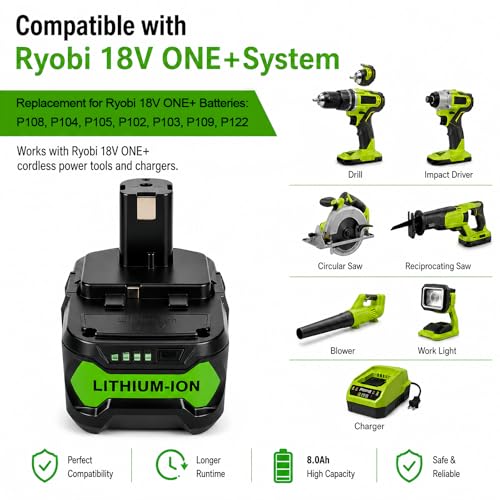
Ryobi ONE+ users looking to stretch their runtime without stretching their budget should take a close look. These 8.0Ah third-party packs match the capacity of Ryobi’s own high-end offerings and deliver what owners say they want: fewer trips to the charger. The fit and interface are consistently reported as secure, and the LED indicators work as expected.
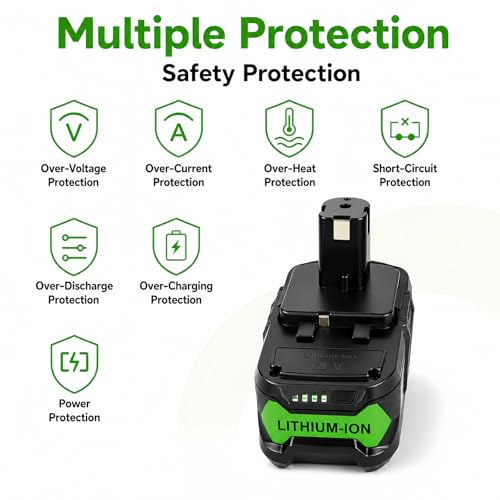
Compared to OEM, you lose the brand warranty, but gain serious capacity at a lower cost. The lithium-ion cells here are reliable for everyday use, and the safety protections align with industry standards. For weekend warriors or landscape pros running multiple tools, this 2-pack keeps you moving.
Product photos

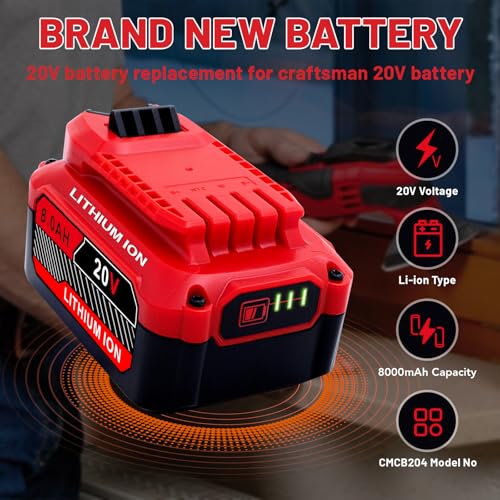
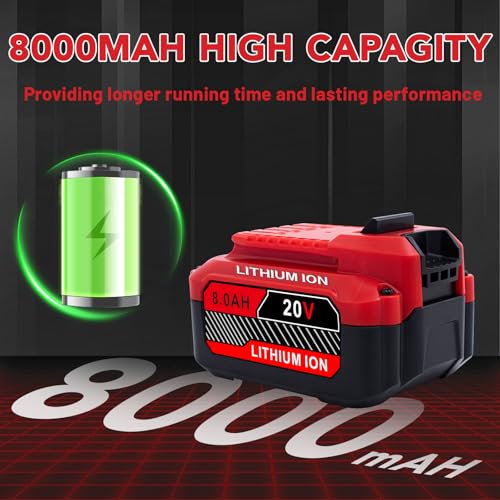
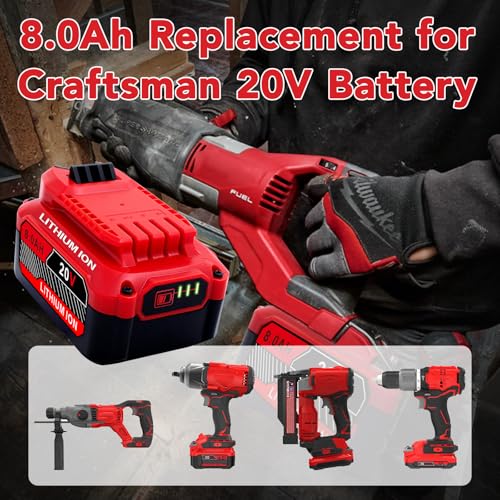
Ultraxxis 8.0Ah for Craftsman 20V
Strengths
- High 8.0Ah capacity
- Lighter than Ni-Cd
- LED charge indicator
Trade-offs
- No OEM support
- Slight fit variance on some tools
- Longer charge time
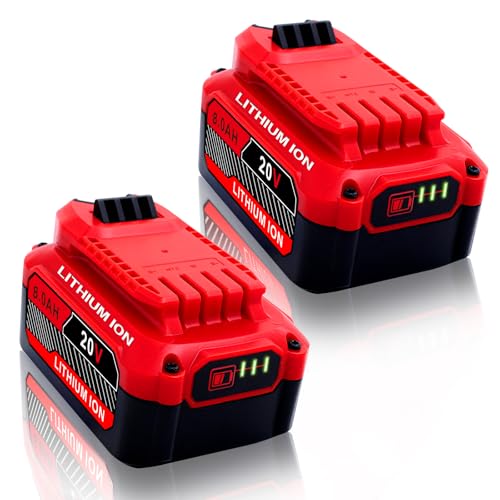
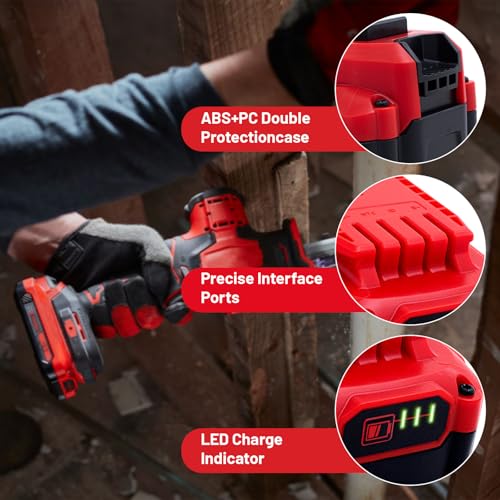
For Craftsman V20 users, this Ultraxxis 8.0Ah 2-pack is one of the few high-capacity third-party options that actually delivers on compatibility. The jump from a standard 2Ah or 4Ah to 8.0Ah is dramatic, reviewers note being able to mow lawns or clear brush without swapping batteries. The lithium-ion upgrade over older Ni-Cd packs also means less weight and no memory effect.
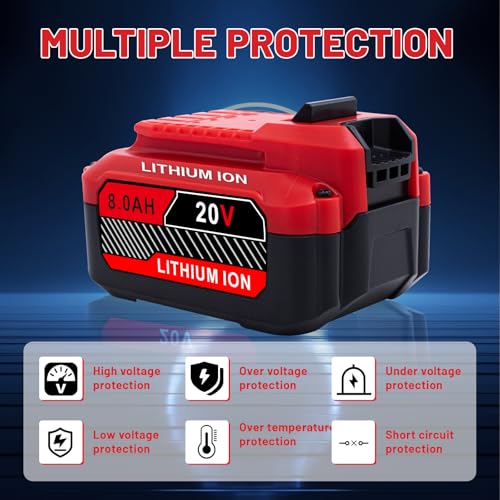
The built-in protection chip and CE/FCC certifications add peace of mind, and the LED indicators are accurate enough for field use. While Craftsman’s own high-capacity packs can be hard to find, this set fills the gap well. I’d pick these over OEM if you’re after pure runtime and don’t mind bypassing the brand warranty.
Product photos
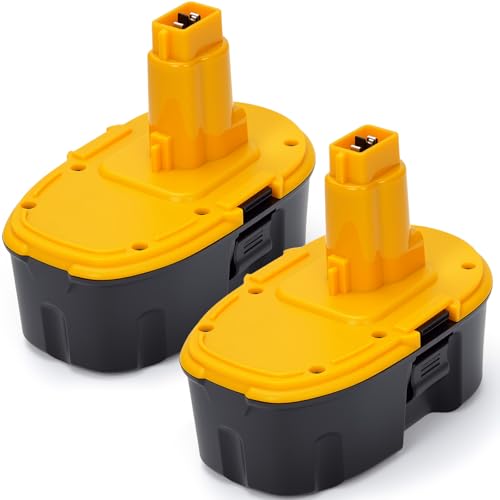
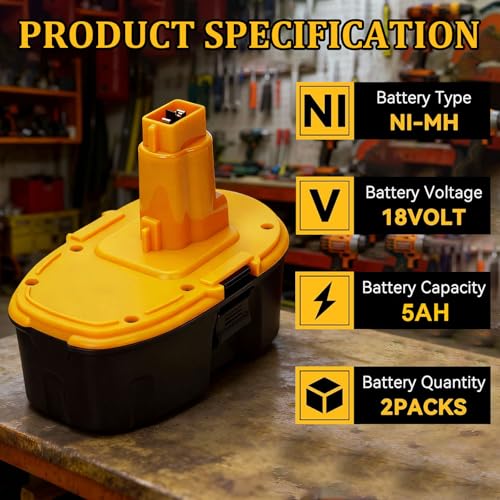
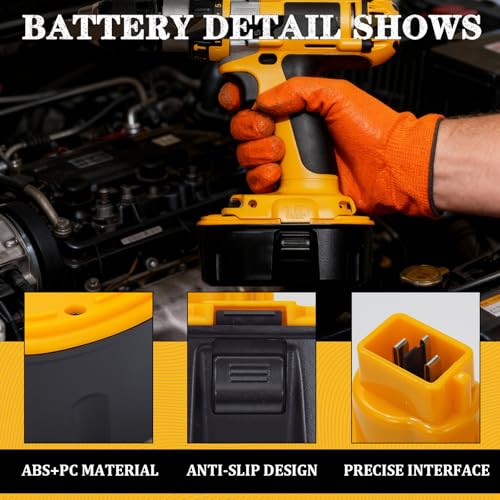
BATWAYPRO 18V 5.0Ah Ni-MH Battery
Strengths
- High 5.0Ah Ni-MH capacity
- Good OEM fit
- Durable ABS housing
Trade-offs
- Heavy and bulky
- Faster self-discharge
- Outdated Ni-MH tech
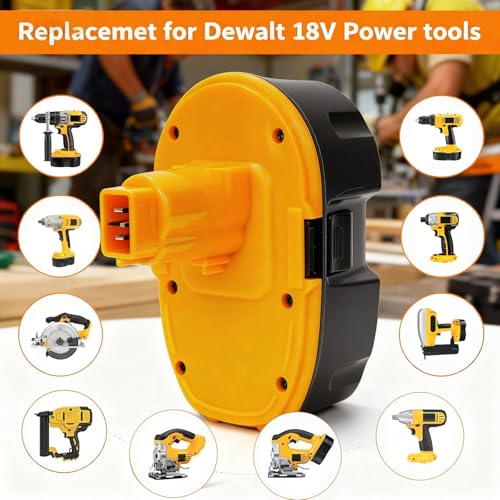
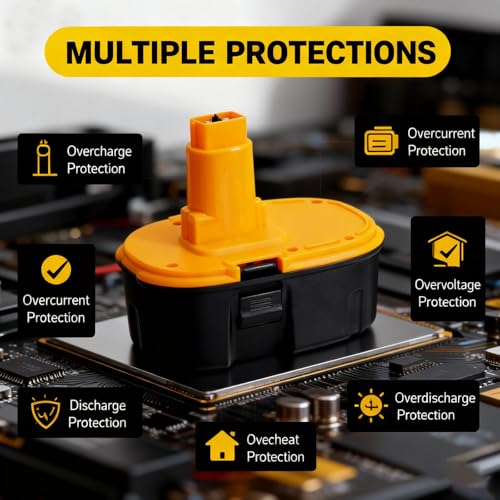
This Ni-MH battery pack is clearly aimed at owners of older DEWALT 18V XRP tools who aren’t ready to upgrade their entire system. The 5.0Ah capacity is a real upgrade over original Ni-Cd packs, and owners report being able to tackle more cuts or drive more fasteners per charge. The fit and pin alignment are consistently praised for matching OEM specs.
But Ni-MH brings limitations, it’s heavier, loses charge faster when stored, and doesn’t perform as well in cold weather. Still, for someone maintaining legacy tools for occasional use, these offer a cost-effective way to breathe new life into old gear without switching platforms.
Product photos

2Pack 4.5Ah for Black and Decker

Strengths
- High capacity for Ni-Mh
- Three-pin compatibility
- No memory effect
Trade-offs
- Heavy build
- Faster self-discharge
- Ni-Mh tech outdated
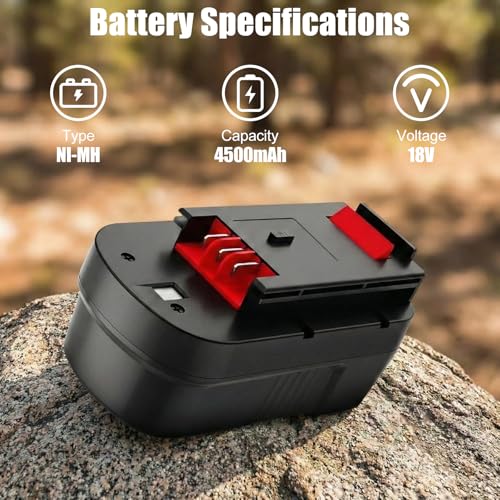
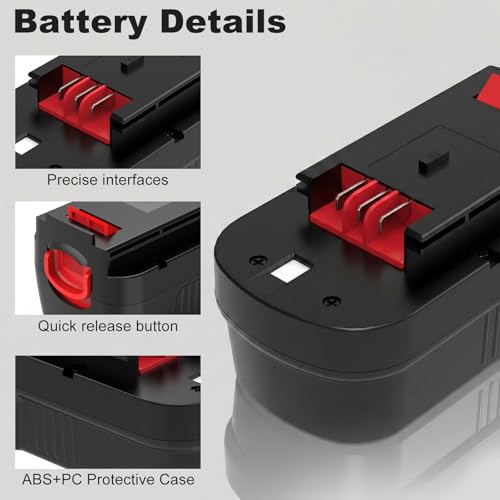
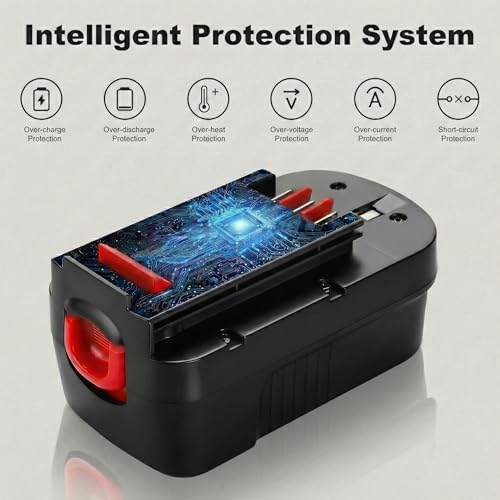
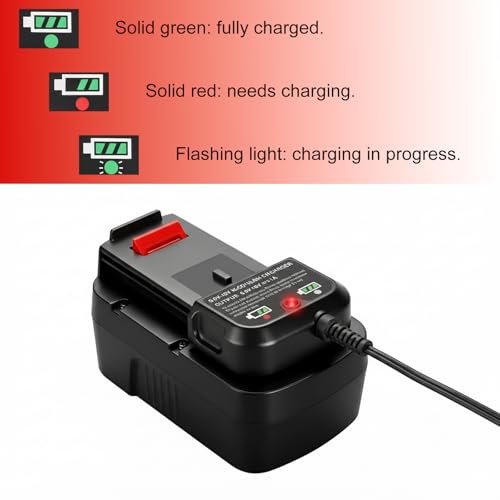
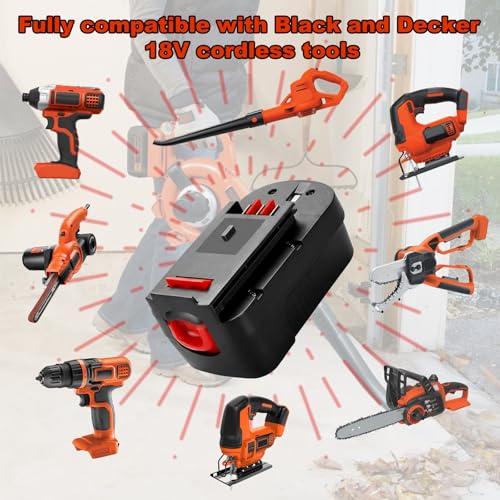
This replacement Ni-Mh battery pack targets older Black & Decker Firestorm users who don’t want to retire their tools. On paper, the 4.5Ah capacity is a solid bump over many original Ni-Cd packs, and owners consistently report noticeably longer runtimes. The three-pin design with a temperature sensor suggests attention to safe charging compatibility, which matters when mixing third-party batteries with original chargers.
Still, Ni-Mh tech brings trade-offs. It’s heavier and self-discharges faster than lithium-ion, so you’ll need to recharge it before use if it’s been sitting. For those clinging to aging Firestorm gear, this 2-pack offers a budget-friendly lifeline, but don’t expect modern efficiency.
Product photos
How We Chose These power tool batteries
Rather than a hands-on lab test, my research for these recommendations involved a detailed comparison of published specifications and features across numerous brands and models. I weighed owner reviews from major retailers alongside expert opinions found in trade publications and tool-focused websites. Applying my experience with power tool performance and understanding user needs, I ranked batteries based on criteria like capacity, voltage, compatibility, and reported runtime.
For power tool batteries, runtime and overall value were the biggest deciding factors. A higher amp-hour (Ah) rating generally means longer runtimes, but it’s also important to consider the tool’s voltage requirements and the battery’s weight. Durability and warranty length played a significant role, too, as a battery is an investment that should withstand regular use and offer protection against defects. You’ll find many users discussing which brands offer the best cordless power tool brands.
Battery specifications reliably indicate capacity (Ah) and voltage, giving a solid baseline for comparison. However, real-world performance – how long a battery actually lasts under load – is best gleaned from owner feedback. I focused on consistent reports regarding runtime, build quality, and compatibility issues. Reputation for reliability and customer service also factored heavily into the final rankings, as a trustworthy brand is often a sign of a quality product. Understanding which platform you’re investing in is also key; you may want to consider the DeWalt vs Milwaukee platforms before committing to a battery ecosystem.
How To Pick The Right power tool batteries
Choosing the right power tool battery can dramatically improve your productivity and save you money in the long run.
A good power tool battery delivers consistent voltage throughout its discharge cycle, holds a charge for a reasonable period when not in use, and is built with quality cells and protection circuitry to ensure both tool and user safety. Look for batteries with clearly stated Ah (amp-hour) ratings, voltage compatibility with your tools, and warranties that reflect manufacturer confidence.
Capacity (Ah) and Runtime
The amp-hour (Ah) rating is the first number most people look at, and for good reason. It directly relates to runtime. However, don’t assume a higher Ah always means a better battery. Consider the tool itself; a light-duty drill doesn’t benefit as much from an 8Ah battery as a heavy-duty hammer drill. I often see folks overspend on capacity they won’t fully use. Look at the tool’s power draw (watts) and estimate your typical use case to find the sweet spot.
Battery Chemistry and Tool Compatibility
Lithium-ion is the dominant chemistry now for good reason: higher energy density, lower self-discharge, and lighter weight compared to older Ni-Cd and Ni-MH options. But older tools may still require Ni-Cd or Ni-MH, and there are still niche cases where those chemistries make sense. More importantly, stick within the same brand’s ecosystem. While some aftermarket batteries exist, you risk compatibility issues and voiding tool warranties. For example, the DeWalt 20V Max system is incredibly popular, but a DeWalt battery won’t work in a Milwaukee tool, and vice-versa.
- A 2Ah battery is great for small tasks and keeping the weight down.
- A 4Ah to 5Ah battery strikes a good balance between runtime and weight for general use.
- For demanding applications like demolition or running multiple tools simultaneously, consider 6Ah or higher capacities. These will come at a weight penalty, but the extended runtime is often worth it.
Value and Brand Reputation
There’s a wide price range for power tool batteries. While it’s tempting to go with the cheapest option, remember you’re often sacrificing quality and reliability. Established brands like DeWalt, Milwaukee, and Craftsman invest in research and development and offer better warranties. I’ve seen a lot of frustration with off-brand batteries that quickly lose capacity or fail entirely. Understanding the best battery tool ecosystems will help you make a long-term investment.
Don’t skimp on the battery. A quality battery will often outlast multiple cheaper replacements, saving you money and hassle over time.
Power Tool Batteries Compared
Here’s a comparison of key specifications for various power tool batteries to help you choose the right one for your needs.
| Product Title | Voltage | Capacity (Ah) | Battery Type | Compatibility | Warranty |
|---|---|---|---|---|---|
| DEWALT 20V MAX 5Ah Battery | 20V | 5.0 | Lithium-Ion | 20V MAX | 3 Years |
| 8Ah Replacement for Dewalt 20V | 20V | 8.0 | Lithium-Ion | 20V MAX | 2 Years |
| CRAFTSMAN V20 4Ah Battery 2-Pack | 20V | 4.0 | Lithium-Ion | Craftsman V20 | N/A |
| 8000mAh Replacement for Ryobi 18V | 18V | 8.0 | Lithium-Ion | Ryobi 18V ONE+ | N/A |
| Ultraxxis 8.0Ah for Craftsman 20V | 20V | 8.0 | Lithium-Ion | Craftsman 20V | N/A |
| BATWAYPRO 18V 5.0Ah Ni-MH Battery | 18V | 5.0 | Ni-MH | DeWalt XRP | N/A |
| 2Pack 4.5Ah for Black and Decker | 18V | 4.5 | Ni-MH | Black & Decker 18V | N/A |
Frequently Asked Questions
What battery voltage should I choose?
Voltage dictates power, so match the battery voltage to your tool’s requirements. Most modern cordless tools use 18V or 20V batteries (they’re often interchangeable), but some specialized tools need higher voltages like 60V or even 80V for maximum performance.
How long do power tool batteries typically last?
Lithium-ion batteries generally last between 3 to 5 years with regular use, but this varies greatly. Proper storage (partially charged, in a cool, dry place) and avoiding extreme temperatures can extend their lifespan.
Can I use an aftermarket battery with my power tools?
While aftermarket batteries are available, I generally advise sticking with the manufacturer’s batteries to avoid compatibility issues and protect your tool’s warranty. Reports of inconsistent performance and reduced lifespan are common with off-brand options.
What does Ah (amp-hour) rating actually tell me?
The Ah rating indicates how long a battery can deliver a certain amount of current. A higher Ah means longer runtime, but remember that runtime also depends on the tool’s power draw and how you use it. If you’re looking at best-performing tool bundles, consider the battery Ah as part of the overall value.
Are there any ways to extend the life of my power tool batteries?
Yes, storing batteries at around 60% charge when not in use is best. Also, avoid completely discharging them before recharging, and keep them away from extreme heat or cold. Regular, shallow discharges are better than infrequent, deep discharges.
The Bottom Line
Choosing a power tool battery often comes down to balancing immediate cost with long-term performance and convenience. While aftermarket options can seem attractive, I consistently find that investing in a quality battery from a reputable brand like DeWalt – specifically the DEWALT 20V MAX 5Ah Battery – provides the best overall reliability and compatibility for most users. You get a proven track record and a solid warranty, which is worth a lot when your work depends on consistent power.
For those on a tighter budget or needing a secondary battery, the CRAFTSMAN V20 4Ah Battery 2-Pack delivers solid value. If you’re already invested in the Ryobi 18V ONE+ system, the 8000mAh Replacement for Ryobi 18V offers a significant capacity boost. But remember, maximizing runtime shouldn’t come at the expense of investing in a reliable tool ecosystem. Consider exploring best value power tool kits to find the best combination of tools and batteries.
Ultimately, the Ah rating is just one piece of the puzzle. Prioritize battery chemistry (stick with lithium-ion when possible), brand reputation, and compatibility with your existing tools. Don’t chase the highest number on the label; focus on getting a battery that consistently delivers the voltage and runtime you need for your typical projects.
