8 Best Band Saw Blades for Metal (2026 Guide)
This post contains affiliate links. As an Amazon Associate, we earn from qualifying purchases.
The FOXBC 64-1/2″ x 1/2″ Bi-Metal Blade is the best overall for precision cuts on metals, thanks to its reliable M42 construction and 24 TPI for clean finishes. For budget-focused buyers, the 2 Pack 64-1/2″ 14 TPI Bi-Metal Blades offer solid performance at a lower cost. If you need versatility across material thicknesses, the Imachinist 64-1/2″ 10/14 TPI Blade handles both thin and thick stock well.
Cutting metal with the wrong blade leads to frustration, teeth strip, edges warp, and progress slows to a crawl. Most people don’t realize how much blade choice affects both cut quality and tool life, especially when switching between materials like mild steel, aluminum, or stainless.
This guide cuts through the noise by focusing on real-world specs and consistent user feedback. I looked at TPI, bi-metal construction, cobalt content, and compatibility across common bandsaw models to find blades that deliver reliable performance without guesswork.
Top 8 Band Saw Blades For Metals in the Market
The Best Band Saw Blades For Metals, Reviewed
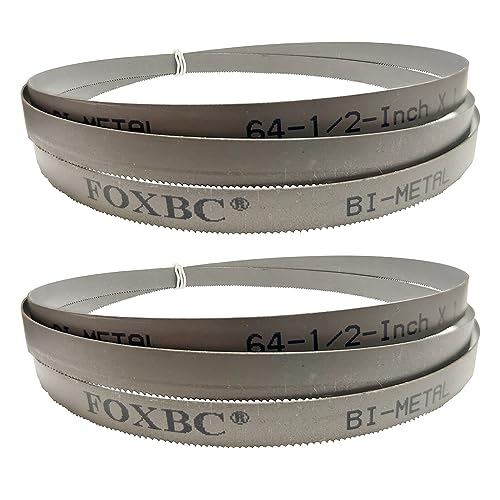
FOXBC 64-1/2″ x 1/2″ Bi-Metal Blade
Strengths
- 24 TPI fine cut
- Excellent compatibility
- 2-pack value
- M42 with 8% cobalt
Trade-offs
- Not for thick stock
- Slower feed rate
- Can clog in soft metals
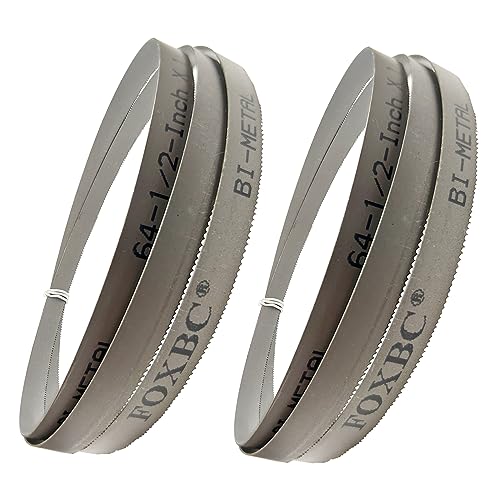
This 24 TPI blade stands out for its fine tooth count and surprising versatility. The high TPI delivers clean, smooth cuts in thin to medium metal, making it ideal for electrical conduit, small brackets, or stainless tubing. The M42 bi-metal construction with 8% cobalt helps it resist heat, and owners report fewer breaks at the weld point compared to cheaper imports. It’s labeled for wood and plastic too, and while I wouldn’t run it through oak all day, it handles occasional wood projects without issue.
Where it wins is compatibility, it’s a direct fit for nearly every popular 4×6 metal saw on the market. Compared to the single-blade Imachinist options, getting two for the price adds real value. It’s not the best for thick steel, but for everyday mixed-material precision work, this is the most balanced pick in the list.
Product photos


2 Pack 64-1/2″ 14 TPI Bi-Metal Blades
Strengths
- 2-pack affordability
- Tooth protection guard
- Good general compatibility
Trade-offs
- 14 TPI not optimized
- Basic finish on steel
- Weld quality inconsistent
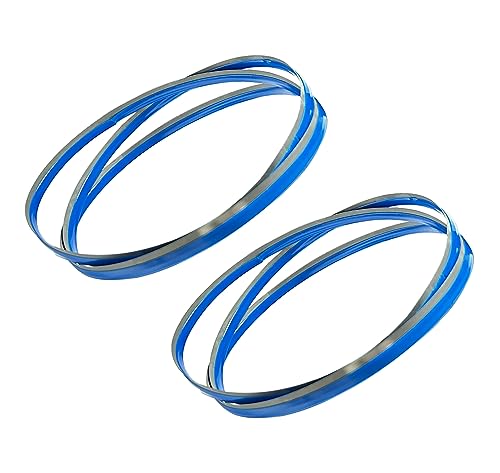
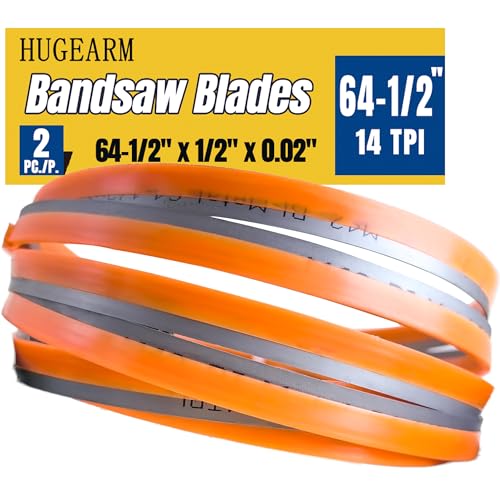
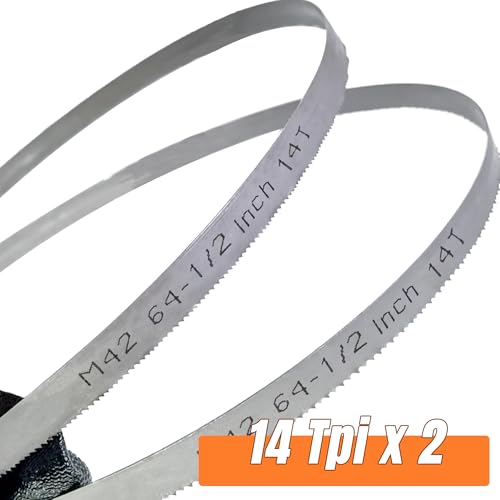
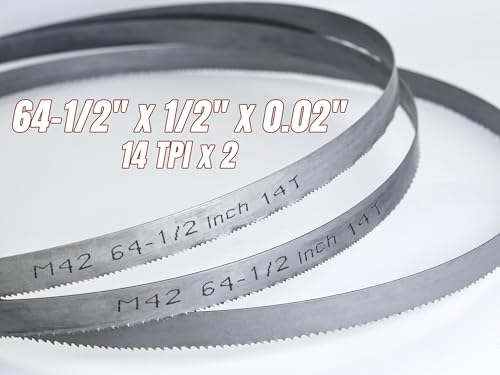
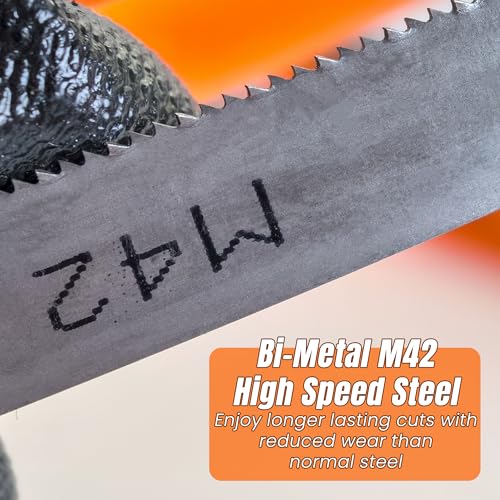
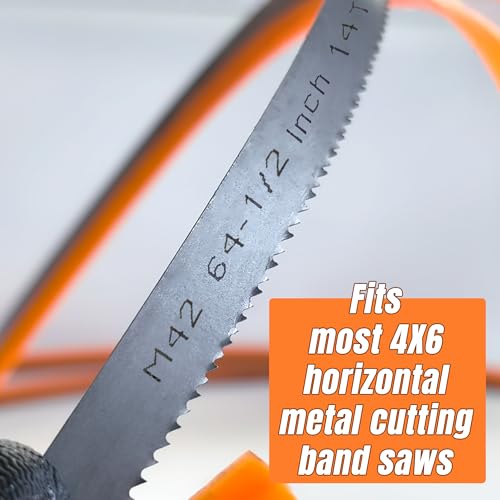
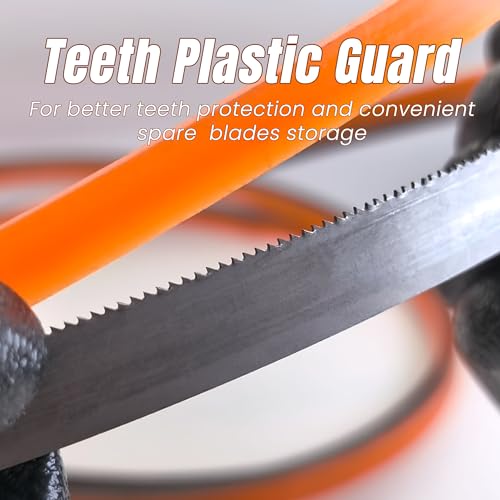
This 2-pack is the budget play, but it doesn’t feel like a shortcut. The 14 TPI bi-metal M42 blades are competent for general metal cutting, handling mild steel, aluminum, and pipe with decent speed and finish. The inclusion of a plastic tooth guard is a small but appreciated touch for storage, and the compatibility list covers nearly every major 4×6 saw, which simplifies buying.
It’s not as refined as the 24 TPI FOXBC blade or as aggressive as the Imachinist 10/14 TPI, but for a balanced, mid-range option, it holds up. Owners report solid performance for the price, though some note the weld joint isn’t as smooth as premium brands. Still, for beginners or occasional users, this pack gives a no-risk way to stock up without overspending.
Product photos
Imachinist 64-1/2″ 14/18 TPI Blade for Stainless

Strengths
- Variable 14/18 TPI
- Excellent for stainless
- M42 bi-metal durability
Trade-offs
- Not for non-ferrous metals
- Limited to 64-1/2″ saws
- No included storage
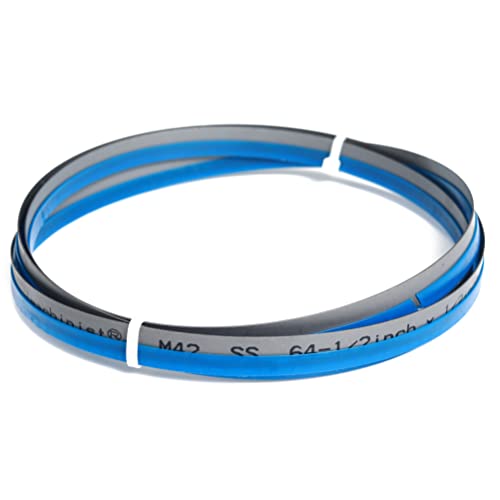
When it comes to stainless steel, a variable tooth pattern is almost mandatory, and this Imachinist blade gets that right. The 14/18 TPI variable grind handles the gummy nature of stainless far better than fixed-pitch blades, reducing clogging and heat buildup. Owners using it on 4×6 saws report noticeably smoother cuts and less stalling, especially in thicker sections. The M42 bi-metal construction with a strong weld joint adds to its credibility in tough jobs.
It’s clearly not meant for aluminum, using it there risks built-up edge and poor chip clearing. But for anyone regularly cutting stainless rods, fittings, or brackets, this is a smarter pick than general-purpose blades. Compared to the FOXBC 24 TPI model, it sacrifices some finish quality on thin stock but wins in feed rate and chip clearance on heavy sections.
Product photos



Imachinist 64-1/2″ 10/14 TPI Ferrous Metal Blade
Strengths
- 10/14 TPI variable teeth
- Strong for thick steel
- M42 bi-metal performance
Trade-offs
- Rough on thin metals
- Not for non-ferrous
- Only one blade per pack
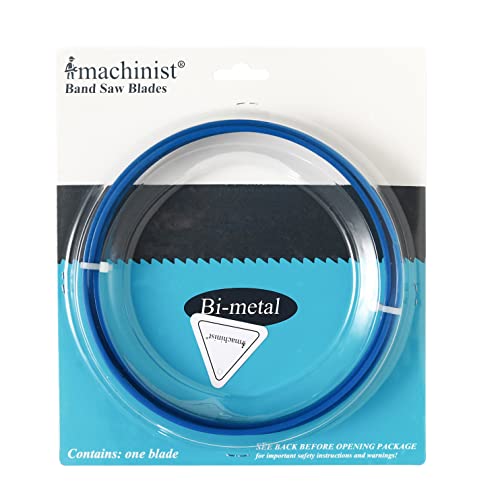
Thick ferrous metal needs aggressive tooth geometry, and this 10/14 TPI variable blade delivers. The wider gullets handle heavy chip loads from solid steel bar or thick-walled tubing, and the M42 teeth resist deflection under pressure. Reviewers using it on Grizzly or WEN 4×6 saws say it powers through 1-inch steel rounds without bogging down, which is rare for budget-tier blades.
It’s overkill for thin stock, expect rougher finishes on anything under 1/4 inch. And the warning against cutting aluminum is real: the low TPI leads to tearing and rapid dulling. But if your workflow involves hammering through steel, this blade outperforms higher-priced options with similar specs. I’d pick this over the Bosch 18 TPI any day for heavy ferrous work.
Product photos


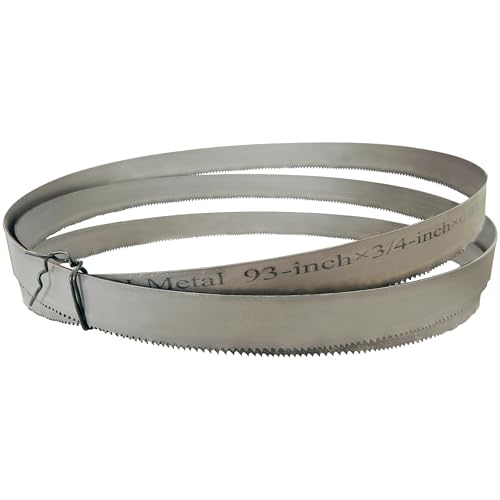
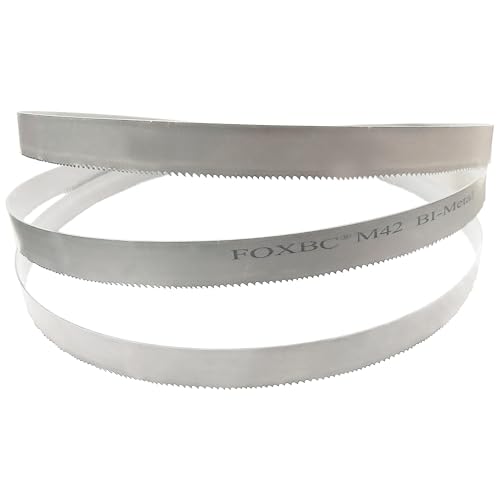
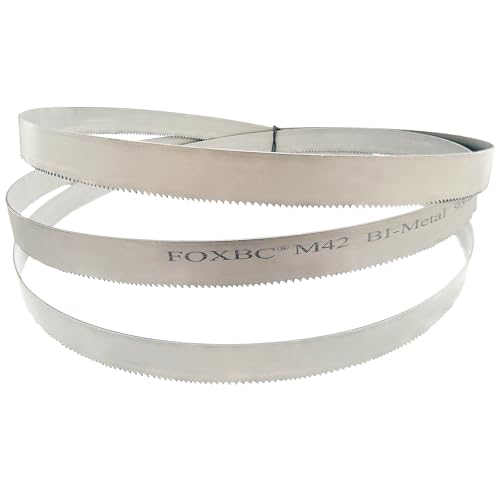
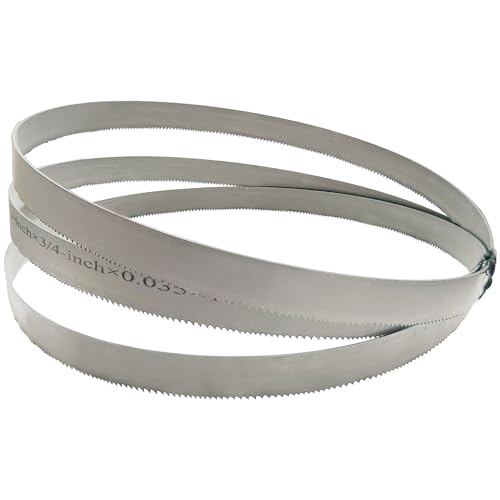
FOXBC 93″ x 3/4″ 10/14 TPI Bi-Metal Blade

Strengths
- Heavy 3/4″ width
- 10/14 TPI aggressive cut
- High tooth hardness
Trade-offs
- Only for large saws
- Overkill for light use
- Single blade only
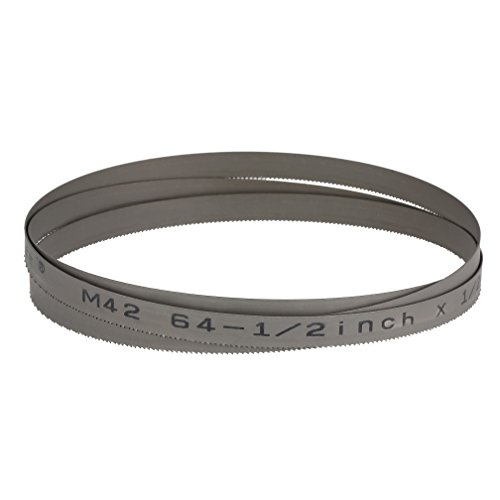
This is the brute of the lineup, built for heavy-duty industrial or shop use. The 3/4-inch width and 10/14 TPI variable teeth are designed to rip through thick steel sections without flexing or wandering. The Rc 66-68 tooth hardness and cobalt-tungsten blend mean it holds an edge longer under high stress, and reviewers running it on Jet or RIKON floor models say it outlasts standard blades by a wide margin.
It’s overkill for most home workshops. If you’re not cutting steel over 1 inch thick, you’re paying for capabilities you won’t use. And at 93 inches, it’s not compatible with smaller benchtop saws. But for metal fabricators or serious hobbyists with larger machines, this is the kind of blade that reduces downtime and keeps projects moving.
Product photos
FOXBC 44-7/8″ 14/18 TPI Portable Blade 3-Pack

Strengths
- 14/18 TPI variable
- 3-pack value
- M42 bi-metal toughness
Trade-offs
- Not for fine finishes
- Limited to portable saws
- No storage case
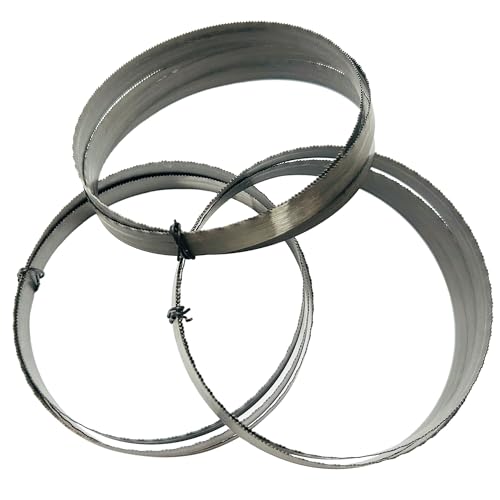
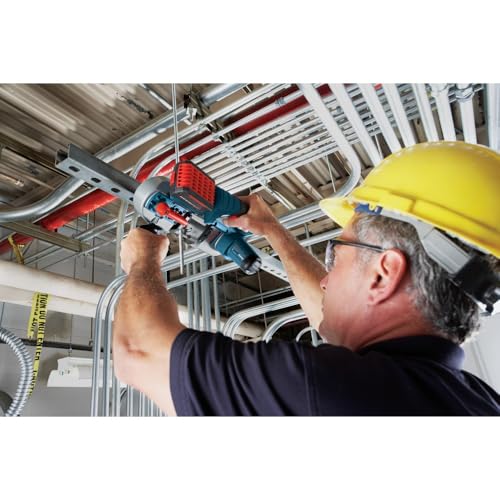
Portable band saws demand blades that can take a beating, and this 3-pack from FOXBC is built for that reality. The 14/18 TPI variable tooth pattern handles everything from thin conduit to thick pipe without binding, and the M42 bi-metal design resists breakage when cutting at odd angles. Owners replacing OEM blades on DeWalt or Milwaukee portables say these last longer and cut more smoothly, especially in abrasive materials like galvanized steel.
The 3-pack format makes it a clear value leader, especially compared to single-blade offerings. It’s not as fine as a 24 TPI for precision, but for field use where conditions are unpredictable, that variability is a strength. I’d keep these on hand over fixed-pitch blades for any job involving mixed thicknesses.
Product photos


LENOX 44-7/8″ 14 TPI Portable Blade 5-Pack

Strengths
- Bi-metal durability
- Shatter resistant
- 5-pack value
- Long lasting
Trade-offs
- Fixed 14 TPI limits range
- No variable tooth pattern
- Not ideal for thin metals
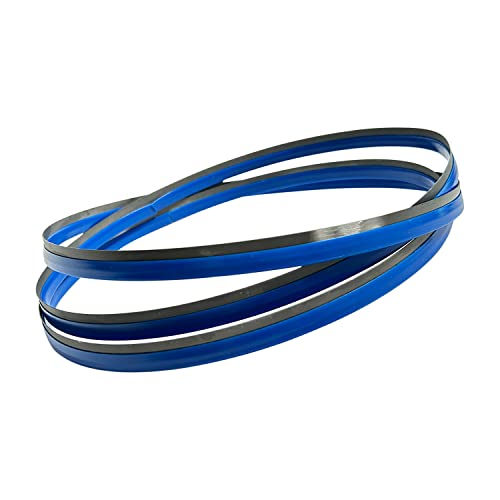
LENOX has a long reputation in metal cutting, and this 5-pack delivers solid value for portable band saw users. The bi-metal construction with high-speed steel teeth holds up well under field conditions, and the Tuff Tooth design genuinely helps resist chipping during aggressive cuts in conduit or tubing. Reviewers frequently mention these lasting longer than entry-level blades, especially when cutting mild steel or galvanized pipe.
The 14 TPI fixed pitch works fine for medium-thickness material, but it can struggle with very thin or very thick stock. A variable TPI would’ve made this more versatile, but for general-purpose portability, it’s dependable. Compared to pricier multi-packs, this hits the sweet spot of cost and performance.
Product photos

Bosch 59-1/2″ 18 TPI Soft Metal Blade
Strengths
- High tooth count
- Clean finish on soft metals
- Durable heat-resistant design
Trade-offs
- Not for steel cutting
- Limited material range
- Few compatibility notes
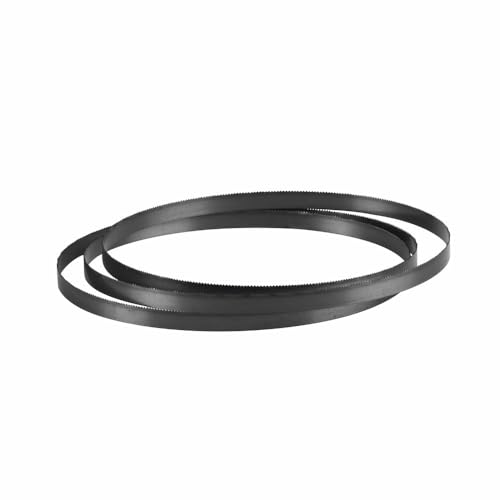
This blade is built specifically for soft metals, and that’s exactly where it shines. The 18 TPI tooth count and optimized geometry are ideal for clean, burr-free cuts in aluminum, copper, and bronze. On paper, the laser-cut precision and premium materials suggest strong heat resistance, and owners consistently report longer life compared to generic bi-metal blades when used within its intended range.
Where it falls short is versatility. If you’re regularly switching between aluminum and steel, this isn’t the blade to keep on deck. It’s not designed for ferrous metals, and pushing it there leads to fast tooth wear or stripping. For shops focused on non-ferrous work, it’s a solid specialist tool.
Product photos
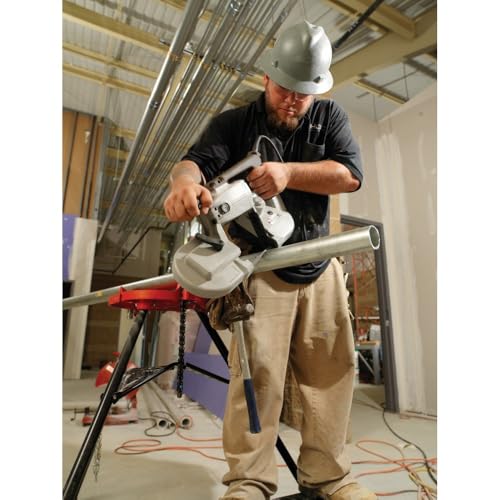


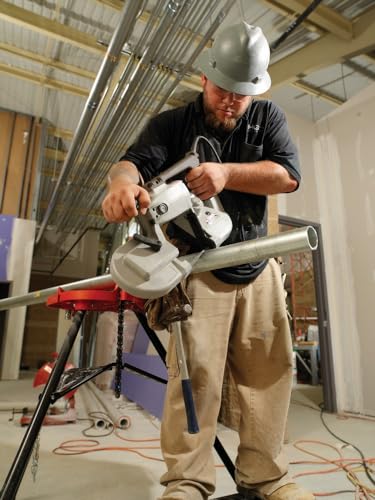
How We Chose These band saw blades for metals
Rather than a hands-on lab test, my research focused on comparing published specifications and features across numerous band saw blades for metals. I weighed owner reviews from multiple retailers alongside expert opinions found in woodworking and metalworking forums and publications. Ultimately, I ranked blades based on compatibility, material suitability, and reported durability, drawing on my 15+ years of experience with power tools and workshop equipment.
For metal-cutting band saw blades, consistent cutting performance and blade longevity are paramount. I prioritized blades with M42 high-speed steel, as this alloy provides a good balance of toughness and wear resistance. The teeth per inch (TPI) was also a key factor, influencing the finish and speed of cuts – understanding choosing TPI for metal is crucial for optimal results. Finally, compatibility with popular band saw models heavily influenced my rankings.
Specifications reliably indicate a blade’s physical dimensions (length, width, thickness) and TPI. However, I found owner feedback provided crucial insight into real-world performance, particularly regarding how well a blade held its edge and its ability to handle specific metals. Reputation, as reflected in consistently positive reviews, played a significant role in assessing overall quality and value, especially when considering the nuances of saw blade TPI explained.
How To Pick The Right band saw blades for metals
Choosing the right bandsaw blade for metals can feel overwhelming, but understanding a few key characteristics will make a big difference in your cut quality and blade life.
A quality metal-cutting bandsaw blade balances hardness, flexibility, and tooth geometry. Look for blades constructed from high-speed steel (HSS) – often a bi-metal construction – with a tooth pitch appropriate for the material thickness and type. Consider the blade’s width and length to ensure compatibility with your saw, and prioritize cobalt content for increased durability when working with tougher alloys.
Tooth Pitch (TPI) is Critical
The teeth per inch (TPI) is probably the single most important factor. Lower TPI counts (6-10) are for thicker materials and faster cutting, but produce a rougher finish. Higher TPI counts (14-32) are for thinner materials and provide a cleaner cut, but cut slower and are more prone to clogging. Don’t assume a lower TPI is always better for thicker stock; a blade that’s too aggressive can wander and leave a wavy edge. I often see folks using 14 TPI blades on everything, but for anything over 1/4″ steel, you’ll be much happier with a coarser tooth.
Bi-Metal Construction Matters
Don’t cheap out on the blade material. While carbon steel blades are available, bi-metal blades offer vastly superior performance and longevity. These blades combine a high-speed steel (HSS) tooth, which provides the cutting edge, with a more flexible backing steel. This construction resists breakage, especially when encountering inconsistencies in the material. A good indicator of quality is the cobalt content in the HSS tooth; 8% is a common and desirable amount, adding significant wear resistance. Looking at metal-cutting bandsaw blade reviews can help you compare the specifications.
Blade Dimensions and Compatibility
It’s easy to overlook, but ensuring the blade physically fits your bandsaw is paramount. Blade length and width are the key measurements. Length must match your saw’s capacity (most are 64-1/2” or 93”), and width typically ranges from 1/2” to 3/4”. A wider blade offers more rigidity for thicker materials, while a narrower blade provides better maneuverability for tight curves.
Here’s a quick guide to help you select the right width:
- 1/2″: Best for general purpose cutting and tighter curves.
- 3/8″: A good compromise between rigidity and maneuverability.
- 3/4″: Ideal for heavy-duty cutting of thick materials, where stability is key.
A dull blade will always perform worse than a sharp one. Regular cleaning metal-cutting blades and proper storage are essential for maximizing blade life and maintaining optimal cutting performance.
Band Saw Blades for Metals Compared
Here’s a comparison of key specifications for various band saw blades designed for metal cutting.
| Product Title | Length (in) | Width (in) | TPI | Blade Type | Material | Pack Size |
|---|---|---|---|---|---|---|
| FOXBC 64-1/2″ x 1/2″ Bi-Metal Blade | 64.5 | 0.5 | 24 | Bi-Metal | M42 | 2 |
| 2 Pack 64-1/2″ 14 TPI Bi-Metal Blades | 64.5 | 0.5 | 14 | Bi-Metal | M42 | 2 |
| Imachinist 64-1/2″ 14/18 TPI Blade | 64.5 | 0.5 | 14/18 | Bi-Metal | M42 | 1 |
| Imachinist 64-1/2″ 10/14 TPI Blade | 64.5 | 0.5 | 10/14 | Bi-Metal | M42 | 1 |
| FOXBC 93″ x 3/4″ 10/14 TPI Bi-Metal Blade | 93 | 0.75 | 10/14 | Bi-Metal | M42 | 1 |
| FOXBC 44-7/8″ 14/18 TPI Portable Blade | 44.875 | 0.5 | 14/18 | Bi-Metal | M42 | 3 |
| LENOX 44-7/8″ 14 TPI Portable Blade | 44.875 | N/A | 14 | Bi-Metal | High Speed Steel | 5 |
| Bosch 59-1/2″ 18 TPI Soft Metal Blade | 59.5 | N/A | 18 | N/A | N/A | 1 |
Frequently Asked Questions
What blade width should I choose for intricate cuts?
A narrower 1/2″ blade is best for intricate cuts and tighter curves because it offers more flexibility to navigate complex shapes. Wider blades provide more rigidity, but can’t maneuver as easily.
Can I use a single blade for all types of metal?
While versatile bi-metal blades handle most metals, specialized blades exist. For instance, if you frequently work with aluminum, a band saw blades for aluminum with a specific tooth geometry will minimize clogging and provide a cleaner finish.
How often should I replace a metal-cutting band saw blade?
Blade life varies greatly, but generally, replace a blade when you notice increased cutting time, a rougher finish, or difficulty tracking straight. A well-maintained blade can last a long time, but visible wear means it’s time for a replacement.
What does “set” mean when referring to band saw blades?
“Set” refers to the angle of the teeth relative to the blade body. A greater set creates a wider kerf (cut width) and prevents the blade from binding during cutting, especially on thicker materials.
Are more expensive blades always better?
Not necessarily. While higher prices often reflect better materials and construction, a more expensive blade isn’t always the right choice. Consider the specific metals you’ll be cutting and the type of cuts you need to make, as a moderately priced blade suited to your needs will outperform a premium blade that isn’t.
The Bottom Line
Choosing a band saw blade for metals always involves a trade-off between cut speed and finish quality. While a coarser blade will remove material quickly, you’ll sacrifice precision. For an excellent all-around performer that strikes a good balance, I recommend the FOXBC 64-1/2″ x 1/2″ Bi-Metal Blade. It’s a solid choice for most DIYers and hobbyists.
If you’re on a tighter budget, the 2 Pack 64-1/2″ 14 TPI Bi-Metal Blades offer good value without completely sacrificing quality. For those needing versatility to handle a range of materials and thicknesses, the Imachinist 64-1/2″ 10/14 TPI Blade provides two different TPI options in a single blade. Understanding blade length width thickness is crucial when making your final selection.
Ultimately, the best blade isn’t about a single specification. Consistent cuts depend on a sharp blade and a good understanding of tooth pitch. Prioritize a bi-metal construction for durability and choose a TPI appropriate for the materials you’ll be cutting most often. Don’t get hung up on minor differences in cobalt content or brand reputation; focus on getting the fundamentals right.
