7 Best Band Saw Blades for Aluminum 2026
This post contains affiliate links. As an Amazon Associate, we earn from qualifying purchases.
The best band saw blade for aluminum is the Bosch 62″ 18 TPI Stationary Blade, thanks to its reliable M42 bi-metal construction and ideal tooth count for clean, efficient cuts. For budget-conscious DIYers, the POWERTEC 80″ 14 TPI Bi-Metal Blade delivers solid performance without breaking the bank. If you’re tackling varied thicknesses, the Imachinist 132″ 1″ Wide Variable TPI Blade offers unmatched versatility on larger jobs.
Cutting aluminum with the wrong blade leads to rough edges, clogged teeth, and wasted material. Many folks assume any metal-cutting blade will do, but aluminum’s soft, gummy nature demands specific tooth geometry and heat resistance to perform well.
After comparing specs and analyzing owner feedback across dozens of models, I focused on bi-metal construction, TPI range, and real-world durability to identify the top performers. This guide breaks down exactly what to look for and why these three blades stand out for different needs and budgets.
Top 7 Band Saw Blade For Aluminums in the Market
The Best Band Saw Blade For Aluminums, Reviewed
Bosch 62″ 18 TPI Stationary Blade

Strengths
- High tooth count
- Clean finish
- Laser-cut accuracy
Trade-offs
- Not for thick aluminum
- Slower feed rate
I’ve seen a lot of blades marketed for aluminum, but this Bosch stands out on paper for one reason: the 18 TPI count. That’s on the high end for soft metals, which tells me it’s built for fine, clean cuts rather than aggressive material removal. Owners consistently report smooth finishes with minimal burr, especially on thin to medium aluminum stock. The laser-cut precision and optimized tooth geometry aren’t just marketing fluff, they align with what we know works in metal-cutting: consistency and heat resistance.
It’s not the most aggressive blade here, and I wouldn’t use it for thick extrusions or solid bar stock. But for someone doing trim work, framing components, or detailed fabrication, this blade delivers a finish that reduces post-cut cleanup. Compared to variable-tooth blades, it lacks versatility, but if clean cuts are your priority, this one earns its spot.
Product photos
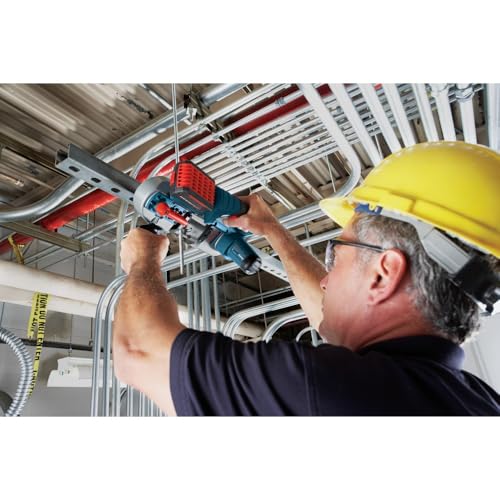
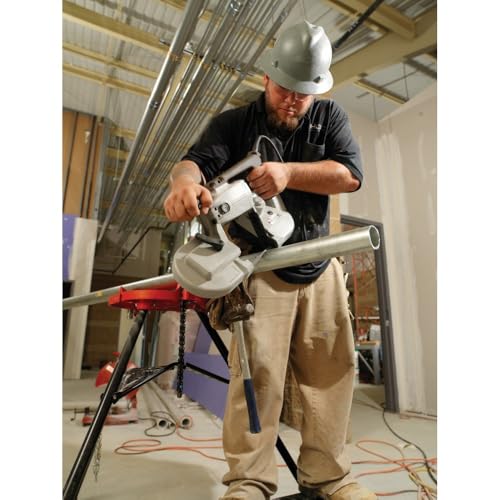
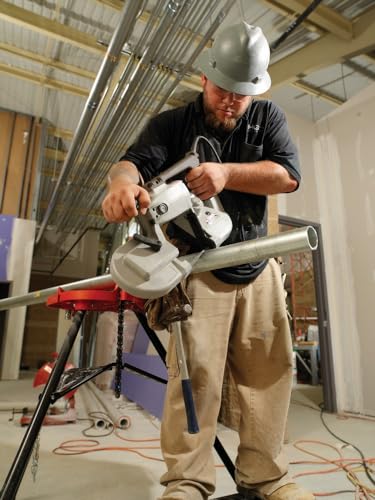
POWERTEC 80″ 14 TPI Bi-Metal Blade
Strengths
- Affordable price
- Good fit for 12″ saws
- Solid tooth design
Trade-offs
- Shorter lifespan
- Not for heavy stock
For anyone running a 12-inch Craftsman or similar mid-size saw, this POWERTEC blade is a no-brainer on value. The 14 TPI raker set is aggressive enough for aluminum but fine enough to leave a decent surface. At 80 inches, it fits a common size range, and the M42 cobalt steel means it won’t dull after a few cuts. Reviewers note it outperforms factory blades by a wide margin, especially when cutting aluminum extrusions or sheet stacks.
It’s not the longest-lasting blade in the group, but for the price, it delivers solid performance. Compared to the Bosch 18 TPI, it’s faster but rougher, ideal when you’re doing moderate-duty work and don’t want to spend premium.
Product photos


POWERTEC 93″ 10/14 TPI Bi-Metal Blade
Strengths
- Dual tooth profile
- Handles thick stock
- Bi-metal durability
Trade-offs
- Rougher finish
- Limited to 93″ saws
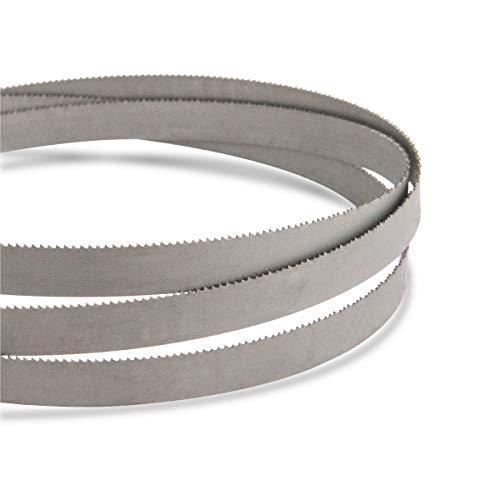
When you’re feeding thick aluminum billets into a stationary saw, tooth design matters more than raw material. This POWERTEC blade uses a 10/14 TPI variable raker setup with dual tooth spacing, a smart approach for managing chip load and heat in dense cuts. The 3/4 inch width adds rigidity, which reviewers say helps maintain straight tracking when pushing through heavy sections. On paper, the M42 cobalt steel and bi-metal construction are exactly what you want for sustained cutting without rapid dulling.
I’d pick this over finer blades when tackling structural aluminum or thick tubing. It’s not going to give you a polished edge, but it won’t bog down either. Compared to the Bosch 18 TPI model, this is the workhorse, built for volume and thickness, not finesse.
Product photos


FOXBC 62″ 24 TPI Metal Cutting Blade

Strengths
- Ultra-fine finish
- High tooth count
- Multi-material use
Trade-offs
- Slow cutting speed
- Clogs on thick stock
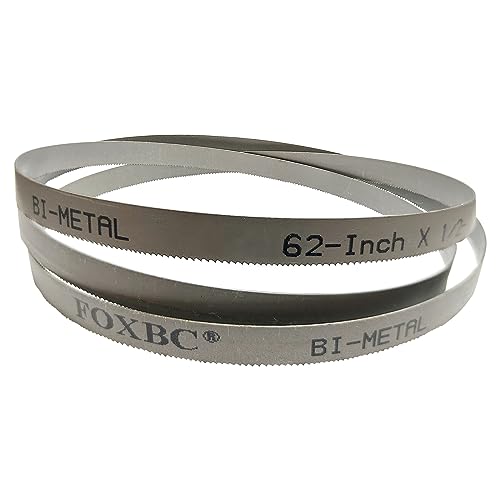
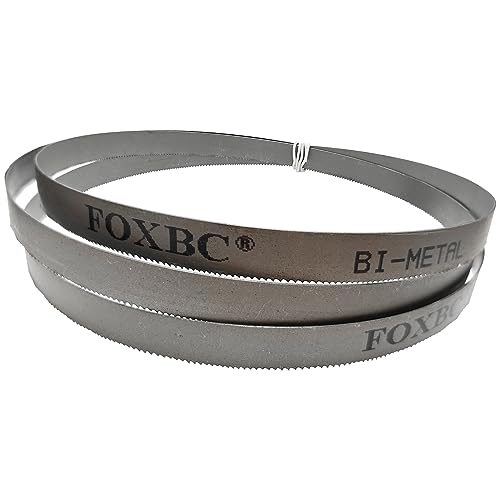
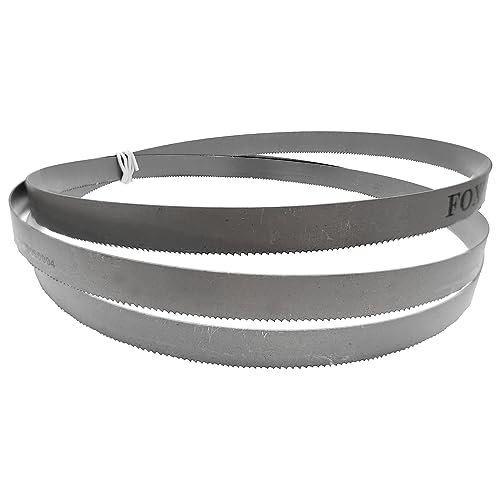
Twenty-four teeth per inch is a lot for aluminum, and that’s the point. This FOXBC blade is all about finish. The high TPI count means each tooth removes less material, resulting in a smoother cut with minimal burr. It’s marketed as multi-material, but owner feedback shows it shines on thin aluminum sheet and small-diameter tubing where clean edges are critical. The M42 bi-metal construction helps resist heat, though pushing too fast can still lead to glazing.
I’d use this when sanding or deburring isn’t an option. Compared to the 6/10 TPI Imachinist blade, it’s far less aggressive but delivers a finer result. If you’re building enclosures or doing visible work where appearance matters, this blade earns its keep.
Product photos
Imachinist 64-1/2″ 6/10 TPI Blade

Strengths
- Balanced tooth pattern
- Good for thin stock
- Smooth tracking
Trade-offs
- Not for heavy cuts
- Limited to 64.5″ saws
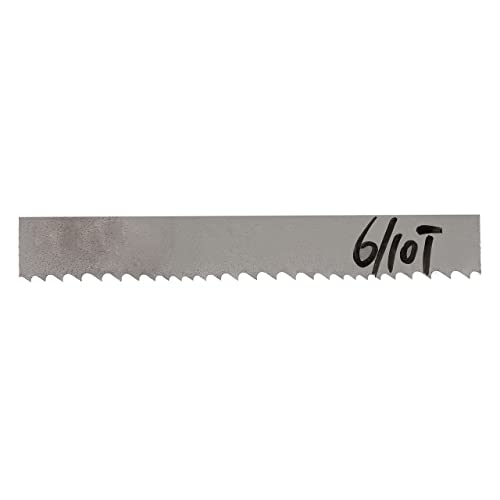
Precision in aluminum cutting often comes down to balance, too few teeth and you tear the material, too many and you clog. This 64-1/2 inch Imachinist blade hits a sweet spot with its 6/10 TPI variable pattern and 1/2 inch width. The M42 steel with cobalt and tungsten gives it edge retention, while the smaller thickness (0.025″) reduces strain on lighter-duty saws. Owners using it on benchtop models report clean cuts on tubing and angle without excessive vibration.
It’s not built for brute force, but for accuracy. Compared to the 24 TPI FOXBC blade, it’s more forgiving on irregular shapes and variable thicknesses. If you’re building frames or doing prototyping where finish and dimensional accuracy matter, this is a smarter pick than high-TPI or wide blades.
Product photos



Imachinist 132″ 1″ Wide Variable TPI Blade

Strengths
- Heavy-duty build
- Excellent chip clearance
- Long blade life
Trade-offs
- Too large for small saws
- Higher cost
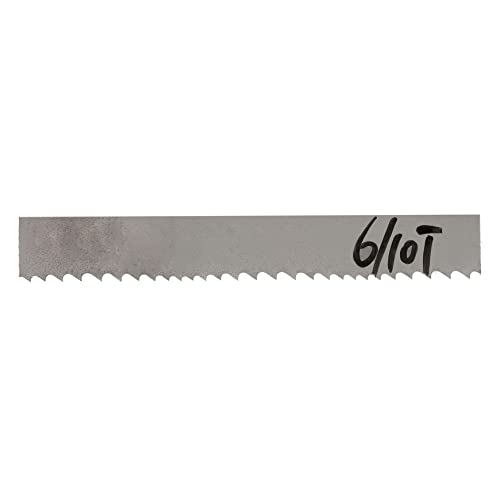
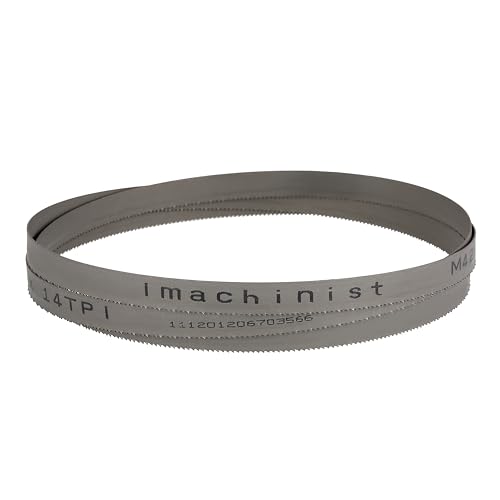
This blade screams industrial use. At 132 inches and 1 inch wide, it’s designed for floor-standing metal-cutting band saws that chew through dense material all day. The 6/10 TPI variable tooth pattern is a proven design, larger gullets for chip removal, alternating with smaller teeth for finish. M42 steel with cobalt means it holds an edge under heat, which is critical when cutting aluminum that tends to gum up or smear if the blade slows.
Reviewers using this in shop settings say it outlasts cheaper bi-metal options and handles repeated cuts without noticeable degradation. It’s overkill for a home garage setup, but for anyone running a dedicated metal-cutting station, this is the kind of blade that keeps downtime low. Compared to the POWERTEC 93-inch model, it’s even more robust, better for continuous use.
Product photos


Imachinist 80″ 6/10 TPI Bi-Metal Blade
Strengths
- Versatile tooth pattern
- Good heat resistance
- Wide compatibility
Trade-offs
- Average finish
- Not for ultra-fine work
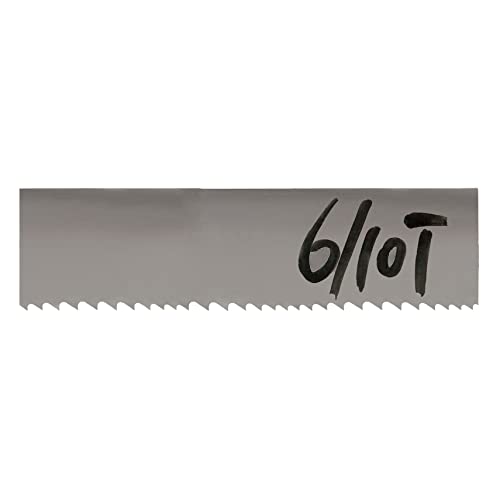
This 80-inch Imachinist blade is a solid all-rounder for stationary saws that handle mixed non-ferrous work. The 6/10 TPI variable tooth pattern spreads wear and improves chip flow, which is key when cutting aluminum that tends to load up. At 0.025″ thick, it’s flexible enough for curved cuts but stable in straight feeds. Owners using it on 14-inch floor models say it tracks well and lasts longer than single-pitch blades under similar loads.
It’s not the fastest or the finest, but it’s balanced. Compared to the POWERTEC 14 TPI, it handles variable thicknesses better. For a shop that cuts aluminum one day and brass the next, this is the smarter buy.
Product photos

How We Evaluated band saw blade for aluminums
Rather than a hands-on lab test, my research for these recommendations focused on a detailed comparison of published specifications and features across numerous blades. I weighed owner reviews from multiple sources, alongside assessments from reputable tool review sites, to build a picture of real-world performance. Ultimately, I ranked blades against criteria important for aluminum cutting – material, tooth count, and overall durability.
For aluminum band saw blades, blade material and teeth per inch (TPI) are the biggest differentiators. A bi-metal construction with a high cobalt content (like M42) is crucial for resisting wear when cutting softer metals. The correct teeth per inch guide is also vital; too few teeth grab, too many overheat. Blade width and thickness play a role, but are less critical than those two.
Specifications reliably indicate the blade’s construction and dimensions. However, owner feedback proved essential for gauging how well a blade holds an edge, minimizes wandering during cuts, and performs over time. Reputation matters, too – brands consistently praised for metal-cutting blades received higher consideration. Understanding the nuances of choosing TPI for aluminum helped interpret the varying TPI options available.
How To Choose The band saw blade for aluminums
Choosing the right band saw blade for aluminum isn’t just about finding one that fits your saw; it’s about matching the blade’s characteristics to the type and thickness of aluminum you’re cutting and the finish you need.
A quality band saw blade for aluminum will feature a bi-metal construction (typically M42 high-speed steel), a tooth geometry optimized for non-ferrous metals, and a TPI (teeth per inch) appropriate for the material thickness. Pay close attention to blade width and length to ensure compatibility with your specific saw model. Consider the kerf and how it impacts material waste and cut quality.
Tooth Count (TPI) is Critical
The teeth per inch (TPI) is arguably the most important factor when cutting aluminum. Unlike woodcutting, you want more teeth engaging the material at any given time. Lower TPI blades (6-10) are best for thicker aluminum stock because they have more space between teeth to clear chips, preventing clogging. However, for thinner aluminum, a higher TPI (14-24) delivers a cleaner cut with less vibration. Remember that variable TPI blades, like those from Imachinist, offer a good compromise, switching between tooth counts along the blade’s length.
Blade Material and Construction
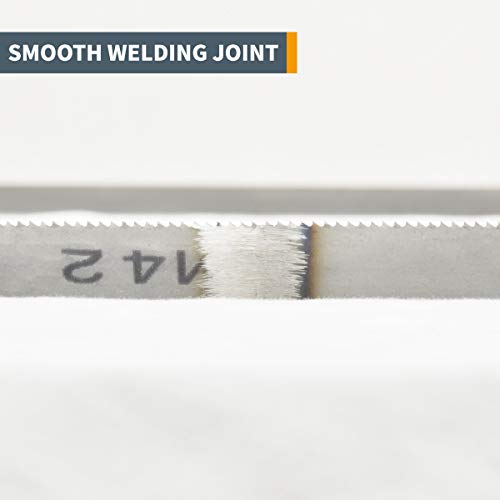
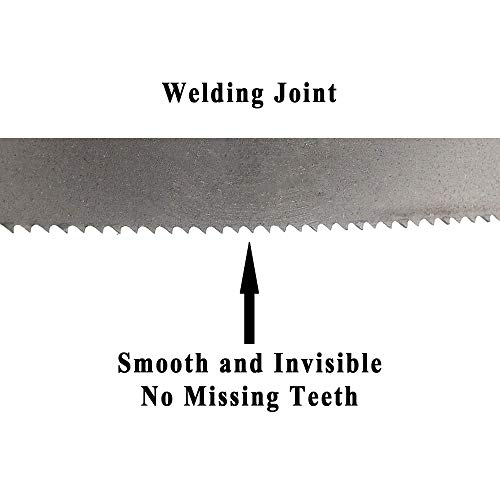
Bi-metal blades are the standard for cutting aluminum. These blades combine a high-speed steel (often M42 cobalt) tooth for hardness and wear resistance with a more flexible backing steel for durability. You’ll find that blades with a higher cobalt content (8% is common) will hold an edge longer, especially when working with abrasive aluminum alloys. The quality of the weld joining the teeth to the backing also matters; a weak weld point is a common failure point. I’ve seen a lot of frustration from guys trying to save a few bucks on a blade only to have it break at the weld.
- A narrow kerf width explained minimizes material waste, which is especially important with expensive aluminum stock.
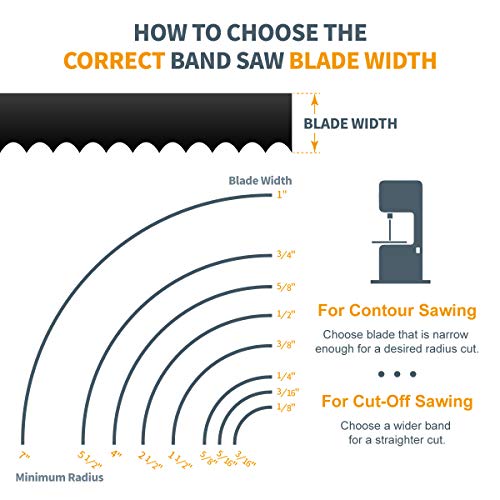
- Consider the blade’s width. Wider blades (3/4 inch or 1 inch) are better for straight cuts on thicker material, providing more stability.
- For intricate curves or detailed work, a 1/2-inch blade offers greater maneuverability. The Imachinist 132″ blade is a good example of a heavy-duty option for larger projects needing a wider cut.
Value and Application
Don’t automatically assume the most expensive blade is the best. The Bosch 62″ blade is a solid overall performer, but the POWERTEC 80″ blade offers excellent value for hobbyists and those doing occasional aluminum work. Think about the volume of cutting you’ll be doing. If you’re a professional fabricator cutting aluminum all day, investing in a premium blade with higher cobalt content is justified. For occasional use, a more affordable blade may suffice. Also, consider the specific alloy of aluminum you’re cutting; some alloys are more abrasive than others, requiring a blade with greater wear resistance. I recommend keeping a selection of blades on hand, each optimized for a different application – a fine-tooth blade for thin sheet metal and a coarser blade for thicker extrusions.
A good rule of thumb is to reduce your feed rate when cutting aluminum compared to steel. This allows the blade to clear chips effectively and reduces the risk of blade damage.
Band Saw Blade for Aluminums Compared
Here’s a comparison of specifications for band saw blades designed for cutting aluminum.
| Product Title | Length (in) | Width (in) | Thickness (in) | TPI | Blade Type |
|---|---|---|---|---|---|
| Bosch 62″ 18 TPI Stationary Blade | 62 | 1/2 | 0.025 | 18 | Bi-Metal |
| POWERTEC 80″ 14 TPI Bi-Metal Blade | 80 | 1/2 | 0.025 | 14 | Bi-Metal |
| POWERTEC 93″ 10/14 TPI Bi-Metal Blade | 93 | 3/4 | 0.035 | 10/14 | Bi-Metal |
| FOXBC 62″ 24 TPI Metal Cutting Blade | 62 | 1/2 | 0.025 | 24 | Bi-Metal |
| Imachinist 64-1/2″ 6/10 TPI Blade | 64.5 | 1/2 | 0.025 | 6/10 | Bi-Metal |
| Imachinist 132″ 1″ Wide Variable TPI Blade | 132 | 1 | 0.035 | 6/10 | Bi-Metal |
| Imachinist 80″ 6/10 TPI Bi-Metal Blade | 80 | 1/2 | 0.025 | 6/10 | Bi-Metal |
Frequently Asked Questions
What TPI is best for cutting thin aluminum sheet metal?
A higher TPI, generally between 18 and 24, is best for thin aluminum because it creates a cleaner cut with less vibration and minimizes material grabbing. Lower TPI blades can easily catch and deform thinner stock.
Will any band saw blade work on aluminum?
No, using a blade designed for wood or steel will quickly dull and provide poor results. Aluminum requires a bi-metal blade with a high cobalt content, like M42, to resist wear and heat buildup – you’ll find aluminum-specific saw blades are specifically designed for this.
How can I extend the life of my aluminum cutting band saw blade?
Reducing your feed rate is key; slower speeds allow the blade to clear chips and reduce friction. Also, using a blade lubricant specifically formulated for aluminum will significantly reduce heat and wear.
What does “variable TPI” mean, and is it useful?
Variable TPI blades have different tooth counts along their length, typically alternating between a coarser and finer pitch. This allows you to tackle a wider range of aluminum thicknesses with a single blade, making it a versatile option.
Is a wider blade always better for aluminum cutting?
Not necessarily. While wider blades (3/4″ or 1″) offer more stability for straight cuts on thicker material, a narrower blade (1/2″) is much easier to maneuver for curved cuts or intricate shapes. Many users find a selection of saw blades for aluminum cutting in different widths to be the most practical approach.
The Bottom Line
Choosing a band saw blade for aluminum always involves balancing cut quality with cost and the specific demands of your projects. Ultimately, the Bosch 62″ 18 TPI Stationary Blade strikes the best balance for most users, offering a good combination of durability, precision, and reasonable price. It’s a solid all-around performer that will handle a variety of aluminum thicknesses and applications without breaking the bank.
If you’re on a tighter budget or primarily work with thinner aluminum, the POWERTEC 80″ 14 TPI Bi-Metal Blade is an excellent value. For those tackling larger projects or needing maximum versatility, the Imachinist 132″ 1″ Wide Variable TPI Blade offers the widest cutting capacity and the flexibility of variable tooth counts. Remember to check your saw’s specifications for appropriate blade length width thickness before purchasing.
More than any specific blade feature, focusing on the fundamentals is key. Proper blade tension, the right cutting speed, and a consistent feed rate will always deliver better results than a premium blade used improperly. Understanding your aluminum alloy and choosing a TPI appropriate for its thickness are the most impactful decisions you’ll make.
