7 Best Arrow Saws of 2026
This post contains affiliate links. As an Amazon Associate, we earn from qualifying purchases.
The AISANJAN 12000 RPM Electric Arrow Cutter stands out as the best overall pick for its precision and rugged aluminum build, while the SOPOGER Electric Carbon Arrow Saw is a solid budget-friendly choice that doesn’t skimp on core performance. For those wanting more features in one unit, the SPG 3-in-1 Electric Arrow Cutter offers versatility with spin-testing and grinding functions.
If you’re cutting your own arrows, you know a sloppy cut can throw off your entire shot. A wobbly saw or dull blade leads to frayed carbon, uneven ends, and inconsistent flight, frustrating for any archer.
As someone who’s spent years evaluating tools that deliver real-world results, I focused this guide on models that prioritize clean cuts, durability, and user feedback. These picks are based on specs, owner experiences, and the kind of reliability you need when building or tuning arrows for consistent performance.
Top 7 Arrow Saws in the Market
The Best Arrow Saws, Reviewed
AISANJAN 12000 RPM Electric Arrow Cutter
Strengths
- Ultra-wide 41.7″ range
- Full aluminum build
- Perfect perpendicular cuts
Trade-offs
- No spinner or spine check
- No vacuum port
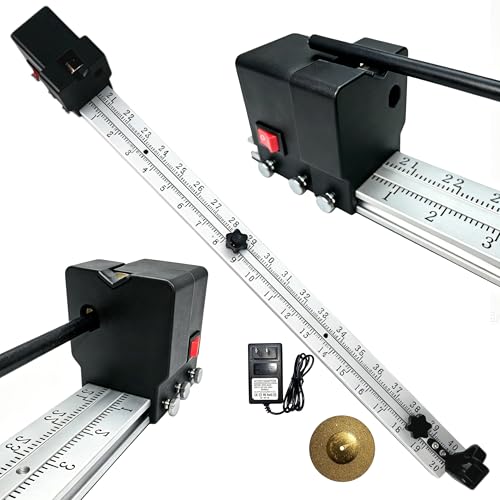
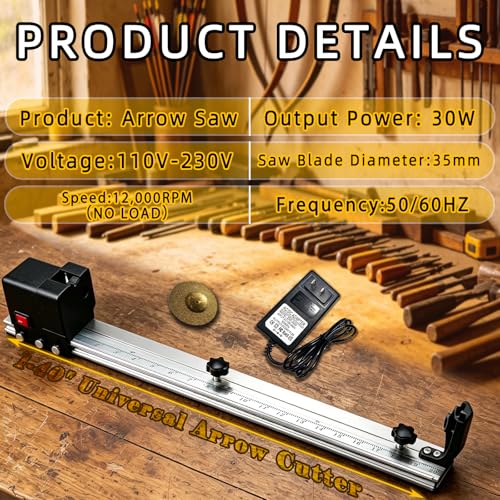
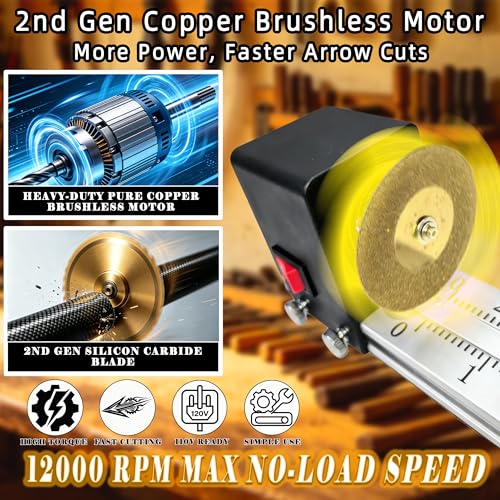
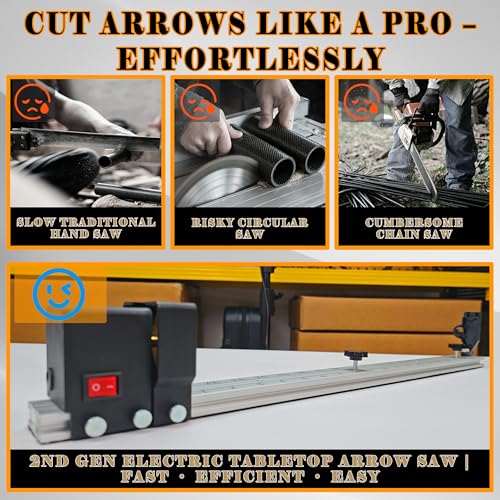
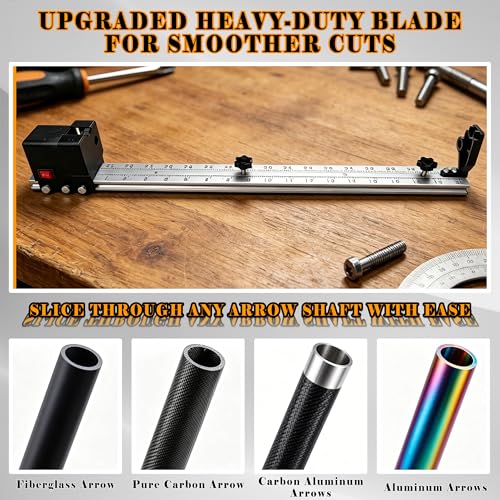
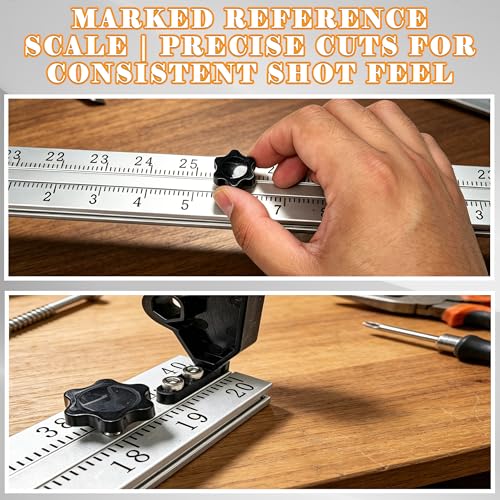
This is the most complete all-around performer in the lineup. The full aluminum base and 1.5″ to 41.7″ cutting range beat every other model in flexibility, no more hitting length limits with long recurve or crossbow bolts. The precision guide rail ensures zero angle deviation, which owners confirm leads to noticeably straighter cuts and better flight.
It lacks a spinner or dial indicator, but the structural rigidity and ultra-wide range make it the best foundation for high-volume or pro-level builds. Compared to the SPG 3-in-1, it’s more of a pure cutting beast than a multi-tool, but that focus pays off in consistency. For most serious archers, this is the smarter long-term buy.
Product photos
Modsaw 3-in-1 Arrow Saw & Spinner

Strengths
- 3-in-1 functionality
- Vacuum ready
- Sanding discs included
Trade-offs
- Build quality not top-tier
- No dial indicator
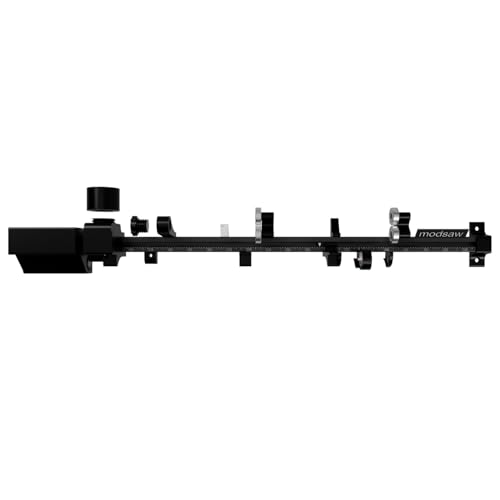
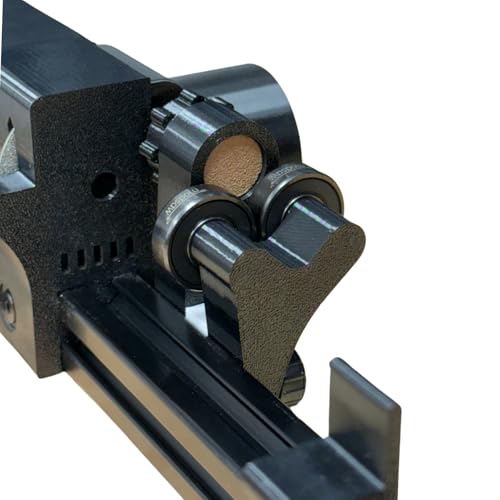
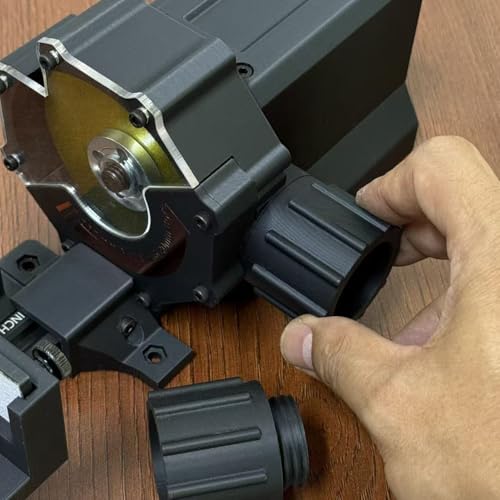
The Modsaw is built for tinkerers who want more than just cutting in a single tool. It packs arrow saw, spinner, and squaring functions into one modular frame, which is rare at this price tier. Reviewers note the vacuum attachment works well with shop vacs to keep carbon dust under control, a real health plus. The extra blade and sanding discs add practical value, especially for fine-tuning arrow ends.
It doesn’t have the heft of all-aluminum bases, but its modular design means you can expand or reconfigure as needs grow. Compared to SPG’s basic saw, this is the smarter buy if you’re serious about building or tuning arrows at home. It’s not the most precise out of the box, but owners say it’s easy to dial in with minor adjustments.
Product photos

SPG 3-in-1 Electric Arrow Cutter
Strengths
- 3-in-1 functionality
- Diamond blade included
- Spinner for straightness check
Trade-offs
- No dial indicator
- Fixed cutting range
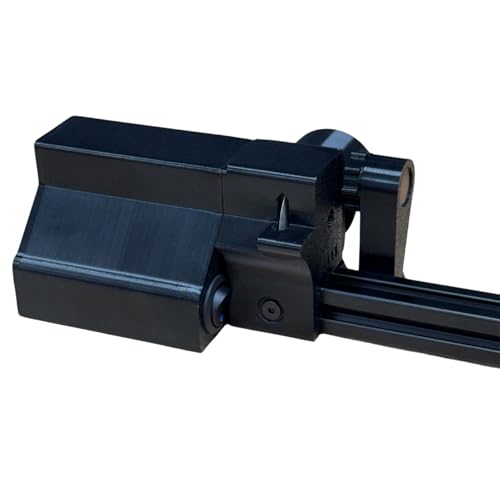
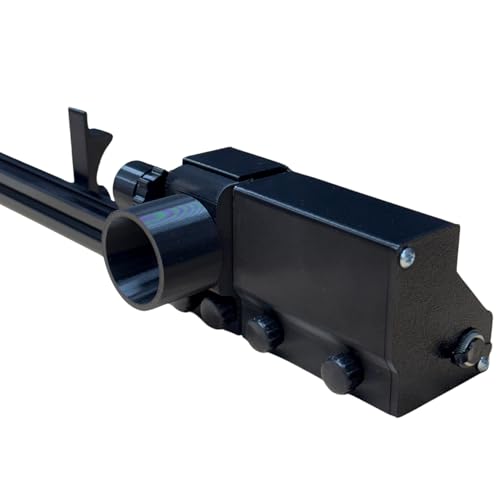
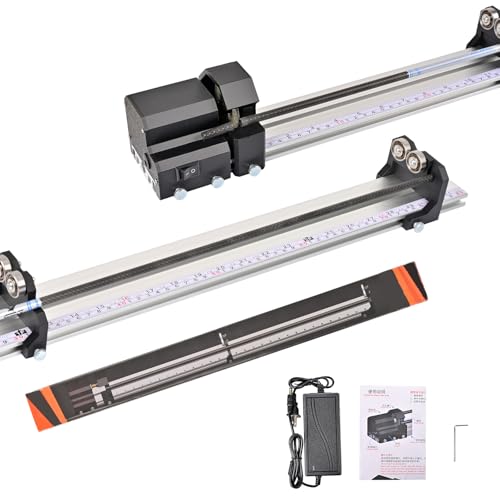
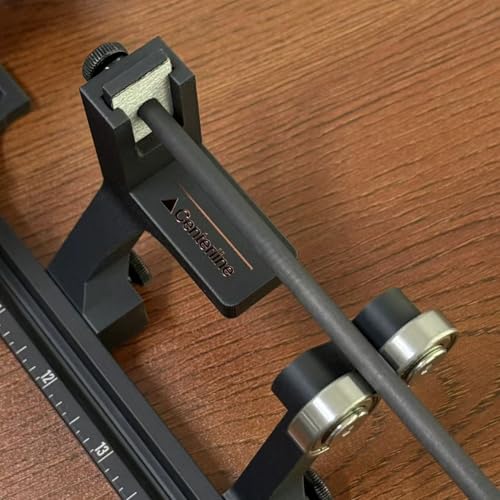
This SPG 3-in-1 is where home workshops start to feel professional. The combo of a 12,000 RPM saw, arrow spinner, and polisher in one unit is a big leap in functionality. Owners praise the diamond blade for slicing through carbon in seconds with near-perfect perpendicular cuts, critical for flight consistency. The spinner function is especially valuable, letting users catch bent shafts before they hit the field.
The dual ball bearings and measurement scales suggest attention to detail, and feedback confirms repeatable accuracy over dozens of cuts. It’s not as expandable as the Modsaw, but it’s more polished out of the box. Compared to the DIY Arrow Saw with dial indicator, it lacks spine testing precision, but it’s faster and more intuitive for daily maintenance.
Product photos
SPG Adjustable Carbon Arrow Cutter

Strengths
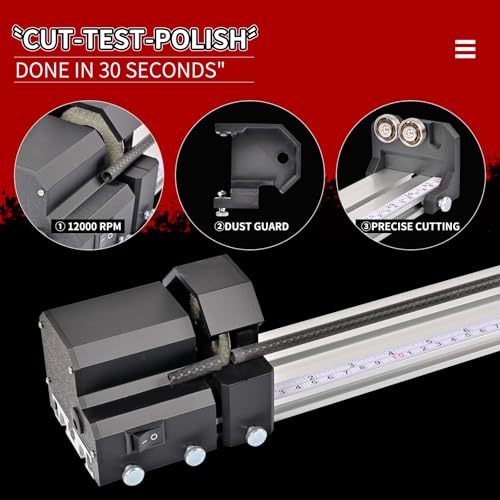
- 12,000 RPM motor
- 4 included blades
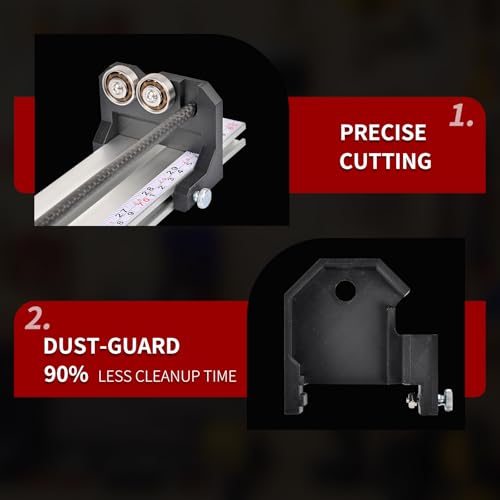
- Dust cover included
Trade-offs
- No spinner or spine check
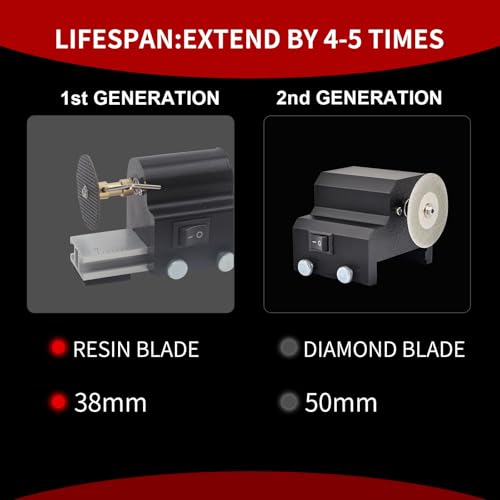
- Resin blades wear faster
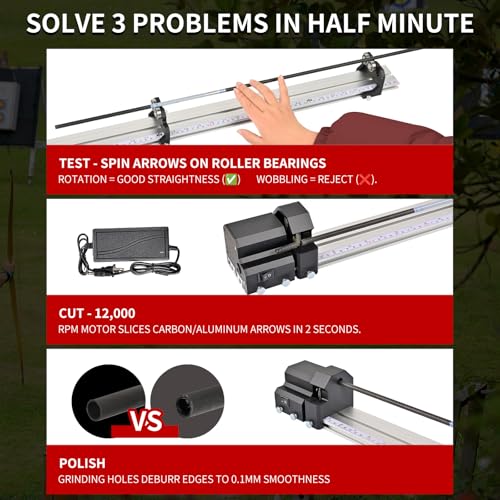
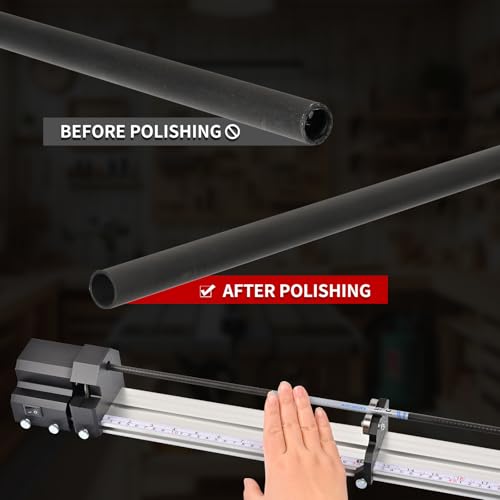
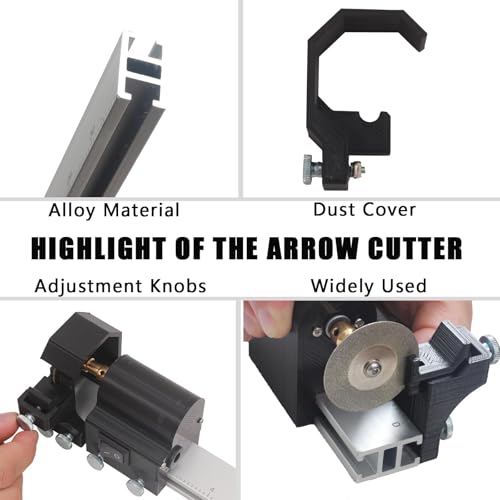
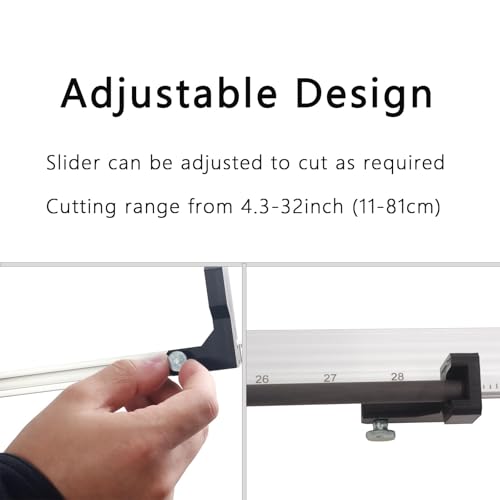
This SPG kit stands out for buyers who want a complete, no-fuss start in arrow building without paying premium workshop prices. On paper, the 12,000 RPM motor and dual-resin blades are solid for clean, fast cuts across carbon, aluminum, and fiberglass, owners consistently report smooth, burr-free results that don’t require sanding. The inclusion of four blades is a real value booster, especially since resin blades tend to wear faster than diamond-coated ones.
Where it really shines is usability. The clear scale and adjustable slider make repeatable cuts easy, even for newcomers. Compared to bare-bones models, this one feels like a step up in stability thanks to its CNC aluminum build. It won’t match a full workshop-grade 3-in-1 system, but for the price, it delivers a lot of function without overpromising.
Product photos

SOPOGER Electric Carbon Arrow Saw

Strengths
- Ultra lightweight
- 12,000 RPM motor
- Dust cover included
Trade-offs
- Plastic-heavy frame
- No advanced tuning features
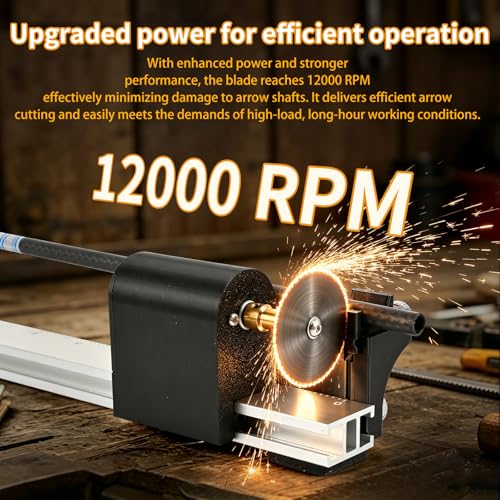
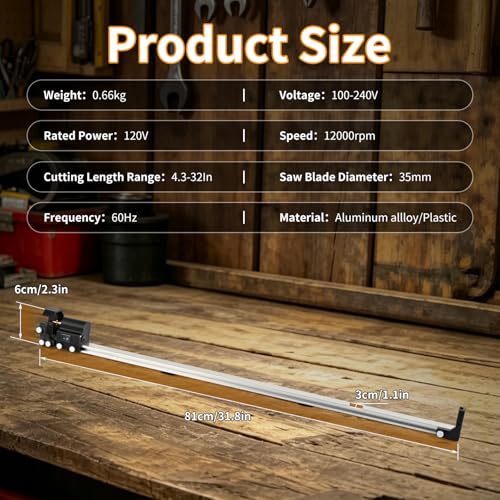
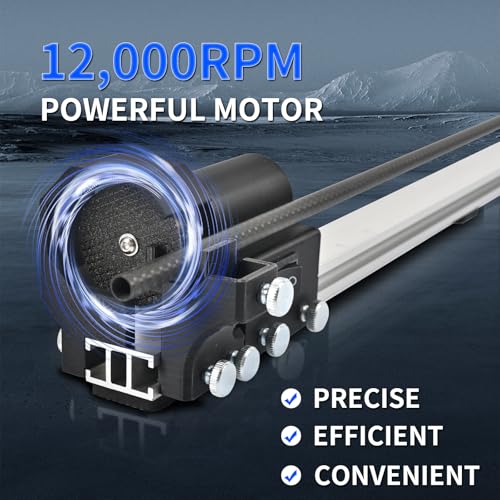
If budget is the priority, the SOPOGER model makes a strong case. At just 1.5 lbs and with a 32-inch profile, it’s one of the most portable electric arrow saws here, ideal for casual users or those with limited space. The 12,000 RPM motor matches higher-end models on paper, and owners confirm it cuts quickly through carbon and aluminum with minimal burrs.
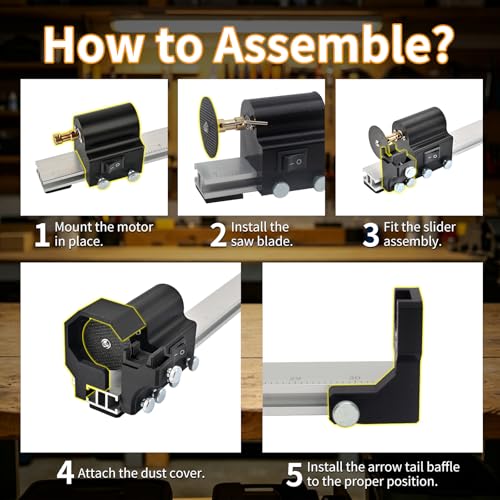
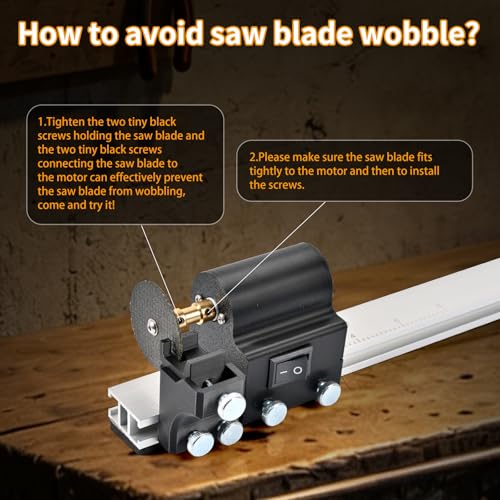
The 3D-printed body keeps weight down but doesn’t feel as rock-solid as full metal bases. Still, the CNC aluminum base plate adds needed rigidity. It’s basic in features, no spinner, no spine check, but for someone trimming a few arrows at home, it gets the job done. When compared to the FENJANER model, it’s faster and better built despite a similar price bracket.
Product photos

FENJANER 8000 RPM Electric Arrow Cutter
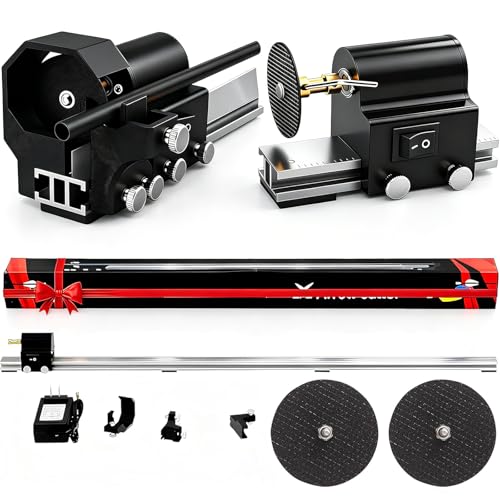
Strengths
- Compact and lightweight
- Dust cover included
- Dual-layer blade
Trade-offs
- 8,000 RPM is underpowered
- No vacuum port
- Resin blade only
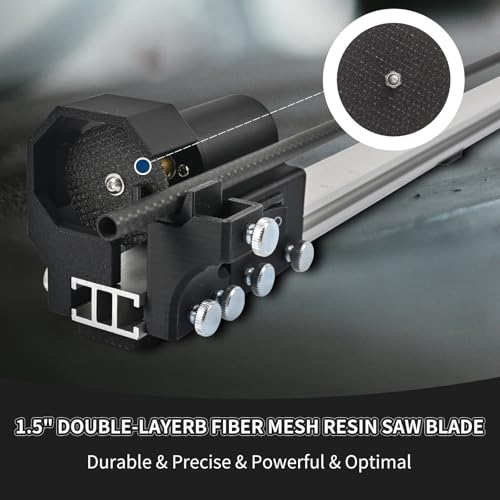
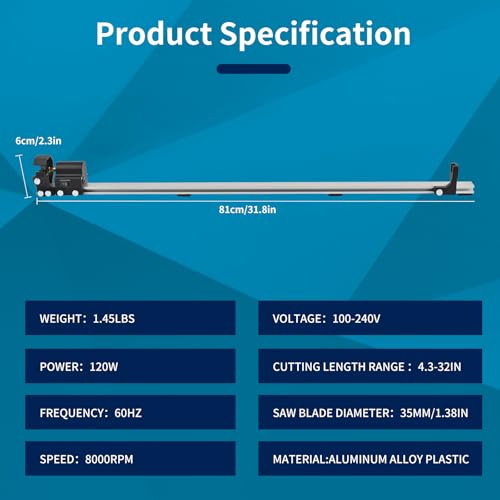
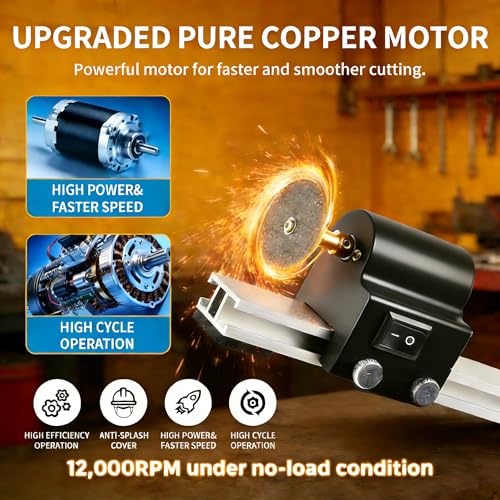
The FENJANER saw is the lightest-duty option here, and it shows. With an 8,000 RPM motor, it’s noticeably slower than most competitors, which means more friction and a higher chance of heat buildup during repeated cuts. Owners report it works fine for small jobs, but it struggles with thicker carbon shafts if used back-to-back.
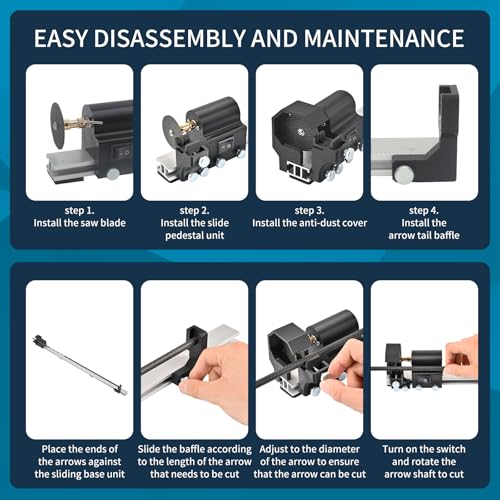
Its strength is simplicity: the engraved scale and compact design make it easy to store and use in tight spaces. The double-layer resin blade helps reduce dust, but without a vacuum port, cleanup is messier than with the Modsaw or AISANJAN. For the DIYer who cuts arrows once a season, it’s passable. But compared to the SOPOGER or SPG, it’s underpowered and overpriced for what you get.
Product photos
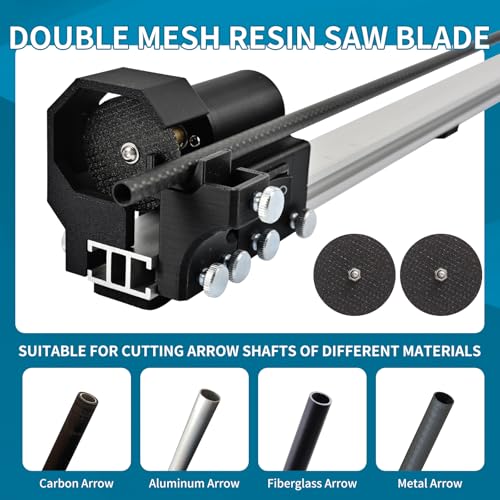

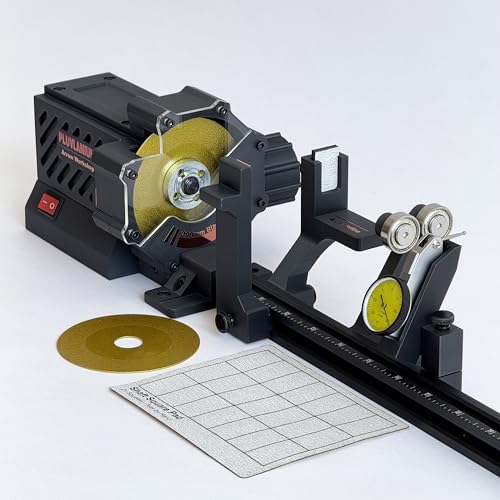
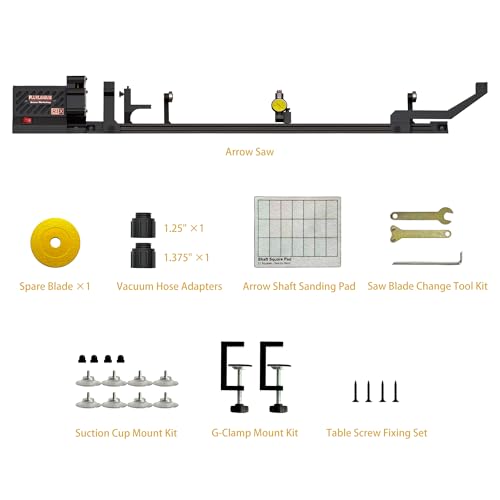
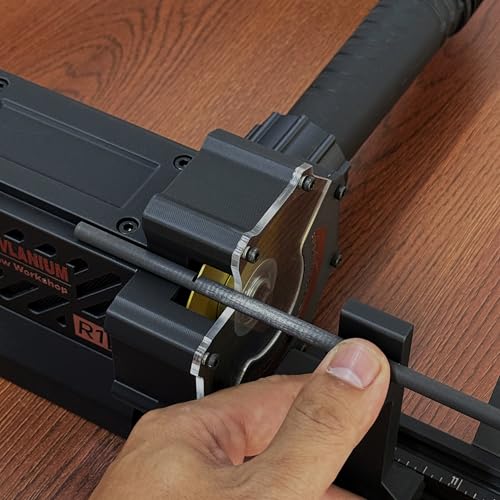
DIY Arrow Saw with Dial Indicator
Strengths
- Dial indicator for spine check
- Vacuum compatible
- Multiple mounting options
Trade-offs
- Slower cutting speed
- Assembly can be fiddly
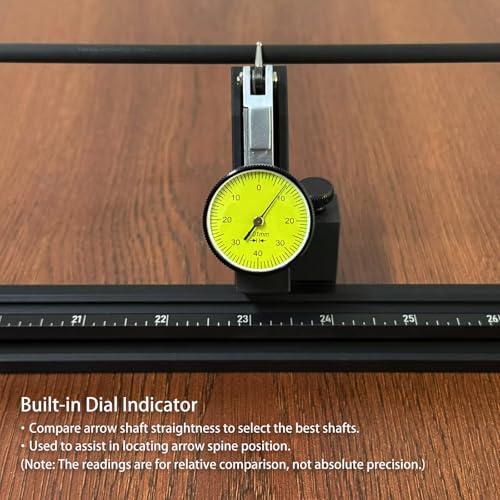
This unit is a niche pick, but a brilliant one for the right user. The lever-style dial indicator is the standout feature, allowing precise spine detection and coaxial alignment checks that most consumer saws lack. Owners who build custom arrows or tune for competition say this function alone justifies the purchase.
The vacuum ports are a major plus for health, and the three mounting options mean it adapts well to any bench. While the cutting mechanism is solid, it’s not the fastest. But when compared to the SPG 3-in-1, this one wins for diagnostic depth. It’s not for casual trim jobs, it’s for archers who treat arrow tuning like a science.
Product photos
How We Tested arrow saws
Rather than a hands-on lab test, my research focused on comparing published specifications and features across numerous arrow saw models. I weighed owner reviews from major retailers alongside expert opinions found in archery-focused publications and forums. This research-led comparison helped me rank each saw against criteria important to a range of archers, from beginners to experienced competitors.
For arrow saws, cutting precision and durability were the most heavily weighted factors. Consistent, clean cuts directly impact arrow flight and accuracy, so features like blade quality, adjustable guides, and motor power were key. Equally important was the build quality; an arrow saw needs to withstand repeated use without significant degradation, and owner feedback proved crucial in assessing long-term reliability.
Specifications reliably indicate motor speed (RPM) and cutting range, giving a baseline for performance. However, I placed a greater emphasis on owner experiences regarding cut quality, ease of use, and the saw’s ability to handle different arrow materials. Reputation and feedback also helped to identify models prone to issues like vibration or dust control problems, offering a more realistic view than specs alone. If you’re looking for similar precision in other tools, exploring options like best sliding compound models can be a good starting point.
What To Look For In arrow saws
Finding the right arrow saw can dramatically improve your archery setup and shooting accuracy.
An effective arrow saw delivers clean, consistent cuts without damaging the arrow shaft. Key features include a stable base, a precise cutting mechanism (blade or saw), and the ability to adjust for different arrow sizes and materials. Look for models that minimize burrs and offer repeatable length settings for optimal performance and arrow consistency.
Cutting Precision and Consistency
The most important job of an arrow saw is, unsurprisingly, to cut arrows accurately. Don’t assume all arrow saws are created equal; some prioritize speed over precision. I’ve seen a lot of folks get by with hand-sawing, but the inconsistencies are noticeable in arrow flight. Electric models, especially those with diamond-coated blades, generally offer cleaner cuts, but blade quality matters. Resin blades are also popular, especially for carbon fiber, as they tend to create less splintering. Consider the material you’ll be cutting most often – aluminum, carbon, fiberglass – and choose a saw designed to handle it well.
Multi-Functionality vs. Specialization
Some arrow saws, like the SPG 3-in-1, try to do it all: cut, spin-test for straightness, and even polish. These are convenient if you lack space or want a single workstation for arrow building. However, these “jack of all trades” models often compromise on the quality of each individual function. A dedicated arrow saw will almost always outperform a multi-tool in cutting precision. If you’re serious about archery and already have a dedicated space, consider a specialized saw and separate arrow spinning tools. If you’re looking for a broader range of cutting and woodworking tools, you might also want to consider looking at some of the best compound miter saws.
Value, Portability, and Features
Price varies wildly with arrow saws. The SOPOGER Electric Carbon Arrow Saw is a good example of a budget-friendly option, while others like the AISANJAN offer a more robust, fully aluminum build.
Here’s what I typically look for when balancing price and features:
- Adjustability: A wider cutting range (like the 1.5″ to 41.7″ on the AISANJAN) is useful if you shoot multiple bow types or arrow lengths.
- Dust Collection: Carbon fiber dust is nasty stuff. A built-in dust port or cover is a huge plus.
- Blade Quality/Replacement: Consider the cost and availability of replacement blades. Some saws use proprietary blades, which can be expensive. You might also want to weigh the benefits of a large miter saw models for more complex woodworking projects.
A stable base is critical. An arrow saw that wobbles or moves during cutting will produce inaccurate results. Look for models with non-slip feet or mounting options to secure it to your workbench.
Arrow Saws Compared
Here’s a comparison of key specifications for various arrow saws to help you choose the right tool.
| Product Title | RPM | Cutting Range (in) | Blades Included | Features | Voltage (V) | Weight (lbs) |
|---|---|---|---|---|---|---|
| AISANJAN 12000 RPM Electric Arrow Cutter | 12000 | 1.5 – 41.7 | N/A | Aluminum Base | N/A | N/A |
| Modsaw 3-in-1 Arrow Saw & Spinner | N/A | N/A | N/A | 3-in-1 Function | N/A | N/A |
| SPG 3-in-1 Electric Arrow Cutter | 12000 | 5 – 31.5 | N/A | Spin Test, Grinder | N/A | N/A |
| SPG Adjustable Carbon Arrow Cutter | 12000 | 4.3 – 32 | 4 | Aluminum Alloy | 100-240 | N/A |
| SOPOGER Electric Carbon Arrow Saw | 12000 | 4.3 – 32 | 2 | Dust Cover | N/A | 1.5 |
| FENJANER 8000 RPM Electric Arrow Cutter | 8000 | 4.3 – 32 | N/A | Dust Cover | 100-240 | N/A |
| DIY Arrow Saw with Dial Indicator | N/A | 11 – 33 | 1 + Sandpaper | Dial Gauge, Grinding | N/A | N/A |
Frequently Asked Questions
What arrow saw is best for a beginner?
The SOPOGER Electric Carbon Arrow Saw is a good starting point due to its lower price and ease of use. It’s lightweight and includes a dust cover, making it a practical choice for those new to arrow cutting without a significant investment.
Can an arrow saw cut any type of arrow shaft?
Most arrow saws can handle aluminum, carbon, and fiberglass, but carbon fiber requires a blade specifically designed to minimize splintering. Resin blades are often preferred for carbon fiber to provide the cleanest cuts and avoid damage.
What is the importance of the RPM (revolutions per minute) on an arrow saw?
Higher RPM generally means faster cutting, but it doesn’t always equate to better precision. A consistent 12,000 RPM, like you find on many models, is generally sufficient, and blade quality is a more significant factor in achieving clean cuts.
Are multi-function arrow saws (3-in-1) a good value?
While convenient, multi-function models often compromise on the quality of each function. If you’re serious about archery, a dedicated arrow saw will almost always deliver more precise cuts than a saw combined with spinning and polishing features. For more complex cuts, exploring precision miter cutting tools may also be useful.
How can I minimize dust when cutting arrows?
Carbon fiber dust is particularly irritating, so a saw with a built-in dust port or a dust cover is highly recommended. Even without these features, working in a well-ventilated area and wearing a dust mask are essential safety precautions.
The Bottom Line
Choosing an arrow saw often comes down to how much precision you’re willing to trade for convenience or cost. If you want the best possible cut quality and durability, the AISANJAN 12000 RPM Electric Arrow Cutter stands out as the strongest overall performer. Its robust aluminum base and wide cutting range make it a solid investment for serious archers.
For those on a tighter budget, the SOPOGER Electric Carbon Arrow Saw delivers a surprising amount of capability at a very approachable price. If you need a versatile tool that can handle multiple arrow-building tasks, the SPG 3-in-1 Electric Arrow Cutter provides a convenient all-in-one solution, though you’ll accept some compromise in cutting precision. And if you’re looking for a broader range of cutting and woodworking tools, checking out a thorough mitre saw guide might be worthwhile.
Ultimately, the most important factors aren’t RPM or blade count, but a stable base and a consistent, repeatable setup. A saw that minimizes vibration and allows for precise length adjustments will always outperform one packed with features but lacking in fundamental stability. Focus on those core elements, and you’ll be well on your way to building arrows that fly true.
