
7 Best 16 Inch Gas Chainsaws of 2026
This post contains affiliate links. As an Amazon Associate, we earn from qualifying purchases.
The WORKIT 58CC stands out as the most powerful option for demanding tasks, making it our top overall pick, while the Husqvarna 130 offers reliable performance and easier handling, earning it the spot as the best budget-friendly choice for homeowners. For those wanting a balance of durability and smooth operation, the NH843 43cc is a strong contender.
If you’re looking at a 16-inch gas chainsaw, you’re probably dealing with more than just light yard work. Whether it’s cutting firewood, clearing storm damage, or maintaining trees around your property, the wrong saw can leave you struggling with kickback, fatigue, or constant starting issues.
This guide cuts through the noise, focusing on real-world performance factors like engine reliability, vibration control, and ease of maintenance. I compared specs, analyzed owner feedback, and evaluated key features to identify the models that deliver the best mix of power, comfort, and value for both occasional and regular use.
Top 7 16 Inch Gas Chainsaws in the Market
The Best 16 Inch Gas Chainsaws, Reviewed
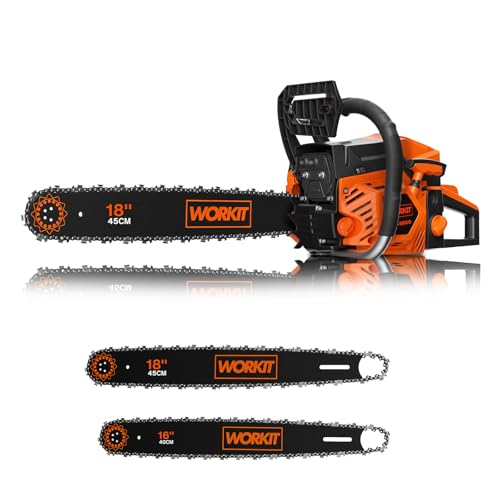
WORKIT 58CC Gas Chainsaw 16 Inch
Strengths
- High 3.6 HP output
- Commercial-grade build
- Dual safety locks
Trade-offs
- Heavy and bulky
- Loud operation
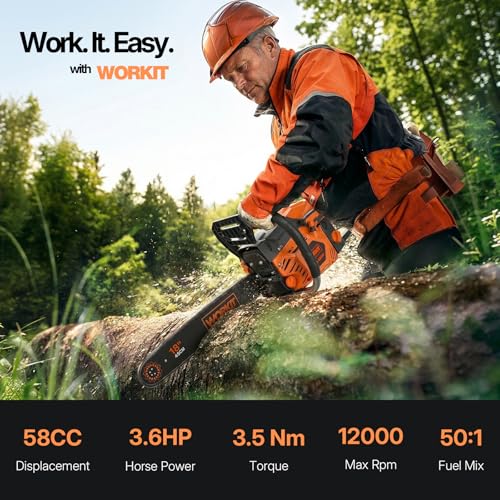
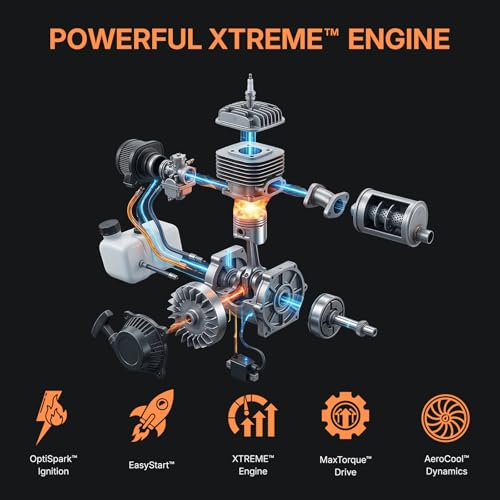
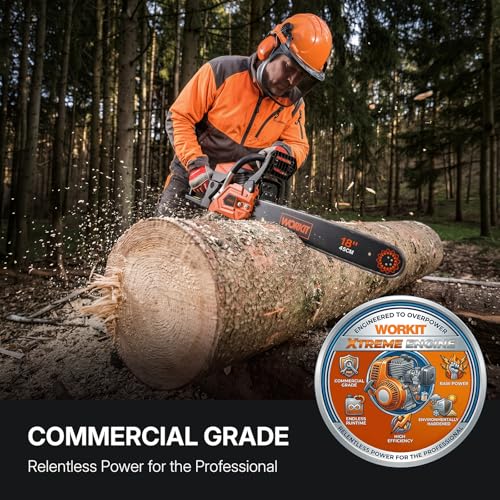
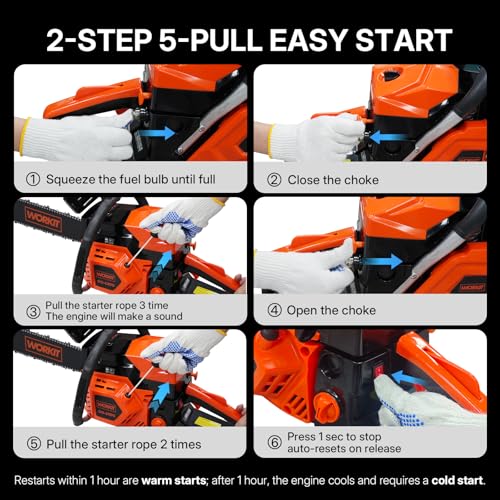
The WORKIT 58CC is overkill for most homeowners, but that’s the point. With a 3.6 HP engine, this saw is built for pros or serious landowners tackling thick hardwoods and storm-felled oaks. The engine delivers raw torque, and owners report it stays cool even during long sessions, thanks to its reinforced body and improved heat dissipation. The OptiSpark ignition makes restarts consistent, a big win when you’re working solo in the woods.
It’s not the most refined in terms of ergonomics, but the dual safety locks and one-stop switch add peace of mind. Compared to the Husqvarna 135, it’s heavier and louder, but it’s in a different league for cutting capacity. If you’re splitting more than 5 cords a year or felling trees over 18 inches, this is the smarter buy.
Product photos

SENIX 16″ 46cc 4-Stroke Chainsaw
Strengths
- No fuel mixing
- 4-stroke low emissions
- Loop handle flexibility
Trade-offs
- Less power density
- Higher weight per cc
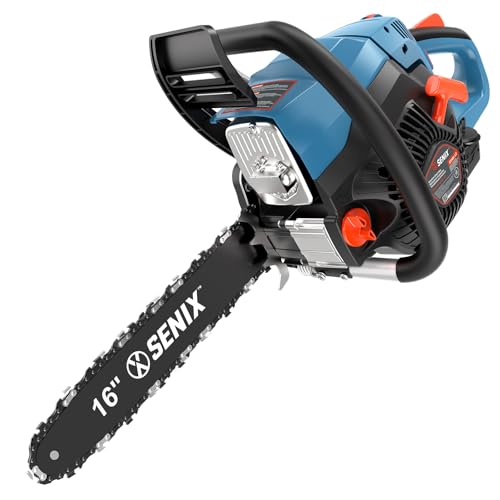
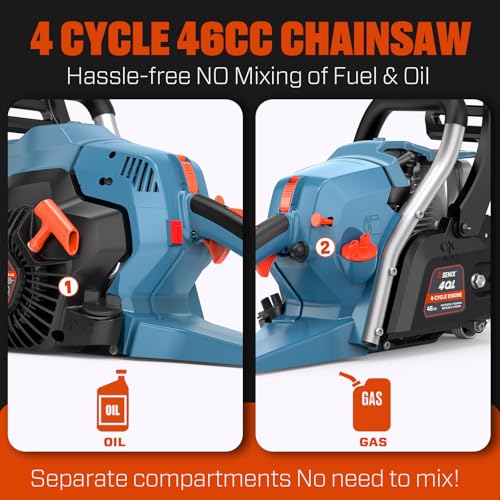
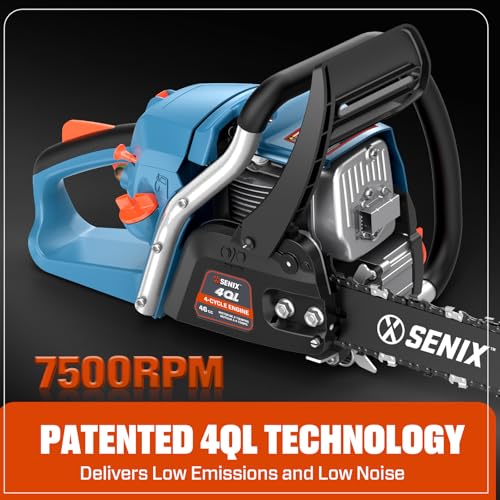
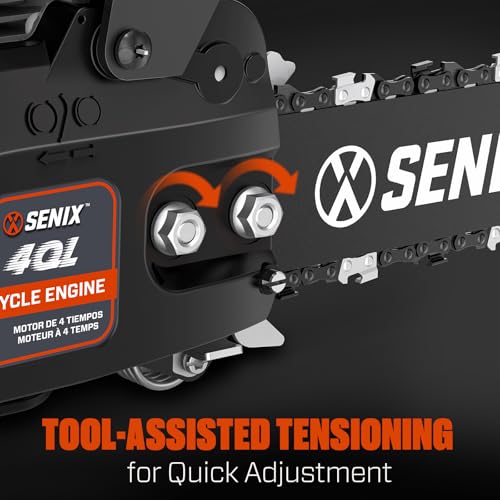
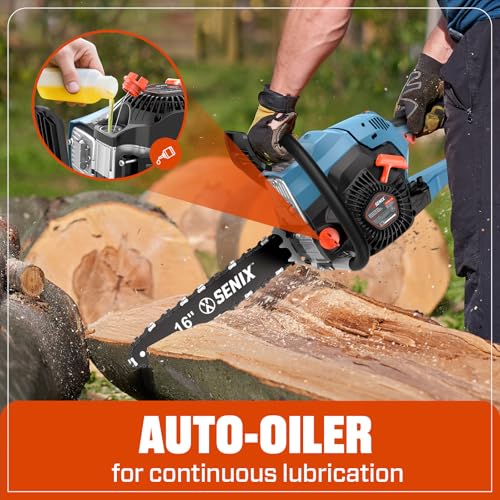
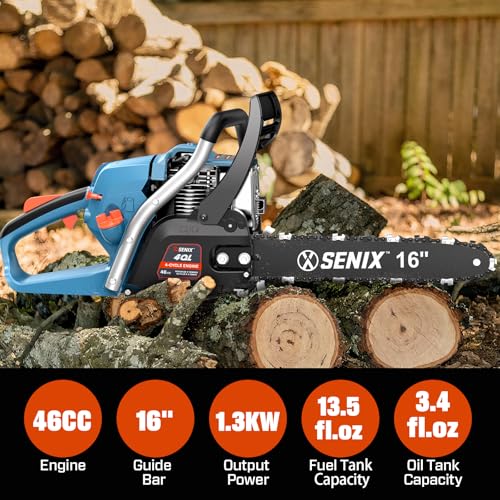
The SENIX 46cc 4-stroke is a niche pick, but a compelling one if you hate mixing fuel. The 4-cycle engine runs cleaner, quieter, and with less vibration than 2-stroke rivals, and owners appreciate not having to premix oil and gas, especially for seasonal use. It’s also rated for all-directional operation, which helps when trimming at odd angles.
That said, 4-stroke chainsaws are generally heavier for their power output, and this one feels a bit front-heavy despite its compact design. It’s not as punchy as the WORKIT or Husqvarna models, but for emissions-conscious users or those in areas with strict regulations, it’s a solid alternative. The loop handle adds versatility, especially for pole mounting.
Product photos
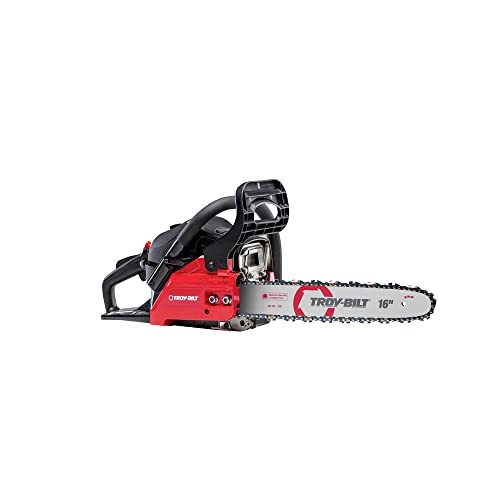
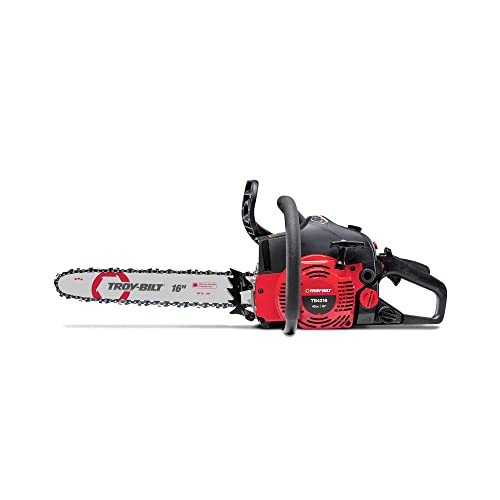
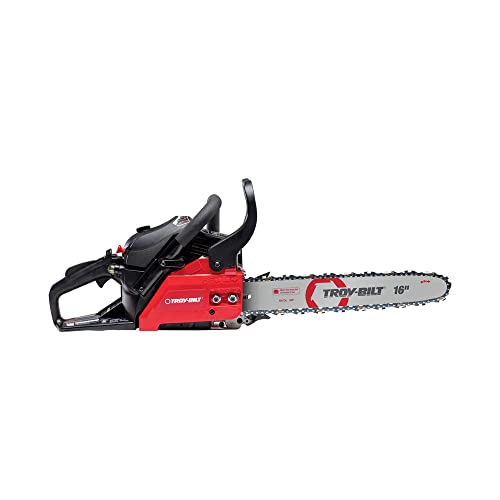
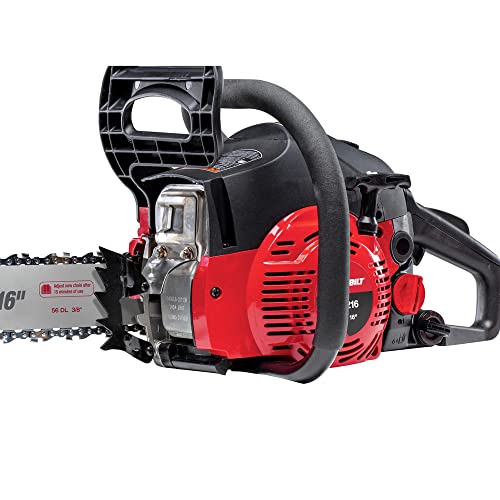
Troy-Bilt 42cc 16″ Gas Chainsaw

Strengths
- 42cc solid power
- SpringAssist start
- Anti-vibration handles
Trade-offs
- Basic air filter
- No automatic tensioner
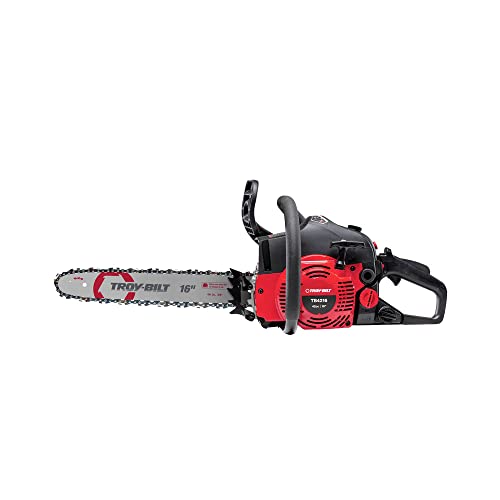
The Troy-Bilt TB4216 hits a sweet spot in the mid-range market with a 42cc engine that’s stronger than most entry-level models but still manageable for average users. The SpringAssist starter is a standout, owners report significantly less yank needed to get it running, which matters when you’re starting cold in the morning. It’s not as refined as the Husqvarna models, but for the price, it delivers solid value.
It lacks some of the premium touches like advanced air filtration or tool-less adjustments, but the 3-point anti-vibration system helps keep fatigue down during longer cuts. Compared to the Echo and Husqvarna options, it’s more basic, but if you want reliable power without overspending, this is a smart middle ground.
Product photos
Echo CS-3410-16 34.4cc Chainsaw
Strengths
- Lightweight build
- Easy starting
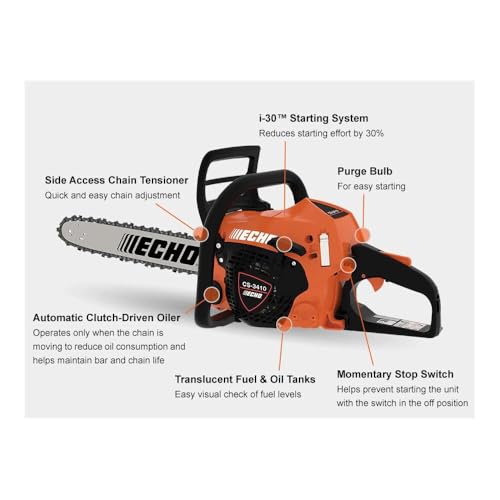
- Side-access tensioner
Trade-offs
- Smaller engine for heavy jobs
- No loop handle option
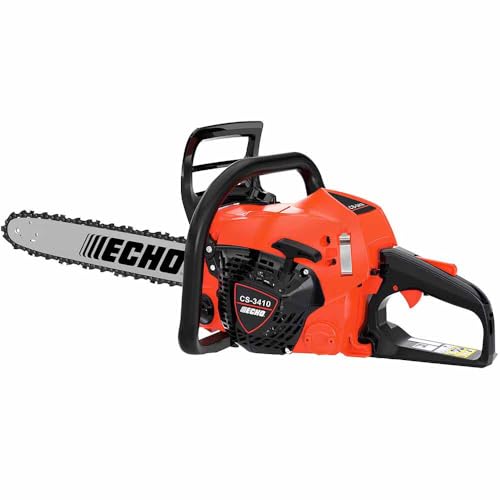
The Echo CS-3410-16 stands out in the 16-inch class for pros and serious DIYers who want a lightweight saw without sacrificing durability. On paper, the 34.4 cc engine isn’t the largest here, but owners consistently report it delivers smooth, reliable power for regular tree trimming and firewood prep. What really sets it apart is its lightweight design, it’s the lightest in its class, which makes overhead work and extended sessions far less fatiguing.
The I-30 starting system and purge bulb make cold starts noticeably easier than older models, and the side-access tensioner is a small feature that pays off in daily use. While it doesn’t have the brute force of larger 50+ cc saws, it’s more than capable for limbs up to 12 inches. For those stepping up from homeowner-grade tools, this is a smart investment in professional reliability.
Product photos
Husqvarna 130 38cc 16″ Chainsaw

Strengths
- Easy to start
- Inertia chain brake
- X-Torq fuel efficiency
Trade-offs
- Heavier than class average
- Manual chain tensioning
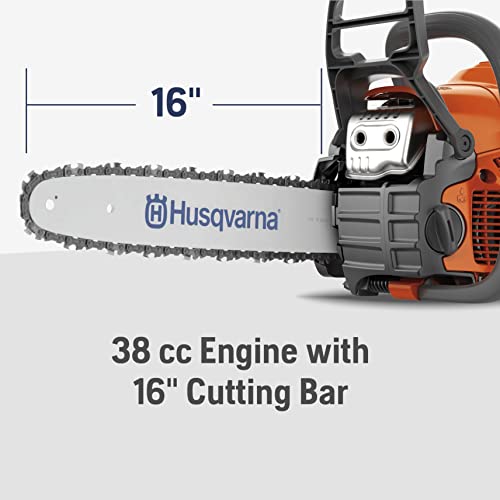
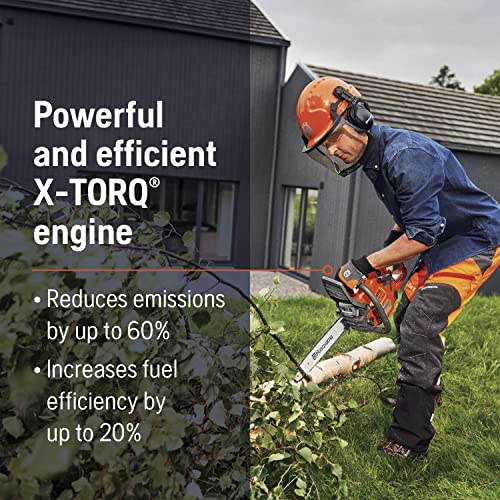
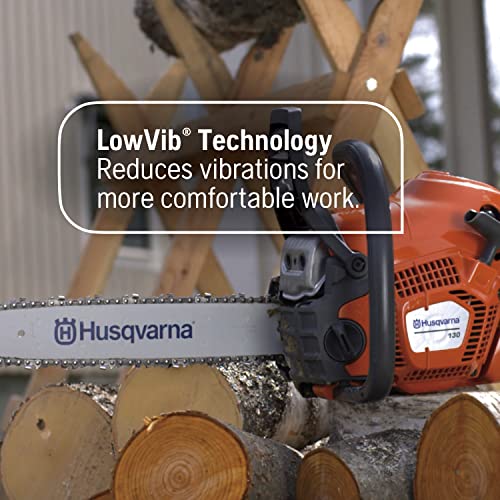
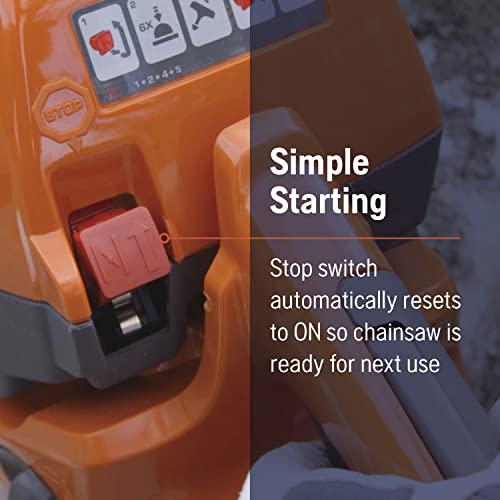
The Husqvarna 130 is clearly designed with the casual user in mind. It shares the 38 cc X-Torq engine with the 135 Mark II, but tuning and build quality make it feel more restrained, appropriate for occasional use. The combined choke/stop control simplifies starting, and owners say it fires up reliably with just a few pulls, even after sitting for months.
It’s heavier than the Echo CS-3410 despite similar specs, and the lack of a side-access tensioner means you’ll need a screwdriver for chain adjustments. But for someone with a backyard and a few trees to manage, it’s dependable and safe, especially with the inertia chain brake. I’d recommend this over the Troy-Bilt for true beginners who value simplicity and brand trust.
Product photos

NH843 43cc 16″ Gas Chainsaw
Strengths
- Ultra-lightweight
- High power efficiency
- Side carb adjuster
Trade-offs
- Limited brand support
- Minimal safety features
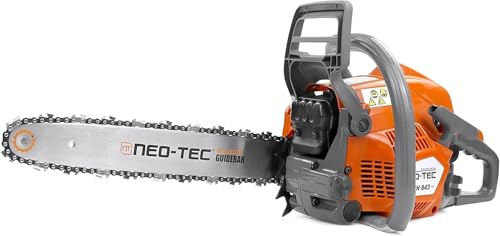
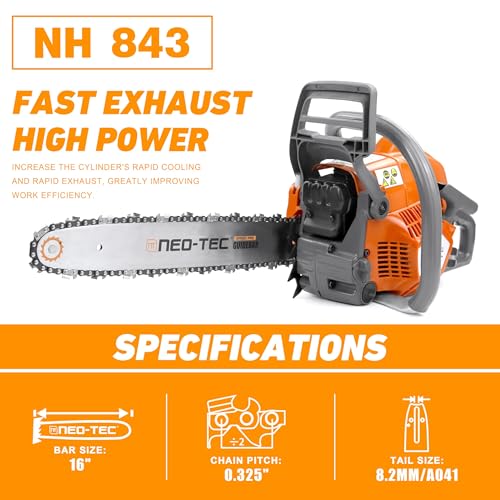
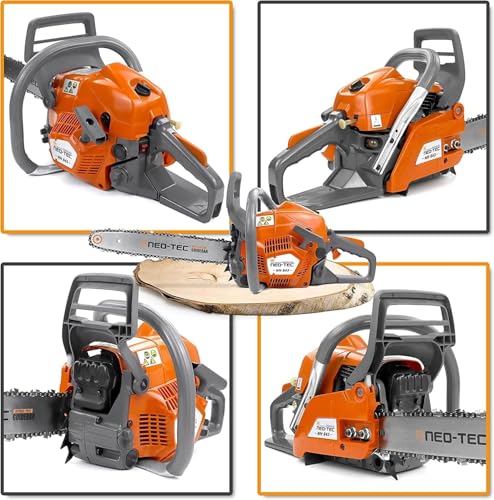
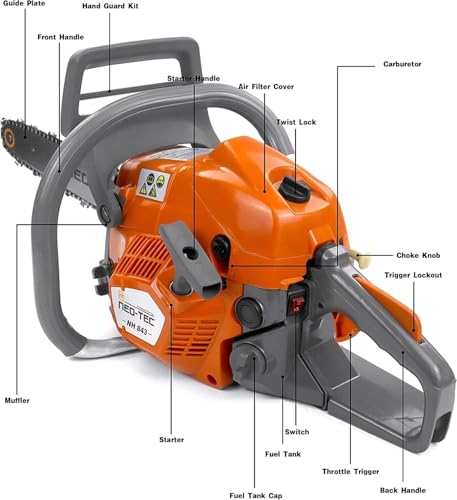
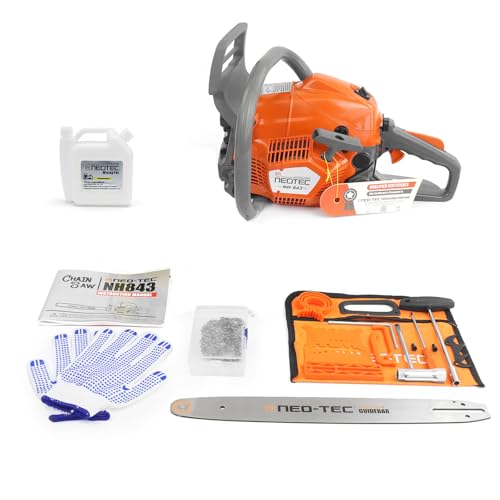
The NH843 surprises with a stellar power-to-weight ratio, at just 11 lbs with bar and chain, it’s one of the lightest 43cc saws available. The magnesium crankcase helps shed weight without sacrificing durability, and the stratified scavenging engine delivers strong performance while sipping fuel. Owners note it outperforms many larger Chinese-made saws, which often use bloated 50+ cc engines to mask inefficiency.
The digital igniter and air purge system make starting reliable, and the side-mounted carb adjuster is a rare feature at this level. It’s not backed by a major brand, but the specs and owner feedback suggest solid engineering. Compared to the Troy-Bilt, it’s lighter and more efficient, though service networks may be spottier.
Product photos

Husqvarna 135 Mark II 16″

Strengths
- X-Torq engine efficiency
- Air Injection system
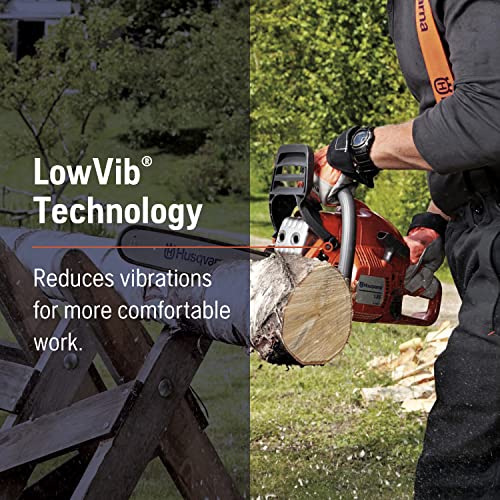
- LowVib dampening
Trade-offs
- Heavier than some
- No side-access tensioner
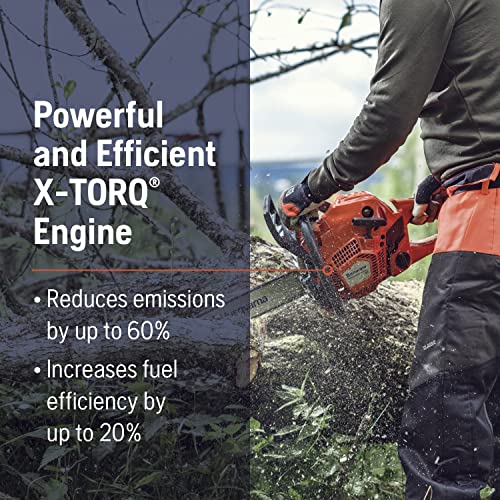
If you’re moving up from a basic homeowner saw, the Husqvarna 135 Mark II is a logical next step. The 38 cc X-Torq engine delivers strong low-end torque, which means it keeps pulling even when the cut binds, something owners praise during firewood sessions. The Smart Start system works as advertised, reducing pull resistance, and the Air Injection tech helps the air filter last longer in dusty conditions, a real plus if you’re cutting dry, dirty wood.
Compared to the Echo CS-3410, this one feels slightly heavier, but the LowVib system does a good job reducing fatigue. It’s not built for all-day commercial use, but it’s more capable than the 130 model. I’d pick this over the 130 if you’re cutting more than a few cords a year.
Product photos



How We Picked These 16 inch gas chainsaws
Rather than a hands-on lab test, my research focused on comparing published specifications and features across numerous 16-inch gas chainsaw models. I weighed owner reviews from major retailers alongside professional evaluations found in tool-focused publications. My analysis considered each saw against clear criteria, drawing on over 15 years of experience with power tools and workshop equipment to assess real-world usability.
For this category, engine displacement (cc) and power output (HP) were heavily weighted because they directly impact a chainsaw’s ability to handle different wood types and cutting tasks. Equally important was the inclusion of features designed to improve user experience – things like starting systems, anti-vibration technology, and tool-less chain tensioning. These details often separate a frustrating tool from a genuinely useful one.
Published specs reliably indicate engine size and potential power, but I placed significant value on owner feedback regarding starting reliability and long-term durability. Reputation, particularly among professional users, also played a key role. Understanding how to perform regular chainsaw chain maintenance is also critical for maximizing a saw’s lifespan and performance, a factor heavily influenced by owner experiences.
What To Look For In 16 inch gas chainsaws
Picking the right chainsaw isn’t just about horsepower; it’s about matching the tool to the task and your experience level.
A good 16-inch gas chainsaw balances power, weight, and user-friendliness. Key considerations include engine displacement (cc), whether it’s a 2-stroke or 4-stroke engine, the quality of its anti-vibration system, and safety features like chain brakes. Buyers should also assess the ease of maintenance, including chain tensioning and air filter access.
Engine Size and Type
The engine is the heart of any chainsaw, and for 16-inch models, you’ll generally find options ranging from around 30cc to 60cc. Don’t automatically equate larger displacement with “better.” A 40-50cc engine is usually sufficient for most homeowners tackling typical tasks like limbing, bucking firewood, and small tree felling. For heavier, more consistent professional use, or dealing with larger diameter hardwoods, you’ll want to lean towards the higher end of that range. 2-stroke engines offer a higher power-to-weight ratio but require mixing oil and gas, while 4-stroke engines are cleaner-running and simpler to fuel, but generally heavier.
Build Quality and Vibration Reduction
A chainsaw will kick back, and it will be noisy. So, build quality and vibration dampening are critical. Look beyond the engine specs. Features like magnesium crankcases (as seen in some NH843 models) reduce weight, but the real difference comes down to how well the saw is constructed overall. Pay close attention to the quality of the bar and chain; Oregon bars and chains are widely regarded as top-tier. More importantly, a good anti-vibration system, often utilizing rubber dampeners between the engine and handles, will significantly reduce fatigue during extended use. If you are looking at some top 16-inch chainsaw models, be sure to read owner reviews specifically addressing vibration levels.
Safety Features and Usability
Beyond the basic chain brake, consider the overall ergonomics. A comfortable grip, well-placed controls, and a tool-less chain tensioner can make a huge difference, especially for extended use. The Echo CS-3410-16, for example, boasts an I-30 starting system designed to reduce starting effort. Remember, even with all the safety features, proper technique and protective gear are paramount. Regular maintenance, like learning how to sharpen saw chain, is also crucial to ensure safe and efficient operation.
A well-maintained chain is a safe chain. Always file your chain to the correct angles and depths to prevent kickback and ensure clean cuts.
If you’re new to chainsaw operation, exploring recommended 16-inch gas chainsaws designed for homeowners, like the Husqvarna 130, is a great starting point. For those seeking a bit more power and durability, comparing 16-inch chainsaw comparisons will lead you to models like the WORKIT 58CC, known for its robust construction.
16 Inch Gas Chainsaws Compared
Here is a comparison of key specifications for several 16-inch gas chainsaws.
| Product Name | Engine CC | HP | Bar Length (in) | Weight (lbs) | Starting System | 2-Stroke/4-Stroke |
|---|---|---|---|---|---|---|
| WORKIT 58CC | 58 | 3.6 | 16 | N/A | OptiSpark | 2-Stroke |
| SENIX 16″ | 46 | N/A | 16 | N/A | N/A | 4-Stroke |
| Troy-Bilt 42cc | 42 | N/A | 16 | N/A | SpringAssist | 2-Stroke |
| Echo CS-3410-16 | 34.4 | N/A | 16 | N/A | I-30 | 2-Stroke |
| Husqvarna 130 | 38 | 2 | 16 | N/A | Fuel Pump | 2-Stroke |
| NH843 43cc | 43 | 2.95 | 16 | 11 | Double Spring | 2-Stroke |
| Husqvarna 135 Mark II | 38 | 2.1 | 16 | N/A | Smart Start | 2-Stroke |
Frequently Asked Questions
What fuel do 16-inch gas chainsaws use?
Most 16-inch gas chainsaws use gasoline, but whether it needs to be mixed with oil depends on the engine type. 2-stroke engines require a precise fuel-to-oil ratio (usually 50:1), while 4-stroke engines use straight gasoline, similar to a car.
How often does a 16-inch gas chainsaw need maintenance?
Beyond regular chain sharpening, a 16-inch gas chainsaw needs a thorough cleaning and inspection after every 5 to 10 hours of use. This includes checking the air filter, spark plug, and bar for wear, plus ensuring proper chain tension.
Are 16-inch chainsaws powerful enough for felling trees?
Yes, a 16-inch gas chainsaw can fell trees, but it’s best suited for trees with a diameter of 12 inches or less. Larger trees require more powerful saws with longer bars and higher horsepower for safe and efficient cutting.
What’s the difference between a 2-stroke and 4-stroke chainsaw engine?
2-stroke engines offer more power for their weight but are less fuel-efficient and produce more emissions. 4-stroke engines are quieter, cleaner-running, and require less maintenance, but they’re typically heavier and offer a bit less raw power.
Where can I find reliable gas chainsaw performance reviews to help me decide?
Look for reviews from established power tool publications and websites that conduct thorough testing and gather feedback from both professional users and homeowners. Pay attention to long-term reliability reports, not just initial performance metrics.
The Bottom Line
Choosing a 16-inch gas chainsaw often comes down to balancing power with ease of use. If you want a saw that can handle a lot without breaking a sweat, the WORKIT 58CC stands out as a strong all-around performer – its larger displacement and robust build quality appeal to users wanting more capability. Ultimately, though, the “best” chainsaw is the one that fits your needs and skill level.
For those on a tighter budget or tackling lighter tasks, the Husqvarna 130 is an excellent entry point. If you’re prioritizing versatility and a smoother starting experience, the Echo CS-3410-16 is a solid choice, especially considering its I-30 system. Remember to review chainsaw starting steps before your first use, regardless of the model you select.
Don’t get too caught up in chasing the highest horsepower or fanciest features. A well-maintained saw, operated with proper technique and safety gear, will always outperform a powerful one that’s neglected. Focus on a comfortable grip, a reliable starting system, and a sharp chain – those fundamentals will make all the difference in your projects.
