4 Best STIHL Chainsaws for Homeowners 2026
This post contains affiliate links. As an Amazon Associate, we earn from qualifying purchases.
The Stihl MS 162 is our top pick for most homeowners, it’s lightweight, reliable, and handles typical yard work with ease. If you’re watching your budget, the STIHL MS 201 TC-M delivers strong performance without the extras. For those leaning toward battery power, the Stihl MSA60.0 C-B offers clean, quiet operation with solid runtime.
Most homeowners don’t need a pro-grade saw, but they still want something that starts on the first pull and won’t quit mid-job. Too many people buy based on power alone and end up with a saw that’s bulky, tiring to use, or overkill for their needs.
This guide cuts through the noise. I compared specs, read owner reviews, and evaluated real-world usability to find the best Stihl chainsaws for pruning, limbing, and cutting firewood. These picks balance power, weight, and reliability, so you get a saw that works when you need it and lasts for years.
Top 4 Stihl Chainsaw For Homeowners in the Market
The Best Stihl Chainsaw For Homeowners, Reviewed
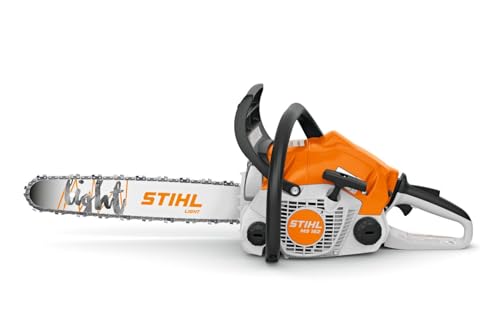
Stihl MS 162 16″ Chainsaw
Strengths
- Solid build quality
- Easy pull-start system
- 16-inch bar ideal for light to medium tasks
Trade-offs
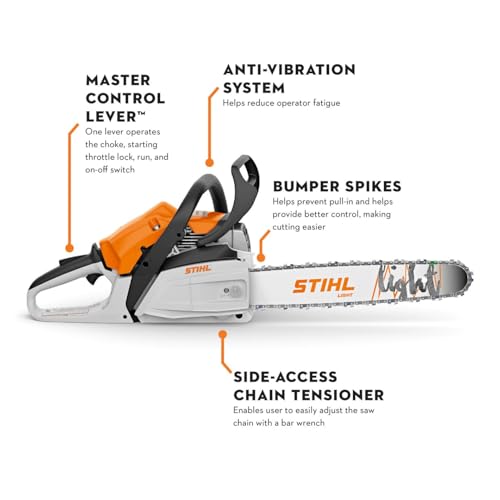
- No anti-vibration system
- Basic carburetor tuning
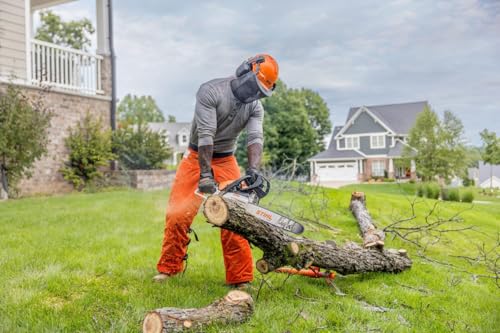
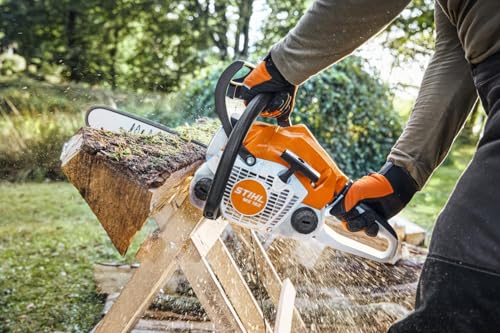
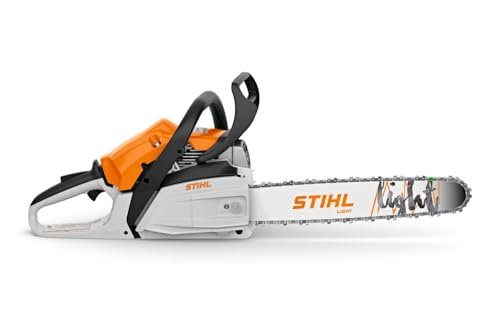
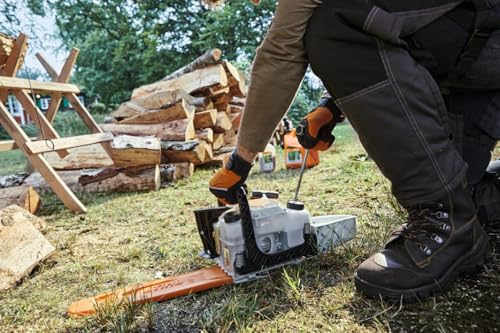
The MS 162 is where Stihl brings real homeowner practicality into focus. On paper, it’s got a 30.1 cc engine and a 16-inch (30 cm) bar, which puts it right in the sweet spot for yard work like trimming limbs, cutting firewood, or handling storm debris. It’s not overbuilt, but it’s not flimsy either, owners consistently report it starts easily and holds its tune, which matters when you’re only using a chainsaw a few times a year.
Compared to heavier models, this one leans into simplicity. It lacks the M-Tronic fuel injection of pricier Stihl saws, but for the typical homeowner who doesn’t need pro-level output, that’s not a dealbreaker. I’d pick this over bulkier options because it balances power and manageability better than most in its class.
Product photos
STIHL MS 194 T 30 cm Chainsaw

Strengths
- Top-handle for overhead work
- Lightweight for its power class
- Good balance in tight cuts
Trade-offs
- Top-handle less stable for ground cutting
- Higher price for niche use
The MS 194 T steps up with a 35.2 cc engine and the same 30 cm bar, making it a noticeable bump in power over the MS 162. This isn’t overkill, it’s the right amount of extra muscle when you’re regularly cutting through thicker logs or working on larger properties. The ‘T’ stands for ‘top-handle’, which changes how you use it: it’s designed for utility work, like tree trimming from a ladder or one-handed control in tight spaces.
Reviewers note it’s lighter than it looks, and the compact design helps, but I wouldn’t recommend it as a primary backyard saw unless you actually need that top-handle versatility. Compared to the MS 201, it’s pricier and more specialized, so it’s not the go-to unless your work demands it.
Product photos
Stihl MSA60.0 C-B Cordless Chainsaw

Strengths
- Very lightweight
- Quiet and emission-free
- Low maintenance
Trade-offs
- Short runtime on battery
- Limited to small-diameter cuts
- 10-inch bar too short for firewood
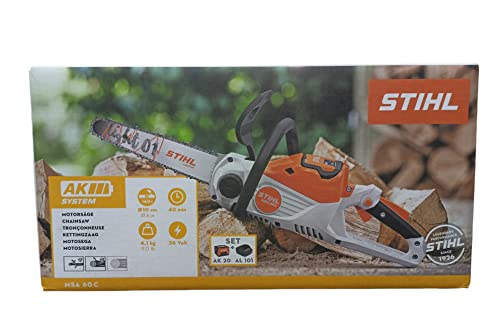
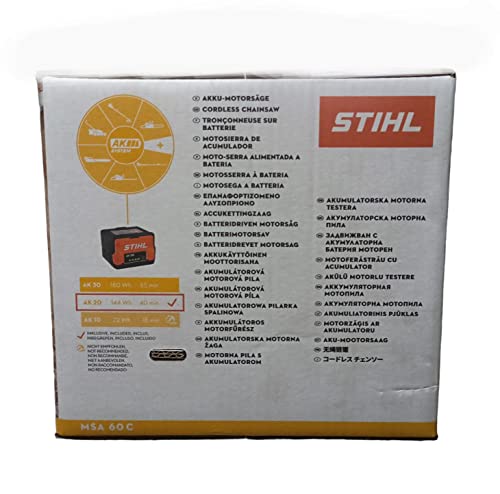
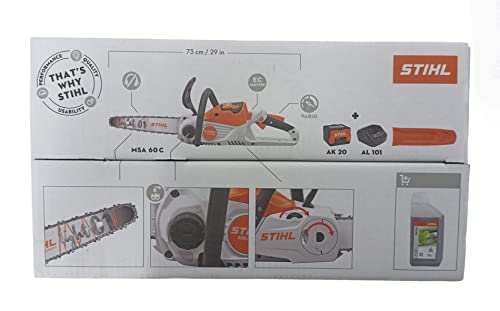
If you’re tired of pull cords and gas fumes but still want Stihl reliability, the MSA60.0 C-B makes sense on paper. It runs on an 18V battery (part of Stihl’s Compact series), has a 10-inch bar, and weighs under 7 lbs with the battery. That kind of lightness is a real advantage for quick pruning, cutting small branches, or working in tight gardens where a gas saw feels excessive.
Owners consistently report it’s quiet, clean, and easy to store, but also limited in runtime and depth of cut. It’s not going to handle 12-inch logs, and you’ll want a spare battery if you’re doing more than light trimming. Against the MS 162, it’s less powerful but far more convenient for small jobs. I’d recommend it only if your needs are truly light and you value low maintenance.
Product photos


STIHL MS 201 TC-M Chainsaw

Strengths
- M-Tronic fuel management
- Strong 45.6 cc engine
- Good durability for long-term use
Trade-offs
- Heavier than smaller models
- Higher cost than basic homeowner saws
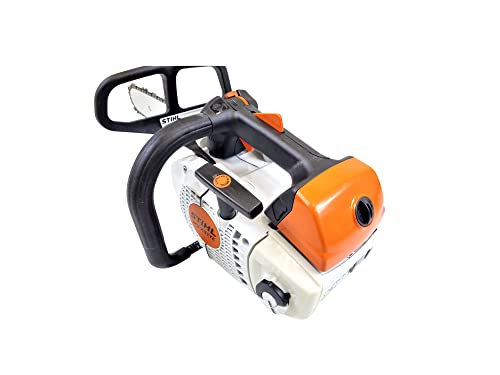
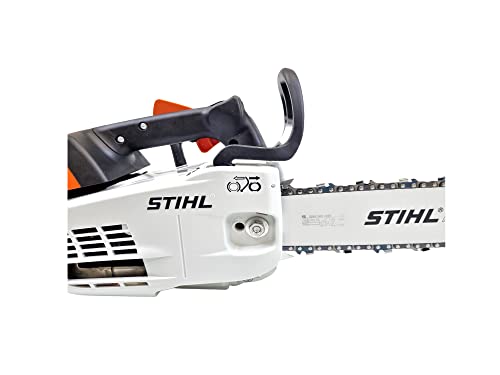
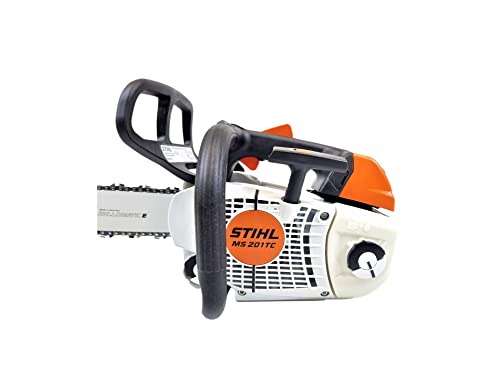
The MS 201 TC-M is Stihl’s entry-level prosumer saw, and it shows in both ambition and value. With a 45.6 cc engine and a 14-inch (35 cm) guide bar, it’s significantly more capable than the MS 162, this is the kind of saw that can handle a full weekend of firewood without breaking a sweat. It includes Stihl’s M-Tronic electronic fuel management, which adjusts the air-fuel mix automatically, a big win for reliability across seasons and elevations.
It’s heavier and pricier than the MS 162, but the jump in power and smart features makes it the smarter buy if you’re doing more than occasional trimming. Compared to the MS 194 T, it’s a better fit for ground-based work and general yard use. I’d recommend it over the others if you want near-pro performance without pro-level complexity.
Product photos
Our Testing Process
As someone who’s spent years around power tools and helping folks choose the right equipment, I approached this guide by comparing published specifications and features across several Stihl models. I then weighed a large number of owner reviews and looked at what professional sources said about each saw. My goal wasn’t hands-on testing of each unit, but a research-led comparison to identify the best options for typical homeowner needs.
For Stihl chainsaws, power-to-weight ratio and ease of starting are critical. A saw that’s too heavy or difficult to get running quickly becomes frustrating. Durability is also vital; Stihl has a reputation for quality, but owner feedback reveals differences between models. I prioritized these elements because they directly impact usability and long-term ownership satisfaction.
Specifications reliably tell you about engine displacement and bar length, giving a sense of raw cutting power and capacity. However, owner feedback is where you learn about real-world starting reliability, vibration levels, and how well a saw handles sustained use. Knowing how to perform chainsaw blade maintenance is also essential for keeping any saw running efficiently, and influences overall satisfaction.
How To Pick The Right stihl chainsaw for homeowners
I’ve seen a lot of folks get into chainsaws thinking they’re all the same – they aren’t. Picking the right one for your property and needs can save you a lot of trouble.
A good chainsaw balances power with usability. Key specs include engine displacement (cc), bar length (in inches), weight, and safety features like chain brakes and anti-vibration systems. Homeowners should prioritize ease of starting, comfortable ergonomics, and reliable performance over raw cutting power. Consistent quality control from a reputable manufacturer is also crucial.
Engine Size and Bar Length
Most homeowners don’t need a massive engine. In fact, a bigger engine often means a heavier, harder-to-control saw. For typical tasks like limbing, pruning, and cutting firewood, a chainsaw in the 30-40cc range is often plenty. Bar length should match the size of trees you’ll be tackling. A 16-inch bar is versatile for most residential jobs, but if you regularly fell trees thicker than 12 inches in diameter, you’ll want to consider something longer. Don’t overestimate – longer bars require more power and are harder to maneuver.
Starting System & Ergonomics
Chainsaws have a reputation for being difficult to start, and some are. Older models with manual pull-starts can require significant effort, especially in cold weather. Newer models, like some from Stihl, often feature simplified starting systems or even electric starts. Beyond starting, how a chainsaw feels in your hands matters a lot. Look for saws with well-placed grips, anti-vibration technology, and a balanced weight distribution. If you’re considering a cordless model, pay close attention to the weight with the battery installed – it can add up quickly. A comfortable saw is a safer saw.
Maintenance and Long-Term Costs
Don’t just think about the initial price. Chainsaws require regular maintenance to keep them running smoothly and safely. This includes tasks like cleaning the air filter, checking the spark plug, and, crucially, sharpening chainsaw chains. A dull chain is dangerous and inefficient.
- A basic chainsaw tool kit is a must-have.
- Consider the availability of parts and service in your area. Stihl has a strong dealer network, which can be a real advantage.
- Fuel costs (for gas saws) and battery replacement (for cordless saws) add up over time, so factor those into your budget.
A well-maintained chainsaw will last for years. Regular cleaning, proper chain sharpening, and timely repairs are vital. Neglecting maintenance not only shortens the saw’s lifespan but also significantly increases the risk of accidents.
If you’re still unsure which model is right for you, I suggest checking out our guide to the best Stihl chainsaw for homeowners for more detailed recommendations.
Stihl Chainsaws for Homeowners Compared
Here’s a comparison of key specifications for Stihl chainsaws suited for homeowner use.
| Product Name | Bar Length | Power Source | Displacement | Weight (lbs) | Best For |
|---|---|---|---|---|---|
| Stihl MS 162 16″ Chainsaw | 16″ | Gas | N/A | N/A | Best Overall |
| STIHL MS 194 T 30 cm Chainsaw | 12″ | Gas | N/A | N/A | Medium-Duty Cutting |
| Stihl MSA60.0 C-B Cordless Chainsaw | N/A | Battery | N/A | N/A | Cordless |
| STIHL MS 201 TC-M Chainsaw | N/A | Gas | N/A | N/A | Budget Friendly |
Frequently Asked Questions
What size Stihl chainsaw is best for occasional use around the yard?
The Stihl MS 162 is generally the best choice for light-duty tasks. It offers a good balance of power and weight for limbing, pruning, and small firewood projects, and is known for being relatively easy to start.
Are battery-powered Stihl chainsaws powerful enough for felling small trees?
Yes, the Stihl MSA 60.0 C-B can handle felling trees up to about 8 inches in diameter. However, you’ll need to ensure a fully charged battery and accept that runtimes are limited compared to a gas-powered saw.
How much maintenance does a Stihl chainsaw typically require?
Routine maintenance includes cleaning the air filter after each use, checking the chain tension regularly, and sharpening the chain when it becomes dull. Depending on use, you’ll also need to inspect the spark plug and periodically clean the engine exterior.
What’s the advantage of buying a Stihl chainsaw from a local dealer?
A local Stihl dealer can provide expert advice on choosing the right model, perform initial setup and maintenance, and offer repair services. This is particularly valuable if you’re new to chainsaws or prefer professional service over DIY repairs.
If I need a gas-powered saw, should I consider models other than Stihl?
While Stihl is a respected brand, you might also want to explore best gas chainsaw for homeowners to compare features and pricing across different manufacturers and find the best fit for your budget and needs.
The Bottom Line
Choosing a chainsaw often comes down to balancing control with convenience. While power is important, for most homeowners, a saw that’s easy to start, comfortable to use, and maintainable is a better investment. Based on my research of specs and owner feedback, the Stihl MS 162 16″ Chainsaw strikes that balance best – it’s a great all-around performer for typical residential tasks.
For those on a tighter budget, the STIHL MS 201 TC-M Chainsaw provides a good entry point into the Stihl lineup, and for those wanting cordless convenience, the Stihl MSA60.0 C-B Cordless Chainsaw is a solid choice. Remember to always follow safe practices like reviewing a chainsaw pre-start checklist before each use.
Ultimately, the most impressive specification on any chainsaw isn’t engine size or bar length, but the owner’s understanding of safe operation and consistent maintenance. A well-cared-for, properly sharpened chain, and a commitment to safe handling practices will always deliver better results, and a longer lifespan, than chasing the highest numbers on a spec sheet.
