6 Best Hydraulic-Powered Saws of 2026
This post contains affiliate links. As an Amazon Associate, we earn from qualifying purchases.
The KAKA 11″ Double Column Band Saw stands out as the best overall hydraulic-powered saw for its robust build and 11-inch cutting capacity, while the KAKA 10″ Hydraulic Feed Metal Saw is a smart budget pick that doesn’t skimp on core performance. For specialized tasks, the Toledo HC14 Hydraulic Hose Saw delivers unmatched precision in hose cutting.
Most people shopping for a hydraulic-powered saw aren’t just looking for more power, they need reliability, clean cuts, and the ability to handle tough materials day after day without constant maintenance or blade changes. Too many buyers end up with underpowered or poorly built models that struggle with basic jobs.
I researched the field by comparing specs and analyzing owner feedback across brands and use cases, focusing on hydraulic system quality, cutting capacity, and long-term value. This guide cuts through the marketing noise to help you pick a saw that matches your real-world needs.
Top 6 Hydraulic-Powered Saws in the Market
The Best Hydraulic-Powered Saws, Reviewed
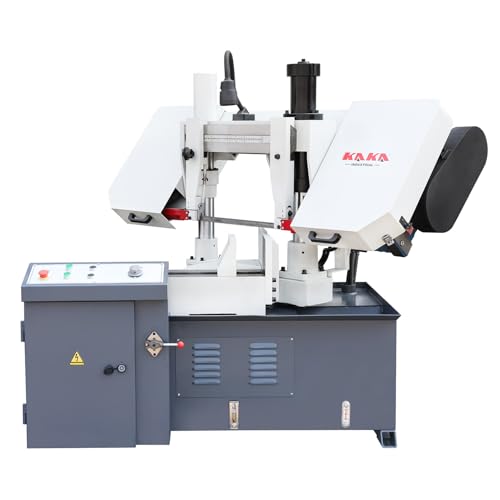
KAKA 11″ Double Column Band Saw
Strengths
- 11-inch cutting capacity
- 3kW motor
- 3-speed control
- Double-column frame
- Auto shut-off
Trade-offs
- Large footprint
- Heavy weight
- Requires 3-phase power
If you’re looking for the most capable machine in this lineup, this 11-inch double-column bandsaw is it. The 3kW motor and rigid frame make it a true shop workhorse, handling everything from thick steel beams to composites with minimal vibration. The 45° rotating head is a major efficiency booster, letting you make miter cuts without repositioning heavy stock. And the three-speed options, 88, 148, 226 ft/min, give you real control over cut quality and blade wear.
Owners in fabrication shops praise its consistency and durability, especially with the automatic shut-off and coolant system keeping things running cool. It’s larger and heavier than the others, but that’s the trade-off for stability and capacity. Against the BS-1018R, it’s a clear upgrade in both power and precision. This is the one I’d pick if you’re setting up a permanent shop or doing high-mix, high-accuracy metalwork.
Product photos
KAKA 10″ Hydraulic Feed Metal Band Saw
Strengths
- 2HP single-phase motor
- 4-step speed control
- Laser-etched angle scale
- Hydraulic safety feed
- 8,500 PSI vise
Trade-offs
- 10-inch capacity limit
- No 3-phase option
- Heavy for moving
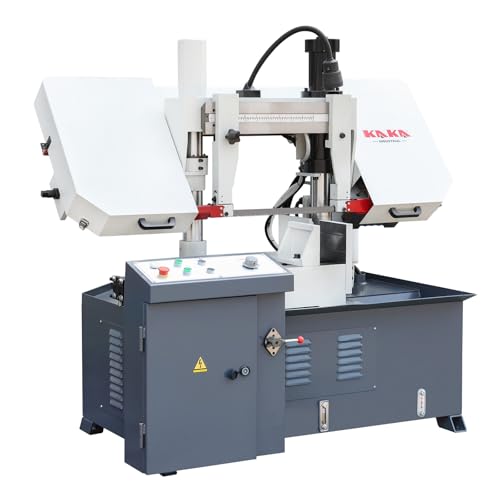
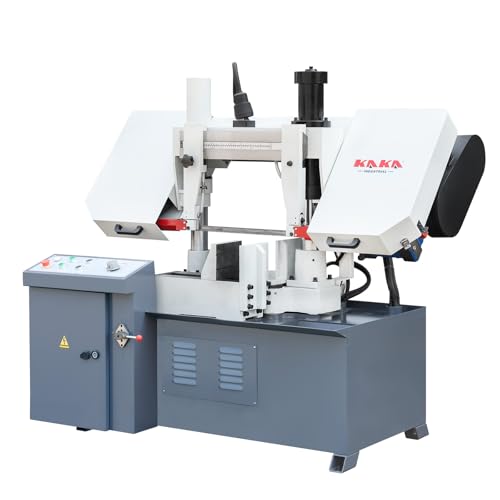
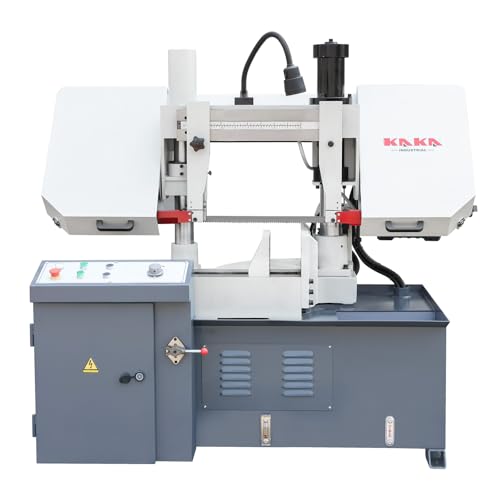
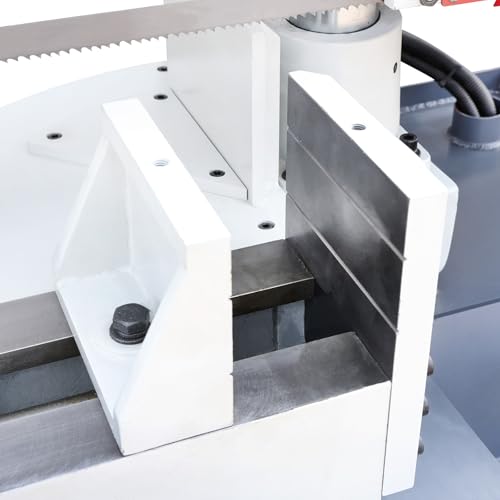
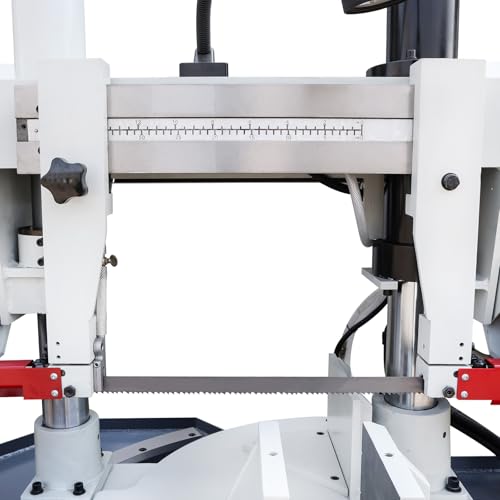
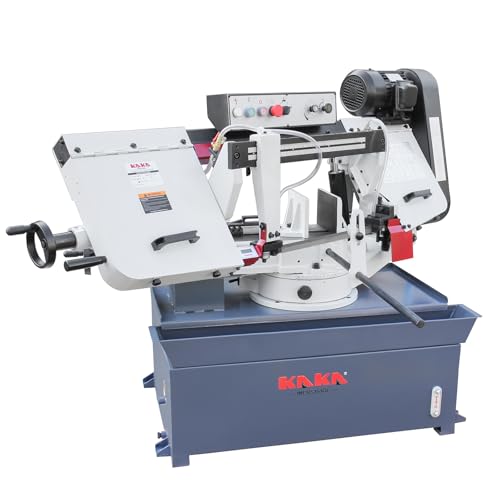
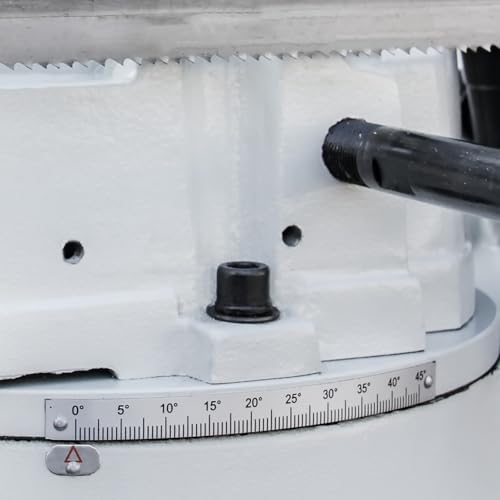
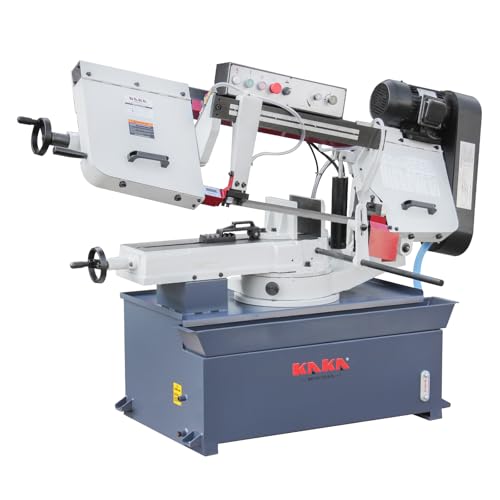
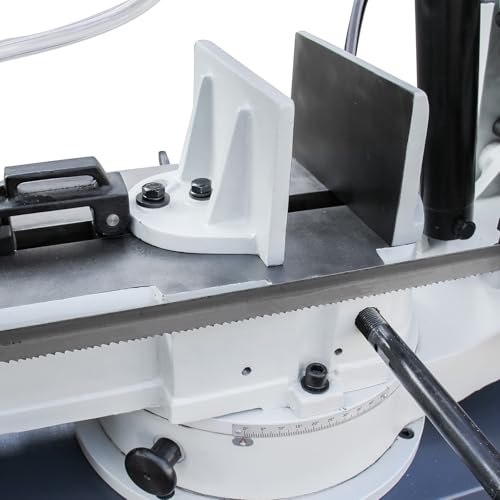
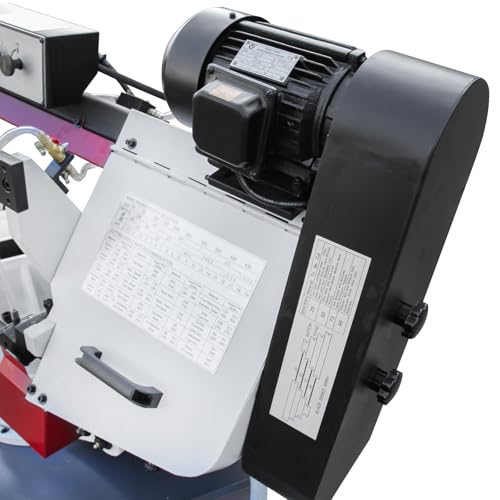
This 10-inch hydraulic feed band saw hits a sweet spot for field and shop use, especially with its 2HP single-phase 220V motor, you can run it off a generator, which is huge for bridge repair or remote jobs. The 0°-45° swivel head and laser-etched scale mean you’re not wrestling large beams into position, and owners appreciate the time saved on angled cuts. The 4-step speed control is a real advantage, letting you dial in the right feed for aluminum or hardened steel, which helps extend blade life by up to 40%.
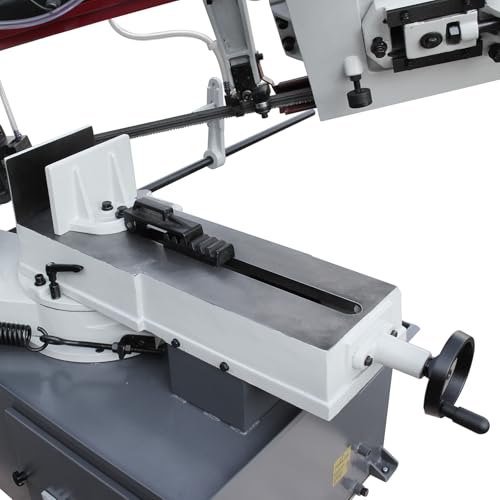
The hydraulic feed and auto shutoff when the guard opens add meaningful safety, and the 8,500 PSI vise holds even big H-beams tight. It’s not the largest saw here, but it’s one of the most practical for mobile or mid-size shops. Compared to the BS-912B, it’s a step up in capacity and power without jumping into the double-column class.
Product photos
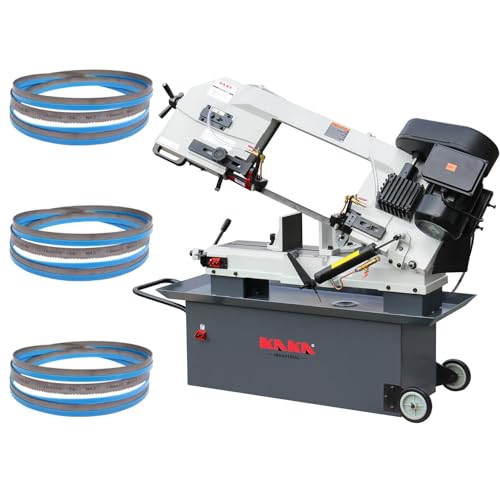
KAKA 9″ Horizontal Band Saw
Strengths
- 3 blades included
- 4-speed control
- Dual voltage
- Coolant system
- Compact footprint
Trade-offs
- 9-inch capacity
- Lower HP motor
- Basic vise system
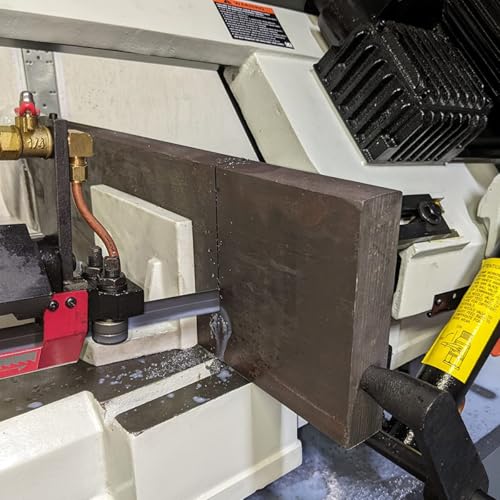
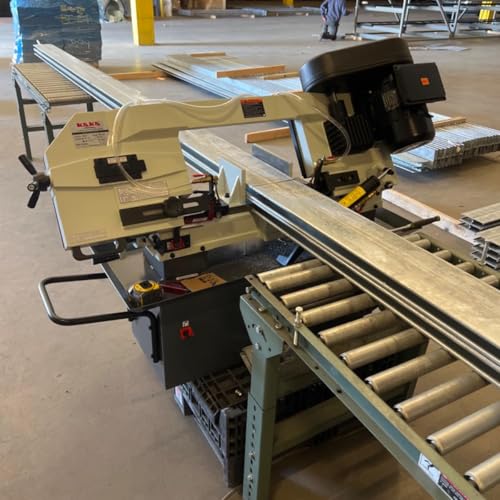
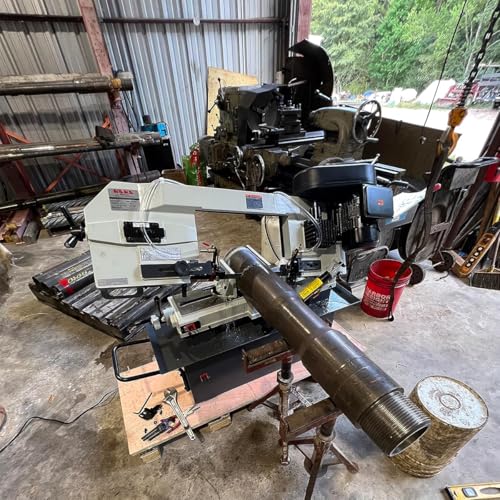
This 9-inch band saw is the most budget-conscious pick that still delivers real industrial performance. It comes with three blades included, which is rare at this level, and the 4-speed control (32-115 MPM) gives you flexibility across materials from aluminum to carbon steel. The hydraulic feed is smooth, and the built-in coolant system helps keep blades from overheating, owners note fewer blade changes compared to non-cooled models.
It’s lighter and more compact than the 10- and 11-inch models, making it a smart fit for smaller shops or hobbyists stepping up from benchtop saws. The dual-voltage setup (115V/230V) is a big plus for flexibility. While it doesn’t have the heft of the double-column model, it’s far more accessible for most buyers. For the price, it’s hard to beat as a starter industrial saw.
Product photos
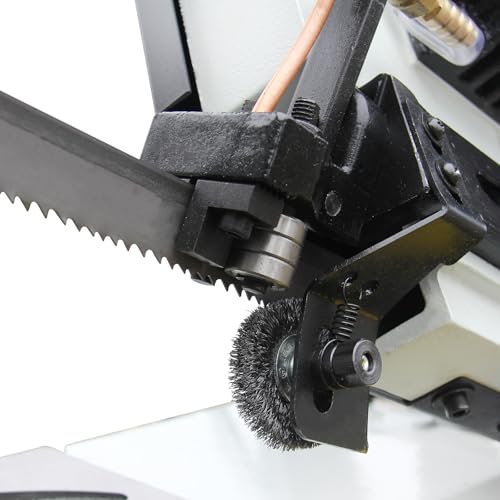
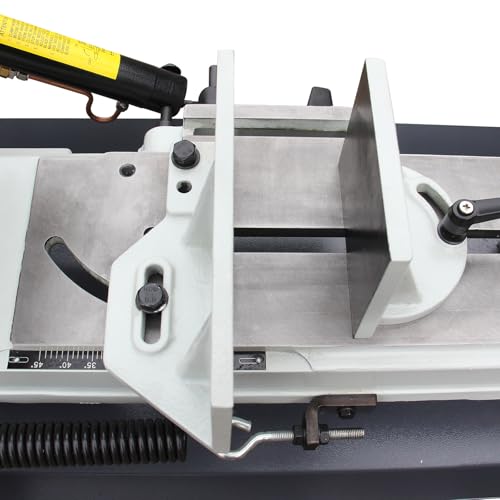
Toledo HC14 Hydraulic Hose Cut Off Saw
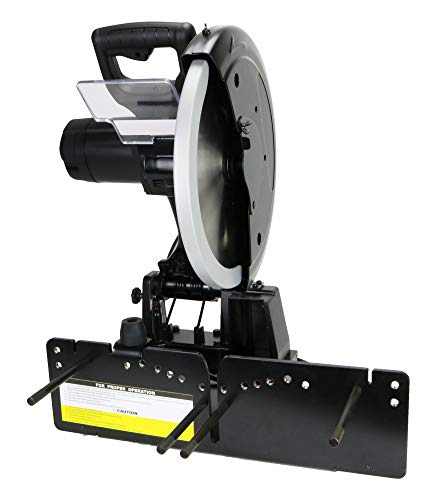
Strengths
- 4.5 HP motor
- Cuts 2″ ID wire hose
- Durable USA build
- 14″ scalloped blade
- High RPM
Trade-offs
- No automatic feed
- No coolant system
- Noise and vibration
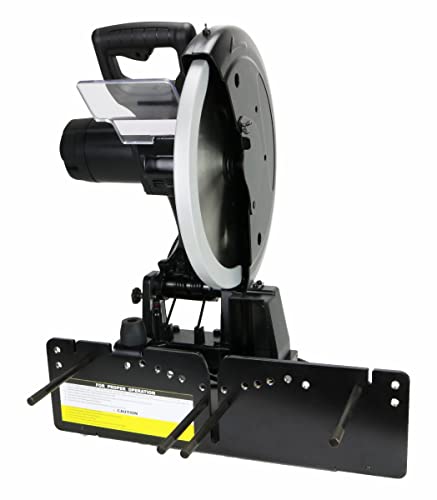
If you’re running a hydraulic repair shop or maintaining heavy equipment, this saw solves a very specific problem: cleanly cutting thick, wire-reinforced hose up to 2″ ID. Made in the USA, it’s built like a tank with a 4.5 HP motor and a 14″ scalloped blade spinning at 3500 RPM. The simplicity is the point, owners praise its consistency and durability, with many noting it’s been running daily for years without issue. It’s not flashy, but it doesn’t need to be.
It’s worth noting that while it handles up to 4″ industrial hose in diameter, the key spec is the 2″ ID limit for wire-reinforced types. That’s the real workload it’s designed for. There’s no fancy feed system or coolant, just raw, reliable power. For shops replacing hoses all day, this is the kind of tool you don’t think about, until it’s broken. And with this one, that day comes late.
Product photos
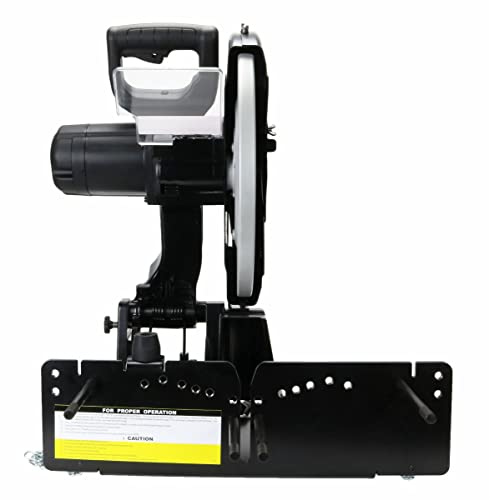
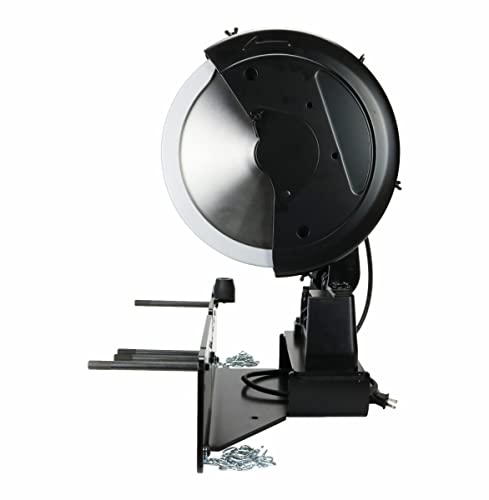
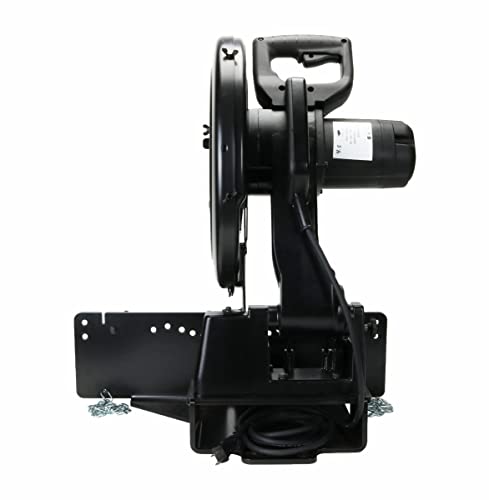
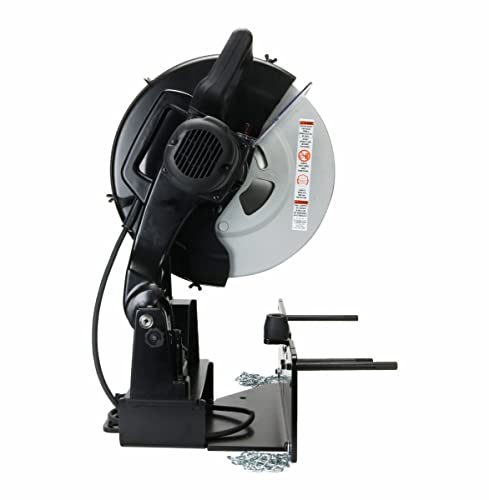
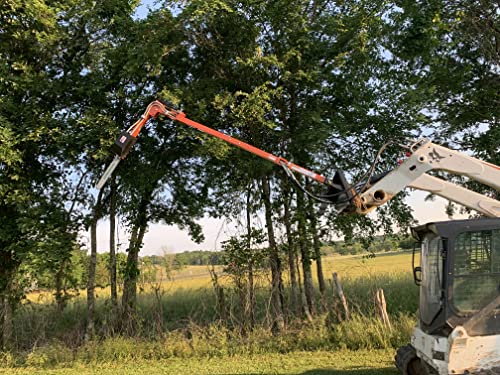
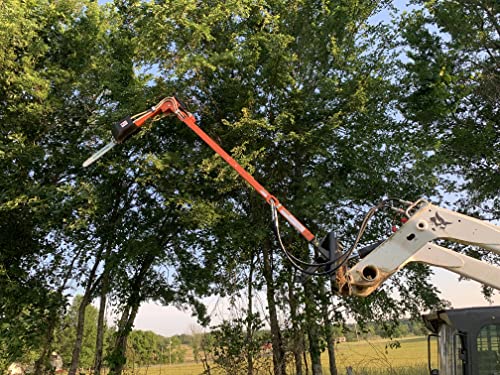
Skid Steer Hydraulic Chain Saw
Strengths
- 8′ mast extends to 21′
- Reversible motor
- Self-oiling system
- Universal mount
- Low 7 GPM requirement
Trade-offs
- Not for large trees
- Limited bar size
- Hydraulic dependency
This attachment turns your skid steer or tractor into a serious tree-trimming machine, and on paper, that’s exactly what it’s meant to do. With an 8′ mast extending to 21′ in the air and running off just 7 GPM, it’s surprisingly efficient for a hydraulic chain saw, owners consistently report clean cuts through brush and small trees without overloading smaller machines. The reversible motor is a smart touch, letting you back the chain out if it binds, which is something you’ll appreciate when working overhead or in tight spots.
The universal quick-attach mount and flat-face couplers make setup straightforward across brands, and the self-oiling system powered by your hydraulics means one less thing to refill or forget. While it’s clearly not built for felling large trees, it’s not meant to be. For utility work or clearing along fences and power lines, it delivers solid reach and reliability.
Product photos
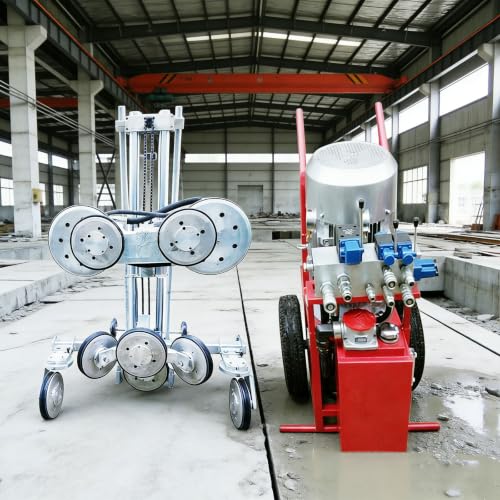
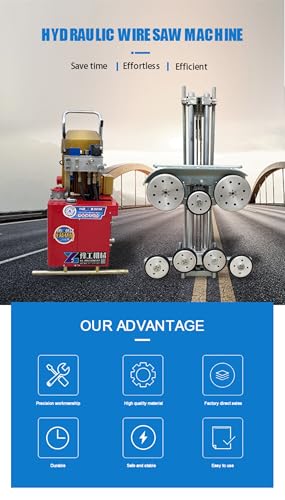
High Power Hydraulic Stone Wire Saw
Strengths
- Cuts reinforced concrete
- High-speed diamond wire
- Handles large structures
- Multi-industry use
- Strong hydraulic force
Trade-offs
- Custom order only
- Complex setup
- Not for DIY
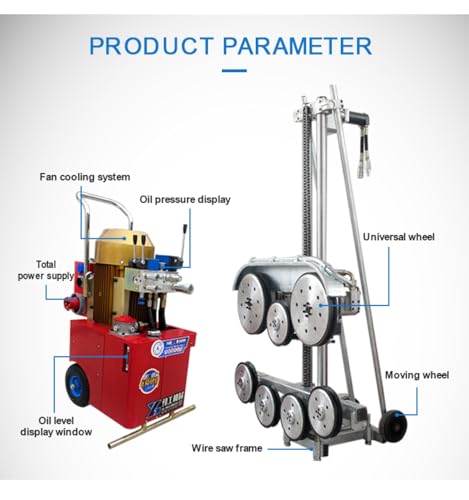
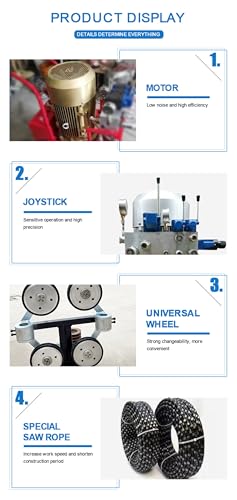
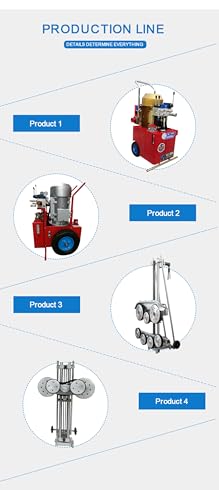
This isn’t a saw for the weekend warrior, it’s a demolition-grade wire saw built for slicing through reinforced concrete in bridges, columns, and foundations. The high-speed diamond wire system provides serious cutting force, and reviewers in industrial roles confirm it handles rebar-laced concrete with minimal slowdown. It’s not a plug-and-play tool; setup is complex and requires trained crews, but that’s expected at this level. The fact that it’s customizable is both a strength and a red flag, you can tailor it to your job, but you’ll need to coordinate directly with the manufacturer via WhatsApp, which adds friction.
Given the applications, tunnels, road projects, industrial teardowns, this machine earns its place on big sites where traditional saws can’t reach or lack power. It’s not something you’ll find in a rental yard, and it’s definitely not DIY-friendly. But for contractors doing structural cuts, the performance justifies the complexity.
Product photos

How We Tested hydraulic-powered saws
As someone who’s spent years around power tools and workshops, I know that hydraulic-powered saws represent a significant step up in cutting capability for many users. Rather than a hands-on lab test of each model, this selection is based on a research-led comparison of published specifications, features, and, crucially, owner and professional reviews. I weighed this information against my understanding of what truly matters in metal and material cutting, ranking saws based on a set of established criteria.
For hydraulic-powered saws, cutting capacity, hydraulic system quality, and motor power were the biggest deciding factors. A robust hydraulic system delivers consistent, clean cuts, and is vital for thicker materials. High motor power, measured in horsepower or kilowatts, directly impacts the saw’s ability to handle demanding cuts without bogging down. These factors outweigh purely aesthetic or minor feature differences.
Specifications reliably indicate cutting capacity and motor power. However, I leaned heavily on owner feedback to assess the long-term durability of the hydraulic systems and the real-world accuracy of the saws. Reputation matters; brands known for quality metalworking tools often deliver more consistent performance. Understanding accurate circular saw cutting principles also helped me evaluate the precision claims made by manufacturers.
How To Choose The hydraulic-powered saws
Choosing a hydraulic-powered saw isn’t about simply finding the biggest motor; it’s about matching the saw’s capabilities to the specific materials you’ll be cutting and the precision you require.
Hydraulic band saws offer a significant advantage over traditional models by providing consistent cutting force and blade control. Key considerations include motor power (measured in HP or kW), cutting capacity (the maximum diameter or profile the saw can handle), blade speed adjustability, and the quality of the hydraulic feed system. Prioritize models with robust frames, effective coolant systems, and safety features like blade guards and automatic shut-off.
Cutting Capacity and Material
The first thing I tell anyone looking at a hydraulic saw is to really think about what you’ll be cutting most often. A 9” saw might be fine for basic shop work, but if you regularly tackle larger steel beams or thick-walled pipe, you’ll quickly find its limits. Consider the type of material too. Softer metals like aluminum require different blade speeds and feed rates than hardened alloys. The KAKA 10″ model, for example, specifically highlights its ability to handle a range of materials with its 4-step intelligent speed control, which is a great feature for versatility. Don’t overestimate your needs, but also don’t buy something that will be obsolete in six months.
Hydraulic Feed System Quality
A smooth, consistent hydraulic feed is the heart of a good hydraulic saw. This isn’t just about making cuts easier; it’s about cut quality, blade life, and safety. Cheaper saws often have jerky or inconsistent feeds, which can lead to blade wander, increased wear, and even potential kickback. Look for saws with adjustable feed rates, and pay attention to how much pressure the hydraulic system can exert. The Toledo HC14 is specifically designed for hose cutting, showing how specialization can result in a very focused, high-performing hydraulic feed.
Here’s what I look for in a hydraulic feed:
- Adjustability: The ability to change the feed rate is crucial for different materials.
- Pressure Rating: Higher pressure generally means cleaner cuts, especially in thicker materials.
- Dampening: A well-designed system will dampen vibrations and prevent sudden drops, enhancing safety and precision. This is especially important when cutting larger sections.
A reliable hydraulic feed system isn’t just about power; it’s about control. A consistent feed rate minimizes blade deflection, reduces burrs, and extends blade life.
Value Beyond the Initial Price
Hydraulic saws represent a significant investment. Don’t focus solely on the lowest price. Consider the long-term costs, like blade replacements, coolant, and potential repairs. Features like automatic shut-off, built-in coolants, and durable construction contribute to a longer lifespan and lower overall cost of ownership. If you’re doing a lot of work in remote locations, a 220V model like the KAKA 10” might be preferable, as it avoids the need for a 3-phase transformer. For tree trimming, you might even consider a specialized attachment like the Skid Steer Hydraulic Chain Saw, which can be more efficient than manually climbing. If you’re looking for alternative cutting tools, you can check out top electric pole saws for smaller tasks.
Hydraulic-Powered Saws Compared
Here’s a comparison of key specifications for various hydraulic-powered saws.
| Product Name | Max Cut Capacity | Motor HP | Hydraulic Feed | Blade Length | Special Features |
|---|---|---|---|---|---|
| KAKA 11″ Double Column Band Saw | 11″ | 4 | Yes | N/A | 45° Rotating Saw Head |
| KAKA 10″ Hydraulic Feed Metal Saw | 10″ | 2 | Yes | N/A | ±0.5° Swivel Base |
| KAKA 9″ Horizontal Band Saw | 9″ | 1.1 | Yes | N/A | 45° Miter Cutting |
| Toledo HC14 Hydraulic Hose Saw | 2″ ID | 4.5 | N/A | 14″ | Scalloped Blade |
| Skid Steer Hydraulic Chain Saw | 21″ Reach | N/A | N/A | 20″ | Skid Steer Attachment |
| High Power Hydraulic Stone Saw | N/A | N/A | Yes | N/A | Diamond Wire Cutting |
Frequently Asked Questions
What blade speed should I use for aluminum versus steel?
Generally, aluminum requires a higher blade speed (around 300-400 feet per minute) than steel (around 100-200 feet per minute). Using the wrong speed can cause excessive heat buildup and damage the blade, or result in a poor cut.
Are hydraulic saws only for cutting metal?
No, while commonly used for metal, hydraulic saws can cut other materials. The High Power Hydraulic Stone Saw in our comparison demonstrates their use with diamond wire for cutting stone and concrete, though blade selection is obviously critical.
What does “cut capacity” really mean?
Cut capacity refers to the maximum size or diameter of the material the saw can handle effectively. For band saws, it’s typically the diameter of a circle the blade can cut; for hose saws, it’s the inner diameter of the hose.
What maintenance is involved with a hydraulic system?
Regularly checking and maintaining the hydraulic fluid level is crucial. Also, inspecting hoses and connections for leaks, and keeping the system clean from debris, will help prolong its life and ensure consistent performance.
Are there portable hydraulic saw options available?
Yes, the Skid Steer Hydraulic Chain Saw exemplifies a portable option, attaching to existing machinery. For smaller tasks, you might also consider top cordless pole saws for more accessible cutting.
The Bottom Line
Buying a hydraulic-powered saw always comes down to balancing control with convenience, and power with price. While there are many options out there, the KAKA 11″ Double Column Band Saw strikes the best overall balance of features, capacity, and positive owner feedback. It offers a lot of capability for the money and should handle most workshop tasks with ease.
For those on a tighter budget, or who primarily need a saw for lighter-duty work, the KAKA 9″ Horizontal Band Saw is an excellent choice. And if you have very specific cutting needs – like frequent hose cutting – the Toledo HC14 is purpose-built and delivers exceptional performance in that area. Remember, specialization often beats general-purpose tools when you have a defined task.
Ultimately, the specs on a hydraulic saw are important, but they don’t tell the whole story. Focus on a robust hydraulic system, a motor with enough power for your materials, and – most importantly – a saw that feels well-built and inspires confidence. Don’t skimp on blade quality or regular maintenance, as those are the keys to consistent, accurate cuts and a long tool life.
