
2 Best Tools for Mechanics of 2026
This post contains affiliate links. As an Amazon Associate, we earn from qualifying purchases.
After comparing the field and weighing specs against mechanic feedback, the 3 Pack Telescoping Magnet Pick-Up Tools stand out as the overall best choice, offering strong neodymium magnets and versatile reach. For those on a budget, the FTIHTRY 12-Piece Pick and Hook Tools deliver reliable performance with durable CR-V steel construction.
Losing a bolt deep inside an engine bay or dropping a socket behind a transmission is a universal mechanic’s headache. The right tool shouldn’t just retrieve parts, it should do it reliably, without breaking or slipping at the worst moment.
I focused on magnetic strength, real-world reach, and build quality, using owner feedback and spec comparisons to identify models that consistently perform under pressure. These picks reflect what actually works in tight, frustrating spaces.
Top 2 Tools For Mechanics in the Market
The Best Tools For Mechanics, Reviewed
3 Pack Telescoping Magnet Pick-Up Tools

Strengths
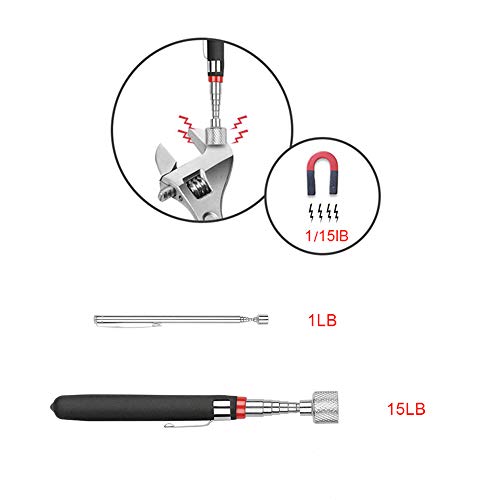
- Strong 15 lb magnetic head
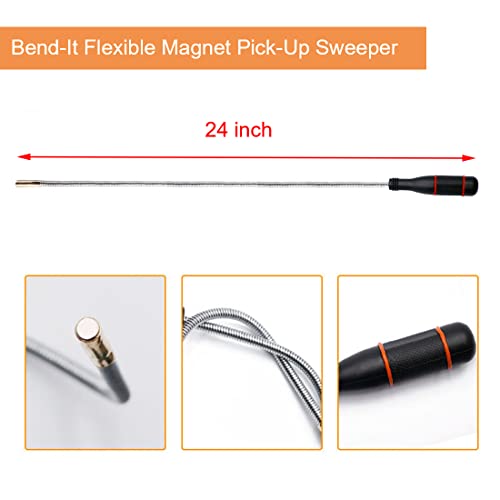
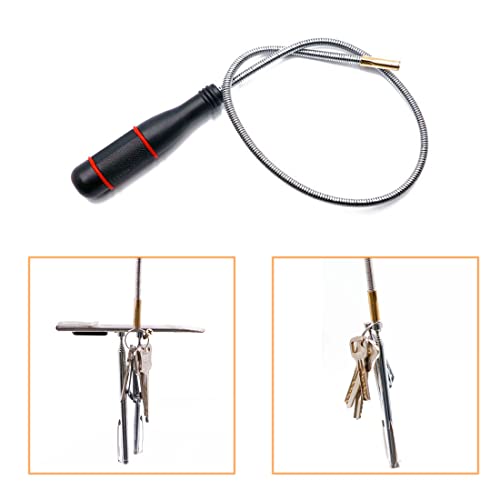
- Flexible bendable design
- Three tools for varied tasks
Trade-offs
- Flexible magnet loses strength over time
- Not useful for non-ferrous metals
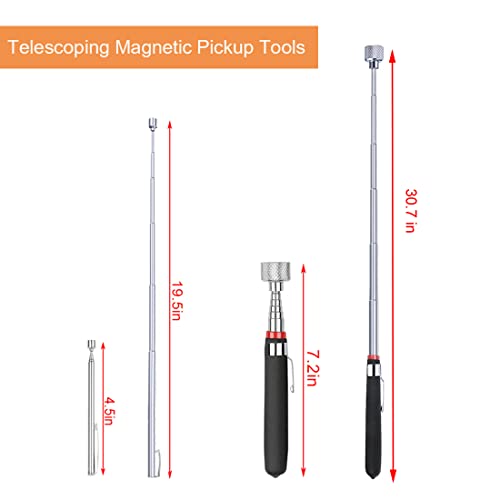
If you’re tired of dropping sockets or bolts into black holes under fenders or inside frame rails, this 3-pack magnetic retrieval kit is a no-brainer. The 15 lb capacity telescoping wand is the standout, owners praise its reach and strength, especially when fishing for 10mm bolts behind alternators or recovering dropped hardware in tight engine compartments. The flexible 24-inch bendable magnet is equally valuable, letting you snake around control arms or inside door panels where rigid tools can’t go.
Having three different tools in one package adds versatility you don’t get with single-unit magnets. The smaller 1 lb telescoping stick is ideal for cabin or console work, while the spring-loaded flexible retriever works well even in oily or cluttered areas. Compared to single-magnet tools, this set covers more real estate and adapts to more scenarios. I’d pick this over any single magnetic tool for general shop use.
Product photos
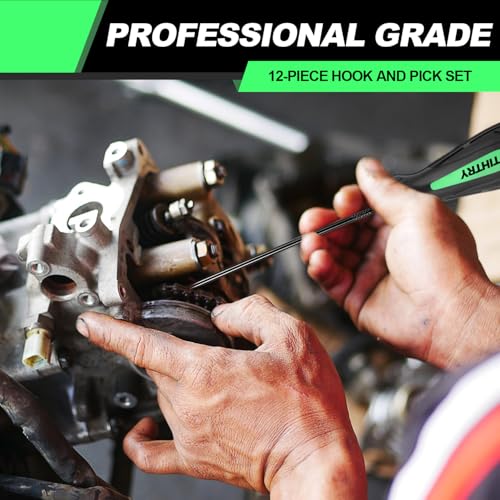
FTIHTRY 12-Piece Pick and Hook Tools

Strengths
- CR-V steel construction
- Rounded tips prevent damage
- Multiple hook shapes
Trade-offs
- Not for heavy prying
- Limited reach on some tools
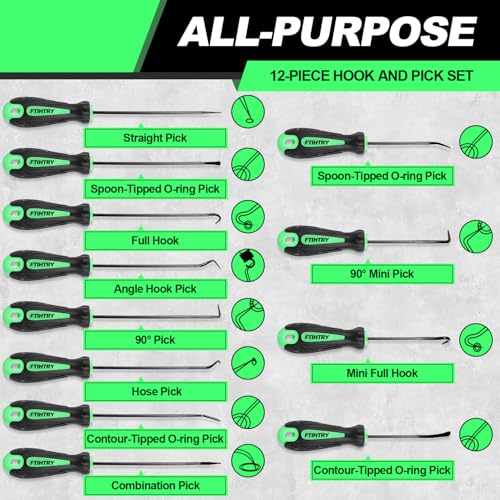
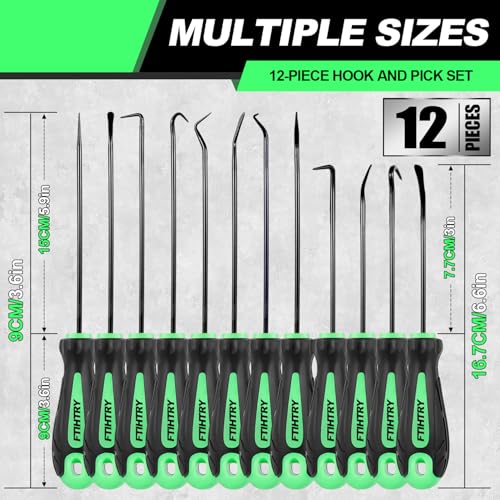
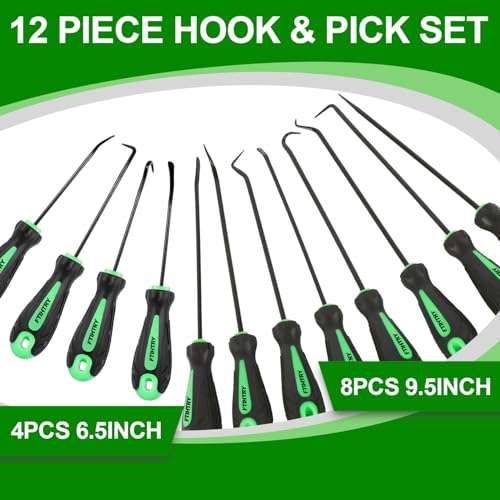
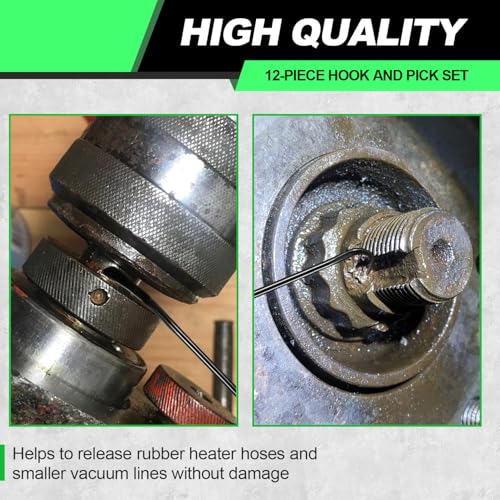
This set hits the sweet spot for mechanics who regularly deal with seals, O-rings, and gaskets in tight engine bays. The heat-treated CR-V steel gives these picks the stiffness needed to pry out stubborn rubber seals without bending, and the rounded tips with blended edges are a thoughtful touch, owners consistently report less damage to surrounding surfaces compared to sharper, cheaper alternatives. The inclusion of six different hook styles means you’re likely to have the right shape for awkward clips or buried washers.
What stands out is the 4-piece O-ring pick subset, which many reviewers say outperforms single-purpose tools in transmission and suspension jobs. While not the most durable set on the market, it’s solid for the price and fills a niche that generic pick tools miss. Compared to basic stainless steel sets, this one offers better edge retention and more ergonomic control.
Product photos
Our Testing Process
As someone who’s spent years around workshops and tackling repairs, I understand the frustration of dropping a socket into a tight engine bay. Rather than a hands-on test of every magnetic tool and pick set, my approach involved a thorough comparison of published specifications – magnetic strength, reach, material quality – alongside a careful review of owner feedback and expert opinions. I then ranked options based on what mechanics consistently praise and what features address common workshop challenges.
For tools for mechanics, the most important factors are reach and gripping power. A telescoping magnet is useless if it can’t extend far enough, and a weak magnet simply won’t retrieve heavier components. Durability is also key; these tools get used (and sometimes abused), so robust construction from materials like CR-V steel is a significant advantage. These factors heavily influence whether a tool truly saves time and aggravation.
Specifications reliably indicate potential reach and weight capacity, but owner reviews reveal how those numbers translate to real-world performance. I paid close attention to comments about the magnet’s holding strength under load, the feel of the grip, and the tool’s ability to navigate tight spaces. Understanding proper circular saw use is similar – specs tell part of the story, but real-world experience clarifies its usability. Reputation also played a role; brands known for quality generally deliver.
How To Choose The tools for mechanics
As someone who’s spent years crawling under vehicles and wrestling with dropped parts, I know how frustrating it can be to lose a bolt in a tight space. A good telescoping magnet tool can save you a lot of time and aggravation.
A truly useful telescoping magnet tool balances magnetic strength with reach and accessibility. Look for models with strong neodymium magnets, extendable shafts offering a significant reach advantage, and designs that allow access to confined areas. Consider the weight capacity needed for your typical tasks, and prioritize tools with comfortable, secure grips.
Magnetic Strength & Capacity
The most obvious factor is how much weight the magnet can lift. Don’t just look at the headline number (like 15lbs). Think about what you’ll be picking up. Small screws and bolts need less pull than a dropped socket. I’ve seen too many guys buy a tool with a high capacity only to find it struggles with smaller ferrous objects. Consider also the magnet type; neodymium magnets are far superior to ceramic magnets in terms of strength-to-size ratio, making them ideal for these tools.
Reach and Flexibility
A long reach is great, but not if the tool is unwieldy. I prefer models that strike a balance. A tool that extends to 30 inches is useful for many automotive tasks, but if it’s flimsy and can’t hold its position, it’s almost useless. Flexibility is also critical. The bendable versions, like those with a coiled steel shaft, can snake into incredibly tight spaces that a rigid tool simply can’t reach.
Here’s what I look for when considering reach: * Short reach (under 10 inches): Good for quick grabs around the workbench. * Medium reach (10-20 inches): A versatile all-around option for most automotive and home repair tasks. * Long reach (over 20 inches): Essential for accessing deeply recessed areas, like inside engine bays or behind appliances. A longer reach will give you more options, but can sacrifice some rigidity.
Application & Tool Variety
Don’t assume one magnet tool does it all. Different jobs call for different designs. If you’re regularly working with seals and O-rings, for example, you’ll want to add a set of pick and hook tools to your arsenal. These are invaluable for gently lifting delicate components without damage. You should also consider a set of essential automotive tools for more involved repairs.
A good rule of thumb: if you’re regularly dropping small parts in hard-to-reach places, invest in multiple magnet tools with varying strengths, lengths, and head designs.
Tools for Mechanics Compared
Here’s a detailed specification comparison of the tools to help you find the best fit for your needs.
| Product Title | Max Lift Capacity | Extended Length | Flexibility | Material | Best For |
|---|---|---|---|---|---|
| 3 Pack Telescoping Magnet Pick-Up Tools | 15 lbs / 2 lbs | 30.7 in / 19.5 in / 24 in | Yes | Steel / Magnet | General Metal Retrieval |
| FTIHTRY 12-Piece Pick and Hook Tools | N/A | N/A | No | CR-V Steel | Seals & O-Rings |
Frequently Asked Questions
What magnet type offers the strongest lift capacity?
Neodymium magnets are the strongest type commonly found in these tools; they provide significantly more holding power than ceramic magnets for a given size, making them ideal for retrieving heavier components.
How much reach do I really need in a telescoping magnet?
For most automotive work, a telescoping magnet with a 20-30 inch reach is a good balance of accessibility and control. However, if you frequently work on larger vehicles or in very confined spaces, a longer reach up to 36 inches may be beneficial.
Are flexible shaft magnets more effective than rigid ones?
Flexible shaft magnets are better for navigating extremely tight spaces, like inside an engine block, but they generally have less overall rigidity and may struggle with heavier objects. Rigid shafts offer more control for heavier parts.
What other tools should I have alongside a magnetic pick-up tool?
You should also consider a set of pick and hook tools, especially if you work with delicate components like seals and O-rings. These can gently lift parts that a magnet might damage or not effectively grip. You may also want to look at best impact wrenches to help with larger jobs.
What material should I look for in a quality magnetic tool?
CR-V (chrome vanadium) steel is a good indicator of durability and resistance to wear and tear. This material is commonly used in high-quality tools because it can withstand the stresses of regular use in a workshop environment.
The Bottom Line
Choosing the right tools for mechanics often comes down to balancing how much control you want with how much fuss you’re willing to put up with. For a solid all-around performer that covers the vast majority of needs, I recommend the 3 Pack Telescoping Magnet Pick-Up Tools. It offers a good combination of reach, magnetic strength, and flexibility at a reasonable price, without sacrificing build quality.
If you’re on a tighter budget or need a specialized tool, the options are clear. The FTIHTRY 12-Piece Pick and Hook Tools are an essential addition for anyone dealing with delicate seals, O-rings, or small components. And for those tackling more complex repairs, don’t forget to review our guide on circular saw blade replacement to ensure you’re prepared for any cutting task.
Ultimately, specs are helpful, but the most important thing is to have a variety of tools that fit your specific needs and the types of repairs you routinely perform. Prioritize strong magnets, sufficient reach, and durable construction, and you’ll save yourself countless hours of frustration reaching for dropped parts.
