
8 Best Professional Chainsaws of 2026
This post contains affiliate links. As an Amazon Associate, we earn from qualifying purchases.
The Husqvarna 460 Rancher 24 Inch is the best overall professional chainsaw for heavy-duty work, combining serious power and durability. For budget-conscious buyers, the VEVOR 62CC Gas Powered Chainsaw delivers solid performance at a lower price, while the Husqvarna 450 Rancher 20 Inch strikes a smart balance for versatile, everyday use.
Most people shopping for a professional chainsaw aren’t just cutting firewood on weekends, they’re tackling thick trees, long job days, and tools that won’t quit. The real challenge is finding a saw that’s powerful enough without being exhausting to run, built to last but not overcomplicated.
This guide cuts through the noise, focusing on models that stand up to daily use based on engine specs, owner reports, and real-world reliability. I looked at bar length, power delivery, build quality, and features that matter when you’re working for hours, not just marketing claims.
Top 8 Professional Chainsaws in the Market
The Best Professional Chainsaws, Reviewed
Husqvarna 450 Rancher 20 Inch

Strengths
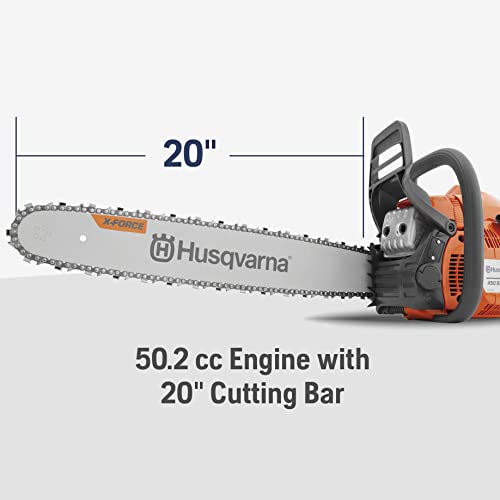
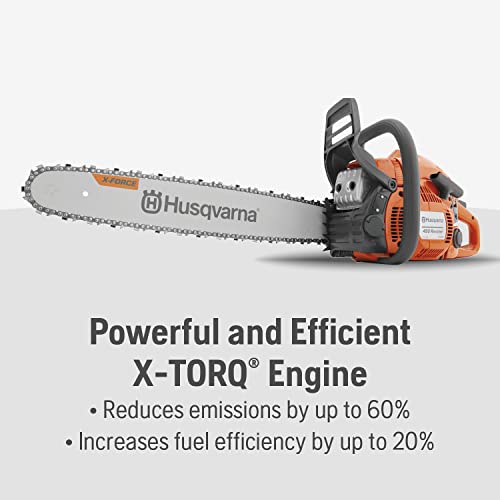
- 50.2-cc X-Torq engine
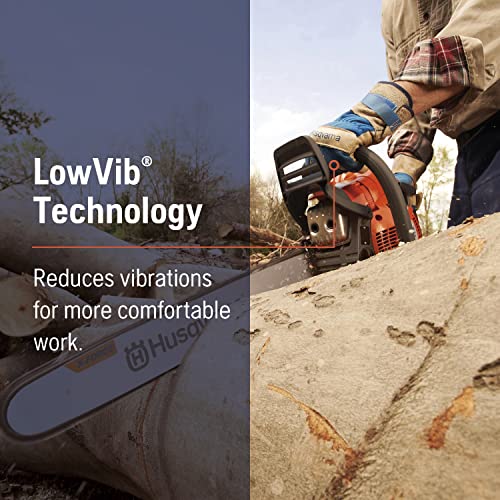
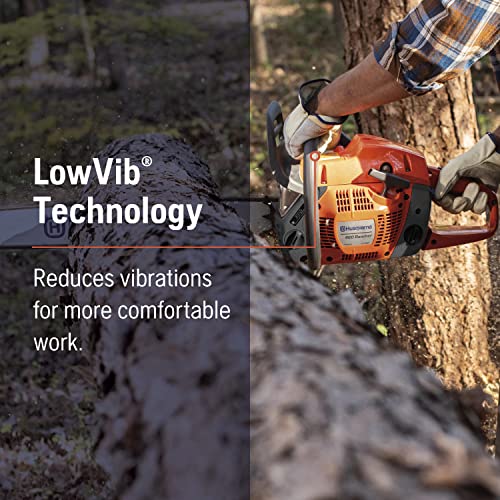
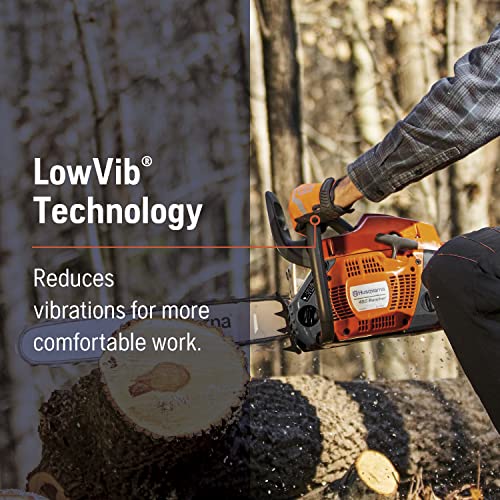
- LowVib technology
- Smart Start system
- Ergonomic design
- Reliable in varied conditions
Trade-offs
- Slightly underpowered for large felling
- Max bar length only 20 inches
- Not for extreme heavy use
The Husqvarna 450 Rancher is the kind of saw that earns loyalty, light enough for all-day pruning, yet powerful enough for firewood and storm cleanup. With a 50.2-cc X-Torq engine, it delivers smooth, reliable performance, and the Smart Start system means fewer pulls and less frustration. The LowVib technology and ergonomic handle make it noticeably more comfortable than budget gas saws, which matters when you’re on your third tree of the day.
It’s not the most powerful in Husqvarna’s lineup, but for most users, it’s the most balanced. Compared to the 455 or 460, it’s lighter and easier to handle, making it a favorite among landscapers and part-time pros. If you want one saw that does everything well without overkill, this is it.
Product photos


Husqvarna 460 Rancher 24 Inch

Strengths
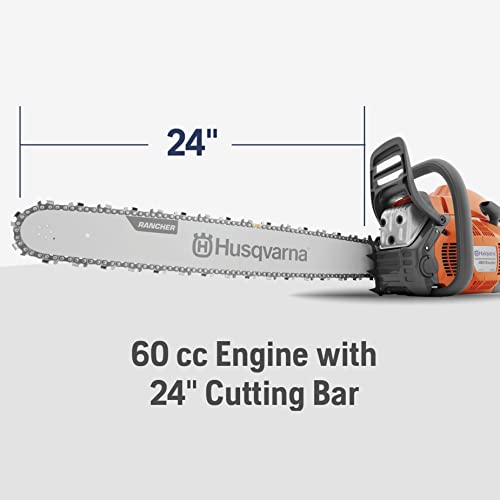
- 60.3-cc X-Torq engine
- 24-inch bar capacity
- LowVib technology
- Air Injection system
- Excellent for heavy felling
Trade-offs
- Heavier than mid-range models
- Higher fuel consumption
- Pricier than entry-level pros
The Husqvarna 460 Rancher is built like a tank and designed for users who regularly tackle large trees, dense brush, or extended land-clearing jobs. With a 60.3-cc X-Torq engine and a 24-inch bar, it delivers serious torque and sustained power, even at lower RPMs, something pros appreciate when cutting through gnarly, wet hardwood. The automatic oil pump ensures consistent lubrication, and the Air Injection system helps maintain engine performance in dusty environments.
Owners praise its LowVib technology and 7-degree offset handle for reducing fatigue during long sessions. It’s heavier than lighter Rancher models, but that’s the trade-off for this level of power. Compared to the 455 or 450 Rancher, this one steps up in both displacement and capability. If you’re doing serious felling or managing large properties, this is the Husqvarna to reach for.
Product photos


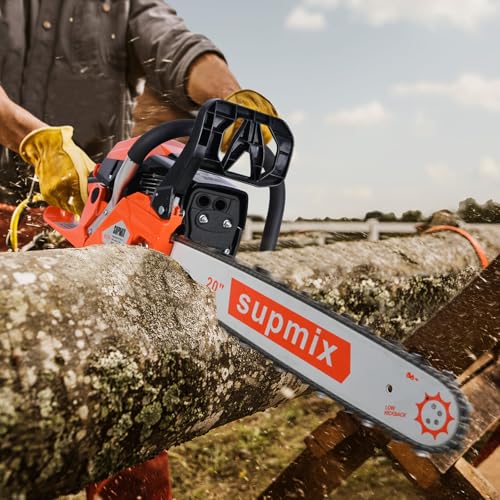
SUPMIXTOOLS 62cc Gas Chainsaw

Strengths
- Affordable price
- 62cc engine
- 20-inch bar
- Low-kickback chain
- Good for occasional pros
Trade-offs
- Basic air filtration
- Higher vibration vs premium models
- Build quality not for heavy daily use
If you’re on a tight budget but still need a saw that can pull its weight on the job site, the SUPMIXTOOLS 62cc model is hard to ignore. It’s one of the few sub-$200 gas saws with a full 20-inch bar and a 62cc 2-cycle engine, and owners say it holds up well under regular use for firewood prep and storm cleanup. The low-kickback chain and safety switch add a layer of confidence, especially for newer users.
That said, while it delivers solid power on paper, it lacks the refined engineering of top-tier brands. The air filtration and vibration damping aren’t as advanced, so long-term durability is a question mark. Still, for homeowners, part-time woodcutters, or side-hustle tree trimmers who don’t want to drop $500 on a saw, this is a functional, no-frills option that gets the job done.
Product photos

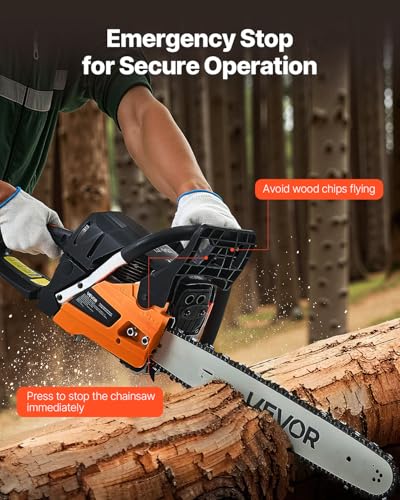
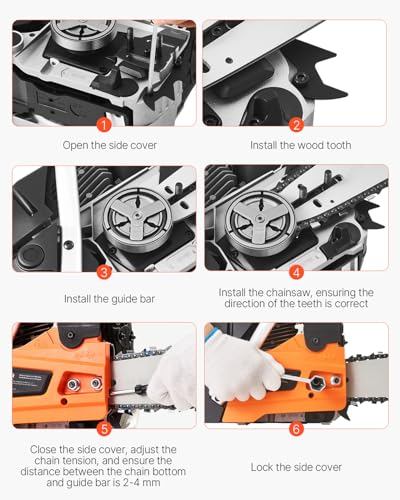
VEVOR 62CC Gas Powered Chainsaw

Strengths
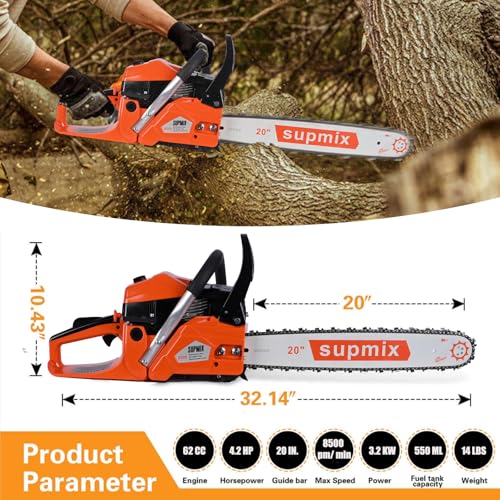
- Large fuel and oil tanks
- Durable composite body
- 62cc 2-stroke engine
- Non-slip handle
- Good for extended use
Trade-offs
- Basic safety features
- Heavier build
- Less refined engine tuning
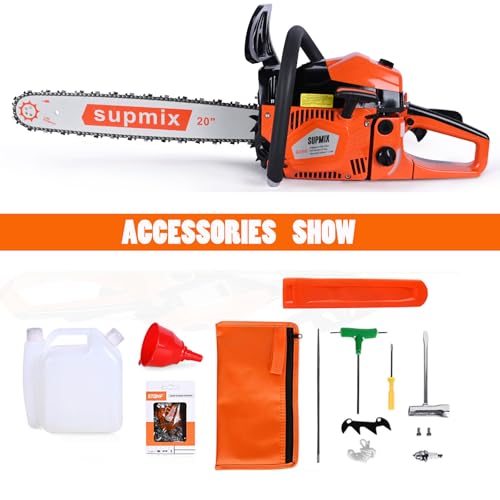
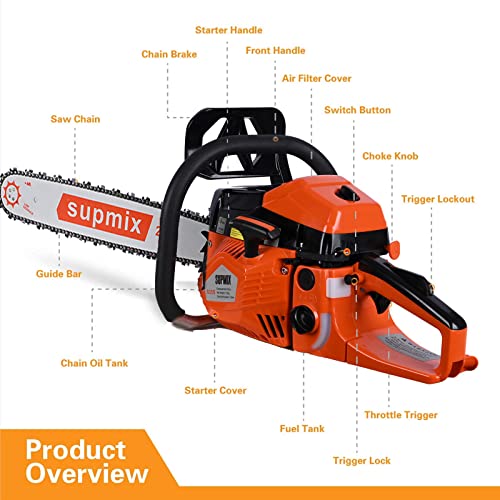
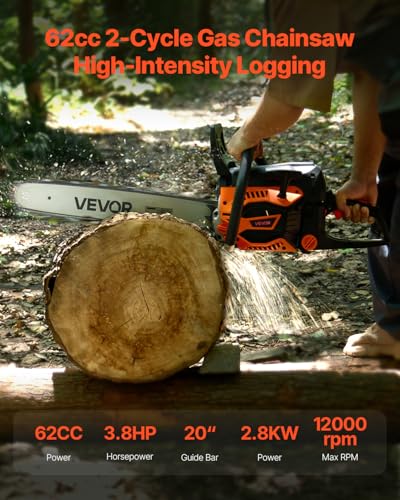
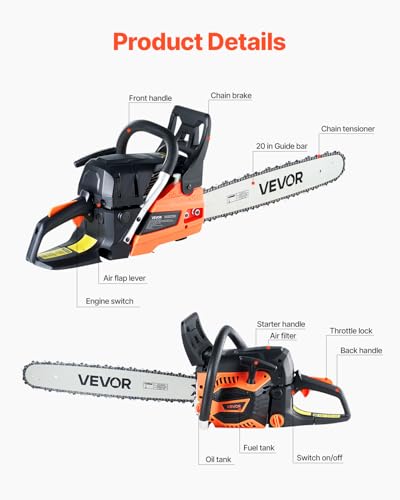
VEVOR isn’t a legacy brand in the chainsaw world, but this 62cc model brings serious specs to the table, especially its dual fuel tanks and PA6+30%GP composite body. The larger 550 ml fuel tank means longer run times between refills, a real advantage for remote or all-day jobs. The 12,000 rpm engine delivers strong cutting speed, and the non-slip handle helps maintain control in wet or cold conditions.
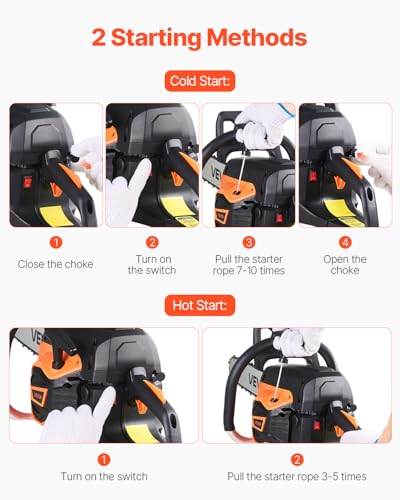
Owners note it starts reliably and holds up well under moderate professional use. It’s not as refined as a Husqvarna or Stihl, but for users who prioritize fuel efficiency and durability in harsh conditions, this saw offers solid value. Just don’t expect the same level of vibration control or engine longevity as premium brands.
Product photos
Husqvarna 455 Rancher 20 Inch
Strengths
- 56-cc X-Torq engine
- Air Injection system
- LowVib technology
- 20-inch bar standard
- Good power-to-weight ratio
Trade-offs
- Slightly heavier than 450
- Pricier than entry-level gas saws
- Not as powerful as 460 Rancher
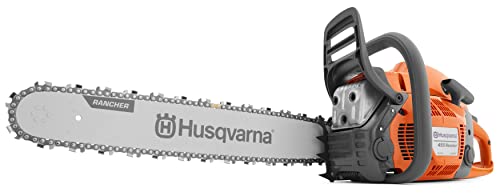
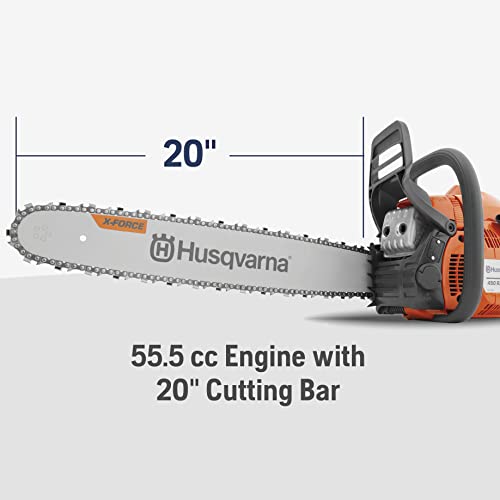
The Husqvarna 455 Rancher hits a sweet spot between power and usability, which is why it’s such a popular mid-range pick among working pros. Its 56-cc X-Torq engine delivers strong, efficient performance across a range of tasks, from firewood cutting to tree trimming, without the bulk of the 460 Rancher. The automatic oiler and Air Injection system help maintain performance in dirty conditions, and the LowVib tech keeps fatigue in check during long sessions.
Compared to the 450 Rancher, it has slightly more displacement and better low-end torque, making it more capable on thicker cuts. It’s also compatible with bars up to 24 inches, giving it more versatility. For a pro who wants a reliable, well-balanced saw without overbuying, this is a smart middle ground.
Product photos
Husqvarna Power Axe 350i Cordless

Strengths
- Brushless motor
- Boost mode
- Tool-less tensioning
- 40V battery included
- Quiet operation
Trade-offs
- Limited runtime on heavy cuts
- Not for continuous heavy felling
- Bar length maxes at 18 inches
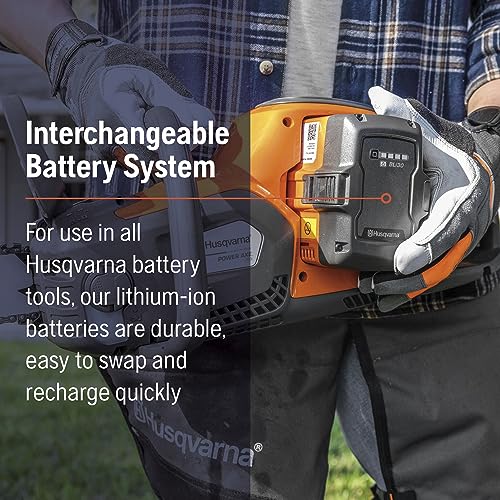
Husqvarna’s Power Axe 350i is one of the most compelling electric chainsaws on the market for professionals who value clean, quiet operation without sacrificing serious cutting performance. On paper, its brushless motor and boost mode delivering 25% more power are standout features, and owners consistently report it handles hardwoods and thick limbs with surprising authority, often comparing it favorably to mid-sized gas saws. The 18-inch bar keeps it maneuverable, and the inclusion of a 7.5 Ah 40V battery and charger in the box means you’re ready to go right out of the gate.
The X-Cut chain and tool-less tensioning make maintenance quick, which matters when you’re juggling multiple jobs. And since it’s part of Husqvarna’s 40V ecosystem, if you already own other tools in this line, the battery compatibility is a real win. It’s not meant for all-day logging, but for landscapers, tree care pros, or estate maintenance crews who need reliable, low-noise cutting in noise-sensitive areas, this saw makes a strong case.
Product photos


Greenworks 80V 18 Inch Chainsaw
Strengths
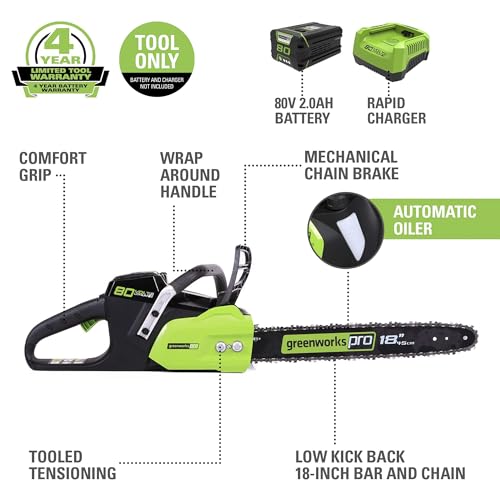
- Brushless motor
- Quiet operation
- No gas or fumes
- Push-button start
- Good battery runtime
Trade-offs
- Battery life under heavy load
- Slower on thick hardwood
- Limited by outdoor charging access
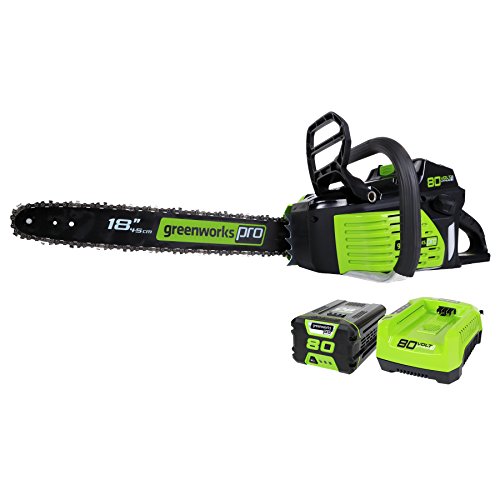
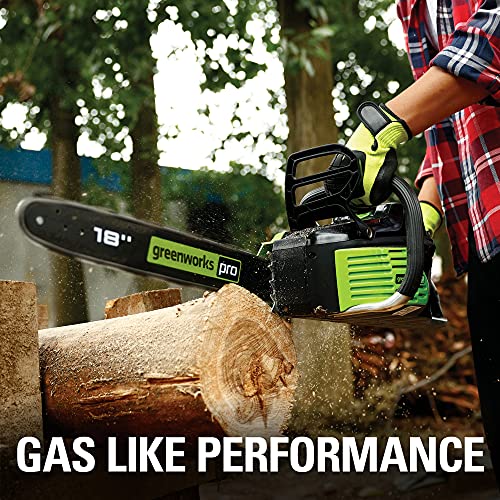
Greenworks’ 80V 18-inch chainsaw is one of the most capable cordless models for pros who need quiet, emission-free operation without giving up too much power. Its brushless motor claims performance comparable to a 42CC gas saw, and owners confirm it handles firewood, limbing, and even small felling jobs with ease, especially with the 2.0Ah battery delivering up to 150 cuts on 4x4s.
The push-button start and lack of gas mixing or pull-cord frustration make it a joy to use, and the automatic oiler helps maintain chain life. But like all battery-powered saws, runtime is a constraint under heavy loads. Still, for urban tree services, municipal crews, or noise-restricted job sites, this saw is a standout.
Product photos


Seesii Mini 6-Inch Cordless Chainsaw
Strengths
- Ultra-lightweight
- One-handed operation
- Two batteries included
- Double safety lock
- Great for beginners
Trade-offs
- 6-inch bar too short for serious work
- Not for thick logs or felling
- Limited power for pro use
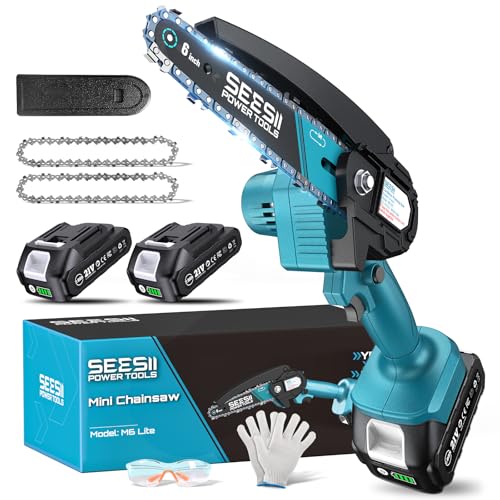
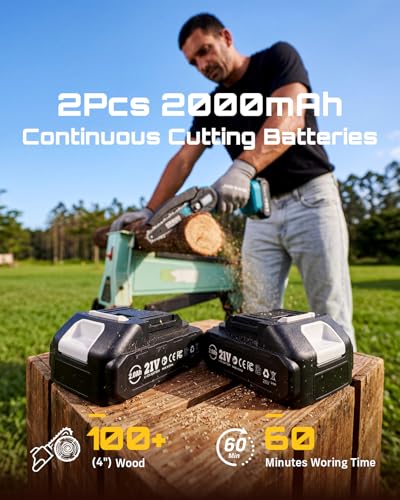
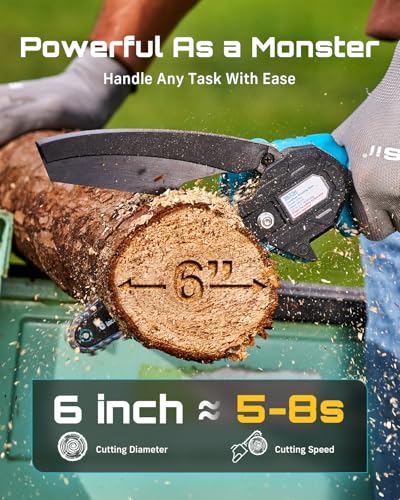
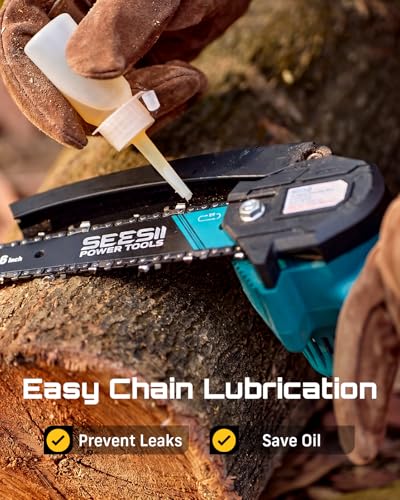
The Seesii Mini Chainsaw isn’t trying to fell trees, it’s built for precision and ease. At just 2.7 pounds and with a 6-inch bar, it’s one of the most user-friendly cordless saws for light pruning, small branch cleanup, or backyard maintenance. The 900W motor and 30 ft/s chain speed deliver surprisingly clean cuts on limbs up to 6 inches, and owners love how effortlessly it handles trimming tasks without fatigue.
The inclusion of two 21V batteries, gloves, goggles, and extra chain means it’s truly plug-and-play. The double safety lock and low-recoil design make it a smart pick for less experienced users or those with limited strength. But let’s be clear, this is not a professional felling tool. It’s a specialty saw for light-duty jobs, and in that role, it excels.
Product photos


How We Picked These professional chainsaws
As someone who’s spent years around power tools, I know a good chainsaw isn’t just about raw power – it’s about the right balance of features, durability, and usability for the task at hand. Rather than a hands-on lab test, this selection is a research-led comparison of published specifications, owner reviews from multiple sources, and reputable expert opinions. I weighed each chainsaw against key performance indicators for professional use, focusing on what separates a tool for occasional use from one built for daily work.
For professional chainsaws, engine power, bar length, and build quality were the most important factors. A powerful engine (above 50cc for gas models) is critical for tackling large trees and sustained cutting. Bar length needs to match the typical job – longer for felling, shorter for limbing – and a robust build ensures the saw can withstand demanding conditions. I also prioritized features like anti-vibration systems and easy-start mechanisms, as these impact user comfort and efficiency over long workdays.
Specifications reliably indicate engine displacement, weight, and bar length. However, owner feedback and expert reviews were crucial for assessing real-world performance, long-term reliability, and ease of maintenance. I gave significant weight to consistent reports of issues (or lack thereof) regarding chain durability, carburetor function, and overall build quality. Proper chainsaw filing is essential for maintaining performance, and I considered how easily the saws could be maintained based on owner reports – you can find more information on that here: chainsaw maintenance tips.
Choosing The Right professional chainsaws
Choosing the right chainsaw isn’t just about horsepower; it’s about matching the tool to the task and your experience level.
A good chainsaw balances power, ergonomics, and safety features. Key considerations include engine type (gas, electric, or battery), bar length relative to typical cutting tasks, chain quality, and features like anti-vibration systems and chain brakes. Buyers should also assess the saw’s weight and ease of maintenance.
Engine Type and Power
The first big decision is fuel. Gas chainsaws offer the most power and runtime for demanding jobs, but they require more maintenance and are louder. Battery-powered models, like the Husqvarna Power Axe 350i, are gaining ground with improved runtimes and convenience, though they still generally lag behind gas in sheer cutting muscle. Electric chainsaws (corded) provide consistent power but limit your range. I generally recommend starting with a gas saw if you’re tackling large trees or frequent cutting, but a battery model is excellent for lighter tasks around the yard.
Bar Length and Cutting Needs
Don’t automatically assume bigger is better. A longer bar allows you to cut larger diameters, but it also adds weight and reduces maneuverability. For most homeowners, a 16- to 20-inch bar is sufficient. If you’re consistently felling trees over 12 inches in diameter, you’ll want to consider a 24-inch or larger model, like the Husqvarna 460 Rancher. Here’s how to think about it:
- Small trimming: 14-16 inches is usually enough.
- Occasional firewood: 18-20 inches offers good versatility.
- Regular felling: 20-24 inches or longer is preferable, but consider the increased weight.
Choosing the right length will make a huge difference in control and safety.
Ergonomics and Safety Features
A chainsaw is only as good as its usability. Look for features that reduce fatigue and enhance safety. LowVib technology, found in many Husqvarna models, is a must for extended use as it minimizes vibrations transmitted to your hands and arms. A quick-stop chain brake is crucial for preventing injuries, and an ergonomic grip makes the saw more comfortable to hold. Always remember proper safety gear, and learn how to sharpen saw chain to maintain peak cutting performance.
A well-maintained chain is a safe chain. Dull chains require more force, increasing the risk of kickback and operator fatigue.
Before you make a purchase, take a look at some best overall chainsaws to get a feel for what features are available and which ones align with your needs. Considering these factors will help you narrow down your choices and find the perfect chainsaw for your projects.
Professional Chainsaws Compared
Here’s a comparison of key specifications for several professional chainsaws to help you make an informed decision.
| Product Title | Bar Length (in) | Engine/Motor Size | Power (HP) | Voltage (V) | Battery Included |
|---|---|---|---|---|---|
| Husqvarna 450 Rancher 20 Inch | 20 | 50.2cc | 3.2 | N/A | No |
| Husqvarna 460 Rancher 24 Inch | 24 | 60.3cc | 3.6 | N/A | No |
| SUPMIXTOOLS 62cc Gas Chainsaw | 20 | 62cc | N/A | N/A | No |
| VEVOR 62CC Gas Powered Chainsaw | 20 | 62cc | 3.8 | N/A | No |
| Husqvarna 455 Rancher 20 Inch | 20 | 56cc | 3.5 | N/A | No |
| Husqvarna Power Axe 350i Cordless | 18 | N/A | N/A | 40 | Yes |
| Greenworks 80V 18 Inch Chainsaw | 18 | N/A | N/A | 80 | Yes |
| Seesii Mini 6-Inch Cordless Chainsaw | 6 | 900W | N/A | 21 | Yes |
Frequently Asked Questions
What chain pitch is best for professional use?
A .325 pitch chain is generally considered the best for professional chainsaws, offering a good balance between cutting speed and durability. While .404 pitch provides even more cutting power, it’s heavier and more commonly found on saws used for very large-diameter trees or competition cutting.
Are battery-powered chainsaws really powerful enough for pros?
While gas chainsaws still dominate the professional market, battery technology is rapidly improving. The top-end models, like those from Husqvarna and Greenworks, can handle many tasks effectively, but they are best suited for lighter-duty work because of battery life concerns and the overall power difference.
How much should I expect to spend on a professional chainsaw?
Expect to spend at least $400 for a decent professional-grade gas chainsaw, and prices easily climb above $600 or $700 for higher-displacement models with advanced features. Battery-powered professional chainsaws with batteries and chargers can often cost more upfront than comparable gas models.
What bar material is most durable?
Solid bars are more durable than laminated bars. Specifically, bars made from alloy steel are best for resisting wear and impact, but they’re also heavier and more expensive. Laminated bars are a good compromise for most users, offering a balance of durability and cost.
Where can I find more information about choosing the best gas chainsaws for my needs?
You can find a detailed guide to the best gas-powered chainsaws on my site, PowerToolGuide.net. I cover different engine sizes, bar lengths, and features to help you narrow down your options.
The Bottom Line
Ultimately, choosing a professional chainsaw comes down to how much control you want versus how much fuss you’re willing to deal with. For most professionals needing a reliable workhorse, the Husqvarna 460 Rancher stands out as the best overall pick – it delivers excellent power, a robust build, and a reputation for long-term durability. It strikes a good balance between capability and manageability for a wide range of forestry and landscaping tasks.
If your needs are more specific, there are excellent alternatives. For budget-conscious buyers, the SUPMIXTOOLS 62cc Gas Chainsaw offers a lot of power for the price. Those prioritizing convenience and lighter work will appreciate the Husqvarna Power Axe 350i Cordless chainsaw, while the Greenworks 80V provides a powerful battery-powered option.
Don’t get too caught up in horsepower numbers or fancy features. The fundamentals – a well-maintained chain, proper safety gear, and knowing how to start a chainsaw safely – matter far more than any single specification. A properly cared-for, moderately-powered chainsaw in skilled hands will always outperform a top-of-the-line model that’s neglected or misused.
