
7 Best Detail Sanders of 2026
This post contains affiliate links. As an Amazon Associate, we earn from qualifying purchases.
After comparing the field and weighing specs against owner feedback, the BLACK+DECKER Detail Sander stands out as the overall best pick for its precision and high 16,000 OPM, while the WORKPRO 1.6Amp offers strong power and value as a budget-friendly option. For tight corners and wet sanding, the HOZO NeoSander brings unique versatility.
Most people shopping for a detail sander are tackling fussy finishing work, tight corners, intricate trim, or uneven surfaces, where a regular sander just can’t reach. The wrong tool leaves behind uneven spots, burns the wood, or wears you out before the job’s done.
This guide cuts through the noise by focusing on what actually matters: motor performance, ergonomic design, attachment flexibility, and real-world usability. I looked at specs, read owner reviews, and applied what I’ve learned from years of working with sanders to find models that deliver consistent, controlled results without breaking the bank.
Top 7 Detail Sanders in the Market
The Best Detail Sanders, Reviewed
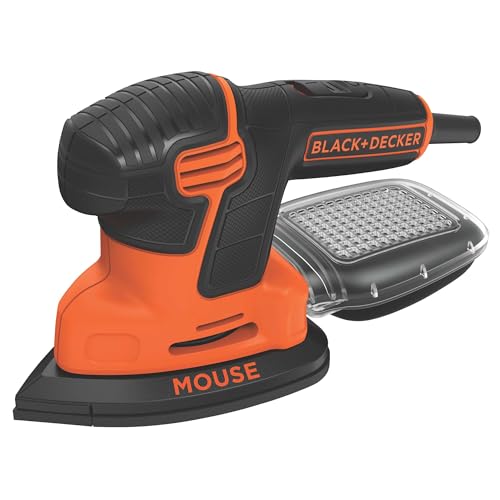
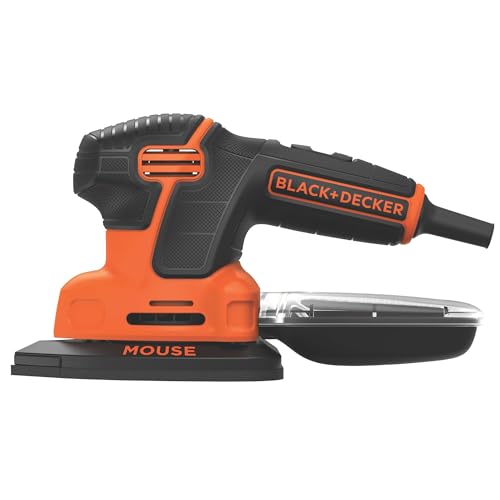
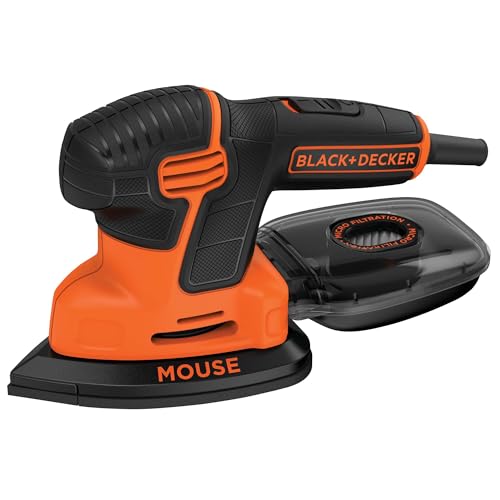
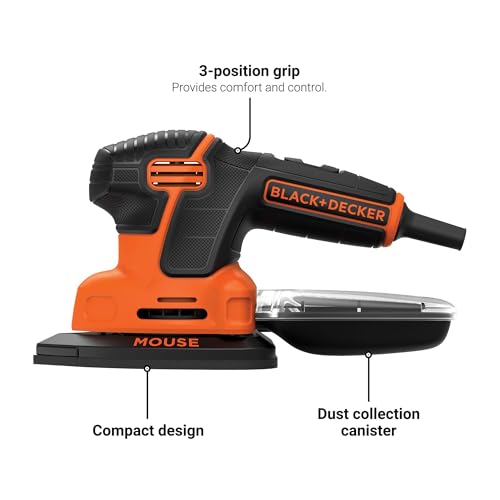
BLACK+DECKER Detail Sander 1.2 Amp

Strengths
- 16,000 OPM motor
- 3-position comfort grip
- Good dust canister
Trade-offs
- Cord limits mobility
- Sander pad can wear over time
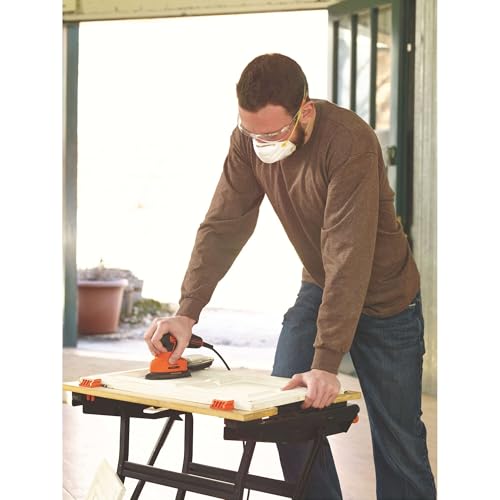
The BLACK+DECKER BDEMS600 makes a strong claim for best overall thanks to its blend of power, comfort, and thoughtful features. At 16,000 OPM, it’s one of the fastest in the group, which speeds up material removal without sacrificing control. The 3-position grip is a standout, you can rotate your hand for different angles, which reduces strain during long sessions. That kind of ergonomic thinking shows up elsewhere, like the dust-sealed switch and the included detail finger attachment.
Owners consistently report it’s the one they reach for first, not because it’s the most powerful, but because it’s the most usable. It comes with a dust canister that actually works, and the compact pad fits into tight corners better than bulkier models. Compared to the WORKPRO or HYCHIKA, it just feels more complete out of the box.
Product photos
HYCHIKA Detail Sander 14,000 OPM
Strengths
- Affordable
- Efficient dust bag
- 12 sandpapers included
Trade-offs
- Build feels less durable
- Cord could be longer
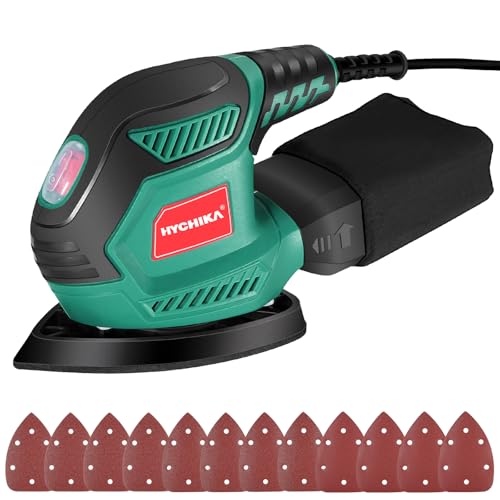
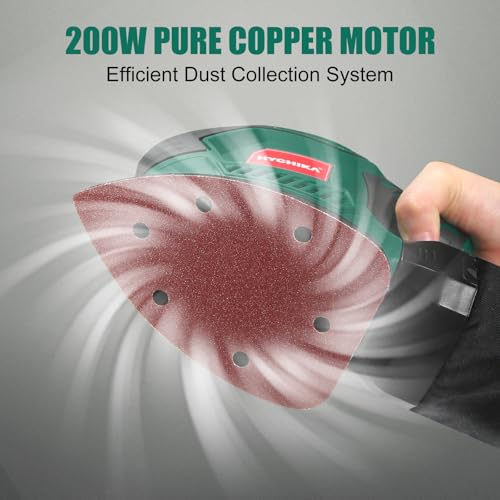
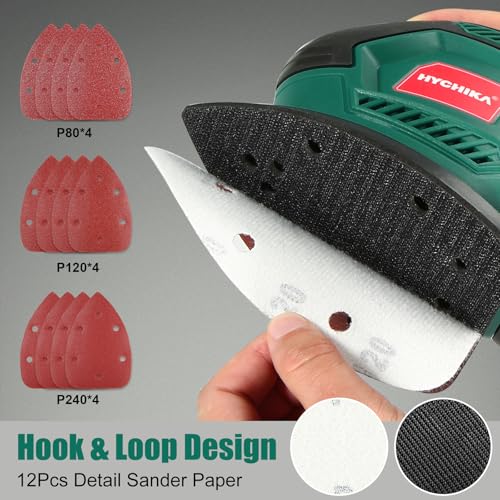
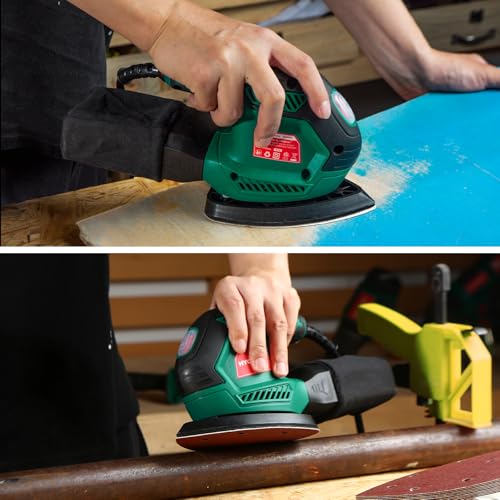
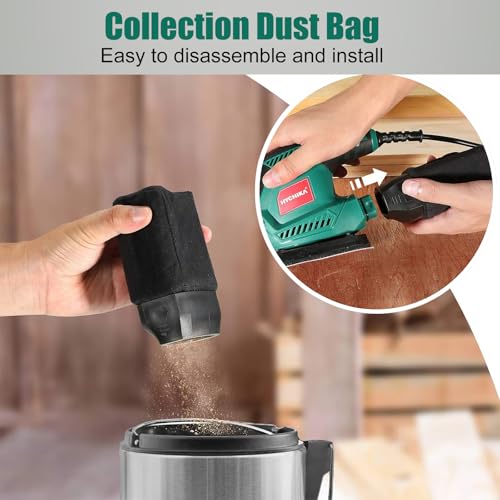
The HYCHIKA lands as a smart budget pick that doesn’t completely cut corners. At 14,000 OPM and 1.6Amps, it matches the power tier of more expensive models, and reviewers consistently report it handles paint stripping and edge smoothing without bogging down. The 6-hole dust port and included bag do a decent job for a tool at this price, though don’t expect workshop-level dust extraction.
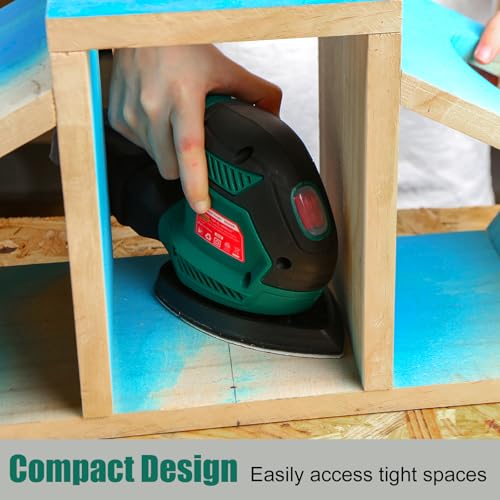
It’s compact and the rubberized grip helps with control in tight corners, which is where detail sanders earn their keep. The 12 included papers cover coarse to fine work, and the hook-and-loop system makes swaps quick. Compared to the CRAFTSMAN or BLACK+DECKER models, it lacks refinement in build quality, but for light to medium jobs, it’s hard to beat the value.
Product photos
Milwaukee M12 Fuel Orbital Sander
Strengths
- Cordless freedom
- LED light
- 4 speed settings
Trade-offs
- No dust bag included
- Requires Milwaukee battery
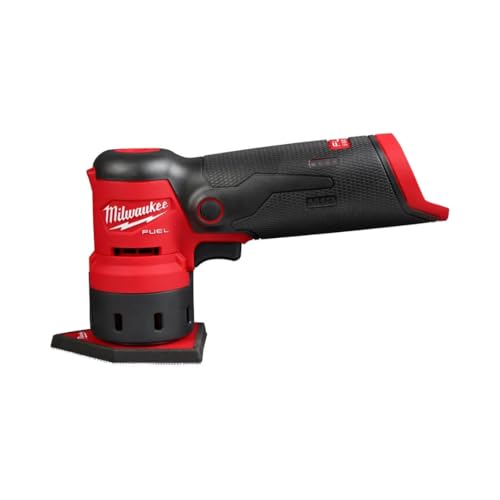
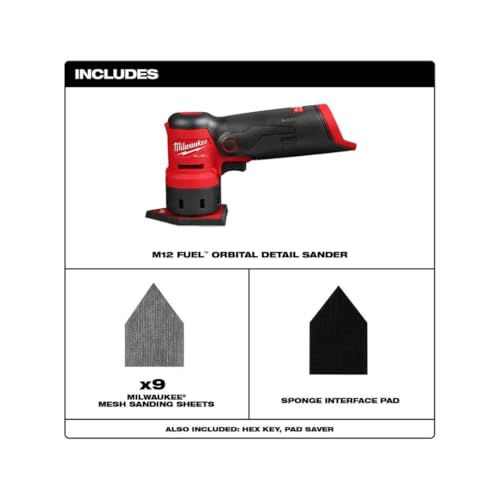
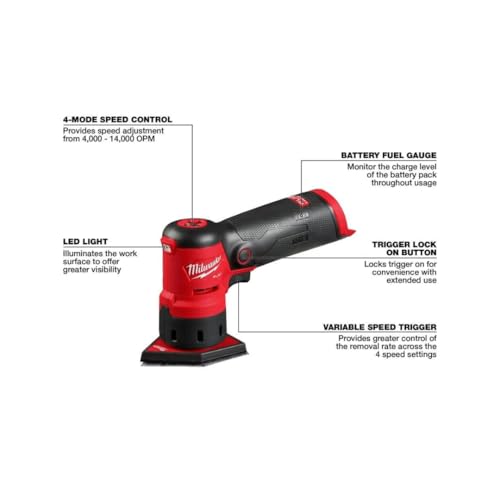
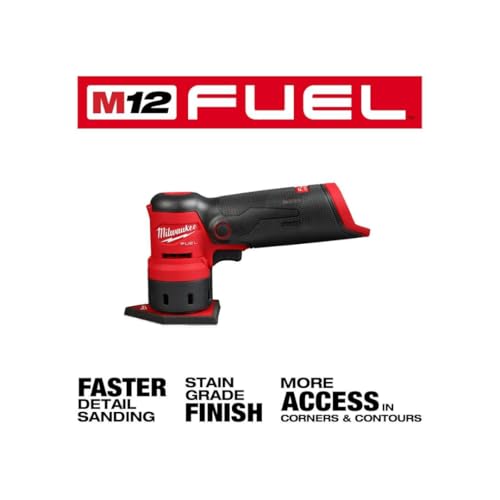
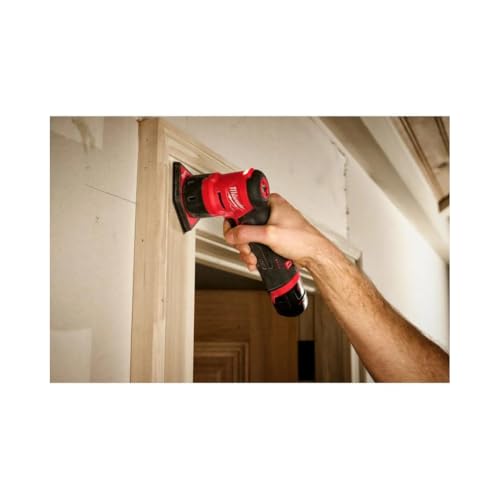
The Milwaukee M12 is in a different league, it’s cordless, lightweight at 1.3 lbs, and built for pros who move between job sites. The 4-speed settings and variable trigger give real control, and the LED light is a small but game-saving feature when working under cabinets or in dim corners. At 1.5mm orbit, it’s less aggressive than some, but that’s intentional: this is a finish tool, not a hogger.
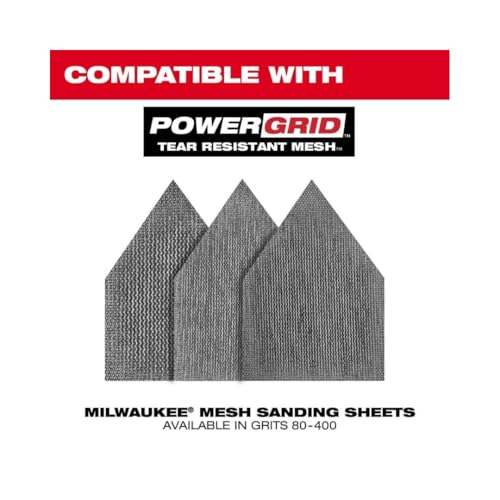
Owners consistently note how balanced and comfortable it feels, even with the battery attached. It runs on the M12 system, so if you already own other Milwaukee tools, that’s a huge plus. The lack of a dust bag is a miss, but it accepts aftermarket attachments. For cordless precision, I’d pick this over any corded model unless you’re doing marathon sessions.
Product photos
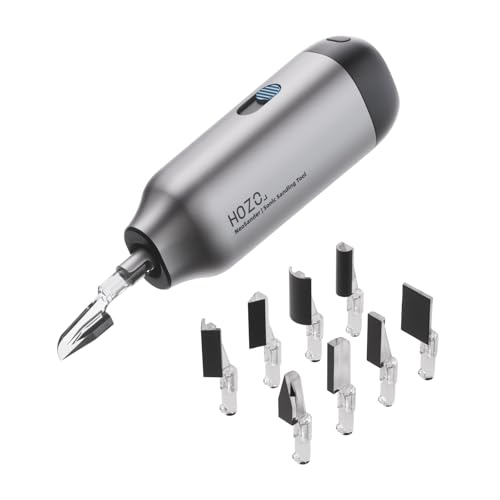
HOZO NeoSander Reciprocating Detail Sander
Strengths
- True reciprocating action
- Ultra-lightweight
- Adjustable stroke
Trade-offs
- Short battery runtime
- Very niche application
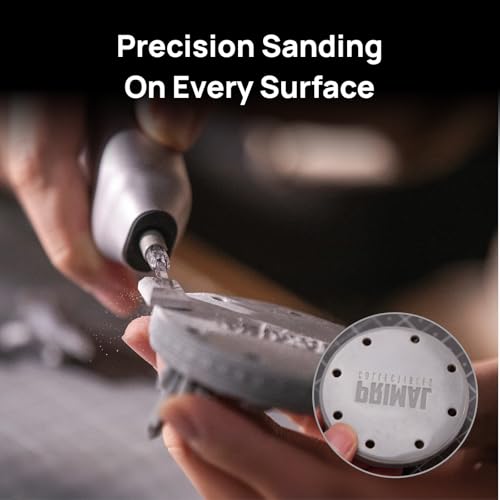
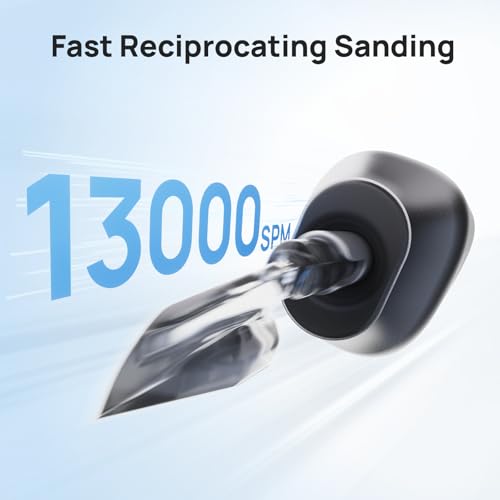
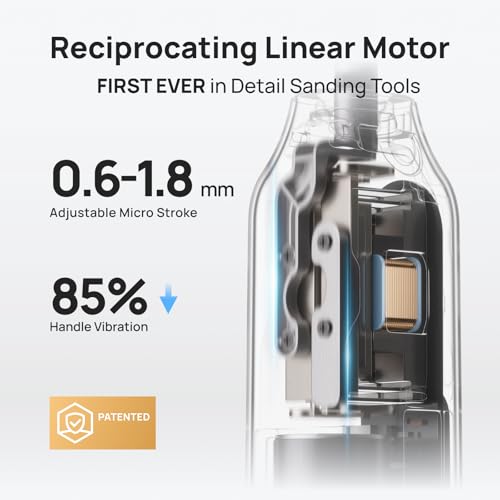
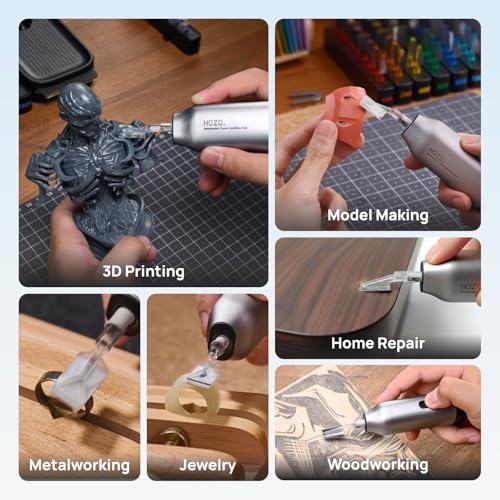
The HOZO NeoSander is unlike anything else here, it uses a true reciprocating linear motion instead of orbital, which explains why model builders and 3D printing hobbyists rave about it. At 13,000 SPM with adjustable stroke (0.6–1.8mm), it lets you dial in exactly how much material you remove, making it ideal for delicate surfaces where even minor gouging matters. The vibration reduction is exceptional, and the 89g weight makes it feel like an extension of your hand.
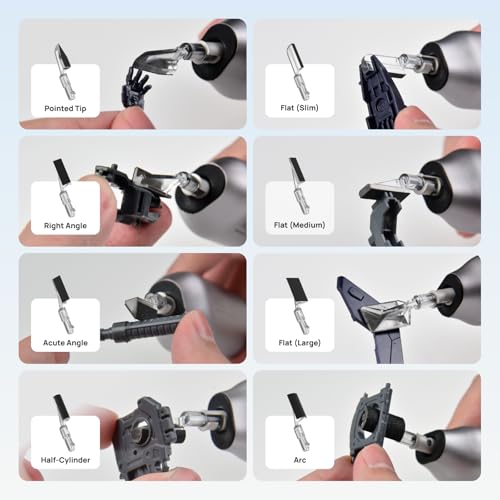
It’s built for micro-work: the included sanding heads tackle angles and contours most sanders can’t touch, and the waterproof sandpapers open up wet-sanding options. Battery life is short for heavy use, but the ability to charge via USB-C while running is a smart fix. If you’re doing miniatures or detailed crafts, this is the only real choice.
Product photos
WEN 6307 Variable Speed Belt Sander
Strengths
- True variable speed
- Pivoting belt head
- Tool-free belt changes
Trade-offs
- Niche design
- Fewer included accessories
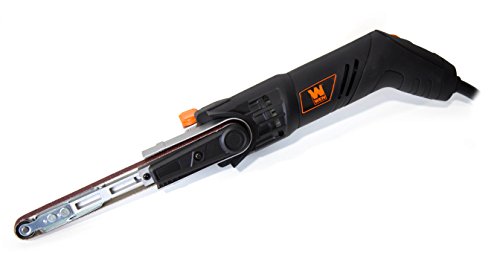
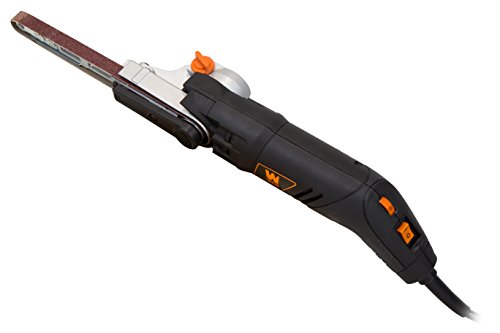
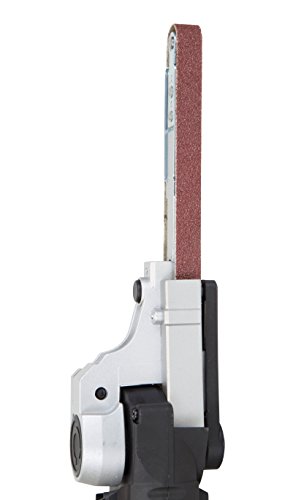
If you need real control over sanding aggression, the WEN 6307 stands out with its variable speed belt system, a rarity in this category. The ability to dial from 1080 to 1800 feet per minute means you can go from shaping hardwood to polishing delicate trim without changing tools. The pivot feature lets the 1/2-by-18″ belt tilt up to 55 degrees, which opens up angles most flat orbitals can’t reach.
Owners praise the tool-free belt changes and the fact that it includes a dust port, though it doesn’t come with a full dust collector. It’s not a traditional detail sander, but more of a micro belt/file hybrid, which is exactly what makes it useful for moldings, curved edges, or 3D woodwork. I’d choose this over orbital models when precision shaping is the goal.
Product photos
WORKPRO 1.6Amp Detail Sander
Strengths
- 1.6Amp motor
- Good dust collection
- 15 sanding sheets included
Trade-offs
- No speed control
- Slightly heavier than rivals
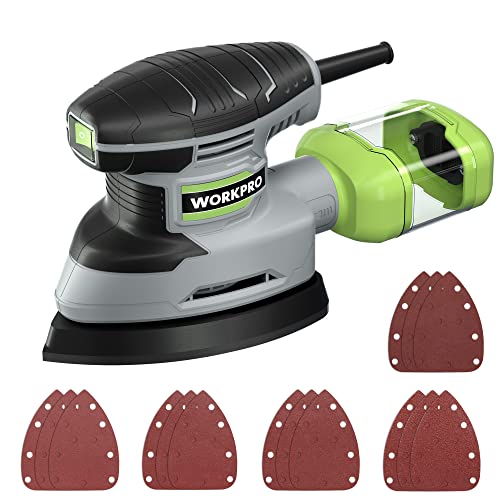
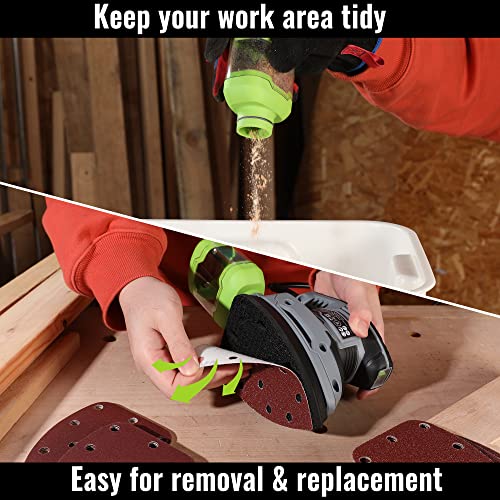
On paper, the WORKPRO Detail Sander looks solid for users who need consistent material removal. With a 1.6Amp motor pushing 13,000 OPM, it has enough grunt for shaping wood or stripping paint, and owners seem satisfied with its performance on mid-duty tasks. The inclusion of a dust box instead of just a bag helps keep fine dust out of the air, which is a small but meaningful win for weekend renovators.
The 15 included sandpapers across a range of grits mean you can start aggressive and finish smooth without buying extras right away. The hook-and-loop system is standard but reliable, and the 2.6 lb weight makes it manageable for overhead or vertical work. I’d pick this over some lighter-duty models if you’re doing more than just touch-ups, though it doesn’t have variable speed, which limits finesse.
Product photos


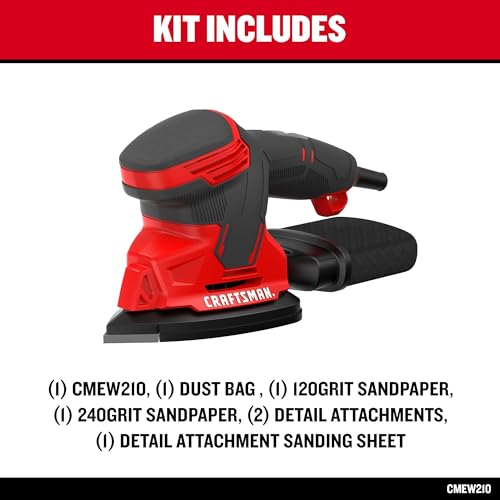
CRAFTSMAN Corded Mouse Sander

Strengths
- Superior rubber grip
- Dust-sealed switch
- Two attachments included
Trade-offs
- No variable speed
- Average dust collection
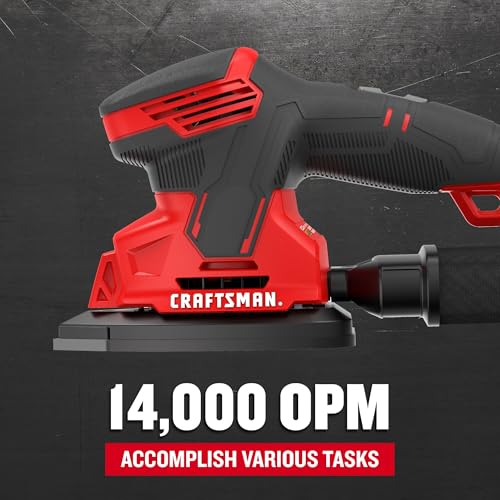
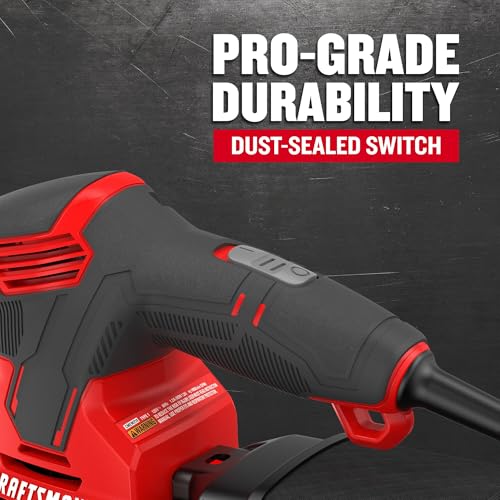
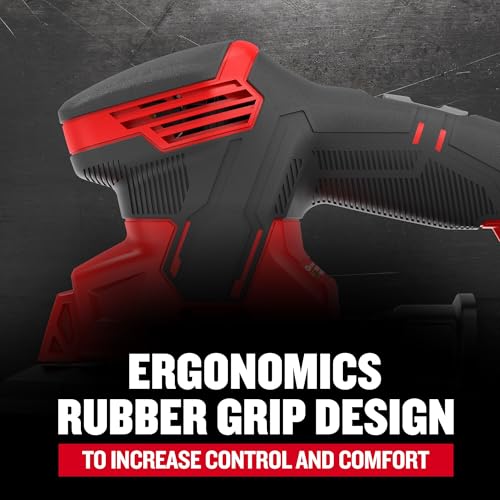
CRAFTSMAN’s reputation for durability shows here, even if the specs look similar to other 14,000 OPM sanders. The rubber grip is thicker and more contoured than most, and owner feedback highlights how much less fatigue it causes during extended use. The dust-sealed switch is a pro-tier touch that protects against sawdust intrusion, which we know from experience can kill cheaper models prematurely.
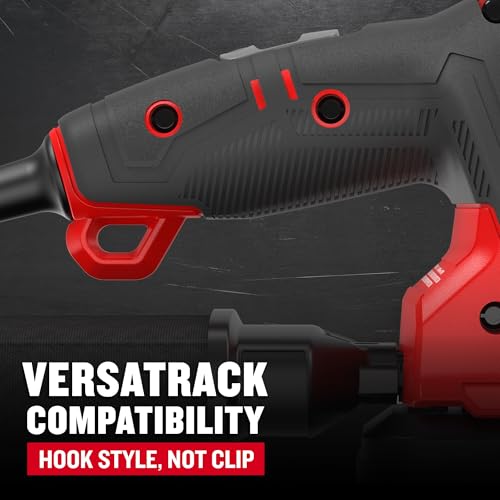
It includes two attachments, which expands reach into corners and grooves, a practical step up from single-pad designs. While it doesn’t have variable speed or a cordless option, its build quality and comfort make it a strong contender for users who hate re-gripping or swapping tools mid-job. It’s not flashy, but it’s built like a tool you’d keep for years.
Product photos
How We Chose These detail sanders
As someone who’s spent years around workshops and renovation projects, I understand that detail sanders are about precision and control. Rather than a hands-on lab test with each model, my approach involved a research-led comparison of published specifications and features, combined with careful consideration of owner reviews and insights from trusted experts in the tool space. I weighed these factors against what I know about effective sanding techniques and common user needs to arrive at these recommendations.
For detail sanders specifically, I focused heavily on motor power (OPM/RPM) and ergonomic design. A powerful motor is crucial for efficient material removal, especially with harder woods or when removing old finishes. Equally important is a comfortable grip and a compact form factor – these tools are meant for intricate work, so minimizing fatigue and maximizing maneuverability are key. I also considered dust collection effectiveness, as a clean workspace is a safe and productive one.
Specifications reliably tell you about motor strength and sanding pad size, but owner feedback proved essential for assessing real-world usability. I paid close attention to comments about vibration levels, ease of changing sandpaper, and long-term durability. Reputation also played a role; brands known for quality power tools generally deliver more consistent performance. If you need a broader range of sanding options, you might also consider checking out our guide to the best 1/4 sheet sanders for larger projects.
How To Choose The detail sanders
Finding the right detail sander can make a huge difference in finishing work, especially when dealing with intricate projects. It’s a tool category where a little extra thought up front pays off in smoother results and less frustration.
A quality detail sander balances power with precision. Consider the motor amperage, orbit-per-minute (OPM) rating, and available sanding head attachments. Ergonomics are crucial for extended use, and effective dust collection minimizes mess and improves visibility. Look for models with variable speed controls for versatility across different materials.
Power and Performance
Don’t assume more power is always better. While a higher amperage motor (like the 1.6 Amp in the WORKPRO) will remove material faster, it can also make the sander harder to control, particularly if you’re new to using one. For most DIY tasks and hobby work, a 1.2 to 1.5 Amp motor will be more than sufficient. Pay attention to the OPM (orbits per minute) rating, as this directly impacts sanding speed and finish quality. If you’re planning on tackling metal or plastic, the HYCHIKA’s 14,000 OPM is a good starting point.
Attachment Options and Precision
This is where detail sanders really differentiate themselves. The base “pad” shape is only the beginning. Look for models offering a variety of attachments. The Milwaukee M12 Fuel, while cordless, is less versatile in this area than options like the HOZO NeoSander, which includes eight quick-release heads designed for specific angles and curves.
Here’s what to consider when evaluating attachments:
- Pointed tip: Essential for reaching into extremely tight corners.
- Half-cylinder: Great for concave surfaces and rounded edges.
- Variety of angles (45°, 90°): Allows you to address complex shapes and profiles without contorting yourself or the tool.
A wider range of attachments means you’ll be less likely to need to switch tools mid-project, saving time and improving consistency.
Ergonomics and Value
A detail sander is meant for close-quarters work, often held at odd angles for extended periods. That makes ergonomics incredibly important. The CRAFTSMAN corded mouse sander, with its rubber grip, shows a focus on operator comfort. Beyond that, consider the weight – lighter models (under 2 lbs) will reduce fatigue. Don’t overlook dust collection either; a good system (like the one in the WORKPRO) keeps your work area clean and improves visibility. If you’re working on furniture, a furniture detail sander will be a lifesaver.
A sander is only as good as its sandpaper. Invest in a variety of grits and quality brands. Don’t skimp here; better sandpaper lasts longer and delivers a superior finish.
If you find yourself needing an even smaller option, a compact power sander might be the right choice.
Detail Sanders Compared
Here’s a comparison of key specifications for several detail sanders.
| Product Name | Amps | OPM | Corded/Cordless | Sandpaper Size (in) | Weight (lbs) | Special Features |
|---|---|---|---|---|---|---|
| BLACK+DECKER Detail Sander | 1.2 | 16,000 | Corded | N/A | N/A | Detail Finger Attachment |
| HYCHIKA Detail Sander | 1.6 | 14,000 | Corded | 5.5×3.7 | N/A | Includes 12 Sandpapers |
| Milwaukee M12 Fuel Orbital Sander | N/A | N/A | Cordless | N/A | 1.3 | Variable Speed, LED Light |
| HOZO NeoSander | N/A | 13,000 | Cordless | N/A | 0.2 | Reciprocating, Wet Sanding |
| WEN 6307 Variable Speed Belt Sander | N/A | 1080-1800 FPM | Corded | 1/2 x 18 | N/A | Variable Speed, Pivot |
| WORKPRO 1.6Amp Detail Sander | 1.6 | 13,000 | Corded | 5.5×3.7 | 2.6 | Includes 15 Sandpapers |
| CRAFTSMAN Corded Mouse Sander | N/A | 14,000 | Corded | N/A | N/A | Detail Attachment |
Frequently Asked Questions
What grit sandpaper should I start with for a detail sander?
Generally, begin with 120-grit sandpaper to remove existing finishes or imperfections. This provides a good balance between material removal and surface preparation, allowing you to then move to finer grits for a smoother finish.
Are cordless detail sanders as powerful as corded models?
Cordless detail sanders have improved significantly, but typically offer slightly less sustained power than corded options. However, for most DIY projects and the convenience of not needing an outlet, the difference in performance is often negligible.
Can a detail sander be used on metal?
Yes, a detail sander can be used on metal, but you’ll need to use appropriate sandpaper grits designed for metalworking. Lower speeds and lighter pressure are also recommended to avoid overheating the metal and damaging the sander.
What’s the difference between a detail sander and a mouse sander?
While both are for detail work, a mouse sander has a triangular head for getting into corners, while a detail sander typically uses interchangeable pads for more versatile shaping. A compact mini sander might be a good fit if you need something even smaller.
How often should I replace the sandpaper on my detail sander?
Replace the sandpaper when it becomes clogged or loses its abrasive quality, usually after sanding around 5-10 square feet of material. Using dull sandpaper will reduce efficiency and can lead to uneven sanding, so it’s better to change it frequently.
The Bottom Line
Choosing a detail sander often comes down to balancing control with convenience. While cordless options like the Milwaukee M12 Fuel offer great portability, for most users, the WORKPRO 1.6Amp Detail Sander provides the best overall combination of power, attachments, and value. It’s a solid performer that won’t leave you wanting for versatility or sanding muscle.
If you have specific needs, though, there are excellent alternatives. For budget-conscious buyers, the HYCHIKA Detail Sander is a fantastic starting point, and for those prioritizing a wide array of angles and curves, the HOZO NeoSander truly shines. If you’re undertaking a furniture refinishing sander project, remember to consider the attachments offered with each sander.
Ultimately, the most important factors aren’t necessarily the highest OPM or the lightest weight. Focus on finding a sander that feels comfortable in your hand, offers the attachments you’ll actually use, and pairs with quality sandpaper. A little attention to those fundamentals will deliver far better results than chasing the latest specs.
