8 Best Dust Extractors of 2026
This post contains affiliate links. As an Amazon Associate, we earn from qualifying purchases.
The Festool CT 15 stands out as the overall best dust extractor for serious woodworkers who demand top-tier filtration and seamless worksite integration, while the DEWALT 10 Gal. offers a strong budget-friendly option with solid performance and auto filter cleaning. For cordless freedom and jobsite mobility, the DEWALT 20V MAX* Cordless Extractor is our top versatility pick.
If you’ve ever finished a cutting job only to find fine dust hanging in the air or coating your workspace, you know most vacuums aren’t built for real workshop demands. I’ve seen too many people buy powerful-looking extractors only to struggle with clogged filters, weak suction, or poor sealing that lets hazardous particles escape.
This guide cuts through the specs and marketing to focus on what actually matters: real-world performance, filtration reliability, and features that make cleanup efficient. I looked at airflow, water lift, HEPA certification, and automation features, then matched them with owner feedback and brand reputation to find the models that deliver consistently.
Top 8 Dust Extractors in the Market
The Best Dust Extractors, Reviewed
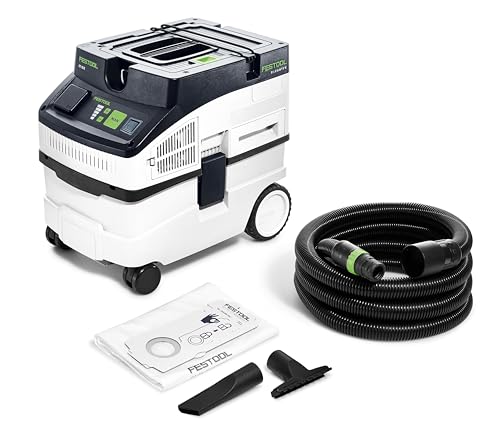
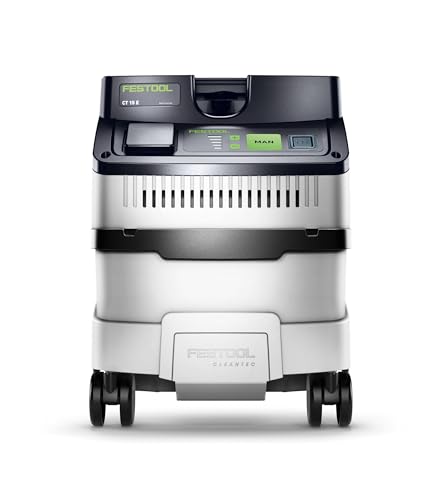
Festool CT 15 Dust Extractor
Strengths
- AutoClean system
- Premium build quality
- Compact and mobile
Trade-offs
- High price
- Smaller tank
- Best with Festool tools
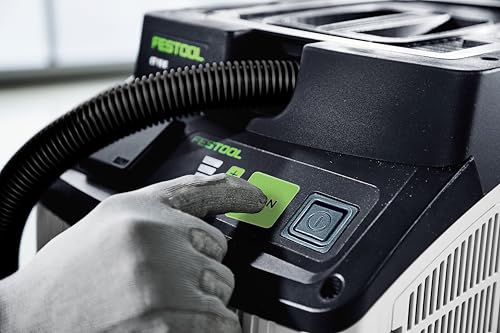
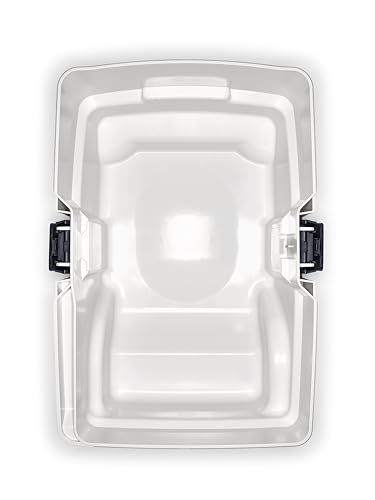
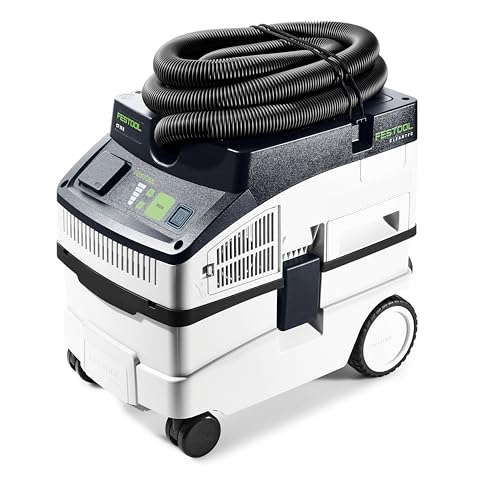
Festool’s CT 15 is the benchmark for a reason. It’s compact, but the adjustable turbine and AutoClean system deliver consistent suction that owners say rarely drops, even during marathon sanding sessions. The 3.96-gallon container is smaller than others, but the efficiency makes up for it. What impresses most is the build, steel axles, robust chassis, and a 3-year warranty that covers wear and tear, which is rare.
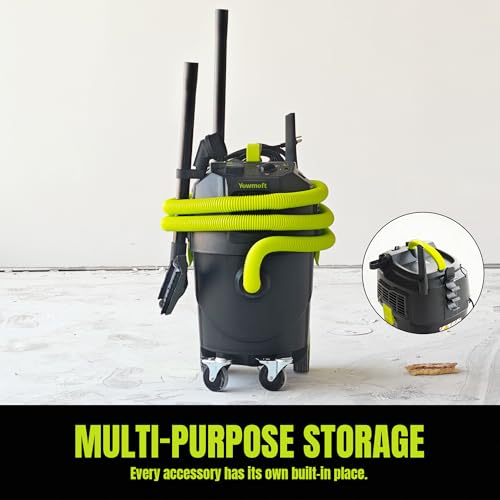
The integrated tool start works flawlessly with Festool tools, and the onboard storage for nozzles is a small but meaningful touch. It’s expensive, yes, but reviewers consistently say it lasts longer and performs cleaner than anything else in its size class. For precision work, cabinetry, finish sanding, fine woodworking, this is the one I’d recommend without hesitation.
Product photos
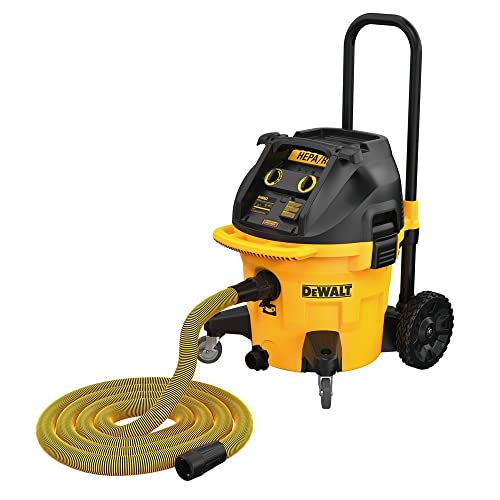
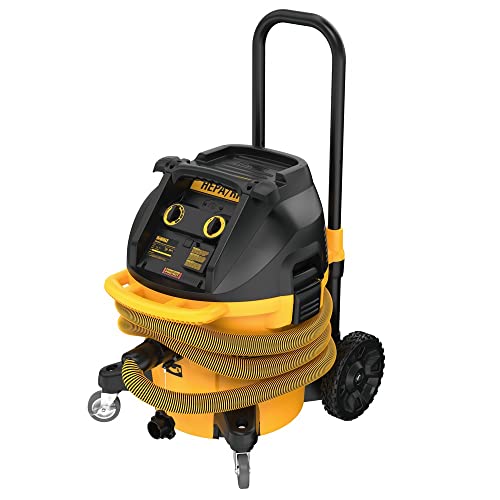
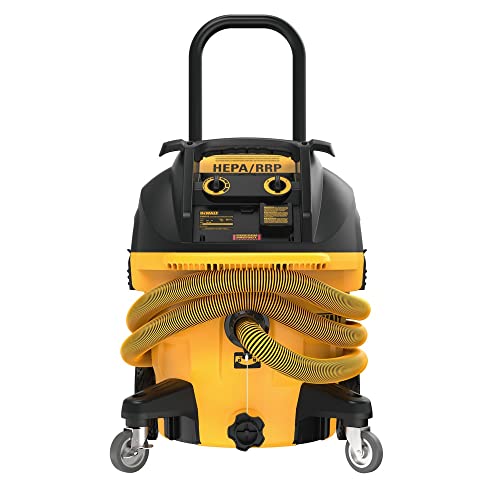
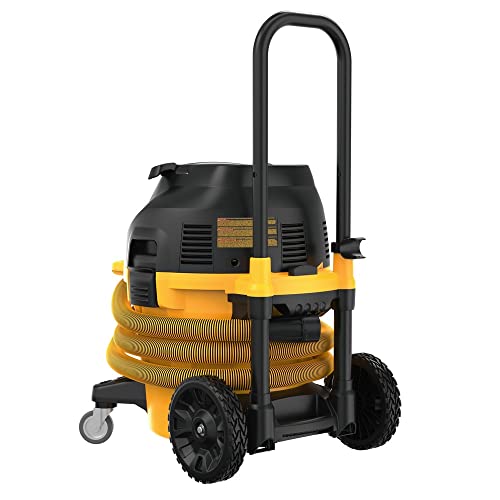
DEWALT 10 Gal. Dust Extractor
Strengths
- Large 10-gallon tank
- High 155 CFM suction
- TSTAK compatible storage
Trade-offs
- Heavy and less mobile
- Loud at full power
- Higher power draw
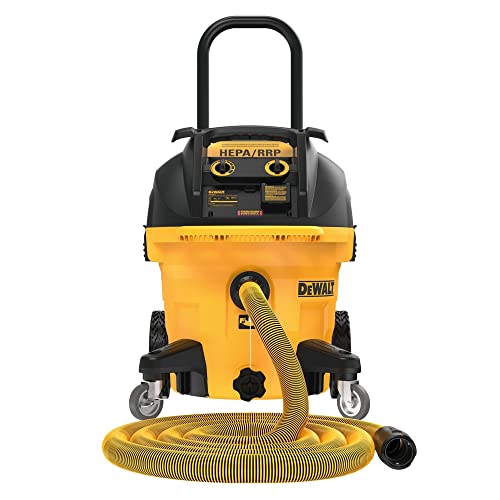
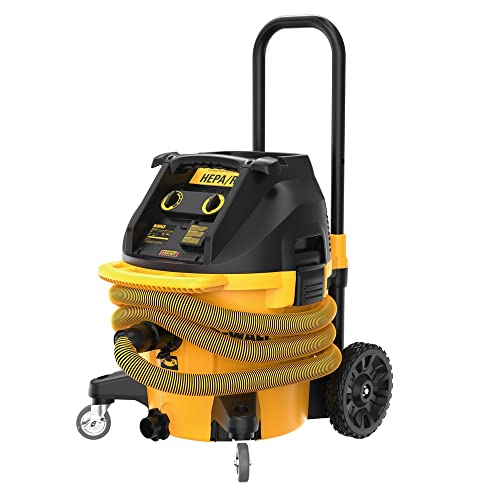
When you need to cover big ground, this 10-gallon DEWALT is built for the long haul. The 155 CFM suction is among the highest here, and the automatic filter clean every 30 seconds keeps it running without constant maintenance. It’s corded, so no runtime worries, and the AirLock system minimizes dust escape during filter changes, a real plus on messy jobsites.
Owners praise its TSTAK and TOUGHSYSTEM compatibility, making it easy to integrate into a DEWALT-centric workflow. The durable latches and accessory rack add utility. It’s bulky, sure, but that’s the trade for high capacity and sustained power. For large-scale drywall, flooring, or demo jobs, this is the workhorse I’d trust over lighter models.
Product photos
Fein Turbo I HEPA Pro Set

Strengths
- Extremely quiet
- Strong suction for size
- HEPA + filter bag system
Trade-offs
- Higher price point
- Tank capacity is modest
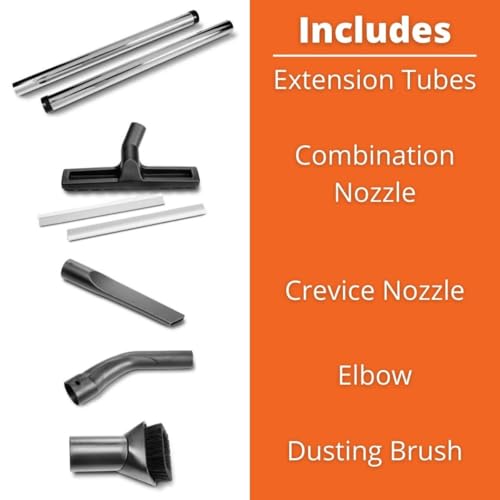
- Fewer heavy-duty accessories
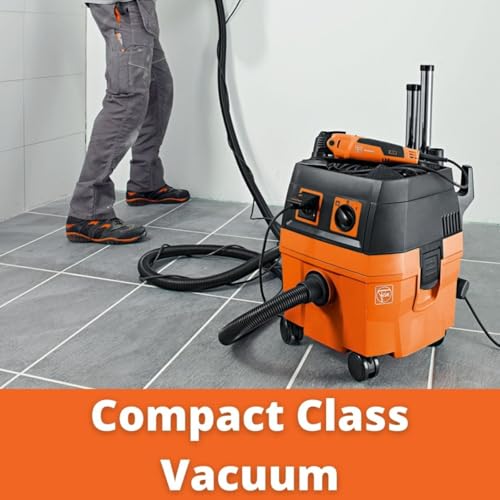
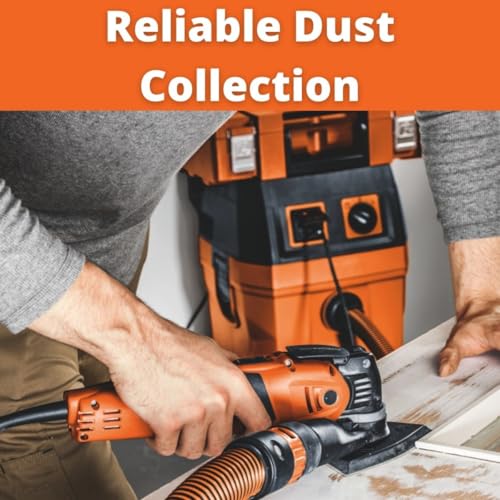
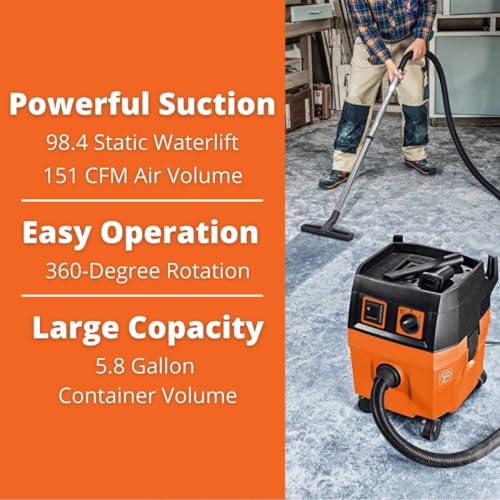
If noise is a dealbreaker, say you’re working in a home office, a condo, or late-night remodeling, this Fein is the quietest serious extractor I’ve seen in this class. At 66 dB, it’s quieter than most refrigerators, yet it still pushes 151 CFM with 98″ water lift. That combo is rare. On paper, it’s built like a precision tool, not a brute-force vac, and owners confirm it handles fine dust and wet spills without breaking a sweat.
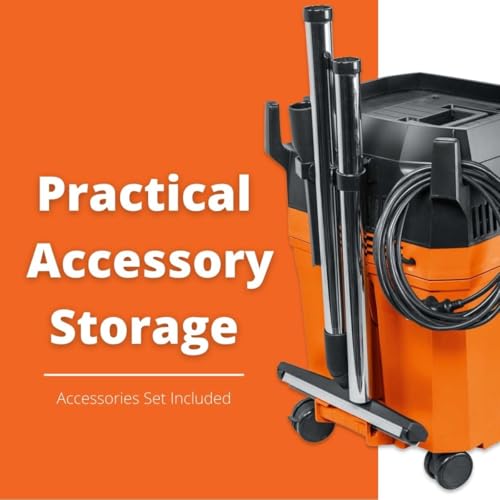
The HEPA filter plus filter bag setup is effective for L-class dust, and the autostart outlet syncs well with sanders and routers. The 19 ft power cord and 13 ft anti-static hose give real flexibility. It’s not the largest, but for woodworking shops or indoor renovations where clean air and low noise matter, this is the one I’d lean on. It’s also easier to store than bulkier models.
Product photos
Bosch VAC090AH 9 Gallon Extractor
Strengths
- OSHA Table 1 compliant
- Auto filter cleaning
- HEPA + fleece bag combo
Trade-offs
- Heavier than competitors
- Noisy at full power
- Cord management could be better
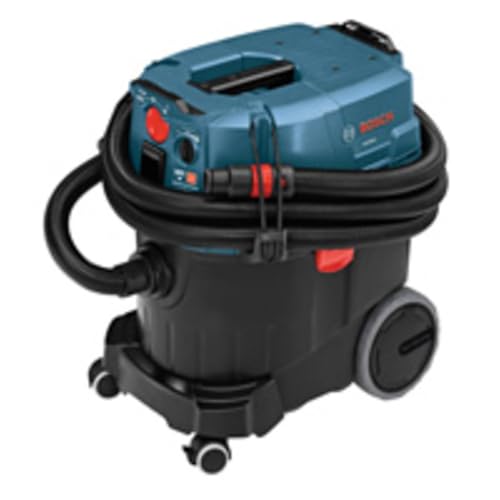
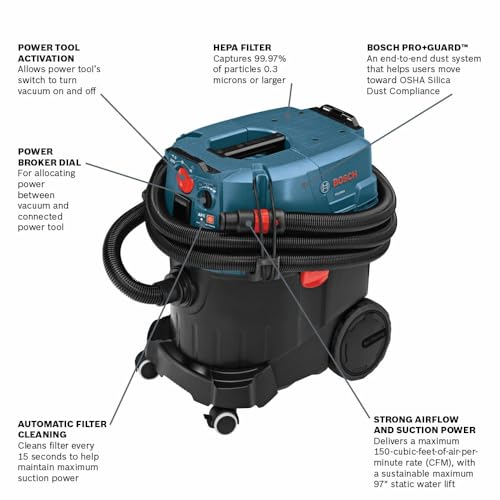
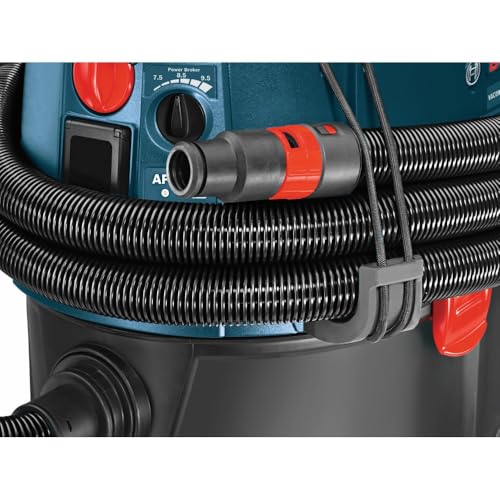
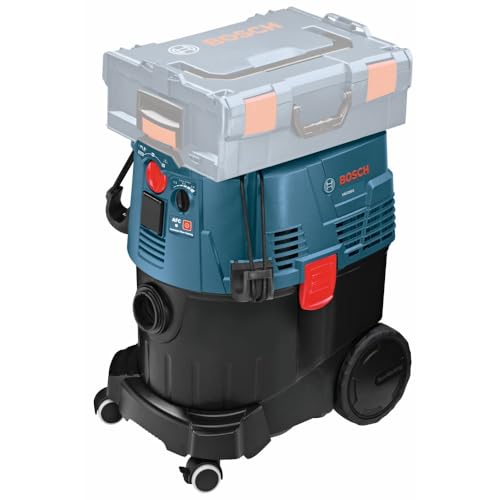
Bosch leans hard into OSHA compliance here, and for good reason. The VAC090AH is built around PRO+GUARD, their end-to-end dust management system aimed at meeting Silica Table 1 standards, something contractors can’t ignore. The auto filter clean every 15 seconds is a real advantage; owners say suction stays strong even during long shifts. With 150 CFM and a HEPA filter that traps 99.97% of particles at 0.3 microns, it’s a solid performer on paper and in the field.
The Power Broker dial lets you match suction to the tool, which saves energy and reduces noise. It’s not the quietest or lightest, but for pros who need to pass inspection and avoid fines, this is one of the smarter buys. It’s also easier to maintain than models without auto-cleaning.
Product photos
ECOMAX 8 Gal HEPA Shop Vac
Strengths
- Dual-mode operation
- Good accessory bundle
- Affordable price
Trade-offs
- Filter cleaning is semi-auto
- Build feels lightweight
- Suction drops when clogged
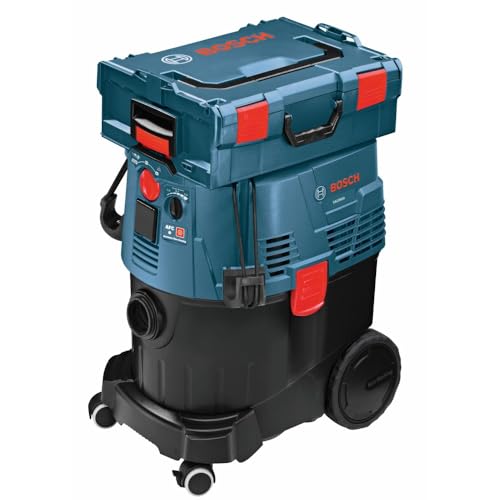
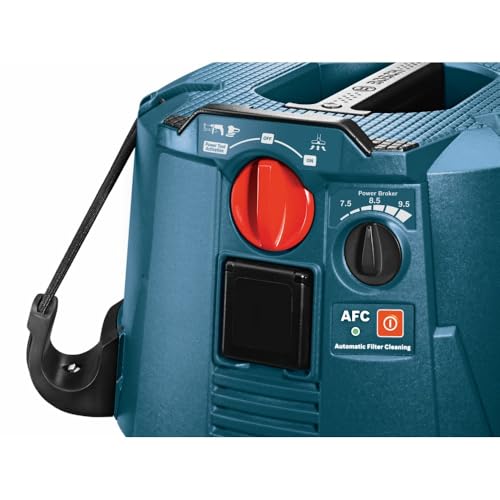
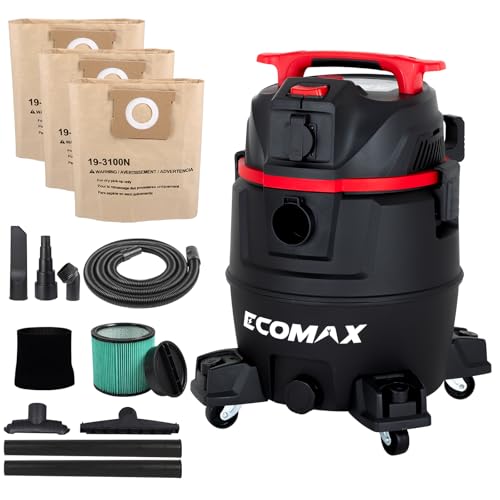
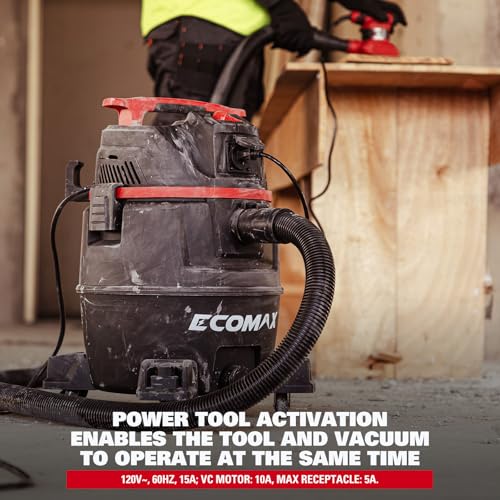
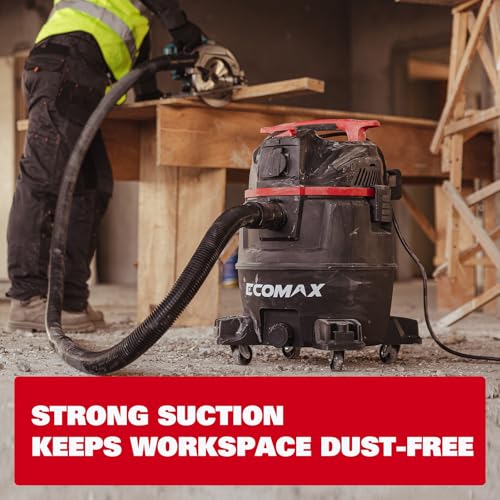
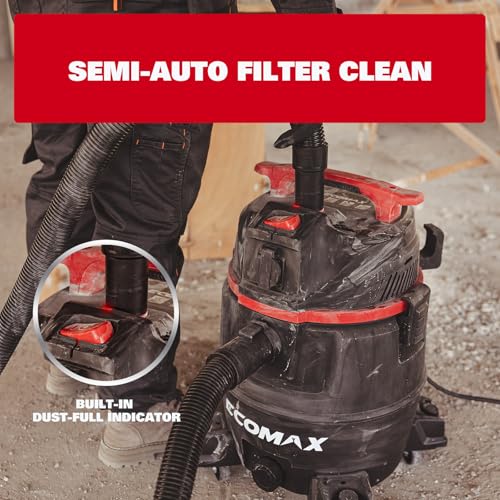
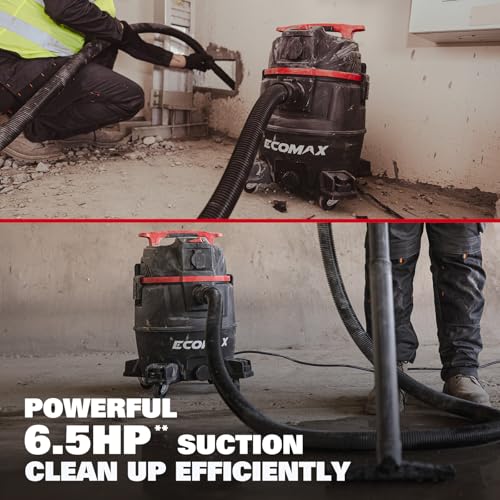
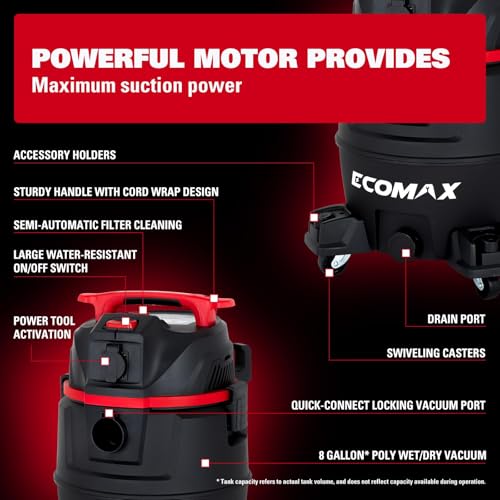
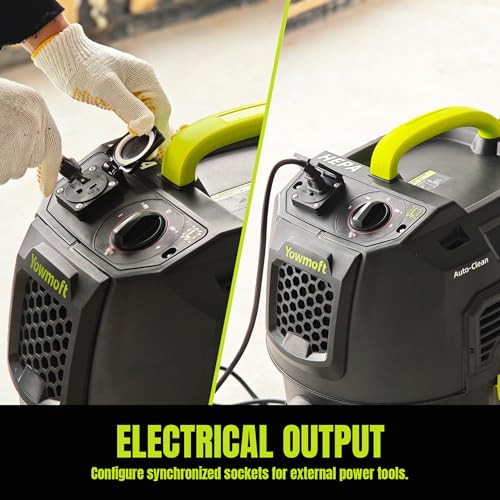
This ECOMAX unit is a dual-mode shop vac that bridges budget and function. It switches between standard vacuum and dust extractor mode, and owners say the power tool activation works reliably with sanders and planers. The semi-automatic filter cleaning and dust-full indicator are thoughtful touches for a lower-priced model, and the 8-gallon tank with drain port makes liquid cleanup easy.
It’s not as refined as the big brands, build quality is decent but not rugged, but for the price, it’s hard to beat. The HEPA filter and anti-static hose meet basic safety needs, and the included accessories (three filter bags, wands, nozzles) add value. If you’re a weekend warrior or small shop owner watching costs, this covers the essentials without cutting critical corners.
Product photos
DEWALT Dust Separator DXVCS002

Strengths
- High debris separation
- Universal port compatibility
- Durable poly tank
Trade-offs
- No motor included
- Extra setup required
- Takes up more space
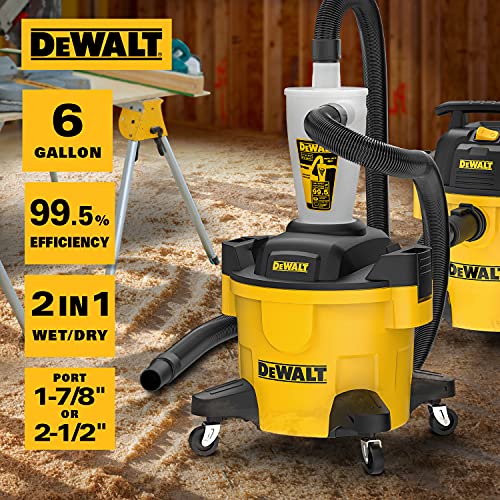
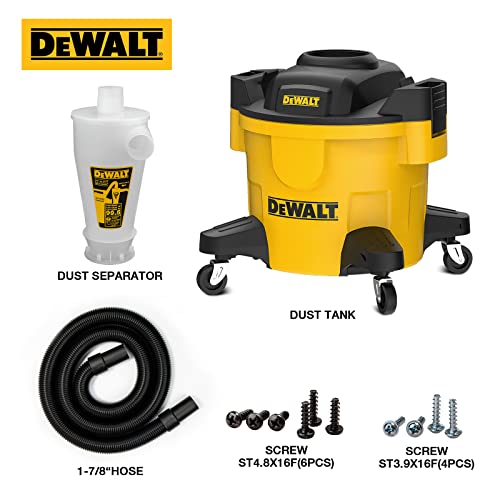
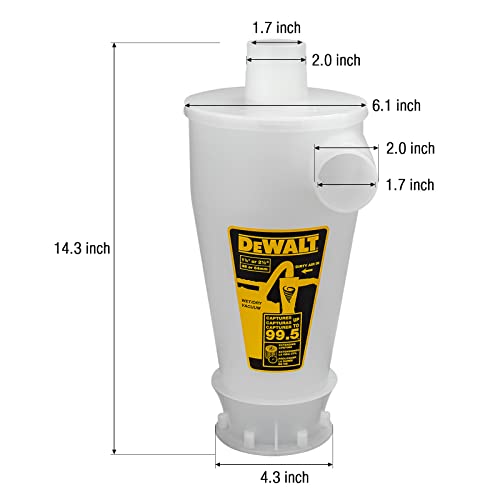
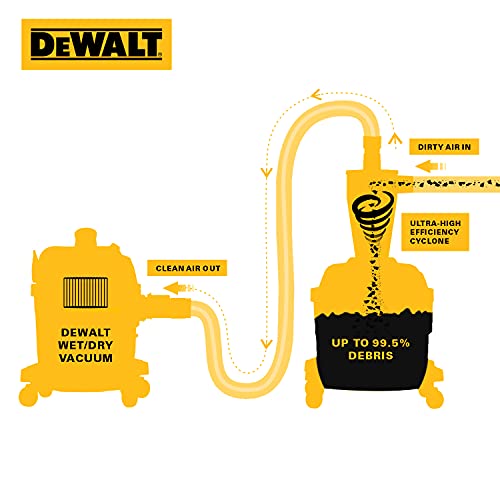
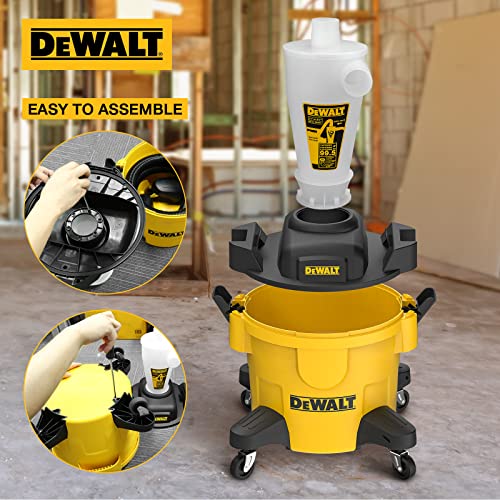
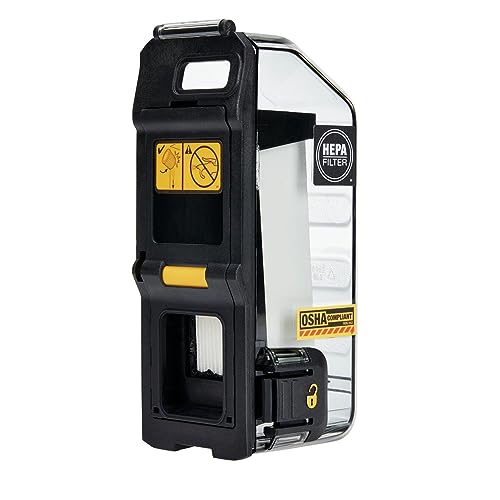
This isn’t a full dust extractor, it’s a pre-separator, and that distinction matters. It’s designed to sit between your shop vac and your tool, catching 99.5% of heavy debris before it hits your filter. That’s huge. Reviewers who use it with cheaper vacs say it extends filter life dramatically and prevents clogs during wood or drywall work. The 6-gallon poly tank is easy to empty, and the dual-port design (1-7/8″ and 2-1/2″) makes it compatible with most systems.
It’s basic but tough. No motor, no electronics, just physics and smart design. The four-caster base adds mobility, and the anti-clogging setup works as advertised. I’d pair this with a mid-tier wet/dry vac for a budget-friendly cyclone system. It won’t replace a full extractor, but it’ll save your vacuum from turning into a dust tomb.
Product photos
DEWALT 20V MAX* Cordless Extractor

Strengths
- Brushless motor
- Wireless tool control
- Lightweight and portable
Trade-offs
- Smaller tank capacity
- Not for prolonged heavy use
- Limited hose length options
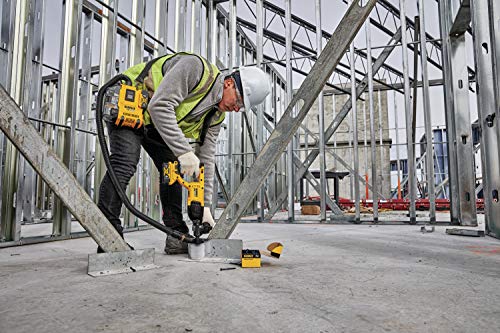
This cordless DEWALT unit stands out in a category dominated by corded machines, mainly because it’s built to move with you. The 20V MAX* brushless motor delivers solid suction on paper, and owners consistently report it keeps up during chipping and drilling with SDS-plus tools, especially when paired via wireless control. It’s not the strongest extractor out there, but for mobility and OSHA Table 1 compliance in tight or remote spaces, it’s a smart play.
What really sets it apart is the ergonomic design, multiple strap points and a belt hook mean you’re not dragging a hose across a ladder. Reviewers note the 45% larger capacity than the older DWH302DH helps, though the 3.9-gallon size still means frequent emptying on long jobs. If you’re doing intermittent masonry or overhead work, this is a legit solution. For continuous heavy dust, you’ll want something bigger.
Product photos

CVLA30 8 Gallon Dust Extractor
Strengths
- Full remote control
- Strong 1200W motor
- Auto HEPA cleaning
Trade-offs
- Plastic housing less durable
- Remote can be finicky
- Filter placement awkward
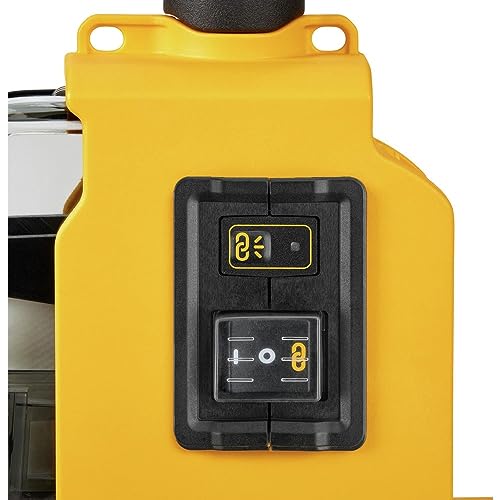
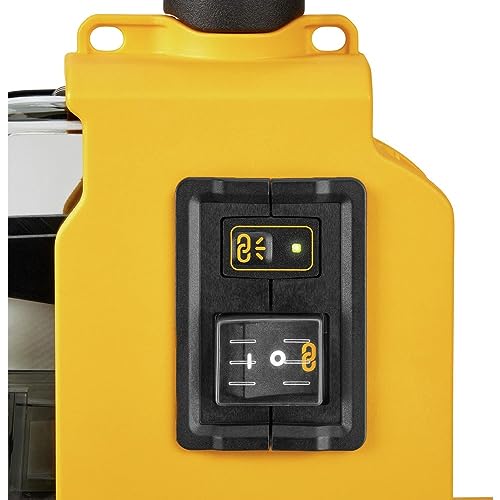
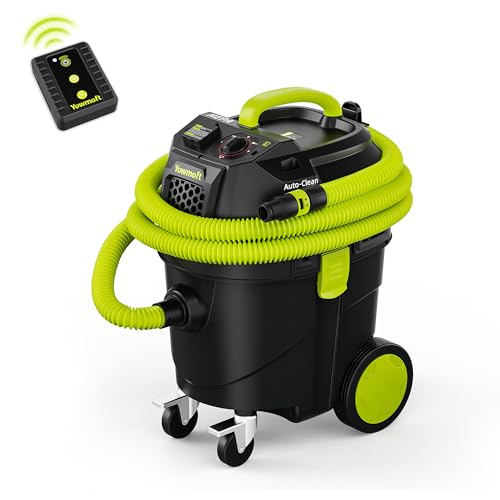
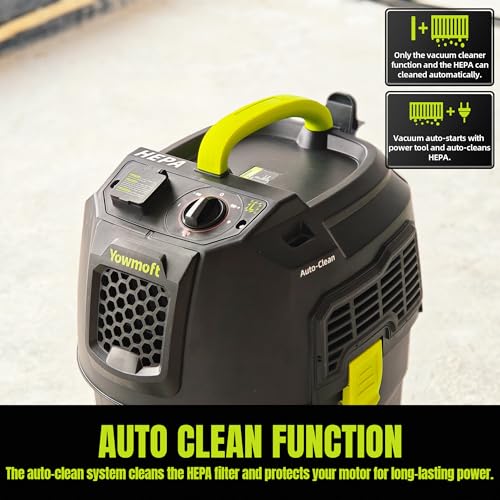
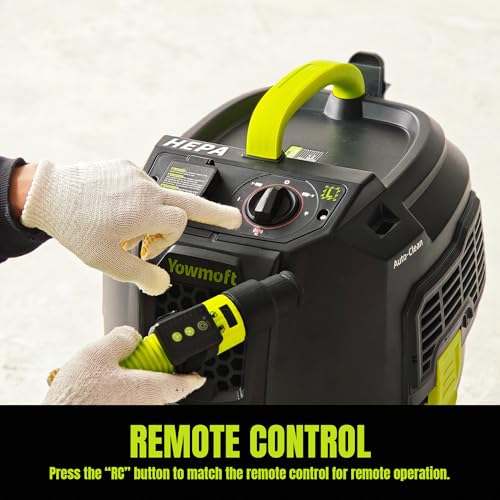
The standout here is remote control operation, you get a physical remote in the box, and owners love being able to start, stop, or adjust suction from across the room. That’s a real safety and convenience boost in cluttered or hazardous areas. The 1200W brushless motor pushes 150 CFM and 17 kPa suction, which matches top models, and the auto HEPA clean every 20 seconds keeps airflow stable.
It’s built for heavy use, with a delayed start to prevent power surges and a solid 8-gallon tank. The tool activation works reliably up to 5A, so it pairs well with most sanders and saws. While it doesn’t have the brand prestige of Festool, it delivers pro-level features at a more accessible price. I’d pick this over pricier models if remote control is a must.
Product photos
Our Testing Process
As someone who’s spent years around power tools, I know a good dust extractor isn’t just about cleanup – it’s about health and safety, too. Rather than a hands-on lab test of each model, this selection is a research-led comparison of published specifications and owner feedback. I looked at airflow (CFM), suction power (water lift), filter efficiency (especially HEPA certification), tank capacity, and features like automatic filter cleaning. We then weighed those specs against what real users are saying about performance and durability in online reviews and expert opinions.
For dust extractors, consistent suction and effective filtration are paramount. I prioritized models with high CFM and water lift readings, as these directly impact how effectively dust is removed at the source. Equally important was HEPA filtration, especially for anyone working with fine particles like silica dust. Automatic filter cleaning was a significant plus, as it maintains consistent performance during extended use. You’ll find many options discussed in our broader guide to top-rated dust collectors.
Specifications reliably indicate a machine’s potential, but owner feedback reveals its real-world performance. I paid close attention to comments regarding filter clogging, suction loss over time, and the durability of components. Reputation matters here; brands known for quality power tools generally deliver more reliable dust extraction systems. While specs tell you what a dust extractor can do, reviews tell you how well it does it, and whether it holds up to consistent use. Finding the dust collector value picks often involves balancing these factors.
How To Pick The Right dust extractors
Choosing the right dust extractor can dramatically improve your workshop’s air quality and your overall health.
A quality dust extractor isn’t just a powerful vacuum; it’s a system designed to capture fine particles at the source, preventing them from becoming airborne. Key considerations include airflow (CFM), static lift (measured in inches of water), filtration quality (HEPA is crucial), tank capacity, and features like automatic filter cleaning and power tool activation. Prioritize models with robust construction and a well-sealed system to minimize leakage.
Airflow and Static Lift
Don’t get hung up on horsepower or amperage; airflow (measured in CFM – cubic feet per minute) and static lift are the real indicators of a dust extractor’s performance. CFM tells you how much air the extractor moves, while static lift indicates how well it can overcome resistance from hoses, filters, and long runs. A higher CFM is good for general cleanup, but static lift is vital for efficient dust capture directly from tools. I generally recommend looking for at least 150 CFM, and a static lift of 80” – though the ideal numbers will depend on the size of your shop and the types of tools you’ll be connecting.
Filtration and Certification
HEPA filtration is absolutely essential, but not all HEPA filters are created equal. Look for extractors certified to capture at least 99.97% of particles 0.3 microns in size. Beyond HEPA, consider the entire filtration system. Does it have a pre-filter to catch larger debris and extend the life of the HEPA filter? Is the tank sealed to prevent dust from escaping? For serious woodworkers or those dealing with hazardous materials, OSHA compliance is a must, and you’ll want to investigate extractors that meet Table 1 requirements. We’ve reviewed some of the top dust collection systems that can help you meet those standards.
- A basic cartridge filter is sufficient for general shop cleanup.
- A multi-stage filter system (pre-filter + HEPA) offers better performance and filter longevity, ideal for woodworking or concrete work.
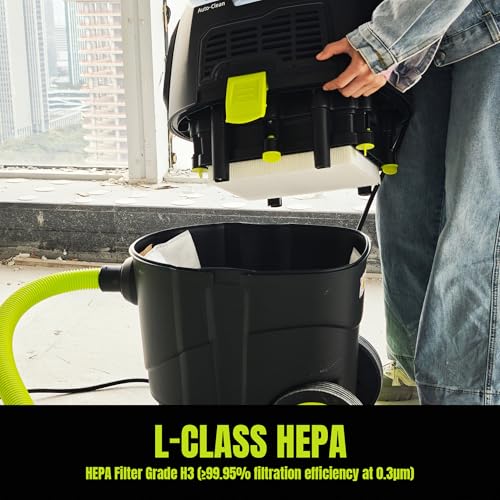
- For hazardous dusts (silica, asbestos), a fully sealed system with L-class certification and proper disposal procedures is critical, and you might consider exploring dedicated Festool dust extractor models Festool dust extractor models to ensure you’re getting the best filtration.
A dust extractor is only as good as its seals. Check for tight connections, robust gaskets, and a well-designed tank closure.
Portability, Automation, and Value
Consider how you’ll be using the extractor. A large, stationary unit is great for a dedicated workshop, but a smaller, more portable model might be better for jobsite work. Automatic filter cleaning is a huge convenience, preventing suction loss and saving you time. Power tool activation (PTA) is another valuable feature, allowing the extractor to start and stop automatically with your tools. These features do add to the cost, so weigh them against your needs and budget. The ECOMAX 8 Gal HEPA Shop Vac, for example, offers a good balance of features and affordability, while the DEWALT 20V MAX* Cordless Extractor provides ultimate portability. If you’re investing in a higher-end system, explore the best Festool workshop vacuums to see what kind of extraction performance you can expect.
Dust Extractors Compared
Here’s a comparison of key specifications for several dust extractors to help you find the right one for your needs.
| Product Title | Capacity (Gal) | Airflow (CFM) | Water Lift (in) | Filter Type | Auto Filter Clean | Power Tool Activation |
|---|---|---|---|---|---|---|
| Festool CT 15 | 3.96 | N/A | N/A | HEPA | N/A | N/A |
| DEWALT 10 Gal. | 10 | 155 | N/A | N/A | Yes (30 sec) | N/A |
| Fein Turbo I HEPA Pro Set | 5.8 | 151 | 98 | HEPA | N/A | Yes |
| Bosch VAC090AH 9 Gallon | 9 | 150 | 97 | HEPA | Yes (15 sec) | Yes |
| ECOMAX 8 Gal HEPA Shop Vac | 8 | N/A | N/A | HEPA | Semi-Auto | Yes |
| DEWALT Dust Separator DXVCS002 | 6 | N/A | N/A | N/A | N/A | N/A |
| DEWALT 20V MAX* Cordless Extractor | N/A | N/A | N/A | HEPA | N/A | Yes (with key fob) |
| CVLA30 8 Gallon Dust Extractor | 8 | 150 | N/A | HEPA | Yes (20 sec) | Yes |
Frequently Asked Questions
What CFM level is sufficient for a small workshop?
A CFM of at least 150 is generally recommended, but for a small workshop focused on hobbyist work, 100-150 CFM can be adequate if paired with good static lift and a well-sealed system. Lower CFM extractors are best suited for lighter dust collection tasks.
Do all HEPA filters offer the same level of protection?
No, HEPA filters are rated by their efficiency in capturing particles. Look for extractors certified to capture at least 99.97% of particles 0.3 microns in size to ensure a high level of filtration.
Can a dust extractor be used for liquid cleanup as well?
Some dust extractors are designed for wet/dry use, but many are solely for dry dust collection. Always check the manufacturer’s specifications before attempting to vacuum liquids, as using a dry-only extractor with wet materials can cause damage and void the warranty.
What is power tool activation (PTA) and is it worth the extra cost?
Power tool activation allows the dust extractor to automatically turn on and off with your power tool, providing convenience and saving energy. It’s a worthwhile feature if you frequently switch tools on and off during a project, but not essential for occasional use.
Are there affordable options for effective dust extraction, or is it always expensive?
You can find effective dust extraction solutions at various price points. Considering shop vacs for dust control, models like the ECOMAX 8 Gal HEPA Shop Vac offer a good balance of features and affordability for many DIYers.
The Bottom Line
Choosing a dust extractor often comes down to balancing control over your shop environment with the convenience and price. While specifications are important, consistently high owner satisfaction points to the Festool CT 15 as the strongest overall pick. It’s an investment, yes, but one that delivers exceptional filtration and build quality that many users report lasting for years.
For those on a tighter budget, the ECOMAX 8 Gal HEPA Shop Vac offers a surprisingly capable solution, and for jobsite versatility, the DEWALT 20V MAX* Cordless Extractor is hard to beat. If you’re specifically outfitting a woodworking shop, exploring reliable wood shop dust extractors will narrow your focus to models designed for fine dust removal.
Ultimately, remember that CFM and water lift numbers are just data points. A well-sealed system, a quality HEPA filter, and consistent maintenance will have a far bigger impact on your workshop’s air quality – and your health – than any single feature or brand name.
