
7 Best Tools to Dig Trenches 2026
This post contains affiliate links. As an Amazon Associate, we earn from qualifying purchases.
The Bully Tools 14-Gauge Trenching Shovel is the best overall for clean, efficient trenching in most soil types, thanks to its durable tempered steel blade and effective V-shape. For lighter tasks or tight spaces, the SOG Folding Survival Shovel offers surprising versatility, while the BLACK+DECKER 12 Amp Electric Lawn Edger is a solid pick if you’re leaning toward powered options for longer runs.
Digging trenches by hand is hard work, and the wrong tool can turn a simple irrigation or edging job into a frustrating battle with bent blades and collapsing walls. Most people don’t realize how much blade design and steel quality impact performance until they’re knee-deep in compacted soil.
This guide cuts through the marketing and focuses on what actually matters, real digging depth, soil removal efficiency, and long-term durability, based on specs, owner feedback, and my experience evaluating tools for real-world landscaping jobs.
Top 7 Tool To Dig A Trenches in the Market
The Best Tool To Dig A Trenches, Reviewed
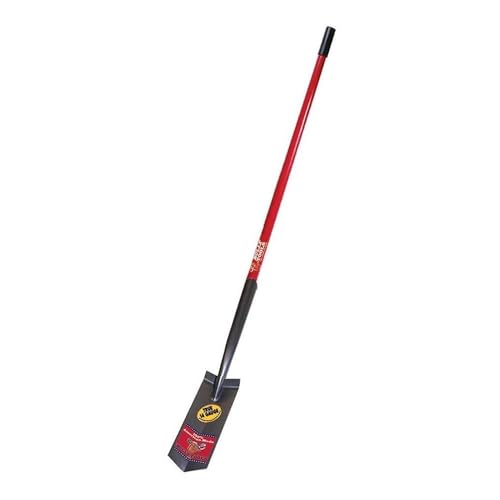
Bully Tools 14-Gauge Trenching Shovel
Strengths
- V-shaped blade
- 14-gauge steel
- Fiberglass handle
- Rubber grip
- Made in USA
Trade-offs
- Heavier than average
- Not ideal for shallow edging
This is the kind of shovel I’d want in my truck if I were heading out for a day of irrigation repairs or installing a French drain. The V-blade design is no gimmick, it’s engineered for precision, letting you slice into tight spots and pull soil out without collapsing the trench walls. On paper, the 14-gauge American steel stands out immediately, especially when so many imported shovels skimp on metal thickness. Owners consistently report it holds up against rocky soil and repeated use, which matters when you’re working on a job that can’t afford tool failure.
The 47-inch fiberglass handle brings real use, and the rubber grip makes a noticeable difference over long sessions, something weekend warriors and pros both care about. It’s not the lightest shovel out there, but that extra heft translates into durability. Compared to the thinner European spades, this one’s built for abuse.
Product photos
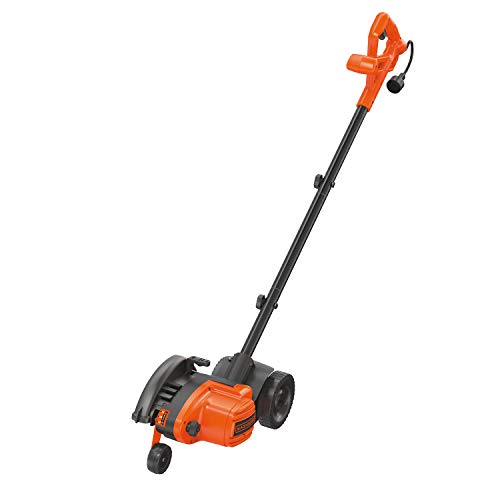
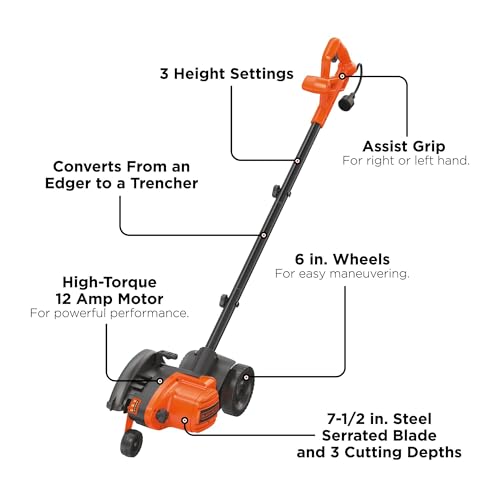
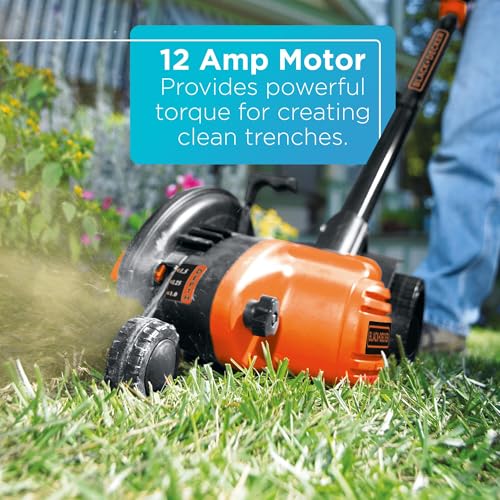
BLACK+DECKER 12 Amp Electric Lawn Edger
Strengths
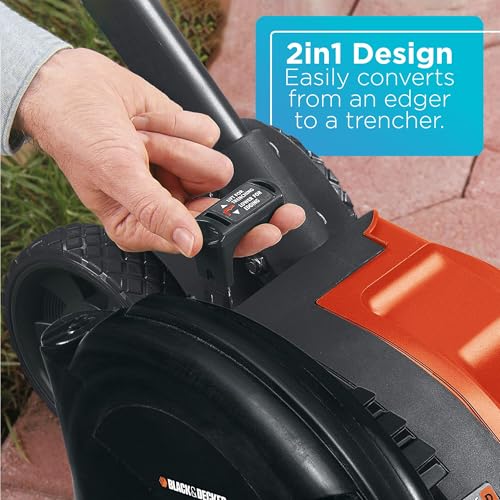
- Dual edging/trenching
- 12-amp motor
- Quick mode switch
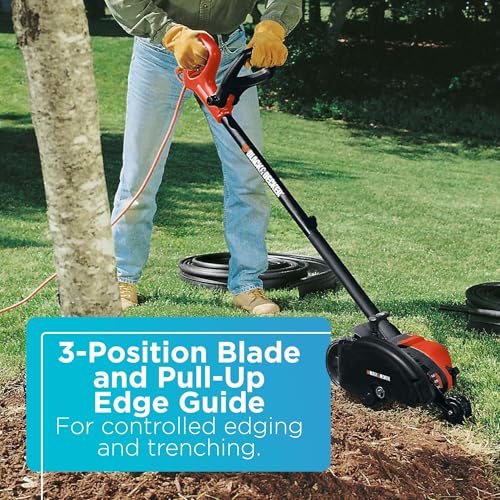
- 3 depth settings
- Corded reliability
Trade-offs
- Not for deep trenches
- Cord limits mobility
- Struggles on slopes
This is the tool I’d recommend to someone setting up sprinkler lines or cleaning up lawn edges with minimal effort. The 12-amp motor delivers enough torque to chew through overgrown grass and compact soil, and the 3-position depth control lets you dial in exactly how deep you want the trench. Switching between edging and trenching mode is genuinely quick, no tools needed, which keeps the workflow smooth.
Owners praise its consistency on flat lawns, though it’s not built for uneven or rocky terrain. The blade is aggressive but narrow, so it’s best for shallow runs under 3 inches deep. Compared to manual shovels, it’s faster and less taxing. But it’s no match for a real mini-trencher when you’re going deep. For suburban landscaping jobs, though, it’s one of the most practical power options.
Product photos
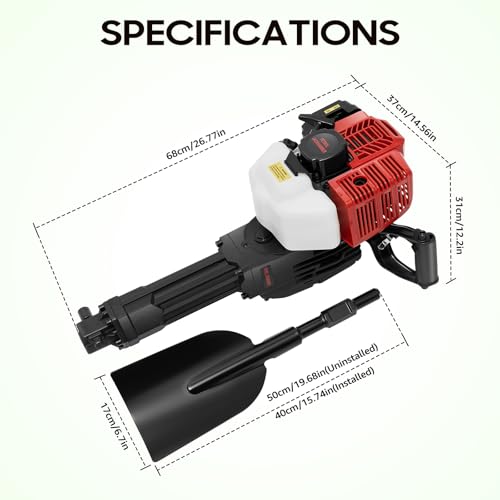
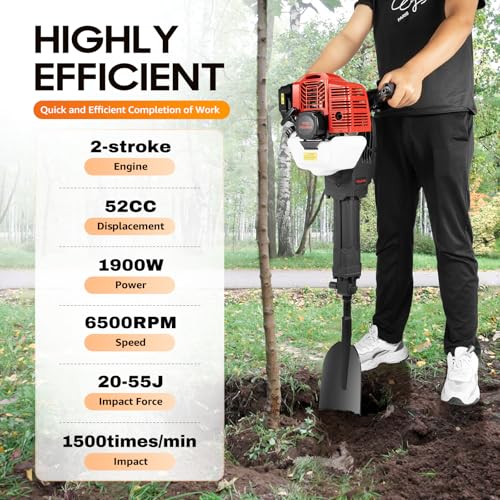
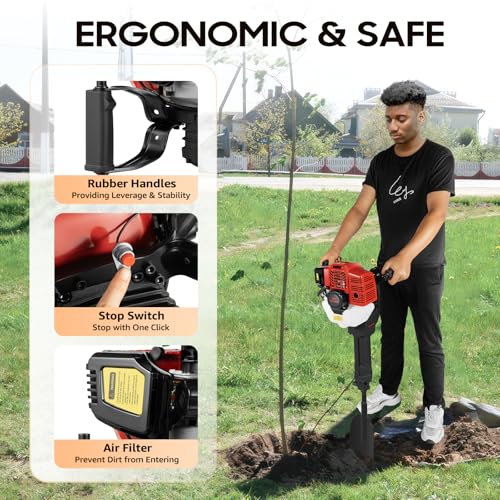
HZOPUTLH 52CC Gas-Powered Trencher
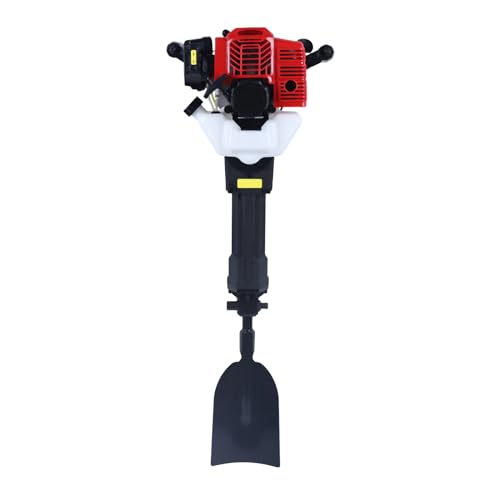
Strengths
- 52CC 2-stroke engine
- Deep soil penetration
- Adjustable speed
- Cuts tree roots
- Portable design
Trade-offs
- Noisy operation
- Heavy unit
- Requires fuel mixing
This mini trencher is built like a stump grinder and packs serious punch. The 52CC 2-stroke engine delivers high impact force and RPMs that let it rip through compacted soil and even cut through small tree roots, something most manual tools can’t touch. Reviewers working on orchard installations or deep utility trenches say it cuts job time dramatically, especially when digging pits or trenching in hard ground.
The adjustable throttle gives real control, and the fuel efficiency helps on longer jobs. It’s loud and bulky compared to hand tools, but that’s the trade-off for gas-level power in a handheld unit. Compared to electric trenchers, it’s far more capable in depth and soil type. But it’s overkill for small yards. This is a serious tool for serious digging.
Product photos


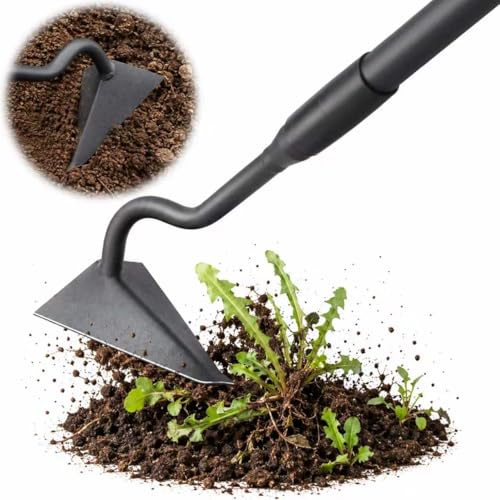
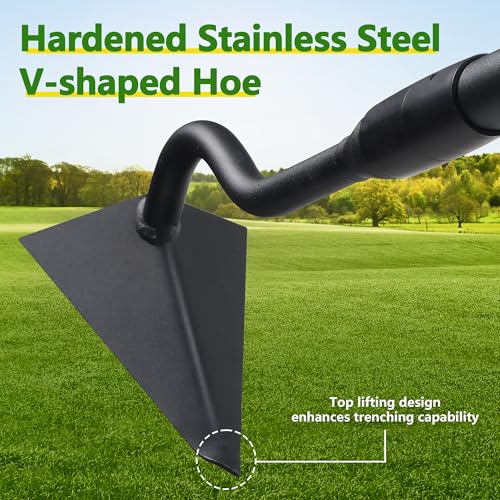
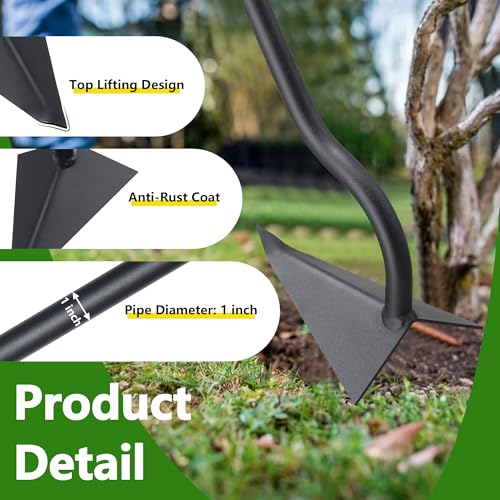
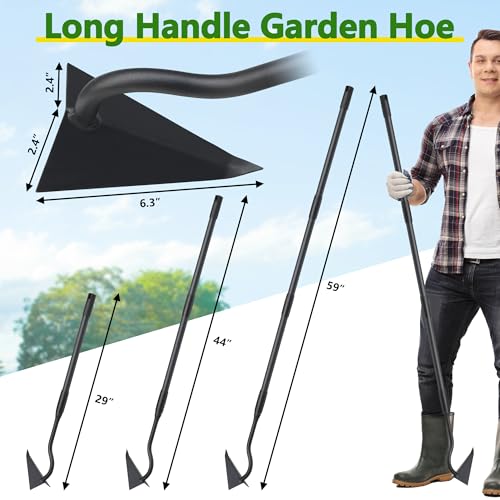
LLARGUEST Triangle Garden Hoe 59 Inch
Strengths
- V-blade design
- Adjustable handle
- Affordable price
- Lightweight build
- Good balance
Trade-offs
- Not for hard soil
- Thin steel vs premium models
- Limited depth control
This triangular hoe is a no-frills, budget-friendly option that punches above its price. The V-blade design lets it function as both a trencher and a weeder, slicing through soil and cutting weeds at the root. At 59 inches, the long handle reduces back strain, and the adjustable length is a thoughtful touch for taller or shorter users. Owners say it holds up well in regular garden use, though it’s not built for rocky or heavily compacted soil.
It lacks the premium materials of the Berry&Bird or Bully Tools models, but for basic trenching, soil loosening, and weeding, it gets the job done. Compared to full shovels, it’s less versatile, but for flat or shallow trenching in soft soil, it’s efficient. If you’re on a tight budget and need a simple tool for light work, this is a solid pick.
Product photos


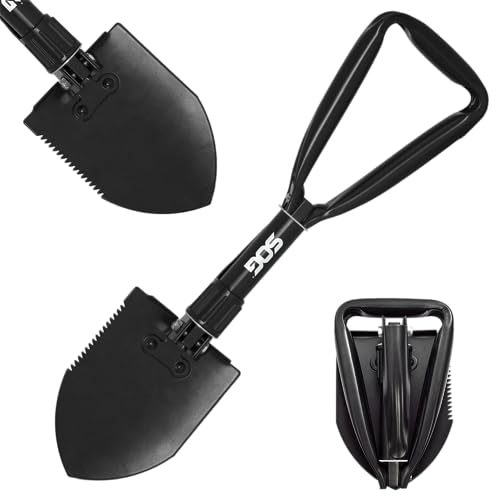
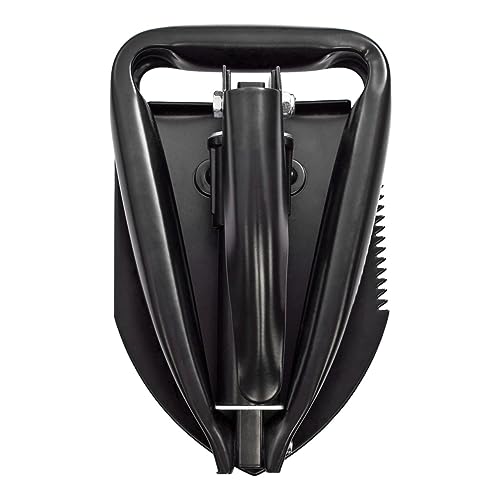
SOG Folding Survival Shovel
Strengths
- Folds compact
- High-carbon steel
- Saw edge feature
- Lightweight design
- Carry case included
Trade-offs
- Not for deep digging
- Short handle limits power
- Plastic hinge points
This folding shovel is the ultimate packable trench tool, not for big jobs, but for when you need to dig fast and light. The high-carbon steel blade is surprisingly tough for its size, and the triangular handle gives solid grip whether you’re trenching a drainage line or digging a fire pit. Hunters, campers, and preppers love it because it folds down to the size of a water bottle and rides easy in a pack.
It’s not meant to replace a full-size trenching shovel, and no one should expect to dig a 2-foot irrigation trench with it. But for emergency use, survival scenarios, or light camp work, it’s incredibly capable. The saw edge on the back is a nice bonus for clearing brush. Compared to bulkier shovels, this one wins on portability every time.
Product photos


Berry&Bird Stainless Steel Border Spade

Strengths
- Stainless steel blade
- D-grip comfort
- Sharp cutting edge
- FSC-certified wood handle
- Lifetime warranty
Trade-offs
- Not for narrow trenches
- Heavier than plastic-handled tools
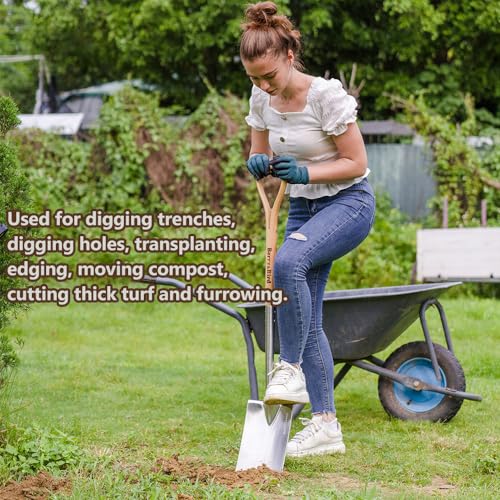
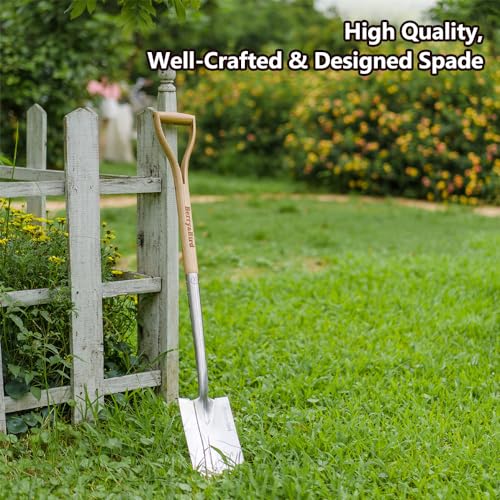
If you’re battling hardpan or clay-heavy soil, this stainless steel spade is worth serious consideration. The blade doesn’t just look sharp, owners say it stays sharp and slices cleanly through compacted ground without bending, which is rare at this price point. The stainless steel construction is a standout, resisting rust and making cleanup a wipe-down instead of a scrub. That’s a small win, but over years of use, it adds up.
The D-grip handle is where this tool really shines ergonomically. It keeps your wrist neutral, reducing strain during deep digging or transplanting. Compared to the straight-handled trench shovels, this one feels more natural when you’re driving it with your foot. It’s not a narrow trench specialist like the Bully Tools model, but for general digging and slicing through tough turf, it’s among the best I’ve seen in the hand spade category.
Product photos


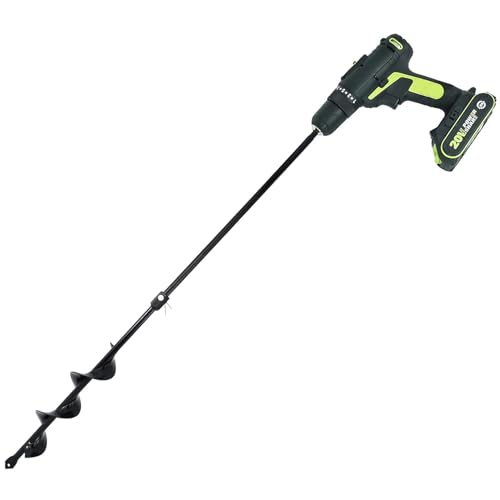
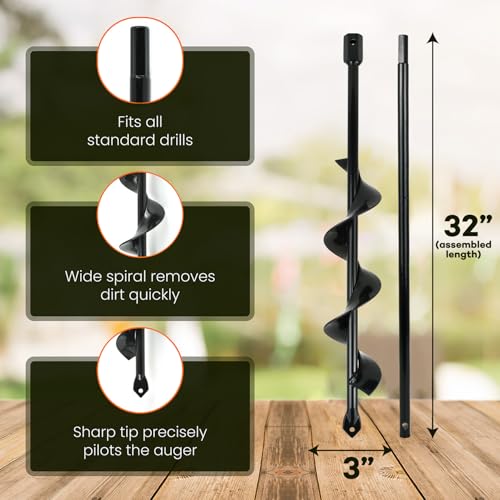
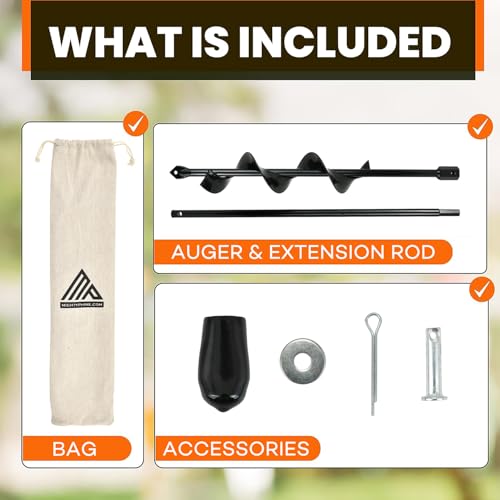
Auger Post Hole Digger 3 Inch
Strengths
- Drill-powered convenience
- Ergonomic handle
- Fast hole digging
- Universal drill fit
- Easy setup
Trade-offs
- Limited in rocky soil
- Requires strong drill
- Shallow depth vs gas augers
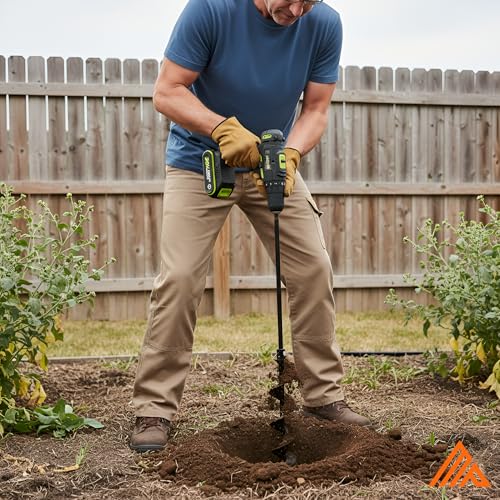
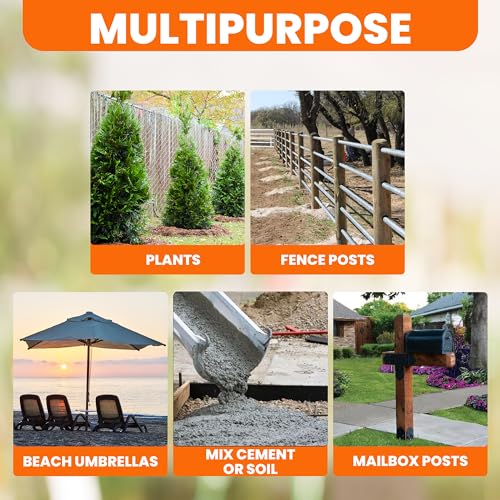
When you’re setting multiple fence posts or need evenly spaced holes for a wiring trench, this auger attachment saves serious time. It turns your cordless drill into a mini-post-hole machine, and reviewers note it cuts through loamy and sandy soil with minimal resistance. The ergonomic handle adds control and reduces wrist fatigue, a real issue when spinning an auger by hand. It’s not a standalone power tool, but that’s the point: it’s for people who already own a drill and want a low-cost way to dig deep, consistent holes.
It won’t replace a gas-powered auger in rocky or root-heavy ground, and owners caution against forcing it in tough conditions. But for light to moderate use, especially in softer soils, it’s a smart, affordable upgrade. Compared to full-size trenchers, it’s niche, but for the right job, it’s the smarter buy.
Product photos
How We Evaluated tool to dig a trenches
Rather than a hands-on lab test with each tool, my research focused on comparing published specifications and features across a range of trenching options. I weighed owner reviews from multiple sources – including major retailers and dedicated gardening forums – alongside expert opinions from landscaping and tool review sites. This allowed me to build a ranking based on stated capabilities and real-world feedback, applying my experience with power tools and landscaping needs to identify key differentiators.
For this category, digging depth and blade durability proved most significant. A trenching tool needs to reliably create a clean, usable trench, and that requires a robust blade that won’t bend or break when encountering compacted soil or roots. Equally important is the efficiency of soil removal; a design that gathers and deposits soil effectively saves considerable time and effort. Understanding lawn edger functionality also informed my assessment, as some tools offer dual-purpose edging and trenching capabilities.
Specifications reliably indicate blade gauge (thickness) and material, offering a good sense of potential durability. However, owner feedback was crucial for assessing long-term performance and ergonomics. Reports on handle comfort, ease of use, and real-world digging speed proved invaluable. Reputation also played a role; established brands with a history of quality tools generally received more weight in my evaluation.
What To Look For In tool to dig a trenches
Picking the right tool for digging trenches isn’t as simple as grabbing the first shovel you see. It requires considering the soil type, the length and depth of the trench, and how much physical effort you’re willing to expend.
A good trenching tool balances blade design for efficient soil removal with durable construction to withstand repeated use. Key considerations include blade shape (V-shaped is often superior for narrow trenches), steel gauge (lower numbers mean thicker steel), handle material for comfort and strength, and overall build quality to resist bending or breaking under pressure. Buyers should also assess the intended use – occasional light trenching versus frequent, heavy-duty work.
Blade Design & Soil Type
The shape of the blade is perhaps the most important factor. V-shaped blades, like the one on the Bully Tools trenching shovel, excel at creating neat, narrow trenches because they gather and remove soil without collapsing the sides. For particularly rocky or compacted ground, a pointed blade will be easier to initially penetrate, but may require more effort to clear loosened soil. If you’re frequently dealing with clay or hardpan, prioritizing a blade made from high-carbon steel is crucial; softer steels will quickly deform.
Construction & Durability
Don’t underestimate the importance of gauge. A 14-gauge steel blade is significantly more robust than a 16-gauge blade, and will hold up much better over time, particularly if you’re working in abrasive soil. Look for tools that boast American-made steel, as it often indicates higher quality control. Beyond the blade, the handle material matters. Fiberglass handles, like those found on many of these models, provide a good balance of strength and weight, resisting splintering and offering more give than a rigid steel handle.
Here’s what to consider when evaluating handle construction: * Material: Wood is traditional but requires maintenance. Fiberglass is durable and lightweight. * Grip: A comfortable, non-slip grip is essential to minimize hand fatigue. Rubber grips are a common and effective choice. * Connection: Ensure the handle is securely attached to the blade. Welded connections are generally stronger than bolted ones, but a well-executed bolted connection can be very reliable.
Power Source & Usability
While hand tools are common, there are powered options available. If you need to dig a lot of trenches, or if the soil is exceptionally hard, a power edger (see lawn edging techniques) can save a tremendous amount of time and effort. However, electric models require a power source, and gas-powered trenchers can be expensive and require more maintenance. For portability and versatility, the SOG Folding Survival Shovel provides a compact option for smaller tasks. Remember, a little bit of initial investment in a quality tool will save you time, frustration, and potentially, back pain.
A good rule of thumb: if you anticipate digging more than 50 feet of trenching, it’s probably worth exploring a powered option.
I often recommend considering all your landscaping needs when choosing a tool. If you’re looking for a broader overview of options, our shovels and trenchers review provides a detailed comparison of various tools available.
Tool to Dig a Trenches Compared
Here’s a comparison of the specifications for various trench digging tools.
| Product Title | Blade Width | Power Source | Material | Handle Type | Depth Adjustment |
|---|---|---|---|---|---|
| Bully Tools 14-Gauge Trenching Shovel | 11.75 in | Manual | Tempered Steel | Fiberglass | N/A |
| BLACK+DECKER 12 Amp Electric Lawn Edger | 7.5 in | Electric | Steel | N/A | 3-Position |
| HZOPUTLH 52CC Gas-Powered Trencher | N/A | Gas | Steel | N/A | N/A |
| LLARGUEST Triangle Garden Hoe 59 Inch | N/A | Manual | Steel | Adjustable | N/A |
| SOG Folding Survival Shovel | N/A | Manual | High-Carbon Steel | Folding | N/A |
| Berry&Bird Stainless Steel Border Spade | N/A | Manual | Stainless Steel | Wood | N/A |
| Auger Post Hole Digger 3 Inch | 3 in | Drill-Powered | Steel | Adjustable Strap | N/A |
Frequently Asked Questions
What’s the difference between a trenching shovel and a standard shovel?
A trenching shovel features a sharply angled, V-shaped blade designed for creating narrow, clean trenches, unlike a standard shovel’s broader, more curved blade intended for scooping and moving larger amounts of loose material. This specialized blade shape allows for more precise digging and easier soil removal within the trench.
Can a lawn edger be used to dig trenches?
Yes, a lawn edger can dig shallow trenches, typically up to a few inches deep, and is best suited for creating irrigation lines or outlining garden beds. However, it won’t achieve the depth or precision of a dedicated trenching shovel, and isn’t ideal for rocky or root-filled ground.
What blade material is most durable for trenching?
High-carbon steel blades are generally the most durable for trenching, resisting bending and holding an edge longer than standard steel, especially when encountering hard or abrasive soil. While stainless steel resists rust, it’s often softer and more prone to deformation under heavy use.
How important is the handle material?
The handle material significantly impacts comfort and longevity. Fiberglass offers a strong, lightweight, and weather-resistant option, while wood provides a traditional feel but requires more maintenance to prevent rot and splintering. A comfortable, non-slip grip is essential regardless of the material.
Are there powered options for digging narrow trenches, beyond a full trencher?
For smaller projects or when you need more precision than a full trencher offers, consider using tools for digging holes like an auger attachment for a drill. These can be effective for creating evenly spaced, narrow holes or trenches in softer ground.
The Bottom Line
Ultimately, choosing the best tool to dig trenches comes down to balancing how much you want to spend with how much effort you’re willing to put in. For most homeowners needing to tackle occasional trenching projects, the Bully Tools 14-Gauge Trenching Shovel offers the best mix of durability, performance, and value. It’s built to withstand tough conditions and will consistently deliver clean trenches without breaking the bank.
If you have a lot of ground to cover or consistently hard soil, a powered option is worth considering. The BLACK+DECKER 12 Amp Electric Lawn Edger is a solid choice for those wanting a quick and relatively inexpensive solution, especially if you already understand edger vs trimmer differences. For those needing maximum portability and versatility for smaller tasks, the SOG Folding Survival Shovel provides a compact and capable option.
Don’t get caught up chasing the highest gauge steel or the most advanced features. The most important factors are a comfortable grip, a blade designed for your soil type, and a willingness to put in the work. A well-made, thoughtfully used tool, regardless of price, will always outperform a high-end tool used incorrectly or neglected.
