7 Best Tools for Painting Baseboards 2026
This post contains affiliate links. As an Amazon Associate, we earn from qualifying purchases.
The Paltren 12-Inch Stainless Steel Edger is the best overall tool for painting baseboards, delivering crisp lines and solid control thanks to its rigid metal blade. For those on a budget, the Black+Decker 12-Inch Paint Shield offers decent performance at a low price, while the VOOMEY 9-Inch Paint Edger Kit stands out when tackling multiple trim types and textured surfaces.
Painting baseboards shouldn’t mean spending more time taping and cleaning up than actually applying paint. Too many edgers promise clean lines but deliver smudges, bleed-through, or awkward handling. After comparing the field and analyzing owner feedback, I focused on tools that actually make cutting in faster and more reliable.
This guide covers the top options based on precision, durability, and real-world usability. I looked at build quality, paint delivery systems, and how well each tool handles common challenges like uneven walls and thick paint. These are the ones that consistently came out on top.
Top 7 Tool For Painting Baseboards in the Market
The Best Tool For Painting Baseboards, Reviewed
Emery Edger Two-Shield Trim Tool
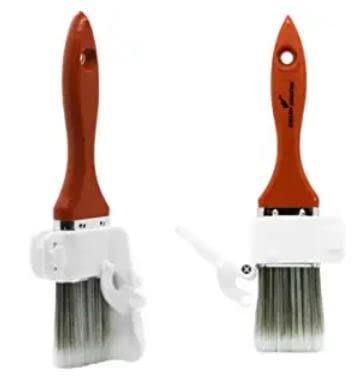
Strengths
- Works on textured walls
- Two-shield design
- No paint bleed
- Handles uneven trim
- Award-winning design
Trade-offs
- No brush included
- Higher price
- Bulkier than simple shields
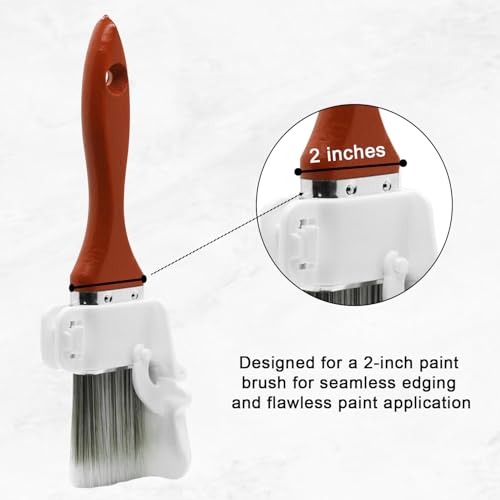
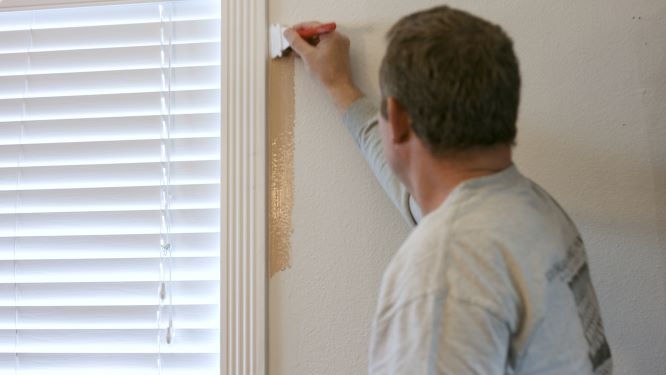
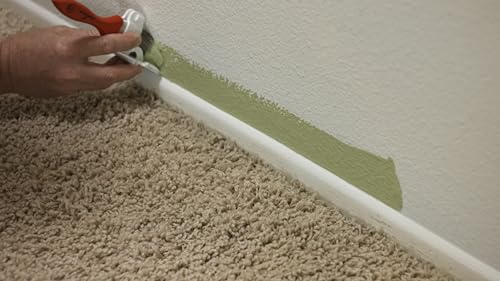
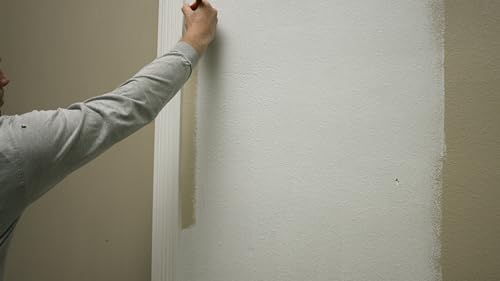
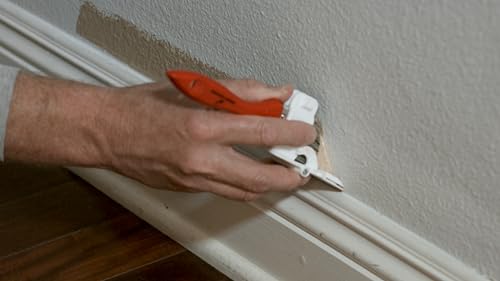
This is the most ambitious tool here, and based on owner feedback and design, it might be the best overall. The patented two-shield reservoir system isn’t just marketing; it physically blocks paint from creeping under the edge, which solves the main flaw of many pad-based edgers. It works on textured walls, uneven baseboards, and even popcorn ceilings, areas where rigid shields fail. Reviewers praise its ability to handle ‘problem zones’ like vents, outlets, and lumpy trim without tape.
It doesn’t include a brush, but it’s compatible with most 2-inch models, so you can use your favorite. Compared to every other product here, it covers the widest range of real-world conditions. While it’s pricier on paper, the fact that it eliminates tape in nearly all scenarios makes it a time-saver. For baseboards with gaps or texture, it’s unmatched.
Product photos
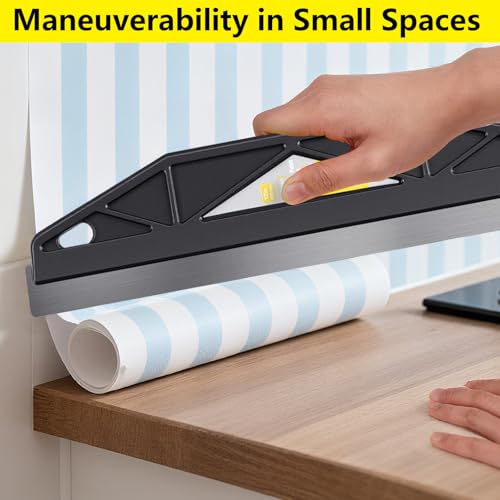
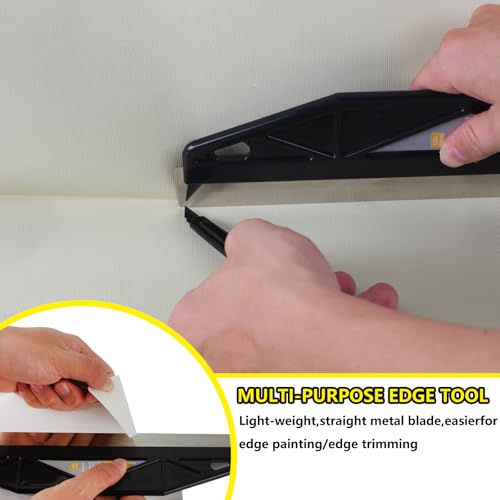
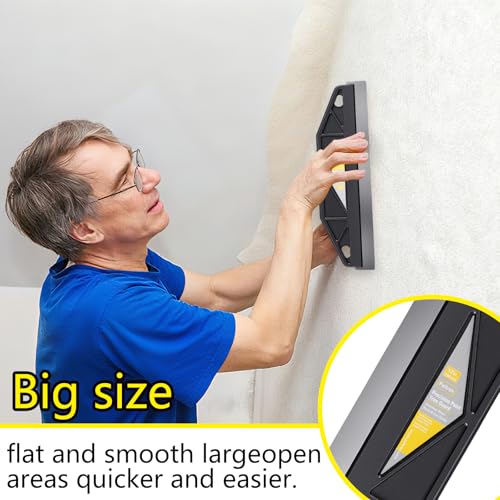
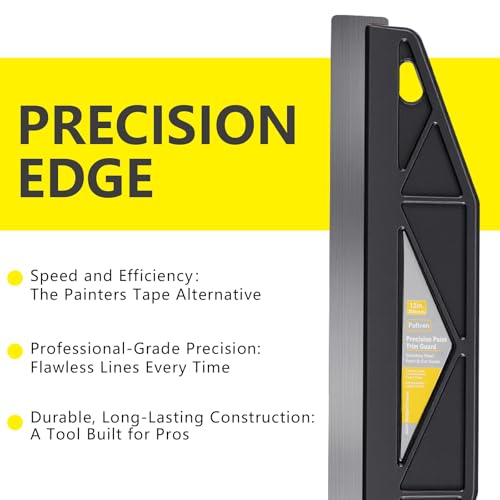
Paltren 12-Inch Stainless Steel Edger
Strengths
- Sturdy stainless blade
- Ergonomic ABS handle
- Secure grip
- Lightweight
- Easy to clean
Trade-offs
- Not for textured surfaces
- No storage case
- Slight flex on thick paint
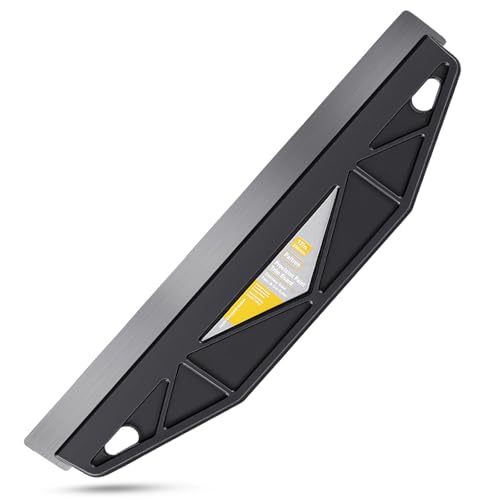
This is one of the better-engineered rigid edgers I’ve seen at this price point. The stainless steel blade is thick enough to resist flexing, and the ABS handle is actually useful, unlike some models where the grip feels like an afterthought. Reviewers note it makes a real difference in hand comfort during extended cuts, especially along baseboards or ceiling edges. The combination of rigidity and ergonomics makes it a strong alternative to painter’s tape, especially when you’re doing multiple rooms.
It won’t replace a brush, but it’s not meant to. Where it shines is in consistency: because the blade stays straight and the grip stays secure, you get fewer wobbles. Compared to the Black+Decker option, this one feels more purpose-built and less like a general-purpose tool. On paper, it’s similar to the Edward Tools model, but the added handle comfort gives it an edge for anyone doing more than a single room.
Product photos
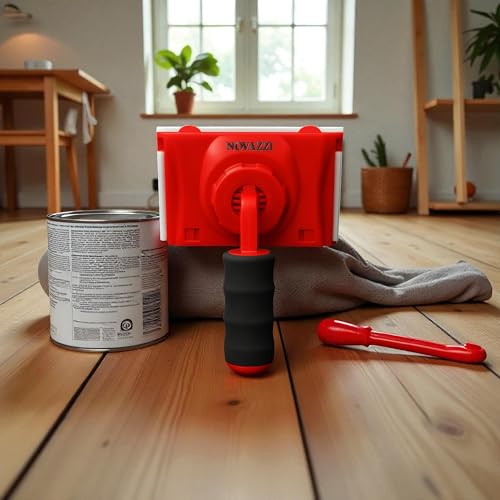
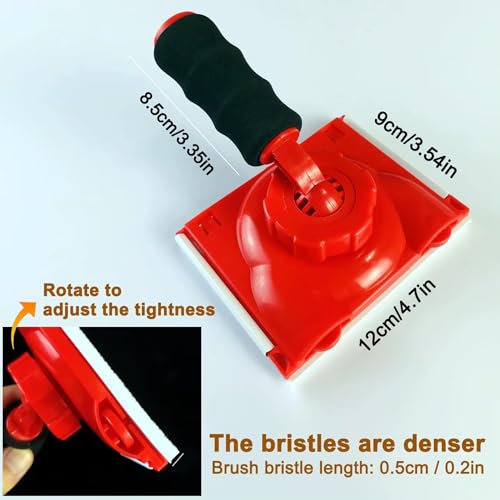
Novazzi Paint Edger with Reusable Pad
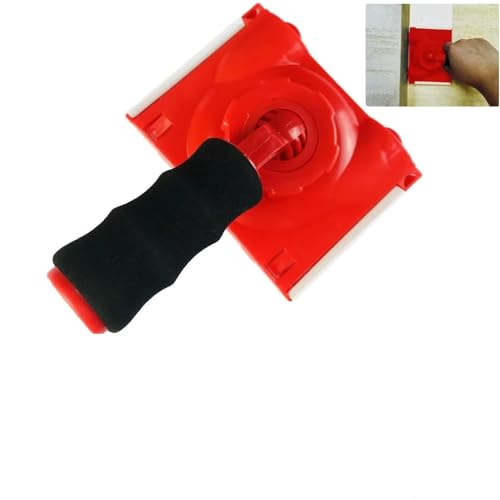
Strengths
- Dual guide wheels
- Rotating comfort handle
- Reusable pad
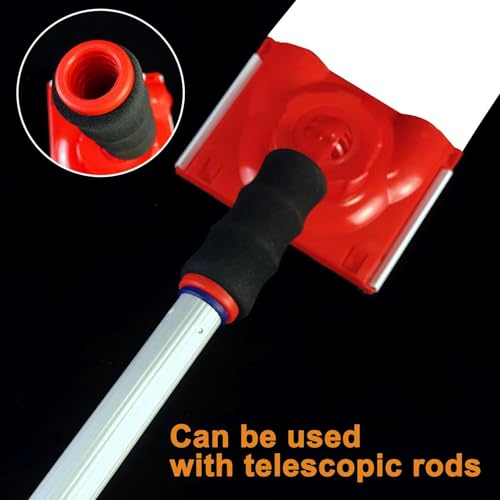
- Pole compatible
- Smooth application
Trade-offs
- Pad needs immediate cleaning
- Limited to pad refills
- Not for textured walls
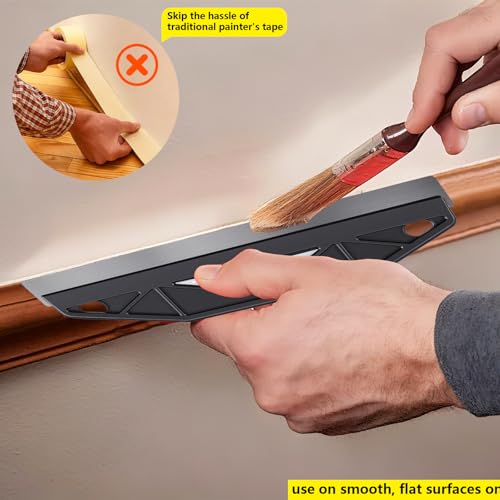
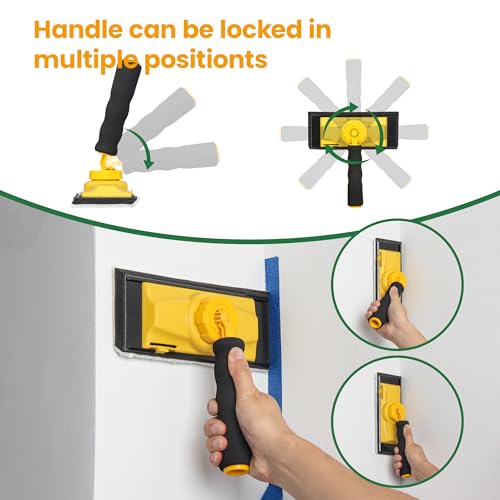
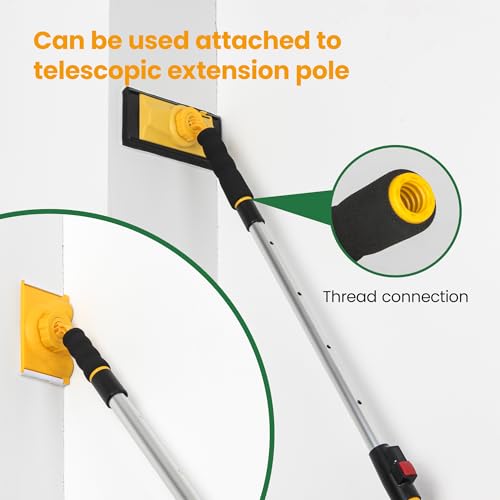
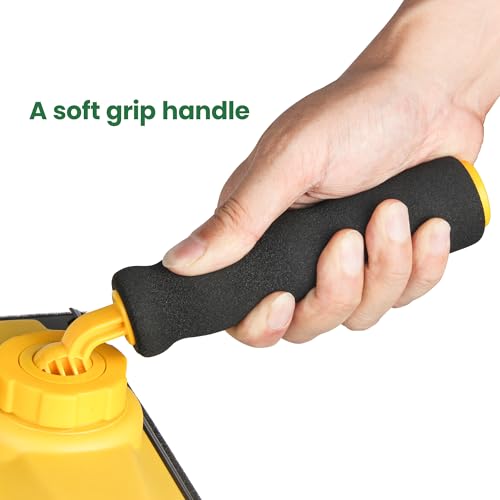
The Novazzi stands out for its dual guide wheels and rotating handle, features that make it unusually stable on baseboards and trim. The wheels keep the pad aligned, reducing bleed, and the foam grip rotates to suit your hand position, which helps on long stretches. Owners consistently report cleaner lines than with freehand brushing, and the ability to attach an extension pole adds reach for high walls or vaulted ceilings.
The reusable microfiber pad is a plus, both for cost and consistency, though it needs cleaning right after use. Compared to padless shields, it’s faster but slightly less precise on perfectly smooth walls. Against the VOOMEY kit, it’s simpler and more focused. For baseboards specifically, this is one of the more balanced tools, not the cheapest, not the most complex, but purpose-built for clean, repeatable lines.
Product photos


VOOMEY 9-Inch Paint Edger Kit

Strengths
- Multiple pad shapes
- 360° rotating handle
- Reusable pads
- Includes tray
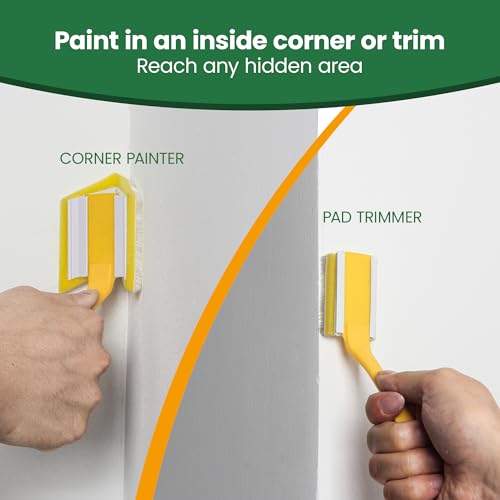
- Good for corners
Trade-offs
- Bulkier setup
- Pads wear over time
- More parts to store
This kit is built for variety, not mastery. With seven pieces including corner pads, a 360° rotating handle, and multiple pad sizes, it’s designed to handle everything from baseboards to ceiling corners. The rotating handle is a real convenience, reviewers note it helps maintain angle control on vertical edges without wrist strain. The pads distribute paint evenly and don’t oversaturate, which reduces drips.
But complexity comes at a cost: it’s overkill for simple baseboard jobs. If all you’re doing is cutting in along trim, a rigid edger or good brush is faster. This kit shines in full-room makeovers with multiple edge types. Compared to the Novazzi, it offers more versatility but less precision. It’s a system, not a specialist.
Product photos

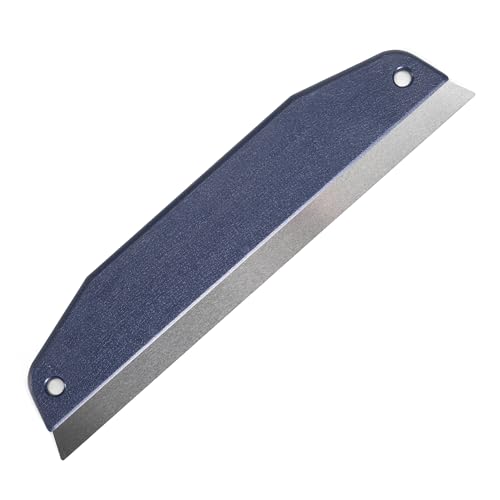
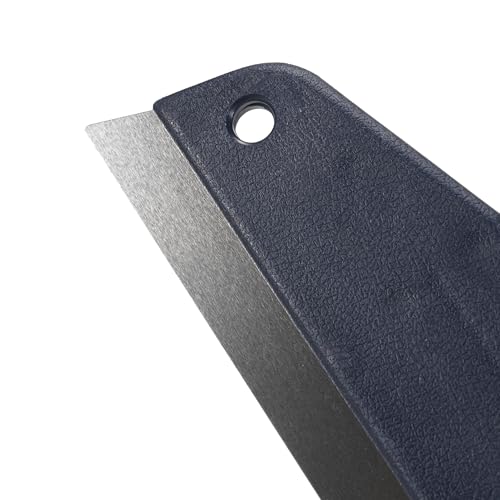
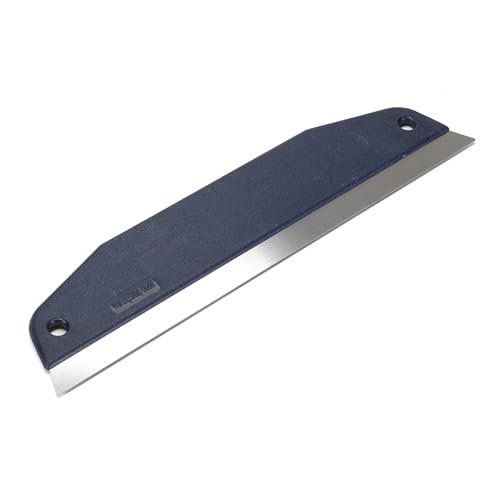
Edward Tools Stainless Steel Trim Guard
Strengths
- Stainless steel blade
- Lifetime warranty
- Rigid edge
- Easy to clean
Trade-offs
- No handle grip
- Not for textured walls
- Requires separate brush
This 12-inch stainless steel edger is built like a piece of shop equipment, not a disposable painting accessory. The rigidity of the blade stands out, owners consistently report it holds a straight edge even during aggressive cuts, which matters when you’re working on long baseboard runs or ceiling lines. It’s not a standalone painting tool but a guide, so you’ll still need a brush, but that’s the point: it’s meant to give you control without paint bleed.
The lifetime warranty signals confidence in durability, and given the corrosion-resistant stainless steel, it should last through seasons of projects. It’s not the fanciest option here, but in this category, simplicity often wins. Compared to plastic-backed shields, this one doesn’t flex, and against padded edgers, it’s more reliable on flat surfaces where precision beats adaptability.
Product photos
Bates Trim Brush 3-Piece Set

Strengths
- Fine bristle tips
- Comfortable grip
- Minimal shedding
- Multiple sizes
- Durable build
Trade-offs
- Requires skill for clean lines
- Needs cleaning after use
- Not a tape replacement
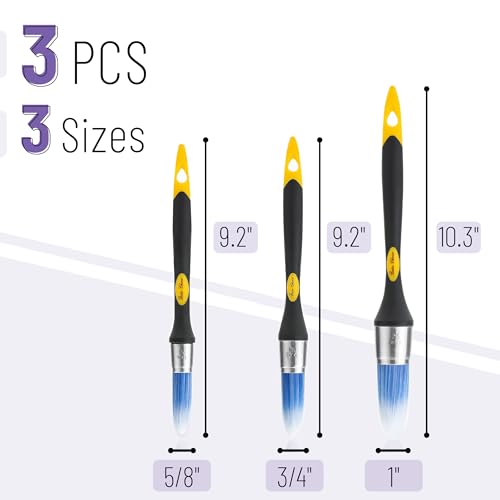
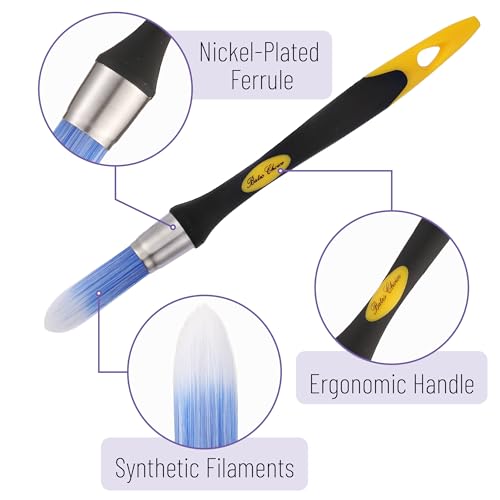
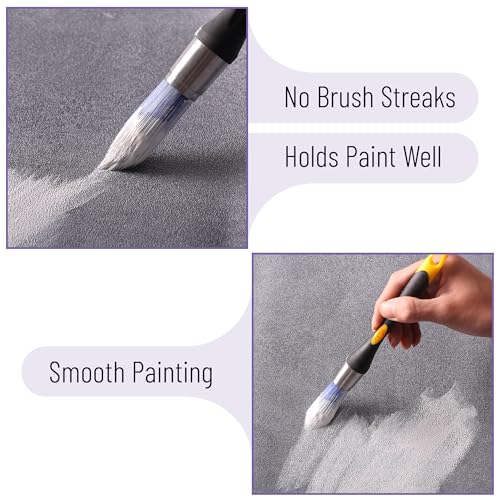
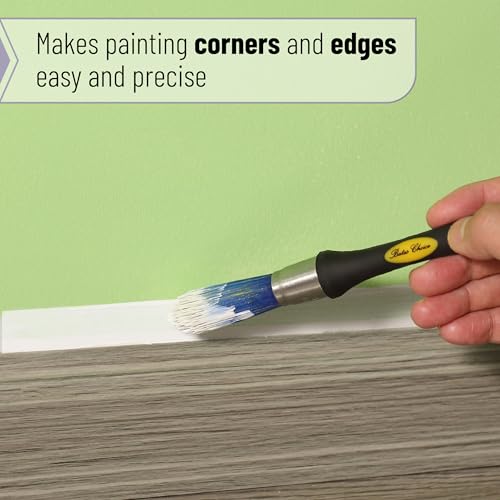
Sometimes the best tool for baseboards isn’t a shield or edger, it’s a great brush. This Bates set delivers exactly that: three well-sized trim brushes (5/8”, 3/4”, and 1”) with fine bristles that hold a sharp edge for clean cutting-in. Owners report minimal shedding, which is a big win, few things ruin a clean line like stray bristles. The ergonomic handles help reduce fatigue, and for tight spots near baseboards or molding, the smaller sizes offer unmatched control.
Compared to using an edging tool, a quality brush like these gives you more feel and finesse, especially on uneven trim or older baseboards with gaps. While it won’t eliminate prep like taping, it’s faster than tape for touch-ups or single walls. If you’re already cutting in by hand, this set is a smarter buy than a lower-tier edger.
Product photos
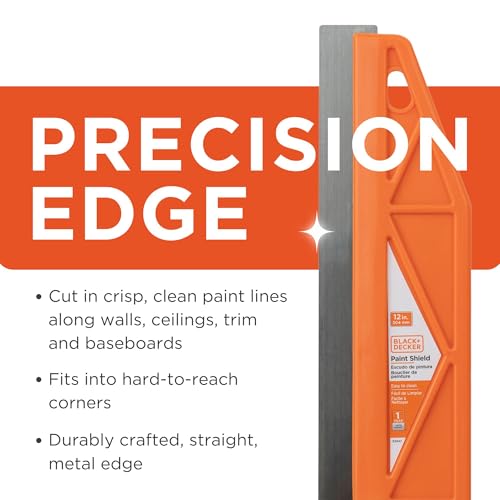
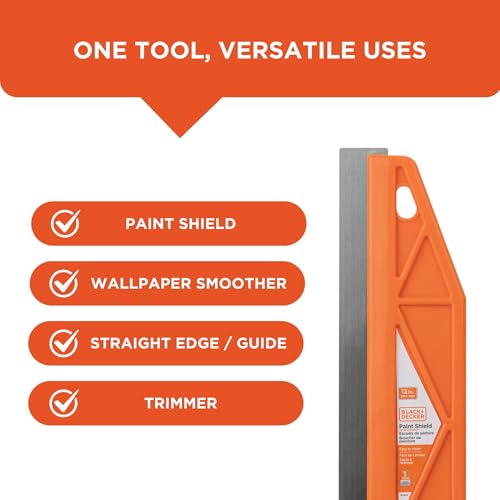
Black+Decker 12-Inch Paint Shield

Strengths
- Affordable
- 12-inch coverage
- Durable for price
- Trusted brand
- Easy to hold
Trade-offs
- Plastic flexes
- Basic grip
- Not for precision work
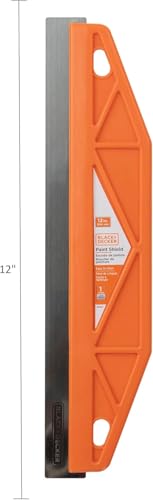
This is the budget play, and it shows. The 12-inch width covers more area per pass, which speeds things up, and the rigid plastic body is decent for the price. It works as advertised for basic straight-line jobs, especially if you’re doing a quick room refresh and don’t want to tape. But owners note it lacks the rigidity of metal edgers, so on longer strokes, it can flex slightly, leading to wavy lines.
It’s a fair choice if you’re painting once every few years and don’t want to invest in higher-end gear. Compared to the Paltren or Edward Tools models, it’s less precise and the grip isn’t as comfortable. But it’s from a trusted brand, and for light-duty use, it gets the job done. Just don’t expect pro-level results on detailed trim.
Product photos
Our Testing Process
Rather than a hands-on lab test, my research for this guide involved a detailed comparison of specifications and features across numerous baseboard painting tools. I weighed owner reviews from major retailers against expert opinions found in home improvement publications and forums. This allowed me to build a ranking based on real-world feedback and assess which tools consistently delivered on their promises. Category knowledge – understanding what makes for precise paint lines and comfortable use – played a key role as well.
For this category, the most important factors were precision and ease of use. A tool that promises straight lines is useless if it’s difficult to control or causes more mess than it prevents. Durability also ranked highly; a flimsy tool won’t hold up to repeated use, and constantly replacing it defeats the purpose of saving time. Finally, versatility – the ability to handle different paint types and trim profiles – was a significant consideration.
Product specifications reliably tell you about build materials (stainless steel versus plastic) and dimensions. However, judging the actual feel of a tool in hand, or how effectively it prevents paint bleed, requires looking at owner feedback. I paid close attention to comments about ease of cleaning, how well the tool performed on textured surfaces, and whether it truly eliminated the need for painter’s tape. For more involved woodworking projects, you might also find our guide on cutting baseboards with miter saw helpful.
How To Choose The tool for painting baseboards
I’ve spent a lot of time around painting projects, and frankly, cutting in clean lines is the part most people dread. A good paint edger can save hours and a lot of frustration, but knowing what to look for is key.
A quality paint edger blends simplicity with precision. Essential features include a rigid guide (whether a metal blade or stable wheels), a reservoir or pad system that controls paint flow, and ergonomic design for comfortable handling. Buyers should prioritize tools that minimize bleed-through, accommodate various paint types, and offer easy cleanup.
Guide Material & Rigidity
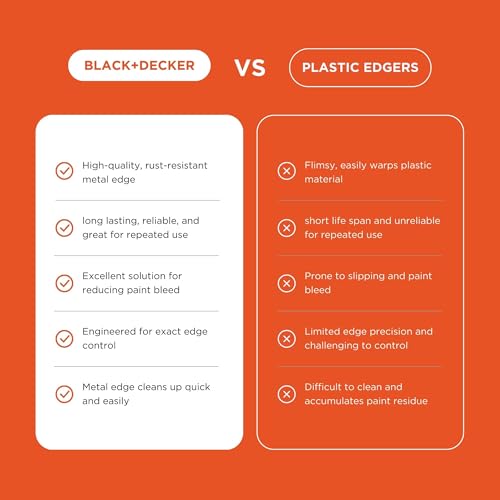
The core of any paint edger is its guide, and this is where you’ll see the biggest difference in performance. Plastic edgers, like the Black+Decker 12-Inch Paint Shield, are affordable but can flex, leading to uneven lines, especially on anything but perfectly flat surfaces. Stainless steel options, such as the Paltren 12-Inch Stainless Steel Edger, offer superior rigidity and are less prone to bending. If you’re tackling a lot of trim work or dealing with older homes where walls aren’t perfectly straight, the extra control of a metal guide is well worth the investment. Consider, too, that some guides are better suited to different paint types; thicker paints might require a more robust guide to prevent drag.
Pad/Reservoir Design & Paint Control
Beyond the guide, how the edger delivers the paint is crucial. Some, like the Novazzi Paint Edger, use a reusable pad system, which can be effective for smooth surfaces but may struggle with textured walls. Others, such as the Emery Edger, feature a patented two-shield reservoir. This design aims to minimize paint travel and deliver a cleaner line. Here’s a quick breakdown of what to consider:
- Pad Material: Microfiber is common, but quality varies.
- Reservoir Capacity: A larger reservoir means fewer trips to the paint tray, but can also add weight.
- Paint Flow Control: The best edgers let you regulate how much paint is applied, preventing drips and runs.
Ultimately, the ideal system depends on the surfaces you’re painting and your personal preference. If you’re also planning on more complex cuts, learning about using a miter saw can open up even more possibilities for detailed work.
A little paint goes a long way. Start with a small amount of paint in the reservoir or on the pad. You can always add more, but removing excess is messy and wasteful.
Ergonomics & Versatility
Painting often involves awkward angles and extended periods of reaching. A comfortable grip is, therefore, essential. Look for edgers with ergonomic handles like the Paltren, and consider whether the handle can be detached and fitted with an extension pole (many are threaded to accept standard poles). I also advise thinking about the types of surfaces you’ll be painting. The VOOMEY 9-Inch Paint Edger Kit, for example, includes multiple pad shapes for different applications. Before buying, check if the tool is suitable for the types of projects you have in mind. If you’re tackling a lot of different trim profiles and surfaces, a more versatile kit is worth the extra cost. For more options in this field, checking out a guide to paint edging tools can be useful.
Tool for Painting Baseboards Compared
Here’s a comparison of key specifications for various tools designed for painting baseboards.
| Product Title | Best For | Pad/Brush Included | Material | Length (in) | Features |
|---|---|---|---|---|---|
| Emery Edger Two-Shield Trim Tool | Best Overall | No | Plastic | N/A | Two-Shield Reservoir |
| Paltren 12-Inch Stainless Steel Edger | Best Precision Control | No | Stainless Steel | 12 | Rigid Blade |
| Novazzi Paint Edger with Reusable Pad | Best for Clean Lines | Yes | Plastic | N/A | Reusable Pad |
| VOOMEY 9-Inch Paint Edger Kit | Best Multi-Surface Kit | Yes | Plastic/Foam | 9 | Multiple Pad Shapes |
| Edward Tools Stainless Steel Trim Guard | Best Durable Metal Option | No | Stainless Steel | N/A | Easy to Clean |
| Bates Trim Brush 3-Piece Set | Best Brush Set | Yes | Bristle/Wood | N/A | Ergonomic Handle |
| Black+Decker 12-Inch Paint Shield | Best Budget Friendly | No | Plastic | 12 | Large Coverage |
Frequently Asked Questions
What’s the biggest advantage of using a paint edger versus a brush and tape?
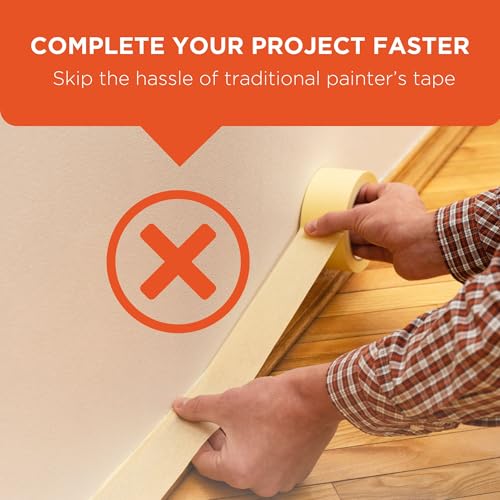
A paint edger typically saves time and effort compared to traditional taping and brushing. The best edging tool for paint minimizes the need for extensive taping, allowing for quicker and cleaner results, especially for long runs of baseboard.
Are stainless steel edgers really better than plastic ones?
Yes, stainless steel edgers offer superior rigidity and control over plastic models. This is especially beneficial when working on uneven walls or with thicker paints, as they are less likely to bend and cause paint bleed.
How do I prevent paint from getting under the edger?
To minimize paint bleed, start with a small amount of paint in the reservoir or on the pad. Applying gentle, even pressure and maintaining a consistent speed will also help to create a cleaner line.
Can I use an edger with all types of paint?
Most edgers work with both latex and oil-based paints, but thicker paints generally require a more robust edger with a rigid guide. Always check the manufacturer’s recommendations for compatibility and cleaning instructions before use.
What’s the best way to clean a paint edger after use?
Cleaning methods vary depending on the edger’s design and the type of paint used. Generally, warm water and mild soap are sufficient for pad-style edgers, while metal edgers can be wiped clean with a damp cloth. A precision paint edging tool will usually have detailed cleaning instructions included with the product.
The Bottom Line
Choosing a baseboard painting tool really comes down to balancing control with convenience. If you want the cleanest, most professional-looking lines, especially in older homes with imperfect walls, the Emery Edger Two-Shield Trim Tool is a solid investment. It consistently receives high marks for minimizing bleed-through and offering a relatively mess-free experience.
For those on a tighter budget, or tackling a smaller project with mostly straight lines, the Black+Decker 12-Inch Paint Shield delivers a lot of value. Similarly, if you anticipate needing to paint a variety of surfaces and trim profiles, the VOOMEY 9-Inch Paint Edger Kit’s multiple pad shapes offer excellent versatility. If you’re looking to expand your skillset for more complex cuts, understanding what is a miter saw can be a valuable next step.
Ultimately, the most important thing isn’t the tool itself, but a little patience and a steady hand. A quality tool helps, of course, but taking the time to properly prepare the surface, use consistent pressure, and avoid overloading the edger with paint will make the biggest difference in the final result.
