
7 Best Table Saw Blades for Fine Woodwork (2026)
This post contains affiliate links. As an Amazon Associate, we earn from qualifying purchases.
The DEWALT 10-Inch 80-Tooth blade stands out as the best overall for fine woodworking, delivering consistently clean cuts with minimal tear-out. For those on a budget, the WEN 10-Inch 60-Tooth offers solid performance at a lower price, while the Hardwin 8-1/4″ 60-Tooth is a strong choice for cordless or lower-powered saws thanks to its thin kerf and efficient cutting.
If you’ve ever ruined a piece of expensive hardwood with a rough cut or chipped edge, you know how much the right blade matters. A dull or poorly designed blade doesn’t just waste material, it undermines confidence in your setup.
This guide cuts through the noise, focusing on blades that deliver precision and durability based on specs, owner experiences, and real-world performance. I looked at tooth count, kerf width, carbide quality, and long-term reliability to find the ones that truly perform in fine woodworking applications.
Top 7 Table Saw Blade For Fine Woodworkings in the Market
The Best Table Saw Blade For Fine Woodworkings, Reviewed
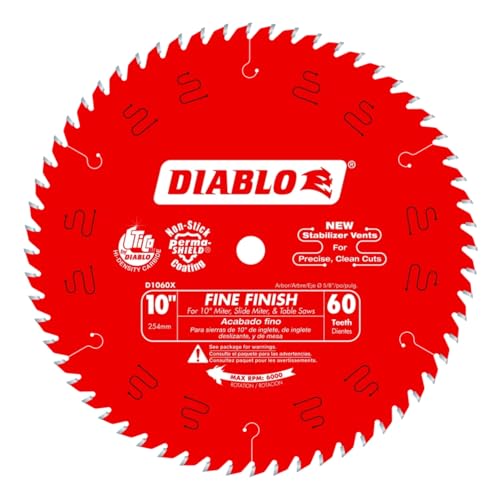
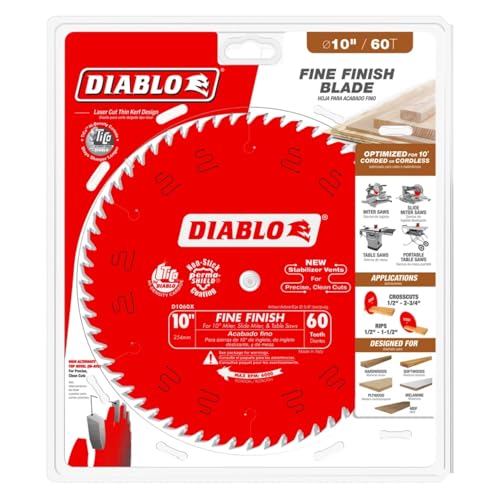
Diablo 10-Inch 60-Tooth Fine Finish Blade
Strengths
- Hi-ATB grind
- Shock resistant
- Clean cuts
Trade-offs
- 60 teeth limits ultra-fine finish
- Slight premium price
The Diablo D1060X is one of those blades that keeps showing up in pro shops and high-end DIY setups, and for good reason. With 60 Hi-ATB (high alternate top bevel) teeth, it’s engineered for ultra-smooth crosscuts in hardwoods, veneers, and laminates. The shock-resistant design reinforces the carbide tips, which owners say helps it handle tough materials like oak or maple without chipping.
It’s not the highest tooth count here, but the grind and carbide quality make up for it. Compared to the WEN or even the DEWALT, it feels more refined, less vibration, cleaner exits. It’s also a favorite for cutting melamine and MDF without blowout. If you want one blade that handles 90% of fine woodworking tasks with pro-level results, this is the one I’d reach for first.
Product photos
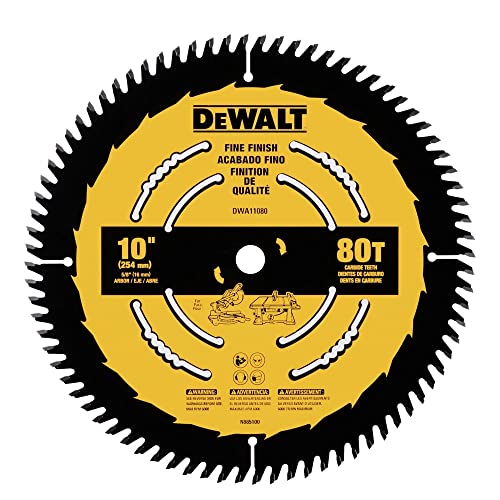
DEWALT 10-Inch 80-Tooth Ultra Sharp Blade
Strengths
- 80 teeth
- Low vibration
- Long life
Trade-offs
- Higher price
- Heavier than thin-kerf blades
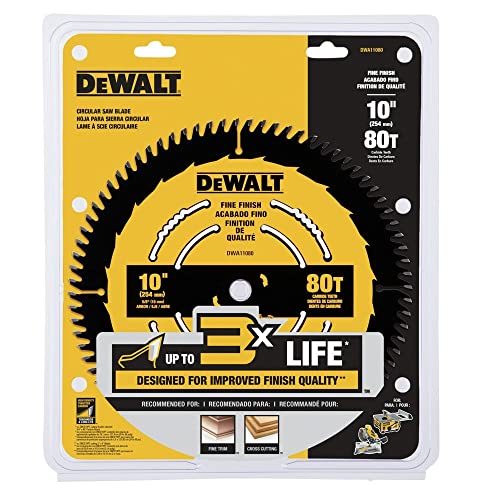
DEWALT’s DWA11080 uses their engineering reputation with a blade that’s clearly tuned for accuracy and longevity. The 80-tooth count and optimized tooth geometry make it a precision tool for crosscutting hardwoods and laminates, while the patented body slots help reduce vibration, a real issue on cheaper blades that leads to waviness in cuts.
Reviewers note it stays sharp longer than many competitors, and the ultra-sharp carbide tips deliver that clean, polished edge you want in visible joinery. It’s not the cheapest, but it’s priced to reflect the design effort behind it. Compared to the FOXBC or WEN, it’s the better choice if you value consistency and reduced chatter, especially on longer cuts.
Product photos
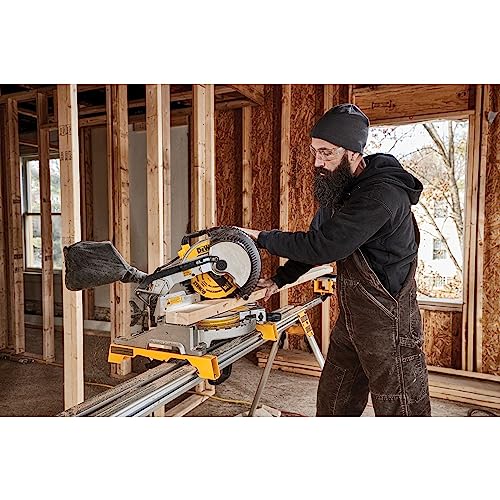
WEN 10-Inch 60-Tooth Fine-Finish Blade
Strengths
- 60 teeth
- Thin kerf
- Budget friendly
Trade-offs
- No anti-vibration features
- No coating for heat or resin
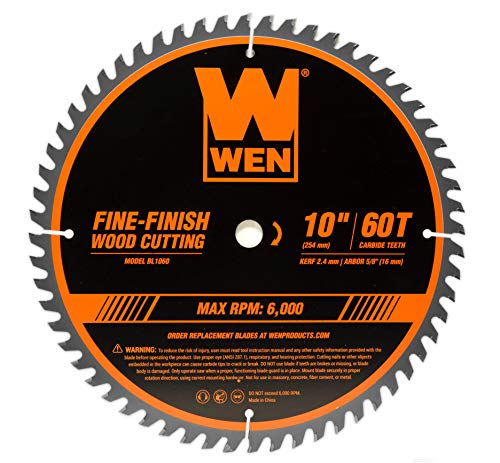
The WEN BL1060 stands out as a no-frills, effective blade that punches above its price point. With 60 teeth and a thin kerf, it’s designed for clean crosscuts in both softwoods and hardwoods, ideal for finish work where tearout matters. I’ve seen consistent feedback from owners who use it for baseboards, crown molding, and cabinet parts, and they praise its ability to leave a smooth edge with little sanding needed.
Compared to pricier options, it doesn’t have advanced anti-vibration tech or coatings, but it delivers where it counts: cut quality and compatibility. It spins true on most 10-inch saws and handles plywood and sheet goods without chipping. If you’re on a tight budget but still want a dedicated fine-cut blade, this is the smarter buy over generic store-brand blades.
Product photos


FOXBC 10-Inch 80-Tooth Ultra Finish Blade

Strengths
- 80 teeth
- Thin kerf
- Good value
Trade-offs
- No advanced vibration control
- No coating
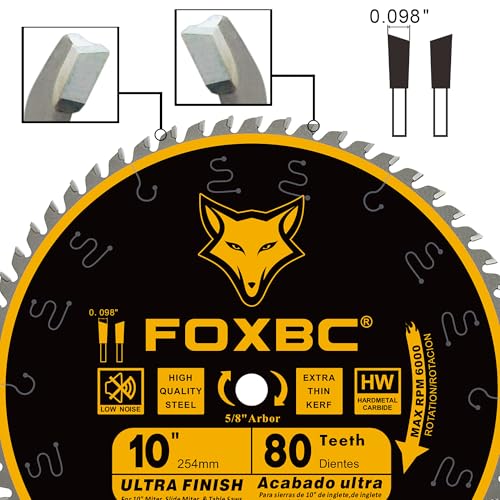
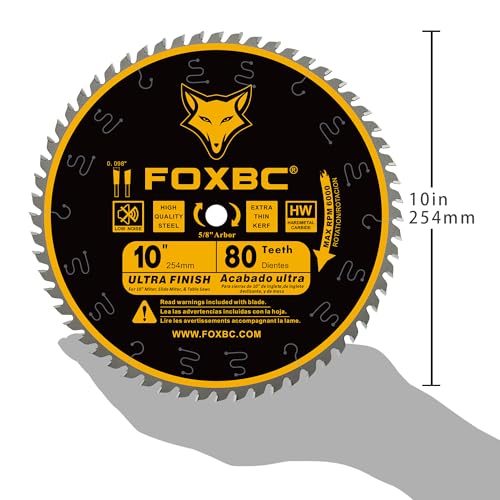
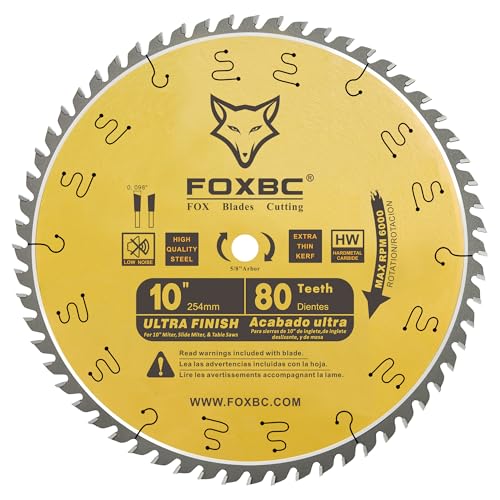
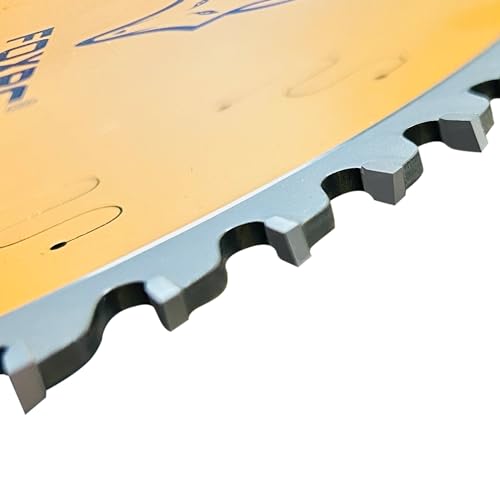
The FOXBC 10-inch 80-tooth blade hits a sweet spot between performance and price, this is what I’d call a true value pick. It delivers the high tooth count needed for fine finish work, with a thin kerf that reduces motor strain and a plate design aimed at minimizing vibration. Owners report clean, accurate cuts in oak, pine, and plywood, and many say it performs close to the DEWALT or Diablo at a lower cost.
It’s not packed with high-end features like dampening slots or anti-friction coatings, but for the price, it’s remarkably consistent. If you’re building cabinets or doing trim work and don’t want to spend top dollar, this blade gets you 90% of the way there. Between this and the WEN, this is the better upgrade for users who want more precision without overspending.
Product photos

TOYAKI 8-1/4″ 80-Tooth Ultra-Fine Blade
Strengths
- 80 teeth
- Smooth finish
- Compact size
Trade-offs
- Non-standard diameter
- Limited depth of cut
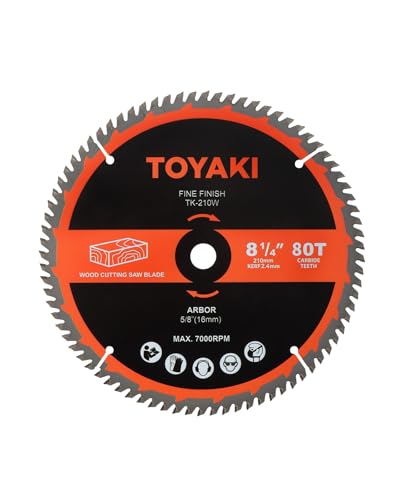
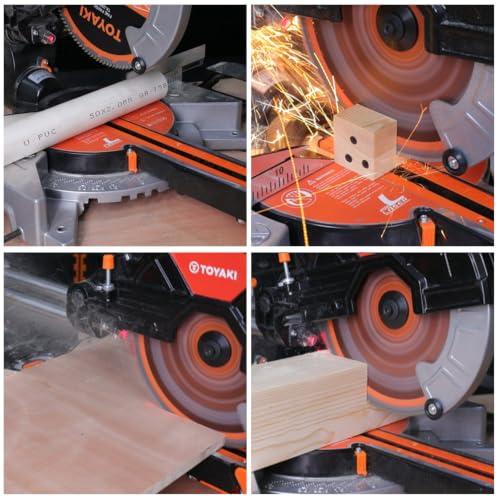
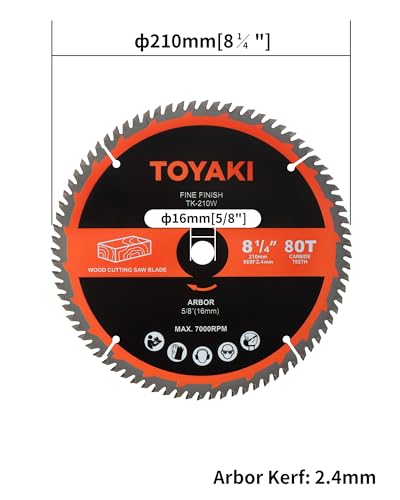
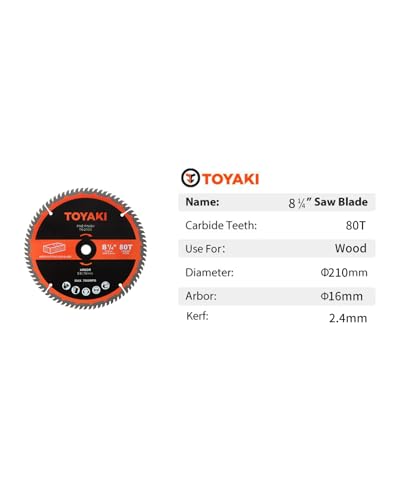
At 8.25 inches, this TOYAKI blade isn’t standard for most full-sized table saws, but its compact size makes it a solid option for smaller saws or job-site tools where space and weight matter. With 80 teeth and a fine-tooth design, it’s built for clean cuts in fine woodworking, on paper, it looks like a smart pick for trim or cabinetry work where splintering is a real concern.
Owners consistently report that it holds up well in hardwoods and engineered materials like MDF, delivering smooth edges with minimal tearout. The 5/8-inch arbor ensures compatibility with many table and miter saws, though you’ll want to confirm your saw accepts non-standard diameters. It’s not a replacement for a 10-inch primary blade, but for specialized, precision cuts on smaller gear, it has clear value.
Product photos

TOYAKI 10-Inch 120-Tooth Fine Finish Blade
Strengths
- 120 teeth
- Smooth operation
- Durable steel
Trade-offs
- Higher motor load
- No anti-vibration tech
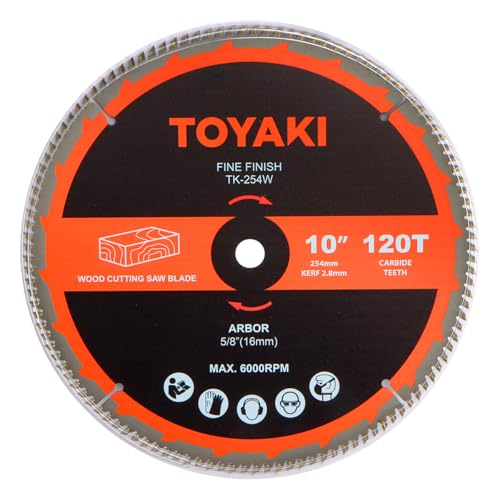
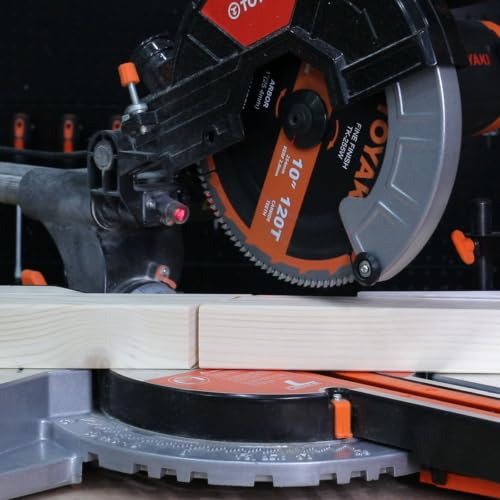
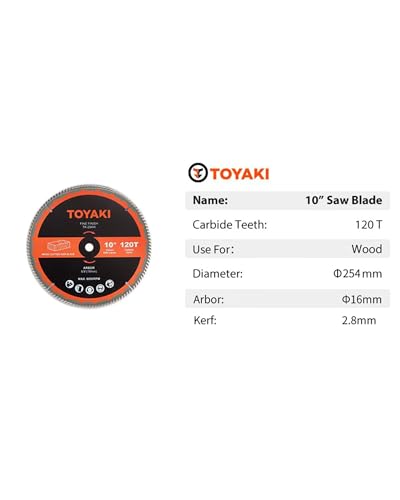
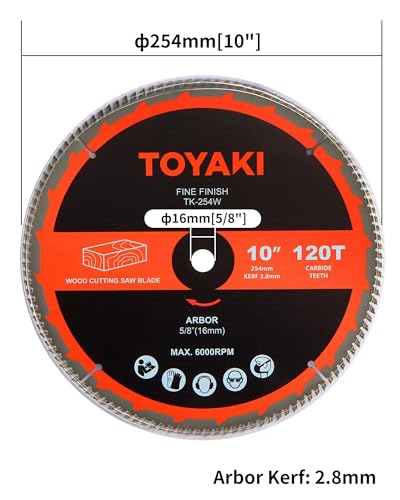
A 120-tooth blade is serious business for fine woodworking, this TOYAKI model is built for users who demand near-laser-cut edges in veneered plywood, solid wood, or melamine. The high tooth count and engineered tooth pattern aim to eliminate tearout, and owners confirm it excels in delicate materials where even minor chipping ruins a piece.
It’s heavier than standard blades, which helps with stability, but also means it demands more from your saw’s motor. The 5/8-inch arbor fits most 10-inch saws, and the steel construction feels robust. Compared to the DEWALT or Diablo options, it lacks advanced vibration damping, but for pure finish quality in crosscuts and miters, it’s a strong contender, especially if you’re doing high-end trim or furniture work.
Product photos
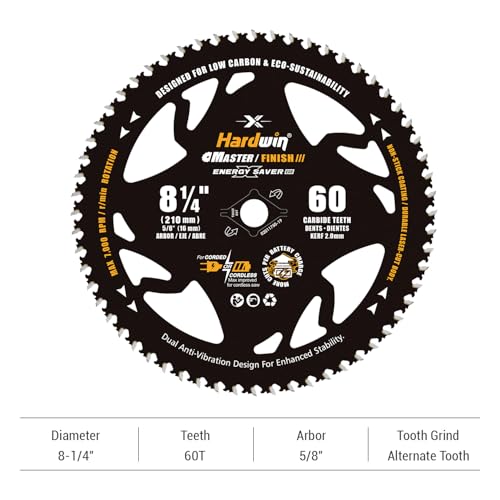
Hardwin 8-1/4″ 60-Tooth Fine Finish Blade
Strengths
- Lightweight design
- Ultra-thin kerf
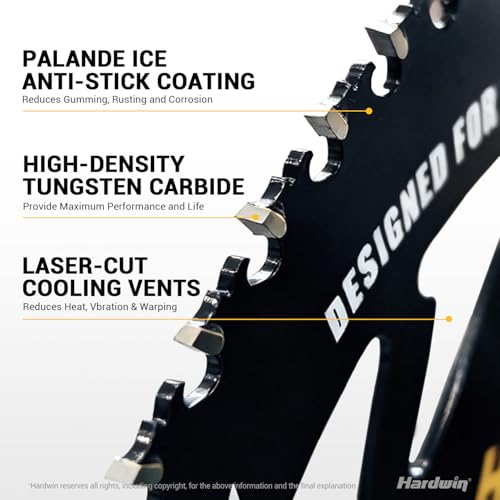
- Non-stick coating
Trade-offs
- 8-1/4 inch size limits depth
- Not for heavy-duty table saws
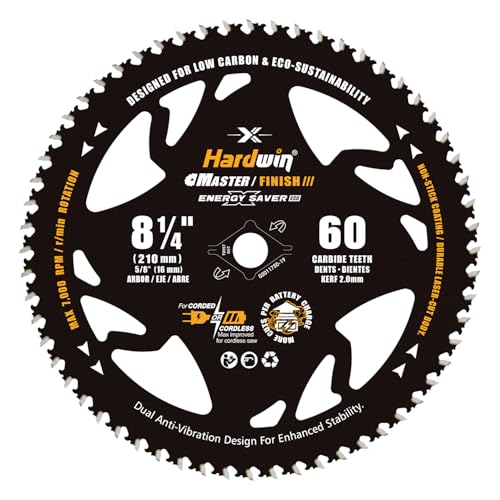
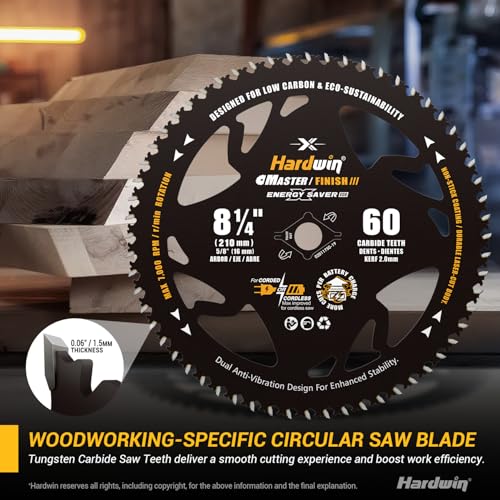
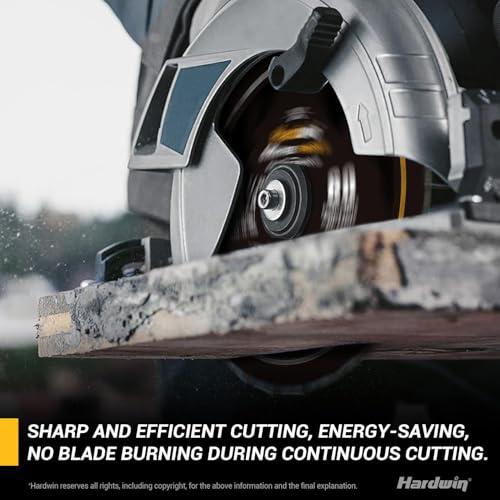
This Hardwin blade is built with cordless saws in mind, and that’s exactly where it shines. The hollow-core design cuts weight significantly, 17% lighter than standard blades, which means less strain on your battery and motor. For jobsite work where you’re running a cordless circular saw all day, that efficiency adds up fast.
The 2.0mm ultra-thin kerf slices cleanly through hardwood, plywood, and MDF with minimal tearout, and the non-stick coating helps prevent resin buildup during long runs. The 60-tooth ATB grind is ideal for finish cuts on decking, trim, or siding. While it’s not a 10-inch table saw blade, its versatility across cordless tools makes it a standout. If you’re running DEWALT, Makita, or Skil cordless gear, this is the kind of blade that keeps you moving without bogging down.
Product photos

How We Chose These table saw blade for fine woodworkings
Rather than a hands-on lab test, my research for this guide involved a detailed comparison of published specifications and features across numerous blades. I weighed owner reviews from multiple sources – including major retailers and woodworking forums – alongside assessments from respected tool reviewers. My goal was to identify the blades consistently praised for delivering the clean, precise cuts demanded by fine woodworking, ranking them against criteria like tooth count, kerf, and build quality.
For blades aimed at fine woodworking, tooth count and blade stability proved most critical. Higher tooth counts (70+) generally produce smoother cuts with less tear-out, essential for delicate materials. However, a high tooth count isn’t useful if the blade deflects under pressure; shock resistance and a stable body are vital for accuracy. A thin kerf is also a major benefit, reducing material waste and improving cutting efficiency.
Blade specifications reliably indicate tooth count, kerf thickness, and arbor size – essential for compatibility. However, judging the real-world performance and durability required a deep explore owner feedback. I paid close attention to comments about cut quality across different wood species, how well the blade maintain sharp table saw blades (https://powertoolguide.net/how-to-sharpen-table-saw-blades/), and its overall longevity. Reputation and consistent positive feedback were key differentiators.
How To Pick The Right table saw blade for fine woodworkings
Picking the right blade is as important as the saw itself when you’re aiming for clean, professional-looking woodworking results.
A quality table saw blade for fine woodworking demands attention to tooth count, kerf width, blade plate quality, and carbide grade. Look for blades with high tooth counts (60+) for smoother cuts, thin kerfs for material efficiency, and durable carbide tips to maintain sharpness through extended use. Proper blade maintenance and material-specific choices are also critical for optimal performance and longevity.
Tooth Count and Finish Quality
The number of teeth on a blade directly impacts the finish you’ll achieve. For fine woodworking, you generally want a higher tooth count – 60 teeth and up. More teeth mean smaller chips per tooth, resulting in a smoother cut and less tear-out, especially in delicate woods. However, going too high (like the 120-tooth blades) can sometimes lead to a slower cutting speed and increased heat build-up. I’ve seen folks get stuck on the idea that more teeth always means better, but it’s about finding the balance for the specific wood and application.
Kerf Width and Power Requirements
Understanding saw blade kerf is vital; it’s the width of the cut the blade makes. Thinner kerfs (like the 0.06″ offered by some Hardwin blades) remove less material, meaning less waste and potentially faster cutting, particularly on cordless saws. But a thinner kerf can sometimes sacrifice a bit of stability. If you’re running a powerful cabinet saw, a full-kerf blade is often preferable for its rigidity, but for smaller saws or cordless tools, a thin kerf can significantly improve performance. You can find more information about thin kerf vs full kerf.
Blade Construction and Carbide Grade
Don’t underestimate the quality of the blade plate itself. A laser-cut, hardened steel plate will stay truer and resist warping better than a cheaper stamped blade. More importantly, pay attention to the carbide grade. Higher-quality carbide stays sharper longer and is more resistant to chipping. Many blades, like the Diablo, use “shock-resistant” designs to further protect the carbide tips, which is a good sign. When you’re working with expensive hardwoods, investing in a blade that holds an edge longer will save you money in the long run. For consistently clean results, especially when working with plywood, consider checking out blades for clean plywood cuts.
A good rule of thumb is to dedicate specific blades to specific materials. Don’t use your fine-finish blade for rough cuts or framing lumber. Keeping blades material-specific extends their life and maintains optimal performance.
Table Saw Blade for Fine Woodworkings Compared
Here’s a comparison of key specifications for table saw blades designed for fine woodworking.
| Product Name | Tooth Count | Blade Diameter (in) | Kerf (in) | Arbor Size (in) | Max RPM |
|---|---|---|---|---|---|
| Diablo 10-Inch 60-Tooth | 60 | 10 | N/A | 5/8 | N/A |
| DEWALT 10-Inch 80-Tooth | 80 | 10 | N/A | 5/8 | N/A |
| WEN 10-Inch 60-Tooth | 60 | 10 | 0.098 | 5/8 | 6000 |
| FOXBC 10-Inch 80-Tooth | 80 | 10 | 0.098 | 5/8 | N/A |
| TOYAKI 8-1/4″ 80-Tooth | 80 | 8.25 | 0.094 | N/A | N/A |
| TOYAKI 10-Inch 120-Tooth | 120 | 10 | N/A | 5/8 | N/A |
| Hardwin 8-1/4″ 60-Tooth | 60 | 8.25 | 0.06 | 5/8 | N/A |
Frequently Asked Questions
What tooth count is best for minimizing tear-out in delicate woods?
A blade with 80 teeth is generally ideal for minimizing tear-out in delicate woods. Higher tooth counts create smaller chips, leading to a cleaner cut and less splintering, which is crucial for fine woodworking projects.
Can I use a universal blade for both rough cuts and fine detail work?
No, you shouldn’t use the same blade for both. Blades are optimized for specific tasks, and using a fine-tooth blade for rough cuts will dull it quickly, while a rough-cut blade won’t deliver the precision needed for detail work.
What does “kerf” actually mean, and why does it matter?
Kerf refers to the width of the cut a blade makes; a thinner kerf removes less material. For fine woodworking, a thinner kerf can improve efficiency and reduce waste, but it might slightly compromise stability, particularly on larger saws.
How can I tell if a blade is high quality beyond just the price?
Look for blades with laser-cut, hardened steel plates and high-grade carbide tips. These features indicate a blade that will stay truer, resist warping, and hold an edge longer, ultimately providing more accurate and durable cuts.
What blade features should I prioritize when working with hardwoods?
When working with hardwoods, prioritize a blade with a high tooth count (60+) and a durable carbide grade. Consider blades for cutting hardwoods specifically designed for dense wood to achieve clean cuts and maximize blade life.
The Bottom Line
Choosing a table saw blade always involves a trade-off between outright cutting speed and the finesse needed for detailed woodworking. Ultimately, I believe the Diablo 10-Inch 60-Tooth blade strikes the best balance for most woodworkers; it provides excellent cut quality and durability without sacrificing too much speed, making it a solid all-around performer.
If you’re on a tighter budget, the Hardwin 8-1/4″ 60-Tooth offers remarkable value for the price, particularly if you work with a lot of thinner materials where its thin kerf will really shine. For those who prioritize versatility and often work with both hardwoods and softer woods, the DEWALT 10-Inch 80-Tooth stands out for its ability to deliver consistently clean cuts across a wide range of species. Don’t forget to regularly maintain blade performance to extend its life.
At the end of the day, tooth count and carbide quality matter more than chasing the highest specification. A blade that stays sharp and delivers consistent results will always outperform a cheaper option, even if it has a slightly lower tooth count. Prioritize a stable blade body, quality carbide, and proper maintenance, and you’ll be well on your way to achieving professional-quality results in your woodworking projects.
