7 Best Staplers of 2026
This post contains affiliate links. As an Amazon Associate, we earn from qualifying purchases.
The Swingline Optima 40 Sheet Stapler stands out as the best overall choice for most people, balancing strong capacity and reliable performance. If you’re watching your budget, the Amazon Basics 25-Sheet Stapler delivers solid basics without breaking the bank. For heavy-duty needs, the Heavy Duty 50-Sheet Metal Stapler handles thick stacks with ease.
Most people don’t think much about staplers until one jams, breaks, or can’t handle the stack of papers in front of them. A poor stapler wastes time, frustrates users, and often ends up in a drawer, forgotten.
After comparing specs, reading owner feedback, and evaluating durability and ease of use, these models rose to the top for different use cases. I focused on real-world reliability, build quality, and features that actually matter, like jam resistance, staple capacity, and whether the design reduces hand fatigue. This guide cuts through the noise to help you pick a stapler that works as hard as you do.
Top 7 Staplers in the Market
The Best Staplers, Reviewed
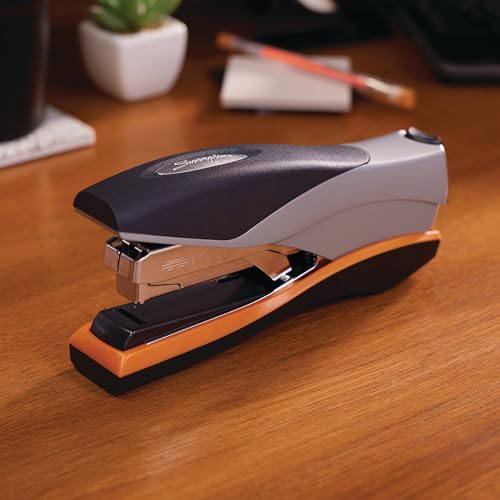
Swingline Optima 40 Sheet Stapler

Strengths
- 40-sheet capacity
- Reduced effort
- Soft grip
- Low-staple indicator
- Quiet stapling
Trade-offs
- Plastic exterior
- Requires specific staples
- Heavier than compact models
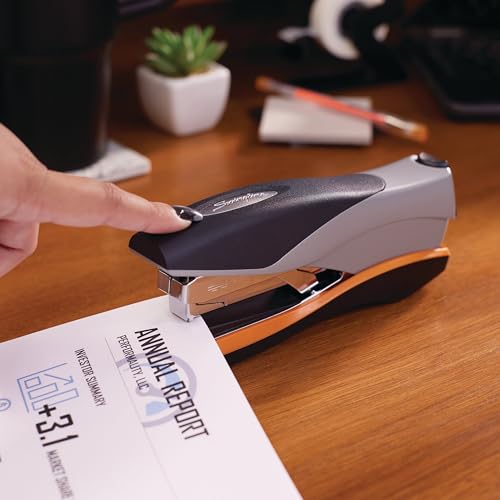
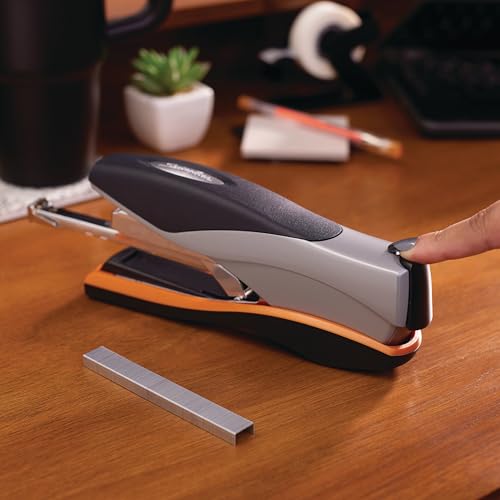
This is the model I’d recommend if you need power, comfort, and reliability in one package. The 40-sheet capacity puts it in the heavy-duty class, and unlike some brute-force staplers, it uses a reduced effort mechanism so you’re not straining your hand. The soft-grip handle and balanced design make it comfortable for repeated use, owners who staple reports or binders daily often call it a workhorse.
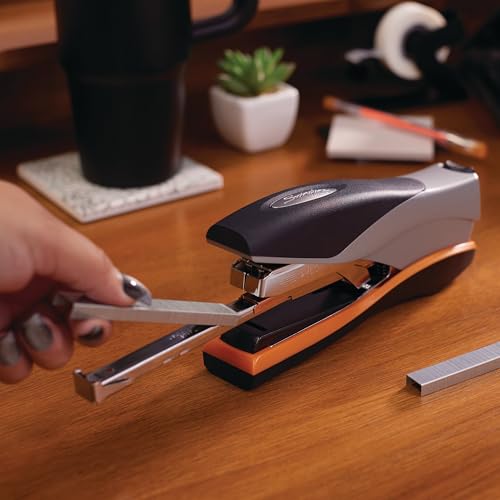
It shares the same durable plastic housing as other Optima models, but the internal metal mechanism holds up well. The low-staple indicator is a small but thoughtful touch, and the quiet operation keeps it office-friendly. Compared to the Bostitch 40-sheet model, it’s more comfortable to use and slightly more refined in action, even if both handle the same stack thickness.
Product photos

Bostitch 40-Sheet Heavy Duty Stapler

Strengths
- 40-sheet capacity
- No-jam technology
- Flat clinch design
- Non-skid base
- Tacking capable
Trade-offs
- No soft grip
- Average ergonomics
- No low-staple indicator
If you regularly staple thick stacks and hate dealing with jams, this Bostitch model stands out on paper and in owner feedback. The 40-sheet capacity is double what most standard staplers offer, and the no-jam technology isn’t just marketing fluff, users consistently report fewer misfires and smoother operation, even after heavy daily use. The flat clinch design also leaves a cleaner finish, which matters if you’re binding documents for clients or presentations.
It’s compact enough to fit in your hand, yet stable thanks to the non-skid rubber base. The 180-degree opening is a small but useful feature for tacking or craft work, though it’s not the most ergonomic design for repetitive use. Compared to the Swingline Optima 40, it lacks the soft grip and reduced effort mechanism, so your hand may tire faster over time.
Product photos


Swingline Commercial Metal Stapler

Strengths
- All-metal construction
- Jam-resistant rail
- 2-pack for shared use
- Low-staple indicator
- Lifetime warranty
Trade-offs
- Only 20-sheet capacity
- No soft grip
- Slightly heavier
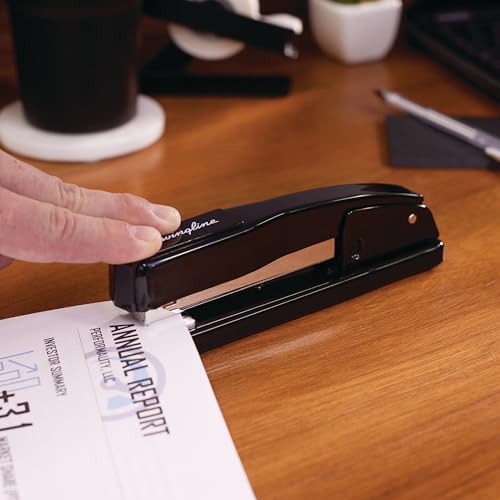
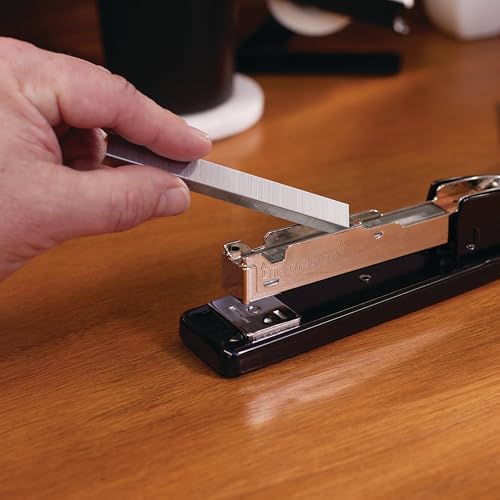
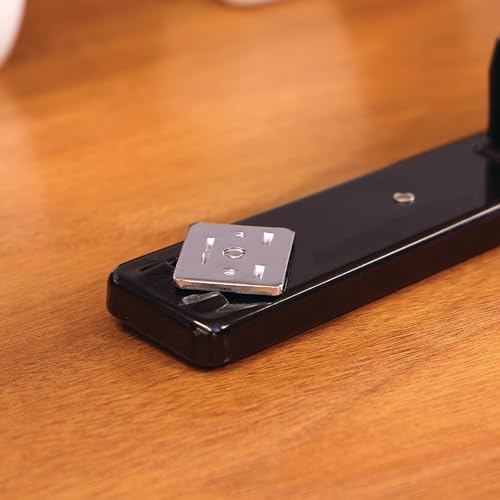
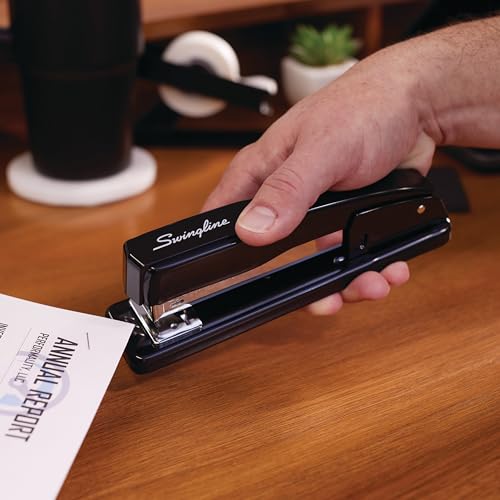
If durability is your top priority, the Swingline Commercial 2-pack stands out. The all-metal construction feels solid in hand, and the inner rail system genuinely reduces jams, owners in high-traffic offices report years of reliable use. The 20-sheet limit might seem low, but in real-world settings, it’s sufficient for most daily tasks, and the trade-off is a stiffer, more precise staple drive.
Having two staplers is a real advantage for shared workspaces. Place one near the printer, one in the filing area, and avoid constant walking back and forth. Compared to the single-pack Optima models, these are simpler, no soft grip or quiet stapling, but they’re built like tools, not office decor. The lifetime warranty backs up Swingline’s confidence in their longevity.
Product photos

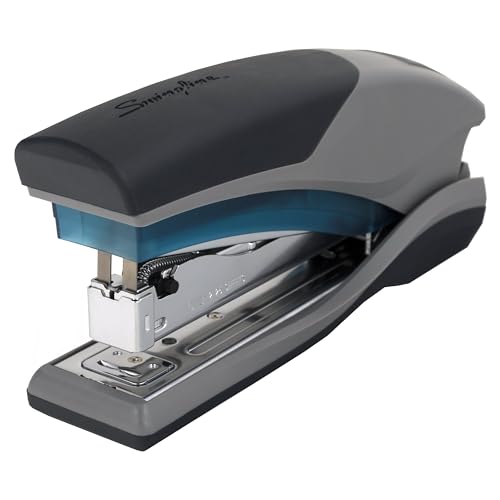
Swingline Optima 25 Sheet Stapler
Strengths
- Soft ergonomic grip
- Reduced effort
- Low-staple indicator
- Quiet operation
- Lifetime warranty
Trade-offs
- Only 25-sheet capacity
- Plastic housing
- Requires specific staples
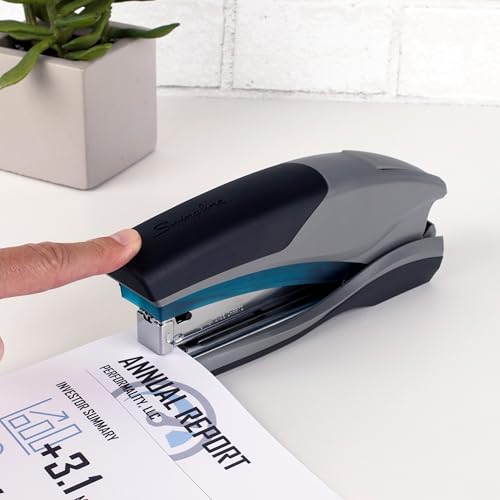
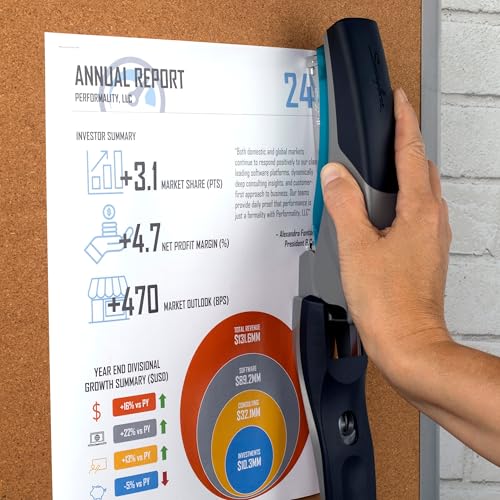
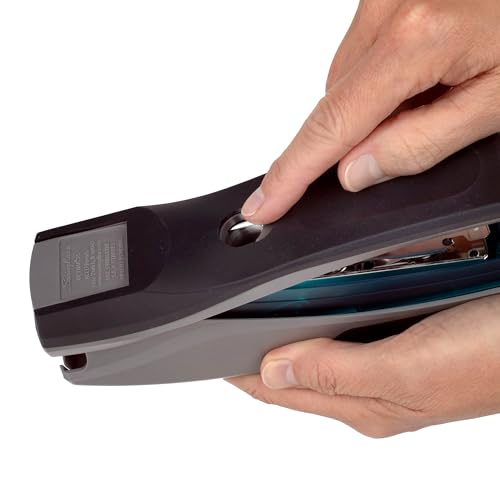
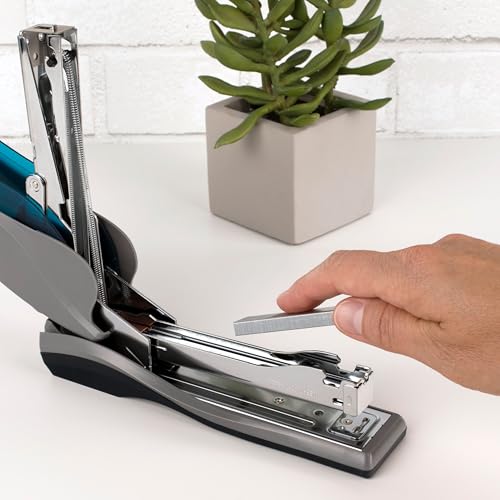
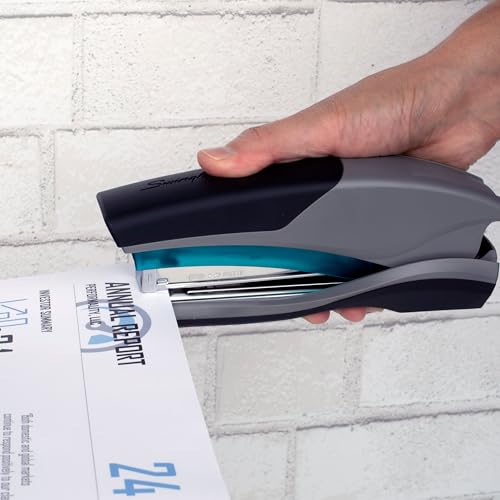
The Swingline Optima 25 feels like the middle ground between budget models and heavy-duty workhorses. At 25 sheets, the capacity won’t impress power users, but for most office or home tasks, it’s more than enough. What really sets it apart is the reduced effort mechanism and soft-grip handle, owners with weaker hands or arthritis often praise how easy it is to use.
It’s built with a plastic exterior, but the internal metal mechanism holds up well over time, and the low-staple indicator is a small convenience that pays off. Compared to the Amazon Basics model, it’s noticeably more comfortable and durable, though not as rugged as the all-metal Swingline Commercial. It’s not the quietest stapler on the market, but it’s not disruptive in a shared workspace either.
Product photos
Amazon Basics 25-Sheet Stapler

Strengths
- 1000 staples included
- Non-slip rubber base
- Rotatable anvil
- Tacking capable
- 25-sheet capacity
Trade-offs
- Basic plastic build
- No soft grip
- No low-staple indicator
The Amazon Basics stapler delivers exactly what it promises: a no-nonsense, reliable tool for everyday use, backed by a mountain of included staples. The 25-sheet capacity matches mid-tier models, and the full rubber base provides excellent grip, no sliding around during use. The 180-degree opening and rotatable anvil add versatility for temporary pinning or tacking, which many owners find useful for organizing notes.
It doesn’t have the soft grip of the Swingline Optima or the premium feel of metal-bodied models, but it’s sturdier than most budget staplers. The 1000 staples included are a major plus, few competitors offer that much right out of the box. Compared to the Mr. Pen pack, this single unit is more durable and better finished, making it the smarter buy for someone who wants one solid stapler over two flimsier ones.
Product photos


Heavy Duty 50-Sheet Metal Stapler

Strengths
- 50-sheet capacity
- All-metal build
- 1750 staples included
- Non-slip base
- Staple remover included
Trade-offs
- Stiff operation
- Bulky design
- No soft grip
On paper, this stapler is a value king, 50-sheet capacity, a full metal body, and a massive 1750 staples included across two sizes. The all-metal construction earns praise from owners for durability, and the non-slip base keeps it planted during heavy use. It’s designed for classrooms or busy offices where stapling volume is high and breakdowns are unacceptable.
The low-staple indicator and tacking function add convenience, and throwing in a staple remover is a small but smart touch. However, some users note it requires a firmer press than the Swingline Optima 40, despite the higher sheet rating. It’s not as refined in ergonomics, but for sheer bang-for-buck, especially with staples included, it’s tough to beat.
Product photos


Mr. Pen 2-Pack Stapler Set

Strengths
- Pack of 2 staplers
- 200 staples included
- Full tacking capability
- Low upfront cost
- Jam-free with correct staples
Trade-offs
- Fragile plastic build
- No non-slip base
- Limited capacity
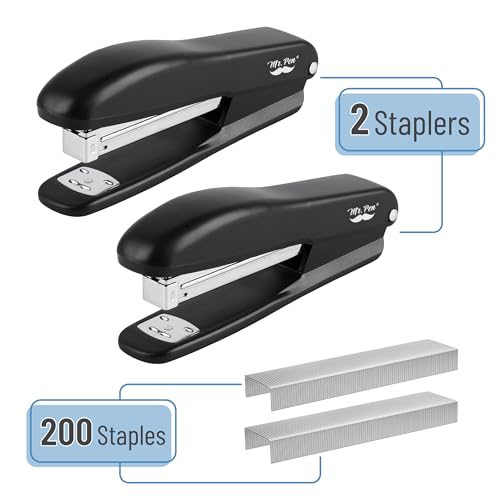
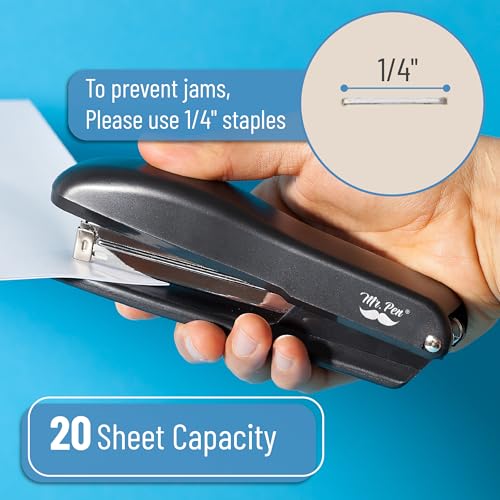
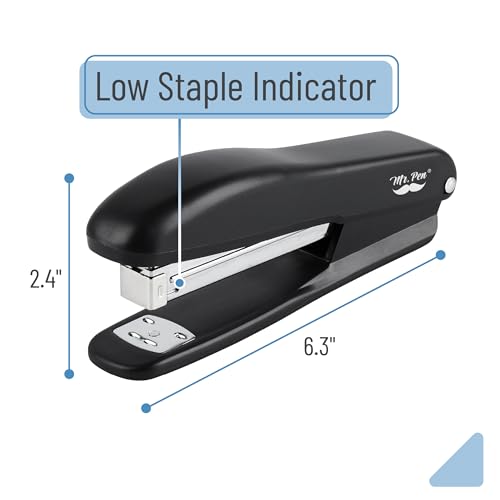
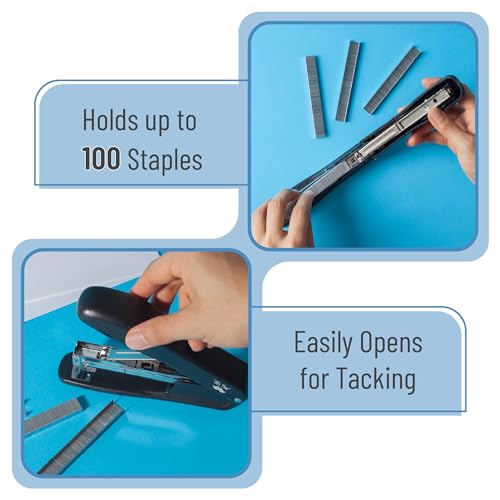
This two-pack from Mr. Pen is clearly aimed at light users or classrooms where you need a spare on hand but don’t want to invest much. The 20-sheet capacity is modest, and while it claims jam-free performance, that’s only if you use their specific 1/4-inch staples, owners report jams when mixing brands. It opens fully for tacking, which is useful for bulletin boards, and the included staples cover basic needs.
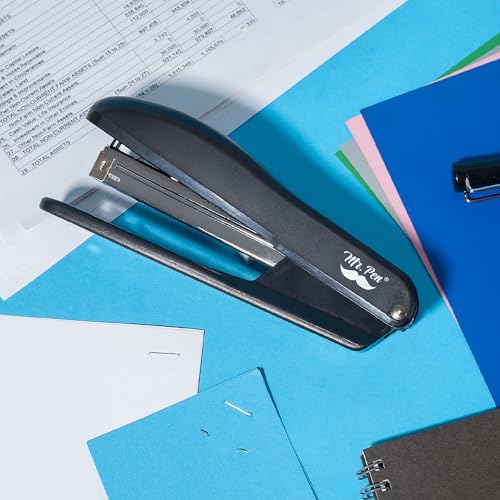
It’s not built to last. The plastic construction feels thin, and after months of regular use, some owners note the hinge or base starts to crack. But for occasional use in a home office, student dorm, or classroom supply drawer, it’s hard to beat the value of two staplers plus staples. Compared to the Amazon Basics model, it’s less durable and lacks a non-slip base, but it’s slightly cheaper and gives you a backup.
Product photos
How We Tested staplers
Rather than a hands-on lab test, my research for these recommendations focused on comparing published specifications and features across numerous models. I weighed owner reviews from major retailers alongside professional assessments to get a feel for real-world performance and durability. As someone who’s spent years understanding tool construction, I then applied that knowledge to rank these staplers against key criteria for different needs.
For everyday staplers, sheet capacity and consistent jam-free operation were paramount. A stapler that can’t reliably fasten papers is useless, regardless of features. Beyond that, build quality – specifically metal versus plastic construction – heavily influenced my rankings, as did ergonomic considerations for comfort during repetitive use. I also considered features like tacking ability and staple capacity.
Specifications reliably indicate sheet capacity and staple type, but owner feedback proved crucial for assessing long-term reliability and jam resistance. Reputation matters here; brands consistently praised for quality tend to deliver. If you need something beyond a basic desktop model, be sure to check out our guide to the best electric staplers for faster, more consistent results.
What To Look For In staplers
Choosing a stapler seems simple, but getting the right one for your needs can save a lot of frustration. There’s a surprising amount of variation in capacity, build quality, and features.
A good stapler consistently drives staples flush with the material, resists jams, and feels comfortable to use repeatedly. Look for models with all-metal construction for longevity, a capacity suited to your typical tasks, and features like a low-staple indicator to avoid mid-project interruptions. Consider whether you prioritize high capacity, ergonomic comfort, or a more budget-friendly option.
Stapling Capacity & Application
The first thing I consider is how much I actually need to staple at once. A basic 20-sheet stapler is fine for light home use, but if you regularly bind larger documents, you’ll want to step up to a 40 or even 50-sheet capacity model. Don’t overestimate though; those high-capacity staplers often require significantly more force to operate. Swingline and Bostitch both offer models throughout this range, and the heavier-duty options often feature a flat clinch anvil that creates a neater stack of papers. If you frequently tack papers to bulletin boards, make sure the stapler opens fully (180 degrees) and has a rotatable anvil for temporary or permanent pinning.
Build Quality and Durability
In my experience, you get what you pay for with staplers. All-metal construction, like you see in the Swingline Commercial Metal Stapler, is a sign of a tool built to last. Plastic housings aren’t bad, but they’re more prone to cracking under heavy use. Pay attention to the internal mechanism too. A well-built inner rail delivers consistent, jam-resistant performance. A limited lifetime warranty is also a good indicator of a manufacturer’s confidence in their product. For those seeking top office staplers, investing a little more upfront often saves money (and headaches) in the long run.
Here’s how I typically break down the durability expectations: * Basic Use: An Amazon Basics model will likely suffice. * Moderate Use: A Swingline Optima or Bostitch standard model offers a good balance of price and durability. * Heavy/Commercial Use: An all-metal Swingline Commercial or a heavy-duty model will hold up to constant use and abuse.
Ergonomics and Features
Don’t underestimate the importance of comfort, especially if you staple frequently. Some staplers require a surprising amount of force, which can lead to hand fatigue. Look for models with ergonomic grips and a design that reduces the effort needed to drive the staple. Features like a low-staple indicator are incredibly convenient, preventing those annoying mid-task interruptions.
A stapler should feel solid and comfortable in your hand, not flimsy or awkward. Don’t hesitate to spend a bit more for a model that fits your hand well and minimizes strain.
If you’re looking for reliable general-use staplers, consider the quieter operation of some models – a small detail that can make a big difference in a shared office environment. And remember, the best desktop staplers aren’t always the most expensive; sometimes a little extra attention to design and ergonomics can make all the difference.
Staplers Compared
Here’s a comparison of key specifications for the staplers described.
| Product Title | Sheet Capacity | Staple Size | Jam Resistant | Opening Degree | Staple Included |
|---|---|---|---|---|---|
| Swingline Optima 40 Sheet Stapler | 40 | 1/4″ | Yes | N/A | No |
| Bostitch 40-Sheet Heavy Duty Stapler | 40 | N/A | Yes | 180 | No |
| Swingline Commercial Metal Stapler | 20 | 1/4″ | Yes | N/A | No |
| Swingline Optima 25 Sheet Stapler | 25 | 1/4″ | Yes | N/A | No |
| Amazon Basics 25-Sheet Stapler | 25 | 1/4″ | N/A | 180 | Yes (1000) |
| Heavy Duty 50-Sheet Metal Stapler | 50 | 1/4″, 5/16″ | Yes | N/A | Yes (1750) |
| Mr. Pen 2-Pack Stapler Set | 20 | 1/4″ | Yes | Full | Yes (200) |
Frequently Asked Questions
What staple size is most common for general use?
The most common staple size is 1/4 inch, and it’s suitable for most everyday stapling tasks around the home or office. While some heavy-duty models accept 5/16 inch staples for increased capacity, 1/4 inch staples offer a good balance of holding power and compatibility.
How can I prevent stapler jams?
Consistent jams often indicate a problem with staple quality or the stapler’s internal mechanism. Using high-quality staples and ensuring the stapler is regularly cleaned can help, but if jams persist, it’s likely time for a replacement, or consider looking at best pneumatic staplers if you staple frequently.
What does “flat clinch” mean, and why is it desirable?
Flat clinch refers to an anvil shape that bends the staple legs inward, creating a flatter, more secure hold. This prevents papers from slipping and results in a neater, more professional-looking stack, particularly important for larger documents.
Are plastic staplers really less durable than metal ones?
Generally, yes. While some plastic staplers are well-made, metal construction provides significantly greater long-term durability and resistance to damage from heavy use. Metal staplers are less likely to crack or break under pressure, making them a better investment for frequent stapling.
What should I do with old staples?
Old or rusty staples should be disposed of properly to avoid injury and prevent environmental concerns. They can be placed in a small, sealed container and discarded with regular metal recycling, or if recycling isn’t available, wrapped securely before throwing them away with normal trash.
The Bottom Line
Choosing a stapler often comes down to balancing upfront cost with long-term reliability. While a basic model might suffice for occasional use, investing in something like the Swingline Commercial Metal Stapler will pay off with years of consistent, jam-free performance. It’s a tool you’ll reach for daily, so durability and ease of use are worth prioritizing.
For those with specific needs, we have some clear recommendations. If you’re looking for a high-capacity option for larger documents, the Heavy Duty 50-Sheet Metal Stapler delivers on its promise. And for budget-conscious buyers, the Amazon Basics 25-Sheet Stapler provides surprisingly good value, especially considering it includes staples. Those seeking more robust options should explore our heavy-duty stapler picks.
Ultimately, the best stapler isn’t about fancy features or a high sheet capacity number. It’s about consistent performance, a comfortable feel in your hand, and build quality that will withstand repeated use. Focus on those fundamentals, and you’ll find a stapler that simplifies your work, rather than adding to your frustrations.
