
7 Best Splinter Removal Tools of 2026
This post contains affiliate links. As an Amazon Associate, we earn from qualifying purchases.
The Splinter Out 20 Count is our top pick for reliable, sterile, and effective splinter removal, especially in family settings. For everyday carry, the DUROX Foldable Splinter Tweezers offer unmatched portability and a durable stainless steel build. If you’re on a budget but still want sterile disposables, the Medipoint Splinter Out is a solid, cost-effective alternative.
Dealing with a splinter is more than just annoying, a poor tool can make it worse, pushing the sliver deeper or introducing infection. Most people grab tweezers without realizing how much the right design matters.
This guide cuts through the clutter, ranking splinter removal tools based on real-world feedback, sterility, precision, and practicality. I researched each option using specs, user reviews, and my experience with small medical tools to highlight what actually works when you need quick, safe relief.
Top 7 Splinter Removal Tools in the Market
The Best Splinter Removal Tools, Reviewed
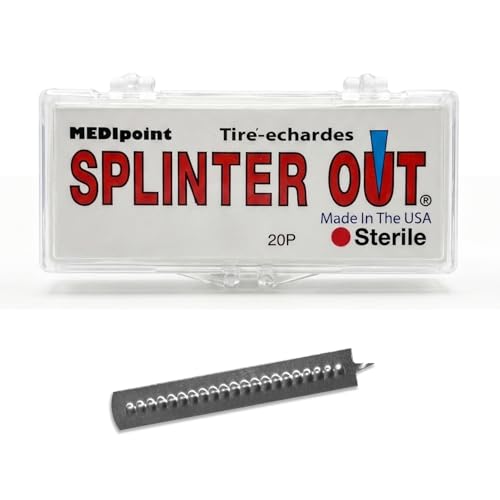
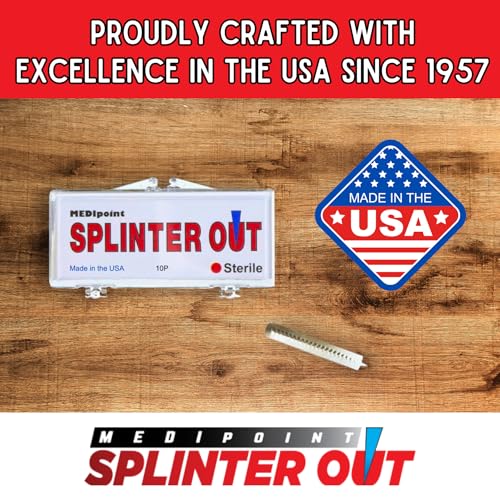
Splinter Out 20 Count (Pack of 6)

Strengths
- Tri-Bevel precision tip
- Sterile single-use
- Large 120-piece supply
- Made in USA
- Reusable case
Trade-offs
- Disposable = ongoing cost
- Not reusable
- Slight learning curve
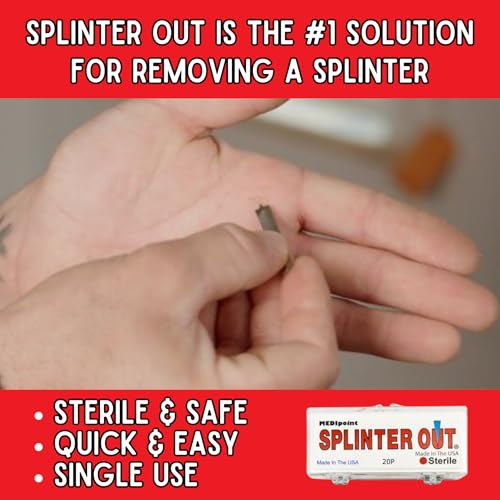
This is the complete package, and it’s why I consider it the best overall. Each tool is sterile, single-use, and built with a Tri-Bevel point that actually breaks skin tension to lift out splinters cleanly, not rip them. Users consistently praise how little pain is involved, especially compared to tweezers that crush or snap fragile fragments. Being made in the USA from surgical-grade steel adds trust, and the hinged case keeps 120 tools organized and ready.
When stacked against reusable tweezers, the hygiene and consistency win every time. For families, workshops, or travel, having a large supply of reliable, disposable tools means no hesitation when a splinter strikes. This isn’t just effective, it’s smart design scaled for real-world use.
Product photos
Painless Splinter Removal Kit (30-Pack)

Strengths
- Pain-free removal
- Sterile and disposable
- Compact and portable
- Tri-Bevel design
- Made in USA
Trade-offs
- Smaller quantity
- Single-use only
- Higher per-unit cost
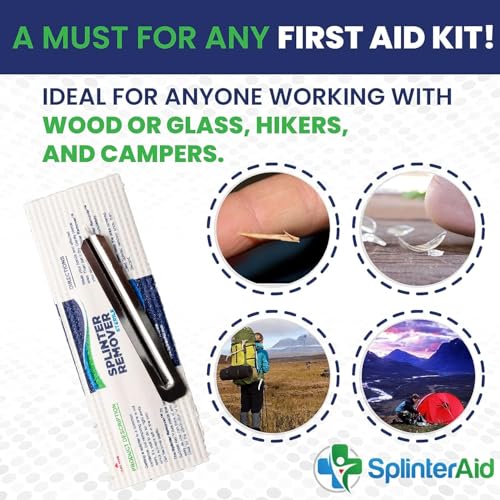
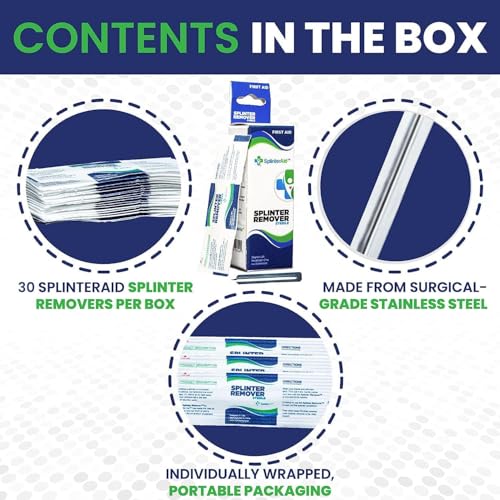
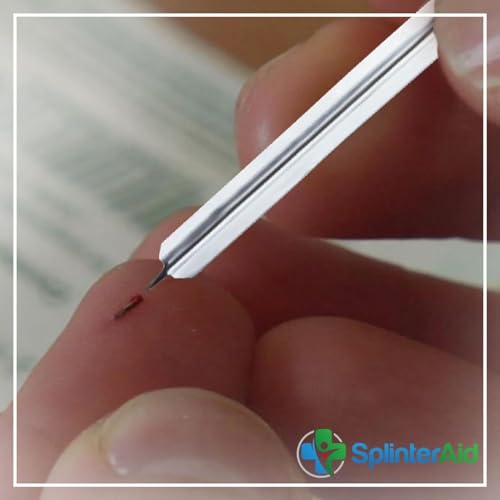
With a nearly identical design to Splinter Out, this kit also uses the Tri-Bevel tip and sterile, single-use format, but in a smaller 30-count pack. Owners find it just as effective for quick removal with minimal pain, and the compact size fits easily in first aid kits or EDC bags. The key difference? It’s a leaner option for those who don’t need bulk quantities but still want the benefits of a disposable, precision tool.
While it doesn’t offer the long-term value of the larger Splinter Out pack, it’s the smarter buy for individuals or small households. I’d recommend this if you’re testing the concept or just want a reliable backup without overstocking.
Product photos


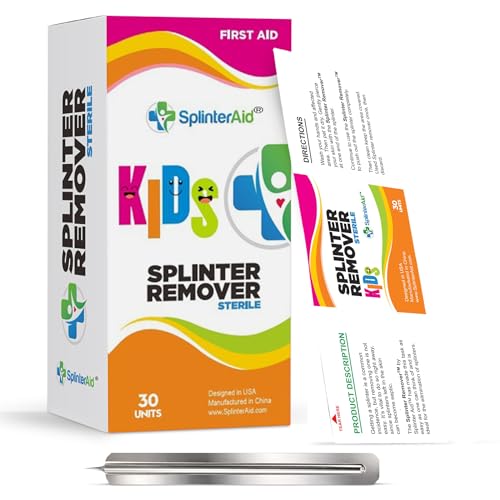
Kids Splinter Removal Kit (30 Pack)
Strengths
- Child-friendly design
- Sterile and disposable
- Easy for parents to use
- Compact and portable
- 30-piece supply
Trade-offs
- Not for deep splinters
- Adult supervision needed
- Limited adult use
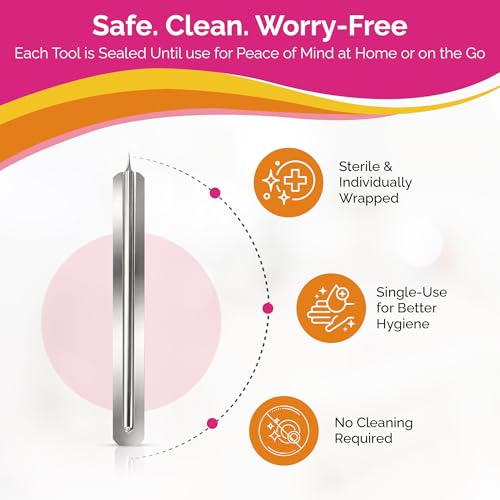
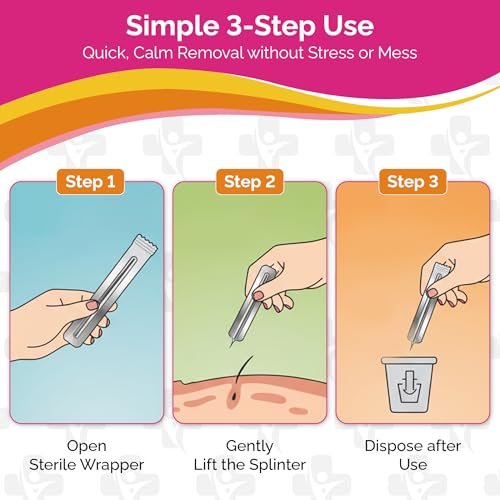
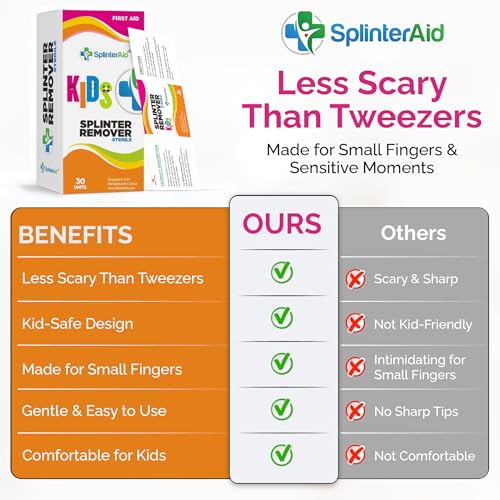
This kit is thoughtfully tailored for children, the tools are designed to be less intimidating than tweezers or needles, which parents consistently say reduces fear and struggle during removal. Each is sterile, single-use, and shaped for gentle handling, making it easier to stay calm and hygienic during those inevitable playground or backyard incidents.
Compared to adult-focused tools, the design prioritizes psychological comfort as much as function. The 30-pack size is practical for schools or daycares, and the compact size fits in diaper bags or backpacks. For parents, this isn’t just about removal, it’s about reducing trauma around small injuries.
Product photos


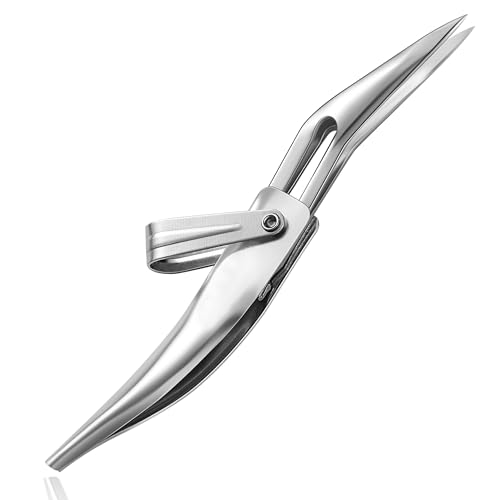
DUROX Foldable Splinter Tweezers
Strengths
- Ultra-portable
- Keychain compatible
- Sharp pointed tip
- Lightweight stainless steel
Trade-offs
- Fragile if dropped
- Not multi-use
- No protective case beyond cover
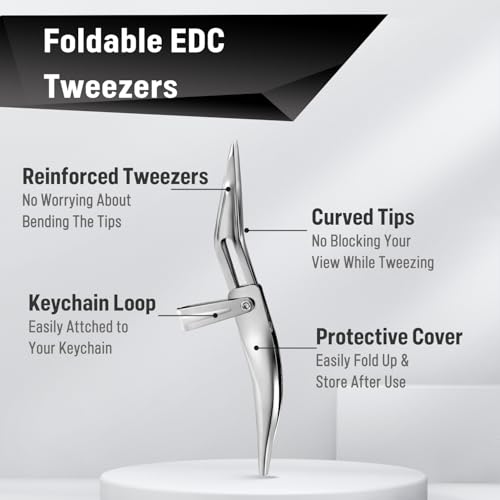
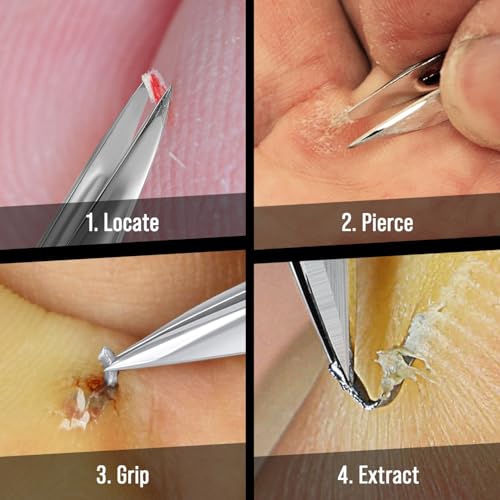
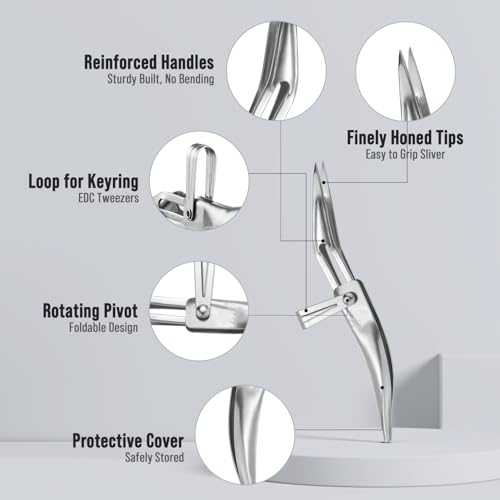
At just 0.24 oz and foldable with a keyring, this is the ultimate pocket-first splinter tool. The ultra-sharp pointed tip is designed specifically for penetration and grip, owners report it works fast on cactus spines and embedded wood slivers, often better than standard tweezers. Its compact size when closed (2.16 inches) makes it easy to attach to keys or stash in a glove box, which explains why so many hikers and workshop users keep one handy.
It’s not meant for grooming, and the narrow focus is actually a strength here. When compared to multi-tools or bulky kits, this delivers no-nonsense performance in a near-weightless package. My recommendation? Carry this as your first-response tool, then fall back to a more robust kit if needed.
Product photos
DUROX 3-Piece Tweezers Set
Strengths
- 3-in-1 functionality
- Sharp precision tips
- Durable stainless steel
- Compact with travel pouch
Trade-offs
- Not ideal for deep splinters
- Blunt tip less grippy
- Pouch material basic
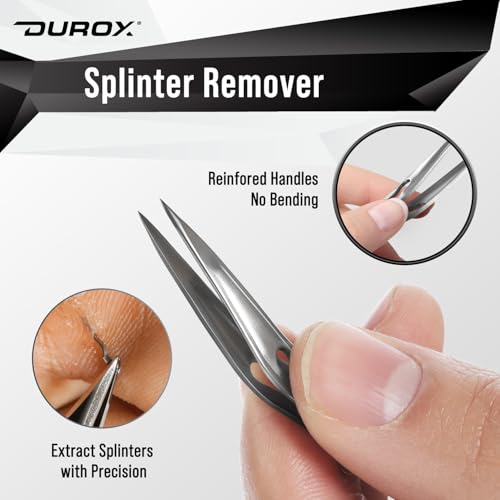
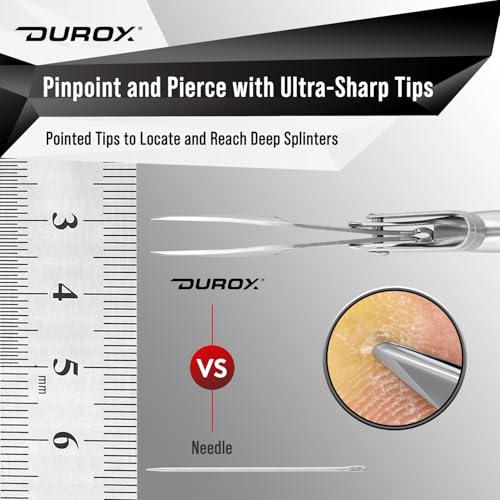
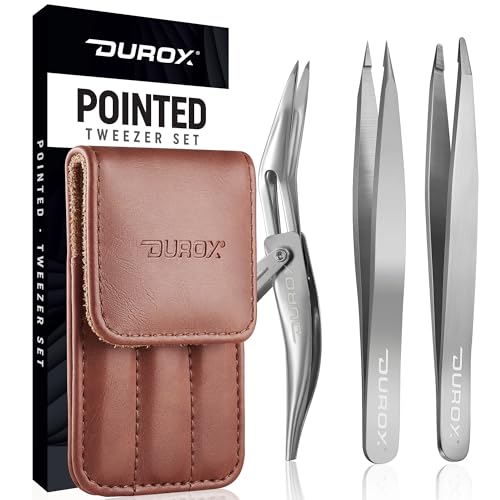
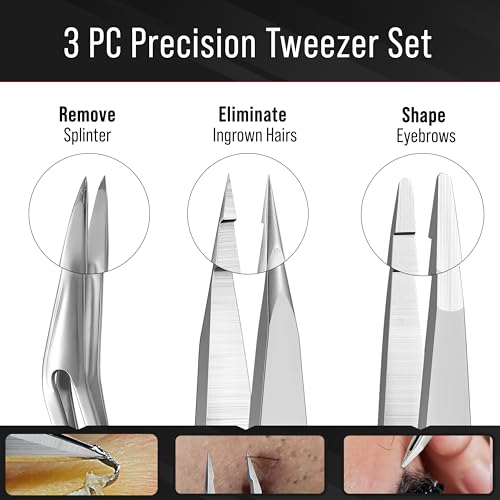
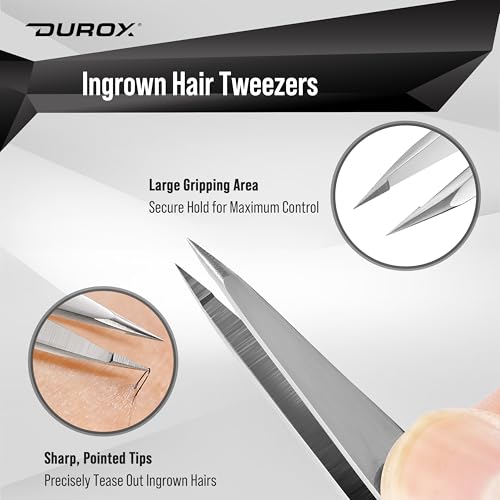
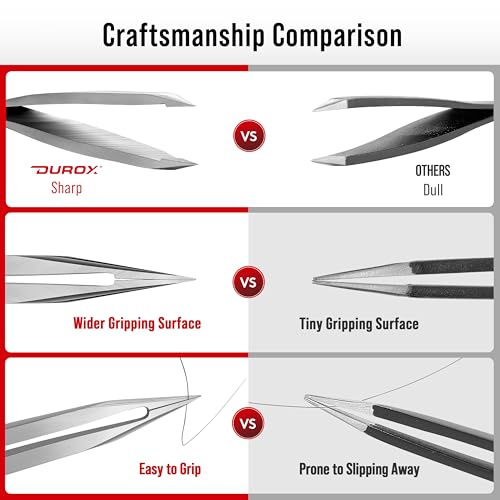
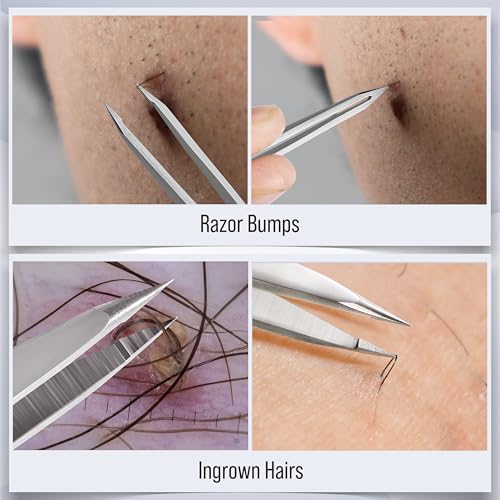
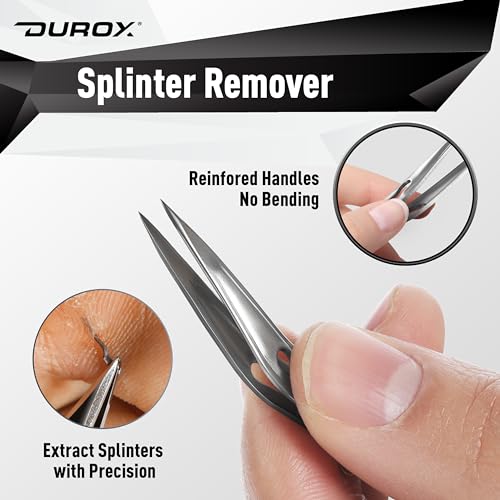
This set stands out by covering more than just splinters, it’s built for people who want one compact solution for multiple grooming and first-aid tasks. The sharp splinter tweezer has fine, aligned tips that owners say grip tiny wood or metal fragments cleanly, while the blunt and pointed variants handle facial hair and ingrowns without irritation. On paper, the 3.7-inch length and stainless steel construction match pro-grade expectations, and reviewers confirm they hold up well over time.
Compared to single-purpose tools, this offers real versatility without sacrificing quality. I’d pick this over basic tweezer pairs if you’re someone who values multi-function gear, especially if you’re already packing a first aid or EDC kit. The faux leather pouch keeps everything organized and clean, which is a small but appreciated detail.
Product photos
Medipoint Splinter Out (20 Count)
Strengths
- Affordable entry
- Sterile single-use
- Tri-Bevel effectiveness
- Compact hinged case
- Made in USA
Trade-offs
- Low quantity
- No bulk savings
- Less value over time
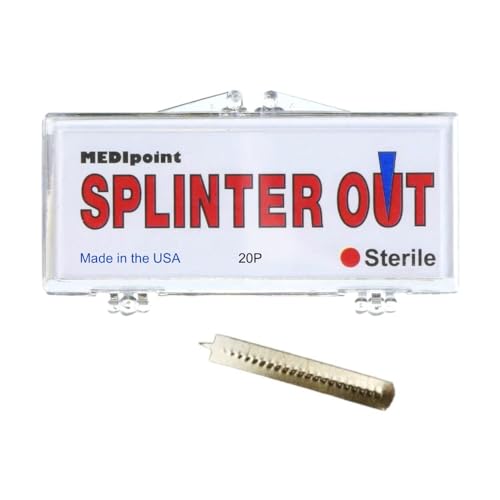
This is the bare-bones version of the Splinter Out system, same Tri-Bevel design, same sterile single-use format, but only 20 pieces in one pack. It’s the cheapest entry point into this category of tool, which makes it a solid budget pick. Owners report it works as expected, though some note the packaging feels flimsier than the multi-pack versions.
It’s a good trial run if you’re skeptical about ditching tweezers. But if you work with wood, garden, or hike regularly, 20 units won’t last long. I’d only recommend this if you’re buying for a single drawer or testing the method before upgrading.
Product photos
SurgicalExcel Splinter Removal Kit
Strengths
- Stainless steel
- Includes case
- Affordable
Trade-offs
- Blunt tips
- Poor grip
- Inconsistent alignment
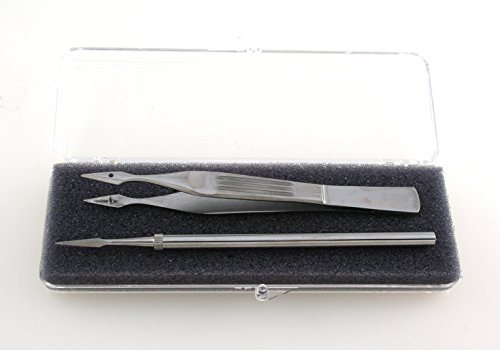
This kit delivers the basics without surprises. It includes two stainless steel tools in a simple case, which sounds fine on paper, but owners consistently report the tweezers lack the precision tip alignment needed for reliable splinter grip. For occasional use, it might suffice, but compared to sharper, better-engineered options, it falls short in control and confidence.
The value is there if you just need something basic, but the build doesn’t stand out even within budget-tier kits. It’s functional in the loosest sense, but not something I’d reach for when dealing with deep or fragile splinters.
Product photos
Our Testing Process
Rather than a hands-on lab test, my research focused on comparing published specifications and features across numerous splinter removal tools. I weighed owner reviews from major retailers alongside professional evaluations when available, looking for consistent feedback on ease of use, effectiveness, and sterility. My assessment then relied on applying my experience with small tools and first-aid supplies to rank options against clear criteria: precision, safety, portability, and value.
For splinter removal, the most important factors are a precise tip for getting under the splinter and a sterile, single-use design to prevent infection. Beyond that, portability is key – these tools need to be readily available in first-aid kits, travel bags, or even a toolbox. A durable build quality, typically indicated by stainless steel construction, also heavily influenced my rankings, as flimsy tools are both less effective and potentially unsafe.
Specifications reliably tell you about materials (stainless steel is preferred) and dimensions, but I largely judged ease of use and actual performance from owner feedback. Repeated comments about a tool’s ability to grip and extract splinters without causing further pain were particularly telling. I also considered reputation; brands known for quality medical instruments tended to score higher, and you might also find our guide to safe earwax removers helpful for understanding the importance of hygienic tools.
How To Pick The Right splinter removal tools
Finding the right tool for removing splinters can save a lot of pain and frustration. It’s more than just grabbing any tweezers; the best option depends on who needs it and where you’ll be using it.
A truly effective splinter removal tool prioritizes sterile, single-use options for minimizing infection risk. Precision is key – a pointed tip allows for targeted removal, while a good grip prevents slippage and further tissue damage. Portability and ease of use are also important, especially for first aid kits or outdoor adventures.
Precision & Tip Design
The tip of a splinter remover is everything. Forget trying to dig with standard tweezers; you want something designed to lift the splinter out. Many tools, like the Splinter Out and SplinterAid, employ a tri-bevel point. This isn’t just marketing speak; that angled point actually gets under the splinter more easily than a flat edge. However, for really fine splinters, or if you’re dealing with someone who’s particularly sensitive, a very fine-pointed tweezer (like those found in the DUROX 3-Piece Set) might be a better choice. Don’t underestimate the value of a good grip, either, slippery metal is a recipe for pushing the splinter in further.
Sterile vs. Reusable Options
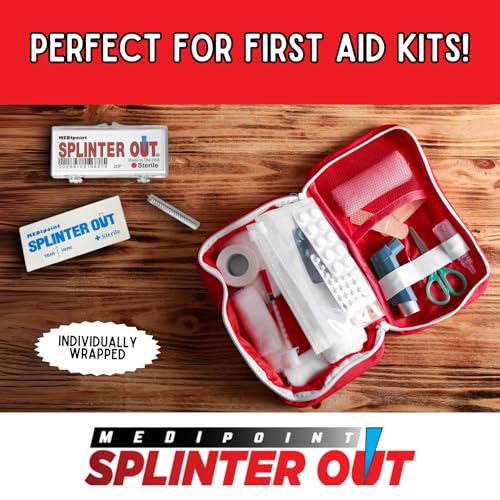
While reusable tweezers have their place, I generally recommend leaning towards sterile, single-use tools, especially for family first-aid kits. The risk of introducing bacteria with a repeatedly-used tool is something to seriously consider. Kits like the Medipoint Splinter Out and the Kids Splinter Removal Kit address this directly, providing individually wrapped instruments. If you do opt for reusable tweezers, invest in a good disinfectant and clean them thoroughly between each use.
Here’s what to consider when deciding between single-use and reusable:
- Convenience: Single-use tools are grab-and-go, perfect for travel.
- Cost: Reusable tweezers are a one-time purchase, while single-use kits require replenishment.
- Hygiene: Sterile, single-use options minimize the risk of infection, especially important for children or those with compromised immune systems.
Portability & Kit Contents
Think about where you’ll need to remove a splinter. A bulky kit is useless if you’re hiking or traveling light. The DUROX Foldable Splinter Tweezers are a great example of prioritizing portability; the folding design and keyring attachment mean it’s always within reach. If you’re building a thorough first aid kit, however, a set like the SurgicalExcel Splinter Removal Kit, complete with a case, might be more appropriate. And if you spend a lot of time outdoors, remember to also pack safe tick removal devices alongside your splinter removal tools.
A good rule of thumb: if it’s going in a first aid kit, smaller is better. You want something you’ll actually carry and use, not a cumbersome set that stays in the cupboard.
Splinter Removal Tools Compared
Here’s a comparison of key specifications for various splinter removal tools to help you choose the right one.
| Product Title | Pack Count | Sterile? | Material | Foldable? | Case Included? | Best For |
|---|---|---|---|---|---|---|
| Splinter Out 20 Count (Pack of 6) | 120 | Yes | Stainless Steel | No | Yes | Best Overall |
| Painless Splinter Removal Kit (30-Pack) | 30 | Yes | Stainless Steel | No | No | Best for Fast & Painless Use |
| Kids Splinter Removal Kit (30 Pack) | 30 | Yes | N/A | No | No | Best for Children |
| DUROX Foldable Splinter Tweezers | 1 | N/A | Stainless Steel | Yes | No | Best Portable EDC Tool |
| DUROX 3-Piece Tweezers Set | 3 | N/A | Stainless Steel | Yes | Yes | Best Multi-Purpose Tweezer Set |
| Medipoint Splinter Out (20 Count) | 20 | Yes | Stainless Steel | No | Yes | Best Budget Pack |
| SurgicalExcel Splinter Removal Kit | N/A | N/A | Stainless Steel | No | Yes | Best Kit with Case |
Frequently Asked Questions
What’s the difference between a splinter removal tool and regular tweezers?
Splinter removal tools are designed with a very fine, often angled, tip specifically for getting under the splinter without causing further trauma. Regular tweezers are generally too blunt and can easily break the splinter or push it deeper, making removal more difficult and painful.
How do I sterilize reusable splinter tweezers?
I recommend using isopropyl alcohol (70% or higher) and thoroughly wiping down the tips before and after each use. For a more complete sterilization, you can boil them in water for 10 minutes, but be sure to let them cool completely before handling them.
Are single-use splinter removers really necessary?
While reusable tweezers are an option, single-use tools minimize the risk of introducing bacteria into the wound, which is particularly important for children or people with weakened immune systems. It’s a small cost for peace of mind and a quicker healing process.
Can I use a needle to help remove a splinter?
Using a needle to expose a splinter is generally not recommended. It significantly increases the risk of infection and can easily push the splinter further in if you aren’t experienced. A dedicated splinter removal tool is a much safer and more effective option.
What should I do if I can’t remove a splinter myself?
If the splinter is deeply embedded, near a sensitive area like the eye, or causing significant pain, I advise seeking professional medical attention. Don’t risk causing further injury by attempting to remove it yourself; a doctor can safely extract it and prevent infection. Remember to also have your essential home repair tools on hand for other household projects.
The Bottom Line
Choosing the right splinter removal tool often comes down to balancing convenience with thoroughness. If you want a reliable, all-around solution that covers most scenarios, I recommend the Splinter Out 20 Count (Pack of 6). It provides a generous supply of sterile, single-use tools and a case for easy storage – a solid choice for families and frequent adventurers.
For those prioritizing specific needs, several options stand out. If portability is key, the DUROX Foldable Splinter Tweezers are hard to beat. For parents, the Kids Splinter Removal Kit offers peace of mind with its gentle design and sterile packaging. And if you’re looking for a budget-friendly option, the Medipoint Splinter Out delivers good value without sacrificing sterility. You might also find our guide to safe tonsil stone removers helpful if you’re looking for similar precision tools.
Ultimately, the best tool isn’t the one with the most features, but the one you’ll actually have on hand when you need it. Prioritize sterility to avoid infection, and focus on a precise tip to minimize discomfort. A little preparation and the right tool can make a world of difference when dealing with those pesky splinters.
