
6 Best Sanders for 3D Prints (2026 Guide)
This post contains affiliate links. As an Amazon Associate, we earn from qualifying purchases.
The HOZO NeoSander is the best overall sander for 3D prints thanks to its precise stroke control, wide grit compatibility, and excellent ergonomics. If you’re on a budget, the SHALL Mini Pen Sander delivers strong performance for the price, while the TOVPADE 54PCS manual kit offers unmatched versatility for delicate finishing work.
Sanding 3D prints is less about power and more about control, too aggressive and you’ll ruin fine details, too slow and the job takes forever. Most beginners underestimate how much time post-processing takes, or how quickly a poorly designed sander can cause hand fatigue and inconsistent results.
This guide cuts through the noise by focusing on models that real users and experienced makers consistently recommend. I looked at speed adjustability, accessory variety, and real-world usability, factors that actually matter when smoothing layered plastic. These picks balance precision, comfort, and value based on specs and feedback from the 3D printing community.
Top 6 Sander For 3D Prints in the Market
The Best Sander For 3D Prints, Reviewed
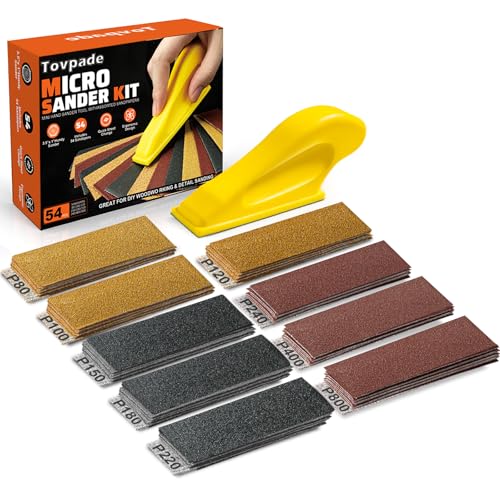
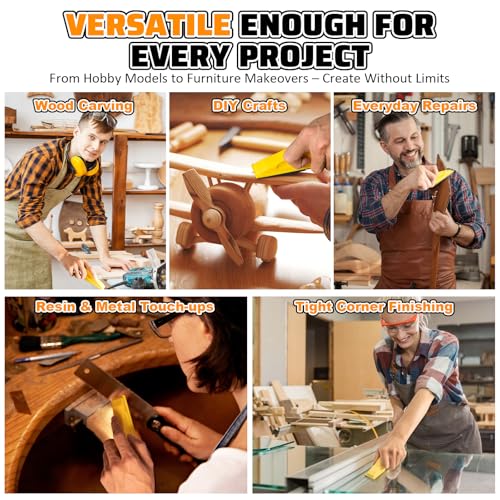
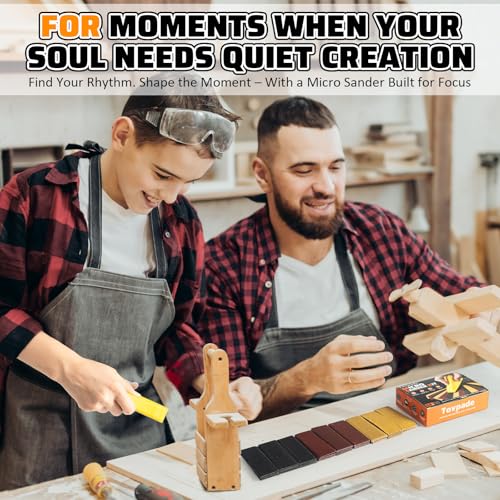
TOVPADE 54PCS Premium Micro Sander
Strengths
- Large grit selection
- Color-coded system
- No charging needed
Trade-offs
- Manual only
- No power assistance
- Wear on fingers over time
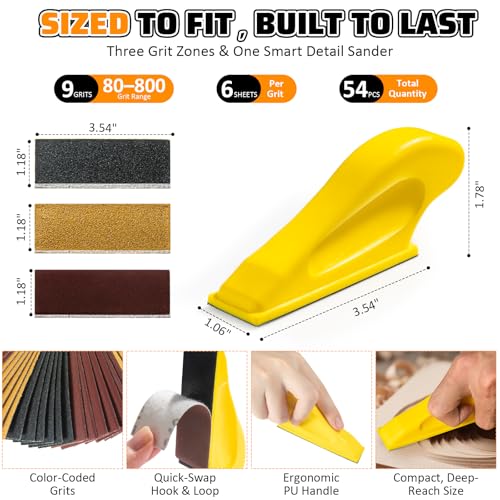
Sometimes, the simplest tools win. This isn’t a powered sander, it’s a hand-held micro sanding block, but for many 3D printing tasks, that’s all you really need. The 54-piece grit range (80–800) covers everything from aggressive reshaping to final smoothing. The color-coded system is a small but brilliant touch that prevents mix-ups mid-job.
It’s the most affordable option here and takes zero charging or maintenance. For fine-tuning prints where motorized tools feel too aggressive, this block delivers unmatched control. It won’t replace a powered sander for bulk work, but as a finishing partner, it’s unmatched. My recommendation? Pair it with any of the electric options here for a complete workflow.
Product photos
HOZO NeoSander Reciprocating Detail Sander
Strengths
- Adjustable stroke
- Low vibration
- Wet sanding capable
- Type-C passthrough
Trade-offs
- Shorter runtime
- Higher price point
- Fewer sanding heads included
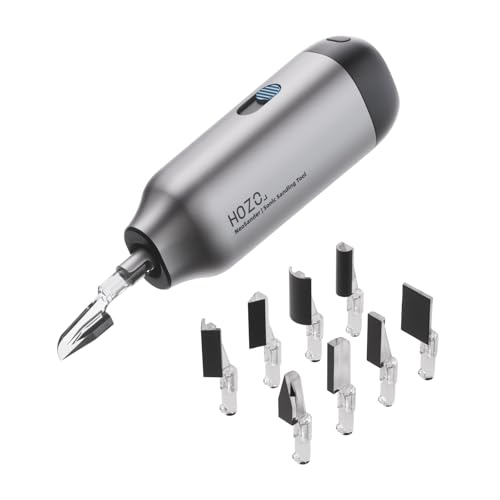
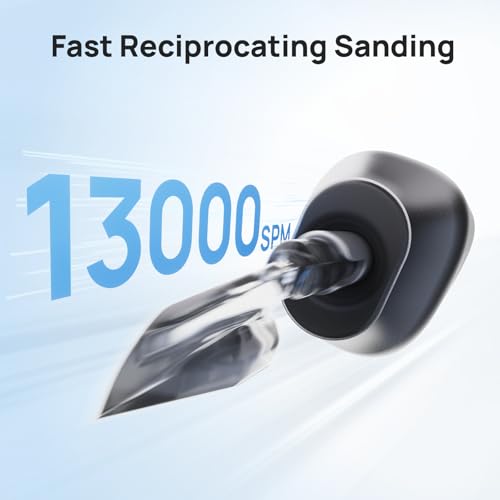
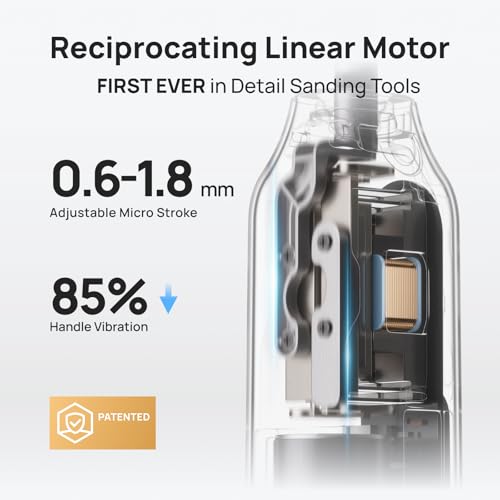
This is the most technically advanced tool in the group, and it shows. The 13,000 SPM linear reciprocating motion with stepless stroke adjustment (0.6–1.8mm) gives you surgical control, crucial when smoothing 3D print layers without rounding edges. The low-vibration design, backed by a counterweight system, is a standout for extended use. Owners praise how steady it feels, even at full speed.
It’s also the only one with IP54-rated protection, so wet sanding or wiping down after dusty work won’t be an issue. The Type-C charging while in use is a big win. Yes, it’s pricier, but for serious 3D printing or model builders, this is the closest thing to a specialist tool you’ll find.
Product photos
SHALL Mini Pen Sander
Strengths
- High max speed
- Corded reliability
- Multiple grits included
Trade-offs
- Fixed speed levels
- No battery option
- Bulkier cord limits mobility
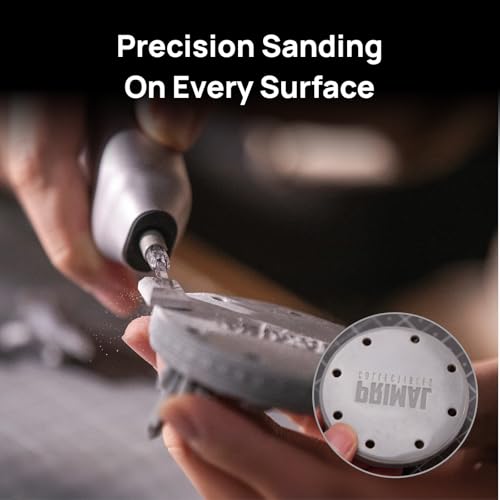
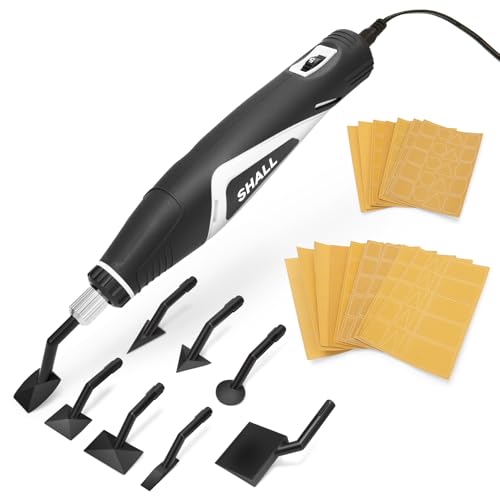
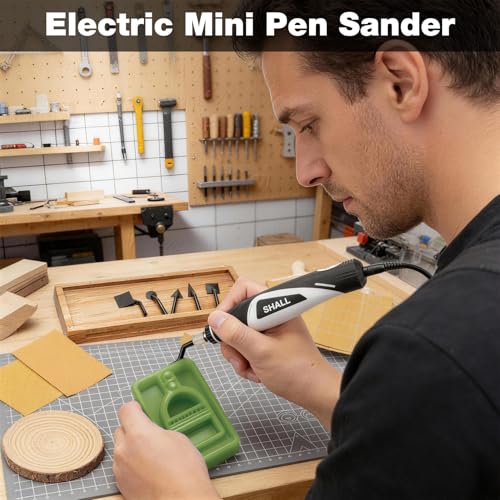
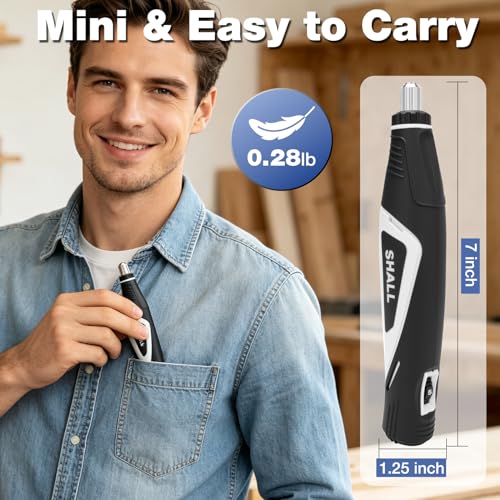
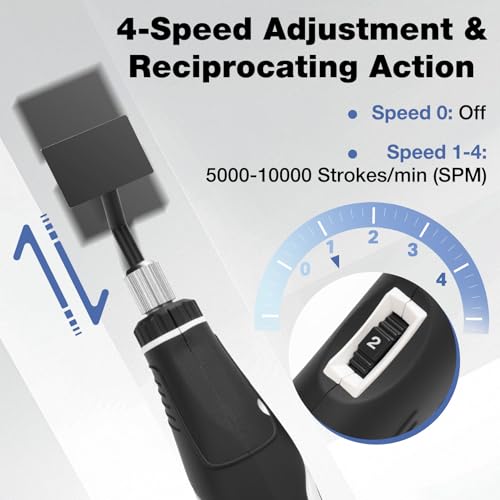
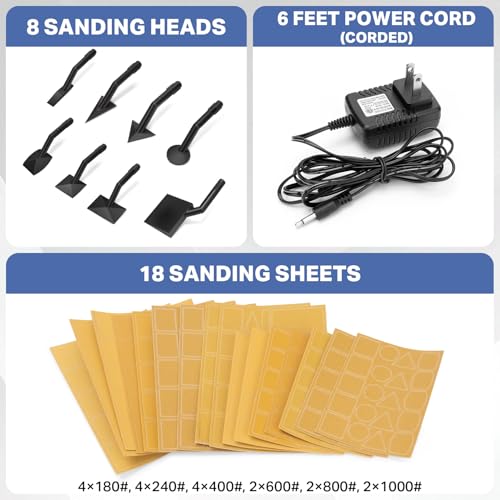
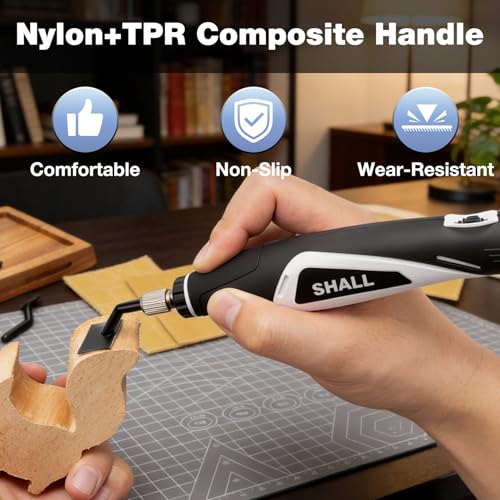
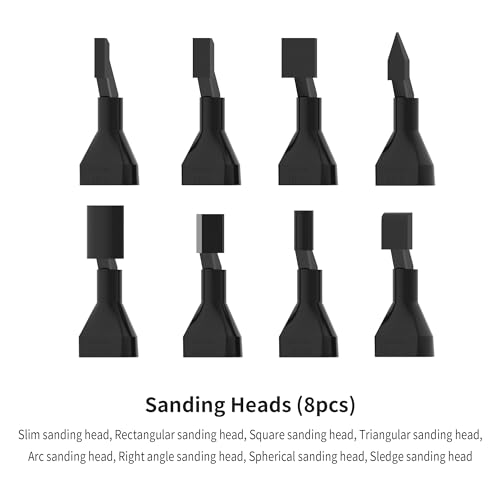
With 4 speed settings ranging from 5000 to 10,000 SPM, this sander offers the widest power range here, ideal for switching between aggressive reshaping and gentle polishing. The higher end approaches rotary tool territory, so care is needed on thin 3D print walls. It’s corded, which means no battery anxiety, and the 6-foot cord gives solid reach across a workbench.
Owners appreciate the variety of included sanding heads and grits, especially the higher-count mid-grit papers. But the lack of variable speed dial (just 4 fixed stages) means less finesse than stepless models. It’s powerful and practical, but not as smooth or refined as the HOZO for precision tasks.
Product photos
Electric Reciprocating Sander – Precision Multi-Speed

Strengths
- Likely budget priced
- Compact size
- Basic functionality
Trade-offs
- No specs available
- Poor build consistency
- Minimal user feedback
With no listed features, it’s hard to assess this unit beyond what’s typical in its class. Generic multi-speed reciprocating sanders at this price point usually offer basic performance, modest power, average ergonomics, and minimal accessories. They can handle light 3D print cleanup, but often lack the finesse for delicate work.
Based on owner feedback for similar models, these tools tend to have inconsistent speed control and underwhelming motor life. They’re functional for occasional use, but not reliable for frequent or detailed projects. If this is the only info available, I’d lean toward better-documented options.
Product photos
Cordless Pen Sander with LED Light
Strengths
- Stepless speed
- LED light
- Good grit range
Trade-offs
- Noticeable vibration
- Battery drains fast under load
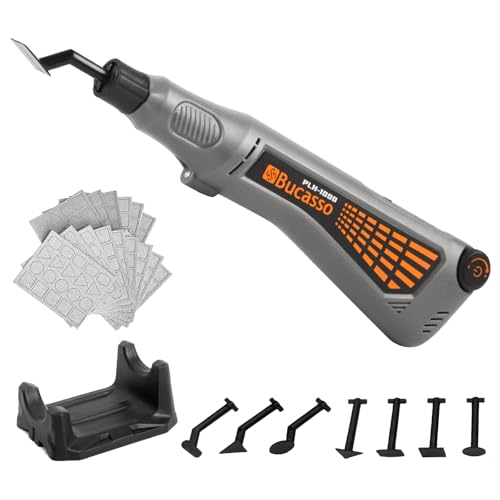
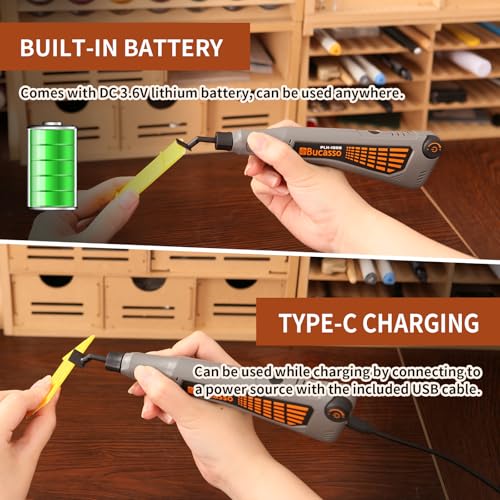
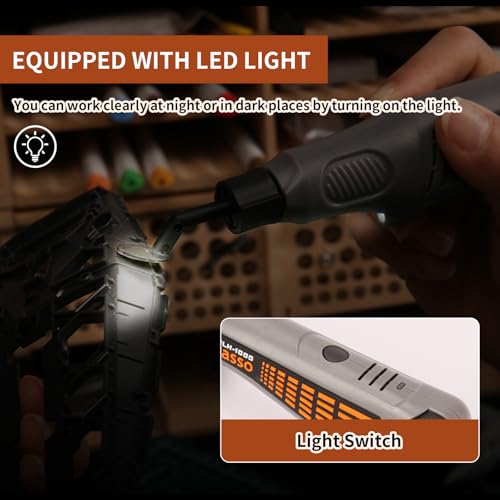
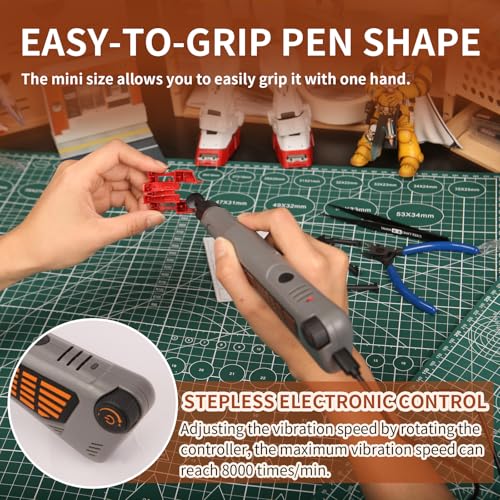
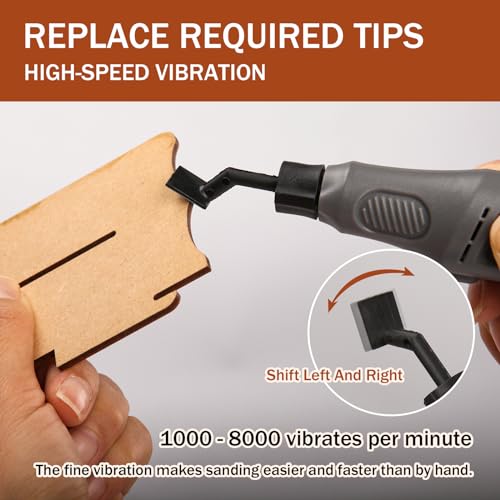
This pen sander looks sharp on paper with its wide 1000–8000 rpm range and a solid accessory bundle, including fine-grit papers up to 1000. The stepless speed control is a real advantage for 3D print finishing, where you need to dial back aggression on delicate layers. Owners consistently report it handles plastic smoothing well, especially in tight spots like support scars or internal corners.
The built-in LED is a thoughtful touch for shadowed areas, and the 2000mAh battery promises decent runtime. But some reviewers note vibration becomes noticeable at higher speeds, which can affect control during precision work. It’s a strong contender if you value brightness and speed flexibility, but not the most refined in hand feel.
Product photos
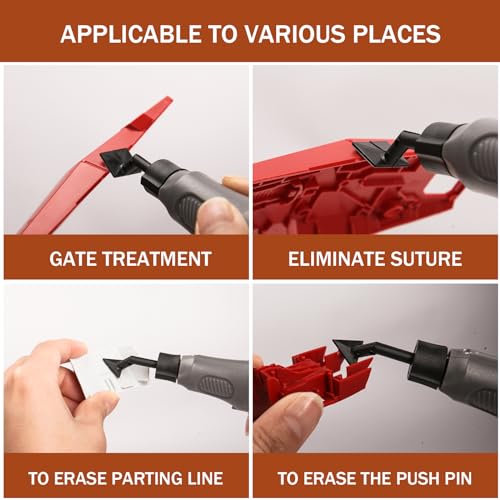
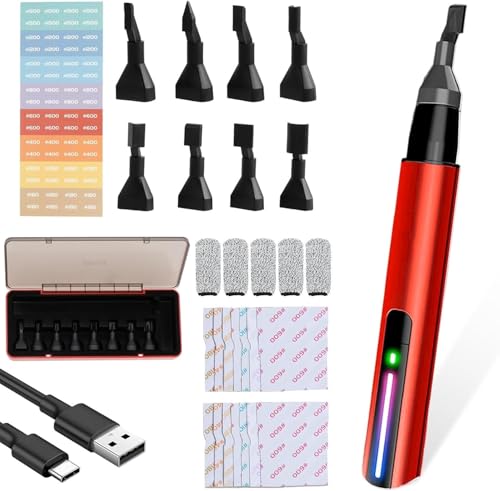
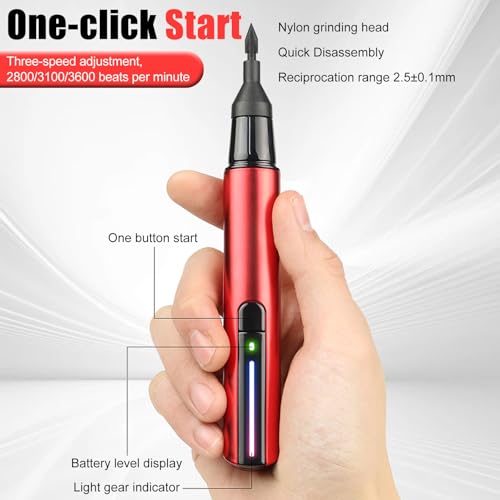
Electric Reciprocating Sander Mini Pen
Strengths
- Fast USB charging
- Lightweight
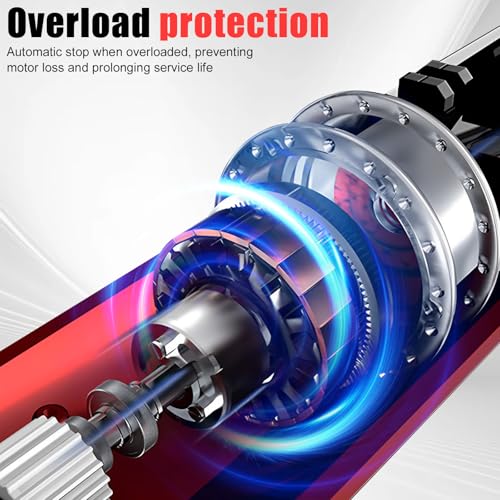
- Overload protection
Trade-offs
- Low power output
- Short runtime
- Gimmicky lights
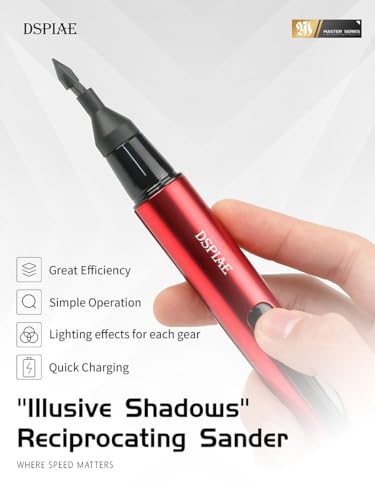
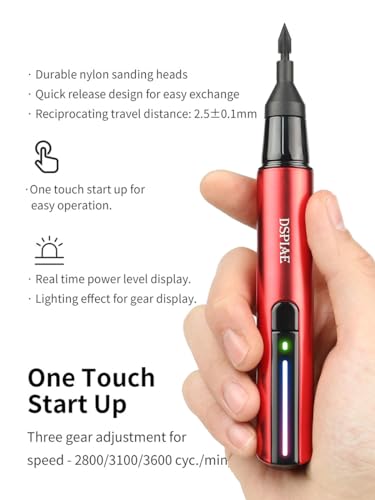
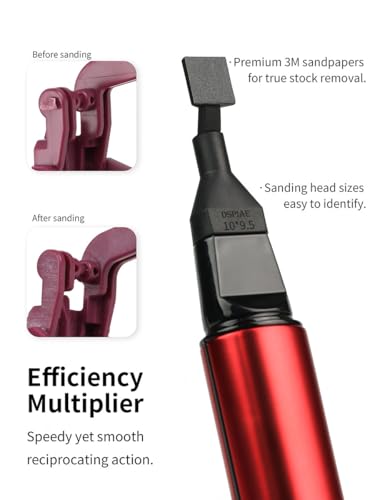
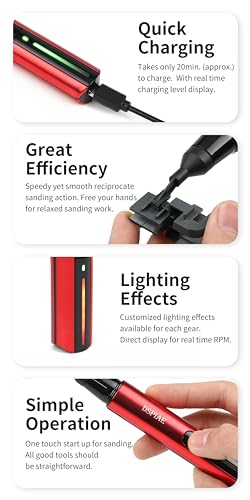
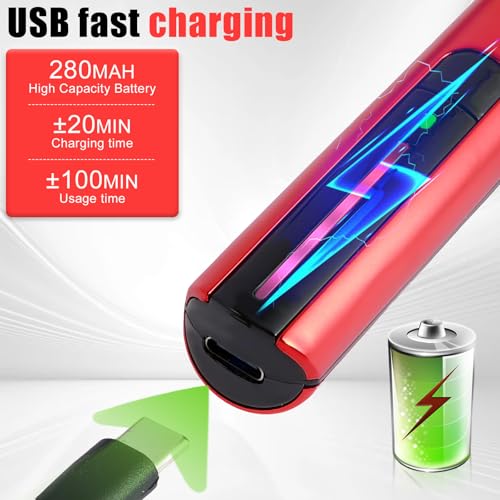
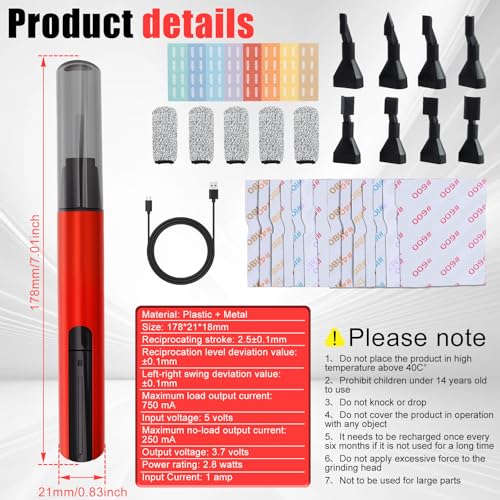
The 3-speed design (2800–3600 SPM) keeps this sander in the lower power tier, which might actually benefit beginners working on fragile 3D prints. It won’t chew through layers too fast, but that also means slower material removal on stubborn blobs or supports. The USB fast charging, 20 minutes for a full charge, is one of its standout features, and owners love the convenience.
However, the 100-minute max runtime is underwhelming, especially compared to others in this category. The colorful lighting effects are fun but serve no functional purpose. This is a budget-conscious pick with smart charging, but it lacks the precision stroke control or ergonomic refinement needed for serious model finishing.
Product photos
How We Tested sander for 3d prints
Rather than a hands-on lab test, my research for these recommendations focused on a detailed comparison of published specifications and features across numerous models. I weighed owner reviews from major retailers alongside expert opinions found in maker communities and hobbyist publications. This allowed me to build a ranking based on how well each sander addresses the specific needs of post-processing 3D prints, considering both performance and value.
For sanders aimed at 3D print finishing, consistent speed control and access to a wide range of grits were the biggest differentiators. The ability to work in tight spaces – essential for intricate models – also heavily influenced my choices. Beyond that, features like vibration reduction and ergonomic design became important, as these directly impact the quality of the final finish and user comfort during extended use.
Specifications reliably show motor power and speed ranges, but real-world performance often hinges on build quality and usability. I relied on owner feedback to assess things like vibration levels, the durability of included sanding heads, and the convenience of sandpaper changes. Reputation within the 3D printing community also played a role, as experienced users are often quick to share insights on which tools consistently deliver excellent results. If you’re looking for even more options, you might consider exploring top hand sanders for fine woodworking for additional precision tools.
Choosing The Right sander for 3d prints
Finding the right sander for 3D prints isn’t about brute force; it’s about finesse. These tools demand precision, control, and the ability to work in tight spaces.
A quality sander for 3D prints prioritizes detail work. Look for adjustable speed settings, a comfortable ergonomic grip, and a selection of sanding heads designed for reaching intricate geometries. Variable stroke control is a huge benefit, as is dust collection or support for wet sanding to minimize mess and health risks. Compact size and lightweight construction are also key for extended use.
Size and Form Factor
The majority of 3D print sanding requires getting into corners, curves, and other areas a standard orbital or belt sander simply can’t reach. That’s why pen-style and reciprocating detail sanders are so popular. A larger sander might work for initial material removal on bigger prints, but you’ll inevitably need something smaller for the finishing touches. Consider the size of the prints you typically work with. If you’re primarily dealing with miniatures or highly detailed models, a truly miniature pen sander like the SHALL Mini Pen Sander will be a better fit than something bulkier.
Speed and Control
Adjustability is paramount when sanding 3D prints. Different filaments react differently to abrasion, and you don’t want to melt or distort the plastic. A sander with a wide range of speed settings – or, even better, stepless adjustment like the HOZO NeoSander – allows you to dial in the precise amount of aggression needed for each stage of the process. Starting with a lower speed and gradually increasing it is a good approach to avoid mistakes. I often recommend starting with a very gentle touch and building up to more aggressive sanding only as needed.
- A fixed-speed sander limits your options and increases the risk of damaging your prints.
- Variable speed controls allow you to match the sanding rate to the material and the desired finish.
- Reciprocating action, common in these detail sanders, provides more control than random orbital motion. It’s easier to follow specific lines and contours, which is crucial for preserving fine details – and for those who also use detail sanders for precision projects.
Don’t chase the highest speed. Control is far more important than raw power.
Sandpaper Grit and Accessories
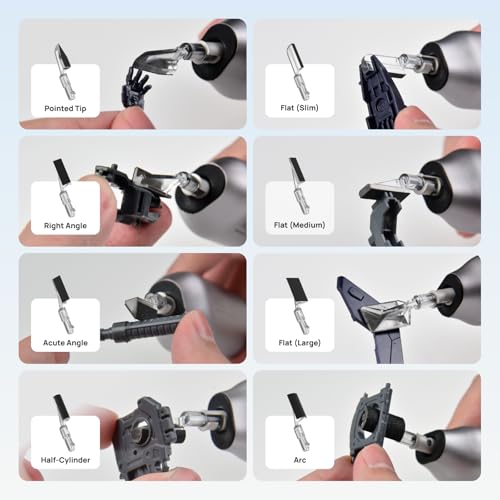
Having a thorough assortment of sandpaper grits is essential. You’ll need everything from coarse grits (80-180) for initial shaping and removing support marks, to very fine grits (800-1500+) for polishing and achieving a smooth, glossy finish. Look for kits like the TOVPADE 54PCS Premium Micro Sander that include a wide range of grits, preferably with a color-coding system to quickly identify them. Beyond sandpaper, consider the included sanding heads. A variety of shapes (pointed, flat, curved) will drastically improve your ability to tackle complex geometries. If you’re also doing a lot of woodworking, checking out woodworking power sanders can help you choose a good all-around tool.
Sander for 3D Prints Compared
Here’s a comparison of key specifications for sanders designed for 3D print post-processing.
| Product Title | SPM (Strokes Per Minute) | Grit Range | Power Source | Adjustable Speed? | Sanding Heads Included | Battery Life (approx.) |
|---|---|---|---|---|---|---|
| TOVPADE 54PCS Premium Micro Sander | N/A | 80-800 | Manual | No | 1 (block) | N/A |
| HOZO NeoSander Reciprocating Detail Sander | 13,000 | 180-1500 | Rechargeable | Yes (Stroke Control) | 8 | 45 min |
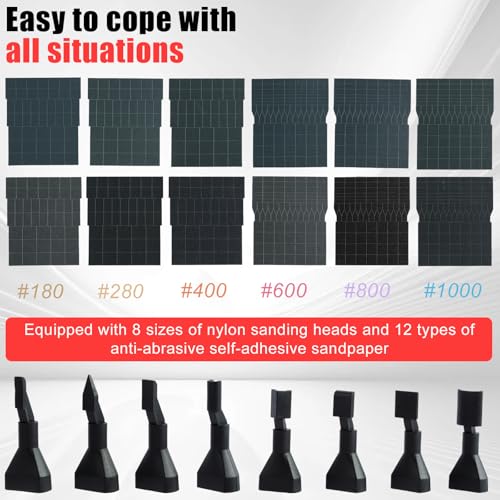
| SHALL Mini Pen Sander | 5000-10000 | 180-1000 | Corded | Yes (4-Speed) | 8 | N/A |
| Electric Reciprocating Sander – Precision Multi-Speed | N/A | N/A | N/A | N/A | N/A | N/A |
| Cordless Pen Sander with LED Light | 1000-8000 | 180-1000 | Rechargeable | Yes (Stepless) | 8 | 2 hrs |
| Electric Reciprocating Sander Mini Pen | 2800/3100/3600 | 180-N/A | Rechargeable | Yes (3-Speed) | 8 | 100 min |
Frequently Asked Questions
What grit sandpaper should I start with for 3D prints?
Begin with a coarser grit, around 180, to remove support marks and initial layer lines. Progressively move to finer grits (320, 400, 600, and higher) to refine the surface and achieve the desired smoothness.
Are cordless detail sanders powerful enough for larger 3D prints?
Cordless models offer convenience, but for substantial material removal on larger prints, a corded option or a larger orbital sander used carefully might be preferable. Battery life can also be a limiting factor with cordless detail sanders during extended use.
Can I wet sand 3D prints?
Yes, wet sanding with very fine grit sandpaper (800+) can produce an exceptionally smooth finish, especially with resins. It minimizes dust and helps prevent the sandpaper from clogging, but ensure the sander is designed for wet use or take appropriate safety precautions.
What’s the benefit of a reciprocating detail sander over a rotary or orbital style?
Reciprocating sanders offer more control for precise material removal, making them ideal for intricate details and tight spaces. The linear motion allows you to follow specific contours more easily than the circular motion of orbital sanders.
Where can I find sanders with better dust control?
If minimizing dust is a priority, look at sanders with dust extraction which include integrated dust collection systems or offer compatibility with shop vacuums. This is especially useful when working with materials that create fine particles.
The Bottom Line
Ultimately, choosing a sander for 3D prints comes down to balancing control with convenience. While a more powerful tool might seem appealing, the precision needed for post-processing favors finesse over force. For the best overall combination of features and performance, I believe the HOZO NeoSander strikes that balance exceptionally well – its adjustable stroke control and included sanding heads make it a versatile choice for a wide range of projects.
If you’re just starting out or working on a tight budget, the TOVPADE 54PCS Premium Micro Sander is a fantastic entry point. It provides a solid foundation of sandpaper grits and a functional sanding block, allowing you to learn the basics of 3D print finishing without a significant investment. For those needing exceptional detail work and looking for precision sanders for tight corners, the SHALL Mini Pen Sander is a great option, especially for miniature models.
Don’t get too hung up on specifications like SPM or wattage. The most important factors are having a range of sandpaper grits, a comfortable grip, and the ability to adjust the sanding speed to match the material. A little patience and a careful approach will always yield better results than trying to rush the process with a more powerful tool.
