
6 Best Resaw Bandsaws for 2026
This post contains affiliate links. As an Amazon Associate, we earn from qualifying purchases.
The JET 18-Inch Woodworking Band Saw JWBS-18SFX-3 stands out as the best overall resaw bandsaw for its deep 16-inch capacity and solid build, while the Rikon 14″ Deluxe Bandsaw 10-1414 offers strong value without sacrificing key features. For smaller shops or lighter work, the Laguna Tools 13” Resaw Bandsaw mband14bx110-175 balances size and performance well.
If you’re resawing thick slabs or milling your own veneers, a standard bandsaw just won’t cut it. You need power, height, and rigidity, without those, you’ll fight vibration, stall the blade, and waste precious lumber.
I looked at motor strength, cutting capacity, table stability, and real-world owner feedback to find models that deliver where it matters. This guide cuts through the noise to highlight the bandsaws that actually perform under heavy loads, based on specs and user experience.
Top 6 Resaw Bandsaws in the Market
The Best Resaw Bandsaws, Reviewed
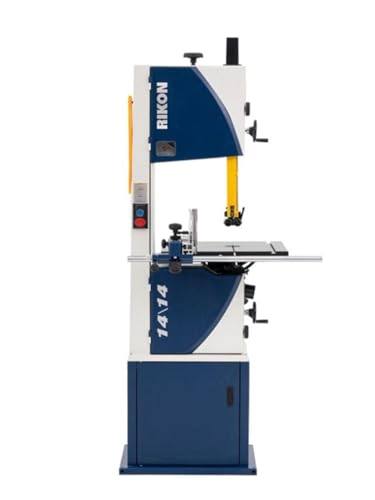
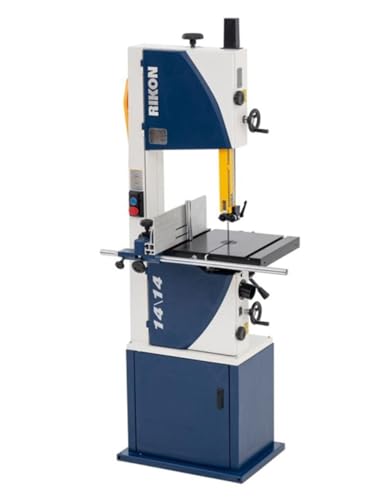
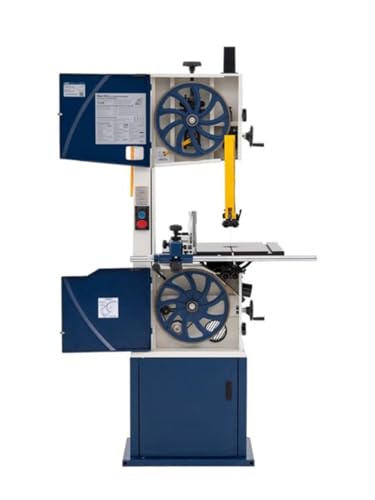
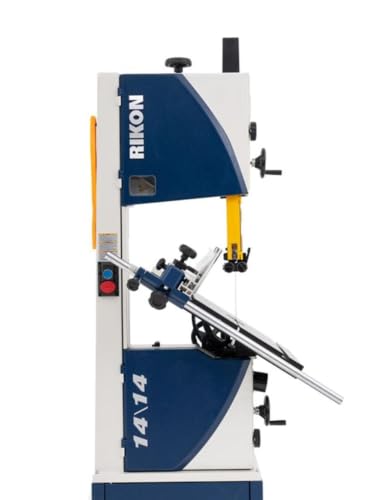
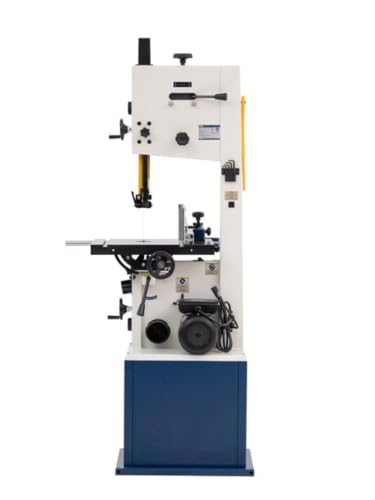
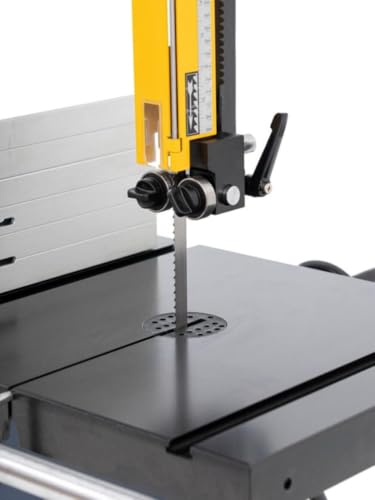
Rikon 14″ Deluxe Bandsaw 10-1414
Strengths
- Full 14” resaw capacity
- Dual voltage (115/230V)
- Dual blade speeds
- Tool-less blade guides
- 5-year warranty
Trade-offs
- Slightly heavier setup
- No foot brake
- Blade change could be faster
This Rikon 14” model is, in my opinion, the best overall pick for most serious DIYers and small-shop pros. It delivers a full 14” resaw capacity, a 1.75 HP dual-voltage motor, and dual blade speeds, features that let it handle both thick hardwoods and delicate veneers. The polymer-coated cast iron table resists rust and glides smoothly, and the tool-less blade guides speed up changes. Owners praise the micro-adjustable fence for drift correction, which makes resawing more accurate with less trial and error.
Compared to the Jet 14SFX, it adds dual voltage and better dust management with both 2.5” and 4” ports. The cabinet base for storage is a thoughtful touch. It’s not the cheapest, but it’s the most complete package in the mid-size range.
Product photos
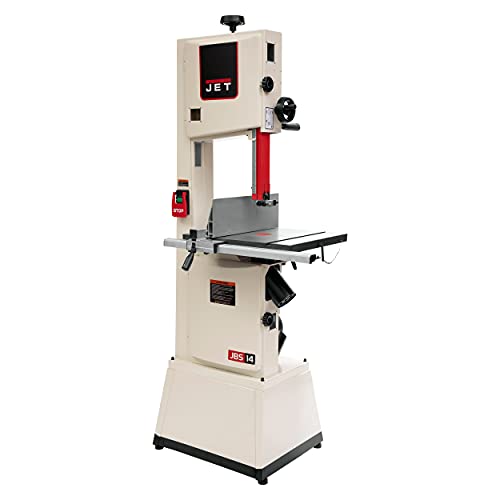
JET 14-Inch Woodworking Bandsaw JWBS-14SFX
Strengths
- 360 sq. in. table
- 13”+ resaw capacity
- Dual 4” dust ports
- Heavy-duty frame
- Single-point table adjustment
Trade-offs
- No variable speed
- 1.75 HP only (no dual voltage)
- Bulky for small shops
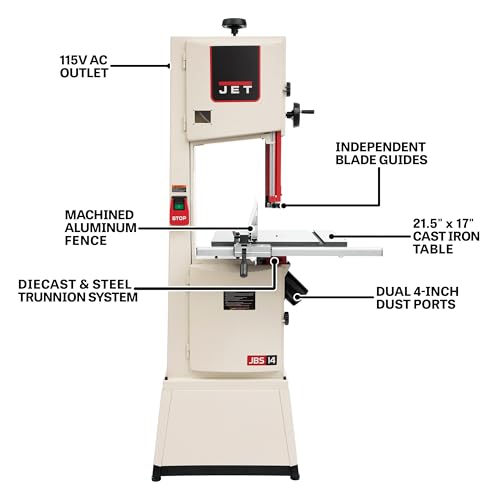
The Jet JWBS-14SFX stands out for its massive 360 sq. in. cast iron table, which provides exceptional support for large panels and wide resaw work. With over 13” of resaw capacity and a rugged tubular steel frame, it’s built to last. The dual 4” dust ports are a major plus, few 14” saws manage dust this well. The die-cast trunnion system allows for easy table leveling, and the oversized lower bearing bolt pattern boosts rigidity.
It lacks dual voltage and variable speed, which the Rikon 14” offers, but it’s more stable and better damped. For pure resawing performance on large stock, this is a top-tier choice. Reviewers note it tracks blades with minimal tweaking, which saves time and frustration.
Product photos
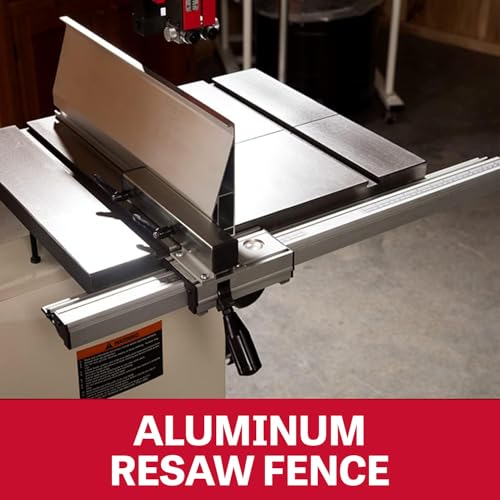
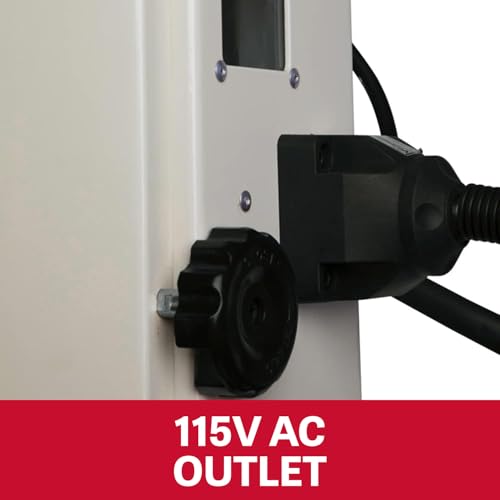
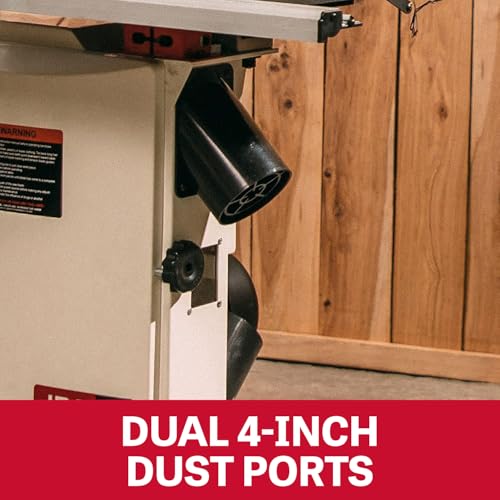
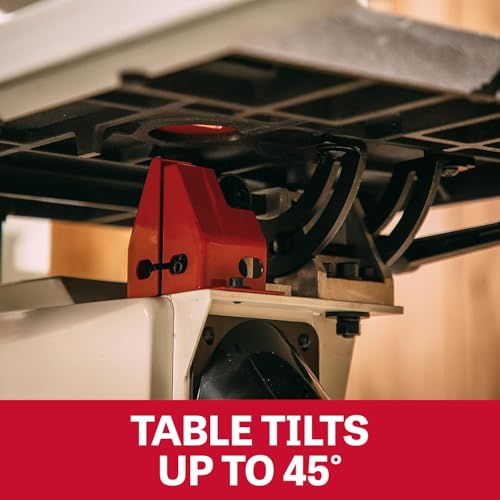
Jet 18-Inch Woodworking Band Saw JWBS-18SFX-3

Strengths
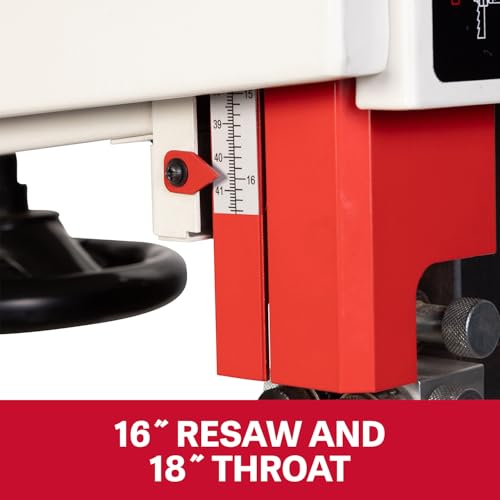
- 16” resaw capacity
- 3 HP motor
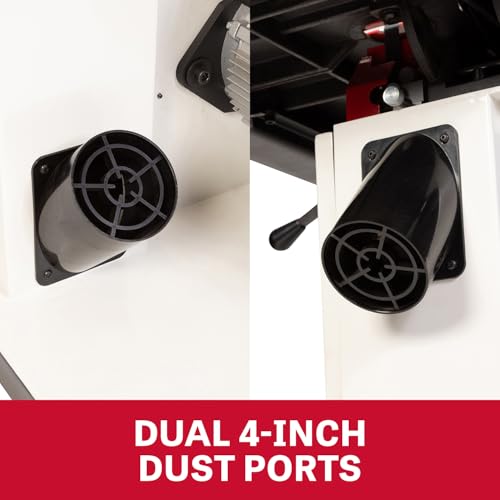
- Dual 4” dust ports
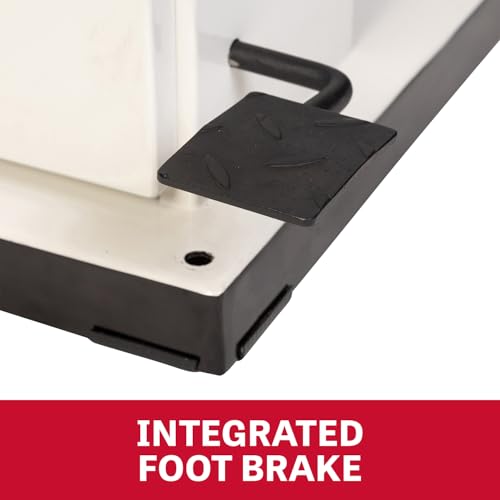
- Foot brake included
- Cast iron table
Trade-offs
- Requires 230V
- Large footprint
- Overbuilt for casual users
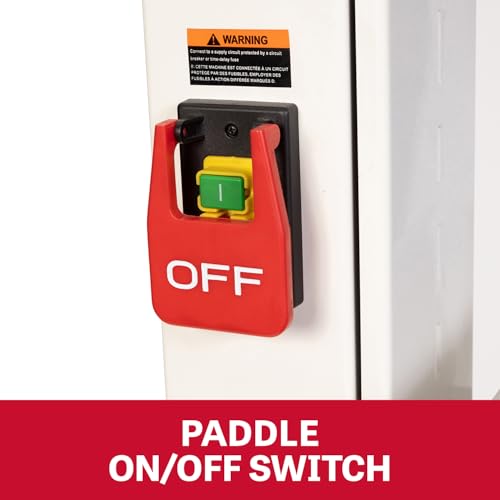
The Jet JWBS-18SFX-3 is built for one thing: heavy-duty resawing. With a 16” resaw capacity and a 3 HP motor, it’s in a different league than 14” models. The precision-ground cast iron table is massive, 20” x 27”, and stays flat, which matters when feeding wide slabs. Dual 4” dust ports actually keep the air clean, and the foot brake is a small touch that improves safety and workflow. This is the kind of saw that makes resawing book-matched panels or thick slabs feel routine.
It’s overkill for most home shops, this beast needs 230V and serious floor space. But compared to other 18” saws, it’s competitively priced and better built than many. If you’re resawing daily or working with large timber, this is the smarter buy over upgrading later.
Product photos
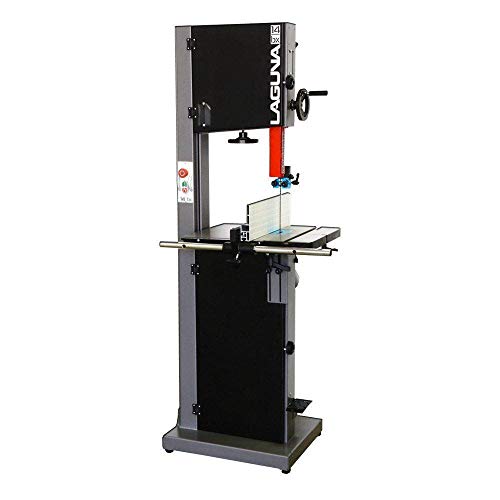
Laguna Tools 13″ Resaw Bandsaw mband14bx110-175
Strengths
- 12” resaw capacity
- 1.75 HP motor
- Large cast iron table
- Ergonomic height
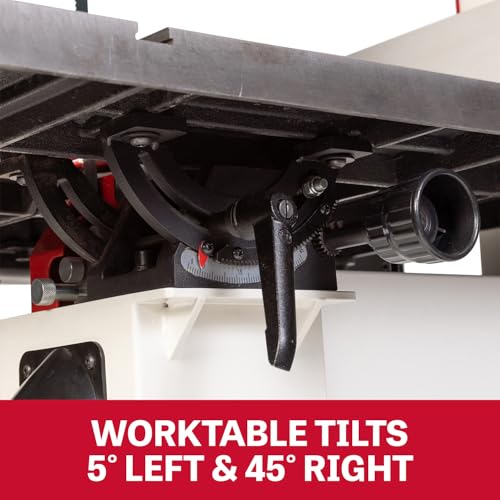
- 7° left tilt
Trade-offs
- No dual dust ports
- Basic blade guide system
- Older design, fewer modern features
Laguna’s 13” resaw-capable model sits in the sweet spot between size and shop-friendliness. With a 1.75 HP motor and 12” resaw capacity, it handles thick oak or maple with less strain than smaller saws. The 38” table height is ergonomic for many users, and the 21.5” x 16” table offers decent support, though it’s not as massive as the Jet 14SFX. Owners appreciate Laguna’s attention to vibration damping and motor cooling, which helps during longer runs.
It lacks some modern touches like dual dust ports or tool-less guides, but the core performance is strong. Compared to the Rikon 14” model, it’s slightly less refined in fit and finish, but it’s a proven workhorse. This is the kind of saw that disappears into your workflow, quiet, consistent, and tough.
Product photos

Laguna V:10 10″ Bandsaw
Strengths
- Cast iron wheels
- 5.75” resaw capacity
- Dual dust ports
- LED work light
- 1 HP induction motor
Trade-offs
- Limited resaw height
- Freight delivery only
- Smaller table vs. 14” models
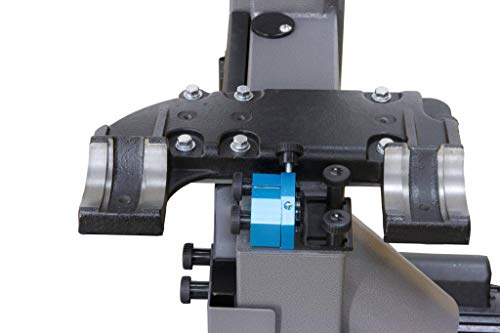
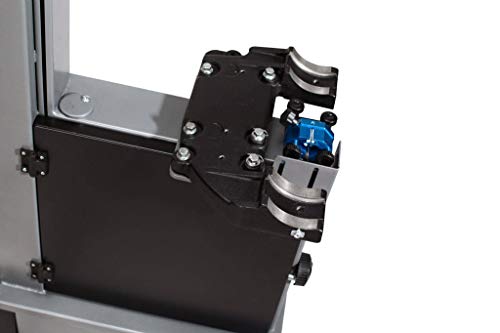
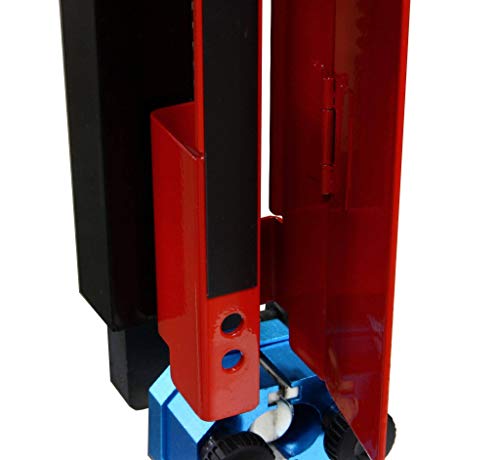
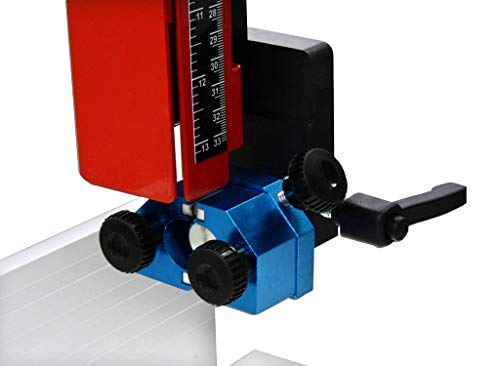
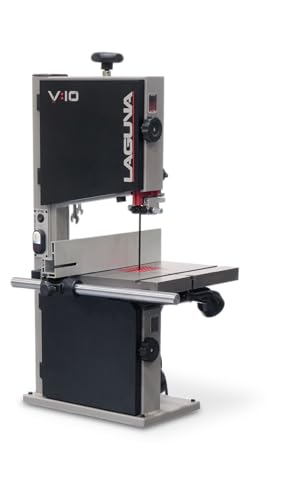
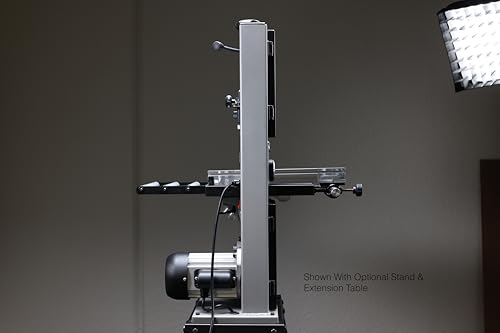
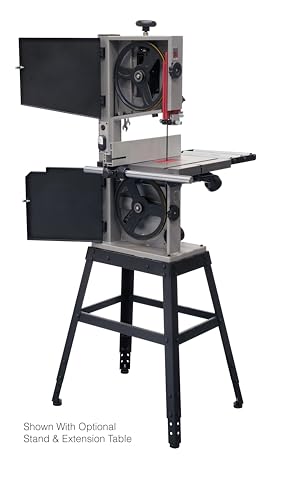
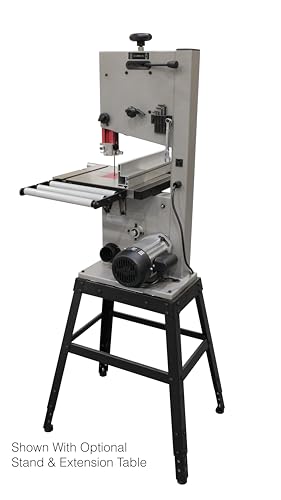
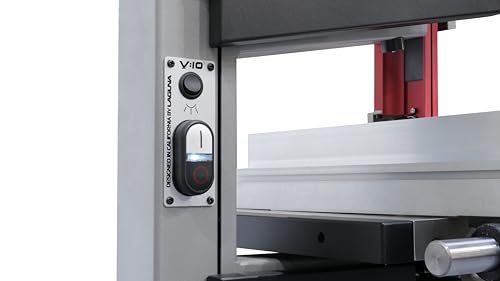
This Laguna 10-inch bandsaw punches above its size class with a 5.75” resaw capacity and a 1 HP induction motor, which on paper suggests solid performance for a compact unit. The inclusion of cast iron wheels is a standout for this size, typically a feature reserved for larger models, and should help reduce vibration and improve blade tracking. Owners consistently report clean cuts and reliable operation, especially given the dual dust ports and thru-table extraction, which actually make a difference in smaller shops where dust control matters.
Still, 5.75” resaw height limits it to moderate tasks, don’t expect to slice thick slabs regularly. Compared to the Rikon 10-310, it’s pricier and bulkier, but you’re paying for better materials and build. For a 10-inch saw, it’s one of the more serious options available, though the LTL freight requirement hints at its weight and complexity.
Product photos
Rikon 10-310 10″ Bandsaw
Strengths
- Affordable price
- Cast iron table
- Tool-less blade guides
- Compact footprint
- Tilts to 45°
Trade-offs
- 4.5” resaw limit
- Aluminum wheels (less mass)
- Lower power vs. 1.75 HP models
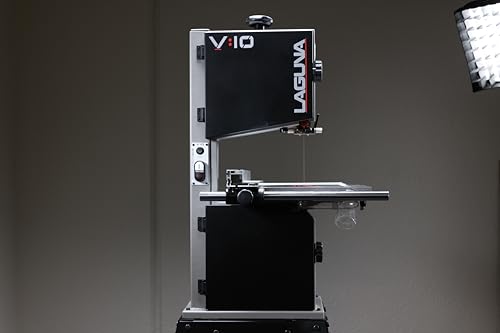
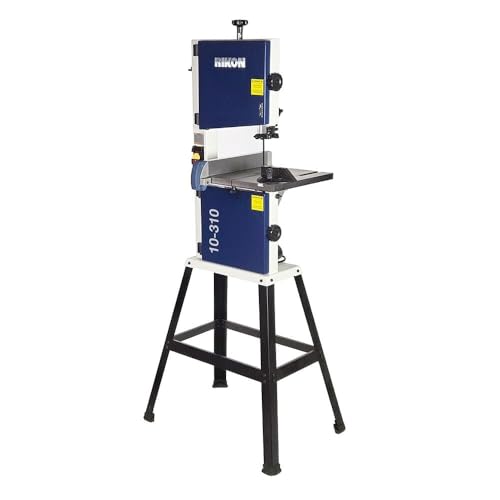
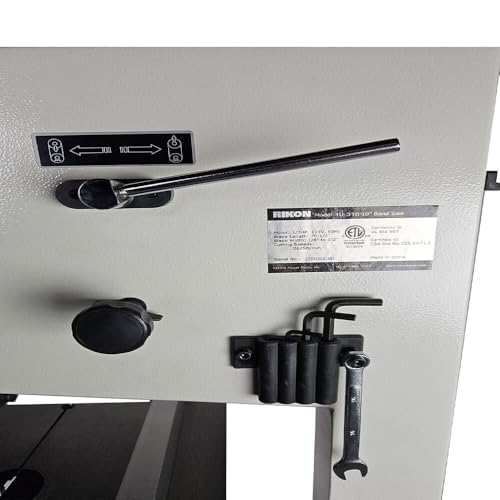
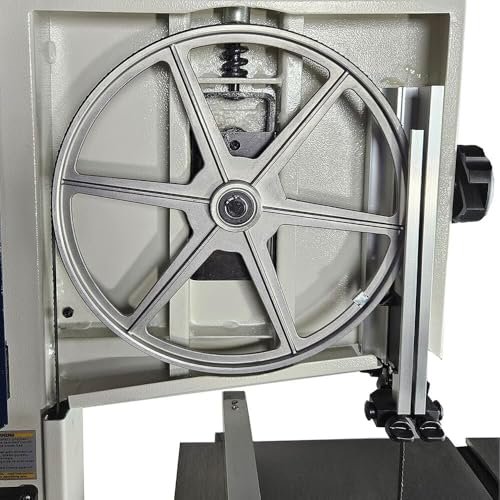
If you’re just getting into resawing and don’t want to drain your budget, the Rikon 10-310 is the most sensible entry point. It’s not overbuilt, but it’s well-featured for its class, cast iron table, 4.5” resaw capacity, and tool-less blade guides make setup quick and repeatable. The balanced cast aluminum wheels keep vibration low, and the 2.5” dust port works well with most shop vacs. Reviewers note it tracks blades reliably out of the box, which is rare at this price.
It won’t match the rigidity of cast iron wheeled models like the Laguna V:10, but for hobbyists or those with limited space, it’s a smart compromise. Compared to other 10-inch saws, it’s more refined than basic hardware store units and offers real upgrade potential with better blades.
Product photos


How We Evaluated resaw bandsaws
Rather than a hands-on lab test, my research focused on comparing published specifications and features across numerous models. I weighed owner reviews from multiple sources against professional assessments found in woodworking publications and forums. This process allowed me to build a ranking based on real-world feedback and technical details, applying my experience with power tools to identify key performance indicators.
For resaw bandsaws, cutting capacity and motor power were the most significant factors. A larger resaw capacity directly impacts the size of stock you can work with, while a robust motor prevents bogging down during thick cuts. Build quality – specifically the materials used in the table, wheels, and trunnion – also heavily influenced my assessment, as these components determine stability and long-term durability.
Specifications clearly indicate motor horsepower, table size, and maximum cutting depth. However, I relied on owner feedback to gauge things like vibration levels, ease of blade changes, and the effectiveness of dust collection. Reputation for reliability and customer support factored in too, as these aspects aren’t always apparent from a spec sheet – understanding band saw basics is a good starting point for any buyer.
How To Choose The resaw bandsaws
Picking the right resaw bandsaw requires understanding what separates a tool for occasional curves from one built to handle thick stock.
A quality resaw bandsaw prioritizes rigidity in its frame and table, a powerful motor capable of maintaining speed under load, and a robust blade guide system. Look for cast iron components, dual blade speeds, and ample resaw capacity (typically 12 inches or more) to handle demanding cuts. Dust collection is also critical, as resawing generates substantial waste.
Motor Power and Blade Speed
Don’t underestimate the importance of horsepower. Resawing isn’t about speed, it’s about consistent cutting force. A motor that bogs down when you apply pressure will leave you with rough cuts and a frustrated experience. I generally recommend at least a 1.5 HP motor for serious resawing, and models like the JET 18-Inch Woodworking Band Saw JWBS-18SFX-3 with its robust motor are built for this. Beyond power, blade speed selection is key. Slower speeds are better for thicker material and wider blades, while faster speeds suit thinner stock and narrower blades. A bandsaw with variable speed control, like the Rikon 14″ Deluxe Bandsaw 10-1414, gives you that flexibility.
Resaw Capacity and Table Size
Resaw capacity – the maximum height of stock you can cut – is the defining characteristic of this type of bandsaw. While a 12-inch capacity is a good starting point, consider a 13-inch or 16-inch model like the JET 14-Inch Woodworking Bandsaw JWBS-14SFX if you regularly work with thick lumber. Equally important is table size. A larger cast iron table provides better support for longer boards and minimizes vibration. You’ll want to think about the size of projects you’ll be working on when considering table dimensions.
- A compact 10” bandsaw, like the Laguna V:10 10” Bandsaw, may suffice for small projects and hobbyists.
- Mid-sized options, such as the Laguna Tools 13” Resaw Bandsaw mband14bx110-175, offer a good balance of capacity and footprint.
- For consistently thick stock and large panels, a model with a 14” or greater capacity is best; these saws often have bigger tables to match, making them easier to manage.
Build Quality and Features
Resawing creates significant stress on a bandsaw, so build quality is paramount. Look for models with heavy-duty steel frames, cast iron tables and wheels, and ball-bearing blade guides. These features contribute to stability, reduce vibration, and improve cutting accuracy. A tool-less blade guide system, found on many models, simplifies blade changes and adjustments. Don’t overlook dust collection; a 4-inch dust port is preferable to a 2.5-inch port, and models with dual ports are even better. Getting the right bandsaw resaw blades is crucial, but even the best blade won’t compensate for a flimsy saw.
A good rule of thumb: prioritize cast iron components over stamped steel whenever possible. The added weight and rigidity drastically improve cutting performance and longevity.
Resaw Bandsaws Compared
Here’s a comparison of key specifications for several resaw bandsaws to help you make an informed decision.
| Product Name | Resaw Capacity | Motor HP | Table Size (in) | Dust Port(s) | Blade Speed (FPM) |
|---|---|---|---|---|---|
| Rikon 14″ Deluxe Bandsaw | 14 | 1.75 | N/A | 2.5, 4 | 1476, 3280 |
| JET 14-Inch Woodworking Bandsaw | 13+ | N/A | 360 sq. in. | 4 x 2 | N/A |
| Jet 18-Inch Woodworking Band Saw | 16 | N/A | 20×27 | 4 x 2 | N/A |
| Laguna Tools 13″ Resaw Bandsaw | 12 | N/A | 21.5×16 | N/A | N/A |
| Laguna V:10 10″ Bandsaw | 5.75 | 1 | N/A | N/A | N/A |
| Rikon 10-310 10″ Bandsaw | N/A | N/A | N/A | 2.5 | N/A |
Frequently Asked Questions
What blade speed should I use for resawing?
Slower blade speeds are generally better for resawing, typically between 1400 and 2000 feet per minute (FPM). This allows the blade to clear the wider kerf created during a thick cut and reduces heat buildup.
Is a 1.5 HP motor sufficient for resawing hardwoods?
While a 1.5 HP motor can resaw hardwoods, a more powerful motor (2 HP or greater) is preferable. Hardwoods demand more consistent power to avoid bogging down and producing rough cuts, and a larger motor will maintain speed under load.
Can I improve dust collection on a bandsaw without buying a new model?
Yes, you can often improve dust collection by ensuring a tight seal around the dust port and using a high-quality dust collector with sufficient CFM (cubic feet per minute). Consider adding blast gates to control airflow and minimize suction loss, if you aren’t already.
What is the benefit of a cast iron table on a bandsaw?
A cast iron table adds significant mass and rigidity to a bandsaw, reducing vibration and improving cutting accuracy. This is especially important when resawing, as the process generates substantial forces that can flex a lighter table.
Where can I find more information about different types of bandsaws?
For a broader overview of the market, including models suited for different tasks, you can find a bandsaw buying guide covering various types and price points. This resource can help you understand the nuances of different bandsaws before making a purchase.
The Bottom Line
Choosing a resaw bandsaw always comes down to balancing your budget with the kind of work you plan to do. If you’re serious about resawing thick stock regularly, the JET 18-Inch Woodworking Band Saw JWBS-18SFX-3 is the clear choice; its power and capacity will handle demanding cuts without complaint. But don’t feel you must spend top dollar to get good results.
For those on a tighter budget, or who only occasionally resaw, the Rikon 14″ Deluxe Bandsaw 10-1414 offers a compelling combination of features and performance. If you need a more compact option for smaller projects, the Laguna V:10 10” Bandsaw provides a good entry point into the world of resawing. Understanding band saw operation will also help you get the most out of whichever saw you choose.
Ultimately, the horsepower and rigidity of the frame matter more than any single specification. Don’t get caught up in chasing the highest numbers; focus on finding a saw that feels solid, has a powerful enough motor for your typical projects, and allows for precise adjustments. A well-built saw, combined with proper technique and band saw blade selection, will deliver far better results than a feature-rich model that lacks fundamental quality.
