
7 Best Press Tools for HVACs 2026
This post contains affiliate links. As an Amazon Associate, we earn from qualifying purchases.
The SWANSOFT Pro Press Tool 32kN is the best overall press tool for HVACs, delivering strong, reliable crimps with broad jaw compatibility. For tighter budgets, the VEVOR 18V Electric Pipe Crimping Tool offers solid performance with a useful 360° head, while the DEWALT 20V MAX Compact Press Tool stands out for versatility with major fitting brands.
HVAC technicians and serious DIYers know a bad crimp can lead to leaks, callbacks, and wasted time. Choosing the wrong press tool often means buying twice, once for the tool, again for a replacement that actually works.
After comparing the field and weighing specs against real-world owner feedback, I focused on tools that deliver consistent pressure, durable jaws, and practical features for tight spaces. This guide breaks down what matters most so you can pick one that fits your workflow and sticks with you for years.
Top 7 Press Tool For Hvacs in the Market
The Best Press Tool For Hvacs, Reviewed
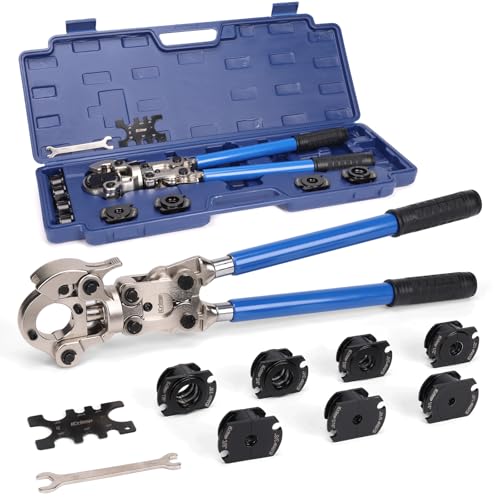
iCrimp Copper Tube Press Tool
Strengths
- O-ring sealed compatibility
- Automatic tong lock
- Ergonomic rubber grips
Trade-offs
- Limited to HVAC/R lines
- No battery or motor
- Smaller jaw range
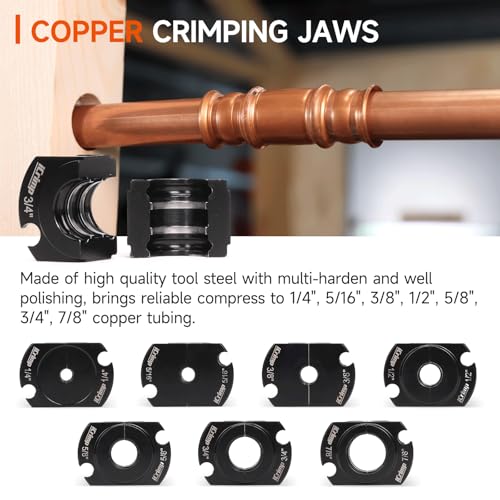
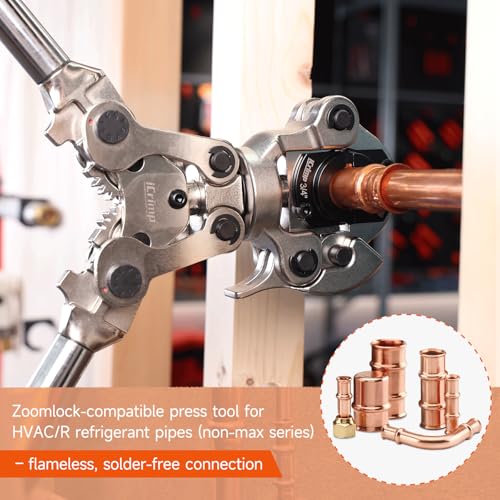
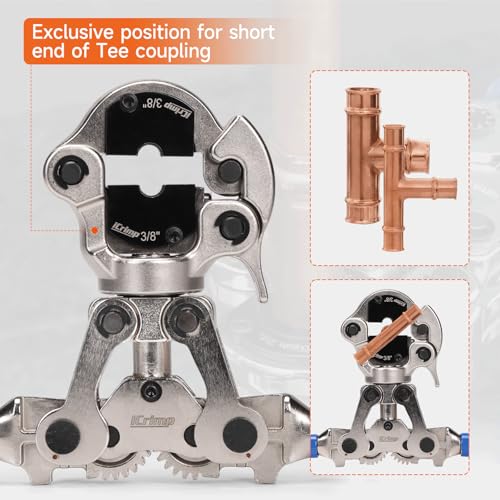
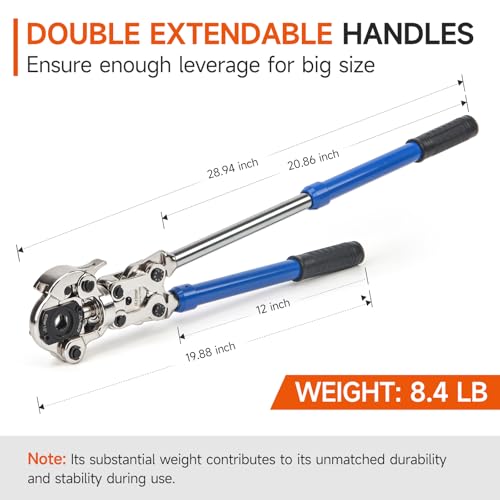
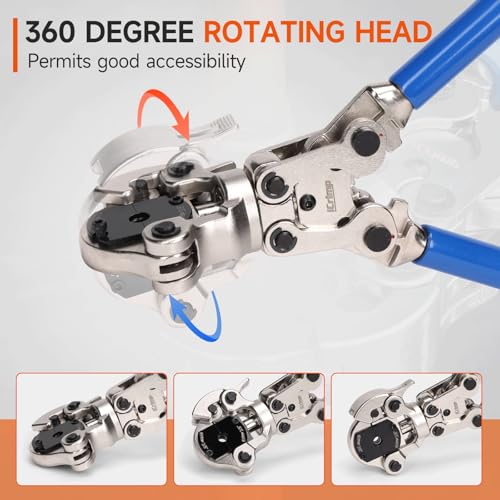
This compact tool is purpose-built for HVAC/R techs working with refrigerant lines, and it shows. Its design focuses on precision and safety with O-ring sealed fittings, which owners say deliver consistent, leak-free connections, critical when handling expensive or regulated refrigerants. The extendable handles and slip-proof grips make two-handed operation easier, reducing strain during repeated use, and the automatic lock ensures full crimp completion every time.
It’s not as versatile as full-sized electric press tools, but for its niche, it excels. It covers 1/4″ to 7/8″ tubing, which spans most residential HVAC line sets, and skips the need for brazing, a big win in tight mechanical rooms where open flame is a hazard. I’d pick this over bulkier tools if your work is focused on refrigerant systems and you value portability.
Product photos
SWANSOFT Pro Press Tool 32kN
Strengths
- 32KN crimping force
- 6 jaw sizes included
- Dual 4Ah batteries
Trade-offs
- Less brand recognition
- No DEWALT compatibility
- Heavier than compact models
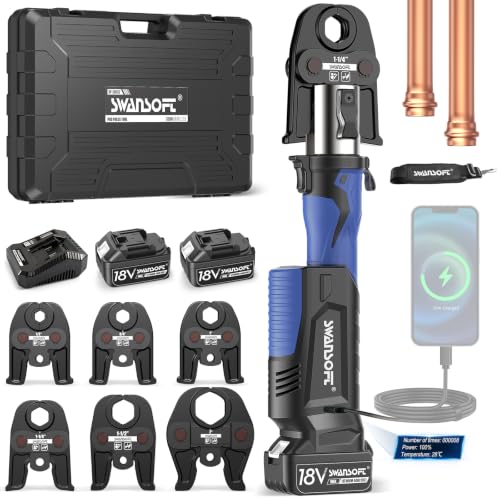
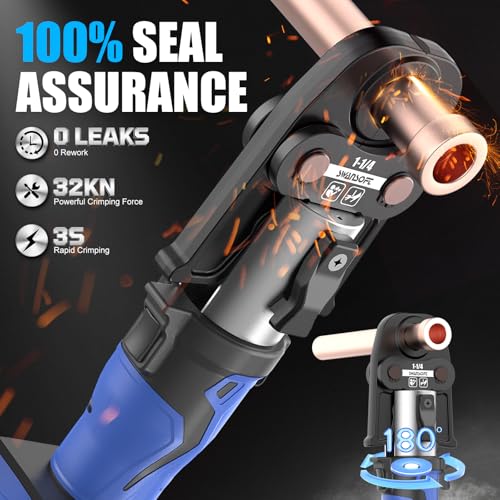
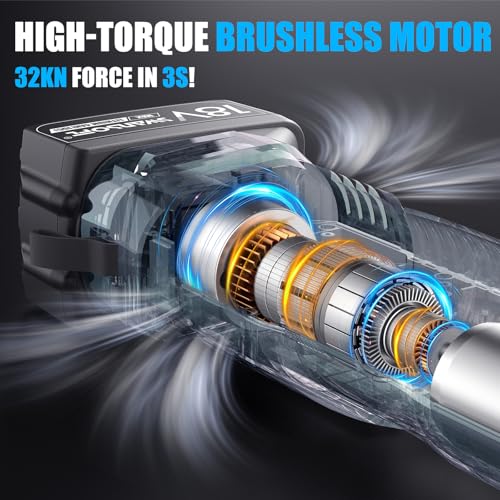
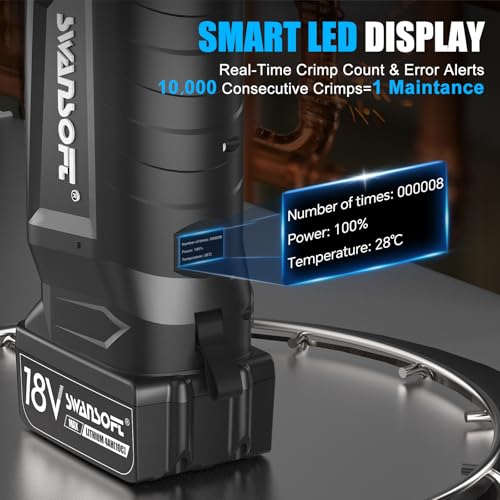
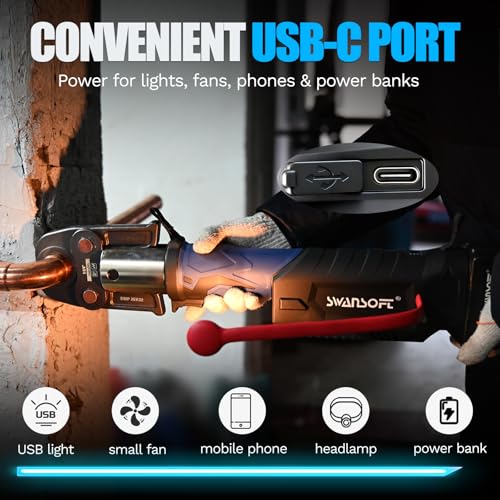
This budget-friendly electric press tool punches above its price point with serious specs: 32KN force, 6 jaw sizes (up to 2″), dual 4Ah batteries, and an OLED display that tracks crimp count and battery life. The 180° rotatable jaw and USB-powered light add real usability, especially in dark mechanical rooms. Owners report it handles everything from residential re-pipes to light commercial jobs with consistent, leak-free results.
Compared to the DEWALT, it offers more jaw sizes and longer runtime for less money, though it lacks the same brand trust and tool ecosystem. The dual turbo-fan cooling is a standout, it reduces overheating during long sessions, a common issue with budget electric tools. For DIYers stepping into pro-level work or small contractors watching their budget, this is the smarter buy.
Product photos

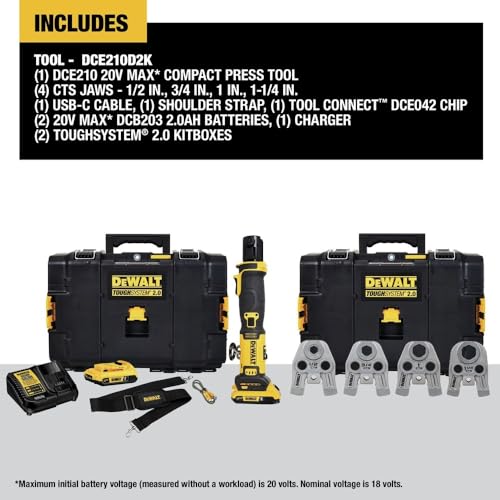
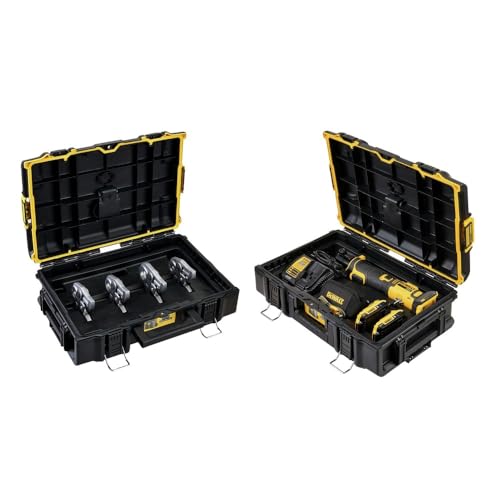
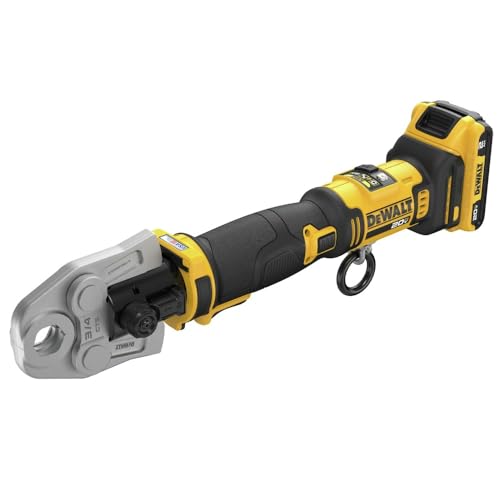
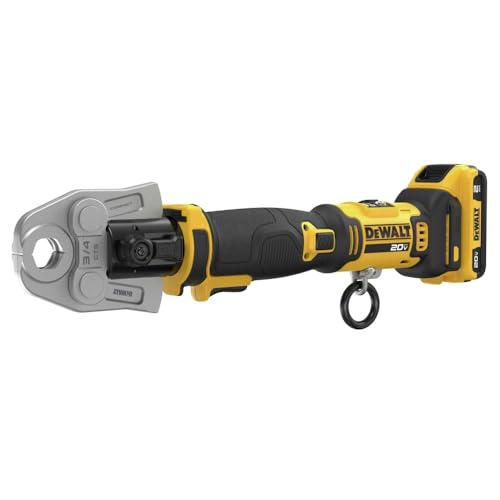
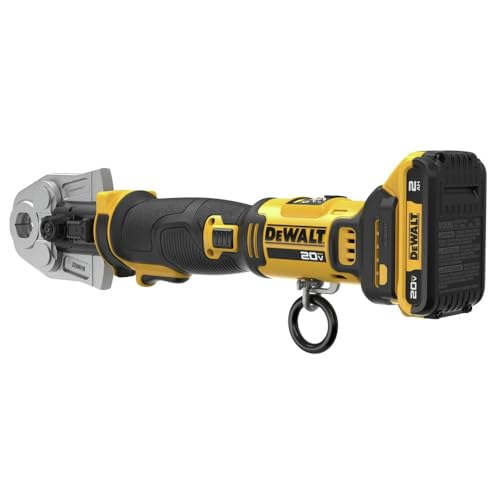
DEWALT 20V MAX Compact Press Tool
Strengths
- DEWALT 20V MAX compatible
- Works with top press fitting brands
- Compact, pro-grade design
Trade-offs
- Jaws sold separately
- Higher initial cost
- Limited to compact series
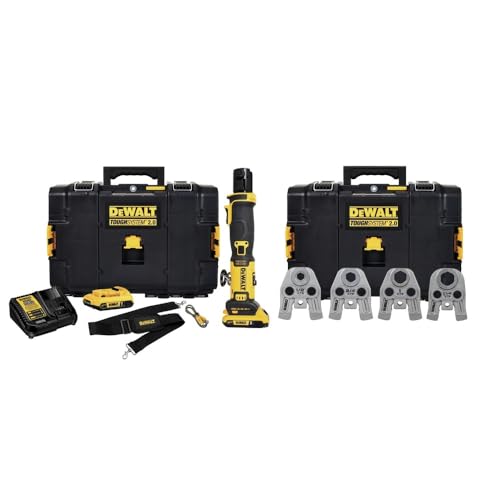
If you’re a pro who already runs a DEWALT ecosystem, this is the logical press tool to add. It’s built to integrate with existing 20V MAX batteries and accepts all DEWALT compact series jaws, which means compatibility with major brands like Viega and Nibco. The compact form factor helps in tight mechanical spaces, and the ergonomics match DEWALT’s usual high standard for balance and grip.
Owners report solid durability and seamless workflow when swapping between tools on the same battery platform. While it doesn’t have the jaw range of some higher-end kits out of the box, its real strength is ecosystem synergy. For contractors doing press-fit plumbing or hydronic heating, this is the smarter buy if you’re already invested in DEWALT.
Product photos
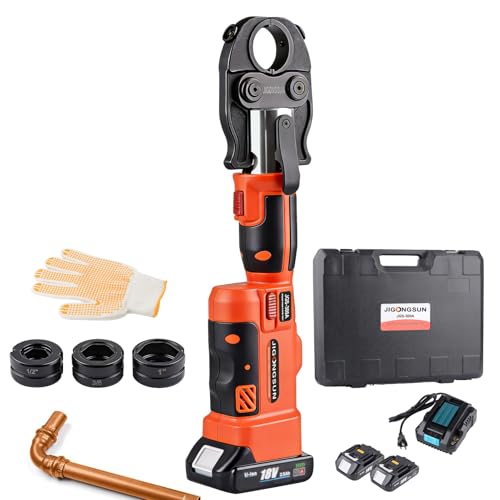
JIGONGSUN 12-Ton Hydraulic Press Tool
Strengths
- High crimp volume per charge
- Hardened long-life jaws
- Supports stainless steel
Trade-offs
- Bulky design
- Limited brand compatibility
- No OLED feedback
This is a workhorse built for volume. With 12-ton (about 26.5KN) crimping force and a dual-battery system that supports over 300 crimps per charge, it’s designed for crews running back-to-back jobs. Owners highlight its speed, over 100 crimps per hour, and the hot-swap battery feature, which keeps downtime near zero. The hardened jaws are rated for 50,000+ crimps, which is triple the lifespan of standard dies.
It’s also one of the few tools that confidently supports tee fittings and stainless steel, making it more versatile than many in its class. While it doesn’t match DEWALT’s brand recognition, it offers pro-level performance at a more accessible price. If you’re doing high-volume residential or light commercial HVAC or plumbing, this tool won’t slow you down.
Product photos

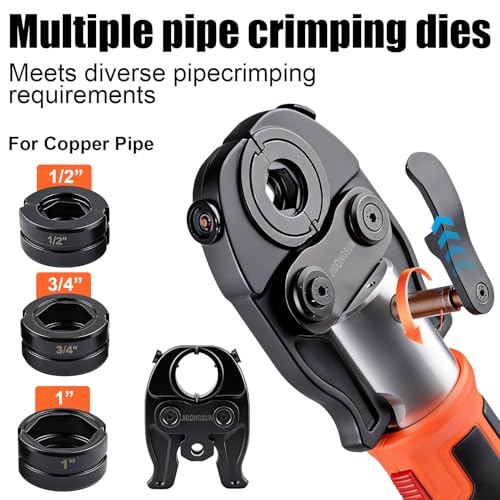
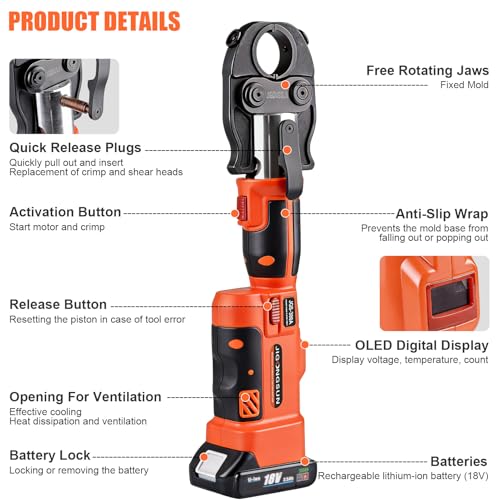
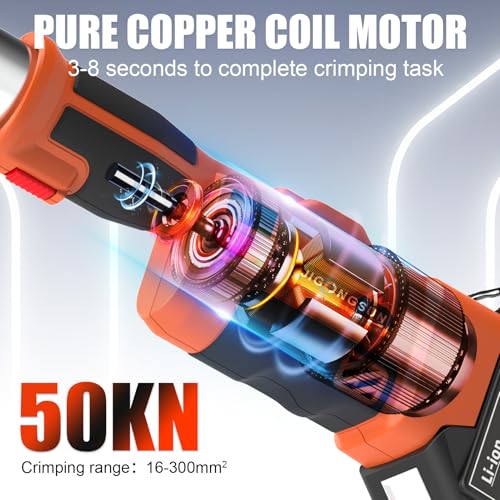
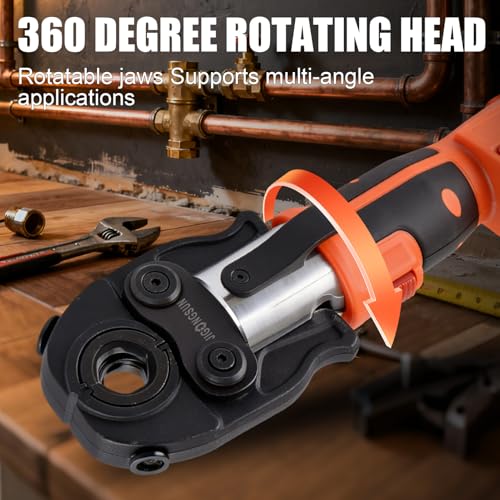
VEVOR Copper Press Tool Kit
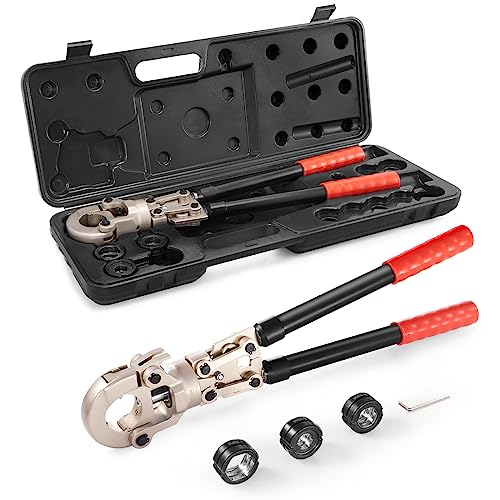
Strengths
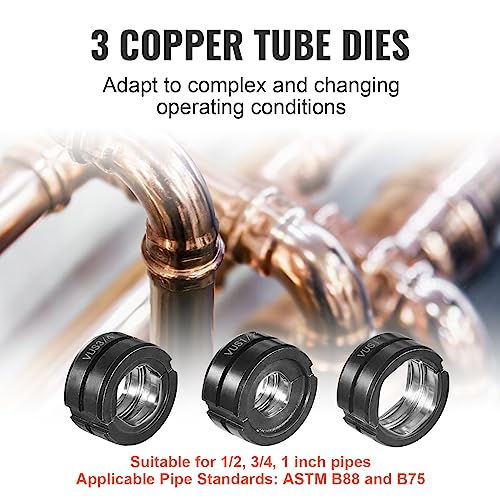
- Includes 3 VUS dies
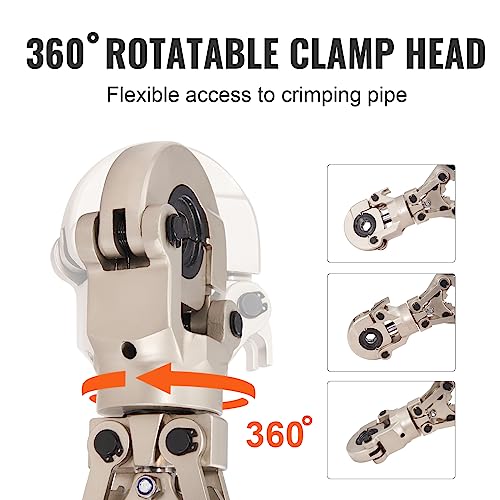
- 360° rotating head
- ASTM B88/B75 compliant
Trade-offs
- Manual effort required
- No motor or battery
- Heavier than electric models
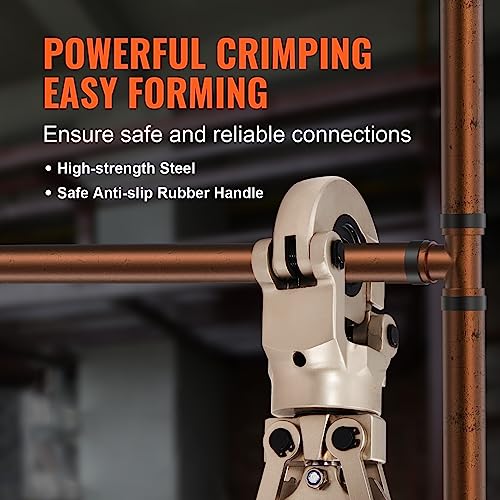
This all-in-one manual kit offers surprising value for the price. It comes with three VUS dies (1/2″, 3/4″, 1″), meets ASTM B88 and B75 standards, and is built from high-strength steel, specs that align with pro expectations, even if it’s hand-powered. The 360° rotatable head and extendable handle give it better use and access than many tools in this class, and owners note it delivers clean, consistent crimps on straight and elbow fittings.
Compared to other manual options, it’s more versatile than the SWANSOFT hydraulic model and doesn’t limit you to non-tee applications. It’s not fast, but it’s dependable. For DIYers stepping up from basic plumbing jobs or small contractors who don’t want to commit to electric yet, this kit covers the essentials without overspending.
Product photos
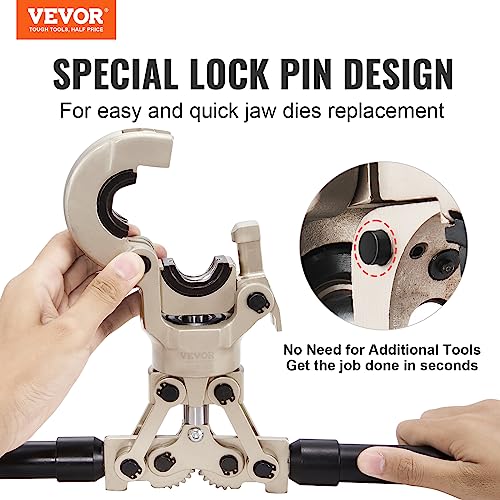

VEVOR 18V Electric Pipe Crimping Tool
Strengths
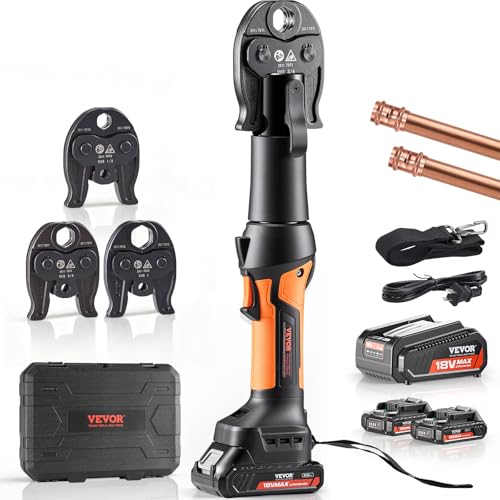
- 24KN electric crimping
- 360° rotating head
- Dual battery included
Trade-offs
- Limited to 24KN jaws
- Less brand compatibility
- Average cooling system
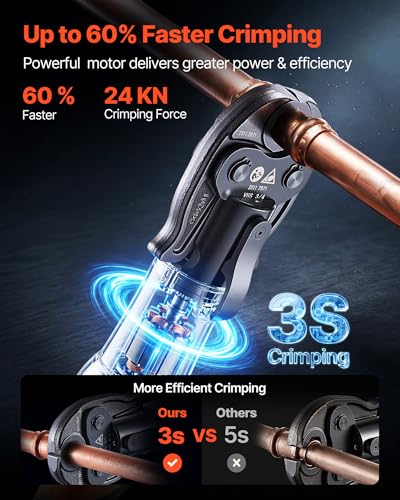
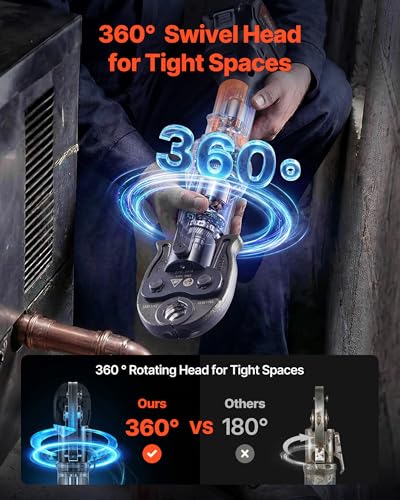
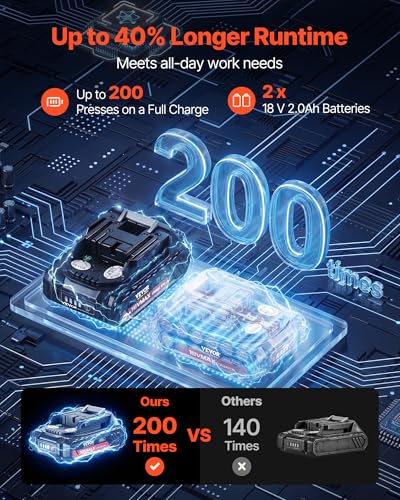
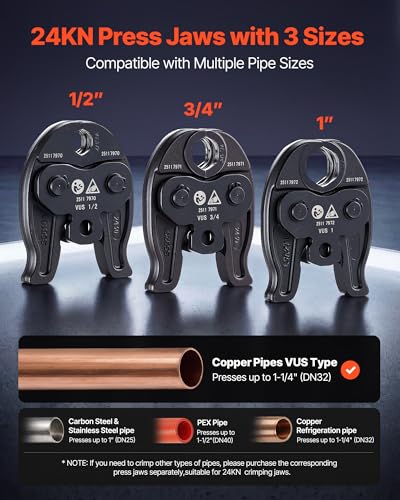
This mid-range electric press tool hits a sweet spot between cost and capability. With 24KN of crimping force and a 360° rotating head, it handles common residential pipe sizes efficiently, and owners consistently praise its speed, around 60% faster than manual tools. The dual 18V 2.0Ah batteries offer solid runtime, and the included case keeps everything organized on the job site.
It’s not as powerful or as durable as the DEWALT or JIGONGSUN models, but it’s compatible with 24KN compact jaws, which opens up some brand flexibility. Where it falls short is ecosystem lock-in, unlike DEWALT, it doesn’t share a widespread battery platform. Still, for technicians or serious DIYers who want electric speed without pro-tier pricing, this is a strong contender.
Product photos

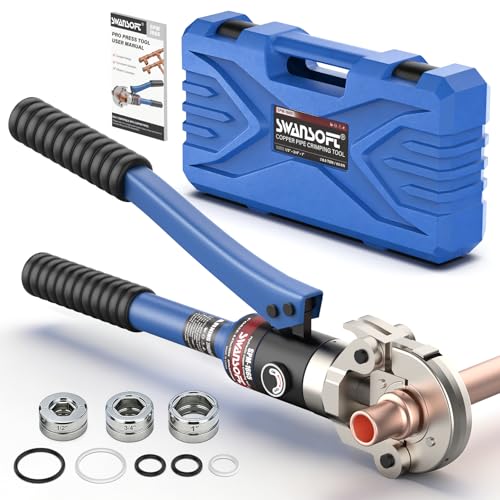
SWANSOFT Hydraulic Crimping Tool DIY
Strengths
- Manual hydraulic power
- 360° swivel head
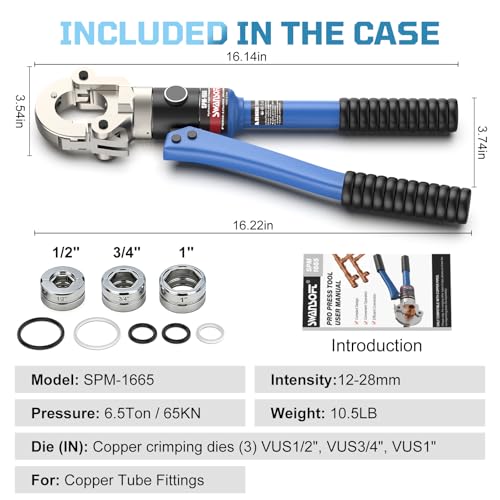
- Includes 3 common die sizes
Trade-offs
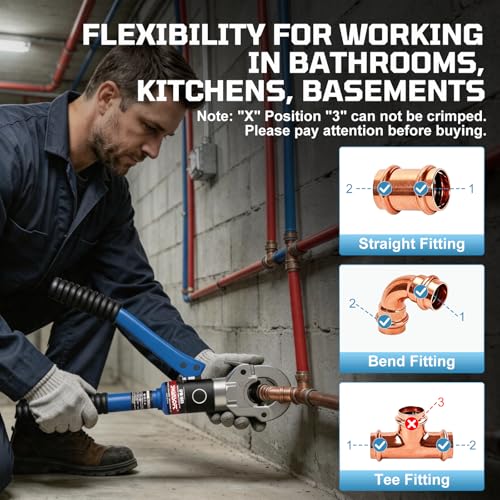
- Not for tee fittings
- Slower than electric tools
- Higher user effort
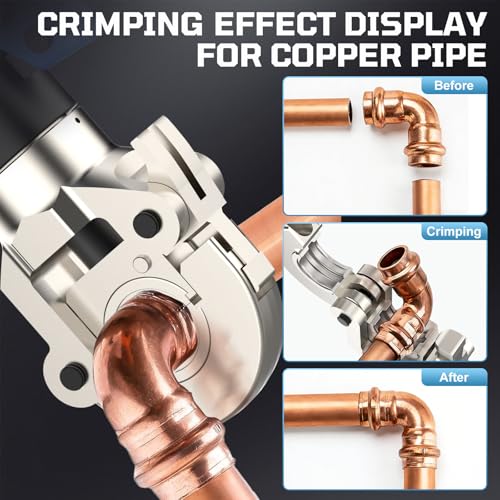
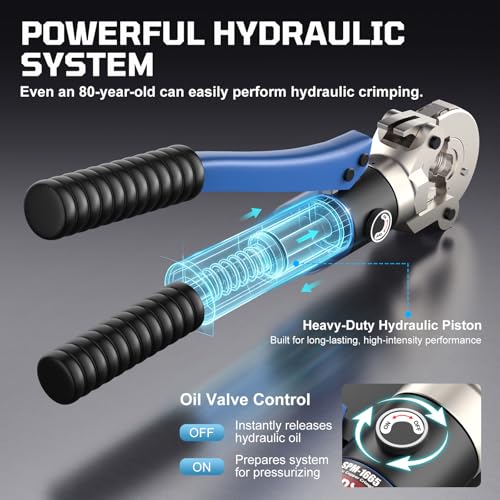
This manual hydraulic press tool stands out as a budget-conscious option for homeowners tackling small plumbing repairs. On paper, its 65KN output pressure is solid for a hand-powered unit, and owners consistently report it handles 1/2″, 3/4″, and 1″ copper pipes reliably without leaks when used correctly. The 360° swivel head is a real advantage in tight spaces like under sinks or in utility closets, and the included case keeps everything organized.
Still, it’s not built for volume. Compared to electric models, this one demands more physical effort over time, and reviewers note it’s best suited for occasional use, think fixing a leak or upgrading a bathroom line, not full-home repipes. It also doesn’t work with tee fittings, which limits versatility. But for DIYers who want to avoid soldering and don’t need speed, it delivers where it counts.
Product photos

How We Picked These press tool for hvacs
Rather than a hands-on lab test, my research for these recommendations focused on a detailed comparison of published specifications and features across numerous models. I weighed owner reviews from multiple sources – including major retailers and HVAC-focused forums – alongside assessments from trusted industry publications. As someone who’s spent years advising on tool selection, I applied my understanding of what truly matters for reliable HVAC work when ranking these options.
For press tools, consistent crimping pressure, durability of the jaws, and ease of use were the biggest deciding factors. A tool that delivers consistent pressure is essential for leak-free connections, and the jaws are the component most likely to wear out, so their material and expected lifespan are critical. Finally, a tool that’s awkward to maneuver or requires excessive force won’t get used, no matter how good the specs look on paper.
Specifications are reliable for understanding raw power (tonnage/kN) and battery capacity, but I relied heavily on owner feedback to gauge long-term durability and real-world usability. Owner reviews often reveal issues with battery life, jaw breakage, or ergonomic problems that aren’t apparent from a datasheet. Reputable expert reviews helped validate claims about compatibility with different fitting brands and overall build quality.
How To Choose The press tool for hvacs
Choosing the right press tool for HVAC work can dramatically improve efficiency and the quality of your connections.
A good press tool delivers consistent, leak-free connections quickly and with minimal physical effort. Key considerations include crimping force (measured in kN), jaw compatibility with common fitting standards (like ASTM B88), build quality for durability, and features that enhance usability in tight spaces – such as a rotating head or extendable handles. Battery life and included accessories are also critical factors.
Crimping Force and Pipe Size Capacity
The most important factor is making sure the tool can handle the pipe sizes you regularly work with. While many tools claim versatility, a lower crimping force might struggle with larger diameter copper, especially thicker-walled pipe. Look for tools offering at least 20kN of force for standard residential work, and 32kN or higher if you anticipate working with larger commercial lines or stainless steel. Don’t assume a “universal” jaw set will fit everything; verify compatibility with the specific fittings you use.
Jaw Compatibility and Standards
Press fittings aren’t universal. Viega ProPress is the dominant system, but Nibco, Mueller, ApolloPress, and others all exist. A tool that only works with one brand severely limits your options. Before you buy, confirm the tool includes or can accept jaws compatible with the fittings you’ll be using. Also, check if the jaws meet relevant industry standards like ASTM B88 for copper pipe. A tool boasting compatibility with multiple brands, and providing the correct jaws for each, is a significant advantage. You’ll find thorough HVAC press tool reviews that detail jaw compatibility.
Ergonomics and Usability Features
HVAC work often requires contorting yourself into awkward positions. A bulky, unwieldy press tool will quickly become a source of frustration. Look for features like a rotating head (360 degrees is ideal) to access tight spaces, extendable handles for improved use, and a comfortable, non-slip grip.
Here’s what to look for in a tool’s design: * A lightweight build. Less weight means less fatigue during extended use. * A rotating head. This is vital for navigating cramped installations. * A dual-battery system. Longer runtimes minimize downtime on job sites, and allow you to swap batteries quickly, rather than waiting for a recharge.
A rotating head is worth its weight in gold. It lets you position the tool optimally, even in the most awkward spots, minimizing strain and maximizing efficiency.
Press Tool for HVACs Compared
Here’s a comparison of key specifications for various press tools designed for HVAC applications.
| Product Title | Crimping Force | Jaw Compatibility | Battery Voltage | Battery Capacity | Features |
|---|---|---|---|---|---|
| iCrimp Copper Tube Press Tool | N/A | O-ring sealed copper | N/A | N/A | 360° head, extendable handles |
| SWANSOFT Pro Press Tool 32kN | 32 kN | U.S. Standard (6 jaws) | 18V | 4.0Ah | Dual fan cooling, OLED display |
| DEWALT 20V MAX Compact Press Tool | N/A | Viega, Nibco, Mueller, Apollo | 20V | N/A | Compact series, CTS jaws |
| JIGONGSUN 12-Ton Hydraulic Press Tool | 12 Ton | 1/2″, 3/4″, 1″ | N/A | 2500mAh | Rapid crimping, 300+/charge |
| VEVOR Copper Press Tool Kit | N/A | 1/2″, 3/4″, 1″ | N/A | N/A | 360° rotating head |
| VEVOR 18V Electric Pipe Crimping Tool | 24 kN | 1/2″, 3/4″, 1″ | 18V | 2.0Ah | 360° rotating head |
| SWANSOFT Hydraulic Crimping Tool DIY | 65 KN | 1/2″, 3/4″, 1″ | N/A | N/A | 360° swivel head |
Frequently Asked Questions
What’s the difference between a hydraulic and an electric press tool?
Electric press tools are generally lighter and faster, making them ideal for repetitive tasks and jobs where mobility is key. Hydraulic tools, on the other hand, deliver more raw power (higher kN rating) and are often preferred for larger pipe diameters or tougher materials like stainless steel.
Can I use just any jaw set with my press tool?
No. While some tools advertise “universal” jaw compatibility, you must verify the jaws are specifically designed for the fitting brand and pipe type you intend to use. Using incorrect jaws risks damaging the fittings, creating leaks, or even damaging the tool itself.
What does kN (kilonewton) measure in a press tool?
kN measures the amount of crimping force the tool can apply. A higher kN rating generally means the tool can handle thicker-walled pipe and larger diameters, but it’s not the only factor; jaw design and tool quality are also critical.
How do I know if a press tool is compatible with Viega ProPress fittings?
Viega ProPress is a proprietary system, so compatibility depends on the tool manufacturer. Look for tools specifically listed as compatible with Viega, or that offer Viega-approved jaw sets. DEWALT is one brand that offers tools designed to work with ProPress.
What’s the best way to maintain a press tool to extend its life?
Regularly inspect the jaws for wear and damage, and replace them when necessary. Keep the tool clean and lubricated per the manufacturer’s instructions, and store it in a dry environment to prevent corrosion. Proper storage and jaw maintenance are key.
The Bottom Line
Choosing a press tool really comes down to balancing upfront cost with the demands of your work. If you’re a professional handling a wide range of jobs and fitting types, the SWANSOFT Pro Press Tool 32kN offers the best combination of power, compatibility, and features for long-term reliability. It’s an investment, but one that will pay off in saved time and fewer headaches.
For those on a tighter budget or primarily working with a single fitting standard, the VEVOR Copper Press Tool Kit is a solid choice. Similarly, if you need a compact and lightweight option for smaller jobs, the DEWALT 20V MAX Compact Press Tool is a good fit. Don’t overlook the iCrimp Copper Tube Press Tool if you are focused on O-ring sealed copper work.
Ultimately, the most expensive tool isn’t always the best. Consistent crimping pressure, robust jaws, and a comfortable design are far more important than fancy features. Focus on a tool that fits your needs, uses quality jaws for the fittings you use most, and feels good in your hands – that’s what will deliver the best results and last the longest.
