
7 Best Portable Air Compressors for Home Garages 2026
This post contains affiliate links. As an Amazon Associate, we earn from qualifying purchases.
The Metabo HPT 6 Gallon stands out as the best overall portable air compressor for most home garages, delivering strong, reliable airflow when you need it. If you’re watching your budget, the ECOMAX 6 Gallon Pancake offers solid performance at a lower price, while the ETENWOLF VORTEX S6 brings unique cordless convenience for quick jobs and tight spaces.
Most homeowners just want a compressor that works when they need it, no guessing, no stalling mid-job. Too many models promise power but fall short when running tools like impact wrenches or nailers, leaving you frustrated and wasting time.
After comparing the field and analyzing specs and owner feedback, I focused on real-world usability: consistent CFM at 90 PSI, durable pumps, and practical portability. This guide cuts through the noise to highlight compressors that deliver where it matters most.
Top 7 Portable Air Compressor For Home Garages in the Market
The Best Portable Air Compressor For Home Garages, Reviewed
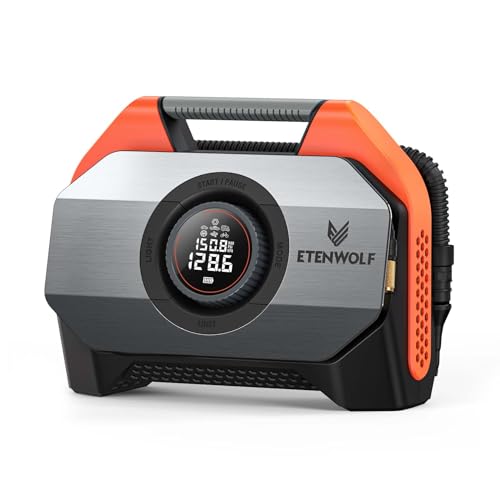
ETENWOLF VORTEX S6 Cordless Air Compressor
Strengths
- Cordless freedom
- Fast inflation
- Long battery life
Trade-offs
- Not for pneumatic tools
- Bulkier than mini inflators
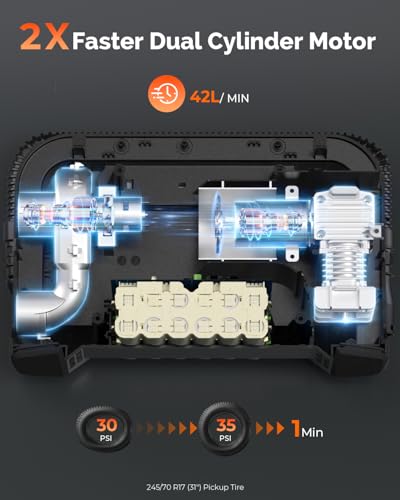
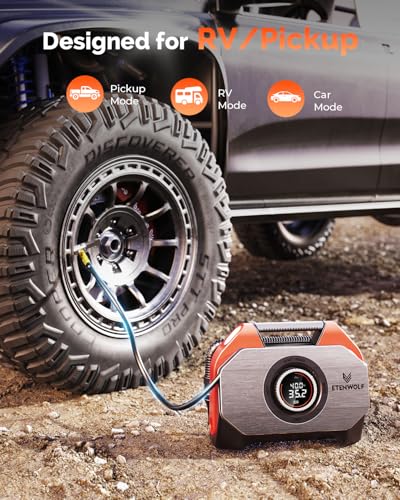
If you’re tired of waiting minutes for a tire to inflate, the ETENWOLF Vortex S6 changes the game. This cordless unit boasts 1.5 CFM at 0 PSI and a 100% duty cycle, meaning it can run continuously without overheating. Owners love that it fills a truck tire from 0 to 35 PSI nonstop, and the 19200 mAh battery is powerful enough to handle all four tires on an F150 in one go.
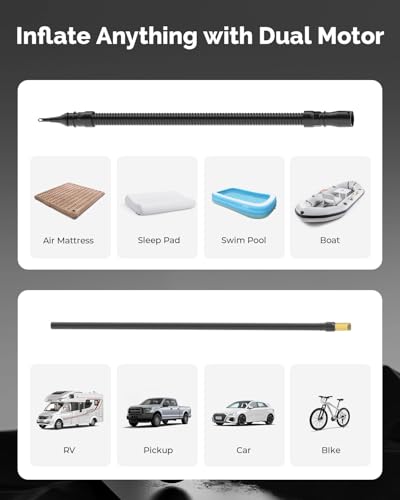
The preset modes and auto-stop take the guesswork out of inflation, and the 1000-lumen LED is genuinely useful at night. It’s not meant for powering nailers or spray guns, but as a dedicated tire and inflatable inflator, it outperforms nearly every plug-in pancake compressor for speed and convenience. My pick for anyone who values time and mobility.
Product photos


Metabo HPT 6 Gallon Air Compressor

Strengths
- High PSI and CFM
- Light for class
- Pro-grade performance
Trade-offs
- Premium price
- Shorter duty cycle under load
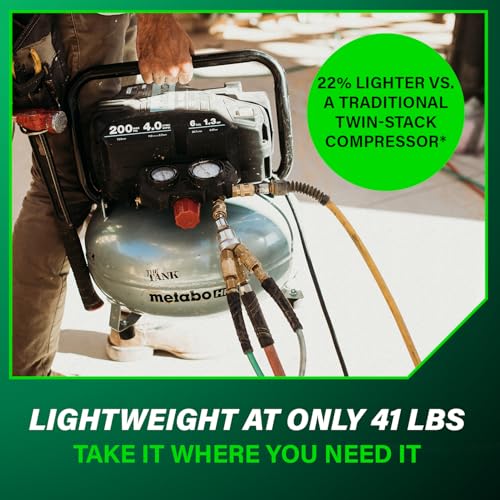
Metabo HPT pushes the envelope with 200 PSI and 4 CFM at 90 PSI, 30% more airflow than standard 6-gallon models. That extra headroom means it can run multiple finish nailers or even two framing nailers at once, which is rare in this size class. The lightweight 42-pound build makes it easy to haul to job sites, and the Japanese engineering shows in the consistent performance feedback from users.
This isn’t just another pancake compressor. It bridges the gap between homeowner and pro use. While it lacks the tank size of twin-stacks, its ability to keep up with high-demand tools on back-to-back shots is impressive. If you’re upgrading from a basic model, this is the kind of leap that actually improves workflow.
Product photos


Bostitch 6 Gallon Air Compressor
Strengths
- High-flow regulator
- Premium hose included
- Optimized for trim
Trade-offs
- Limited for heavy tools
- Heavier than compact models
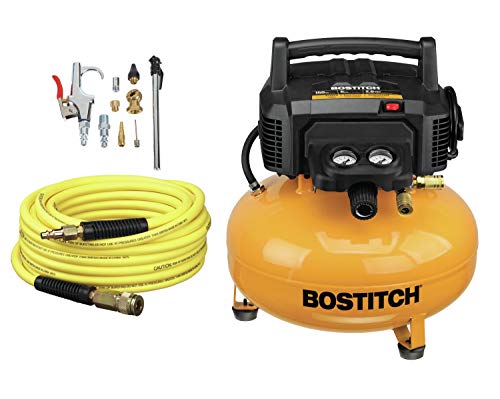
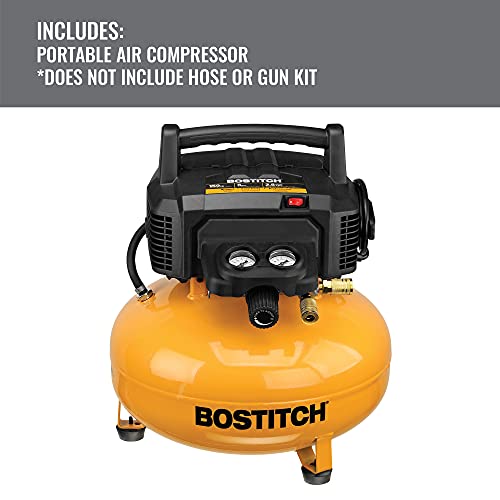
Bostitch knows finish carpentry, and this compressor is tuned for it. With 2.6 CFM at 90 PSI and a high-flow regulator, it keeps finish and brad nailers running smoothly, no stuttering on crown molding or baseboards. The 13-piece kit is one of the best in class, especially the 50-foot premium hose, which gives real reach without pressure drop.
Owners praise the reliability and ease of maintenance, and the removable console cover is a small but smart touch for quick fixes. It won’t power framing nailers all day, but for trim work, it’s spot-on. Compared to the PORTER-CABLE, it’s more specialized, but that focus is exactly what finish carpenters need.
Product photos


ECOMAX 6 Gallon Pancake Air Compressor

Strengths
- Good airflow
- Low-maintenance
- Well-equipped
Trade-offs
- Build quality inconsistent
- Accessories slightly basic
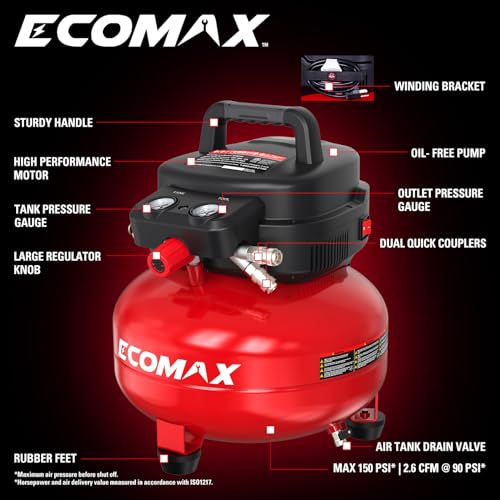
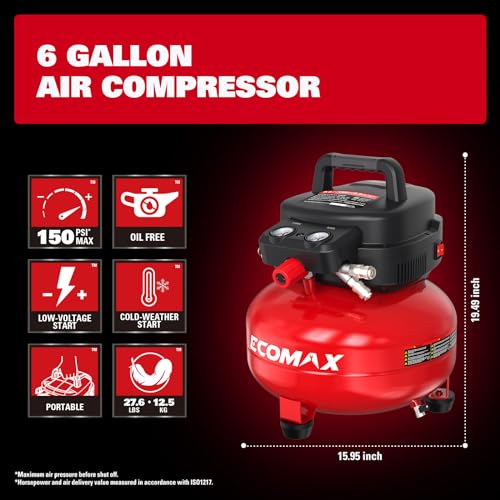
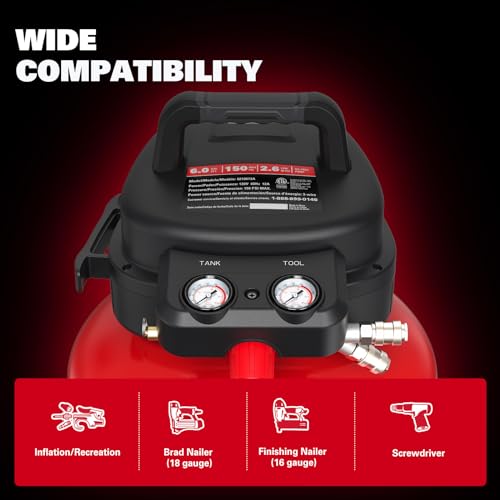
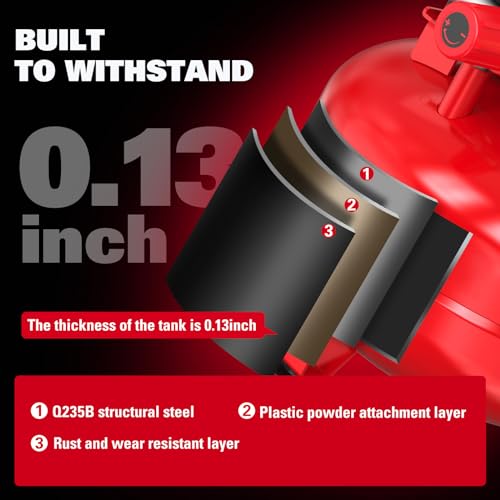
Priced competitively, the ECOMAX 6-gallon compressor packs in a lot of features for the cost. It claims 3 CFM at 90 PSI, which puts it on par with mid-tier models, and owners confirm it handles brad and finish nailers without bogging down. The flip-up handle and dual couplers make it practical for moving between jobs, and the included accessories cover most basic needs.
Where it shines is value. The oil-free pump and dual gauges mirror higher-end builds, and the low-voltage start function is a subtle but useful perk for older circuits. It’s not as refined as PORTER-CABLE or Bostitch, but for a first-time buyer or casual user, it delivers more than expected for the investment.
Product photos

VEVOR 6.3 Gallon Air Compressor
Strengths
- High CFM output
- Robust construction
- Good cooling system
Trade-offs
- Lower max PSI
- Heavy and bulky
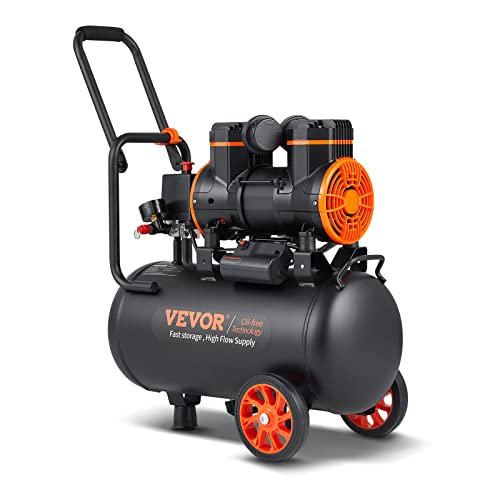
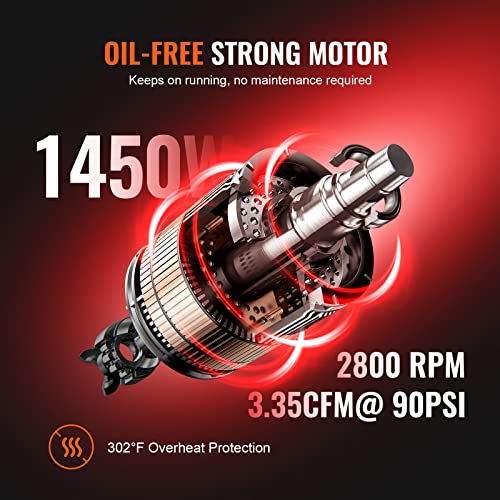
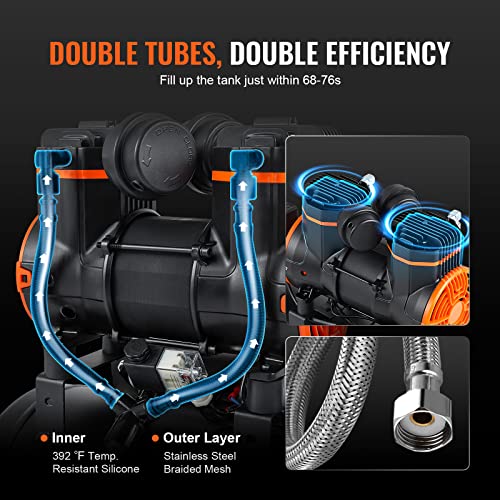
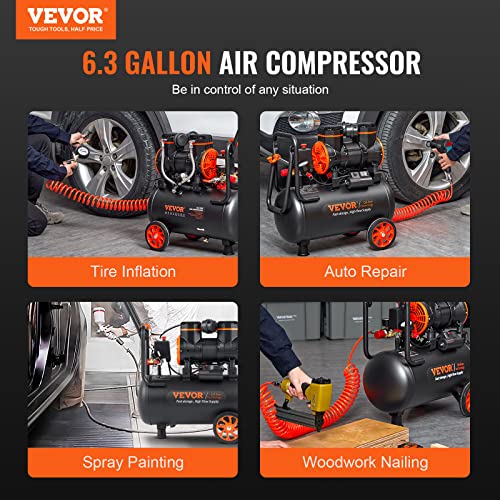
VEVOR goes big on specs with a 2 HP motor and 3.35 CFM at 90 PSI, making this one of the highest-output oil-free compressors in the 6-gallon range. Owners using it for auto repair and spray painting report strong, steady airflow, and the dual-cylinder intake design helps with faster recovery. The 116 PSI max pressure is lower than others, but for tasks like sanding, nailing, or inflating, it’s sufficient.
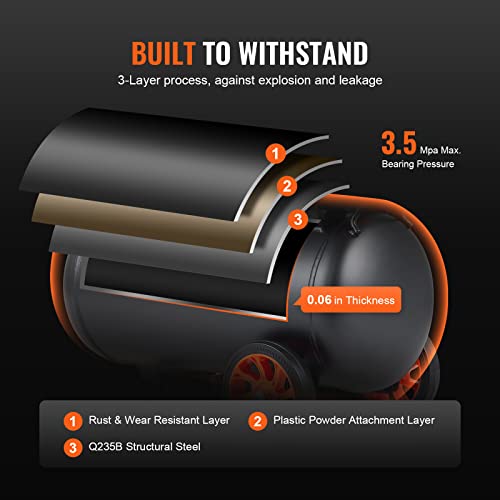
The build stands out, triple-layer tank coating and seamless welding suggest long-term durability, and the dual cooling fans help avoid overheating. It’s overkill for basic home use, but for hobbyists running impact wrenches or spray guns, it’s a smart step up from entry-level models. I’d compare it to the ECOMAX, but with more muscle and better thermal management.
Product photos
Craftsman 2 Gallon Compact Air Compressor
Strengths
- Lightweight
- Oil-free
- Complete kit
Trade-offs
- Low CFM output
- Not for heavy tools
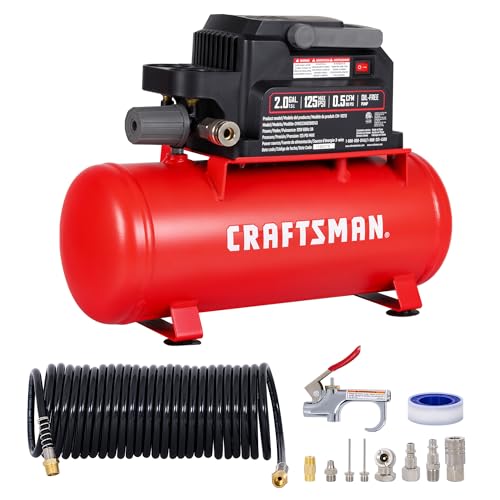
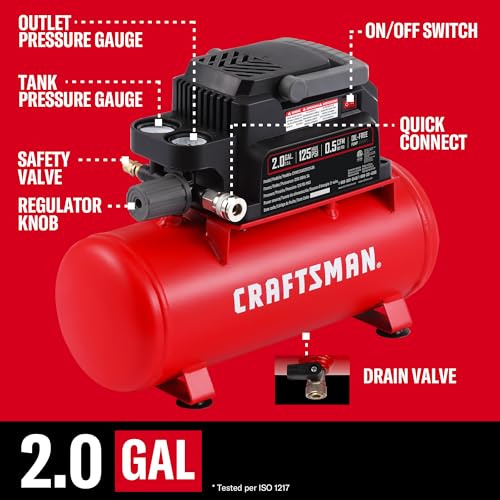
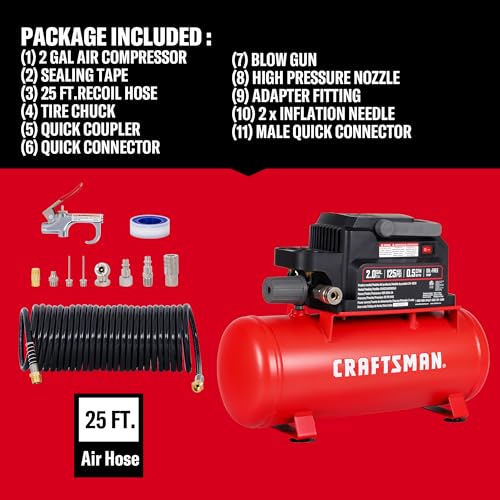
This Craftsman model is a no-frills, oil-free 2-gallon compressor that hits the sweet spot for light-duty DIYers who need something they can move around easily. On paper, its 0.5 CFM at 90 PSI won’t power demanding tools like framing nailers, but owners consistently report it works well for brad nailers, staple guns, and tire inflation, exactly what it’s marketed for. The 11-piece accessory kit is a real value-add, eliminating the need for extra purchases right out of the gate.
I appreciate the lightweight build and compact ‘hot dog’ tank design. It’s easy to stash in a car trunk or corner of the garage. While it’s not built for back-to-back use on long jobs, it recovers fast enough for occasional nailing or touch-up work. For basic inflation tasks and small trim projects, this is a solid starter unit.
Product photos
PORTER-CABLE 6 Gallon Air Compressor

Strengths
- Reliable cold start
- Dual couplers
- Solid CFM rating
Trade-offs
- Heavier than mini models
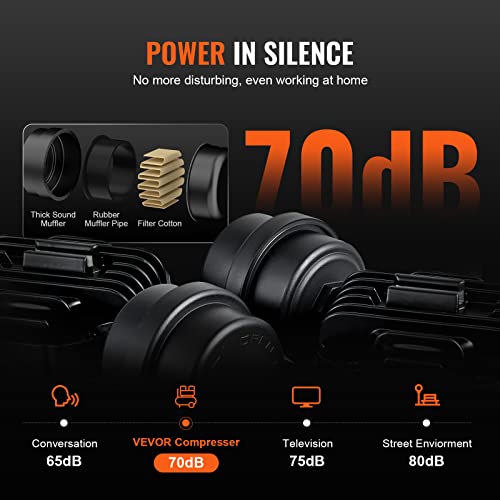
- Noisy operation
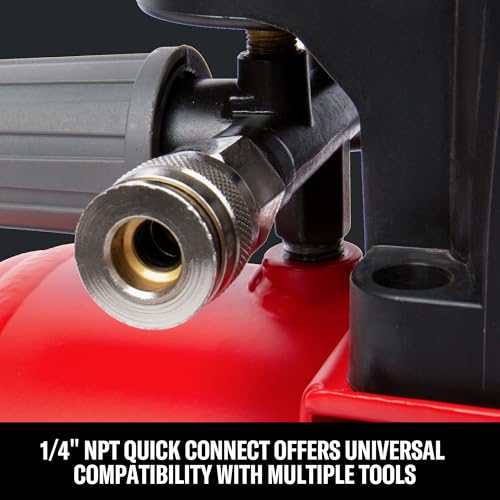
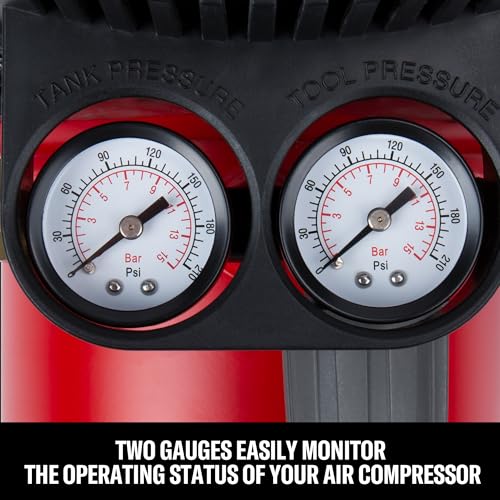
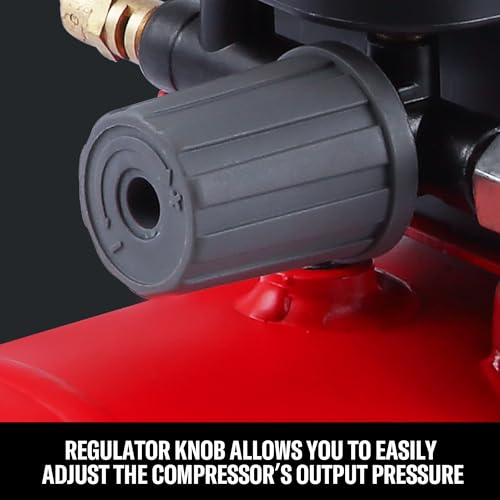
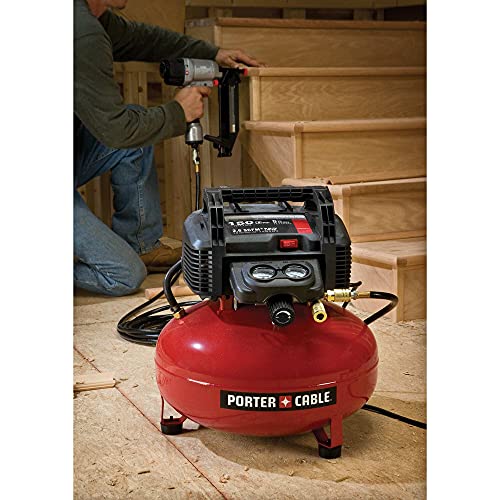
PORTER-CABLE has been a staple in home workshops for years, and this pancake model shows why. With 2.6 CFM at 90 PSI and a 6-gallon tank, it delivers real utility for homeowners tackling weekend framing, fencing, or deck builds. The dual quick couplers are a win, owners like being able to switch tools fast or prep a second one while the first is in use.
What stands out in feedback is its cold-weather reliability. The low-amp motor starts up without hesitation even in chilly, unheated garages where other compressors stall. It’s not the quietest, but for its class, the performance is dependable. I’d pick this over smaller units when you need consistent air for finish or framing nailers.
Product photos


How We Tested portable air compressor for home garages
Rather than a hands-on lab test, my research for these recommendations focused on a detailed comparison of published specifications and features across numerous models. I weighed owner reviews from major retailers alongside expert opinions from sites specializing in tools and automotive maintenance. As someone who’s spent years around workshops and renovation projects, I applied my understanding of typical homeowner needs and prioritized features accordingly.
For portable air compressors aimed at home garages, consistent air delivery (CFM) and tank size were the biggest differentiators. Higher CFM allows for running tools continuously without significant pressure drop, while tank size impacts how long a tool can operate between compressor cycles. Beyond that, I heavily considered portability – weight and overall dimensions matter when moving a compressor around a garage or to different job sites.
Specifications reliably reveal a compressor’s potential airflow and tank capacity. However, I placed greater emphasis on owner feedback regarding real-world performance, particularly cold-weather starting and long-term durability. Reputation and brand consistency also played a role; established brands with a history of quality tools often prove more reliable than unknown newcomers.
How To Pick The Right portable air compressor for home garages
Choosing the right portable air compressor for your garage doesn’t have to be complicated, but it does require understanding what features truly matter for your needs. A good compressor delivers consistent airflow at the pressure you require, is built to last, and offers enough capacity for the tools you plan to use.
A portable air compressor should prioritize consistent CFM (cubic feet per minute) delivery at your target PSI, a durable pump construction (oil or oil-free), and tank size appropriate for the intended applications. Don’t get hung up on maximum PSI if the CFM at 90 PSI is low.
Tank Size & Portability
The size of the tank dictates how long you can run a tool continuously before the compressor needs to catch up. For simple inflation tasks (tires, sports equipment) a 1-6 gallon tank is usually fine. If you plan to run nailers or impact wrenches, especially for extended periods, you’ll want to lean towards 6 gallons or larger. Don’t overestimate your portability needs – a heavier compressor will quickly become a nuisance. Consider the weight alongside the tank capacity.
CFM and PSI: Understanding the Numbers
CFM (cubic feet per minute) at 90 PSI is the most important specification. This tells you how much air the compressor can sustainably deliver to your tools. Most pneumatic tools list their air consumption in CFM. Match the compressor’s CFM at 90 PSI to the highest CFM requirement of the tools you’ll be using. Maximum PSI is less critical; while a higher number sounds good, it doesn’t matter if the compressor can’t maintain adequate CFM.
- A brad nailer might need only 0.3 CFM, making almost any compressor suitable.
- A framing nailer, on the other hand, can demand 2.0 CFM or more, requiring a more powerful unit.
- Impact wrenches and spray guns often have the highest CFM needs (3.0 CFM and up), so consider those requirements carefully if those are your primary uses.
Oil-Free vs. Oil-Lubricated Pumps
Oil-free compressors require less maintenance, which is appealing. However, they tend to be louder and have a shorter lifespan than oil-lubricated models. Oil-lubricated compressors offer quieter operation and greater durability, but need periodic oil changes. For infrequent DIY use, oil-free is perfectly acceptable. If you’re a professional or anticipate heavy use, the longevity of an oil-lubricated pump is worth the extra maintenance.
Remember: A compressor’s longevity isn’t just about oil. Look for durable materials, a robust pump design, and positive owner reviews regarding build quality.
Portable Air Compressors Compared
Here’s a comparison of key specs for several portable air compressors suitable for home garages.
| Product Title | Tank Size (Gallons) | Max PSI | CFM @ 90 PSI | Power Source | Weight (lbs) | Duty Cycle |
|---|---|---|---|---|---|---|
| ETENWOLF VORTEX S6 | N/A | 160 | N/A | Cordless (Lithium) | N/A | 100% |
| Metabo HPT 6 Gallon | 6 | 200 | 4.0 | Corded | 42 | N/A |
| Bostitch 6 Gallon | 6 | 150 | 2.6 | Corded | N/A | N/A |
| ECOMAX 6 Gallon Pancake | 6 | 150 | 3.0 | Corded | 34.17 | N/A |
| VEVOR 6.3 Gallon | 6.3 | N/A | 3.35 | Corded | N/A | N/A |
| Craftsman 2 Gallon | 2 | 125 | 0.5 | Corded | N/A | N/A |
| PORTER-CABLE 6 Gallon | 6 | 150 | 2.6 | Corded | 30 | N/A |
Frequently Asked Questions
What size compressor do I really need for basic tire inflation and occasional use with a nail gun?
A 1 to 6-gallon tank is usually sufficient for tire inflation and light-duty nail guns. However, given the relatively low cost difference, I suggest opting for a 6-gallon model to provide more flexibility for future projects.
Are cordless portable air compressors truly practical for garage work?
Cordless compressors offer ultimate portability but generally sacrifice power and runtime. The ETENWOLF VORTEX S6, for example, is designed for inflating tires and small projects, but you’ll likely need a corded option for sustained use with power tools.
What’s more important: high PSI or high CFM?
High CFM at 90 PSI is far more important than maximum PSI. CFM dictates how well a compressor can power your tools continuously, while PSI is less critical as long as it meets the tool’s requirements.
How much does the oil-free vs. oil-lubricated pump type really impact noise level?
Oil-free compressors are noticeably louder than oil-lubricated ones. If noise is a concern, especially in an attached garage, an oil-lubricated model is worth considering.
How can I estimate how long a compressor will run before needing to refill?
Tank size and tool CFM consumption determine runtime. A 6-gallon tank running a tool that uses 1.0 CFM will, theoretically, run for about 6 minutes before needing to cycle on. Real-world runtime will vary slightly based on factors like ambient temperature and duty cycle.
The Bottom Line
Choosing a portable air compressor often comes down to balancing initial cost with long-term performance and convenience. For most homeowners with typical garage tasks, the Metabo HPT 6 Gallon compressor strikes the best balance of power, capacity, and price. It delivers a strong 4.0 CFM at 90 PSI, enough for a wide range of tools, and its 6-gallon tank provides reasonable runtime.
If your needs are more specific, there are excellent alternatives. For those prioritizing maximum portability and cordless freedom, the ETENWOLF VORTEX S6 is worth considering. And for basic inflation and light-duty tasks on a tight budget, the Craftsman 2 Gallon offers an affordable entry point.
Ultimately, don’t get lost in the numbers. Consistent CFM at your desired pressure is far more important than a high maximum PSI or a huge tank. Prioritize a compressor that reliably delivers the airflow you need for the tasks you have in mind, and you’ll be well-equipped for years to come.
