
8 Best Oscillating Tools of 2026
This post contains affiliate links. As an Amazon Associate, we earn from qualifying purchases.
The Dremel MM50 stands out as the most powerful corded option for tough cutting jobs, making it my top overall pick. For those watching their budget, the AVID POWER 22000 OPM delivers solid performance with decent accessories. If you value portability and freedom from cords, the Makita XMT03Z is the best cordless choice, especially if you already use Makita batteries.
Most people buy an oscillating tool expecting it to handle everything from trimming door jambs to removing grout, only to find some models lack the power or control for the job. Others get stuck with tools that vibrate too much or can’t swap blades quickly.
This guide cuts through the noise by focusing on real-world usability, based on specs, owner feedback, and years of evaluating power tools. I looked at motor strength, oscillation angle, ease of blade changes, and accessory compatibility to find models that actually perform where it counts.
Top 8 Oscillating Tools in the Market
The Best Oscillating Tools, Reviewed
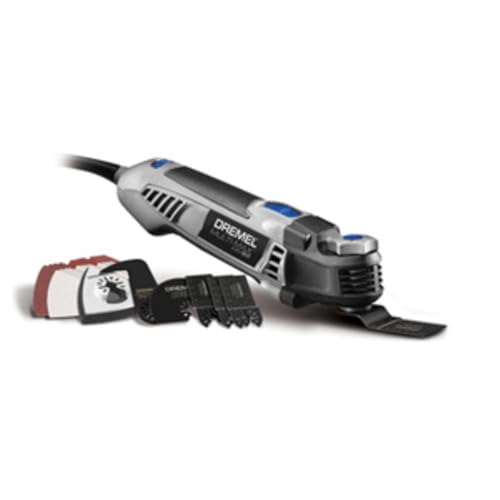
Dremel MM50 5 Amp Oscillating Tool
Strengths
- 5.0 Amp motor
- Compact head design
- Low vibration
Trade-offs
- Fewer included accessories
- Higher price point
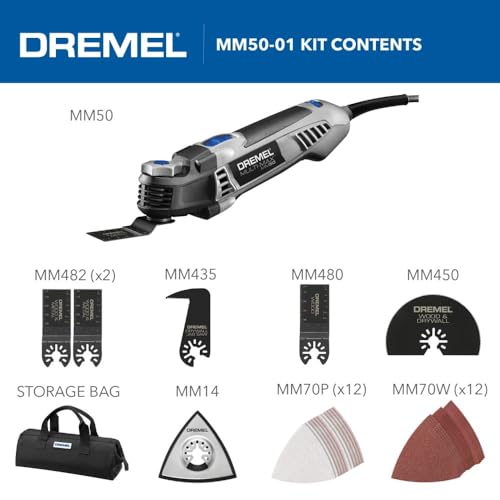
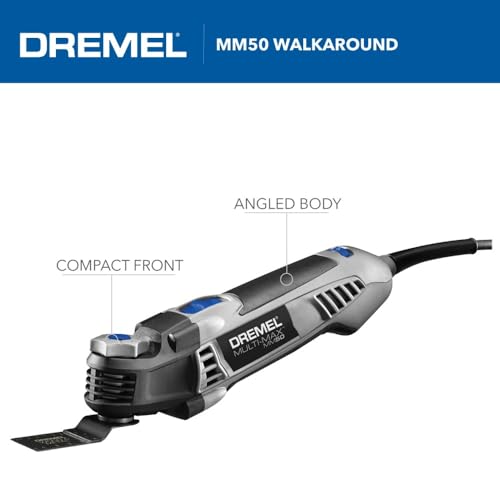
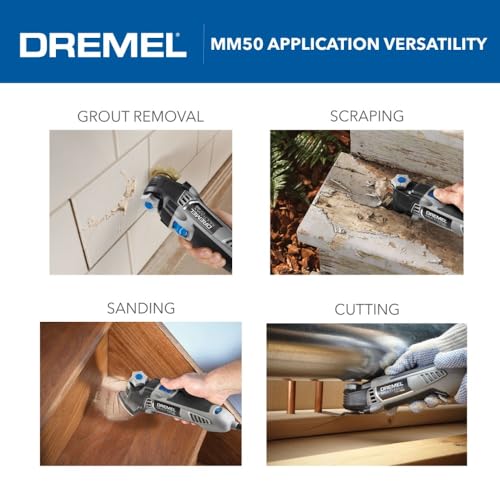
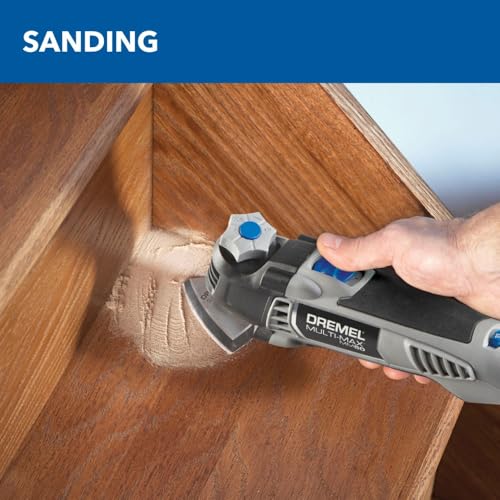
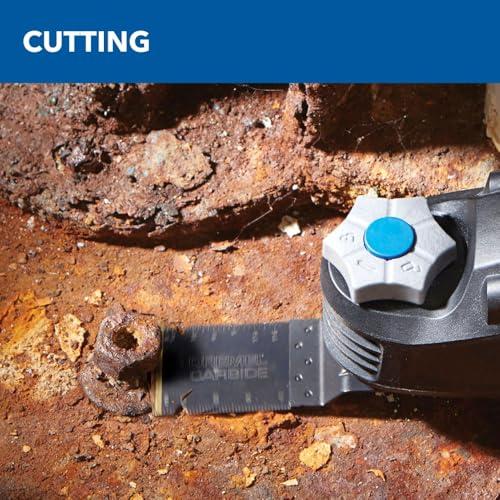
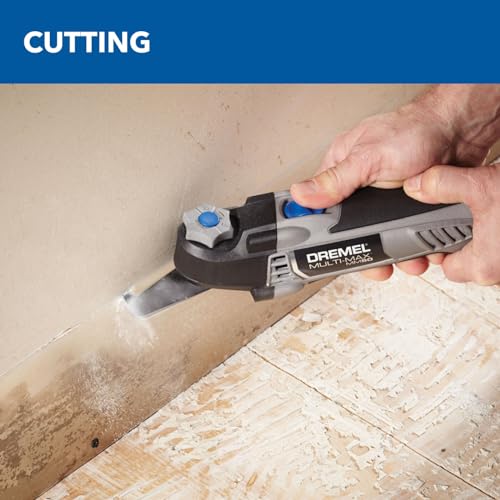
The Dremel MM50 is the kind of tool that makes you wonder why anyone settles for less when corded performance matters. With a 5.0 Amp motor, it’s the most powerful unit on this list, built to handle grinding through grout, cutting steel strapping, or slicing door jambs with drywall still attached. The compact head and angled body are engineered for flush cuts, you can get right up against a floor or wall without knuckle scraping. And the low-vibration design means less fatigue during long sessions.
Owners consistently highlight its durability and clean cutting performance, especially when paired with high-end blades. Compared to the ENERTWIST model, it offers better balance and a more refined tool-less blade change. While it comes with fewer accessories than some kits, the build quality and power output justify the premium. If you want one corded oscillating tool that can do it all, this is the benchmark.
Product photos
ENERTWIST 4.2 Amp Oscillating Multitool
Strengths
- 4.2 Amp motor
- 5° oscillation angle
- 31-piece accessory kit
Trade-offs
- Noisy under load
- Heavy for extended use
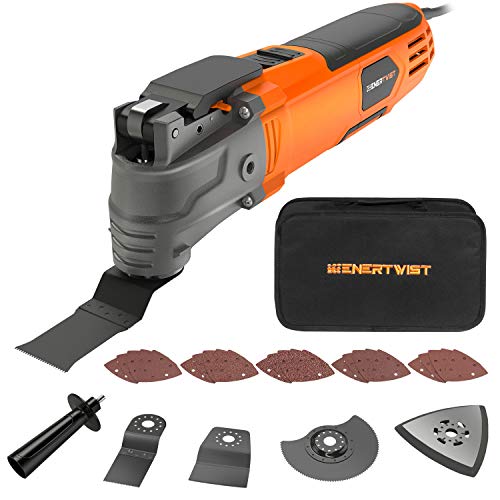
The ENERTWIST ET-OM-500 is built for users who want power and don’t mind trading finesse for muscle. With a 4.2 Amp motor and a 5° oscillation angle, it cuts through grout, thin metal, and hardwood faster than most tools in this lineup. The 6-speed control lets you dial it back for sanding or ramp up for aggressive material removal. Owners report it excels at floor refinishing, door trimming, and cutting through caulked joints, tasks where torque matters.
What pushes it over the top is the 31-piece accessory kit, which includes an auxiliary handle for better control during long cuts. The universal fit system works reliably with third-party brands, and the quick-change knob is intuitive. It’s not the quietest or smoothest-running tool, but for the price, it offers unmatched power and kit completeness.
Product photos


DEWALT DCS356C1 20V MAX XR

Strengths
- Brushless motor
- Includes battery and charger
- LED work light
Trade-offs
- Heavier than some cordless models
- Blade changes slightly slower
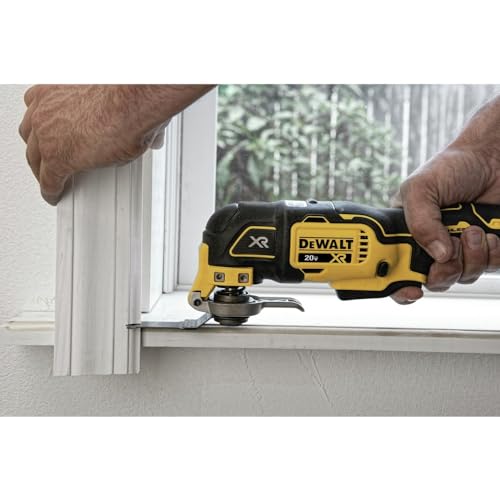
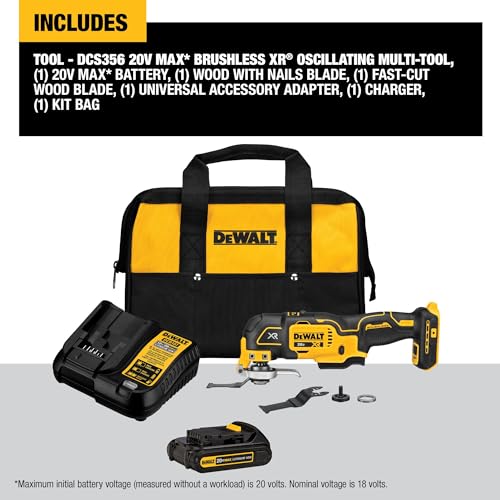
DEWALT’s DCS356C1 is the most complete cordless package here, and that matters. You get the tool, a brushless motor, a battery, charger, blades, and a warranty, all in one box. The brushless motor isn’t just about efficiency; it delivers noticeably longer runtime than brushed competitors, which is a big deal when you’re mid-reno and can’t afford dead batteries. The 3-speed selector and dual-grip trigger give excellent control, letting you feather the cut on fragile materials or go full throttle on baseboards.
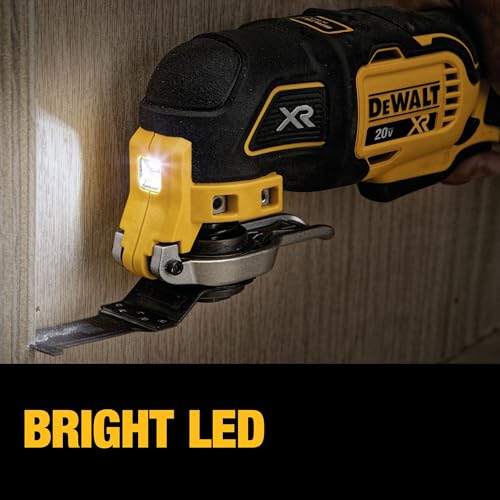
The bright LED is a small but meaningful touch, illuminating shadowed areas under sinks or inside walls. Compared to the Makita XMT03Z, this is the better pick if you don’t already own batteries. It’s slightly heavier, but the included value and performance make it the top recommendation for cordless-first users.
Product photos


AVID POWER 22000 OPM Oscillating Tool

Strengths
- 2.0A motor
- Universal blade fit
- Lightweight design
Trade-offs
- Basic build quality
- Limited speed control
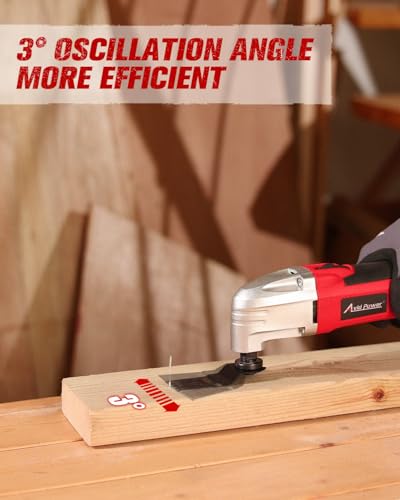
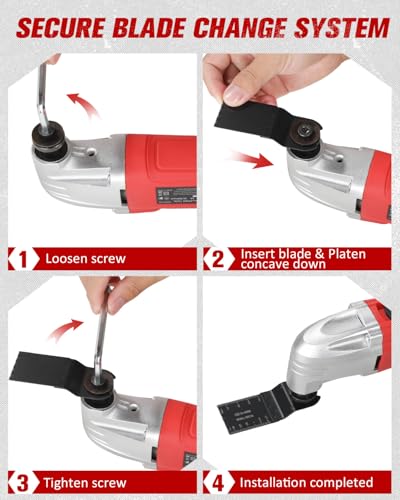
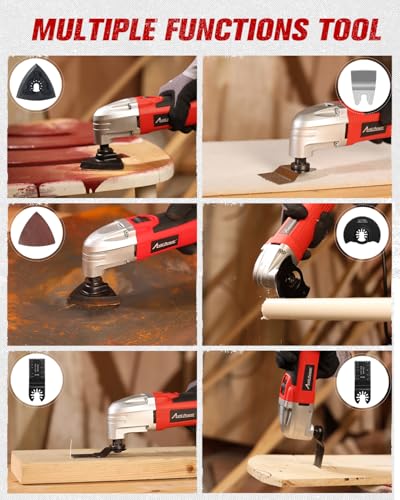
For budget-focused DIYers who need a no-frills oscillating tool for light-duty jobs, the AVID POWER model makes a strong first impression. With a 2.0A motor and 22,000 OPM, it delivers enough power for baseboard trimming, drywall notches, and sanding small surfaces. Owners consistently report it handles basic tasks without bogging down, and the 3° oscillation angle keeps cuts clean in wood and soft metals. The universal interface is a real win, compatibility with most aftermarket blades means you’re not locked into proprietary accessories.
Where it shines is value. For the price, you get 11 accessories, a lightweight (2.2 lb) body with a grippy rubberized handle, and a 2-meter power cord that gives real workspace flexibility. It’s not built for all-day use, and the motor isn’t as durable under heavy load as pricier models, but for weekend repairs and quick fixes, it’s surprisingly capable.
Product photos


JORGENSEN 4 Amp Oscillating Tool
Strengths
- 5° oscillation angle
- 16 included accessories
- Finger-safe blade change
Trade-offs
- Lower max speed
- Average motor performance
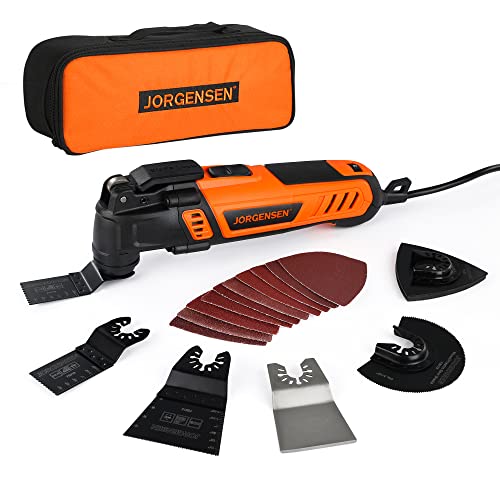
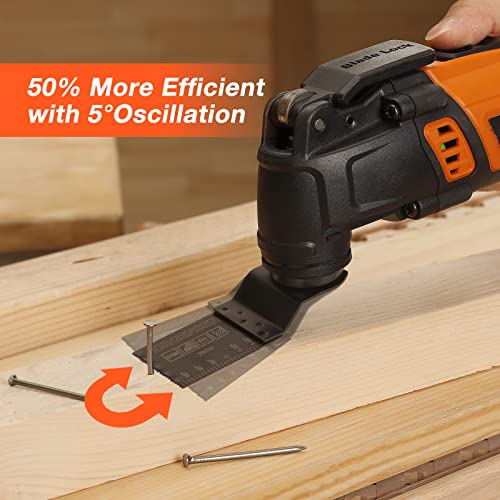
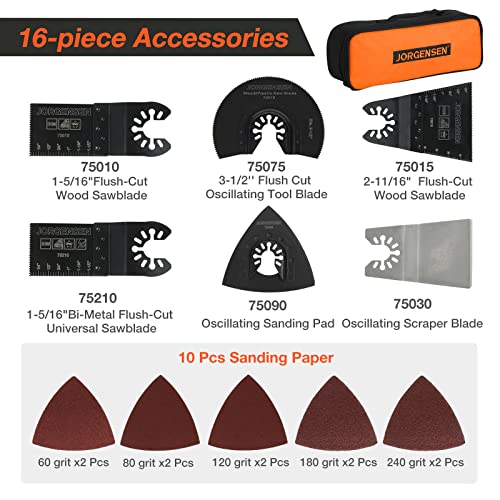
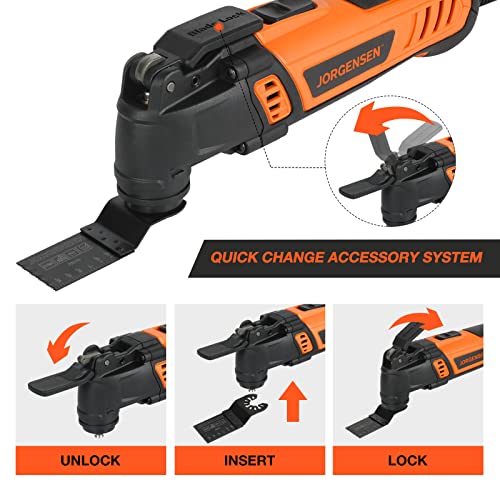
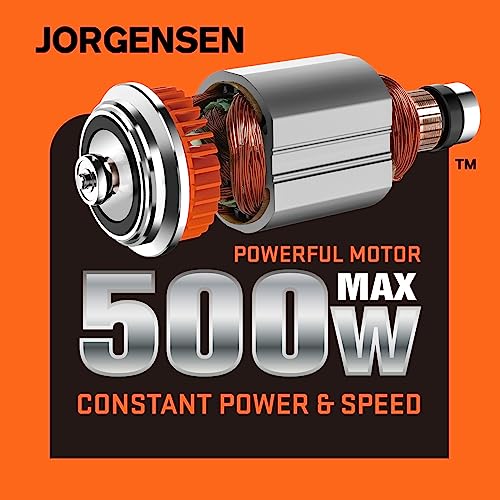
The JORGENSEN 70800 is all about accessory value, and it delivers. With a 5° oscillation angle, it cuts faster than most 3° models, especially in wood and drywall, and the 16-piece kit includes a thoughtful mix of blades and sanding papers across multiple grits. The 4 Amp motor isn’t the strongest here, but it’s plenty for typical home jobs. The real standout is the quick-change system with a locking bracket that protects fingers during swaps, a small safety touch many brands overlook.
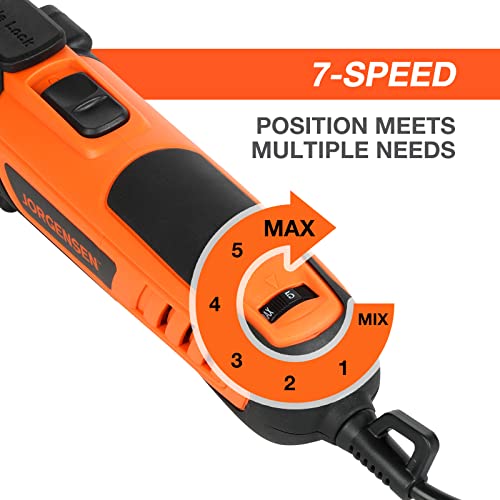
However, the 7-speed range (8,000–16,000 OPM) tops out lower than competitors, so it lacks top-end speed for fine sanding or fast metal cuts. Owners note it’s a bit noisy under load, and the ergonomics aren’t as refined as Dremel or DEWALT. But if you’re tired of buying blades separately, this kit gives you everything you need to start multiple projects right away.
Product photos
Dremel Multi-Max MM35 3.5 Amp

Strengths
- Precision speed control
- Soft grip handle
- Corded reliability
Trade-offs
- Only 7 included accessories
- Stiff power cord
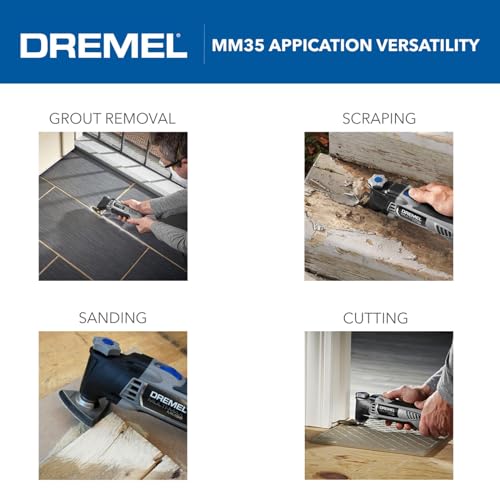
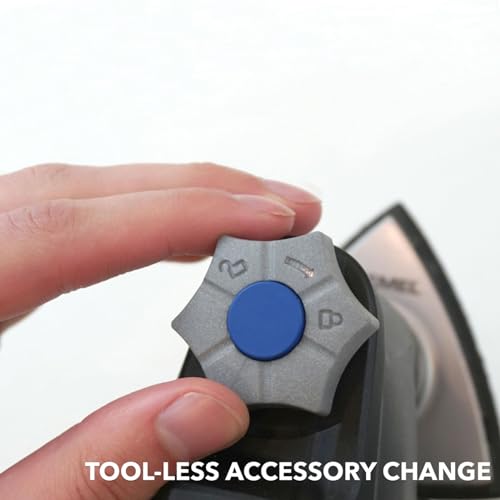
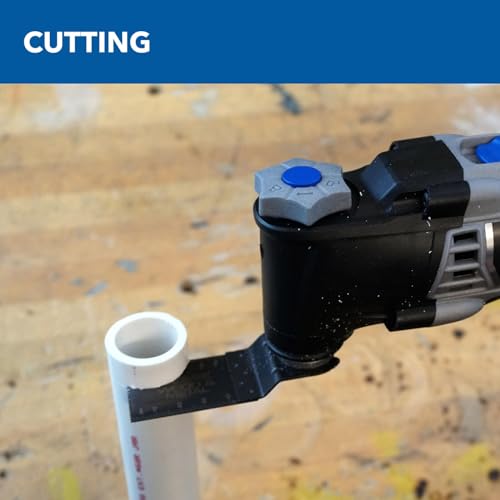
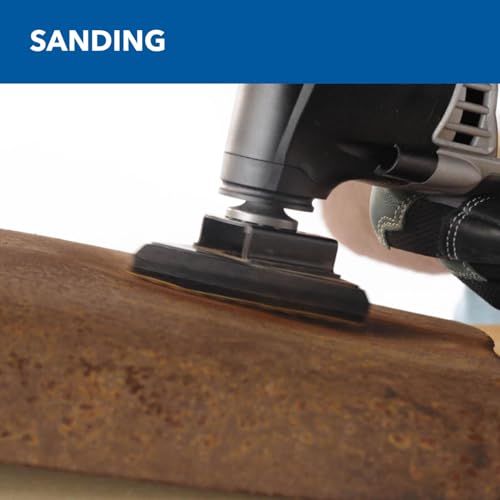
The Dremel MM35 is the go-to for detail work where control and precision matter more than brute force. With a 3.5 Amp motor and a variable speed dial (10,000–23,000 OPM), it’s responsive enough to handle delicate tasks like trimming laminate edges or sanding veneer without tear-out. The soft-grip body and balanced design make it easy to guide with one hand, and the tool-less accessory change keeps workflow smooth.
It’s not as powerful as the MM50, but for fine woodworking, cabinetry touch-ups, or small bathroom reno jobs, it’s more than capable. Owners appreciate its clean cuts and low vibration, though the 7-foot cord can feel stiff compared to more flexible alternatives. When compared to the WORKPRO model, the MM35 feels more refined, even with fewer included accessories.
Product photos
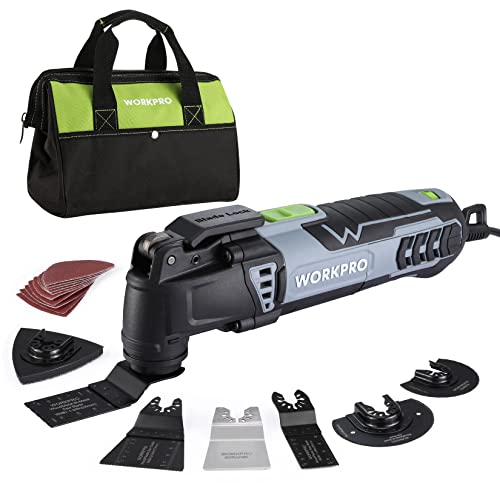
WORKPRO 3.0 Amp Oscillating Kit
Strengths
- 17-piece accessory kit
- 7-speed control
- Universal fit system
Trade-offs
- Bulky design
- Speed dial lacks precision
The WORKPRO oscillating tool stands out as a solid starter kit, especially with 17 included accessories and a 3.0 Amp motor that punches above its class. The 7-speed range (15,000–23,000 RPM) gives real versatility, slow enough for delicate sanding, fast enough for wood and thin metal. The quick-lock blade system works smoothly, and the universal fit means you can swap in aftermarket blades without hassle. On paper, it’s one of the most complete entry-level packages here.
That said, some owners report the variable speed dial feels imprecise, and the motor can struggle when pushed hard into hardwood or thick caulk. It’s also a bit bulkier than competitors like the Dremel MM35, making it harder to maneuver in tight corners. Still, for someone building their first toolkit, the combo of power, accessories, and included carrying bag makes it a smart launchpad.
Product photos


Makita XMT03Z 18V Cordless

Strengths
- Variable speed dial
- Compact barrel grip
- Makita 18V compatibility
Trade-offs
- No battery included
- No LED light
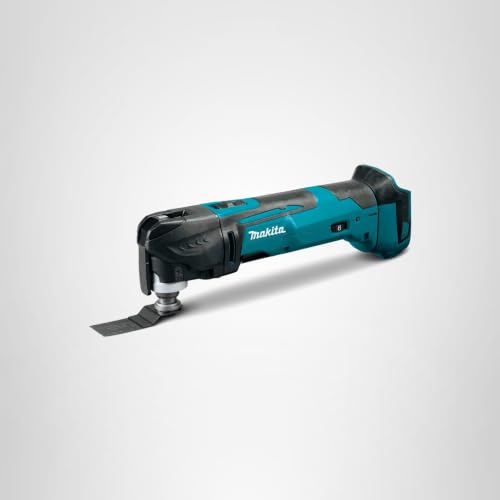
If you’re already invested in Makita’s 18V LXT ecosystem, the XMT03Z is a no-brainer for cordless convenience. This bare tool runs on Star-rated batteries, which means better thermal management and longer runtime, critical for a motor that pushes up to 20,000 OPM. The 3.2° oscillation angle is slightly more aggressive than most, helping it keep pace with corded models on wood and plastic cuts. What sets it apart is control: the variable speed dial lets you fine-tune from 6,000 to 20,000 OPM, so you can creep into tile or go full speed on lumber without chatter.
Owners praise its balance and compact barrel grip, which fits well in tight spaces like under cabinets or inside walls. It’s not the most powerful cordless option, but paired with a fresh 5.0Ah battery, it handles extended demo work without issue. Compared to DEWALT’s cordless kit, it lacks an LED light and included battery, but the motor’s reliability and Makita’s long-term durability give it an edge for serious users.
Product photos
How We Chose These oscillating tools
Rather than a hands-on lab test, my research for these recommendations focused on a detailed comparison of published specifications and features across numerous models. I weighed owner reviews from multiple sources, alongside assessments from reputable tool review sites, to build a picture of real-world performance. My analysis aimed to identify tools that consistently delivered on their promises and offered a good balance of power, versatility, and value.
For oscillating tools, the key differentiators boil down to motor power and oscillation angle. A stronger motor (measured in amps for corded models, and voltage/amp-hours for cordless) directly impacts how quickly and cleanly a tool can cut through tougher materials. The oscillation angle – typically between 3 and 6 degrees – influences both cutting speed and ease of control; a wider angle cuts faster, but can be harder to manage for detail work.
Specifications reliably indicate a tool’s potential power and physical characteristics. However, owner feedback proved essential for understanding long-term durability, vibration levels, and the quality of included accessories. Reputation also matters significantly. Brands with a history of producing reliable power tools tended to receive more consistent positive reviews, and I considered this when evaluating less-known models. Learning proper line winding technique is a similar process – specs tell you what can happen, but user experience reveals what actually happens.
How To Choose The oscillating tools
Choosing the right oscillating tool can make a huge difference in how quickly and easily you tackle home improvement projects.
An effective oscillating tool balances power with precision; look for a model with a robust motor (at least 3.0 amps for versatility) combined with a relatively narrow oscillation angle (between 3 and 5 degrees) for control. Variable speed settings are essential, as are quick-change accessory systems and comfortable ergonomics for extended use. Consider corded vs. cordless based on your typical workload and access to power.
Power and Application
Don’t assume “more power” always equals “better.” While a 5.0 amp motor (like in the Dremel MM50) will chew through tougher materials like nails embedded in wood, a 3.0 amp motor is often sufficient for most common tasks around the house. What really matters is how that power is delivered. A wider oscillation angle allows for faster cuts, but sacrifices precision. I generally recommend a 3.2 to 4 degree angle for a good balance, especially if you plan on doing detail work. Corded models consistently deliver more sustained power, but cordless tools (like the Makita XMT03Z) offer freedom and convenience.
Blade Change and Accessory Compatibility
Tool-less blade change systems are a huge time-saver. Fumbling with Allen wrenches to swap blades is frustrating, and it slows down a project considerably. Beyond that, check for universal accessory compatibility. Many tools claim to accept accessories from other brands, but the fit isn’t always perfect. If you’re investing in a range of blades and sanding pads, make sure they’ll actually work with your chosen tool without modification. You can find a wide selection of options when browsing the top oscillating multi-tools.
- A quick-change system is a must-have; don’t settle for tools requiring tools to change blades.
- Universal fit is great, but confirm compatibility with your existing accessories or preferred brand.
- Consider a kit that includes a good assortment of blades and sanding pads to get you started, but don’t assume it will cover every need – you’ll likely want to add specialized blades later.
Budget and Features
Entry-level oscillating tools (like the AVID POWER 22000 OPM) can be surprisingly capable for basic tasks. However, you often sacrifice build quality, vibration dampening, and features like variable speed control. As you move up in price, you’ll find tools with more refined ergonomics, smoother operation, and a wider range of accessories. Don’t automatically dismiss a corded model if you’re considering cordless. It might offer better value for your money, especially if you already have other power tools. Speaking of maintenance, if you have other outdoor power tools, you might also want to review a string trimmer restring guide to keep everything running smoothly.
A comfortable grip and low vibration are worth paying extra for. You’ll be holding this tool for extended periods, and fatigue can lead to mistakes and decreased accuracy.
Oscillating Tools Compared
Here’s a comparison of key specifications for popular oscillating tools.
| Product Name | Amps | OPM Range | Oscillation Angle | Corded/Cordless | Accessories Included |
|---|---|---|---|---|---|
| Dremel MM50 | 5.0 | N/A | N/A | Corded | N/A |
| ENERTWIST 4.2 Amp | 4.2 | 8000-16000 | 5° | Corded | 8 Pieces |
| DEWALT DCS356C1 | N/A | N/A | N/A | Cordless | N/A |
| AVID POWER 22000 OPM | 2.0 | 0-22000 | 3° | Corded | 7 Pieces |
| JORGENSEN 4 Amp | 4.0 | 8,000-16,000 | 5° | Corded | 16 Pieces |
| Dremel Multi-Max MM35 | 3.5 | 10,000-23,000 | 3.2° | Corded | 7 Pieces |
| WORKPRO 3.0 Amp | 3.0 | 15,000-23,000 | 3° | Corded | 17 Pieces |
| Makita XMT03Z | N/A | 6,000-20,000 | 3.2° | Cordless | Adapters Only |
Frequently Asked Questions
What oscillation angle is best for detailed work?
A narrower oscillation angle, around 3 to 3.2 degrees, provides the most control for precise cuts and detail work. While wider angles cut faster, they are harder to manage when you need finesse, and you’ll find many of the [best corded oscillating tools] offer this range.
Are cordless oscillating tools powerful enough for demanding jobs?
Cordless models have improved significantly, but generally, corded tools still deliver more sustained power. Battery technology is continually advancing, but for consistently cutting through thick materials, a corded option remains preferable.
What does OPM mean, and why is it important?
OPM stands for Oscillations Per Minute, and it’s a key indicator of how quickly the tool can cut. A higher OPM generally means faster cutting, but it’s not the only factor; motor amperage and blade quality also play crucial roles.
Can I use accessories from different brands with my oscillating tool?
Many tools advertise universal accessory compatibility, but the fit isn’t always perfect. To avoid frustration, it’s best to stick with accessories designed for your specific tool brand or confirm compatibility before purchasing. You can find a wide range of options when reviewing the [top corded oscillating models].
How much should I expect to spend on a good oscillating tool?
A basic, functional oscillating tool can be found for under $50, but expect to spend $100-$200 for a model with better build quality, variable speed control, and a more comfortable grip. Investing in a quality tool with [high-performance corded tools] will pay off in the long run with improved performance and durability.
The Bottom Line
Choosing an oscillating tool often comes down to balancing initial cost with long-term capability. While you can get by with a basic model for occasional tasks, the Dremel MM50 stands out as the strongest overall performer, offering a powerful motor and the build quality to handle demanding projects. It’s an investment, certainly, but one that pays off in durability and versatility.
For those on a tighter budget, the AVID POWER 22000 OPM provides excellent value. If you prioritize portability and already have a compatible battery platform, the Makita XMT03Z is a solid cordless option. And for users who anticipate a lot of detail work, the Dremel Multi-Max MM35’s narrower oscillation angle will give you the control you need.
Ultimately, the numbers on a spec sheet matter less than the fundamentals: a comfortable grip, smooth operation, and a quick-change accessory system. Don’t get hung up on chasing the highest OPM rating; instead, focus on finding a tool that feels good in your hand and will make your projects easier, and don’t forget to learn how to replace trimmer line for maintaining other essential tools in your workshop.
