6 Best Miller Welding Helmets of 2026
This post contains affiliate links. As an Amazon Associate, we earn from qualifying purchases.
The Miller Digital Infinity Black is our top overall pick, delivering unmatched clarity and pro-grade features like X-Mode and InfoTrack 2.0. For a solid budget-friendly option, the Miller Digital Performance Series offers core Miller quality with reliable auto-darkening and ClearLight technology. If you need maximum coverage, the T94i XL Series stands out with its extra-large viewing area and rugged build.
Welders don’t just need protection, they need a helmet that stays out of the way so they can focus on the bead. Too many helmets promise clarity and comfort but fall short in real use, with foggy lenses, sluggish darkening, or headgear that slips during critical work.
This guide cuts through the marketing by focusing on what actually matters: optical quality, sensor reliability, and long-term comfort, backed by specs, verified owner feedback, and my years evaluating safety and performance across hundreds of tools. These picks reflect the best balance of real-world function and value in Miller’s lineup.
Top 6 Miller Welding Helmets in the Market
The Best Miller Welding Helmets, Reviewed
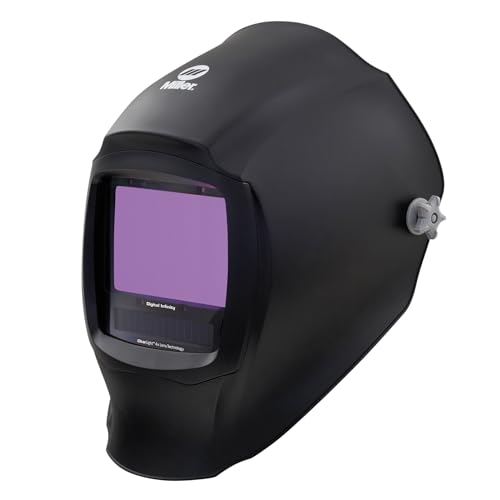
Miller Digital Infinity Black
Strengths
- Largest 13.4 sq in view
- InfoTrack 2.0 included
- AutoSense + X-Mode
Trade-offs
- Premium price
- Overkill for casual use
- Heavy feature set
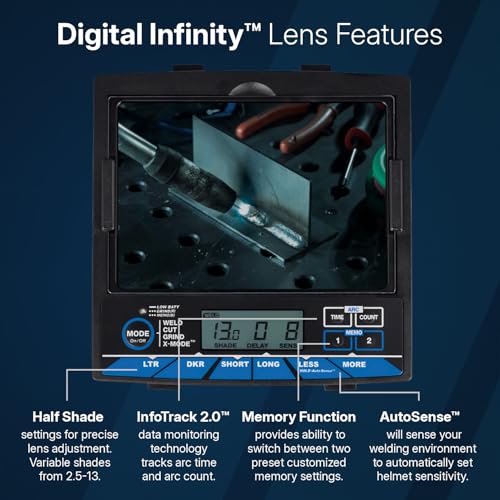
This is the most complete Miller helmet on the market right now. The 13.4 sq in viewing area is the largest available, and combined with ClearLight 4X, it delivers an immersive, distortion-free field that reduces eye strain on long shifts. The four sensors and AutoSense mean it reacts instantly, even in tricky setups, and X-Mode ensures it won’t flinch in direct sun.
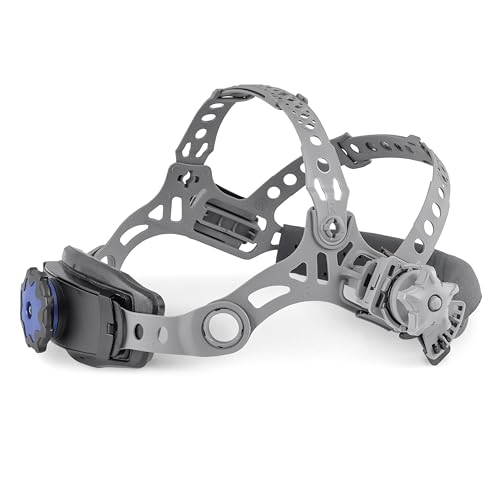
InfoTrack 2.0 adds real value for contractors who bill by job or track crew efficiency. The Legacy headgear is among the most stable and comfortable systems Miller offers, and memory presets make switching between TIG and MIG seamless. While it’s expensive, every dollar shows in the build and performance. I’d pick this over the Digital Elite for its superior ergonomics and visibility.
Product photos
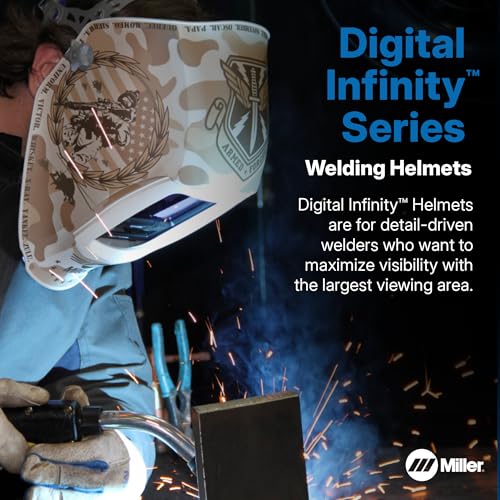
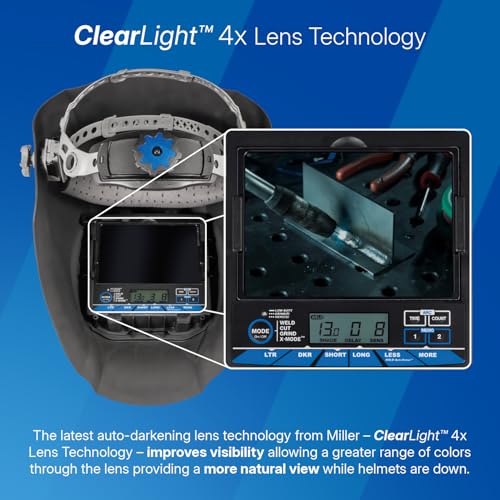
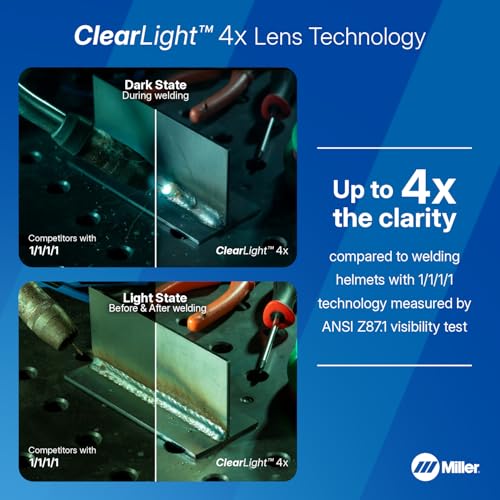

Miller Digital Elite Series
Strengths
- X-Mode for sunlight rejection
- AutoSense environmental tuning
- Four arc sensors
Trade-offs
- Smaller view than Infinity
- No magnifier option
- Higher price point
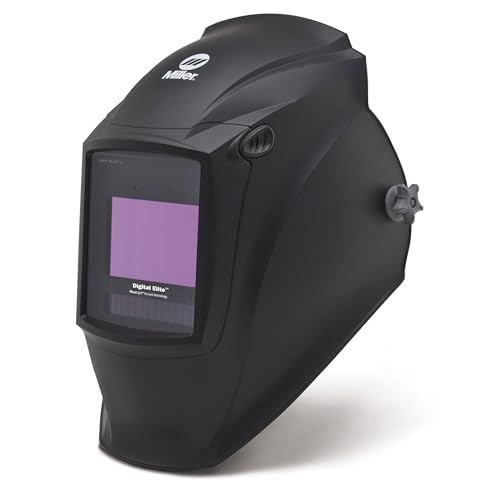
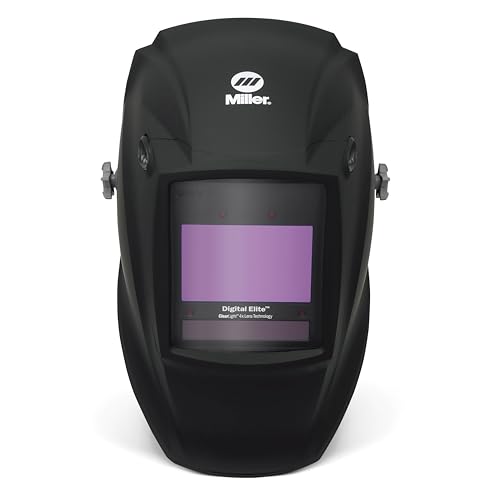
If you spend a lot of time welding outdoors or in unpredictable lighting, this helmet is built for your environment. The X-Mode isn’t just marketing fluff, owners in sunny climates report far fewer missed strikes and false darkens, thanks to electromagnetic arc sensing that works even when sensors are partially blocked. Four independent sensors combined with AutoSense mean it adapts on the fly, which is huge when switching between shaded and direct sun.
ClearLight 4x delivers bright, sharp optics, and InfoTrack 2.0 gives you the same job-tracking edge as the T94i but with smarter responsiveness. It doesn’t have the largest window, but the balance of outdoor reliability and professional features makes it my top recommendation for anyone regularly working on-site. It beats the Digital Performance in challenging conditions.
Product photos
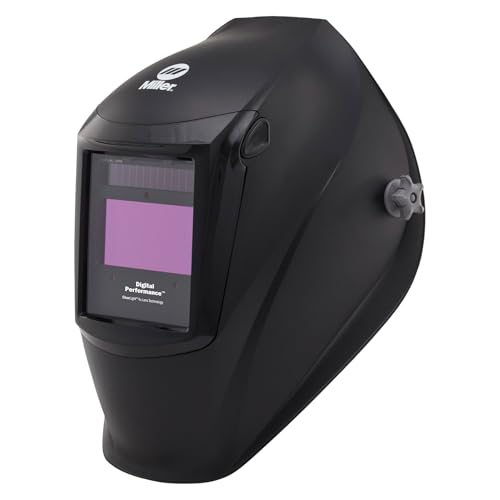
Miller Digital Performance Series
Strengths
- AutoSense adaptive tuning
- ClearLight 4x optics
- Three operational modes
Trade-offs
- No X-Mode
- No productivity tracking
- Mid-tier feature set
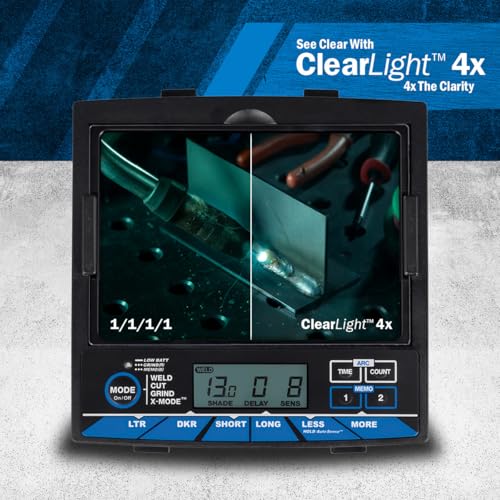
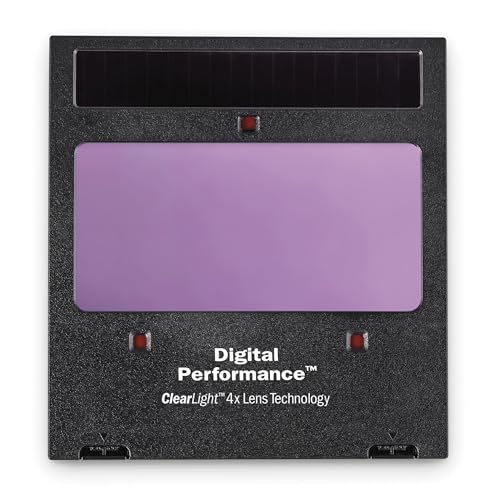
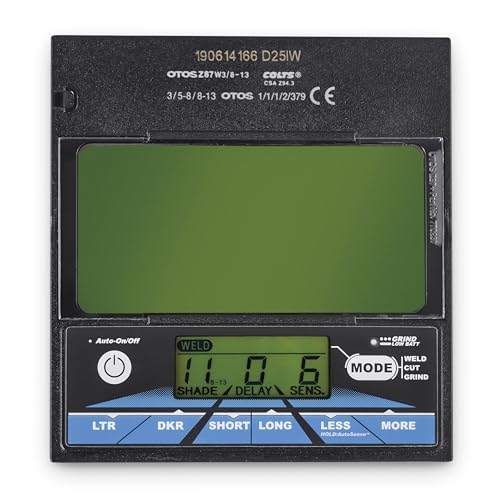
This hits the sweet spot between cost and capability for most working welders. ClearLight 4x tech brings sharp, bright vision, and the AutoSense feature adjusts sensitivity automatically, no fiddling when you switch from indoor to outdoor or change processes. The three-mode system (weld, cut, grind) with easy glove-friendly buttons makes it versatile across jobs.
It doesn’t have X-Mode or InfoTrack 2.0, so it’s not quite field-proven for extreme sunlight, but for shop-based or mixed-use work, it’s more than capable. The ergonomics are solid, with balanced weight and a comfortable headgear setup. Compared to the Classic, it’s a major upgrade; next to the Infinity, it’s missing some luxury but not core function.
Product photos
Miller Classic Series Black

Strengths
- Affordable entry point
- ClearLight optics
- Ratchet headgear
Trade-offs
- Small 6 sq in window
- Only two sensors
- Basic sensitivity controls
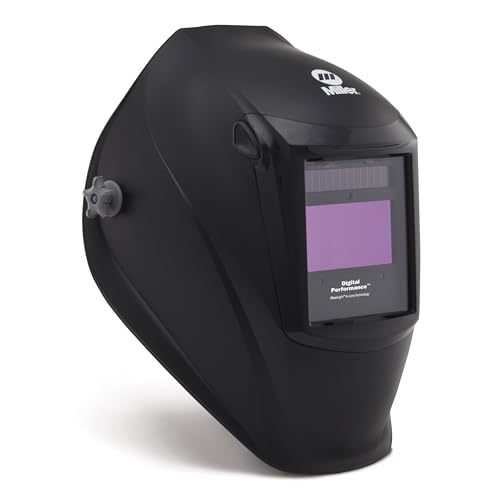
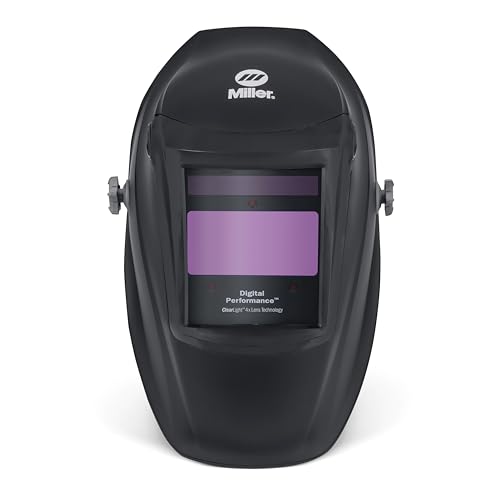
This is the bare-minimum competent auto-darkening helmet for hobbyists and part-timers. At six square inches, the viewing area feels cramped compared to premium models, and with only two sensors, it can lag on low-amperage TIG work. But for the price, it’s hard to ignore. It includes ClearLight optics, variable shade control, and meets all major safety standards.
Owners say it’s reliable for weekend projects and light MIG work. The ratchet headgear is a step up from cheap dials, and the 3.0 light state lets you keep the hood down between passes, boosting workflow. I’d recommend it over the Mp-10 for anyone ready to step into auto-darkening without spending top dollar. Just don’t expect the clarity or speed of the 4x series.
Product photos


Miller T94i XL Series
Strengths
- InfoTrack monitoring
- 13 sq in viewing area
- External grind control
Trade-offs
- No AutoSense
- Slightly dated optics
- Less adaptive than newer models
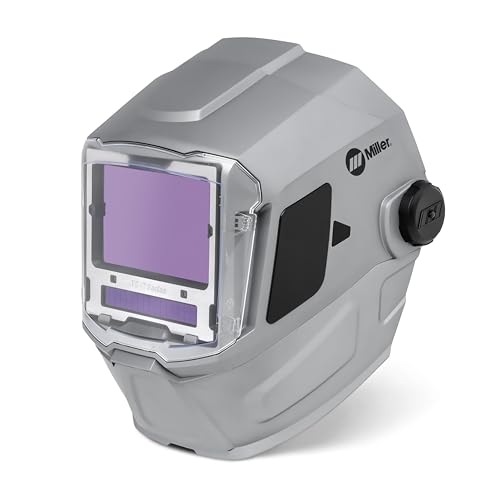
The T94i XL feels like a productivity-focused helmet first and a protective tool second, though it does protect well. The 13 square inch viewing area is generous, and with ClearLight 2.0 and HDV tech, owners say the pre-weld clarity is among the best in its class. The real differentiator here is InfoTrack, which logs arc time and count. If you’re quoting jobs or managing a crew, that data matters.
It holds its own optically with X-Mode fighting off false triggers in bright or awkward angles, but it’s not quite as responsive in low-amp scenarios as the newer Digital Elite. Still, for welders who move between jobsites and need consistent performance with some digital insight, this is a strong pick. I’d take it over the Classic for the added tech and larger field of view.
Product photos
Miller MP-10 Passive Helmet

Strengths
- Passive lens reliability
- Lightweight at 16 oz
- Upgradeable lens system
Trade-offs
- No auto-darkening
- Limited visibility
- Not for fast-paced work
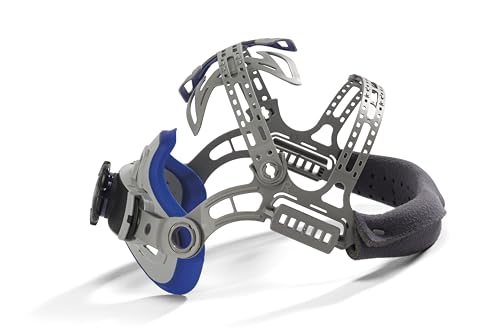
This helmet stands out as a no-frills, dependable option for those who don’t need or want auto-darkening. The passive shade #10 lens means you’re lifting and lowering the hood manually, but for basic welding tasks like stick or occasional MIG, that’s often enough. Owners consistently report it’s rugged and stays comfortable over long sessions, which makes sense given its 16 oz weight and simple nylon build.
Where it really earns points is in its upgradability. You can swap in an auto-darkening lens later if your needs change, and the included magnifier holder adds flexibility for detail work. For beginners or hobbyists who want a solid starting point without overspending on features they won’t use, this one makes sense on paper.
Product photos


How We Picked These miller welding helmets
Rather than a hands-on lab test, my research for these recommendations involved a detailed comparison of published specifications and features across Miller’s product line. I weighed owner reviews from multiple sources – including major retailers and welding forums – alongside assessments from reputable welding publications. This process allowed me to build a ranking based on real-world feedback and objective data, applying my experience with power tool safety and performance standards to the category.
For Miller welding helmets, clarity and reliability were the most important factors. A large viewing area and high optical clarity (like Miller’s ClearLight technology) significantly impact weld quality and reduce eye strain during long sessions. Equally crucial is the auto-darkening system’s responsiveness and consistency, particularly in challenging conditions like outdoor welding or low-amp applications. These two areas ultimately determined where each model landed in our rankings.
Specifications reliably indicate viewing area size, lens technology, and switching speeds. However, I gave considerable weight to owner feedback regarding durability, comfort, and the real-world performance of features like X-Mode and InfoTrack. Reputation within the welding community is a strong indicator of long-term reliability, and I leaned on that when evaluating models with similar specs. You can find more information on choosing the right features in our guide to the top auto-darkening welding helmets.
How To Choose The miller welding helmets
Finding the right welding helmet is about more than just blocking the arc. It’s about comfort, clarity, and features that support your specific work.
A quality welding helmet prioritizes optical clarity (look for lenses rated 1/1/1/1 or better), consistent auto-darkening performance across multiple arc sensors, a comfortable and adjustable headgear system, and durable construction to withstand workshop conditions. Beyond those basics, consider features like X-Mode for outdoor welding, InfoTrack for professional monitoring, and grind mode accessibility.
Lens Clarity & Optical Quality
I’ve seen too many welders squinting through subpar lenses, and it impacts their work. Don’t settle for anything less than a high optical clarity rating. Miller’s ClearLight lens technology is a standout, consistently receiving positive feedback for its brightness and realistic color rendition. While a shade 10 lens is a standard, the quality of the lens material itself makes a huge difference. Cheaper lenses can cause distortion and eye strain, especially during long projects. Look for a rating of 1/1/1/1 – this indicates the lens meets the highest standards for clarity, distortion, and field of view.
Auto-Darkening Response & Sensors
The speed at which a helmet darkens is critical, particularly with low-amp welding like sheet metal work. A sluggish response can cause arc flash. Most modern helmets boast a 1/23,000 second switching speed, which is more than fast enough for almost any application. However, the number and placement of arc sensors matter. Four sensors are preferable to two, as they improve the likelihood of reliable darkening even in obstructed positions. If you frequently weld outdoors or in bright conditions, consider models with X-Mode, like the Miller Digital Elite Series, which uses electromagnetic sensors to maintain consistent darkening even when sunlight interferes. For those looking for more information, check out these auto-darkening helmet reviews.
Comfort, Features & Value
A helmet is only as good as its comfort. A poorly fitting or heavy helmet will quickly become a burden. Legacy headgear, found in models like the Miller Digital Infinity Black, is widely praised for its adjustability and stable fit. Beyond comfort, consider features that streamline your workflow. InfoTrack 2.0, for example, allows you to track arc time and count, which is invaluable for professional welders who need to accurately quote jobs.
- A basic passive helmet (like the Miller MP-10) can be a good starting point if you’re a very occasional hobbyist, but the limited visibility and need to physically lift the shield between welds is a significant drawback.
- Mid-range helmets (such as the Miller Digital Performance Series) offer a good balance of features and price, often including ClearLight technology and multiple operating modes.
- High-end helmets (like the Miller Digital Infinity Black and T94i XL Series) provide the most advanced features – superior optics, data tracking, and enhanced comfort – justifying the investment for professionals or serious enthusiasts who demand the best.
Don’t underestimate the importance of a comfortable, well-adjusted helmet. A helmet that’s too tight will cause headaches, while one that’s too loose won’t offer adequate protection. Take the time to properly adjust the headgear and ensure a secure, comfortable fit.
If you’re searching for the top welding helmets to match your needs, remember to prioritize optical quality, reliable auto-darkening, and a comfortable fit. Don’t hesitate to explore premium welding helmet picks to find a model that suits your skill level and welding style. There are many best-performing welding helmets available, so take your time to find the one that is right for you.
Miller Welding Helmets Compared
Here’s a comparison of key specifications for various Miller welding helmets to help you choose the right one.
| Product Title | Viewing Area (sq. in.) | Shade Range | Lens Tech. | Arc Sensors | Special Features |
|---|---|---|---|---|---|
| Miller Digital Infinity Black | 13.4 | 8-13 | ClearLight 4X | 4 | X-Mode, InfoTrack 2.0 |
| Miller Digital Elite Series | N/A | 8-13 | ClearLight 4x | 4 | X-Mode, InfoTrack 2.0 |
| Miller Digital Performance Series | N/A | 8-13 | ClearLight 4x | N/A | 3 Modes (Weld/Cut/Grind) |
| Miller Classic Series Black | 6 | 8-13 | ClearLight | 2 | Adjustable Controls |
| Miller T94i XL Series | 13 | 8-13 | ClearLight 2.0 | N/A | InfoTrack, X-Mode |
| Miller MP-10 Passive Helmet | 4 x 4 | 10 | Passive | N/A | Lightweight, Upgradeable |
Frequently Asked Questions
What shade level do most professional welders use?
A shade 10 lens is the most common choice for general welding work, but professionals often adjust this based on the specific process and amperage. Lower amperage TIG welding may benefit from a shade 8, while higher amperage stick welding could require a shade 12 or 14 to protect your eyes.
Are more expensive welding helmets actually better?
Generally, yes, but the benefit diminishes past a certain point. Higher-priced helmets typically offer superior optical clarity (like Miller’s ClearLight technology), more reliable auto-darkening systems, and enhanced comfort features, but you can find a very capable helmet without spending a fortune.
Can I use a welding helmet for plasma cutting?
Yes, many auto-darkening helmets have a grind mode specifically designed for plasma cutting and grinding. This mode disables the auto-darkening function, allowing you to see clearly while performing these tasks. However, always verify the helmet’s specifications to confirm suitability for plasma cutting.
How long do the batteries last in an auto-darkening welding helmet?
Battery life varies by model, but most auto-darkening helmets use a combination of batteries and solar power to extend their lifespan. Expect anywhere from 1,000 to 5,000 hours of use on a single set of batteries, depending on usage and model. If you’re looking for affordable welding helmets under $200, battery life is a specification to check closely.
What is X-Mode and why is it useful?
X-Mode is a feature found on some Miller helmets that uses electromagnetic sensors instead of traditional optical sensors. This allows the helmet to maintain consistent darkening even in bright sunlight or when obstructed, making it particularly useful for outdoor welding or situations with inconsistent arc visibility.
The Bottom Line
Choosing a welding helmet often comes down to balancing upfront cost with long-term comfort and capability. While you can get by with a basic model, investing in a helmet like the Miller Digital Infinity Black delivers a level of clarity, responsiveness, and feature-rich functionality that will pay dividends in weld quality and reduced eye strain.
For those on a tighter budget, or for hobbyists who only weld occasionally, the Miller Digital Performance Series provides a significant step up from passive helmets without breaking the bank. And if you frequently perform precision TIG welding, exploring helmets with high optical clarity is a worthwhile investment to ensure optimal visibility and control.
Ultimately, the specs are important, but don’t get lost in the numbers. Prioritize a comfortable fit, a reliable auto-darkening system, and a lens that provides clear, distortion-free vision – those fundamentals will have a far greater impact on your work than any single feature or price point.
