7 Best Makita Hammer Drills of 2026
This post contains affiliate links. As an Amazon Associate, we earn from qualifying purchases.
The Makita XPH14Z stands out as the best overall hammer drill for its combination of high torque, solid BPM, and brushless efficiency. For budget-conscious buyers, the XPH12Z delivers strong performance in a lighter package. If you’re working heavy masonry, consider stepping up to an SDS-Plus rotary hammer like the XRH06ZB.
Most people don’t realize how quickly a poorly matched hammer drill can turn a simple job into a frustrating mess. Too little power and you’re spinning your wheels. Too much bulk and your arms give out before the work does.
After comparing specs and reading hundreds of owner reviews, I focused on models that balance real-world power, weight, and compatibility with Makita’s popular 18V system. This guide cuts through the noise to highlight the drills that actually deliver where it matters, on the job site.
Top 7 Makita Hammer Drills in the Market
The Best Makita Hammer Drills, Reviewed
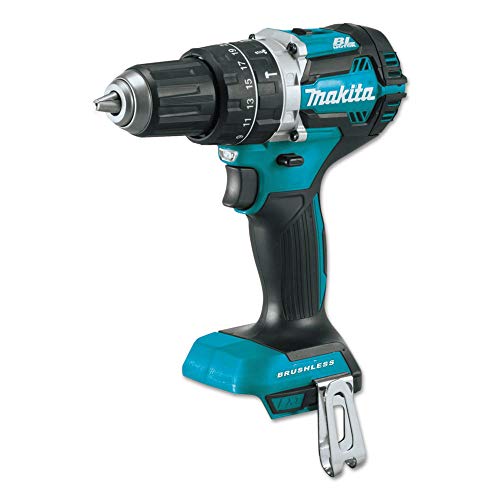
Makita XPH14Z Brushless Hammer Drill

Strengths
- Highest torque in class
- Ultra-compact design
- All-metal chuck
Trade-offs
- Slightly pricier
- Battery not included
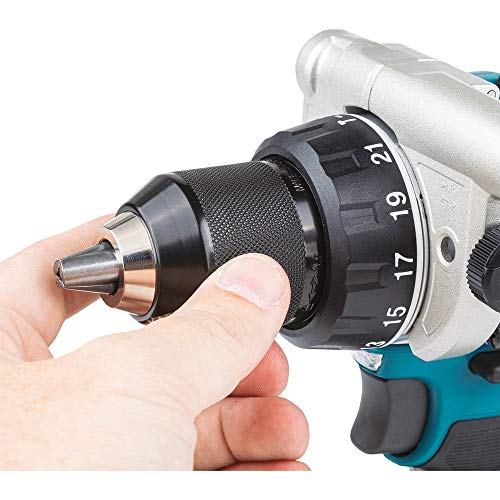
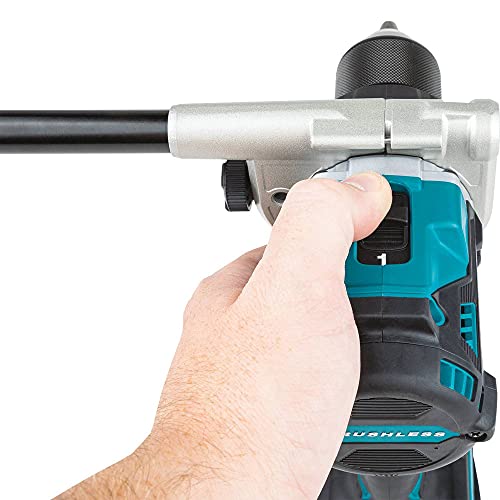
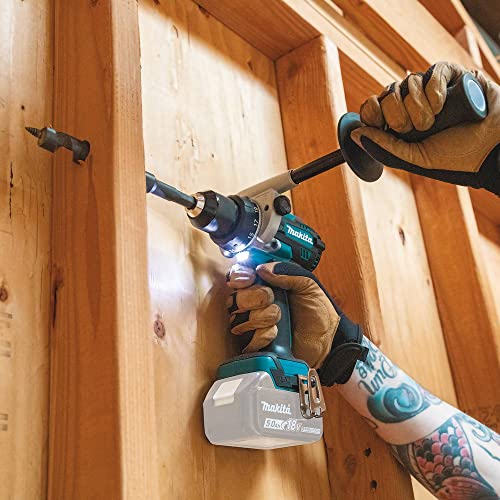
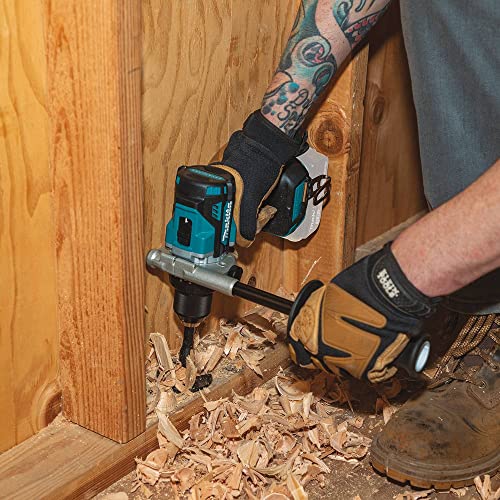
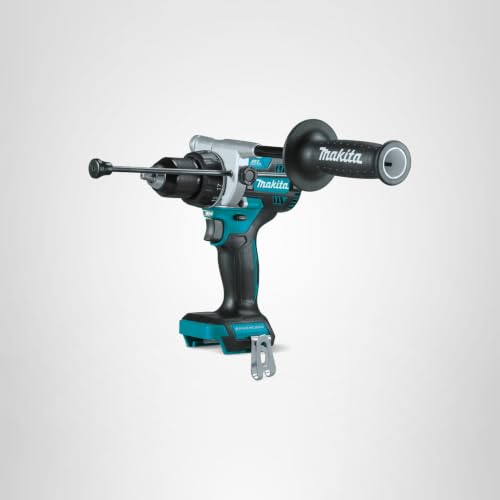
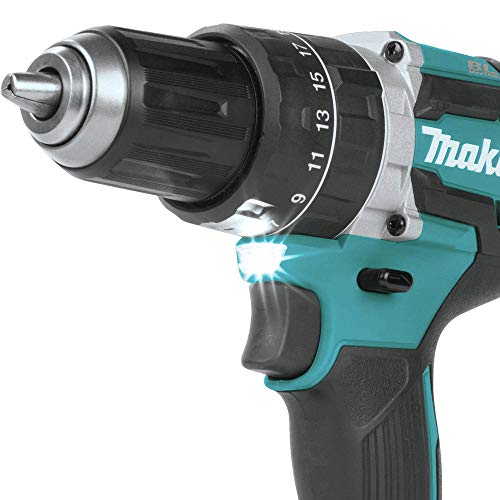
The XPH14Z is, without question, the best all-around hammer driver-drill Makita currently offers in the 1/2″ category. With 1,250 in.lbs. of max torque, 0-31,500 BPM, and a compact 7″ body, it combines power, speed, and size in a way that few drills do. The all-metal self-ratcheting chuck is a big upgrade, owners love how it holds bits tighter and lasts longer than plastic chucks on cheaper models.
It’s lighter than the XPH16Z and more powerful than the XPH12Z, making it my top recommendation for most users. Whether you’re building decks, installing shelves, or drilling into brick, this drill handles it all. The brushless motor ensures efficiency and longevity, and the balance feels natural in hand. If you want one hammer drill that does everything well, this is it.
Product photos
Makita XPH16Z Brushless Compact Hammer Drill

Strengths
- High torque output
- Longer run time
- Brushless durability
Trade-offs
- No SDS-plus bit system
- Bulkier than compact rivals
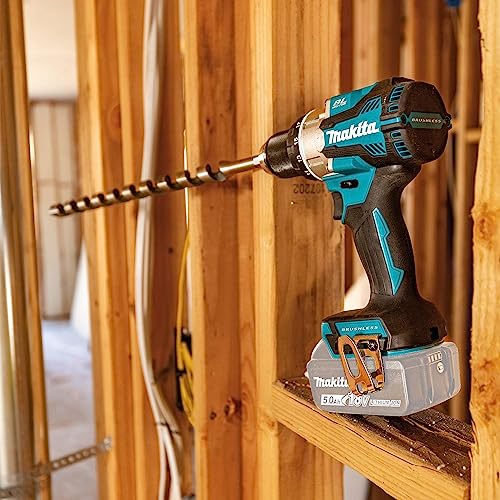
If you want the most powerful brushless hammer drill in Makita’s 1/2″ lineup, the XPH16Z delivers. With 970 in.lbs. of max torque, it outmuscles most rivals in its class and handles tough fastening and hammer drilling with authority. The brushless motor isn’t just about battery life, it runs cooler and adapts power delivery intelligently, which owners say translates to longer sessions without overheating.
It’s slightly bulkier than the XPH14Z, but that extra size brings serious grunt. For those upgrading from brushed drills, the jump in efficiency and durability is obvious. While it doesn’t have SDS-plus compatibility, it’s still a top-tier choice for wood, metal, and light masonry when you need a do-it-all driver-drill with serious hammer punch.
Product photos


Makita XPH10Z Hammer Driver-Drill

Strengths
- Very lightweight
- Low cost
- Dual LED lights
Trade-offs
- Non-brushless motor
- Shorter lifespan
- Less power
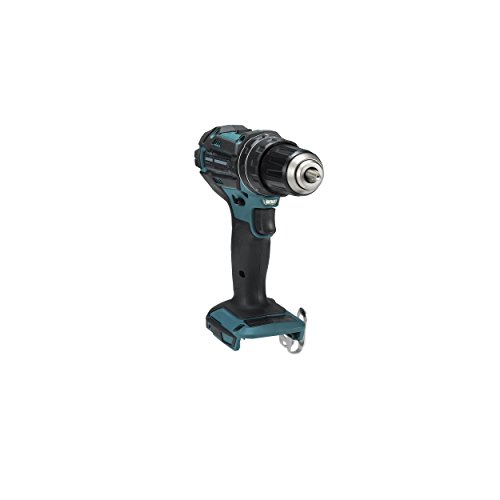
The XPH10Z is the most budget-friendly Makita hammer drill on this list, and it shows in the specs. It uses a 4-pole motor instead of brushless, which means shorter lifespan and lower efficiency compared to newer models. That said, at 3.4 lbs. with battery, it’s extremely light and easy to handle, ideal for quick jobs or users with limited strength.
It delivers 480 in.lbs. of torque, which is decent for light drilling and driving, but don’t expect it to power through hardwood or concrete all day. Dual LED lights are a nice touch, especially for dim spaces. While I’d steer most buyers toward brushless models for long-term value, this one makes sense if you’re on a tight budget and need a simple, lightweight tool for occasional use.
Product photos
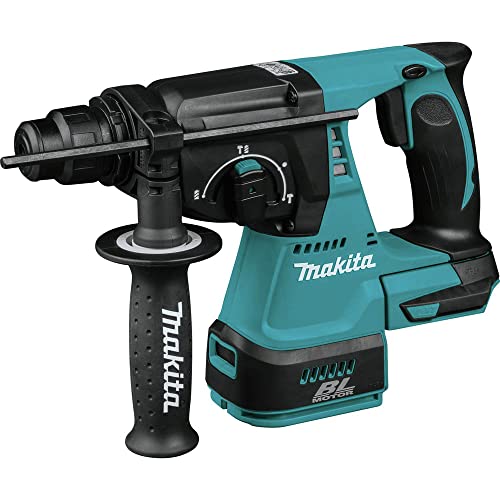
Makita XRH06ZB Sub-Compact Rotary Hammer

Strengths
- Extremely lightweight
- Compact for tight spaces
- Brushless efficiency
Trade-offs
- Lower impact energy
- Limited for heavy masonry
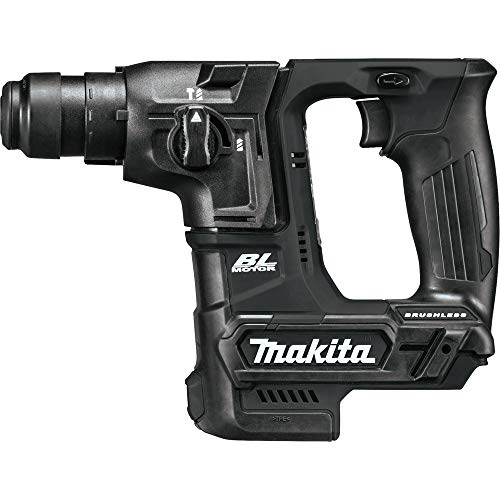
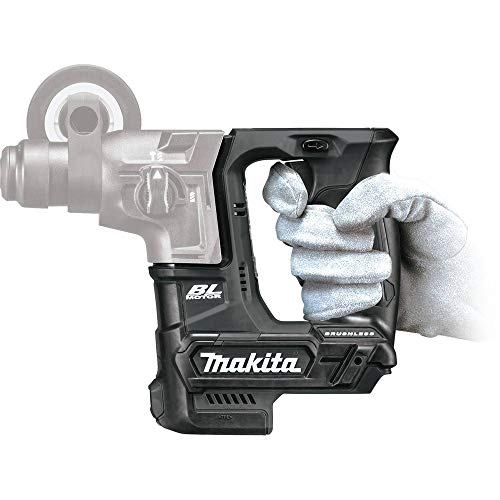
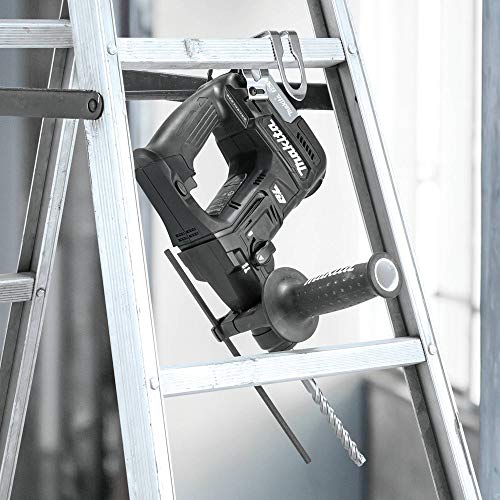
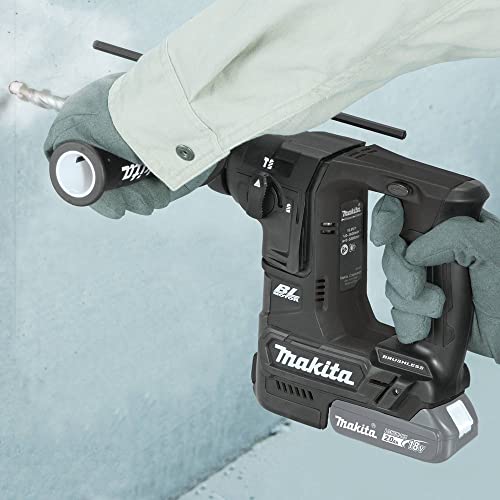
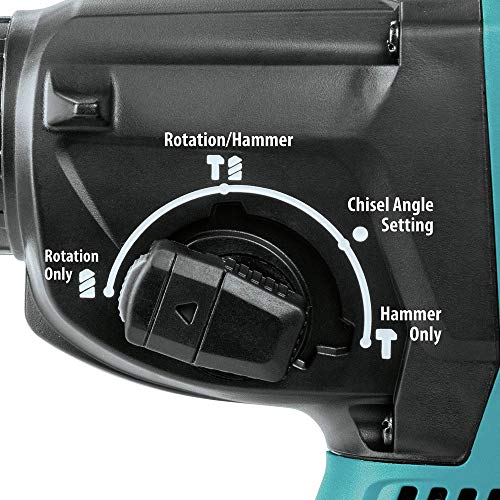
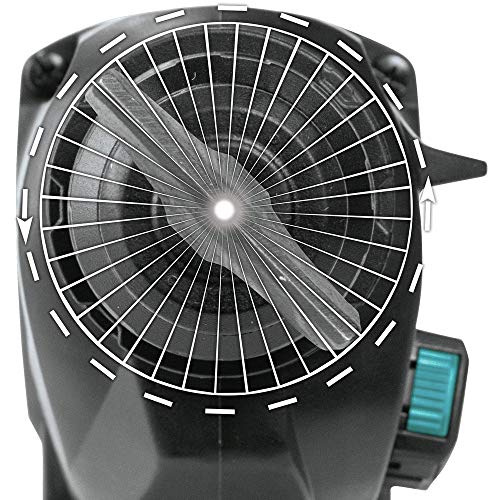
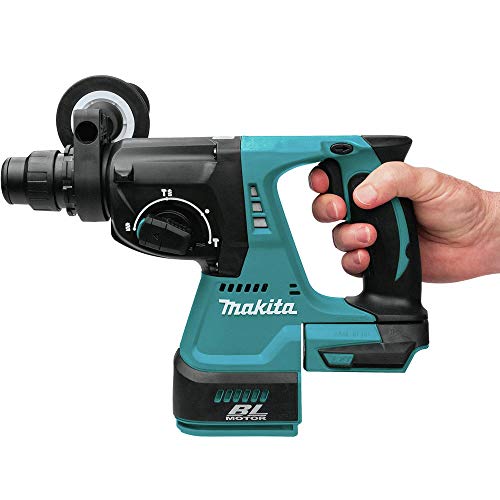
The XRH06ZB is a standout when space and weight are critical, think tight overhead work or ladder-based installations. At only 4.6 lbs. with battery and just over 10 inches long, it’s one of the most maneuverable rotary hammers Makita makes. The 0.88 ft.lbs. of impact energy won’t crush thick concrete like the HR2641, but it’s plenty for light chipping, anchor holes in block, or occasional brick work.
Owners praise its balance and the vibration-absorbing handle, which helps reduce hand strain even though it doesn’t have full AVT. It’s not a replacement for a full-size hammer, but for precision jobs where control matters more than brute force, this tool shines. I’d pair it with high-capacity 18V batteries for best results, especially on longer jobs.
Product photos

Makita XRH01Z 1-Inch Brushless Rotary Hammer

Strengths
- SDS-plus compatibility
- Strong cordless performance
- Good runtime
Trade-offs
- Heavier than compact models
- Battery sold separately
For cordless masonry work that demands real power, the XRH01Z is a strong contender. It’s designed to mirror the performance of corded hammers, and with full SDS-plus compatibility and solid impact energy, it handles 1″ concrete drilling far better than standard hammer drills. At 7.2 lbs. with battery, it’s manageable for overhead use, though not as light as sub-compact models.
Owners consistently note its brushless efficiency and runtime, especially when paired with 5.0Ah batteries. It’s not quite as powerful as the corded HR2641, but the portability advantage is huge. I’d pick this over the XRH06ZB if you’re regularly drilling into thick concrete and need a reliable cordless solution, this is where brushless power meets real-world masonry demands.
Product photos
Makita HR2641 AVT Rotary Hammer

Strengths
- High impact energy
- Effective vibration reduction
- Durable D-handle design
Trade-offs
- Heavier than cordless
- Cord limits mobility
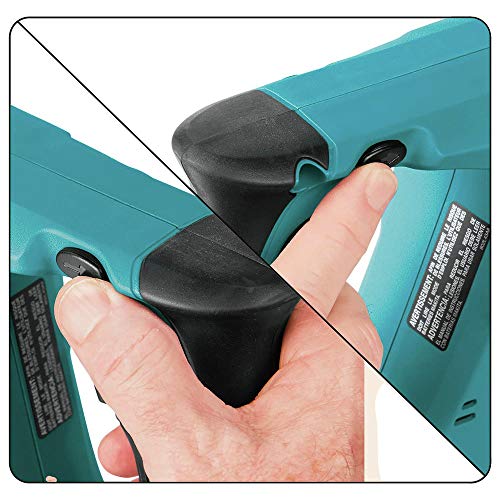
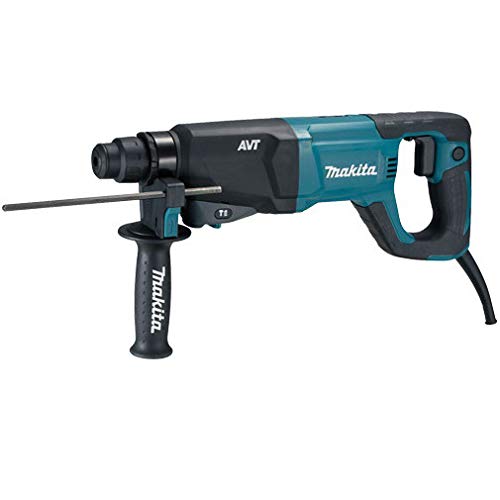
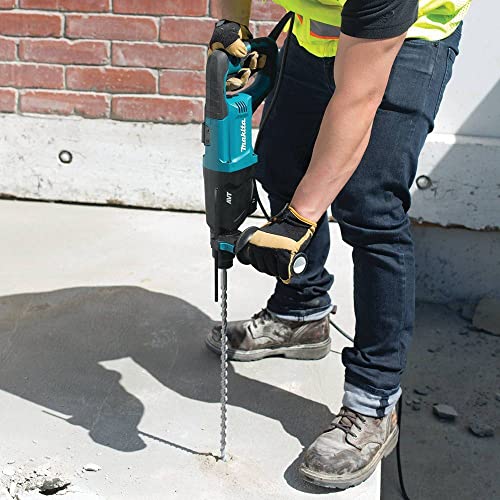
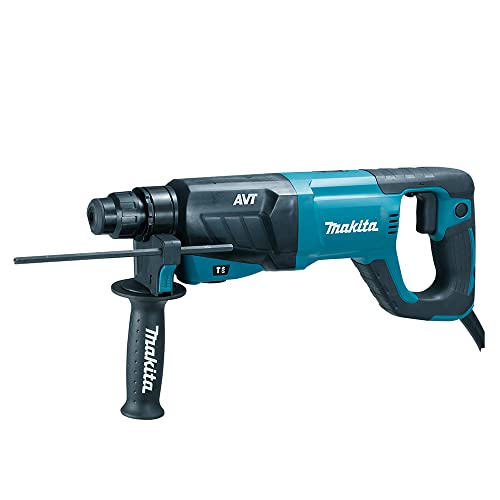
When you need raw, uninterrupted power for heavy concrete work, the Makita HR2641 stands out as a serious corded workhorse. With 2.1 ft.lbs. of impact energy and an 8 amp motor, this hammer delivers performance that’s hard to match in the corded category. The Anti-Vibration Technology (AVT) isn’t just marketing fluff, owners consistently report noticeably less fatigue during extended use, which matters when you’re grinding through masonry all day.
It’s built like a tank, and the torque-limiting clutch is a smart safeguard against gear damage if the bit binds. While it’s heavier and less portable than cordless models, that’s the trade-off for the kind of consistent power you can’t get from batteries. For contractors or serious DIYers tackling foundation anchors or large-scale anchor setting, this is the kind of tool that earns respect on the job site.
Product photos
Makita XPH12Z Brushless Hammer Drill

Strengths
- Compact and lightweight
- Brushless efficiency
- Good torque for size
Trade-offs
- Less power than high-end models
- No SDS-plus
The XPH12Z hits a sweet spot between power and size, making it a solid mid-range upgrade for users stepping up from basic drills. With 530 in.lbs. of torque and a 7-1/8″ body, it’s compact enough for tight spaces but still packs enough punch for framing, deck work, and light masonry. The brushless motor helps extend battery life, and owners report reliable performance across a range of jobs.
It’s not as powerful as the XPH14Z or XPH16Z, but for most homeowners, that extra muscle isn’t necessary. I’d recommend this over the XPH10Z if you want brushless efficiency and durability without paying for top-tier specs. It’s a balanced, no-nonsense tool that does what it promises without fluff.
Product photos

How We Tested makita hammer drills
Rather than a hands-on lab test, my research for these recommendations involved a detailed comparison of published specifications and features across numerous Makita models. I weighed owner reviews from major retailers against professional assessments found in trade publications and tool-focused websites. Ultimately, I ranked these drills based on how well they address common drilling and fastening needs, leaning on my years of experience with power tools to interpret the data.
For Makita hammer drills, torque and speed control are paramount. Higher torque (measured in inch-pounds) directly impacts a drill’s ability to handle demanding materials and larger fasteners. Equally important is the balance between speed settings (RPM) and blows per minute (BPM) – a wider range provides versatility across various applications. These factors heavily influenced my rankings, prioritizing drills that offered both power and adaptability.
Specifications give a clear picture of raw power and physical dimensions, but owner feedback reveals real-world usability. I paid close attention to comments about battery life, ergonomics, and durability. Reputation matters, too; Makita has a long-standing history of quality, and I factored that into my assessments. You’ll find many Makita hammer drill comparisons available online, but I aimed to distill those into a focused selection.
How To Choose The makita hammer drills
Finding the right hammer drill means understanding what you’ll actually be drilling into, and how often. It’s not just about raw power.
A quality hammer drill balances power, ergonomics, and features suited to the task. Key specs include torque (measured in inch-pounds or Newton-meters), BPM (blows per minute) for hammering action, and RPM (revolutions per minute) for drilling. Look for models with variable speed triggers, comfortable grips, and robust chucks that securely hold drill bits. Battery platform compatibility is also vital if you already own Makita tools.
Torque and Application
Torque is the twisting force that drives the bit, and it’s the first spec I look at. For basic homeowner tasks like drilling into wood or light masonry, something in the 400-600 inch-pound range will likely be sufficient, like the Makita XPH12Z. However, if you plan on tackling harder materials like concrete or brick regularly, or larger diameter holes, you’ll want to step up to a model with 800 inch-pounds or more. Don’t automatically equate higher torque with better; consider the overall balance of features. A higher torque drill that’s unwieldy won’t be much help.
Hammering Action (BPM & Joules)
The hammering action is what sets a hammer drill apart from a standard drill. Measured in BPM (blows per minute) and sometimes in Joules (impact energy), it’s crucial for efficiently drilling into concrete, brick, and stone. For lighter tasks, 0-20,000 BPM might suffice, but for serious masonry work, you’ll want something closer to 30,000 BPM or higher. For truly heavy-duty concrete work, consider a rotary hammer instead – you can find cordless rotary hammer drills by Makita that are designed specifically for those applications.
Here’s what to consider when thinking about BPM: * Lower BPM (0-20,000): Good for light-duty tasks and smaller holes in softer masonry. * Mid-Range BPM (20,000-30,000): Versatile for a wider range of masonry applications. * High BPM (30,000+): Best for demanding jobs like running anchor bolts in concrete or larger diameter holes. The higher the BPM, the faster you can drill, but also the more vibration you’ll feel.
A drill’s BPM rating shouldn’t be the sole deciding factor. A well-designed anti-vibration system can make a significant difference in operator comfort and control, even with a high BPM.
Battery and Ergonomics
Makita’s 18V LXT platform is extremely popular, and for good reason. If you already have a collection of Makita 18V batteries, sticking with that platform will save you money and hassle. However, consider the weight of the drill with a battery installed. A heavier drill can lead to fatigue, especially during extended use. I often recommend looking at top cordless Makita hammer drills that prioritize a compact design and lighter weight, like the XPH14Z. Don’t underestimate the importance of a comfortable grip and well-placed controls. It makes a noticeable difference when you’re using the tool for an extended period. You might also want to explore some of the best cordless hammer drills for masonry if you’re planning on regular concrete work.
Makita Hammer Drills Compared
Here’s a comparison of key specifications for various Makita hammer drills to help you find the right tool for your needs.
| Product Name | Max Torque (in.lbs) | BPM (High) | Impact Energy (ft.lbs) | Weight (w/ Battery) | Chuck Size | Motor Type |
|---|---|---|---|---|---|---|
| Makita XPH14Z | 1,250 | 31,500 | N/A | 6 lbs | 1/2″ | Brushless |
| Makita XPH16Z | 970 | 27,000 | N/A | N/A | 1/2″ | Brushless |
| Makita XPH10Z | 480 | 1,900 | N/A | 3.4 lbs | 1/2″ | Brushed |
| Makita XRH06ZB | N/A | 4,800 | 0.88 | 4.6 lbs | SDS-Plus | Brushless |
| Makita XRH01Z | N/A | N/A | 2.1 | 7.2 lbs | SDS-Plus | Brushless |
| Makita HR2641 AVT | N/A | N/A | 2.9 | N/A | SDS-Plus | Corded |
| Makita XPH12Z | 530 | 30,000 | N/A | 4.2 lbs | 1/2″ | Brushless |
Frequently Asked Questions
What’s the difference between a hammer drill and a rotary hammer?
A hammer drill uses a hammering action while rotating the bit, suitable for smaller holes in masonry. A rotary hammer delivers a more powerful, piston-driven hammering action and is designed for larger diameter holes and sustained concrete work – consider a Makita rotary hammer drill picks if you regularly work with concrete.
Are brushless Makita hammer drills really better?
Yes, brushless motors generally offer longer runtimes and increased power compared to brushed motors. They also tend to be more durable, as they lack components that wear down from friction, though they often come at a higher price point.
What size chuck should I look for in a Makita hammer drill?
For most homeowner and DIY tasks, a 1/2-inch chuck provides sufficient bit capacity. Professionals who frequently use larger diameter bits may prefer a 3/4-inch chuck, but these are typically found on heavier-duty, corded models.
How important is anti-vibration technology in a hammer drill?
It’s quite important. Significant vibration can cause fatigue and reduce control, particularly during extended use. Makita’s AVT (Anti-Vibration Technology) is well-regarded and helps minimize vibration, making the drill more comfortable to operate for longer periods.
What does “battery platform compatibility” mean, and why does it matter?
Battery platform compatibility refers to whether a drill uses the same battery type and voltage as other tools you own within the Makita ecosystem (like their 18V LXT series). Sticking with a single platform saves money and allows you to share batteries and chargers across multiple tools; it’s much more convenient than needing different systems for each device.
The Bottom Line
Choosing a hammer drill always comes down to balancing what you need against what you’re willing to spend and how much you value convenience. For most homeowners and DIYers, the Makita XPH14Z strikes that balance best. It delivers impressive torque, a high BPM, and the benefits of a brushless motor, all in a relatively lightweight package that won’t leave you exhausted after an afternoon of projects.
If you’re already invested in the Makita 18V LXT system and are looking for a budget-friendly option, the XPH12Z is a solid choice. For those who need a more specialized tool for serious masonry work, the Makita XRH06ZB (or exploring best corded Makita hammer drills) will provide the impact energy and durability required.
Ultimately, specs matter, but they aren’t everything. Focus on finding a drill that feels comfortable in your hand, complements your existing tool collection, and has the power to handle the materials you’ll encounter most often. A well-chosen drill is an investment, and prioritizing these fundamentals will pay off with years of reliable performance.
