8 Best Husqvarna Chainsaws of 2026
This post contains affiliate links. As an Amazon Associate, we earn from qualifying purchases.
The Husqvarna 555 stands out as the best overall gas-powered choice for serious cutting, delivering strong performance and durability. For homeowners with lighter needs, the Husqvarna 135 Mark II offers reliable power in a more manageable size, while the Power Axe 350i brings solid cordless convenience without sacrificing too much cutting force.
Most people don’t realize how quickly a poorly matched chainsaw can turn a simple yard job into a frustrating, even dangerous, experience. Too much power is hard to control, too little leaves you stranded mid-cut, and uncomfortable ergonomics lead to fatigue fast.
This guide cuts through the noise by focusing on real-world usability, based on specs, owner feedback, and years of working with power tools. I looked at engine performance, weight, safety features, and how well each model fits common homeowner and professional needs.
Top 8 Husqvarna Chainsaws in the Market
The Best Husqvarna Chainsaws, Reviewed
Husqvarna 555 Gas Chainsaw
Strengths
- High horsepower
- Durable magnesium crankcase
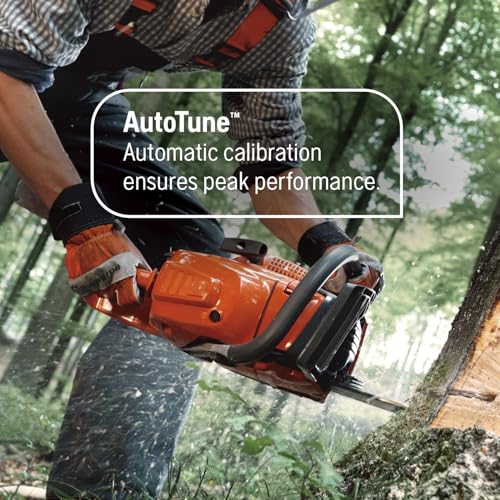
- AutoTune carburetor
- X-Cut chain included
- Side-mounted tensioner
Trade-offs
- Heavier than mid-range models
- Higher fuel consumption
- Not ideal for occasional users
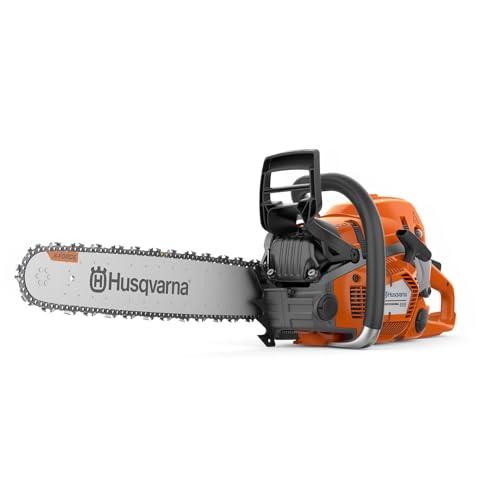
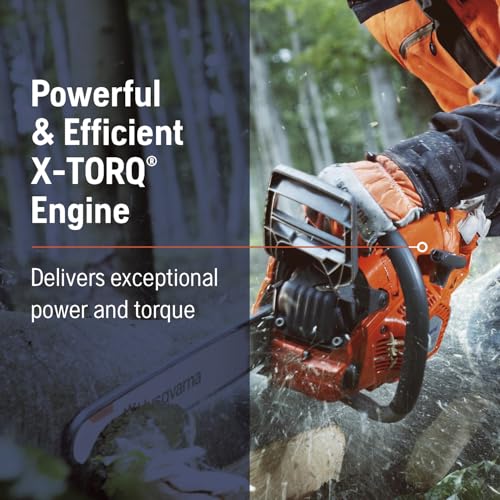
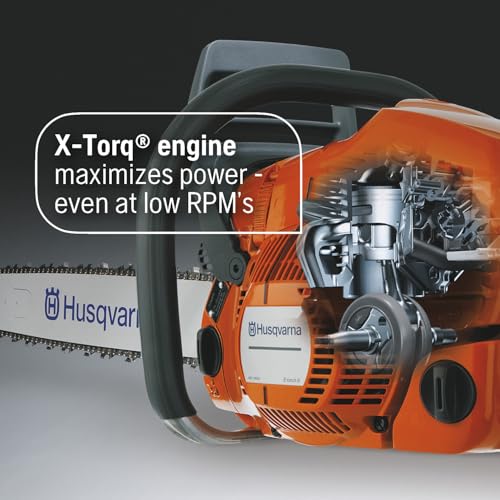
The Husqvarna 555 stands out as a serious step up in power and durability, built for users who need a reliable workhorse for felling midsize trees and sustained cutting. With a 59.8-cc X-Torq engine rated at 4.16 HP, it delivers strong low-end torque and cleaner combustion, which owners consistently report translates to fewer stalling issues and longer run times between refuels. The magnesium crankcase helps keep weight down without sacrificing rigidity, and the side-mounted tensioner is a small but appreciated detail that makes chain adjustments faster.
It shares some DNA with the Rancher series but pushes beyond them in both displacement and intended use. Compared to the 460 Rancher, it has a slightly higher horsepower rating and a more robust build, making it better suited for demanding cuts. The X-Cut chain helps maintain sharpness longer, and the AutoTune carburetor is a real advantage in variable climates where manual adjustments would otherwise be needed. This is the kind of saw that gets recommended by users who split wood regularly or manage wooded property.
Product photos

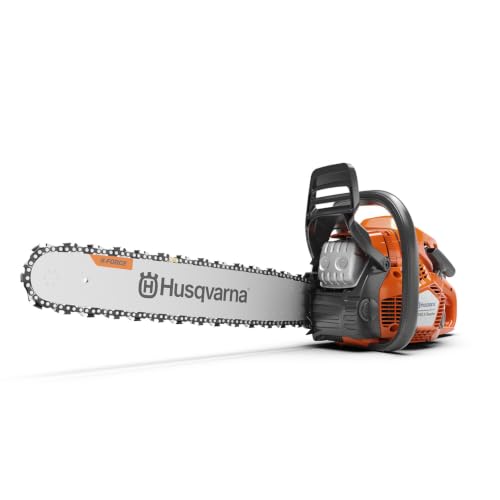
Husqvarna 450X Rancher 20 Inch
Strengths
- AutoTune for optimal performance
- 30% faster cutting claim supported by owners
- Optimized cooling system
- X-Cut chain for durability
- Smooth operation in varied conditions
Trade-offs
- Higher price than standard 450
- Minimal power gain over 450
- Not designed for felling large trees
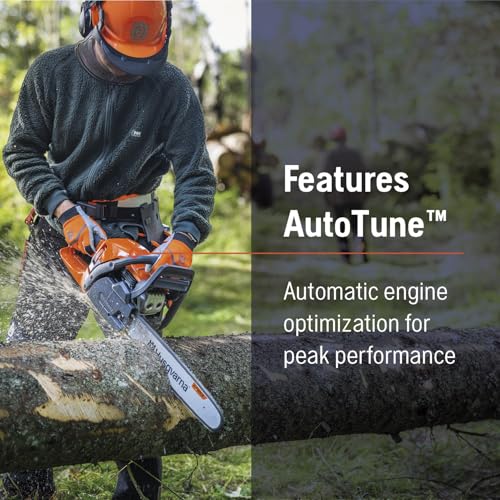
The 450X Rancher is essentially the firewood specialist of the lineup, with AutoTune and a 3.4-HP engine that delivers smoother, more consistent performance across conditions. The AutoTune feature is a standout for users who hate fiddling with carb adjustments, owners report fewer cold-start issues and better throttle response, especially at elevation or in changing weather. The optimized cooling system also helps prevent overheating during long splitting sessions, which is a real benefit when you’re working through a full cord.
It’s only slightly more powerful than the standard 450 Rancher, but the refinements matter. The X-Cut chain stays sharp longer, and the LowVib system makes extended use more comfortable. Compared to the 455, it trades a bit of displacement for smarter engine management. If you’re cutting firewood regularly and want a saw that starts easily and runs cleanly, this is the better pick.
Product photos


Husqvarna 450 Rancher 20 Inch

Strengths
- Well-balanced 20-inch build
- Comfortable ergonomic design
- LowVib reduces fatigue
- Smart Start works consistently
- Good value for power class
Trade-offs
- Less power for dense hardwood
- Auto oiler can be inconsistent
- Not for heavy felling
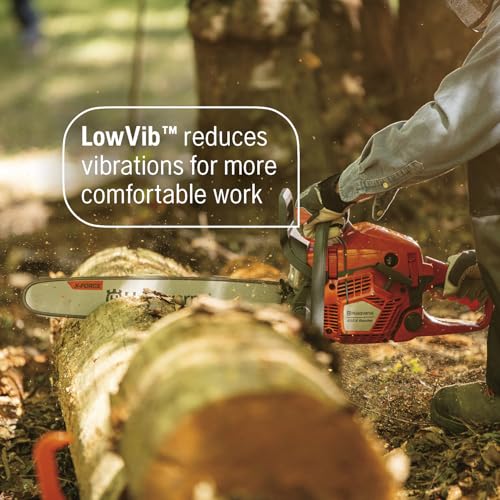
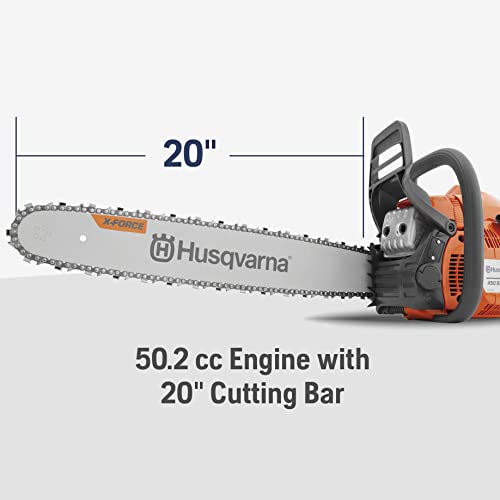
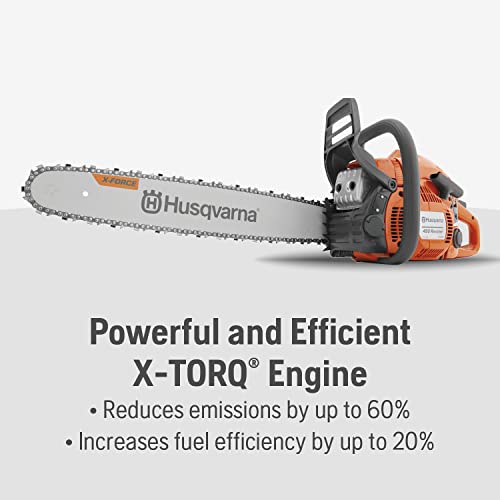
The 450 Rancher is a solid mid-range performer that delivers reliable power without overcomplicating things. At 50.2 cc and 3.2 HP, it’s tuned for everyday yard tasks, pruning, bucking, and light firewood cutting, and does them well. The asymmetrical handle and soft inlay trigger improve grip and reduce hand strain, which owners appreciate during longer sessions. LowVib and Smart Start are standard here, and they work as intended, making this one of the easier gas saws to start and control.
It’s the baseline model for users stepping up from entry-level saws but not ready to invest in a 460 or 555. Compared to the 440, it offers more power and a longer bar; compared to the 455, it’s lighter and more affordable but less aggressive. For most suburban homeowners with a mix of cutting needs, the 450 Rancher is the logical choice. It’s not flashy, but it’s dependable.
Product photos

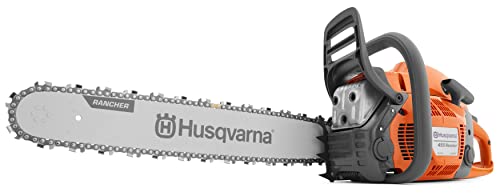
Husqvarna 455 Rancher Gas Chainsaw
Strengths
- Strong 56-cc engine
- Reliable Auto Oiler
- Air Injection extends maintenance intervals
- Comfortable ergonomics
- Good balance with 20-inch bar
Trade-offs
- Heavier than lighter models
- Slightly pricier than entry-level Ranchers
- Not ideal for tight overhead cuts
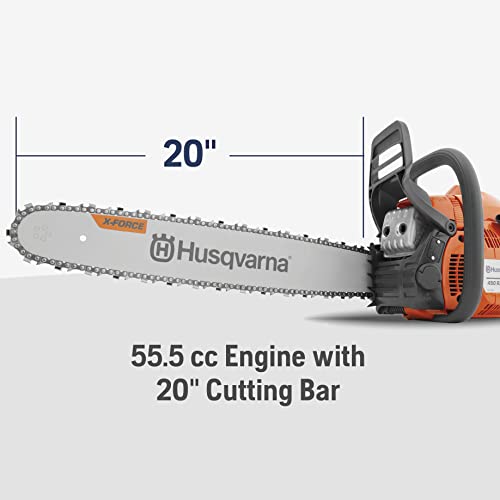
The 455 Rancher hits a sweet spot between power and practicality, making it a favorite for heavy yard work. With a 56-cc engine and 3.5 HP, it’s more than capable of handling thick limbs, stacked firewood, and storm debris without bogging down. The Air Injection system is a standout, owners consistently report fewer air filter cleanings and longer engine life, especially when cutting in dusty or dry conditions. The 20-inch bar offers a good reach without making the saw unwieldy, and the LowVib system helps reduce fatigue during full-day jobs.
It’s slightly less powerful than the 460 Rancher but more than sufficient for most residential and semi-pro tasks. Compared to the 450 Rancher, it gains displacement and cutting aggression, making it worth the upgrade for users who process a lot of wood. The automatic oiler is reliable, and the Smart Start system works well after the first few uses. This is the saw I’d reach for if I were splitting a cord or two every weekend.
Product photos


Husqvarna 460 Rancher 24 Inch

Strengths
- High torque at low RPM
- Automatic oil pump
- Excellent ergonomics
- Air Injection for engine protection
- Handles 24-inch bars well
Trade-offs
- Heavier than mid-range models
- Price sits at the upper end for non-pro saws
- Can be overkill for small yards
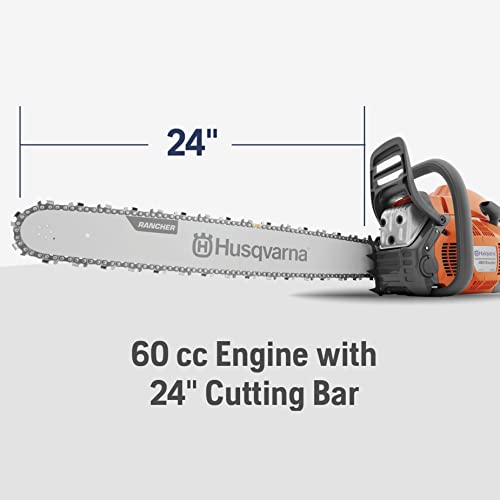
If you’re dealing with large trees or clearing overgrown land, the 460 Rancher is built for that job. With a 60.3-cc engine and 3.6 HP, it’s one of Husqvarna’s most capable general-purpose gas saws, offering strong torque and consistent performance even under load. The automatic oil pump ensures proper chain lubrication, which owners say helps reduce wear during long cutting sessions. The 7-degree offset handle and LowVib system make it noticeably more comfortable than older models, especially when working overhead or for extended periods.
It’s often compared to the 555, and while the 555 has slightly more horsepower, the 460 Rancher’s balance of power, ergonomics, and fuel efficiency makes it a smarter buy for most serious users. The Air Injection system also helps keep the engine clean in dusty conditions, which is a real advantage in dry climates. This is the saw I’d recommend to someone managing several acres or doing regular land clearing.
Product photos
Husqvarna Power Axe 350i

Strengths
- Quiet brushless motor
- Boost Mode for extra power
- Battery and charger included
- Part of 40V system
- Tool-less chain tensioning
Trade-offs
- Battery life under heavy load
- Limited runtime for large jobs
- Higher upfront cost
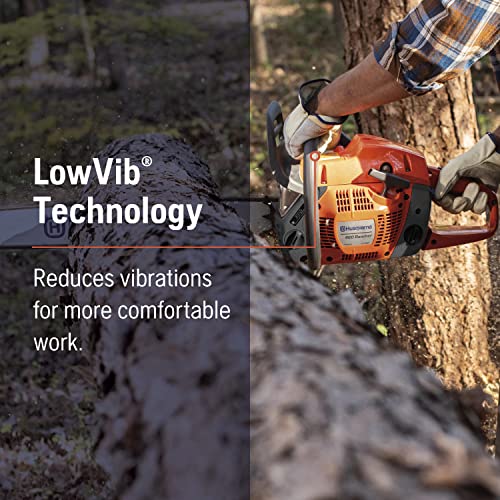
The Power Axe 350i challenges the idea that cordless means compromise. With a brushless motor and Boost Mode, it’s designed to outperform gas saws in its class, on paper and according to many owners who’ve put it to work on fallen limbs and standing trees. The 18-inch bar keeps it manageable, and the 40V 7.5 Ah battery delivers enough runtime for moderate cutting sessions, especially when not running in Boost the whole time. The fact that it’s part of Husqvarna’s modular 40V ecosystem is a major plus for anyone already using their trimmers, blowers, or other tools.
It’s significantly quieter and requires far less maintenance than gas models, which makes it a favorite among suburban users and those with noise-sensitive neighbors. Still, it’s not a full replacement for a heavy-duty gas saw when you’re deep in the woods all day. The cutting power is impressive, but battery availability and recharge time are real limitations compared to the instant refuel of gas. I’d still pick this over a gas saw for most suburban tree work if you’re already invested in the platform.
Product photos


Husqvarna 135 Mark II 16 Inch

Strengths
- Affordable entry point
- Lightweight and easy to handle
- Smart Start works well
- Durable for its class
- Low maintenance
Trade-offs
- Underpowered for large logs
- 16-inch bar limits cutting capacity
- Not for frequent or heavy use
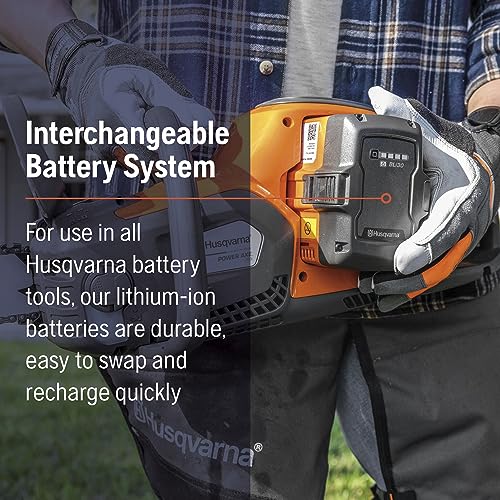
The 135 Mark II is Husqvarna’s most budget-friendly gas saw, but it doesn’t feel cheap. At 38 cc and 2.1 HP, it’s built for light-duty tasks like pruning, trimming, and cutting small logs, exactly what most homeowners actually need. The Smart Start system makes it one of the easiest small saws to fire up, and the LowVib system helps reduce fatigue during short sessions. Owners consistently report it lasts for years with basic maintenance, which speaks to its build quality.
It’s not a replacement for a larger Rancher, but it’s also not trying to be. Compared to the 440, it’s less powerful but lighter and more affordable. For someone with a few trees and occasional storm debris, the 135 Mark II is more than enough. It’s the kind of saw that earns loyalty because it just works when you need it, then gets tucked back in the garage.
Product photos


Husqvarna 440 Gas Chainsaw

Strengths
- Lightweight and balanced
- Smart Start reliable
- LowVib reduces fatigue
- Air Injection extends engine life
- Low fuel consumption
Trade-offs
- Underpowered for large logs
- 18-inch max bar limits reach
- Less aggressive cutting than larger models
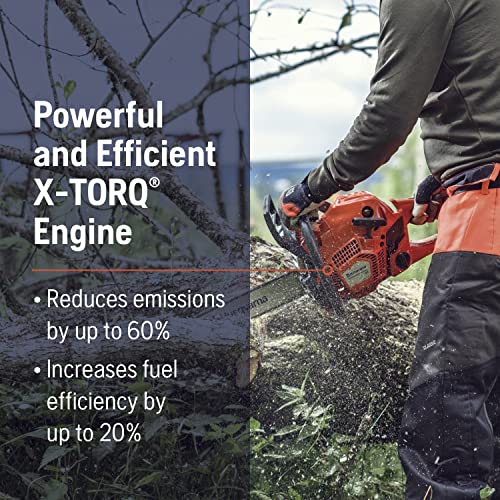
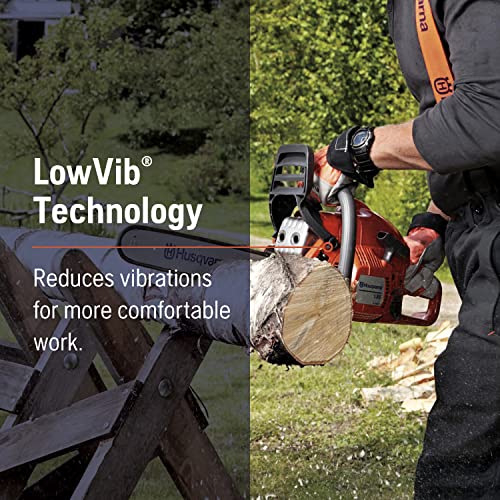
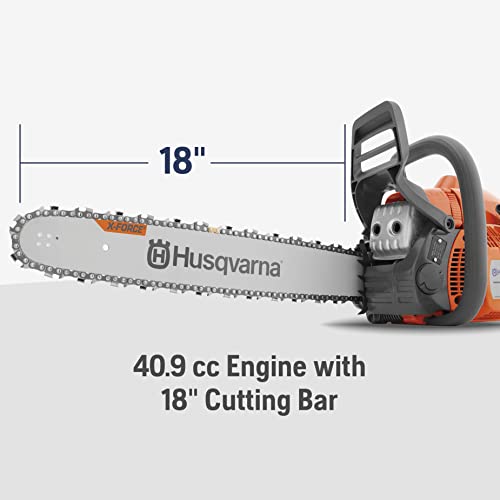
The 440 is the lightweight champion of Husqvarna’s lineup, built for users who want gas-powered reliability without the heft. At 40 cc and 2.4 HP, it’s tuned for efficiency and ease of use, making it a go-to for pruning, storm cleanup, and occasional firewood cutting. Air Injection and LowVib are standout features here, owners frequently praise the reduced maintenance and smoother operation, especially during longer sessions. The Smart Start system also delivers on its promise, with most reporting reliable cold starts in just a few pulls.
It’s not meant for felling large trees, but that’s not its job. Compared to the 450 Rancher, it’s lighter and easier to maneuver, though noticeably less powerful. For someone maintaining a small property or handling routine tree work, the 440 strikes the right balance. It’s the kind of saw you can leave in the garage and grab without hesitation when a branch comes down after a storm.
Product photos
How We Chose These husqvarna chainsaws
Rather than a hands-on lab test, my research for these recommendations involved a detailed comparison of published specifications and features across the Husqvarna lineup. I weighed owner reviews from multiple sources, alongside professional reviews from sites specializing in forestry and landscaping equipment. My evaluation considered years of experience with power tools and a focus on what truly matters to both homeowners and professionals.
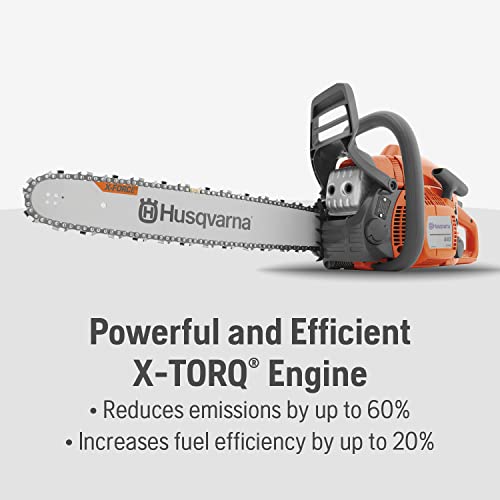
For Husqvarna chainsaws, engine power (cc and HP), weight, and the inclusion of features like X-Torq technology and Smart Start were heavily weighted. A powerful engine is essential for tackling various cutting tasks, while a lighter saw reduces fatigue during extended use. X-Torq is a significant benefit for fuel efficiency and emissions, and Smart Start simplifies starting, a common pain point for gas-powered tools.
Specifications reliably indicate engine size, weight, and bar length. However, I placed significant value on owner feedback regarding long-term durability, ease of maintenance, and real-world performance. Reputation matters; consistent praise for a saw’s reliability or criticisms about its vibration levels heavily influenced the rankings. Proper chainsaw sharpening sharpen chainsaw blade is also a critical factor in performance, though this guide focuses on the saws themselves.
How To Choose The husqvarna chainsaws
Picking the right chainsaw isn’t just about horsepower; it’s about matching the tool to the job and your experience level.
A good chainsaw balances power, weight, ease of use, and safety features. Key considerations include engine displacement (for gas models), battery voltage and amp-hours (for electric), bar length relative to typical cutting tasks, and the presence of features like automatic chain brakes and anti-vibration systems. Proper maintenance, including regular sharpen saw chain, is also critical for performance and safety.
Engine Type & Power
For most homeowners, the choice comes down to gas versus cordless electric. Gas chainsaws, like the Husqvarna 555, offer the most raw power and run time, making them ideal for felling trees or bucking large limbs. However, they require more maintenance (fuel mixing, air filter cleaning) and are significantly heavier. Cordless electric models, like the Husqvarna Power Axe 350i, are quieter, require minimal upkeep, and are lighter, but their run time is limited by battery capacity. If you’re only tackling small jobs around the yard, electric is often sufficient.
Bar Length & Cutting Needs
Don’t overbuy on bar length. A longer bar isn’t always better. The “sweet spot” is determined by what you’ll be cutting most often. For limbing and small tree felling, a 16- to 18-inch bar is usually sufficient. Larger trees (over 12 inches in diameter) demand a 20- to 24-inch bar. Remember that a longer bar increases weight and requires more power to operate efficiently. It’s better to have a smaller, more manageable saw that you can control than a larger one that’s difficult to handle.
Here’s a quick guide: * Small jobs (brush, small limbs): 14-16 inches * Medium jobs (felling small trees, bucking firewood): 18-20 inches * Large jobs (felling large trees, serious firewood processing): 20-24 inches – and consider looking at the top gas-powered models for these tasks.
Ergonomics & Safety Features
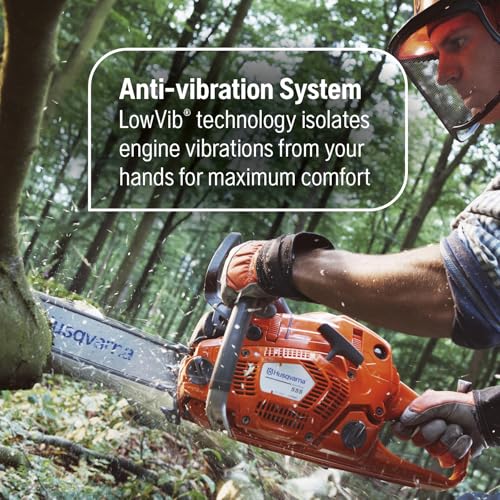
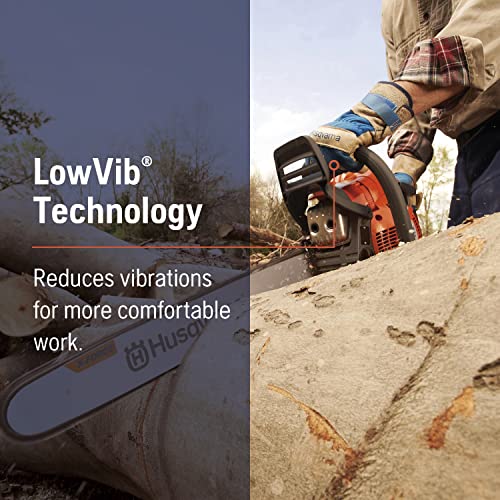
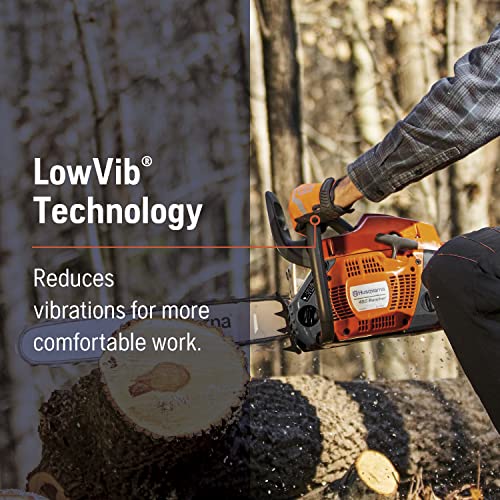
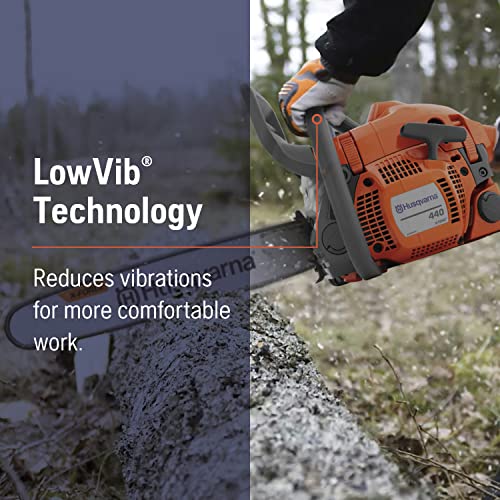
Chainsaw kickback is a serious hazard, so prioritize a saw with a fast-acting chain brake. Beyond that, look for features that reduce fatigue. LowVib technology, found in many Husqvarna models, uses dampeners to minimize vibrations transferred to your hands and arms. A well-balanced saw with comfortable grips will make longer jobs far less taxing.
A comfortable chainsaw is a safe chainsaw. Don’t underestimate the importance of a good grip, balanced weight, and vibration reduction features when choosing a model.
Husqvarna Chainsaws Compared
Here is a comparison of specifications for various Husqvarna chainsaw models.
| Model | Bar Length (in) | Engine Size (cc) | HP | Technology | Weight (lbs) |
|---|---|---|---|---|---|
| Husqvarna 555 | 24 | 59.8 | 4.16 | X-Torq, Smart Start | N/A |
| Husqvarna 450X Rancher | 20 | N/A | N/A | AutoTune, Smart Start | N/A |
| Husqvarna 450 Rancher | 20 | 50.2 | 3.2 | X-Torq, Smart Start | N/A |
| Husqvarna 455 Rancher | 20 | 56 | 3.5 | X-Torque, Smart Start | N/A |
| Husqvarna 460 Rancher | 24 | 60.3 | 3.6 | X-Torque, Smart Start | N/A |
| Husqvarna Power Axe 350i | 18 | N/A | N/A | Brushless Motor, Boost Mode | N/A |
| Husqvarna 135 Mark II | 16 | 38 | 2.1 | X-Torq, Smart Start | N/A |
| Husqvarna 440 | 18 | 40 | 2.4 | X-Torq, Smart Start | N/A |
Frequently Asked Questions
What size chainsaw is best for occasional homeowner use?
A 16- to 18-inch chainsaw is generally ideal for occasional use, as it’s capable of handling most tasks around the yard like limbing and cutting firewood without being overly cumbersome. These sizes offer a good balance of power and maneuverability for typical homeowner needs.
Are Husqvarna chainsaws difficult to start?
Many Husqvarna models incorporate Smart Start technology, which reduces the effort needed to pull the starter cord, making them easier to start than some competitors. However, proper starting procedure and occasional maintenance are still important for reliable operation.
How does X-Torq technology benefit me?
X-Torq is a Husqvarna engine technology designed to reduce emissions and improve fuel efficiency; this means you’ll use less fuel and create fewer pollutants while working. It also often contributes to smoother engine operation.
What should I look for in a chainsaw if I frequently cut large diameter wood?
If you regularly cut trees larger than 12 inches in diameter, prioritize a chainsaw with at least a 20-inch bar and an engine with at least 4 horsepower. Consider one of the top gas-powered models for these demanding tasks.
What are my options if I want a lightweight, easy-to-maintain chainsaw?
Husqvarna’s cordless electric chainsaws, like the Power Axe 350i, offer a lightweight and low-maintenance alternative to gas-powered models. If you need a more powerful battery-operated option, explore the best cordless chainsaws available.
The Bottom Line
Choosing a chainsaw often comes down to balancing power with usability. For most homeowners and landowners tackling regular yard work and occasional felling, the Husqvarna 450 Rancher strikes that balance exceptionally well. It delivers enough power for substantial tasks without being overly heavy or complicated to maintain, and its X-Torq engine is a real benefit.
If budget is a primary concern, the Husqvarna 135 Mark II is a solid entry point. And for those prioritizing convenience and lighter weight, the Husqvarna Power Axe 350i offers a compelling cordless experience, though be mindful of battery run time for larger projects. It’s a great option for quick jobs around the property.
Ultimately, the horsepower and bar length figures are secondary to finding a saw that fits you and the work you’ll be doing. Prioritize a chainsaw with a fast-acting chain brake and features that minimize fatigue, and always remember to learn proper chainsaw starting steps and safety procedures before you begin.
