
7 Best Homeowner Chainsaws of 2026
This post contains affiliate links. As an Amazon Associate, we earn from qualifying purchases.
The EGO POWER+ 16″ 56V stands out as the best overall homeowner chainsaw, delivering strong cutting power and excellent battery life in a well-balanced package. For budget-conscious buyers, the DongCheng 40V 16-Inch Brushless offers solid performance at a lower price, while the Seesii 6-Inch Mini Cordless is a surprisingly handy option for light trimming and small jobs.
Most homeowners don’t need a pro-grade saw, but they still want something reliable that won’t struggle through storm cleanup or weekend yard work. Too many people buy based on power alone and end up with a heavy, unwieldy tool they dread using.
This guide cuts through the noise, focusing on real-world usability, safety, and value. I compared specs and owner feedback to find models that balance performance with practicality, so you can choose with confidence, not guesswork.
Top 6 Homeowner Chainsaws in the Market
The Best Homeowner Chainsaws, Reviewed
16-Inch 2000W Brushless Cordless Chainsaw
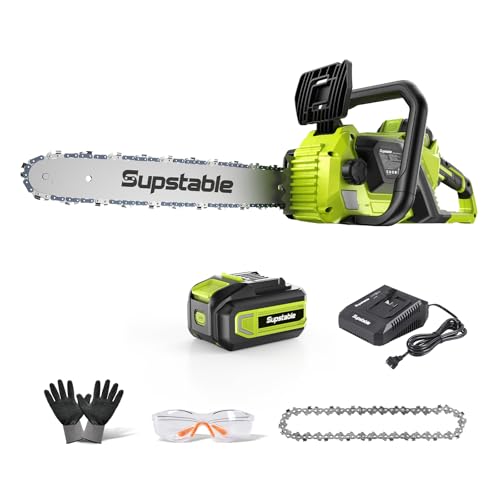
Strengths
- 2000W brushless motor
- 4.0Ah battery included
- Triple safety system
Trade-offs
- 40V only, not expandable
- Battery not swappable with other brands
- Slightly shorter runtime than claimed
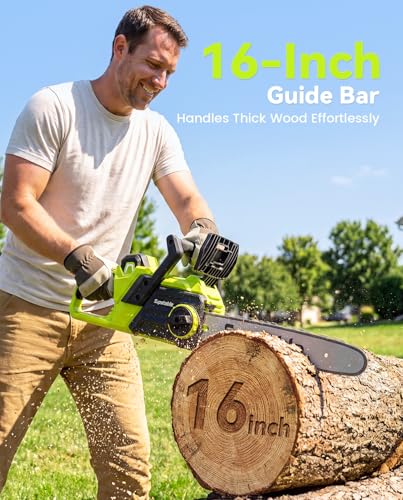
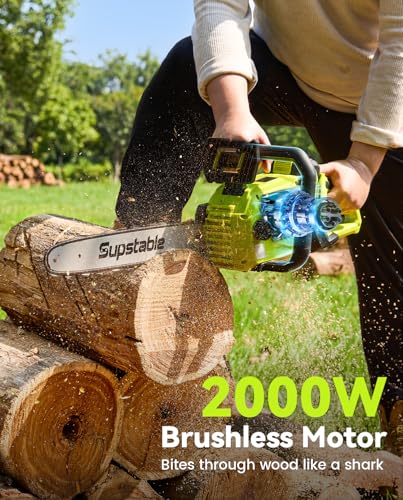
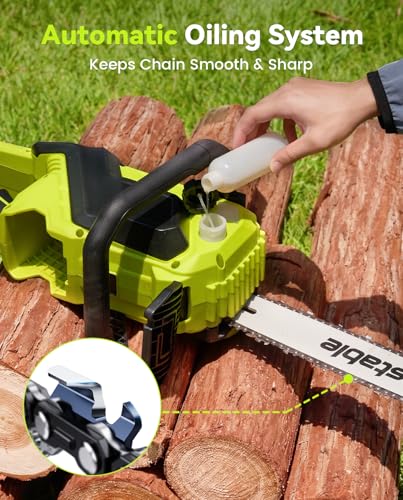
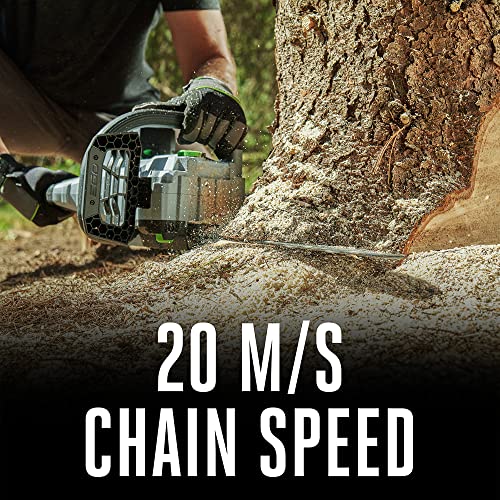
This 40V 2000W brushless model claims gas-level performance, and the specs back it up: 35 ft/s chain speed and up to 50 minutes of runtime on a 4.0Ah battery. Owners consistently report it handles 12-inch logs with ease, which puts it solidly in homeowner territory. The brushless motor is a big plus, it runs cooler and lasts longer than brushed equivalents. And the triple safety system, including instant brake and overload protection, gives it a more professional feel than most budget cordless saws.
It’s nearly identical in performance to the DongCheng model, but lacks the dual-battery advantage. Still, the included fast charger and single high-capacity battery make it a strong all-in-one package. For most homeowners, this is the sweet spot between power, safety, and convenience.
Product photos
DongCheng 40V 16-Inch Brushless Chainsaw
Strengths
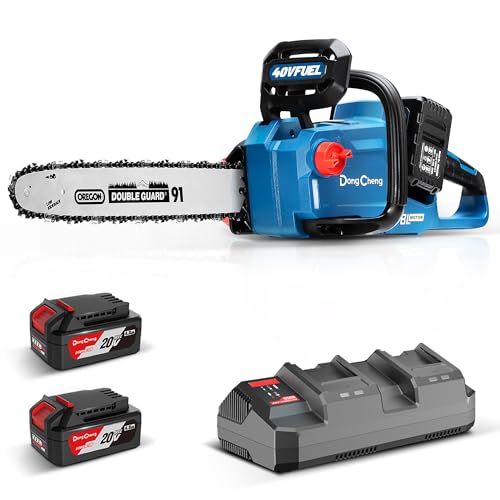
- Dual 4.0Ah batteries
- Brushless motor
- Tool-free tensioning
Trade-offs
- Less brand support
- Manual recommends battery balancing
- Charger not ultra-fast
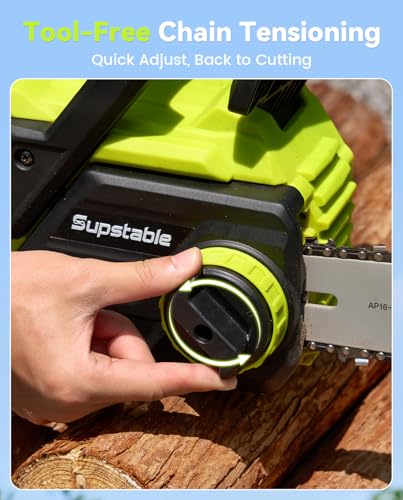
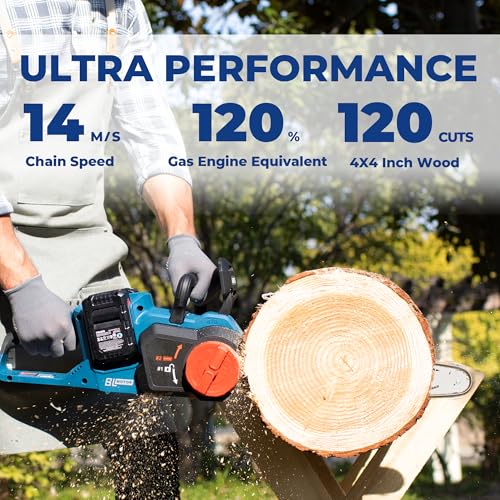
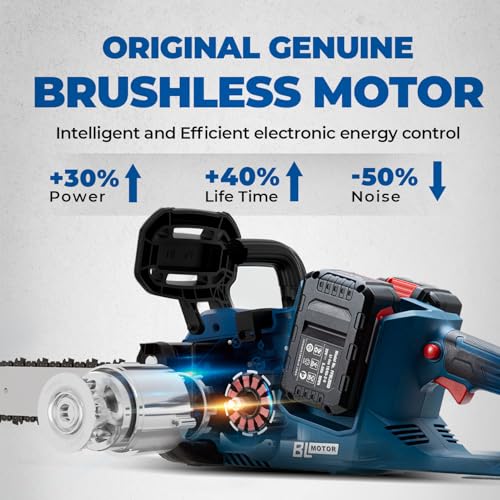
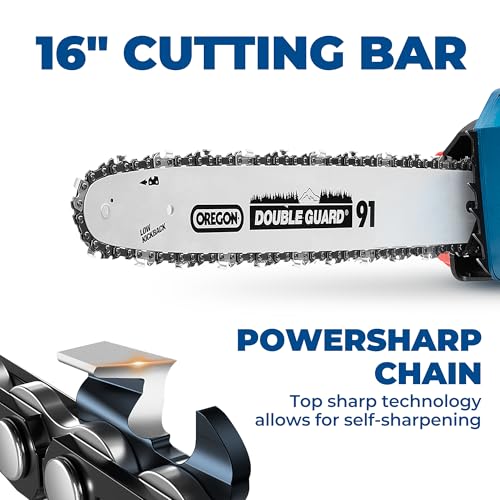
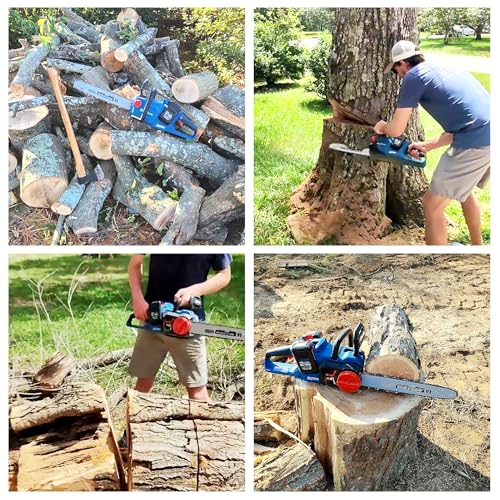
DongCheng isn’t a household name in the U.S., but this saw makes a strong case for their 40V ecosystem. With two 4.0Ah batteries included, it offers up to 120 cuts on 4x4s, numbers that match or exceed most competitors. The brushless motor delivers smooth, gas-like torque, and the tool-free tensioning works as advertised. But the real win is the battery compatibility: if you own other DongCheng 20V/40V tools, this becomes a no-brainer add-on.
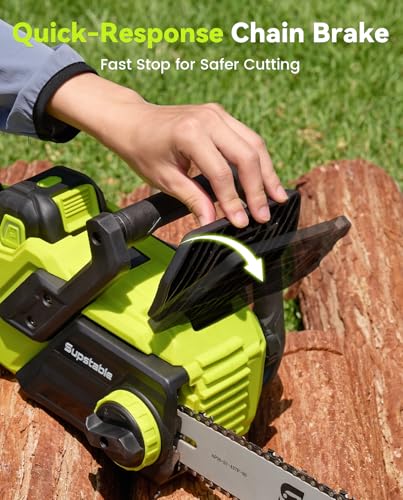
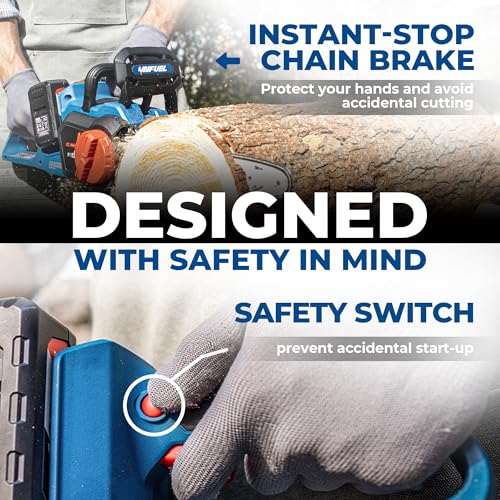
Owners praise the instant-start and quiet operation, especially compared to gas. The chain brake response under 0.1 seconds is also a standout safety feature. Against the EGO model, it trades some brand polish for raw value and battery flexibility. If you’re building a budget-conscious toolkit, this is hard to beat.
Product photos
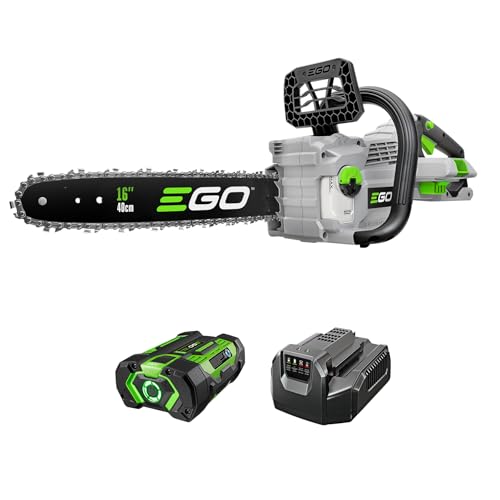
EGO POWER+ 16″ 56V Chainsaw
Strengths
- Strong 56V system
- Weather-resistant
- Tool-free tensioning
Trade-offs
- Smaller battery included
- Higher price point
- Bar length not expandable
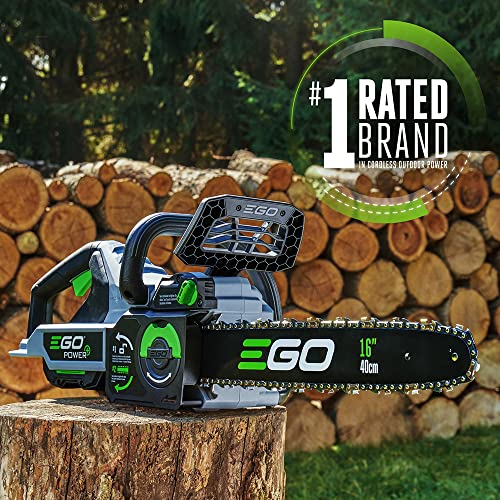
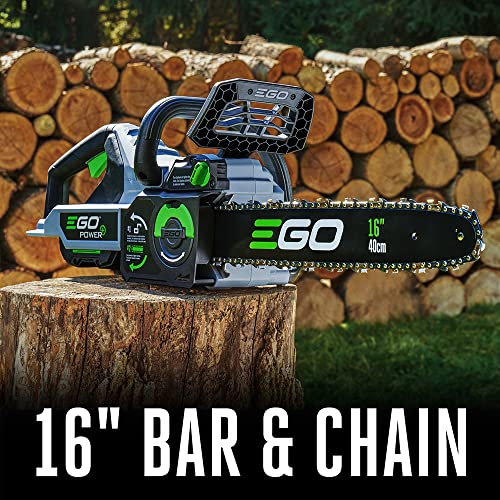
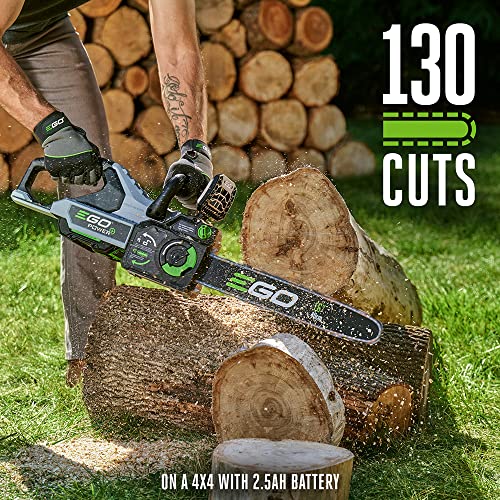
The EGO 16-inch chainsaw stands out in the battery-powered class for its runtime and build quality. With a 56V system and a 2.5Ah battery included, it claims up to 130 cuts on a 4×4, numbers that align with what owners report in suburban yard work. That’s real-world usable power, not just lab specs. The IPX4 rating means it shrugs off light rain, which matters when you’re caught mid-job. And the tool-free chain tensioning is a small feature that makes a big difference when you’re in a rhythm.
Compared to the 40V models like the Seesii or the 40V generic-branded saws, EGO’s higher voltage gives it better sustained power under load. It doesn’t bog down as easily on thick branches. I’d pick this over the DongCheng if you’re already using EGO tools, battery compatibility is where it really wins.
Product photos

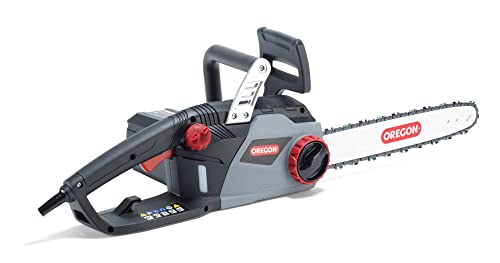
Oregon CS1400 15 Amp Electric Chainsaw
Strengths
- Consistent corded power
- Low kickback chain
- 2-year warranty
Trade-offs
- Requires extension cord
- Not portable
- Only for light to mid-duty use
The Oregon CS1400 is a throwback in the best way, it’s corded, simple, and built to last. With a 15-amp motor and a 16-inch bar, it delivers consistent power as long as you’ve got an outlet. No battery anxiety, no fuel mixing. The ControlCut chain really does stay sharper longer, and reviewers note fewer kickbacks, which matters for nervous first-time users. The automatic oiler and tool-free tensioning keep maintenance low, and the 2-year warranty is a vote of confidence.
But it’s corded, so your range is limited, and you’ll need a heavy-duty extension cord. If you’ve got a small yard or mostly work near the garage, this is a smart, quiet, and reliable pick. Compared to the WTHW gas model, it’s no match for remote cutting, but it wins on clean operation and ease of use.
Product photos


WTHW 58cc Gas Chainsaw

Strengths
- 58cc power
- Quick-switch bars
- Large fuel tank
Trade-offs
- Gas maintenance
- Heavier than electric
- No ecosystem support
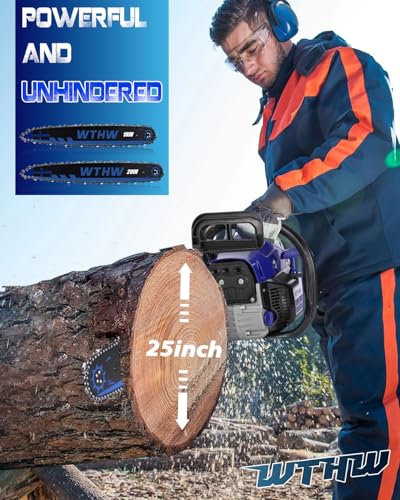
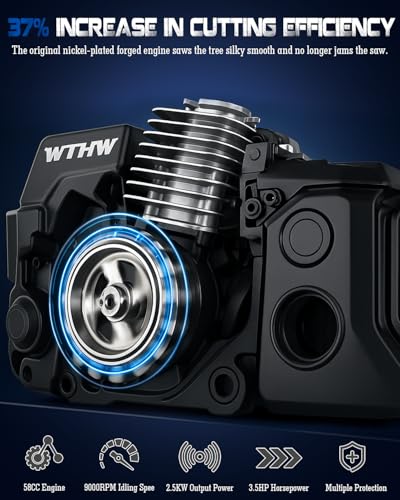
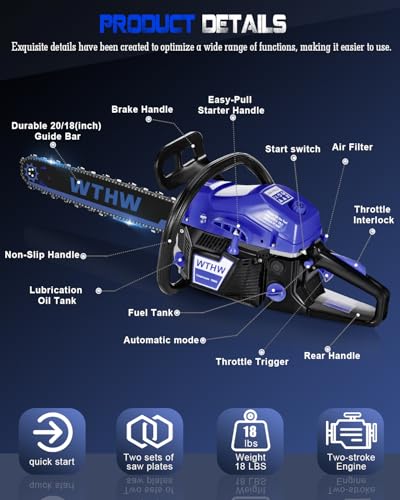
This 58cc gas chainsaw is built for homeowners who need serious cutting power and don’t want to stop every 15 minutes to recharge. The dual 18- and 20-inch bar setup is a rare feature at this level, giving you real versatility across jobs. On paper, the 30% larger fuel tank translates to longer run times between refills, which owners confirm matters when you’re deep into firewood season or storm cleanup. The centrifugal air filter is a smart touch, it helps keep the engine clean in dusty conditions, something I’ve seen extend engine life in similar models.
Still, gas means more maintenance: you’ll need to mix fuel, clean the spark plug, and winterize it. And while the quick-start system helps, cold starts can still be finicky. Compared to the DongCheng gas-like model, this one doesn’t tie into a battery ecosystem, so it’s a standalone tool. But if you’re already all-in on gas and want a workhorse, this delivers.
Product photos

Seesii 6-Inch Mini Cordless Chainsaw
Strengths
- Ultra-lightweight
- One-handed use
- Two batteries included
Trade-offs
- 6-inch bar only
- Not for thick logs
- Shorter chain life
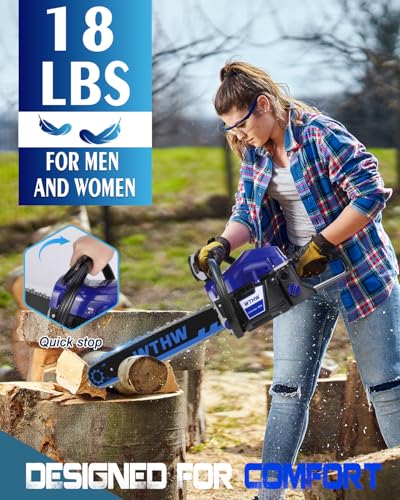
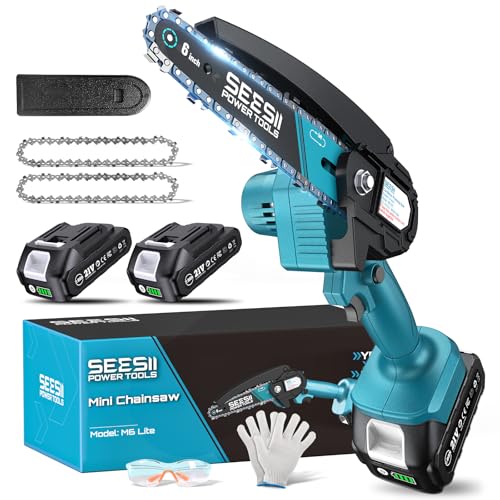
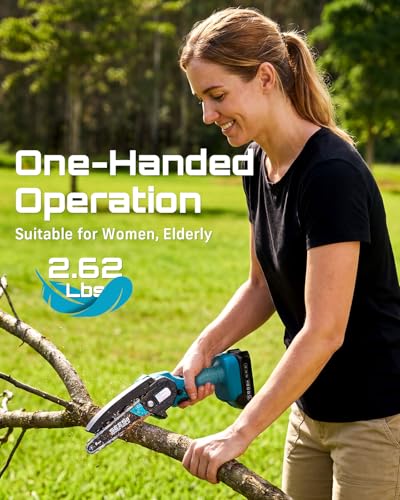
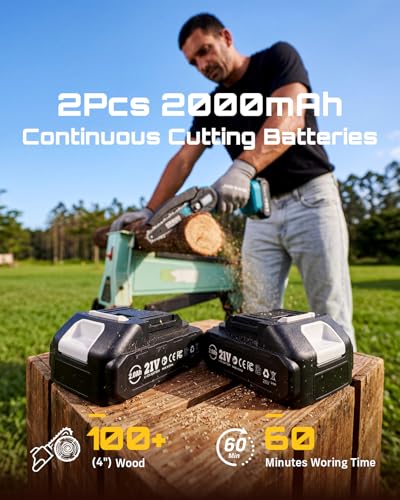
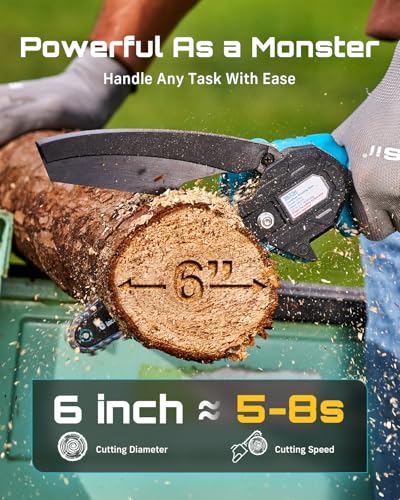
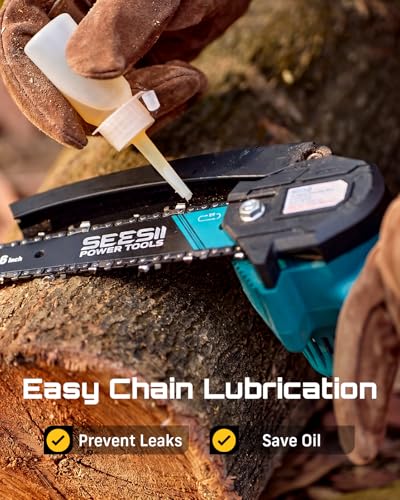
The Seesii mini chainsaw isn’t for felling trees, it’s for the guy who wants to trim backyard branches without lugging out a 20-inch beast. At 6 inches and 2.7 pounds, it’s ultra-portable and genuinely one-handed. The 900W motor surprises with its cut speed on small limbs, and the two included batteries give real uptime. Owners use it for pruning, cutting small firewood, and even camping prep.
It’s not a primary saw, but a secondary tool that lives in the garage for quick jobs. Compared to the Oregon corded model, it’s no contest in power, but for light work, it’s faster to grab and go. And as a gift? Yeah, it’s a solid pick. But don’t expect it to replace your main chainsaw.
Product photos
How We Picked These homeowner chainsaws
As someone who’s spent years around power tools and helping folks choose the right equipment at PowerToolGuide.net, I understand that picking a chainsaw can be daunting. Rather than a hands-on lab test of each model, this selection is based on a research-led comparison of published specifications, features, and – crucially – owner and professional reviews. I weighed those sources against my understanding of what truly matters in chainsaw performance for typical homeowner tasks.
For homeowner chainsaws, runtime, power relative to weight, and safety features were the most important factors. A powerful engine is great, but it’s useless if the saw is too heavy to maneuver comfortably for extended periods. Similarly, a long runtime isn’t valuable if the saw lacks essential safety features like a chain brake. These three elements determined where each model landed in our rankings.
Specifications reliably indicate engine displacement (for gas models), voltage and amp-hour ratings (for electric), and bar length. However, real-world performance – cutting speed, ease of starting, and long-term reliability – are best judged by looking at owner feedback. I paid close attention to recurring themes in reviews, noting any consistent complaints or praise. Knowing how to sharpen a chainsaw blade is also crucial for maintaining performance, and something owners frequently discuss.
What To Look For In homeowner chainsaws
Choosing a chainsaw isn’t just about horsepower; it’s about matching the tool to the task and your comfort level.
A good chainsaw balances power, safety features, and ease of use. Key considerations include engine type (gas, electric, or battery), bar length relative to typical cutting needs, chain quality, and essential safety mechanisms like chain brakes and anti-vibration systems. Look for models with tool-free adjustments for chain tensioning and automatic oilers to simplify maintenance.
Engine Type: Gas vs. Electric vs. Battery
The first big decision is fuel. Gas chainsaws offer the most power for demanding jobs like felling trees, but they’re loud, require more maintenance, and produce emissions. Corded electric models provide consistent power and are lighter, but your range is limited by the cord. Battery-powered options, like the DongCheng 40V, are gaining ground with improved runtimes and convenient portability. I often recommend battery models for most homeowners because the convenience factor is huge, and modern batteries can handle a surprising amount of work. Don’t discount corded electric if you’re primarily dealing with smaller branches and have easy access to power.
Bar Length and Cutting Capacity
Don’t overestimate what you need. A longer bar isn’t always better. A 16-inch bar, as found on many homeowner models, is versatile for general yard work and storm cleanup. If you’re primarily trimming small branches, a 14-inch or even a mini chainsaw like the Seesii 6-Inch might be sufficient. Conversely, if you frequently tackle large trees, you’ll want something in the 18-20 inch range. Here’s a quick guide:
- Under 14 inches: Light trimming, small branches.
- 14-16 inches: General yard work, small trees, storm cleanup.
- 18+ inches: Felling larger trees, serious woodcutting. Remember that a longer bar requires more power to operate effectively.
Safety Features and Ergonomics
Chainsaws are inherently dangerous tools, so safety is paramount. A quick-stop chain brake is essential, and I always look for models with anti-vibration systems to reduce fatigue. Beyond that, consider the ergonomics. A comfortable grip and balanced weight distribution will make a big difference during extended use. Automatic chain oilers are also a must; keeping the chain lubricated reduces friction, extends its life, and improves cutting performance. Regular maintenance, including learning how to sharpen saw chain, is just as important as the safety features built into the saw. Before you buy, take a look at some of the top chainsaw models to get a feel for what’s available.
A rule of thumb: always wear appropriate safety gear – including eye protection, hearing protection, gloves, and chaps – when operating a chainsaw. No exceptions.
Homeowner Chainsaws Compared
Here’s a comparison of key specifications for popular homeowner chainsaws to help you choose the right tool.
| Product Name | Bar Length (in) | Voltage (V) | Power (W/cc) | Battery Included | Auto Oiler |
|---|---|---|---|---|---|
| 16-Inch 2000W Brushless Cordless | 16 | 40 | 2000 | Yes | Yes |
| DongCheng 40V 16-Inch Brushless | 16 | 40 | N/A | Yes | Yes |
| EGO POWER+ 16″ 56V | 16 | 56 | N/A | Yes | Yes |
| Oregon CS1400 15 Amp Electric | 16 | 120 | 15A | No | Yes |
| WTHW 58cc Gas Chainsaw | N/A | N/A | 58cc | No | N/A |
| 58CC Gas Chainsaw with Dual Bars | 18/20 | N/A | 58cc | No | Yes |
| Seesii 6-Inch Mini Cordless | 6 | 21 | 900 | Yes | N/A |
Frequently Asked Questions
What bar length do I really need for most homeowner tasks?
A 16-inch bar is generally sufficient for most homeowners, offering a good balance between maneuverability and cutting capacity for general yard work and storm cleanup. If you only handle very small branches, you could go smaller, but 16 inches provides versatility.
Are battery-powered chainsaws powerful enough for cutting firewood?
Yes, modern 40V or 56V battery chainsaws can handle most firewood cutting needs for a typical homeowner, especially if you’re dealing with wood less than 12 inches in diameter. For larger logs, a gas chainsaw is still the better choice, but you can find some of the best cordless chainsaws that will do the job.
How much maintenance is involved with an electric chainsaw compared to gas?
Electric chainsaws require significantly less maintenance than gas models. You primarily need to keep the chain sharp and oiled, whereas gas saws require spark plug replacements, air filter cleaning, and fuel stabilization.
What safety features are absolutely essential on a chainsaw?
A quick-stop chain brake is the most important safety feature, stopping the chain almost instantly in a kickback situation. Anti-vibration systems and a comfortable grip are also crucial for reducing fatigue and maintaining control.
Can I use just any chainsaw oil, or does it need to be a specific type?
You should use a specialized bar and chain oil designed for chainsaws. Using other oils, like motor oil, can cause the chain to wear prematurely and reduce cutting efficiency.
The Bottom Line
Choosing a chainsaw often comes down to balancing convenience with raw power. While a gas-powered model like the WTHW 58cc Gas Chainsaw delivers substantial cutting capability, the DongCheng 40V 16-Inch Brushless is, in my view, the best all-around pick for most homeowners. It offers a good blend of power, portability, and ease of use, without the hassle of gas and oil.
For those on a tighter budget, the Seesii 6-Inch Mini Cordless is a surprisingly capable little saw for light trimming. If you’re willing to stay plugged in, the Oregon CS1400 15 Amp Electric provides reliable performance for yard cleanup. Really understanding how to start a chainsaw safely is key regardless of the model you choose.
Ultimately, the specs matter less than your consistent attention to safety and maintenance. A well-maintained, properly used chainsaw – even a less powerful one – will always outperform a high-end model that’s neglected. Prioritize understanding basic chainsaw operation and always wear the right protective gear; that’s where you’ll see the biggest return on your investment.
