7 Best Hammers of 2026
This post contains affiliate links. As an Amazon Associate, we earn from qualifying purchases.
The Estwing E3-16S Claw Hammer is the overall best for most people, combining rugged one-piece construction with reliable performance. For heavy-duty work, the Estwing E3-20S Claw Hammer steps up with more driving power, while the Mr. Pen 8 oz Claw Hammer is a solid, affordable pick for light tasks and occasional use.
Most people don’t realize how much a poorly balanced or uncomfortable hammer can slow them down and strain their hands over time. A bad choice leads to missed strikes, fatigue, and frustration, especially on larger projects.
This guide cuts through the noise by focusing on what matters: build quality, balance, and real-world usability. I researched hammers based on specs, owner feedback, and brand reputation to find models that deliver consistent performance for DIYers and serious builders alike.
Top 7 Hammers in the Market
The Best Hammers, Reviewed
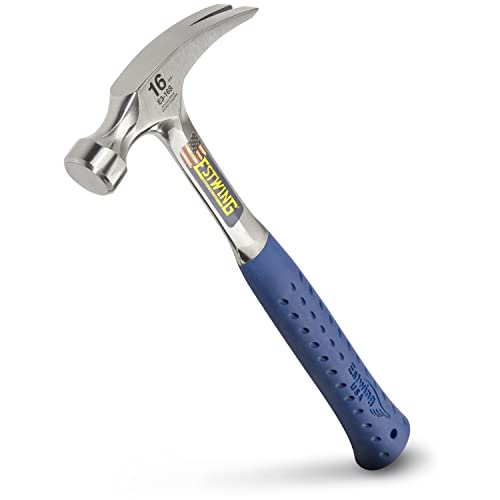
Estwing E3-16S Claw Hammer
Strengths
- Optimal 16 oz weight
- Shock-absorbing grip
- One-piece forged build
Trade-offs
- Premium price
- Overbuilt for light tasks
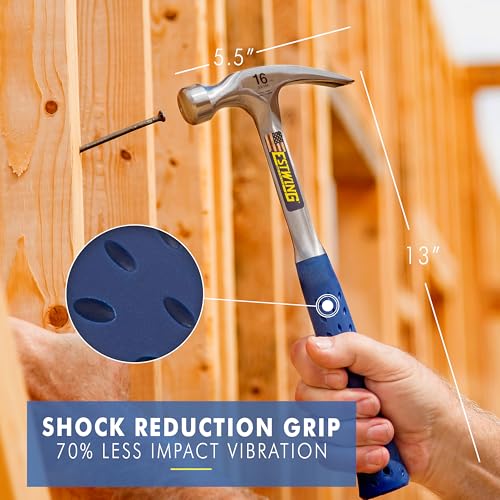
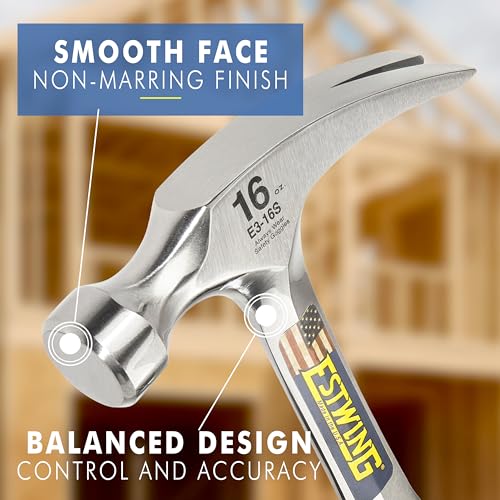
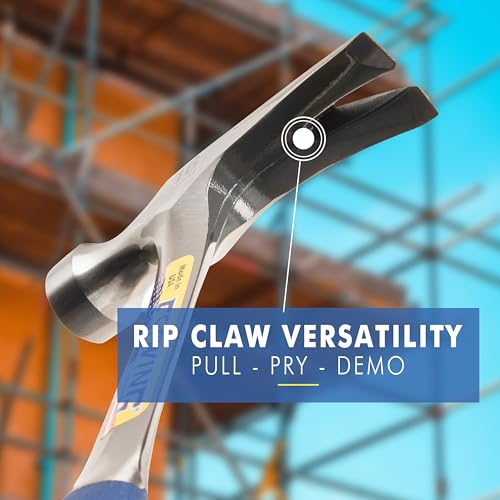
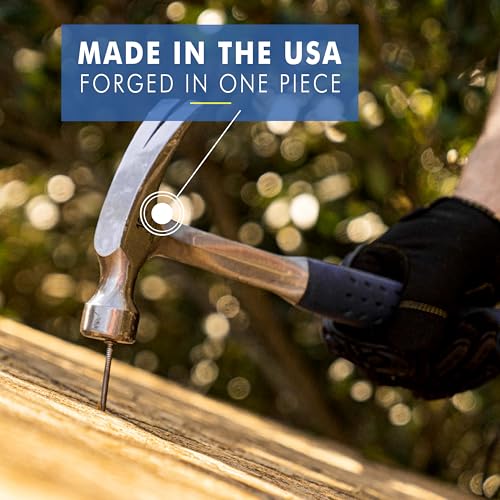
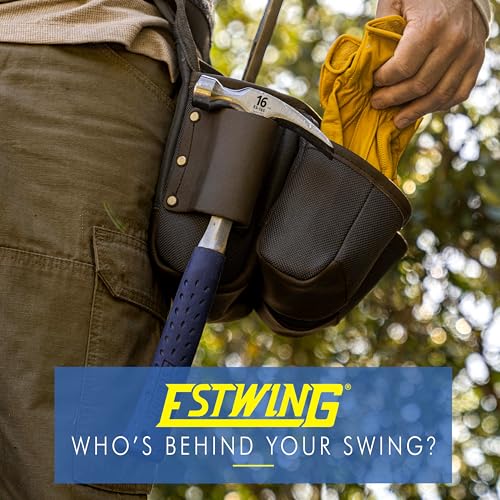
This is my pick for the best overall hammer, it combines the toughness of Estwing’s one-piece forged steel with practical weight and modern comfort. The 16 oz head strikes the sweet spot: heavy enough for solid driving, light enough for finish work or extended use. The shock reduction grip is a standout, cutting down on fatigue, a feature many users highlight after long shifts.
Compared to the IRWIN or Mr. Pen models, it’s in a different class entirely. Even against the 20 oz Estwings, it’s more versatile for mixed tasks. Roofers, finish carpenters, and general contractors all find it useful. It’s not the cheapest, but for the balance of weight, durability, and comfort, it’s hard to beat.
Product photos
Estwing E3-20S Claw Hammer
Strengths
- One-piece steel build
- Excellent shock reduction
- Superior claw use
Trade-offs
- Heavy for detail work
- Higher price point
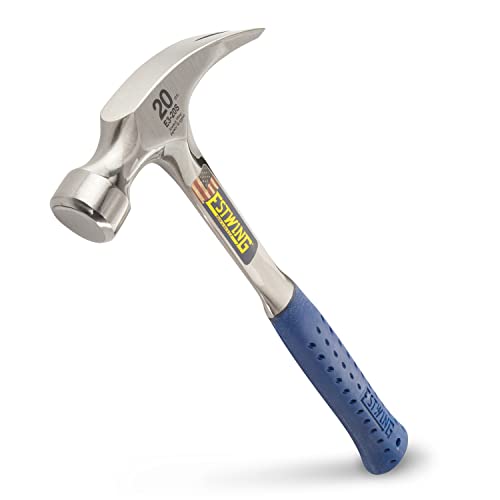
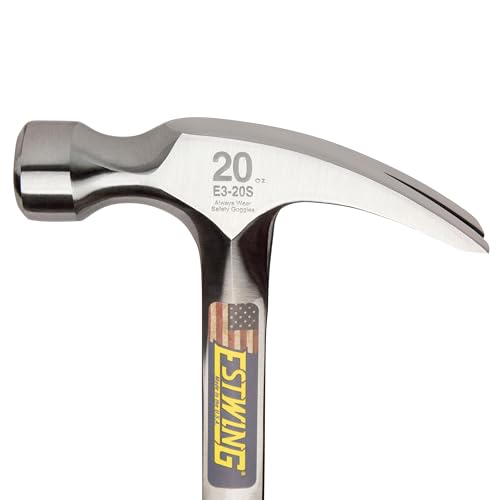
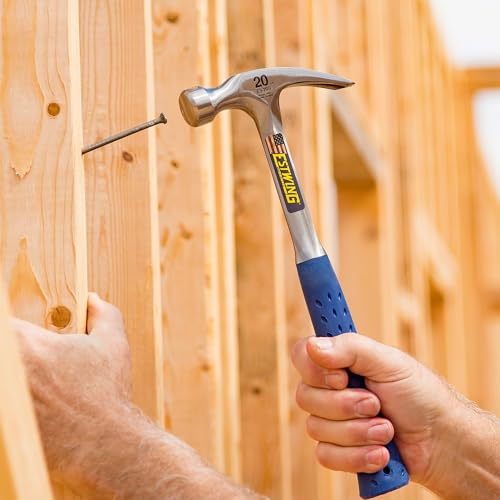
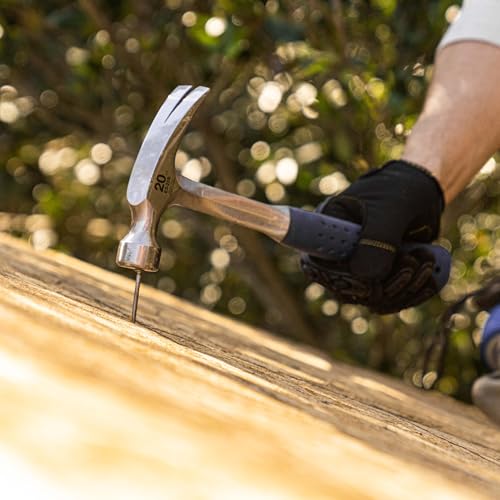
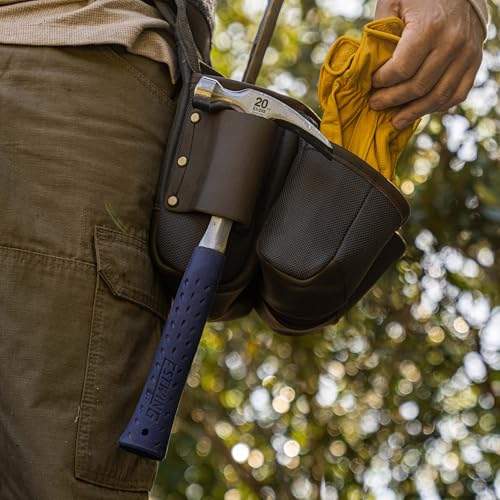
This E3-20S is built like a tank, and it shows in how it performs on the job site. The one-piece forged American steel construction means no weak points, no handle separation, no weld failures. That’s the kind of reliability pros demand, and it’s why so many framers and roofers carry Estwings. The shock reduction grip really does cut down on vibration, which reviewers consistently praise after full-day use.
At 20 oz, it packs serious driving power, and the rip claw excels at prying apart stubborn framing. It’s heavier than the 16 oz models, so it’s not ideal for delicate work, but that’s not its purpose. Compared to the E3-16S, this one’s better suited for heavy framing, though it’s overkill for light home projects.
Product photos
Estwing E20S Leather Grip Hammer

Strengths
- Timeless leather grip
- Forged steel durability
- Excellent balance
Trade-offs
- Leather requires maintenance
- No shock absorption
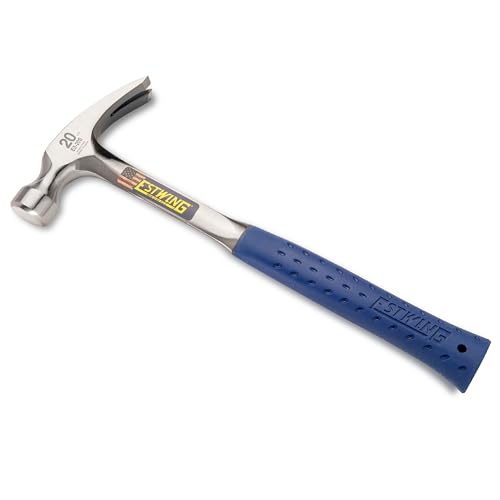
The E20S stands out for its genuine leather grip, which feels smooth and molds to your hand over time, something many pros prefer for its balance and feel. It shares the same one-piece forged steel build as the E3-20S, so durability is top-tier. The difference comes down to grip preference: leather versus rubber.
Owners note the leather feels cooler in summer and warmer in winter, and it doesn’t absorb sweat like synthetic grips. But it requires more care, exposure to moisture can damage it over time. Swing-wise, it’s identical to the E3-20S: powerful, balanced, and ideal for framing. If you value tradition and a premium feel, this is the pick.
Product photos


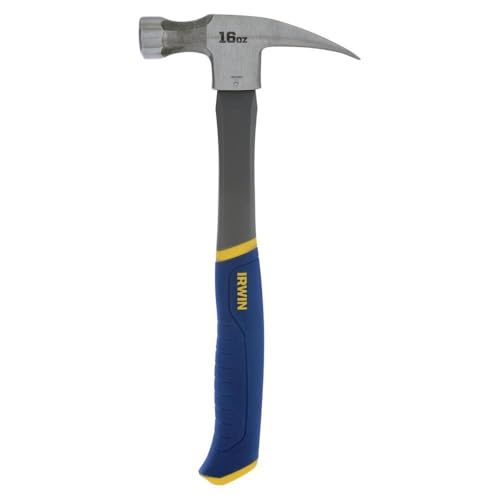
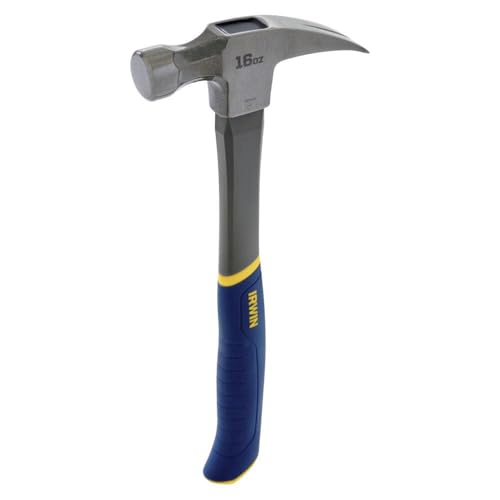
IRWIN 16 oz Fiberglass Hammer
Strengths
- Forged steel head
- Vibration-reducing handle
- Comfortable grip
Trade-offs
- Average balance
- Not for heavy-duty use
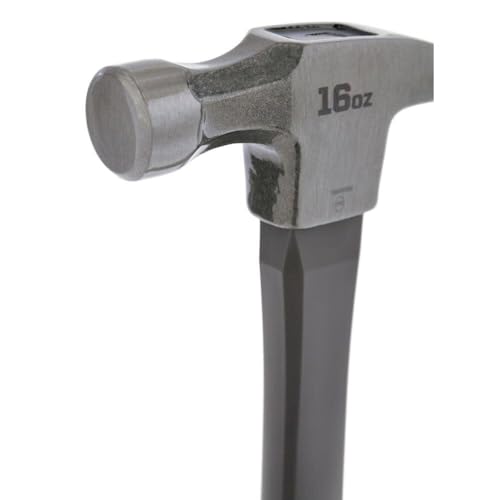
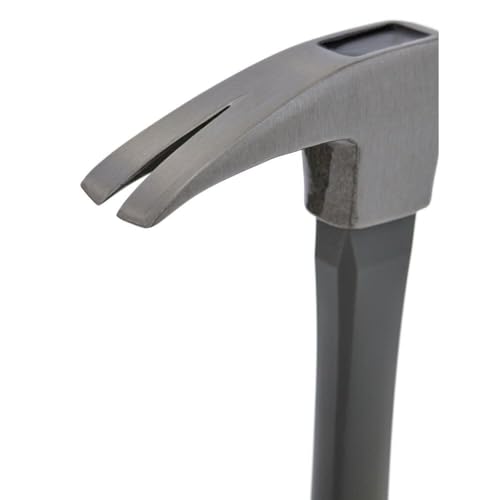
This IRWIN 16 oz claw hammer delivers a solid performance for the price, especially for DIYers who want something durable without overspending. The fiberglass construction helps reduce vibration, and owners consistently report less hand fatigue during extended use, something I always look for in a daily driver hammer. The ProTouch grip feels secure, even when hands get sweaty, and the smooth face does a decent job minimizing marring on wood surfaces.
It’s not as refined as the Estwing models, and the hybrid handle, while comfortable, doesn’t match the balance of one-piece forged steel. But for basic framing, home repairs, or weekend projects, it holds up well. The 16 oz weight strikes a good middle ground between control and driving power.
Product photos

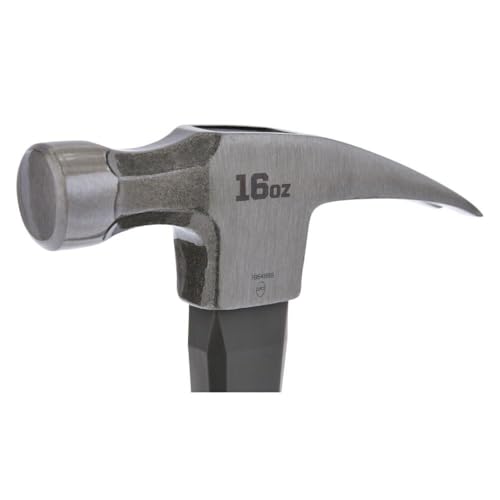
Mr. Pen 8 oz Claw Hammer

Strengths
- Magnetic nail starter
- Compact and portable
- Good for small tasks
Trade-offs
- Too light for framing
- Low impact power
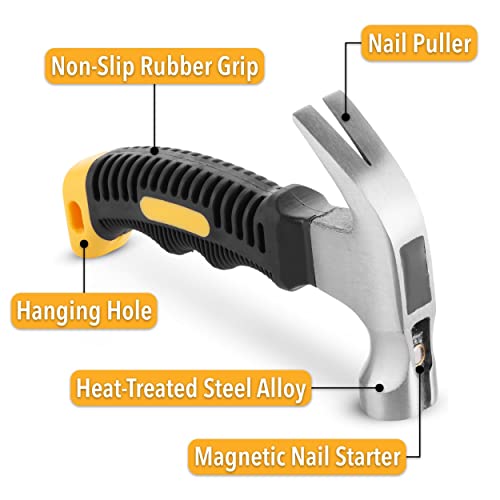
This little 8 oz hammer is a niche tool, but it fills that niche well. The magnetic nail starter is a nice touch, helps beginners set nails one-handed, which I always appreciate when working alone. The compact size makes it easy to stash in a toolbox or carry in a pocket, and the soft handle offers decent grip for such a small tool.
It’s not going to drive 16d nails efficiently, and the carbon steel head, while durable for its class, isn’t in the same league as forged steel hammers. But for light trim work, small repairs, or hobby projects, it’s surprisingly capable. Compared to the larger Estwing models, it’s obviously no match for heavy use, but that’s not the point.
Product photos



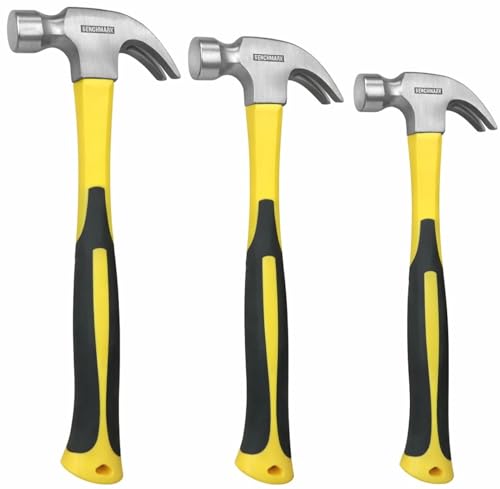
3-Piece Claw Hammer Set
Strengths
- Three useful sizes
- Good grip comfort
- Lightweight fiberglass
Trade-offs
- Inconsistent finish
- Average durability
If you want variety without hunting down individual hammers, this three-piece set offers serious value. The forged steel heads and fiberglass handles mirror what you’d expect in mid-tier standalone models, and owners say they hold up well for general use. The anti-slip rubber grips are a standout, comfortable and secure, even when working overhead or in tight spots.
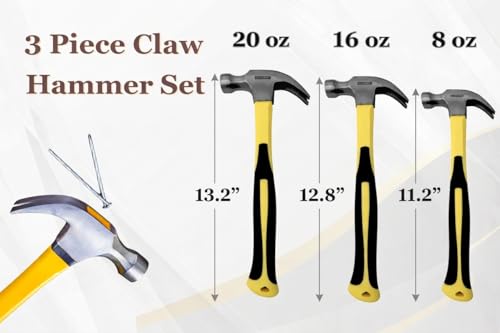
Having 20 oz, 16 oz, and 8 oz options means you can pick the right tool for framing, finish work, or small repairs. The 8 oz hammer isn’t as refined as dedicated trim hammers, but it gets the job done. Compared to pricier single hammers, the build is good but not exceptional, fine for homeowners, less so for daily trades use.
Product photos


Estwing MRF3LB Sledge Hammer

Strengths
- Balanced 3 lb head
- Lightweight fiberglass
- Secure cushion grip
Trade-offs
- Not for fine work
- Bulky for small kits
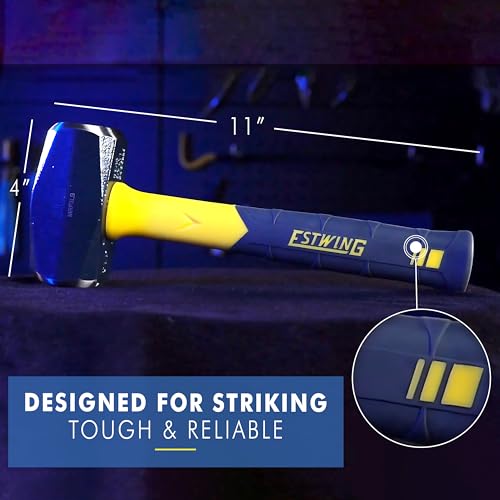
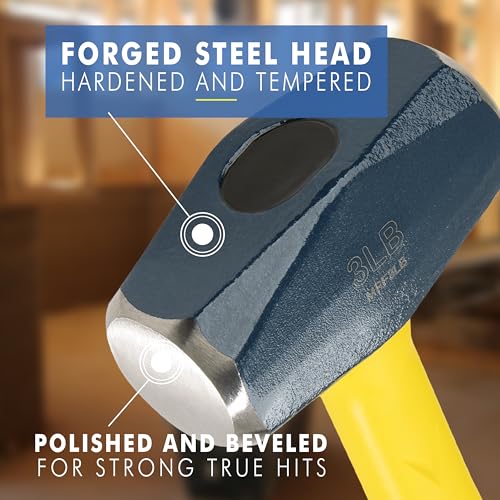
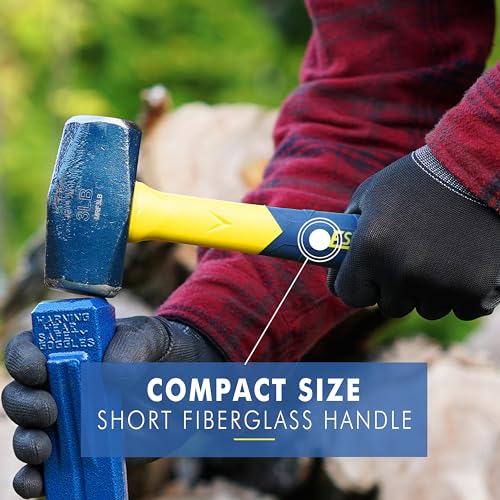
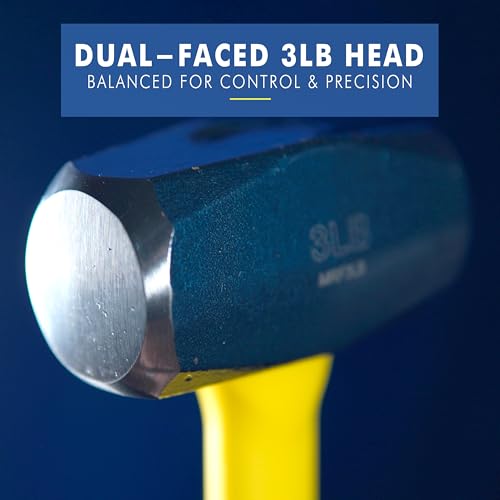
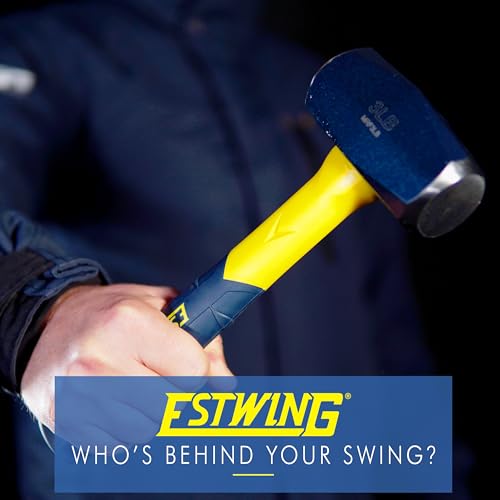
When you need brute force in a manageable size, this 3 lb sledge delivers. The forged 3 lb head and fiberglass handle make it durable yet lighter than traditional steel-handled sledges, important when swinging repeatedly. The no-slip cushion grip keeps it secure, even with gloves, and reviewers consistently note it reduces wrist strain.
It’s ideal for breaking up concrete, driving stakes, or demo work where precision matters. Compared to full-size 8 lb sledges, it’s easier to control in tight spaces. While not a claw hammer, it fills a critical role in any serious toolkit. If you’re tearing out a wall or setting landscape timbers, this is the tool to reach for.
Product photos
How We Evaluated hammers
Rather than a hands-on lab test, my research for these recommendations focused on a detailed comparison of hammer specifications and features. I weighed published details against owner reviews from multiple sources – including major retailers and dedicated tool forums – and cross-referenced with expert opinions from sites like tool-specific review blogs and trade publications. This allowed me to build a ranking based on real-world feedback and measurable characteristics.
For hammers, durability and balance proved to be the most important factors. A hammer needs to withstand repeated impacts without failing, and a well-balanced tool minimizes fatigue during extended use. Beyond that, features like grip comfort and claw design significantly impacted how well a hammer performs specific tasks, influencing whether it’s best suited for framing, demolition, or general DIY work. You’ll find many excellent carpenter hammer recommendations if you’re looking for specialized options.
Specifications reliably indicate build quality – the type of steel used, one-piece forging versus casting, and handle material are all important. However, owner feedback provided crucial insights into long-term durability and real-world comfort. Reputation matters too; brands with a long history of producing quality tools, like Estwing, consistently receive positive reviews, and that history factored into my assessment.
How To Choose The hammers
A good hammer is more than just a weight on a stick; it’s an extension of your arm, and selecting the right one makes all the difference.
A quality hammer balances head weight, handle material, and grip design for efficient power transfer and user comfort. Consider the primary application – framing, finish work, demolition – as this dictates optimal weight and head style. Steel quality impacts durability, while handle materials affect vibration reduction and overall control.
Head Weight & Balance
The weight of the hammer head is the biggest factor in how much force you deliver. Lighter hammers (7-12oz) are great for finish work, like trim and delicate assembly, offering more control. Heavier hammers (16-20oz) are better suited for framing and general construction, where raw power is needed. Don’t immediately jump to the heaviest hammer you can find; a well-balanced hammer, where the head weight feels proportional to the handle length, will be easier to swing accurately and reduce fatigue. You’ll find a range of options in our claw hammer reviews.
Handle Material & Grip
Handle material significantly impacts comfort and reduces strain. Traditional wood handles (typically hickory) offer a classic feel and some natural shock absorption, but require more maintenance. Fiberglass is a popular choice because it’s durable, weather-resistant, and absorbs a good amount of vibration. Steel handles, like those found on many Estwing hammers, are incredibly durable but transmit more vibration. When it comes to grip, consider these points:
- A simple rubber overmold provides a decent grip in dry conditions.
- A molded grip with textured zones offers improved control, even with gloves.
- Leather grips, while requiring some upkeep, can conform to your hand over time and offer a comfortable, secure hold, as seen in premium models.
Speciality vs. General Use
Think about the majority of your hammering tasks. If you’re primarily driving nails for construction or demolition, a standard claw hammer is the way to go. However, for specialized jobs, you might need something different. For example, if you are tackling some serious demolition, you might want to check out our best sledge hammer models for the right tool.
A hammer’s longevity isn’t just about avoiding rust; it’s about how well the head stays attached to the handle. A one-piece forged hammer eliminates this concern entirely.
Hammers Compared
Here’s a spec comparison to help you evaluate different hammer options.
| Product Name | Weight (oz) | Handle Material | Grip Type | Head Material | Claw Type |
|---|---|---|---|---|---|
| Estwing E3-16S Claw Hammer | 16 | Steel | Shock Reduction | Steel | Rip Claw |
| Estwing E3-20S Claw Hammer | 20 | Steel | Shock Reduction | Steel | Rip Claw |
| Estwing E20S Leather Grip Hammer | 20 | Steel | Leather | Steel | Rip Claw |
| IRWIN 16 oz Fiberglass Hammer | 16 | Fiberglass | ProTouch | Forged Steel | N/A |
| Mr. Pen 8 oz Claw Hammer | 8 | N/A | Non-Slip Soft | Carbon Steel | Claw |
| 3-Piece Claw Hammer Set | 8/16/20 | Fiberglass | Rubber | Forged Steel | N/A |
| Estwing MRF3LB Sledge Hammer | 36 | Fiberglass | Cushion | Forged Steel | N/A |
Frequently Asked Questions
What weight hammer is best for most DIY projects?
A 16-ounce hammer strikes a good balance for general use. It provides enough power for common tasks like framing and demolition, without being too heavy for extended periods of work, making it a versatile choice for most homeowners.
How can I tell if a hammer handle is durable?
Look for handles made of fiberglass or one-piece forged steel. These materials are significantly more resistant to breaking or loosening compared to traditional wood handles, which can split or require regular tightening of the head.
Are steel-handled hammers uncomfortable to use?
Steel handles are very durable, but they transmit more vibration than wood or fiberglass. Many steel-handled hammers, like those from Estwing, incorporate shock-reduction grips to mitigate this, but they still aren’t as comfortable as other materials for prolonged use.
What’s the difference between a rip claw and a standard claw?
A rip claw is designed with a curved claw for easier demolition work, allowing you to quickly pull nails and pry apart wood. A standard claw has a straighter design, more suited for general nail pulling and is found on many general-purpose hammers.
Where can I find hammers specifically for metalworking?
If you work with metal frequently, you’ll want to explore best ball peen hammers. These hammers have hardened heads and are designed for striking chisels and shaping metal without damaging the tool or the workpiece.
The Bottom Line
Choosing a hammer often comes down to balancing upfront cost with long-term durability and comfort. While you can certainly find serviceable hammers at a lower price, the Estwing E3-16S Claw Hammer represents the best overall value; its one-piece forged steel construction and shock-reducing grip offer a level of reliability and comfort that’s hard to beat for most tasks around the house.
For those with specific needs, we have recommendations too. If you’re on a tight budget, the Mr. Pen 8 oz Claw Hammer is a good starting point. And if you regularly tackle demolition or need a hammer that can handle serious abuse, take a look at our heavy-duty dead blow hammers, or consider the Estwing E3-20S Claw Hammer for a heavier-duty, all-steel option.
Ultimately, remember that a hammer’s quality isn’t defined by a single feature or specification. Head weight, handle material, and grip all play a role, but the real key is finding a hammer that feels balanced in your hand and inspires confidence with every swing.
