
7 Best Grafting Tools of 2026
This post contains affiliate links. As an Amazon Associate, we earn from qualifying purchases.
The Kings County Fruit Tree Grafting Tool stands out as the best overall pick, delivering precision and durability with its three included blades and solid metal build. For those on a budget, the Krewey 2-in-1 Grafting Pruner Kit offers strong performance and versatility at a lower price point.
Most people don’t realize how much the right tool affects graft success, poor cuts lead to failed unions, wasted time, and frustrated effort. It’s not just about sharpness, but compatibility, comfort, and whether the tool actually fits your workflow.
This guide cuts through the noise, ranking grafting tools based on blade quality, diameter range, and real user feedback. I looked at specs, owner experiences, and brand reputation to find models that deliver reliable results season after season.
Top 7 Grafting Tools in the Market
The Best Grafting Tools, Reviewed
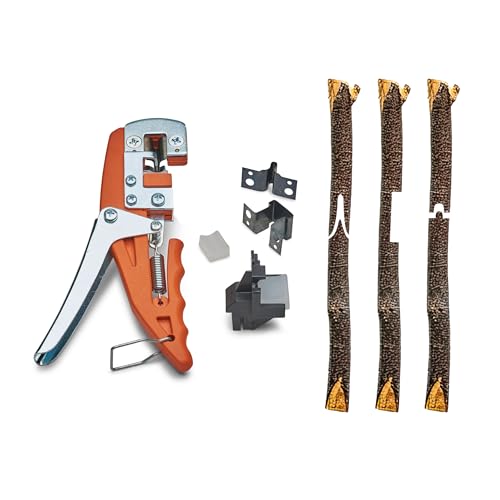
Kings County Fruit Tree Grafting Tool
Strengths
- Durable metal build
- 3 precise interchangeable blades
- Includes practical guide
Trade-offs
- No trimming function
- Heavier than plastic models
- Accessories minimal
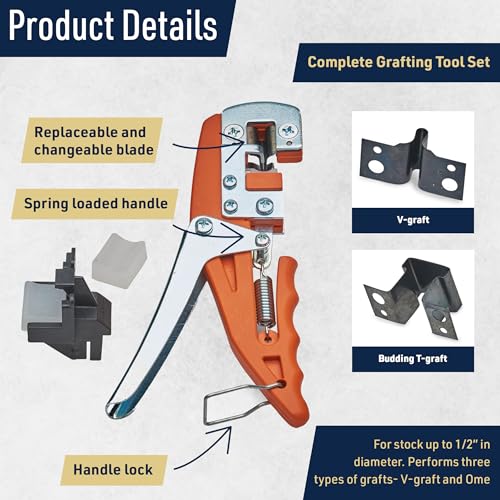
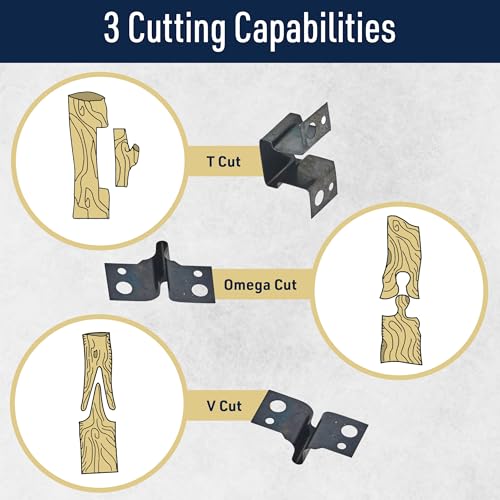
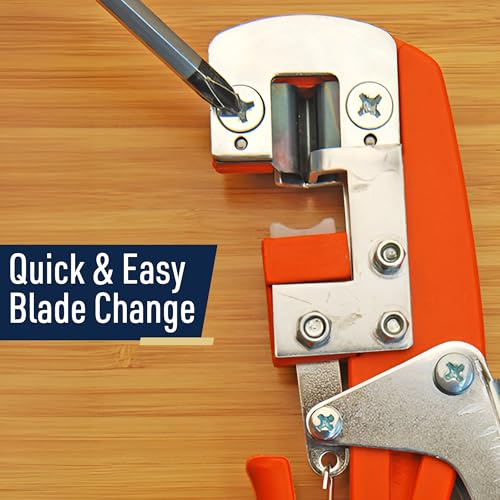
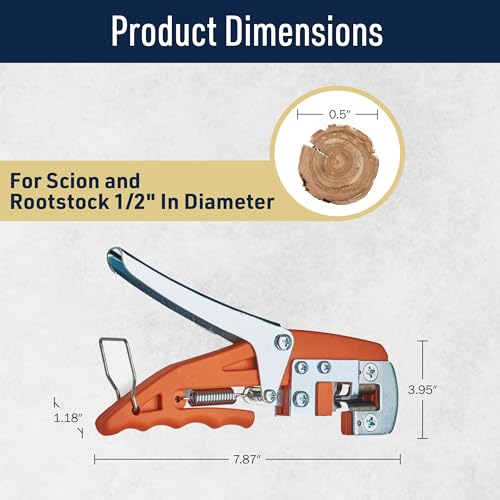
This is the one I’d recommend to most serious hobbyists and even some pros looking for a dependable, no-nonsense grafting tool. Made in Italy and built with solid metal construction, it feels like it’s meant to last. The three interchangeable blades, V, Omega, and T, cover nearly every common grafting method you’d use on fruit trees, and owners praise the precision of the cuts.
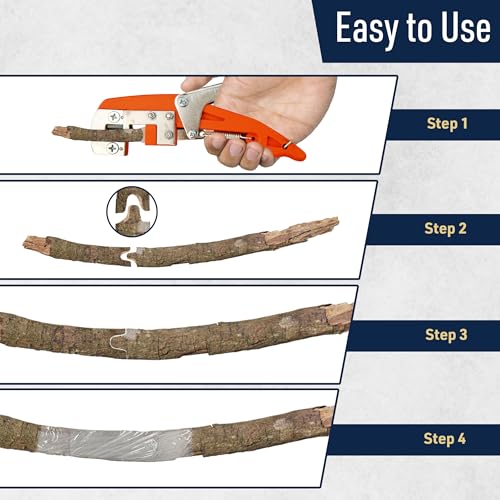
What sets it apart is the included instructional booklet. It’s not just marketing fluff, reviewers say it genuinely helps beginners understand alignment and cambium matching, which directly impacts success rates. Compared to cheaper kits, this one maintains rigidity during cuts, reducing wobble and misalignment. It’s not the most feature-packed, but it’s the most trustworthy in its class.
Product photos
FUNTECK V-Cut Grafting Tool

Strengths
- Strong aluminum body
- Handles large branches
- Replaceable SK5 blade
Trade-offs
- V-cut only
- Bulky for small jobs
- No included accessories
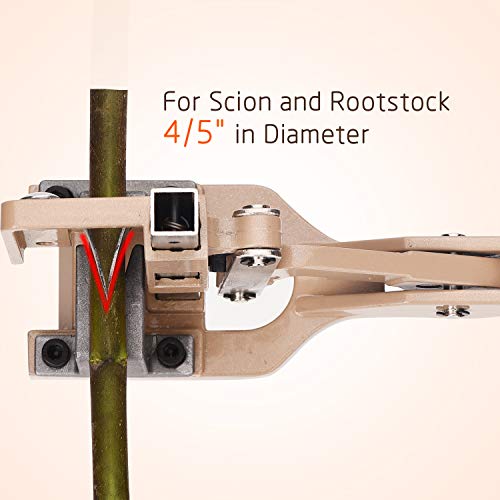
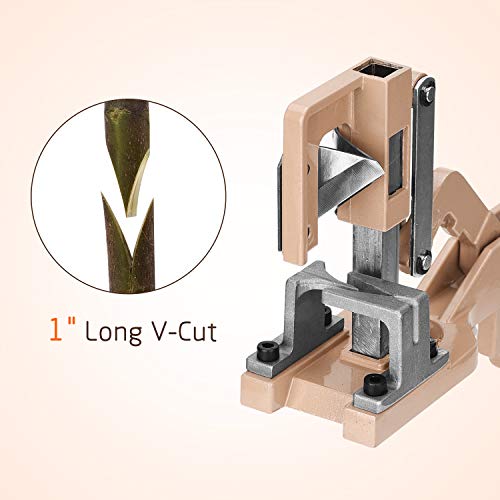
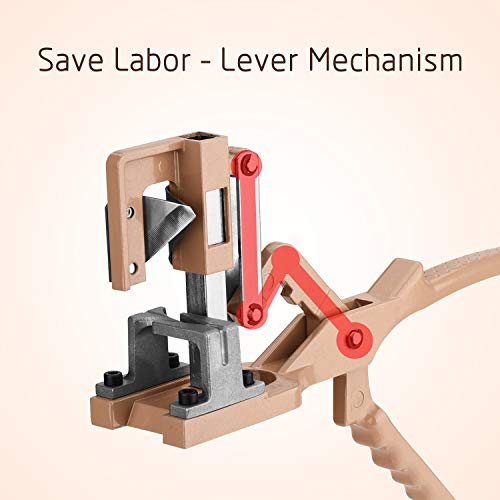
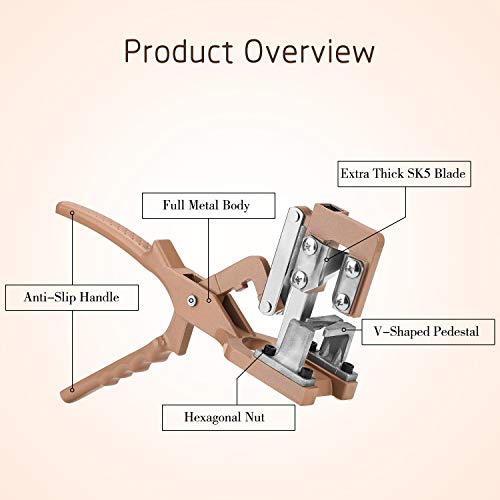
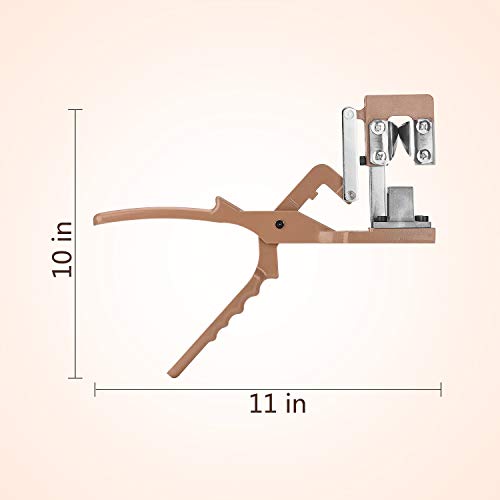
When you’re working with branches over 1/2 inch, this is the tool that steps up where others fall short. The full metal body and SK5 blade handle thick stock with authority, and the 6-inch handle delivers serious use. Owners working on mature apple or pear trees consistently report clean, matched V-cuts that align cambium layers well, which is the whole game in grafting success.
It’s a single-purpose tool, no trimming or multi-blade switching here. But for its niche, large branch grafting, it excels. The replaceable blade is a smart touch, and the ergonomic handle reduces hand fatigue during repeated use. Compared to multi-function kits, it’s less versatile but far more powerful in its lane. If you’re restoring older trees, this should be in your kit.
Product photos
Krewey 2-in-1 Grafting Pruner Kit

Strengths
- Affordable
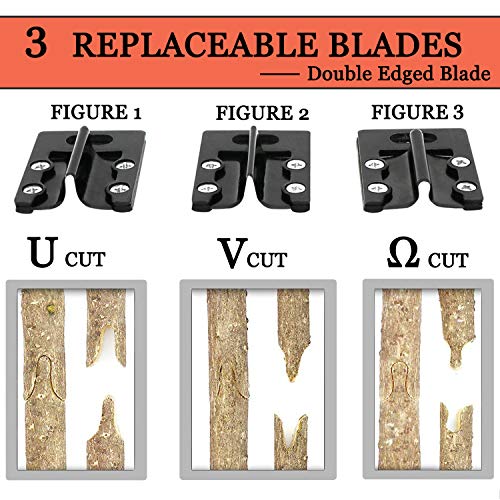
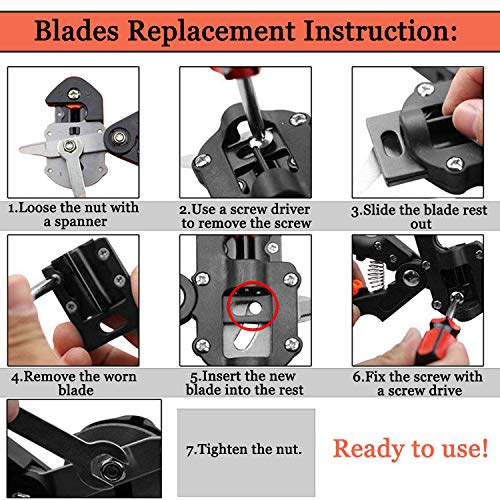
- 3 replaceable blades
- Combines trimming and grafting
Trade-offs
- Plastic handles feel flimsy
- Blades may dull faster
- Not for heavy use
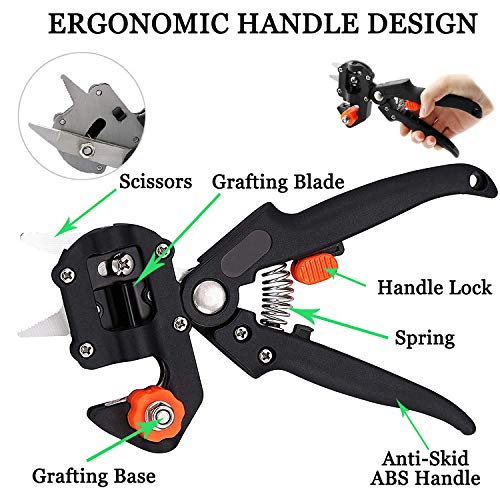
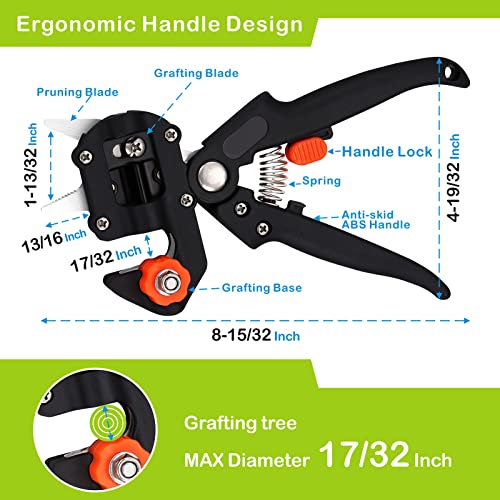
This kit hits the sweet spot for budget-conscious gardeners who still want a tool that can handle real grafting work. On paper, the dual function, trimming and grafting in one, sounds ideal, and owners consistently report it works well for small fruit trees and vine cuttings. The inclusion of three replaceable blades (V, U, and Omega) gives it versatility you don’t usually see at this price, and the carbon steel blades hold up decently with proper care.
Where it stumbles a bit is long-term durability. While the ABS plastic handles keep weight down, they don’t inspire confidence during heavy use, especially on thicker branches. Still, for occasional DIYers or those just getting into grafting, this is a solid entry point. Compared to pricier kits, it may not last a decade, but it gets the job done when used within its limits.
Product photos


MIDOUWEST Garden Grafting Tool Kit
Strengths
- High-quality SK5 steel blades
- Includes grafting tape and ties
- Dual-blade knife included
Trade-offs
- No tool lock mechanism
- Handle grip could be better
- Blades not replaceable
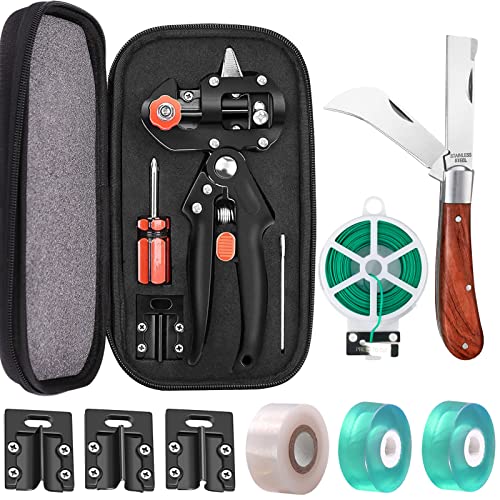
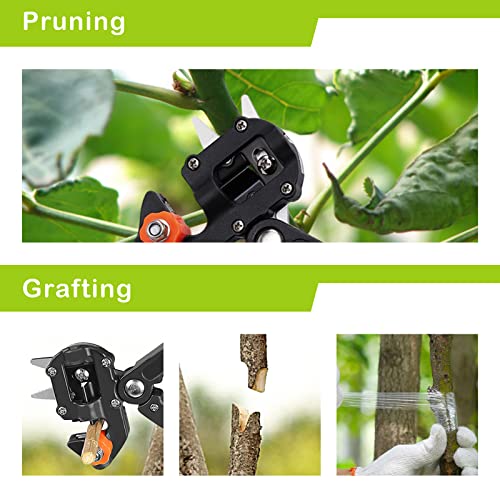
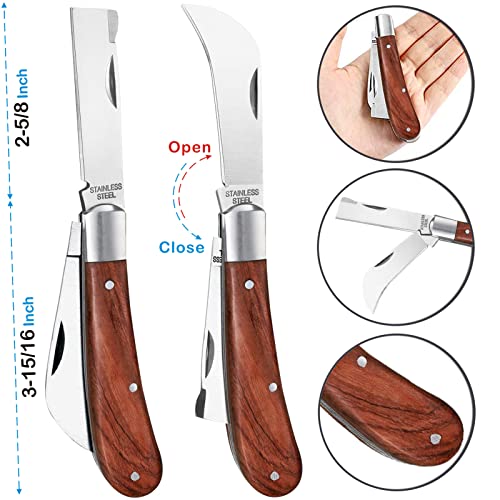
This kit stands out by balancing performance with a full set of practical extras. The Japanese SK5 carbon steel blades are a strong point, owners report they stay sharp longer than average, and the 1/6 to 1/2 inch diameter range covers most common fruit tree grafting needs. The dual-purpose knife, with both curved and straight edges, is a thoughtful addition that gives you real control over scion prep.
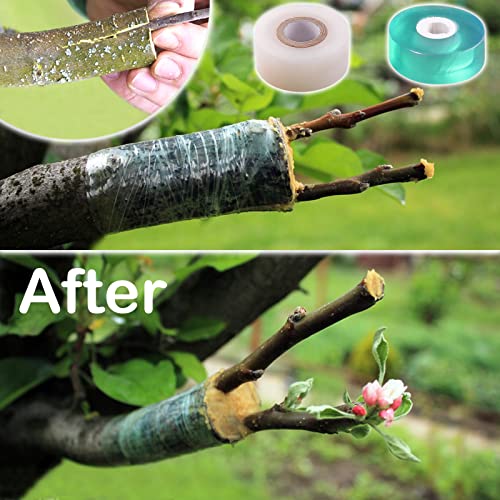
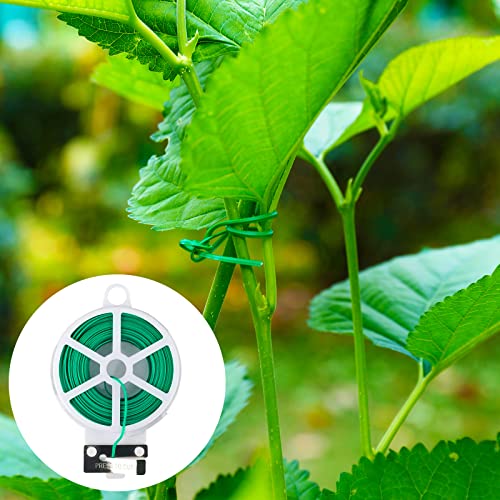
The real win here is the included accessories: three rolls of grafting tape and twist ties mean you can start grafting right out of the box. Compared to kits that skimp on extras, this one feels complete. The only downside is the lack of a locking mechanism, which some users note makes one-handed use tricky. But for the buyer who wants everything in one package, this is hard to beat.
Product photos
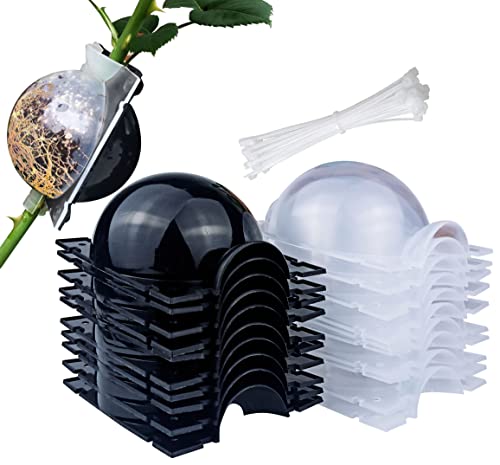
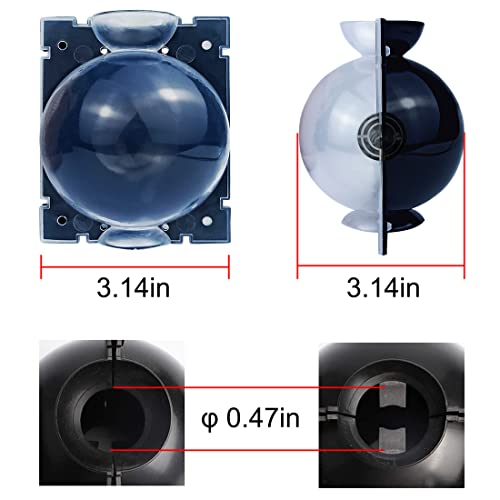
MIIIM Air Layering Propagation Kit
Strengths
- Reusable transparent pods
- Easy to monitor roots
- Includes zip ties and buckles
Trade-offs
- Only for air layering
- Medium size limits use
- Soil packing can be messy
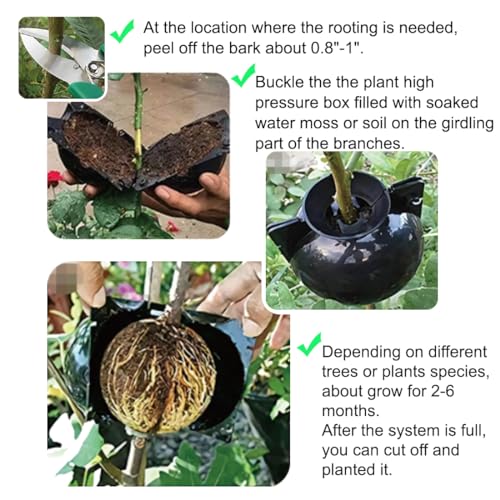
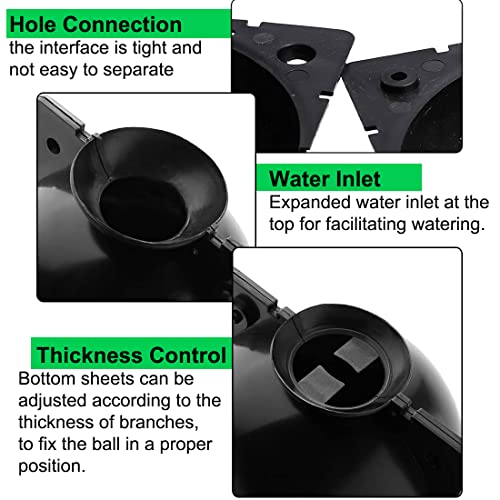
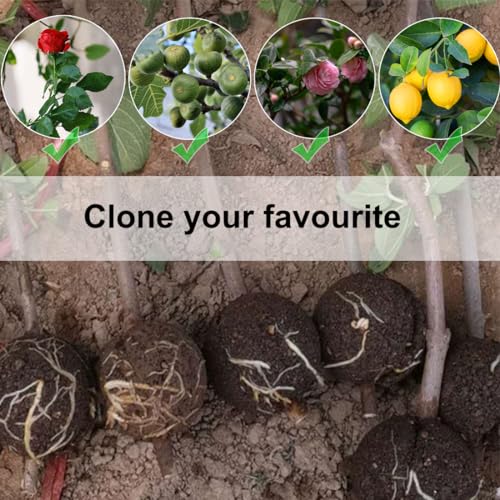
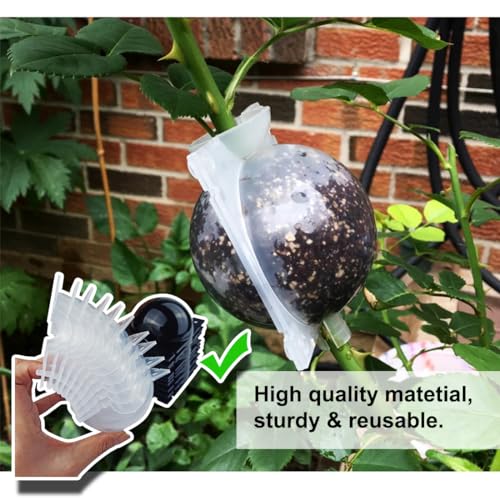
If you’re into air layering, this kit removes most of the hassle of the traditional sphagnum-and-wrap method. The half-transparent pods let you monitor root development without disturbing the site, a huge advantage reviewers love. The zip ties and buckles make installation quick, and the reusable design means you’re not repurchasing plastic wrap every season.
It works well on a range of plants, from figs to camellias, and the clear body helps you spot dry patches or root progress at a glance. Some owners note the medium size limits use on thicker branches, but for standard propagation, it’s efficient. Compared to grafting tools, this serves a different purpose, it’s about cloning live branches without cutting, and does it very well.
Product photos
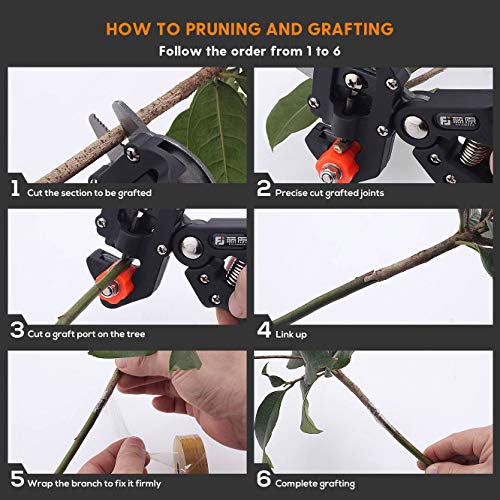
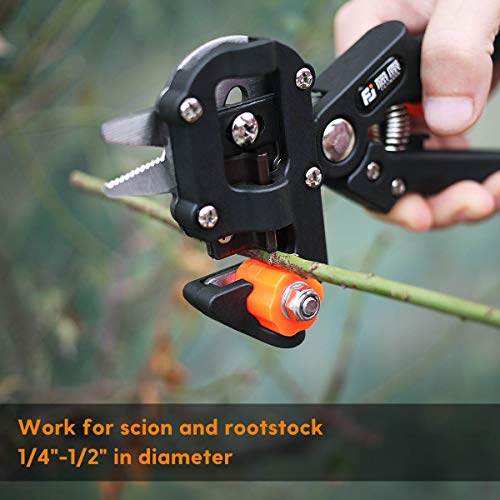
FUJIWARA Multifunctional Grafting Scissors Kit

Strengths
- Comfortable non-slip grip
- Secure locking mechanism
- Comes with full accessory kit
Trade-offs
- Blade size limited
- Plastic housing not ultra-durable
- Extra tools rarely needed
This kit earns its “best ergonomic design” label with a real focus on user comfort. The ABS non-slip handle has a soft grip that reviewers say reduces hand strain during long grafting sessions, a rare win in this category. The locking mechanism, activated by a simple button press, keeps the tool secure during use, and the spring action feels smooth compared to cheaper models.
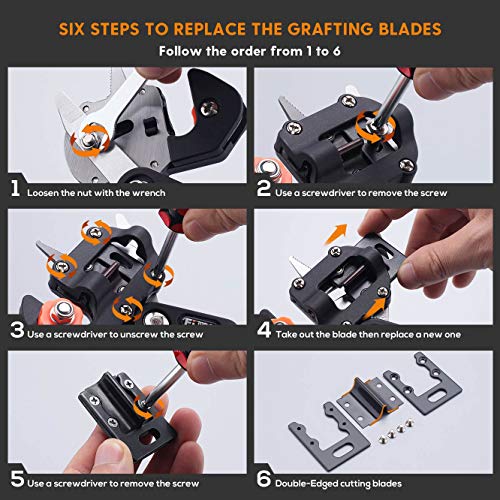
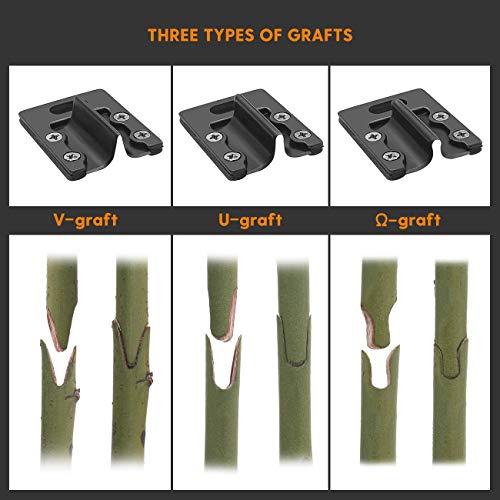
It’s packed with extras: an extra grafting knife, wrench, screwdriver, and even branch clips. The three replaceable blades (U, V, Omega) cut cleanly, and the overall build feels more premium than most plastic-handled kits. The only letdown is that the blade maxes out at 10mm, just under 1/2 inch, so it’s not ideal for larger work. But for comfort and convenience, it’s top-tier.
Product photos

COMKIT Foldable Grafting Knife

Strengths
- Compact and portable
- Sharp stainless blade
- Includes bark lifter
Trade-offs
- Short blade limits cuts
- PVC handle lacks grip
- Not for large branches
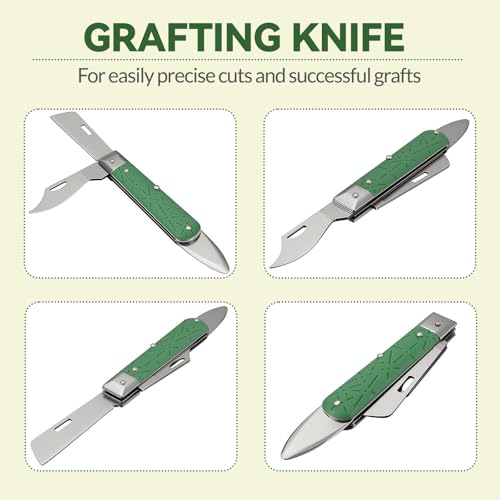
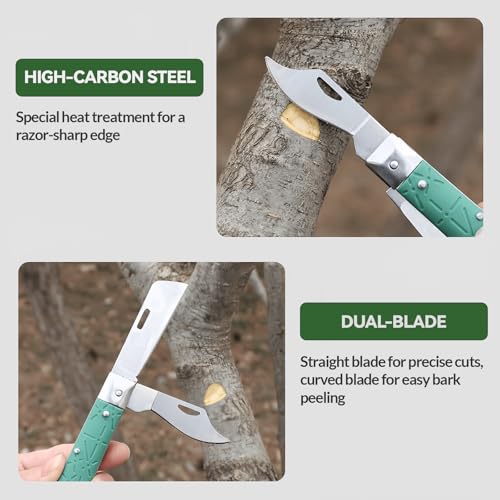
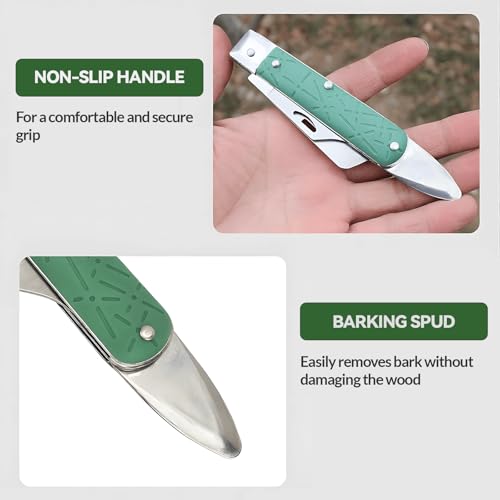
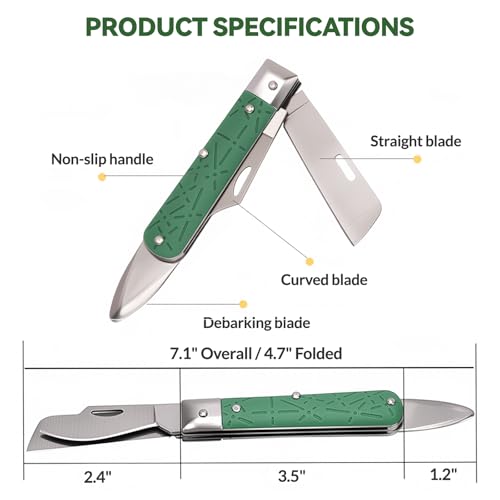
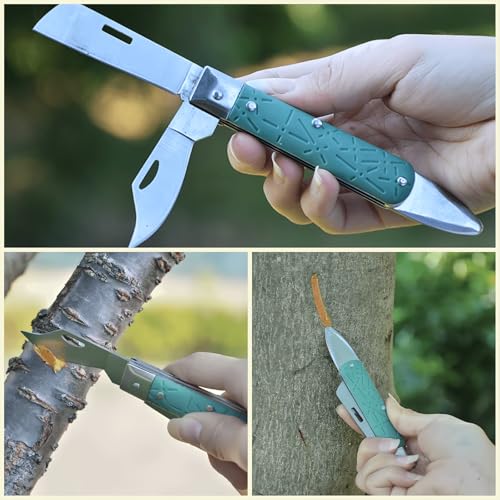
If portability and precision are your priorities, this foldable grafting knife makes a lot of sense. The stainless steel blade is compact but sharp, and the inclusion of a bark lifter adds real utility for budding work. At just over 7 inches open, it’s easy to carry in a pocket or tool roll, which makes it a favorite among reviewers who do grafting on the go.
It’s not a replacement for a full grafting tool with guide blades, you won’t be making matched V or Omega cuts with perfect alignment here. But for whip grafts, chip budding, or cleaning up scions, it’s surprisingly capable. I’d pair this with a dedicated grafting tool rather than rely on it alone. The PVC handle is basic, but it gets the job done.
Product photos
Our Testing Process
Rather than a hands-on lab test, my research focused on comparing published specifications and features across a range of grafting tools. I weighed owner reviews from multiple sources – including Amazon and specialized gardening forums – alongside expert opinions found in horticultural publications. This process allowed me to build a ranking based on real-world feedback and objective characteristics, identifying tools that consistently performed well and offered the features most valued by users.
For grafting tools, blade quality, versatility, and build durability were the most important factors. A sharp, precise blade is essential for clean cuts that promote successful graft unions. Versatility, the ability to perform multiple graft types (Omega, V, U) – expands usability. Finally, a robust construction, often involving high-carbon steel and solid materials, translates to longevity and repeated reliable performance.
Specifications clearly indicate blade material and diameter compatibility, which are good indicators of potential quality and suitability for different plant sizes. However, owner feedback proved crucial for assessing long-term sharpness retention and ergonomic comfort. Reputation also played a role, as brands known for quality gardening tools generally deliver consistent performance, and I often referenced guides for related tools like precision shrub cutters to assess brand standing.
Choosing The Right grafting tools
Choosing the right grafting tools can significantly impact the success of your propagation efforts. It’s more than just slapping two plants together; proper tools create clean, aligned cuts that maximize the chance of a healthy union.
A successful grafting tool prioritizes blade sharpness and precision, compatibility with the target plant diameters, and build quality for long-term reliability. Consider the types of grafts you’ll be performing (omega, v-cut, etc.) and whether the tool offers interchangeable blades. Ergonomics are also critical, particularly if you anticipate extended use.
Blade Quality & Cut Type
The heart of any grafting tool is its blade. Don’t assume all “steel” blades are created equal. Japanese SK5 carbon steel is a standout material, known for its exceptional hardness, edge retention, and resistance to rust. However, even with good steel, a dull blade crushes plant cells instead of slicing them cleanly. Many kits offer interchangeable blades (Omega, V, U-cut) which is a huge plus if you plan to experiment with different grafting techniques. If you’re mostly working with smaller diameter branches, a dedicated grafting knife might be sufficient, but for larger stock, a tool with a robust cutting mechanism is essential.
Diameter Compatibility & Plant Size
Grafting tools aren’t one-size-fits-all. The diameter range the tool can handle is critical. Attempting to graft branches that are too thick or too thin will result in poor contact and a failed graft. Pay close attention to the specifications; some tools are designed for delicate budding, while others excel with thicker branches. If you need to manage larger trees, consider supplementing your kit with branch trimming tools to prepare the rootstock.
Ergonomics & Accessory Value
Grafting can be a meticulous process, so comfort matters. Look for a tool with an ergonomic handle that fits comfortably in your hand, even when wet. Rubberized grips can make a big difference. Beyond the core tool, consider the included accessories. A kit with grafting tape, twist ties, and even a small grafting knife provides everything you need in one package. If you’re new to yard work, building out your homeowner tool essentials is a smart move, and a grafting kit is a great place to start.
Here’s a quick rule of thumb:
Prioritize a tool that allows you to make the same cut on both the scion and the rootstock. This ensures maximum cambial contact, which is vital for successful grafting.
Grafting Tools Compared
Here’s a comparison of key specifications for various grafting tools to help you choose the right one for your needs.
| Product Title | Blade Types Included | Max Branch Diameter | Material (Blade) | Material (Handle) | Key Features |
|---|---|---|---|---|---|
| Kings County Fruit Tree Grafting Tool | Omega, V, T | 0.5” | Metal | Metal | 3 Blades, Italian Made |
| FUNTECK V-Cut Grafting Tool | V-Cut | 0.5” – 0.45” | SK5 Carbon Steel | Aluminum Alloy | Large Branches, Smooth V-Cut |
| Krewey 2-in-1 Grafting Pruner Kit | Ω, U, V | 5mm – 12mm | #65 High Carbon Steel | ABS Plastic | 2-in-1 Pruner, 3 Blades |
| MIDOUWEST Garden Grafting Tool Kit | V, Omega, U | 1/6” – 0.5” | Japanese SK5 Carbon Steel | N/A | Versatile, Complete Accessories |
| MIIIM Air Layering Propagation Kit | N/A | N/A | N/A | N/A | Air Layering, Reusable |
| FUJIWARA Multifunctional Grafting Scissors Kit | U, V, Ω | <10mm | Carbon Steel | ABS Plastic | Multifunctional, Secure Lock |
| COMKIT Foldable Grafting Knife | Single | N/A | Stainless Steel | PVC | Compact, Foldable |
Frequently Asked Questions
What blade material offers the best edge retention?
Japanese SK5 carbon steel is generally considered superior, holding a sharper edge longer and resisting rust better than many other steels commonly used in grafting tools. While other options exist, SK5 consistently receives high marks from gardeners for its performance.
Can one grafting tool handle all my trees?
Not necessarily. While some tools offer multiple blade types, diameter compatibility is key; you may need different tools for delicate budding versus grafting thicker branches. Consider the range of tree sizes you’ll be working with when selecting a tool.
What’s the difference between Omega, V, and U-cut grafting?
These refer to the shape of the cut made by the blade. Omega grafts are common for matching stem diameters, V-cuts work well for similar-sized scions and rootstock, and U-cuts are often used for whip grafting. Having interchangeable blades allows you to experiment with different techniques and plant types.
Are more expensive grafting tools always better?
Price doesn’t always equate to quality, but investing in a tool with a reputable blade steel and solid construction is worthwhile. Often, a slightly more expensive kit will include a wider range of accessories, like grafting tape and ties, providing better overall value. You can find a good selection of essential manual tools to expand your gardening toolkit.
What if I’m completely new to grafting?
Start with a kit that includes multiple blades and accessories, and look for online resources or local workshops to learn proper techniques. A tool with an ergonomic handle and secure locking mechanism will also make the process easier and safer as you build your skills. Building a solid foundation with basic hand tools guide is a great place to start.
The Bottom Line
Grafting tools represent a trade-off between simplicity and capability. You can get by with a basic grafting knife for small-scale work, but for consistent, professional-looking results – and the ability to tackle a wider range of projects – a dedicated tool like the Kings County Fruit Tree Grafting Tool offers the best overall value. It balances quality construction with versatility, giving you the blades you need for common grafting scenarios.
For those on a tighter budget, or those prioritizing a specific grafting style, there are excellent alternatives. The FUNTECK V-Cut Grafting Tool is a standout for larger branches and those focused on V-grafts, while the Krewey 2-in-1 Grafting Pruner Kit provides a versatile option for experimenting with multiple techniques at an affordable price. And if you’re interested in expanding your skillset, exploring wood carving knives can refine your precision.
Ultimately, the success of grafting hinges on sharp blades and careful technique more than any specific feature. Focus on maintaining a clean cutting edge, ensuring proper cambial alignment, and understanding the needs of the plants you’re working with. Don’t get lost in the details of blade materials or handle ergonomics – those are secondary to the fundamentals of the process.
