5 Best Gas for MIG Welding of 2026
This post contains affiliate links. As an Amazon Associate, we earn from qualifying purchases.
The PrimeWeld 75% Argon 25% CO2 125CF is the best overall choice for most MIG welders, offering high capacity and reliable performance. For budget-conscious DIYers, the HP 75% Argon 25% CO2 40CF delivers solid value, while the PrimeWeld 100% Argon 80CF is the top pick for versatility, especially when working with aluminum or stainless steel.
Most people don’t realize how much the right shielding gas affects weld quality, consistency, and cleanup time. Poor gas selection or unreliable cylinder supply can lead to porous welds, excess spatter, and frustrating downtime.
In this guide, I break down the top gas options based on cylinder size, gas blend, DOT certification, and real-world usability. These picks were made after comparing specs, analyzing owner feedback, and factoring in what actually matters in a shop or on a job site.
Top 5 Gas For Mig Weldings in the Market
The Best Gas For Mig Weldings, Reviewed
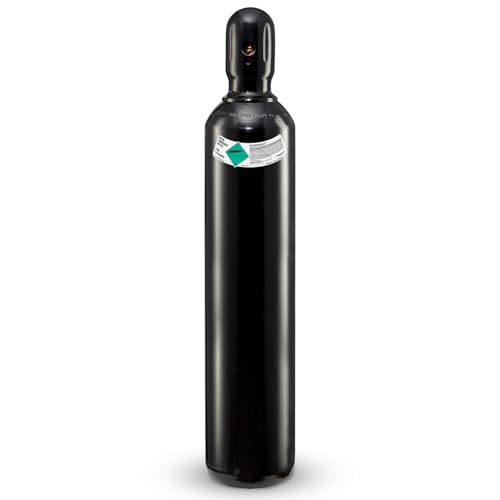
PrimeWeld 75% Argon 25% CO2 125CF
Strengths
- Largest capacity listed
- No rental fees
- DOT 3AA certified
Trade-offs
- High upfront cost
- Not portable
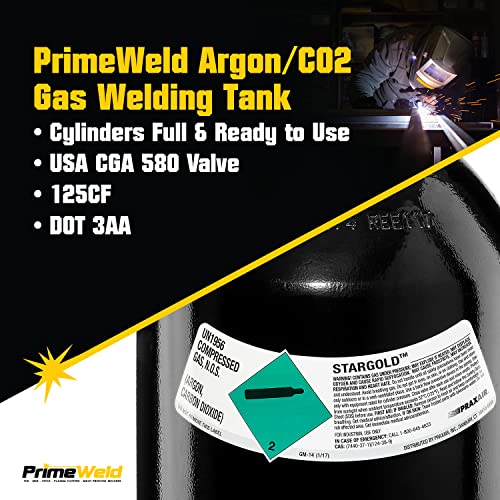
This 125CF tank is the most compelling all-around option for MIG welders who want maximum uptime and minimal hassle. The 75/25 blend is proven for mild steel, and at this volume, it outlasts both the 40 and 80 cu/ft tanks by a wide margin. What sets it apart isn’t just capacity, it’s the ownership model. Unlike rental tanks, this one is yours to keep, refill anywhere, and avoid recurring fees.
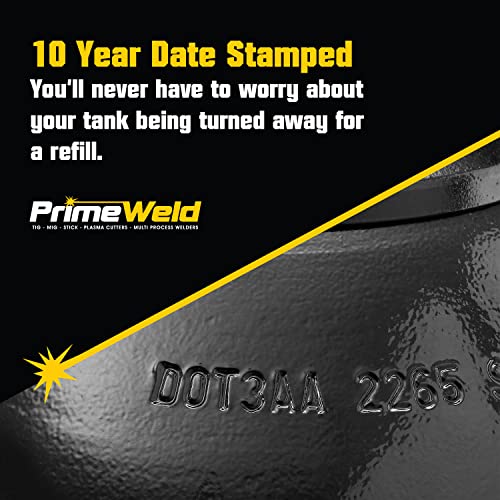
Owners praise the DOT 3AA certification and the fact that it ships full with a clear hydrotest date, which means fewer issues at refill stations. The build quality appears consistent with industrial standards, and the CGA 580 valve ensures regulator compatibility across brands. Compared to the 80 cu/ft option, this is the smarter buy if you’re welding weekly or managing a small business.
Product photos

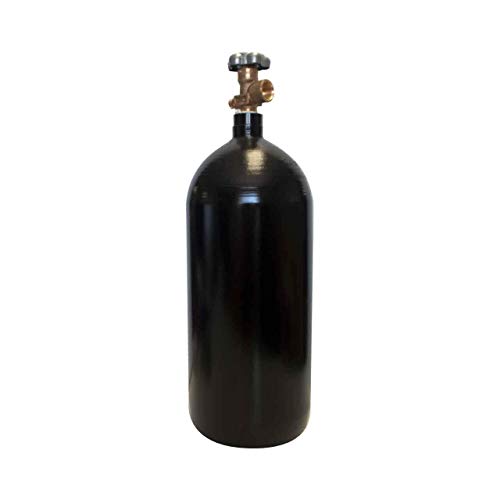
HP 75% Argon 25% CO2 40CF

Strengths
- Ready to use
- Affordable upfront
- Properly certified
Trade-offs
- Smaller capacity
- Limited refill flexibility
For DIYers and light fabricators who want a no-hassle gas supply without overcommitting, this 40 cu/ft tank strikes a solid balance between cost and usability. The 75% argon/25% CO2 blend is the go-to for mild steel MIG welding, offering decent arc stability and spatter control without the premium price of higher argon mixes. Owners consistently report it lasts long enough for weekend projects and small repairs, though heavy users will burn through it fast.
Shipping is limited to the lower 48, which is standard, but it’s worth noting this arrives full and is DOT-certified with a recent hydrotest date, a detail that matters when it’s time to refill. Compared to the 80 cu/ft version, this one trades capacity for affordability, making it a smarter pick if you’re just getting started.
Product photos


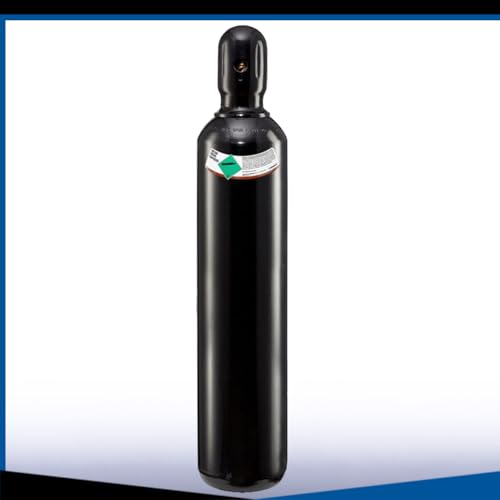
HP 75% Argon 25% CO2 80CF
Strengths
- Double the capacity
- Same reliable blend
- Longer intervals between refills
Trade-offs
- Heavier and bulkier
- Higher initial outlay
If you’re stepping up from weekend tinkering to more consistent metalwork, this 80 cu/ft tank is where the value really starts to shine. The same 75/25 argon/CO2 blend delivers reliable performance on mild steel, and doubling the capacity means fewer refill runs or reorder delays. On paper, it’s nearly identical to the 40 cu/ft model in specs, same CGA 580 valve, DOT compliance, and hydrotest standards, but that extra runtime is a standout for productivity.
Reviewers note it’s a favorite among small shop owners who don’t want to lease but still need dependable gas flow. It’s not as portable as smaller bottles, but for a fixed workstation, the size is manageable. I’d pick this over the 40 cu/ft any day if you’re doing more than touch-up work.
Product photos
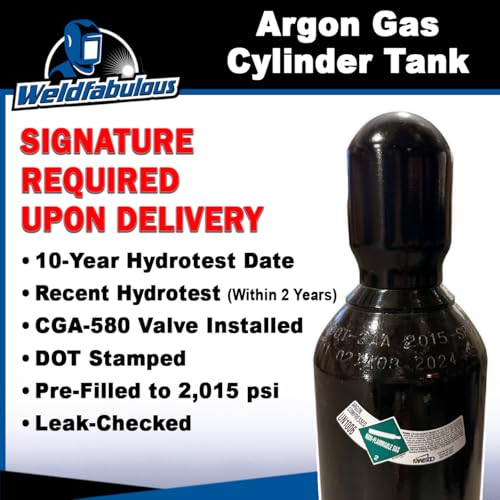
PrimeWeld 100% Argon 80CF

Strengths
- 100% pure argon
- Ready to use
- No leasing fees
Trade-offs
- Niche application
- Not for MIG steel
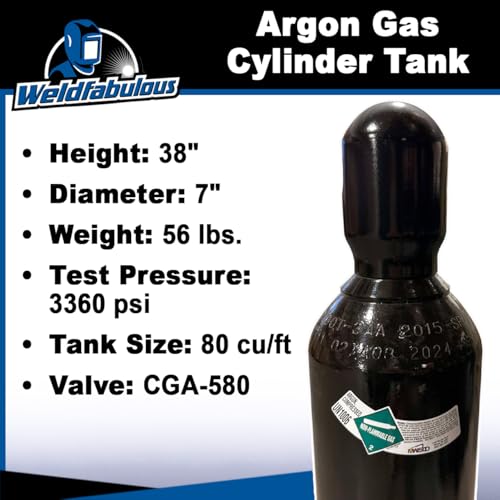
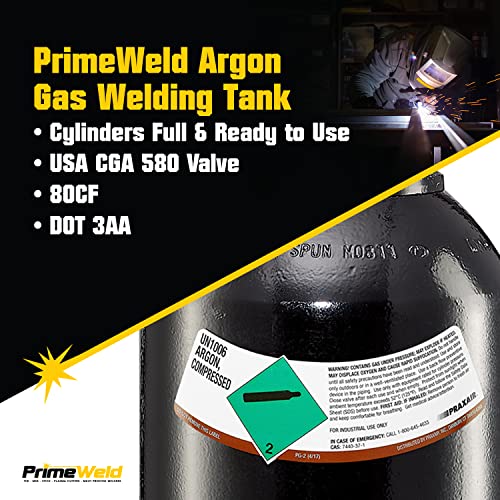
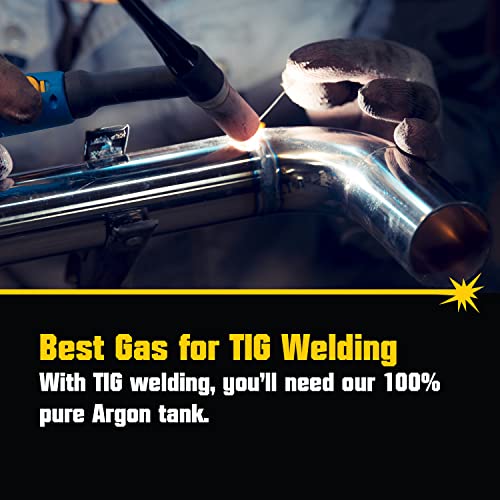
When you’re switching from MIG to TIG, the gas changes, and so should your expectations. This 80CF 100% argon tank is purpose-built for TIG welding, where pure argon is essential for arc stability and weld cleanliness. It arrives full, certified, and with the same owner-friendly no-rental model as the other PrimeWeld tanks, which is a major plus.
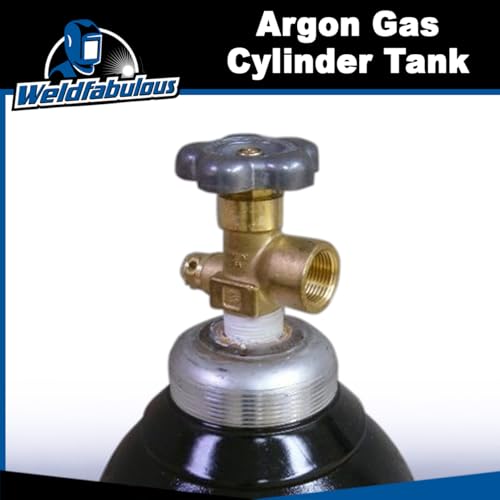
The 80 cu/ft capacity gives a solid run time, especially for aluminum or stainless steel TIG work, where flow rates are moderate. Compared to the 75/25 MIG blend in the same size, this one serves a more specialized role, but for the right user, it’s essential. Owners note it pairs perfectly with TIG welders like the YesWelder or Everlast, and the CGA 580 valve ensures broad regulator compatibility.
Product photos
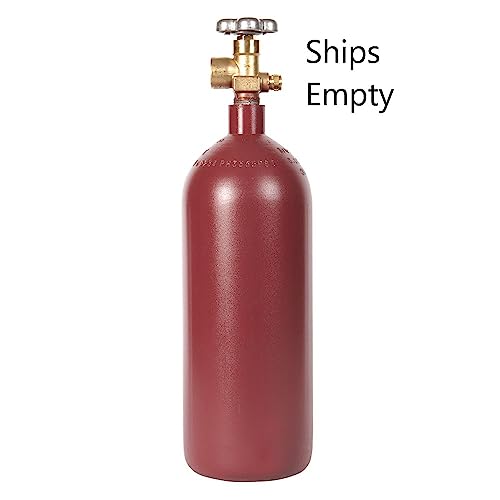
20CF Steel Argon Cylinder CGA580

Strengths
- Ultra-portable
- Multi-gas compatible
- Refillable and reusable
Trade-offs
- Ships empty
- Short runtime
- Limited for heavy use
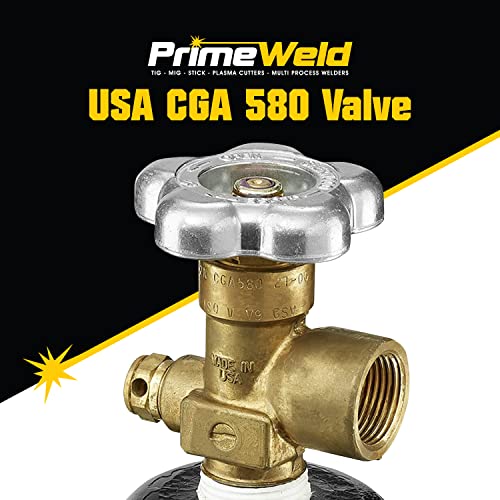
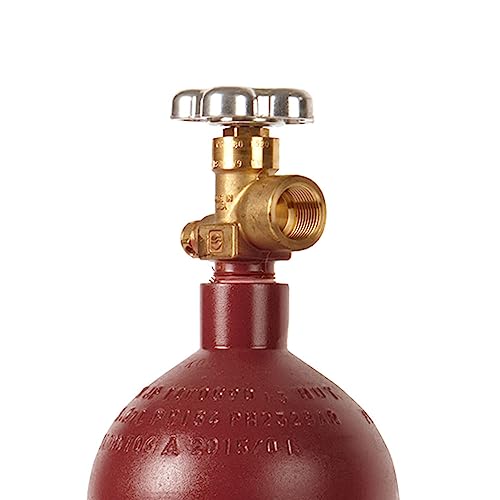
This compact 20 cu/ft argon cylinder is built for portability, not endurance. It’s a favorite among mobile welders and hobbyists who need to move between job sites or work in tight spaces. The all-steel construction and DOT approval mean it’s safe for transport, and the CGA 580 valve opens up compatibility with argon, CO2, nitrogen, and helium mixes, a rare flexibility in this size class.
But there’s a catch: it ships empty. You’ll need to fill it locally, which adds a step and cost upfront. For TIG welding or light MIG on aluminum, it’s a solid base, but the small volume means frequent refills. Compared to the full PrimeWeld tanks, it’s less convenient out of the gate but more versatile if you’re using multiple gas types.
Product photos
How We Chose These gas for mig weldings
Rather than a hands-on lab test, my research for these recommendations involved a detailed comparison of published specifications and features from each manufacturer. I weighed owner reviews from multiple sources alongside expert opinions found in welding forums and trade publications. As someone who’s spent years around workshops and projects, I applied my understanding of what truly matters to a successful weld when evaluating these options.
For MIG welding shielding gases, cylinder certification and usable volume were the biggest factors. A DOT-certified cylinder with a long-term hydrotest date gives you peace of mind and avoids potential refill issues. Usable volume, naturally, determines how long you can weld between refills – a critical consideration for larger projects or professional use. The balance between cost and these factors heavily influenced my choices.
Specifications clearly indicate cylinder size, materials, and safety certifications. However, I relied on owner feedback to understand real-world experiences with refill availability and the reliability of shipping (especially for full cylinders). Reputation matters; brands consistently praised for quality control and customer service rose to the top. Understanding the differences between argon vs CO2 is also crucial for selecting the right blend for your needs.
Choosing The Right gas for mig weldings
Finding the right gas mix is crucial for getting clean, strong welds. It’s not a one-size-fits-all situation, and understanding the nuances can significantly improve your results.
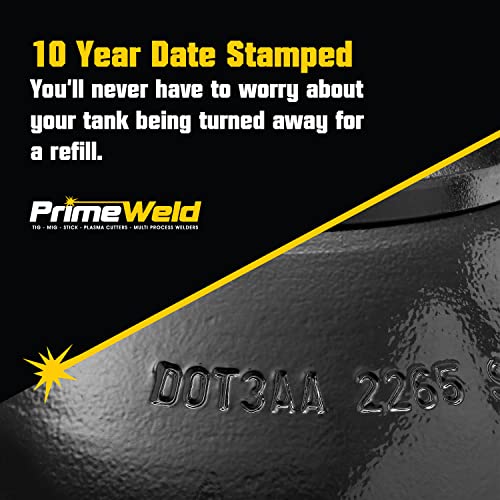
A quality welding gas provides consistent shielding, proper arc characteristics, and reduces weld defects like porosity and spatter. Key considerations include the type of metal being welded, the welding process (MIG, TIG, etc.), the desired weld properties, and regulatory compliance with DOT standards for cylinder safety and fill levels. Look for cylinders with clearly stamped 10-year hydrotest dates and DOT certifications.
Gas Mixtures and Metal Types
The blend of gases you choose directly impacts weld quality. While a 75% argon/25% CO2 blend is often touted as an all-purpose solution – and it is a solid starting point – it doesn’t excel at everything. For example, if you’re primarily working with aluminum, you’ll need 100% argon. Stainless steel often benefits from higher argon percentages, sometimes with small additions of other gases. Don’t assume the “best overall” mix will be best for you; consider your frequent projects. You can find more details about shielding gas for mild steel on our site.
Cylinder Size and Portability
Tank size is a practical consideration. Larger tanks (like the 80CF options) save you refill trips, but they’re less mobile. Smaller, 20CF tanks are great for taking to job sites or for hobbyists with limited space. However, factor in the cost per cubic foot; smaller tanks often have a higher unit price. Think about how often you weld and where you weld when deciding.
- A 20CF tank is excellent for occasional use and portability.
- A 40CF or 80CF tank is a good balance between capacity and convenience for regular home or shop use.
- Larger tanks (125CF+) are best for professional shops or those with very high consumption, as they minimize refill frequency and often offer the lowest cost per cubic foot, but require dedicated storage and handling.
Ownership vs. Rental and Gas Purity
Renting tanks seems convenient, but the ongoing costs quickly add up. Purchasing your own tank, like those offered by PrimeWeld and HP, is often more economical long-term, especially if you weld frequently. Beyond the initial purchase, remember to budget for refills. Also, be mindful of gas purity. While an argon CO2 blend works for many applications, certain metals and processes demand higher purity gases like 100% argon (essential for TIG welding aluminum, for instance).
Don’t skimp on the cylinder itself. A DOT-approved, properly hydrotested tank is a safety essential.
Gas for MIG Weldings Compared
The following table provides a detailed specification comparison of the gas cylinders available for MIG welding.
| Product Title | Gas Mixture | Capacity (CF) | Cylinder Type | Valve Type | Hydrotest Date (Years) |
|---|---|---|---|---|---|
| PrimeWeld 75% Argon 25% CO2 125CF | 75% Argon/25% CO2 | 125 | Steel | N/A | 10 |
| HP 75% Argon 25% CO2 40CF | 75% Argon/25% CO2 | 40 | Steel | N/A | 10 |
| HP 75% Argon 25% CO2 80CF | 75% Argon/25% CO2 | 80 | Steel | N/A | 10 |
| PrimeWeld 100% Argon 80CF | 100% Argon | 80 | Steel | N/A | 10 |
| 20CF Steel Argon Cylinder CGA580 | 100% Argon | 20 | Steel | CGA580 | N/A |
Frequently Asked Questions
What gas mixture is best for a beginner?
A 75% argon/25% CO2 blend is generally the best starting point for new welders, offering a good balance of arc stability and weld penetration across various mild steel thicknesses. It’s versatile enough for practice and many common projects.
How long will a 40CF tank last?
A 40CF tank will typically last between 4 to 8 hours of actual welding time, depending on your welding amperage and technique. Heavier welds and higher amperage use more gas, naturally.
Is it cheaper to rent or buy a gas cylinder?
Buying a cylinder is almost always cheaper in the long run, especially with frequent use. Rental fees accumulate quickly and don’t build equity like purchasing your own tank.
What does the hydrotest date on a cylinder mean?
The hydrotest date indicates when the cylinder was last pressure-tested to ensure its integrity and safety. DOT regulations require tanks to be retested every 10 years, and you shouldn’t use a tank past its expiration date.
What shielding gas should I use for wire for steel welding ?
For most steel welding with MIG, that 75% argon/25% CO2 blend works well. However, if you’re working with thinner materials, increasing the argon percentage can help reduce spatter and improve weld appearance.
The Bottom Line
Choosing the right gas for MIG welding often comes down to balancing convenience with cost and the specific demands of your projects. While a versatile option like the HP 75% Argon 25% CO2 80CF cylinder offers a good balance for many welders, it’s not the best choice for everyone. Ultimately, prioritizing a DOT-certified cylinder with a current hydrotest date is more important than chasing a marginally better gas blend.
For those tackling a variety of metals, the HP 75% Argon 25% CO2 40CF provides a portable and cost-effective starting point. If you primarily weld aluminum, the PrimeWeld 100% Argon 80CF is the clear winner. And for those working with a variety of steels, exploring options like gases for different steels will help you refine your technique and results.
Don’t get lost in the details of cubic feet or minor percentage differences in gas mixes. The consistency of your arc, proper technique, and a clean welding surface will have a far greater impact on the quality of your welds than any single specification on the cylinder. Focus on safety, proper preparation, and understanding the fundamentals of the process – those are the things that truly matter.
