
12 Best Electrical Tools of 2026
This post contains affiliate links. As an Amazon Associate, we earn from qualifying purchases.
The Fluke 1AC II stands out as the best overall electrical tool for reliable, no-fuss voltage detection, while the Klein CL120VP is the top choice for thorough outlet and circuit testing. For those on a budget, the WGGE WG-015 offers solid wire stripping and crimping performance without breaking the bank.
Most people don’t realize how risky cutting corners with electrical tools can be, using the wrong tester or a poorly insulated screwdriver can lead to dangerous mistakes. I’ve seen it happen too often on job sites and in home garages.
This guide cuts through the noise by focusing on real-world safety, accuracy, and practical value, based on specs and owner feedback. We looked at what electricians and serious DIYers actually say about these tools, how they perform under pressure, hold up over time, and keep users safe when working with live circuits.
Top 11 Electrical Tools in the Market
The Best Electrical Tools, Reviewed
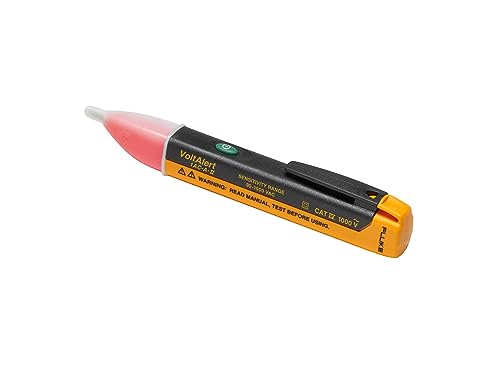
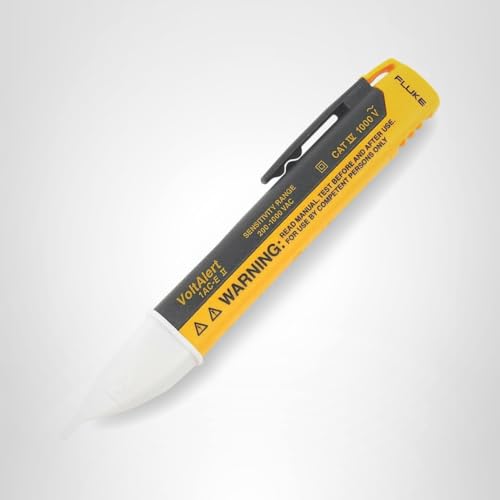
Fluke 1AC II Voltage Tester
Strengths
- Self-test function
- Trusted Fluke reliability
- Audible/silent mode
Trade-offs
- Narrower low-end range
- No LED for power-on
The Fluke 1AC II is the gold standard in non-contact voltage pens for a reason. It’s not flashy, but it’s trusted, and for good cause. The tip glows red and beeps loudly when voltage is present, and the continuous self-test ensures you’re not walking into a dangerous situation with a dead tester. That feature alone makes it stand out in a category where reliability can be life-or-death.
It operates between 90V and 1000V AC, which covers most residential and light commercial applications. Owners love how consistently it performs, even after years of use. Compared to the Klein NCVT1P, it lacks the lower 50V detection, but in practice, that’s rarely a dealbreaker. My recommendation? This is the one I’d hand to a new electrician starting out.
Product photos


Klein Tools CL120VP Test Kit

Strengths
- All-in-one kit
- Auto-ranging clamp meter
- Includes GFCI tester
Trade-offs
- Bulky for tight spaces
- No DC current measurement
This kit is built for electricians who need more than just a single function from their tools. On paper, the CL120 clamp meter brings solid versatility, AC current measurement via clamp, plus standard multimeter functions like voltage, resistance, and continuity using the leads. Owners consistently report that the auto-ranging works reliably, which matters when you’re moving fast on a job site and can’t afford manual range fumbling.
The real strength here is the bundled extras: the GFCI tester (RT210) and non-contact pen (NCVT3P) are legit tools on their own, not cheap add-ons. When you factor in the magnetic hanger option and test lead storage on the clamp body, this kit starts to feel like a field-ready package. Compared to buying each piece separately, you’re getting meaningful savings and cohesion.
Product photos


WGGE WG-015 Wire Stripper

Strengths
- Affordable price
- Durable steel build
- Comfortable grip
Trade-offs
- Limited crimping range
- No ratcheting mechanism
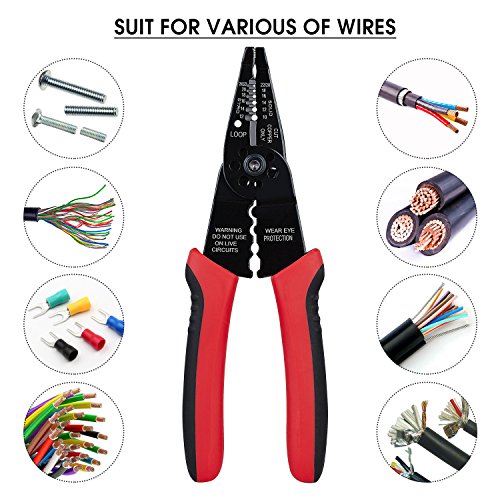
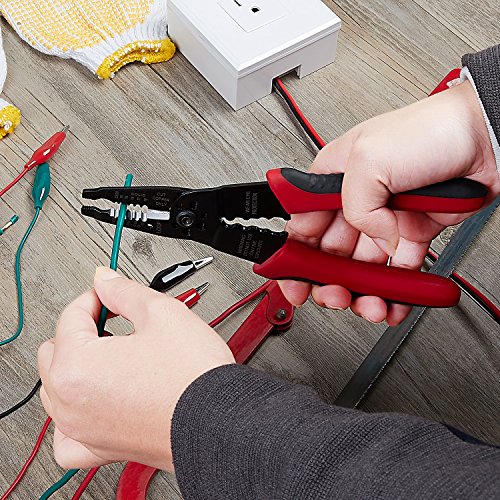
For the price, the WGGE WG-015 delivers a surprising amount of performance. It handles 10–22 AWG wire with clean, consistent stripping, and the high-carbon steel construction holds up well under regular use. The ergonomic handle reduces hand fatigue, which matters if you’re doing long runs of wiring.
Owners report it’s a solid step up from dollar-store strippers, though not quite on par with Klein or Ideal in longevity. It doesn’t have the ratcheting action or multi-gauge crimping of higher-end models, but for basic stripping, cutting, and crimping, it gets the job done. Compared to the 25-in-1 multifunction tool, it’s less flashy but more focused.
Product photos


Klein ET310KIT Breaker Finder

Strengths
- Includes GFCI tester
- Clear audio/visual feedback
- Multiple adapters included
Trade-offs
- Limited to 120V circuits
- No non-energized tracing
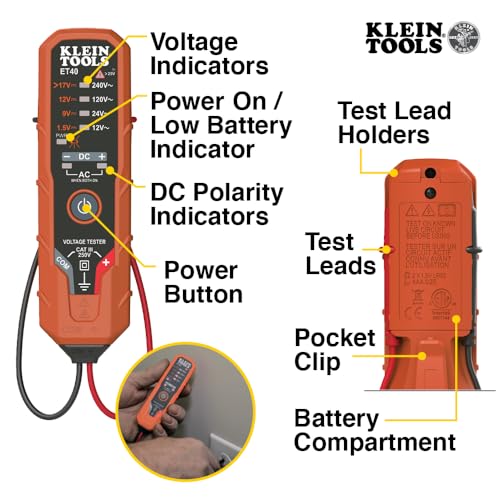
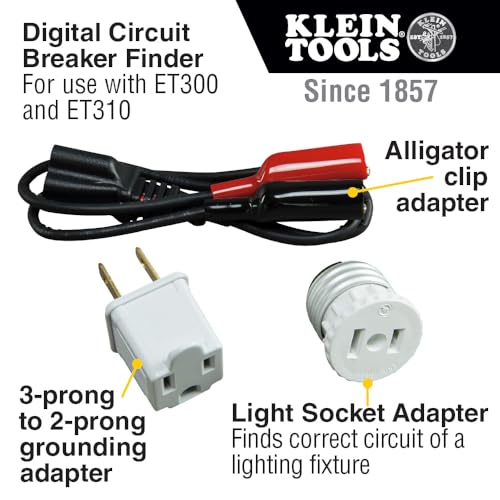
Finding the right breaker shouldn’t be a guessing game, and this kit eliminates the guesswork. The transmitter plugs into an outlet, and the receiver walks you straight to the corresponding breaker with both visual and audible cues. It’s simple, effective, and works on standard 90–120V circuits, exactly what most homeowners and electricians face daily.
What pushes this ahead of budget finders is the built-in GFCI tester in the transmitter. That’s not just convenient, it’s smart design. The included adapters, light socket, grounding, alligator clips, expand its utility beyond outlets. Compared to the more advanced ET450, this is a no-frills, focused tool that does one job very well.
Product photos




Klein NCVT1P Voltage Tester
Strengths
- Wide voltage range
- CAT IV 1000V rated
- Compact and durable
Trade-offs
- Not for tamper-resistant outlets
- No low-voltage mode
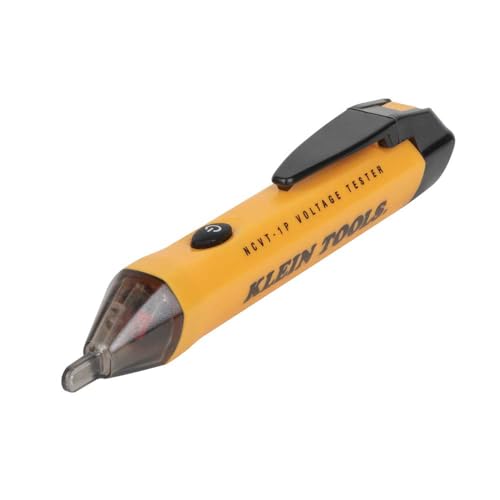
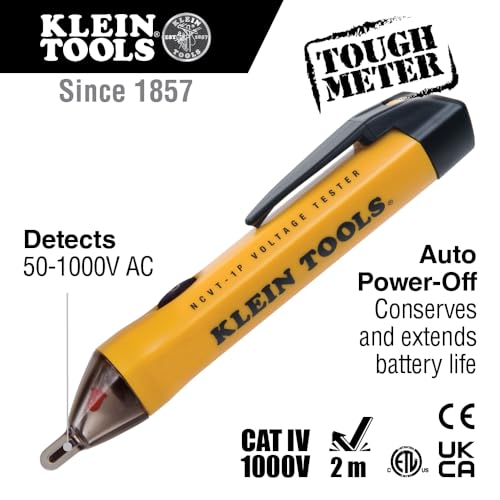
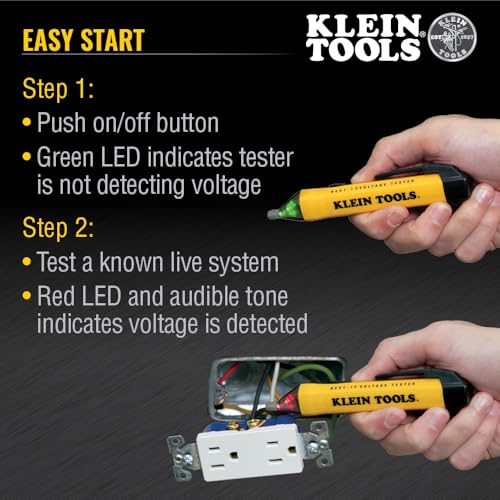
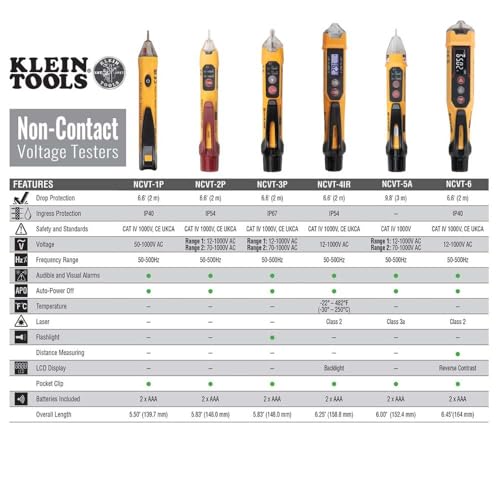
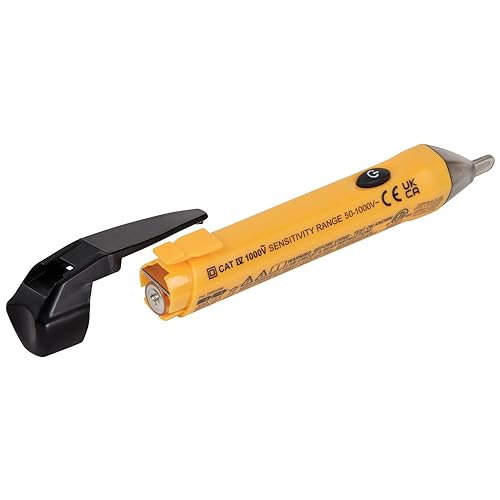
If you’re after a no-frills, pocketable voltage detector that just works, the NCVT1P fits the bill. It covers 50V to 1000V AC, which is broader than many pens in this class, and the dual LED indicators, green for power, red for voltage detection, make status obvious even in a glance. The audible beeper adds another layer of feedback, which I appreciate when working overhead or in awkward positions.
Reviewers frequently highlight its durability, noting it’s survived repeated 6.6-foot drops without issue. The CAT IV 1000V rating gives it serious safety cred, something I always look for in non-contact testers. That said, Klein clearly designed this for standard outlets, it’s not recommended for tamper-resistant ones, which is a limitation if you’re working in newer residential builds.
Product photos

Klein 32315HD Multi-Bit Screwdriver
Strengths
- Ratcheting handle
- Impact-rated bits
- Comfortable grip
Trade-offs
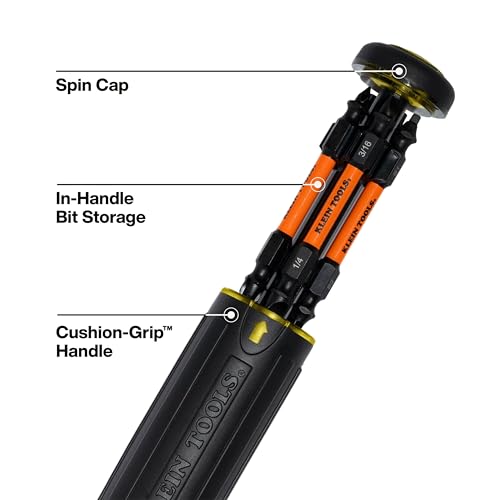
- No built-in bit storage
- Manual only
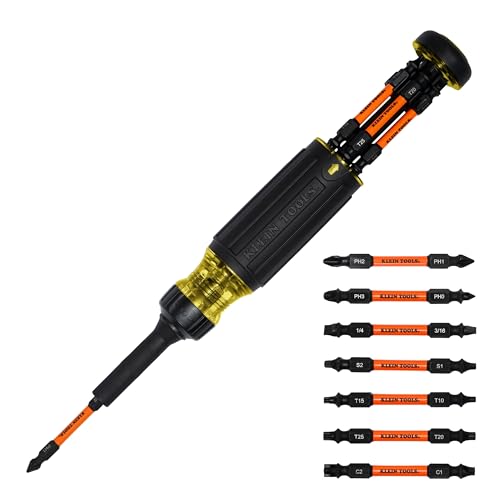
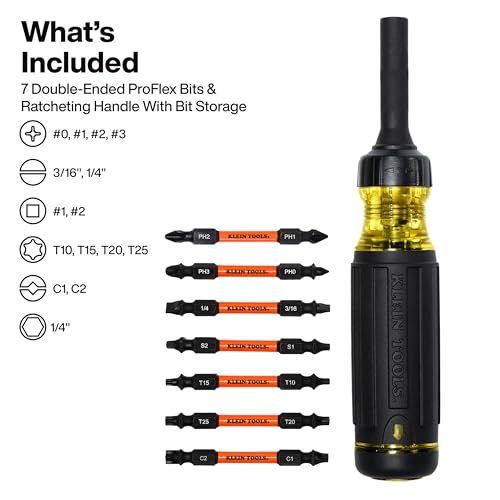
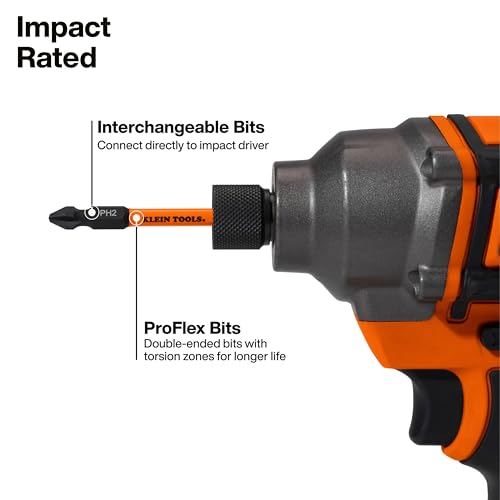
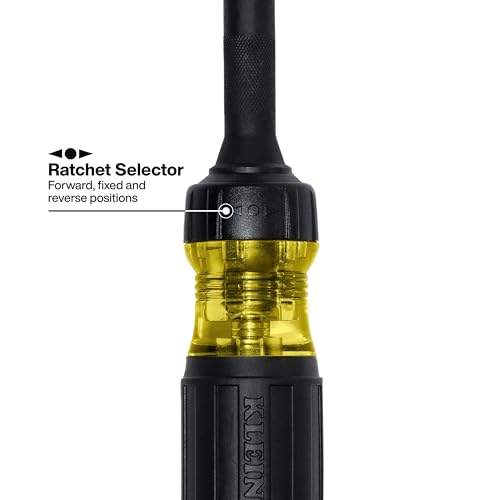
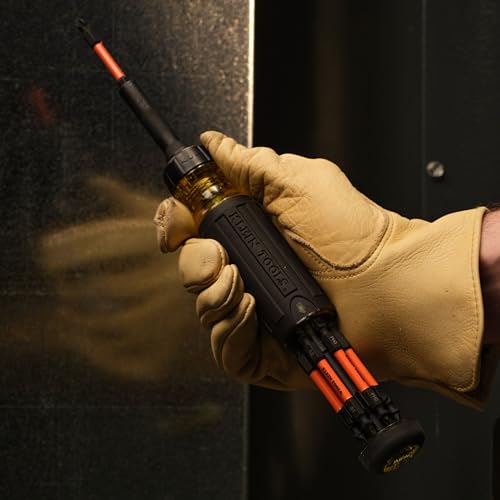
This is the kind of tool you keep in your bag for those finicky, tight-space jobs where a drill won’t fit. The ratcheting mechanism is smooth, with forward, reverse, and locked positions, a small detail that makes a big difference when you’re working under a sink or inside a panel. The 14 included bits cover nearly every common fastener, and the impact-rated design means you can pair it with a driver when needed.
Owners consistently praise the Cushion-Grip handle for reducing fatigue during extended use. Compared to the DEWALT cordless screwdriver, this one is all about control and finesse. It won’t drive 100 screws fast, but it’ll get the last quarter-turn just right without stripping the head.
Product photos
DEWALT 4V Cordless Screwdriver

Strengths
- USB rechargeable
- LED work light
- FLEXDRIVE control
Trade-offs
- Low torque for heavy tasks
- Battery not replaceable
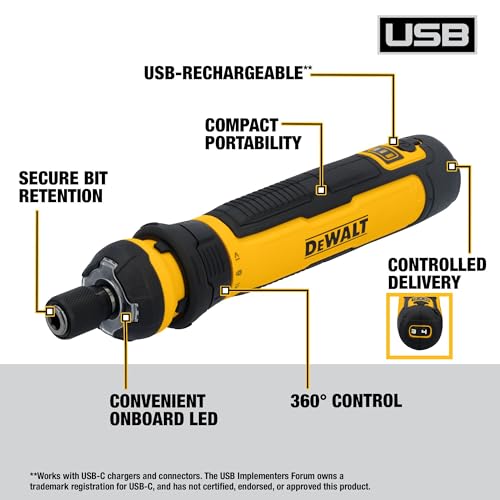
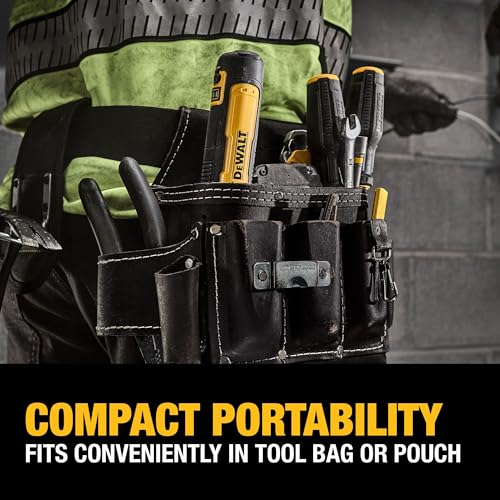
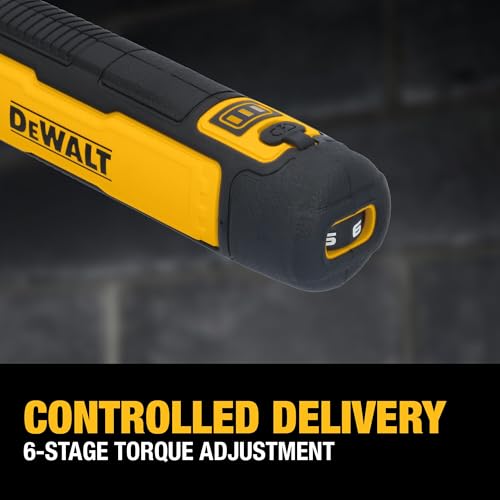
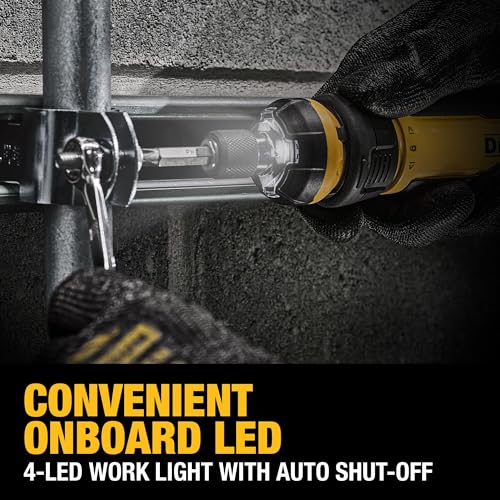
This DEWALT isn’t a heavy-duty driver, but it’s not meant to be. With up to 44 in-lbs of torque and a compact 4V design, it’s made for light assembly, fixture mounting, or panel work where precision beats power. The FLEXDRIVE control, a sliding collar instead of a trigger, is a smart touch, giving you smooth start-up and better feel, especially in tight spots.
Owners praise the 360 RPM speed and the fact that it holds up to 680 screws per charge, which is impressive for such a small unit. The onboard LED is a small but meaningful detail, and the USB charging is convenient. Compared to Klein’s multi-bit ratcheting screwdriver, this one trades manual control for powered efficiency.
Product photos

4 Pcs 2026 Wire Twister

Strengths
- Saves significant time
- Durable steel build
- Works with any drill
Trade-offs
- Risk of over-tightening
- No torque control
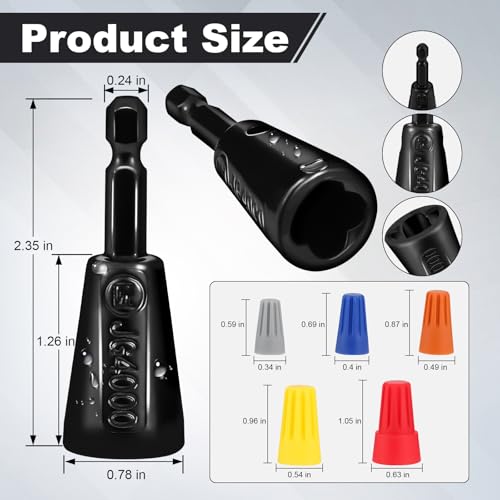
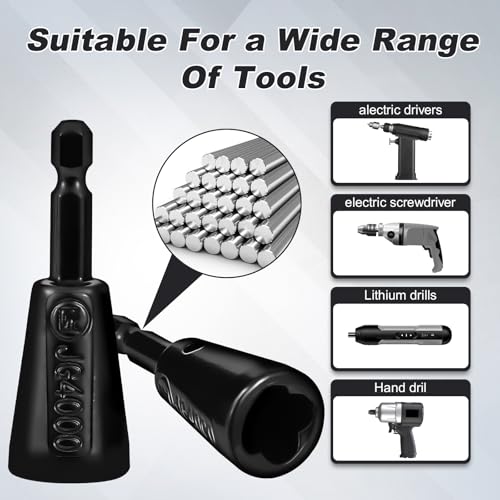
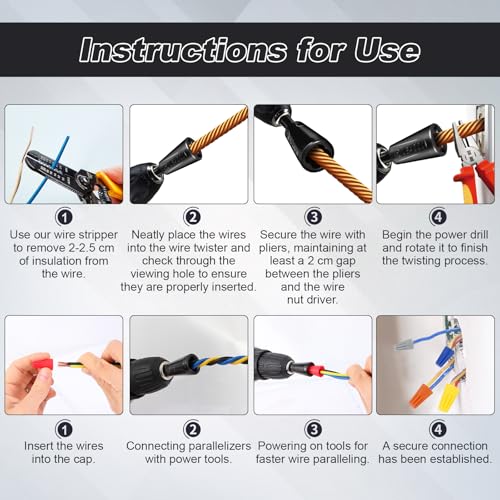
If you’re twisting wire nuts by hand all day, this set will change your workflow. Mount these 6mm-hex shank twisters in a drill and you can spin connections tight in seconds. The high-carbon steel construction holds up well, and the set includes multiple tips plus wire caps, so you’re ready to go out of the box.
Owners report significant time savings, especially on new construction or panel upgrades with dozens of connections. The tool works on 8–24 AWG wires and handles 2–7 way twists, which covers most residential needs. That said, it’s not a substitute for proper torque, you still need to know when to stop.
Product photos


2026 Upgraded 25-in-1 Tool
Strengths
- Extremely versatile
- Wide wire range
- Ergonomic handles
Trade-offs
- Crimping less precise
- Build quality inconsistent
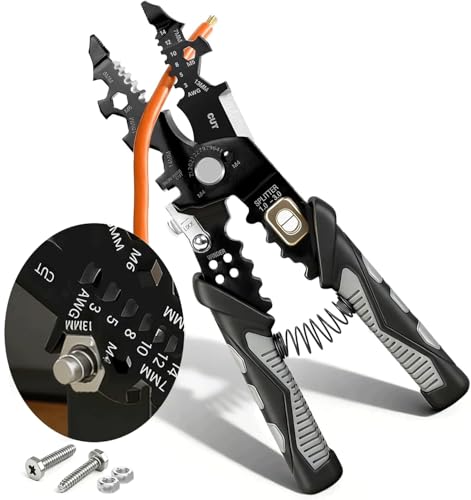
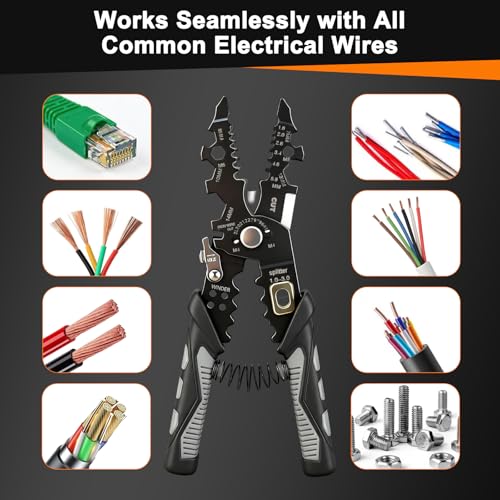
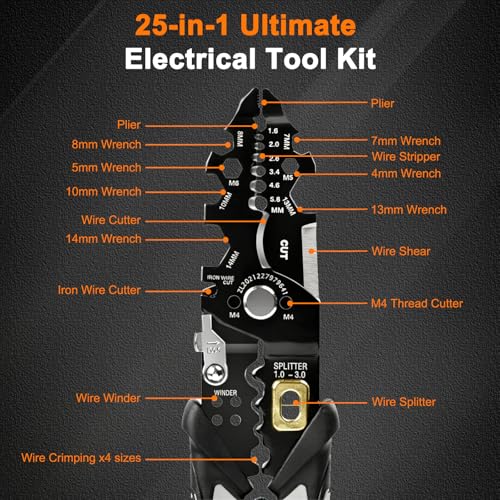
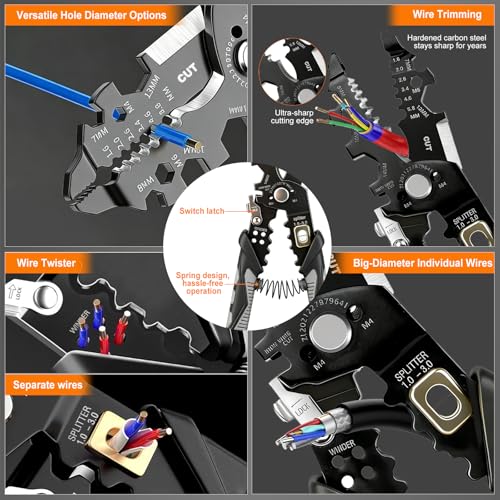
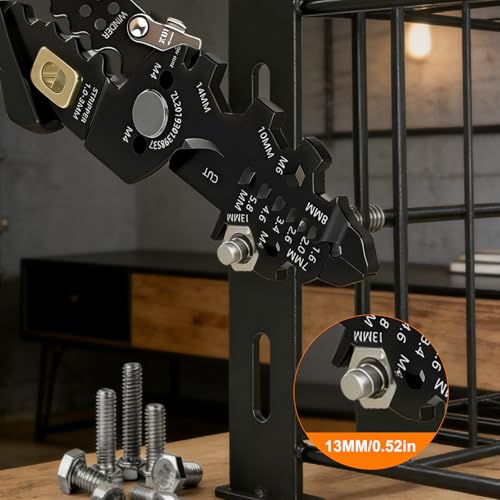
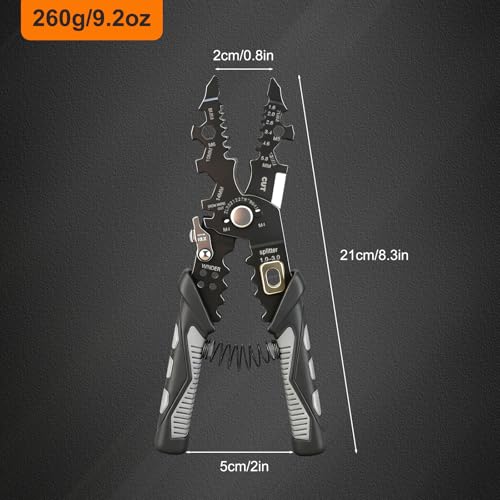
This 25-in-1 tool tries to do everything, and for many users, it actually pulls it off. It strips, cuts, crimps, winds, and even includes a built-in wrench function, all across a wide 16 AWG to 3 AWG range. The self-adjusting spring mechanism helps reduce hand strain, and the PVC-insulated handles offer solid grip.
Reviewers note it’s especially useful for industrial or field work where carrying multiple tools isn’t practical. However, while it’s versatile, it doesn’t excel in any one area. The crimping jaws aren’t as precise as dedicated tools, and the stripping holes can occasionally nick wire if not aligned perfectly. Still, as an all-in-one backup or travel tool, it’s hard to beat.
Product photos
Klein ET450 Circuit Tracer

Strengths
- Traces de-energized circuits
- Adjustable sensitivity
- Includes flashlight and NCV
Trade-offs
- Higher learning curve
- Overkill for home use
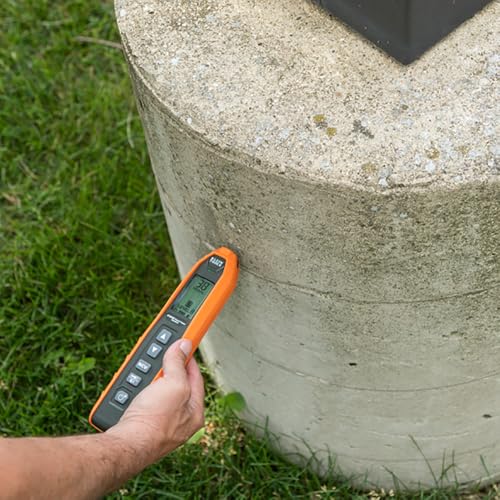
This is the pro-tier upgrade from the ET310KIT, a serious tool for serious tracing jobs. It can locate both energized and non-energized circuits, trace through drywall or underground, and even isolate a single wire in a bundle. The adjustable sensitivity and signal strength indicators make it precise, and the built-in flashlight and NCV detection add real-world utility.
The transmitter’s voltage indicators (12V to 480V) are a smart touch, helping you confirm circuit status before tracing. Owners working in commercial or industrial settings consistently rate this as worth the investment. Compared to basic finders, it’s more complex but far more capable.
Product photos


Fluke T+PRO Electrical Tester

Strengths
- OpenJaw current measurement
- Auto voltage detection
- Compact and portable
Trade-offs
- Limited to basic functions
- No resistance measurement
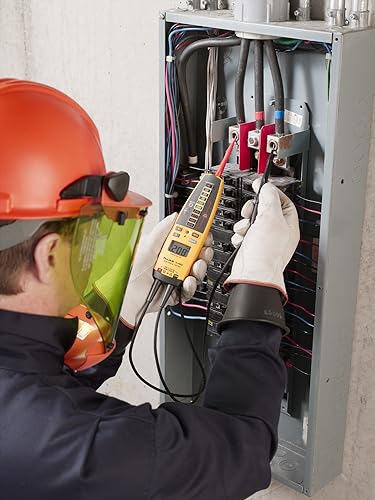
The T+PRO is a digital multitester that balances simplicity and functionality. It auto-detects AC/DC voltage and offers OpenJaw current measurement, a rare and useful feature that lets you check current without breaking the circuit. The continuity beeper is loud and clear, and the SlimReach probes are designed for tight terminals, which I always appreciate.
Reviewers highlight its compact size and smart probe storage, making it easy to toss in a pouch. Compared to full multimeters, it’s less detailed but faster for quick checks. It won’t replace a Fluke 87V for deep diagnostics, but it’s perfect for confirming power, checking grounds, or verifying continuity in the field.
Product photos


How We Evaluated electrical tools
Rather than a hands-on lab test, this selection is a research-led comparison of published specifications, features, and – crucially – owner and expert feedback. I dove into detailed product descriptions, comparing voltage ranges, safety certifications, included accessories, and build materials. To build a balanced view, I weighed reviews from verified purchasers alongside assessments from reputable sources like professional electrician forums and tool review websites. This allowed me to identify consistent strengths and weaknesses across different models.
For electrical tools, safety and accuracy are paramount, so those factors were weighted most heavily. A tool’s ability to reliably detect voltage without false positives, and to provide accurate readings, is critical. Beyond that, versatility – how many different tasks a tool could handle – was also a major consideration, as was durability based on owner reports of long-term use and resistance to jobsite wear and tear.
Published specifications reliably indicate a tool’s basic capabilities – voltage range, wire gauge compatibility, and included features. However, judging real-world usability and long-term reliability requires looking at owner feedback. Reviews helped me understand how easily a tool is to use, how well-suited it is for specific tasks, and whether it holds up to regular use. Understanding the basics of safe circular saw techniques also informs my understanding of the importance of safety features in all tools.
How To Pick The Right electrical tools
Picking the right electrical tools isn’t just about grabbing the cheapest option. It’s about safety, efficiency, and getting the job done correctly, whether you’re a seasoned electrician or a DIY enthusiast.
Electrical tools must prioritize user safety with features like insulated handles and accurate voltage detection. A good tool will offer clear readings, durable construction, and be appropriate for the specific tasks at hand – from basic circuit testing to complex breaker identification. Look for tools certified to relevant standards (like CAT ratings) and consider the range of features needed for your typical projects.
Understanding Voltage Detection Needs
The first thing I advise folks to consider is what you’ll be detecting voltage for. A simple non-contact voltage tester, like the Fluke 1AC II, is great for quickly checking if a wire is live before working on it. But if you’re troubleshooting circuits or verifying outlet functionality, you’ll need more. Digital multimeters, like the Fluke T+PRO, offer precision measurements of voltage, current, and resistance. Don’t assume a single tool covers everything; a tiered approach is often best.
Prioritizing Safety Certifications
Safety isn’t something to skimp on. Look for tools with certifications like UL listing or, for tools used by professionals, CAT (Category) ratings. CAT ratings indicate the tool’s ability to withstand voltage surges and ensure user safety. A CAT IV 1000V rating, as seen on the Klein NCVT1P, is essential for working on industrial or high-voltage systems. Beyond the rating itself, examine the build quality. Insulated handles, robust materials, and clear markings aren’t just nice-to-haves; they’re crucial for preventing accidents.
- A basic voltage tester might cost $20.
- A good multimeter with auto-ranging and safety features will run $100-$200.
- A complete electrical testing kit, including a clamp meter and receptacle tester (like the Klein Tools CL120VP), could easily exceed $300, but offers significant value and versatility.
A tool’s safety rating is only as good as the user’s understanding of it. Always read the manual and follow recommended safety procedures.
Balancing Features with Usability
Too many features can be overwhelming. I often see people buying tools with capabilities they’ll never use. Consider your skill level and typical projects. If you only need to trace breakers occasionally, a basic breaker finder will suffice. But if you frequently work with complex electrical systems, a more advanced kit, such as the Klein ET450, with adjustable sensitivity and multiple adapters, will be a better investment. A tool that’s easy to use and understand will always be more effective than one packed with features you don’t know how to operate. And don’t overlook the importance of portability. If you’re often working in different locations, a compact and lightweight tool is a definite plus. If you’re looking for guidance on other power tools, check out our guide to best electric power tools.
Electrical Tools Compared
Here is a comparison of key specifications for the listed electrical tools.
| Product Name | Voltage Range | Current Measurement | Wire Gauge Capacity | Features | Best For |
|---|---|---|---|---|---|
| Fluke 1AC II | 90-1000V AC | N/A | N/A | Self-test, Audible Alert | Best Overall |
| Klein CL120VP | N/A | AC | N/A | GFCI Tester, NCV | Complete Electrical Testing |
| 1000V Insulated Screwdriver Set | N/A | N/A | N/A | VDE/GS Certified | Safety Certified Set |
| WGGE WG-015 | N/A | N/A | 10-22 AWG | Wire Stripping, Crimping | Budget Friendly |
| Klein ET310KIT | N/A | N/A | N/A | Breaker Finder, GFCI Test | Breaker Identification |
| Klein NCVT1P | 50-1000V AC | N/A | N/A | Non-Contact Detection | Compact Voltage Pen |
| Klein 32315HD | N/A | N/A | N/A | Ratcheting, Impact Rated | Precision Work |
| DEWALT 4V Cordless | N/A | N/A | N/A | Cordless, Torque Adjust | Cordless Screwdriver |
| 4 Pcs 2026 Wire Twister | N/A | N/A | 8-24 AWG | Fast Wire Twisting | Fast Wire Twisting |
| 2026 Upgraded 25-in-1 | N/A | N/A | 16-3 AWG | Multi-Tool | All-in-One Wire Tool |
| Klein ET450 | N/A | N/A | N/A | Circuit Tracing | Advanced Tracing |
| Fluke T+PRO | Auto-ranging | OpenJaw | N/A | Digital, Continuity | Digital Multitester |
Frequently Asked Questions
What voltage range should I look for in a non-contact voltage tester?
A range of 50-1000V AC is typical and suitable for most household and light commercial work. Lower-end testers may only cover 90-1000V, which is generally fine for basic home use, but a wider range offers more flexibility.
Are CAT ratings on electrical tools actually important?
Yes, CAT ratings are very important because they indicate how well a tool can handle voltage surges. A higher CAT rating (like CAT IV) means the tool is designed for use in higher-energy environments, offering greater safety for professional electricians.
What’s the difference between a multimeter and a voltage tester?
A voltage tester simply indicates the presence of voltage, while a multimeter measures voltage, current, resistance, and often continuity. Multimeters offer more detailed information, but a dedicated voltage tester is faster and more convenient for quick checks.
How do I know if an insulated screwdriver set is truly safe?
Look for sets certified to VDE/GS standards; these indicate the screwdrivers have undergone rigorous testing to ensure insulation integrity. These certifications are a crucial indicator of safety when working with live circuits, and are essential tools for electricians.
What features make a breaker finder worthwhile?
Adjustable sensitivity and multiple adapters are valuable features because they allow you to accurately locate breakers even in crowded panels. Without these features, locating the correct breaker can become a frustrating and time-consuming process, especially if you need professional electrician hand and power tools.
The Bottom Line
Buying electrical tools often comes down to how much control you want versus how much fuss you’re willing to deal with. For most homeowners and DIYers, the Fluke 1AC II strikes the best balance – it’s simple, reliable, and provides the essential non-contact voltage detection needed for safe work. It delivers accuracy and peace of mind without overwhelming you with unnecessary features.
If you’re looking for a specific solution, we have recommendations. For a budget-friendly option that still gets the job done, the WGGE WG-015 wire strippers are a great starting point. For those needing maximum versatility, the Klein CL120VP complete electrical testing kit offers a broad range of capabilities. And if you’re focused on tracing and identifying circuits, the Klein ET450 is the clear choice.
Ultimately, remember that specs and features are secondary to understanding electrical safety. Prioritize tools with appropriate certifications, learn how to use them correctly, and always follow established safety procedures. A basic understanding of miter saw functions explained can also reinforce the importance of reading and following manufacturer guidelines for any tool you use.
