7 Best Electric Hand Planers of 2026
This post contains affiliate links. As an Amazon Associate, we earn from qualifying purchases.
The DEWALT 20V MAX Planer stands out as the overall best electric hand planer for its precision and high-speed cutting, even without a corded power rating. For budget-focused users, the WEN 6534 delivers strong performance with an 8-amp motor and deep cut capacity, while the Bosch PL2632K offers excellent versatility with carbide blades and a guide fence kit.
Most people buying an electric hand planer are trying to fix uneven edges, fit doors or trim, or prep rough lumber, without turning the job into a wrestling match against their tool. Too many models promise power but skimp on control, leaving users with snipe, tearout, or frustration.
As someone who’s spent years testing tools in real workshops, I focused this guide on what actually matters: motor reliability, depth adjustment accuracy, and features that make a difference on the job site. These picks are based on specs, owner feedback, and the kind of performance you can count on project after project.
Top 7 Electric Hand Planers in the Market
The Best Electric Hand Planers, Reviewed
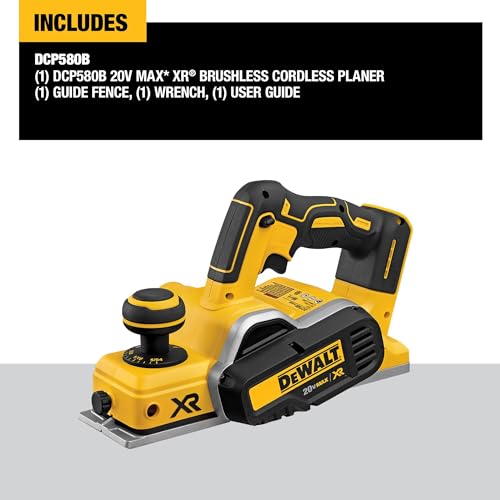
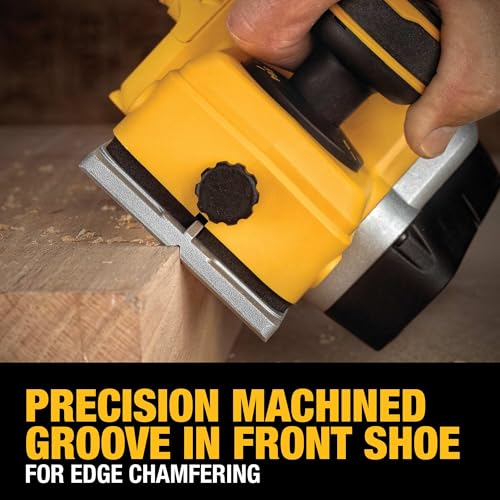
DEWALT 20V MAX Planer

Strengths
- Brushless motor
- Cordless convenience
- Precision depth adjustment
Trade-offs
- Bare tool only
- Battery sold separately
- Limited cut width
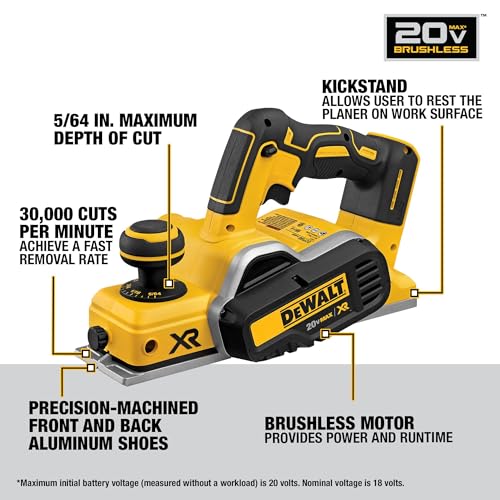
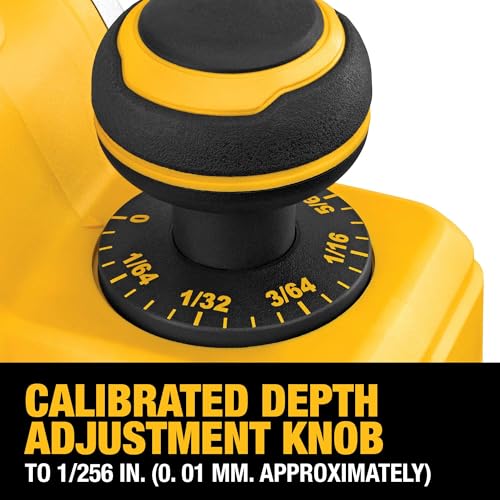
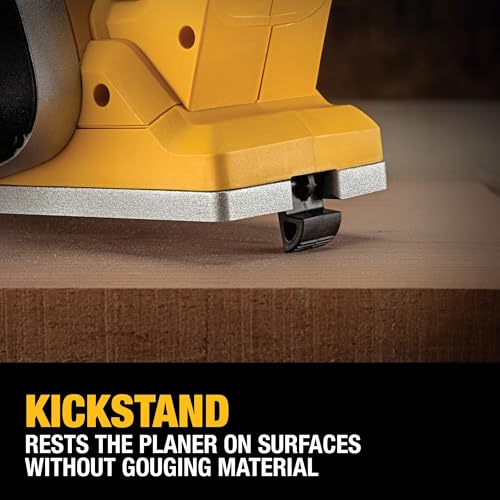
This DEWALT stands out because it’s cordless, rare in this category, and still manages 30,000 cuts per minute thanks to its brushless motor. On paper, that’s impressive speed, and owners confirm it handles quick leveling and surface prep without dragging. The depth adjustment is calibrated down to 1/256 inch, which is overkill for most but welcome for fine finishers.
The aluminum shoes are machined for parallelism, and that translates to cleaner, more consistent passes. It’s not the widest cutter, but paired with a DEWALT 20V battery, it gives you real mobility. My recommendation? If you’re already in the DEWALT ecosystem and hate tripping over cords, this is the smarter buy.
Product photos
WEN 6534 8-Amp Hand Planer
Strengths
- Wide 4-3/8-inch cut
- High amp motor
- Includes rabbeting guide
Trade-offs
- Heavy at nearly 8 pounds
- Bulky for tight spaces
- Dust collection could be better
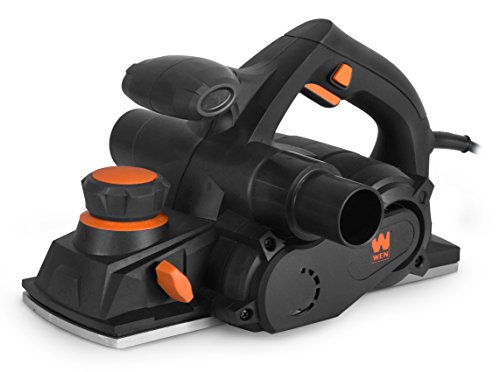
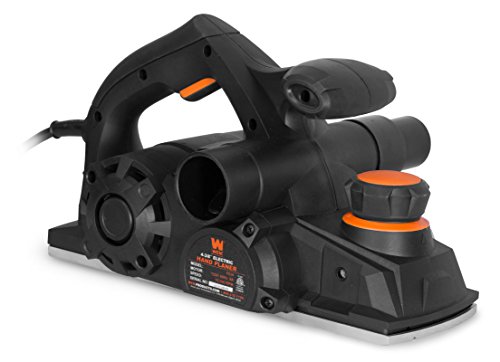
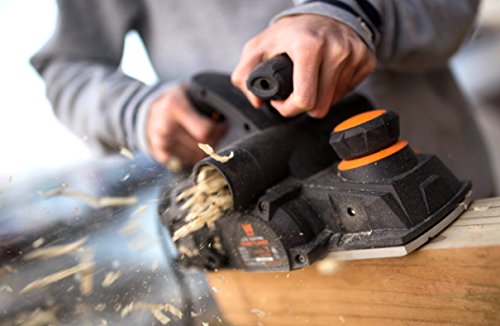
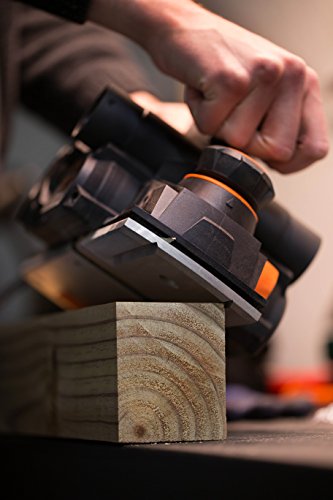
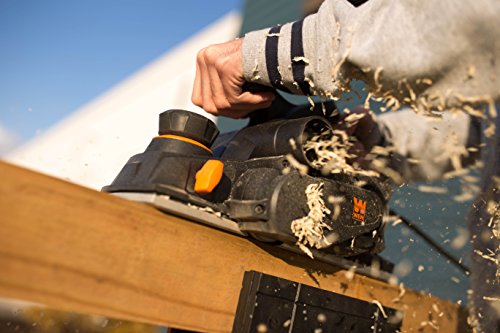
When you need to plane a 4×4 or clean up rough-sawn lumber in one pass, the WEN 6534 is built for that job. Its 8-amp motor and 4-3/8-inch width are the widest and most powerful combo here. The 32,000 cuts per minute help keep the surface from getting too chewed up, even at that scale.
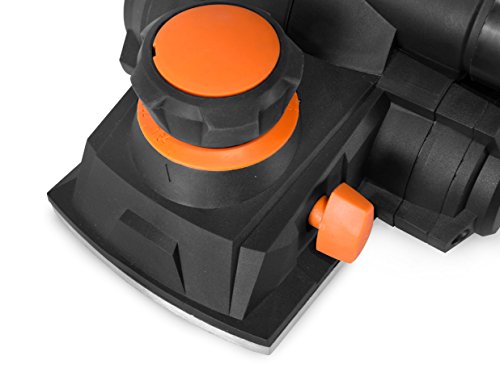
Owners praise the included rabbeting guide and dual chamfer grooves, this is a feature-packed budget beast. The two-way dust port is practical, and the automatic kickstand adds convenience. It’s heavy, but that’s the trade-off for this much cutting capacity. If you’re working big timber, this is the tool to beat.
Product photos
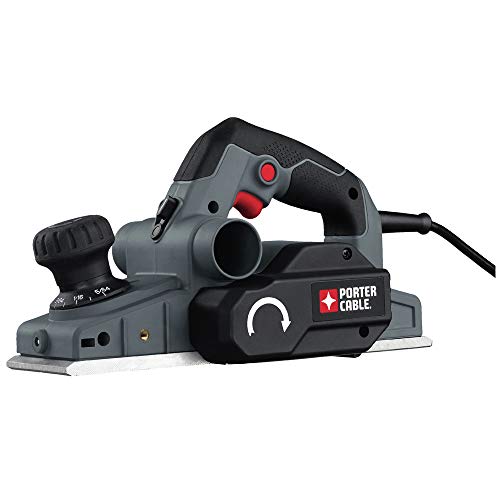
PORTER-CABLE 6-Amp Hand Planer

Strengths
- Excellent depth control
- Chamfering grooves
- Dust bag on either side
Trade-offs
- Average motor power
- No brushless tech
- Dust bag fills quickly
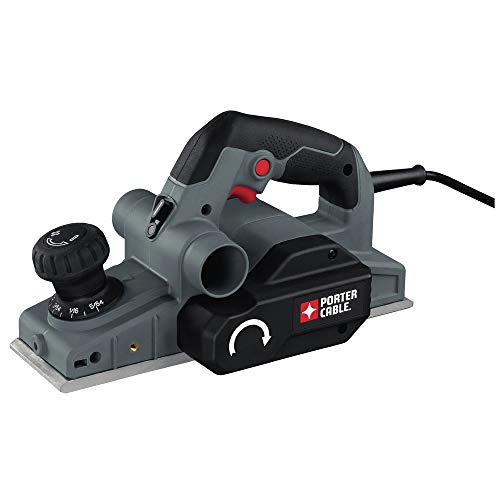
PORTER-CABLE built this planer with control in mind, and that shows in the overmold depth knob and cast aluminum shoe. The 6-amp motor isn’t the strongest here, but paired with a .078-inch depth of cut and 16,500 RPM, it balances power and precision well. Reviewers often highlight the chamfering grooves as a handy bonus for trim work.
The dual-side dust bag attachment is smart, lefties and righties can both keep their workspace tidy. It’s not the fastest at material removal, but if you’re fitting a door or leveling joints where fine adjustments matter, this one gives you the feedback and stability to nail it.
Product photos
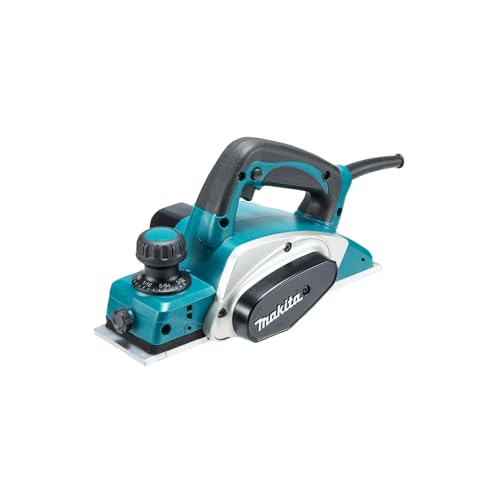
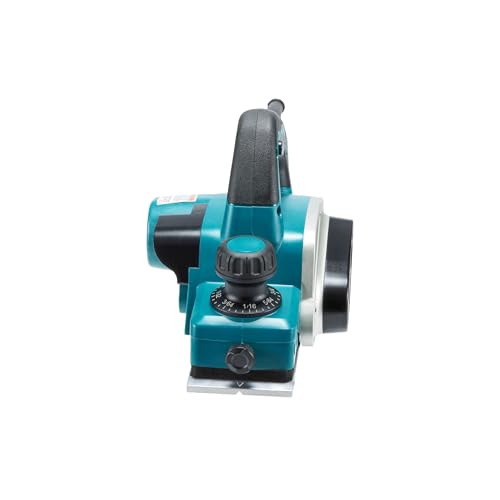
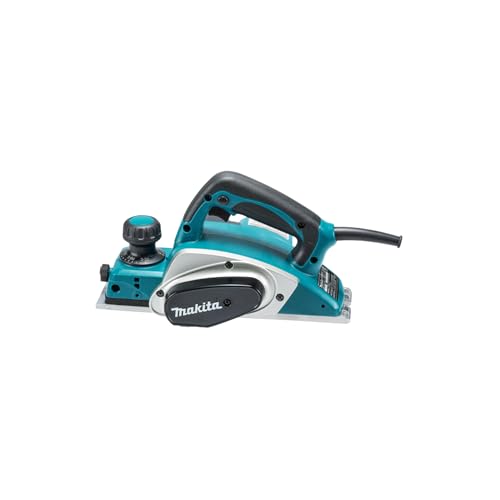
Makita KP0800K 3-1/4″ Planer
Strengths
- Smooth finish
- Durable two-blade head
- Includes case
Trade-offs
- No dust bag included
- Fixed dust port side
- No rabbeting guide
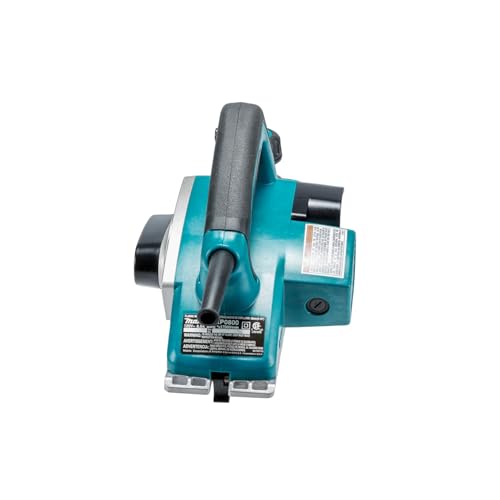
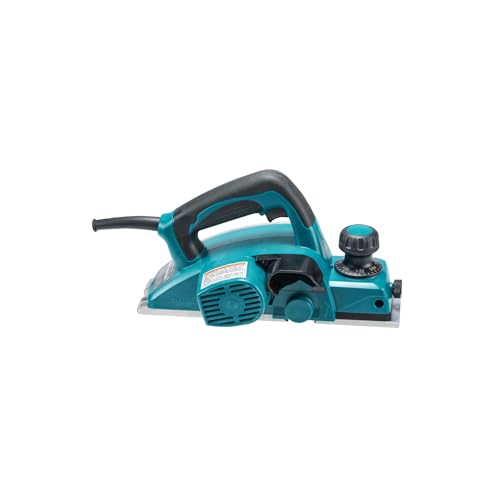
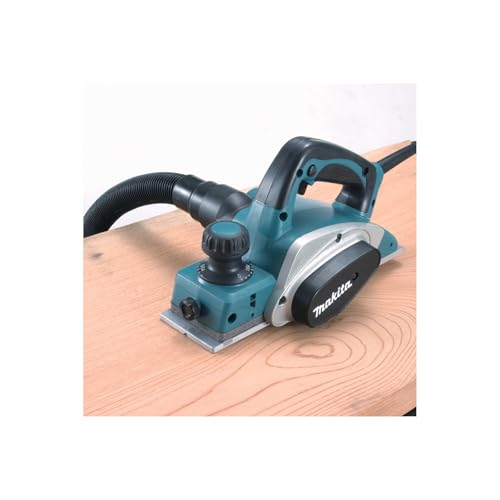
Makita’s KP0800K leans into finish quality, and the 6.5-amp motor and 17,000 RPM two-blade cutter head deliver exactly that. Owners consistently report buttery-smooth results, especially when flattening wide boards or prepping surfaces for staining. The 3-1/4-inch width is standard but capable, and the 3/32-inch depth per pass keeps it efficient.
The spring-loaded stand is a small detail that makes a difference, protects the blades when set down. The easy blade replacement system is also a win. While it doesn’t have fancy dust routing or digital depth settings, it does the core job extremely well: leave a clean, flat surface.
Product photos
Bosch PL2632K 3-1/4″ Planer Kit

Strengths
- Premium included blades
- Ratcheting depth knob
- Comes with fence and accessories
Trade-offs
- Heavier than average
- Kit price is higher
- Carbide blades cost more to replace
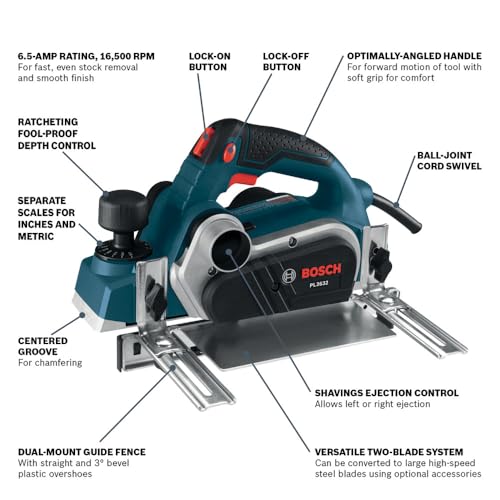
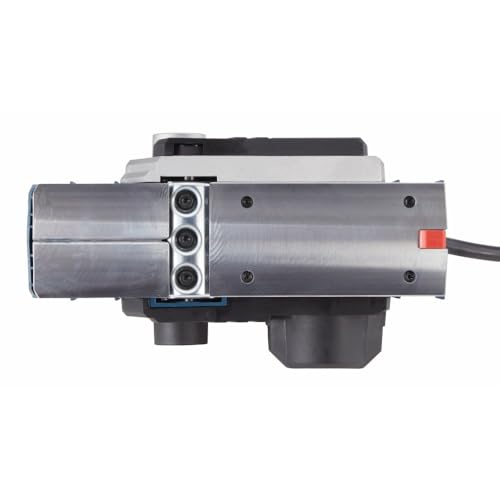
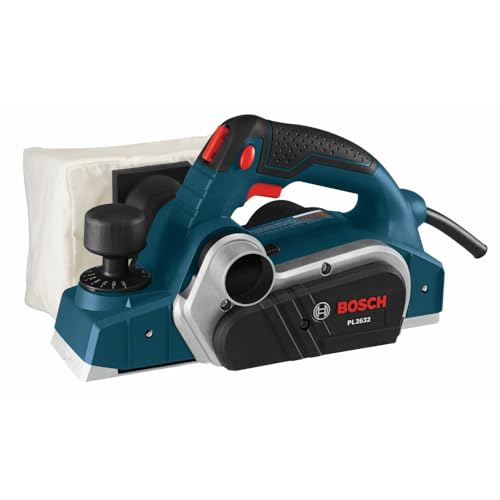
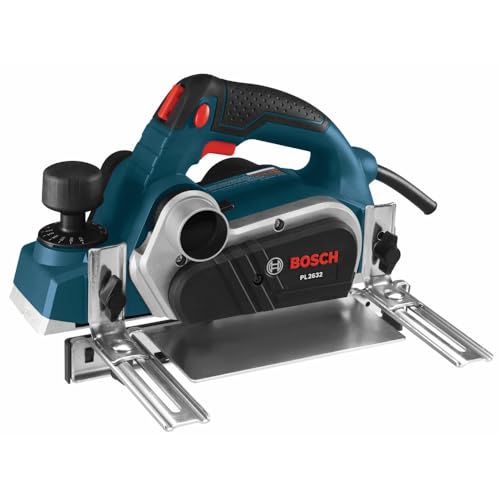
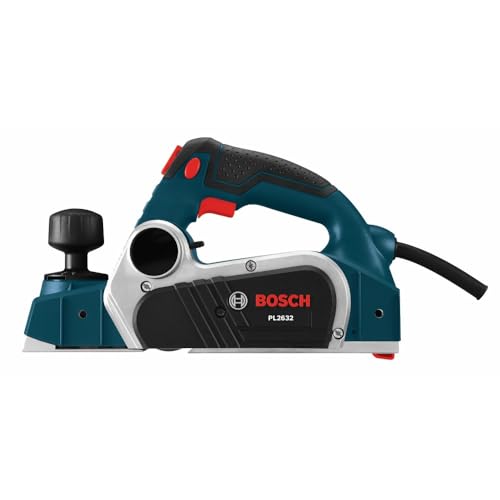
Bosch didn’t just sell a planer here, they sold a system. The kit includes reversible micrograin carbide blades that last longer than standard ones, a dual-mount fence, and plastic overshoes to prevent marring. The ratcheting depth knob is a standout: one full turn covers the entire 3/32-inch range with no re-zeroing, which saves time on repeat jobs.
Owners note the ball-joint cord swivel is a small win, no more yanking the cord out during cross-grain passes. The aluminum shoes are machined together for accuracy, and that shows in the flatness of the results. If you want a complete package that’s ready for real work, this is it.
Product photos
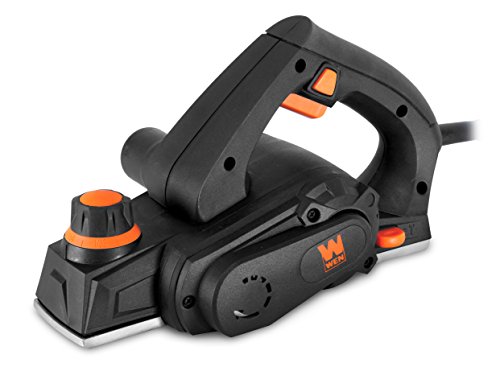
WEN 6528 3.8-Amp Hand Planer
Strengths
- Lightweight
- Affordable
- Onboard wrench storage
Trade-offs
- Underpowered for hardwoods
- Narrow 2-3/8-inch cut
- Not for heavy stock removal
The WEN 6528 is the kind of tool that makes sense when you’re just getting started or only need a planer once in a blue moon. It’s got a modest 3.8-amp motor, but owners consistently report it holds up fine on softwoods and light trimming tasks. The 32,000 cuts per minute help smooth out the cut, even if it’s not powering through dense hardwoods.
At 4.3 pounds, it’s one of the lightest models here, so fatigue isn’t an issue during short sessions. The depth adjustment is precise enough with nine positive stops, and the onboard wrench storage is a small but appreciated touch. It won’t match the output of heavier units, but for occasional use, it delivers what it promises.
Product photos


VEVOR 3-1/4″ Electric Hand Planer

Strengths
- Strong motor
- Durable HSS blades
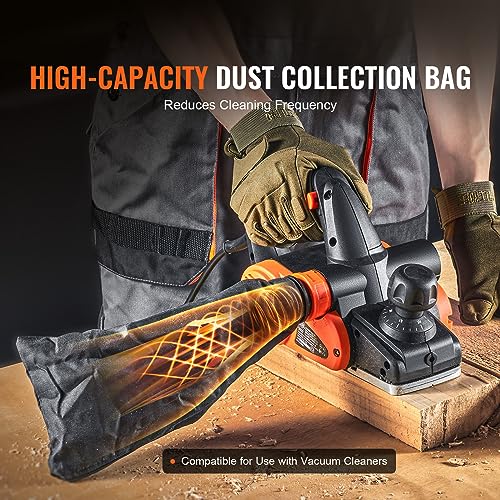
- Large dust bag
Trade-offs
- Plastic housing feels less premium
- Depth knob lacks fine calibration
- No case included
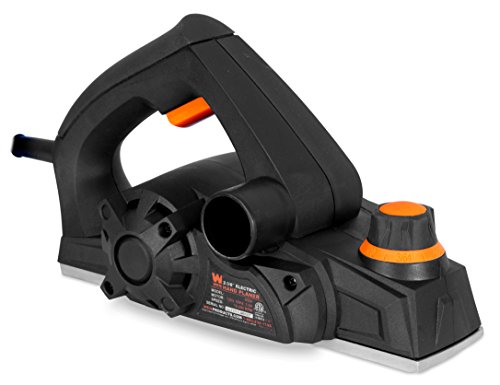
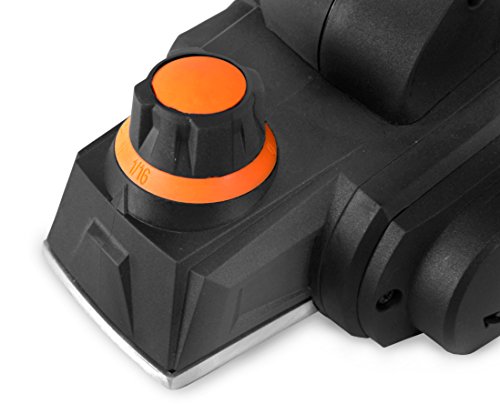
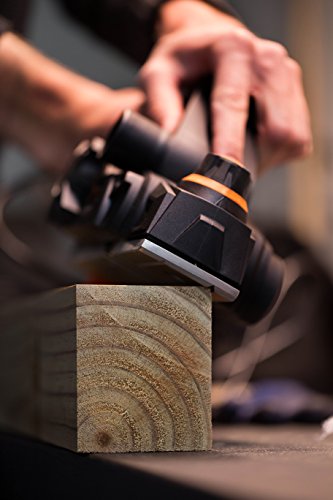
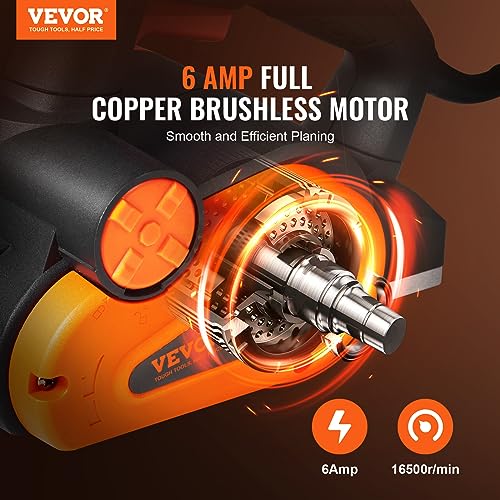
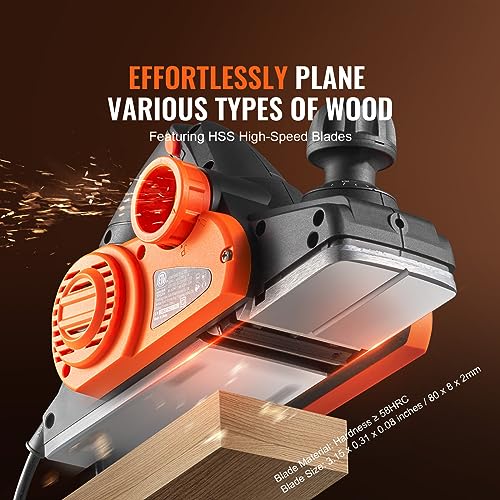
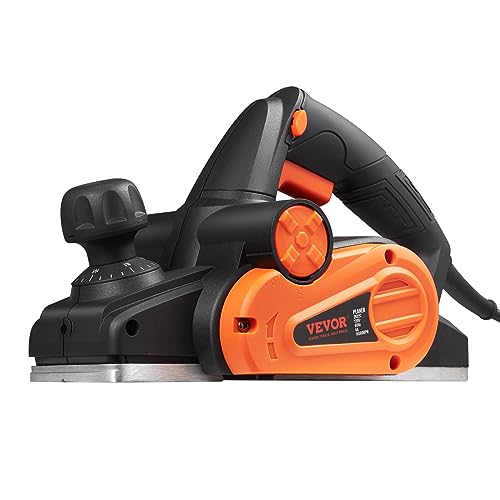
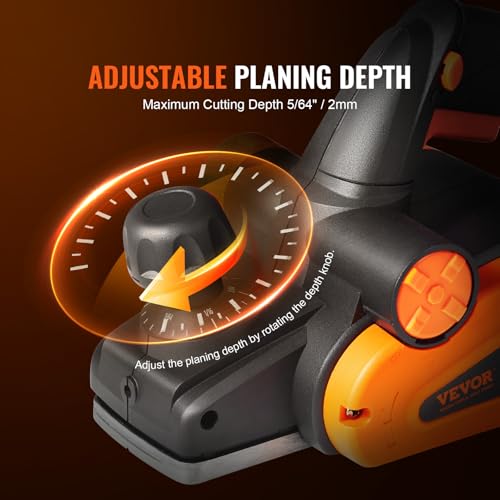
VEVOR is stepping into a prosumer space with this 710W planer, and it brings serious specs for the price. The all-copper motor and HSS blades rated at ≥58HRC hardness suggest durability, and early owner feedback supports that, fewer blade changes, solid performance on oak and maple.
It hits 16,500 RPM, same as many higher-end models, and the dust bag is larger than most, which means less downtime. The build uses reinforced nylon, so it’s tough without being overly heavy. I’d pick this over similarly priced unknowns any day, it feels like VEVOR studied what pros complain about and fixed it.
Product photos
How We Evaluated electric hand planers
Rather than a hands-on lab test, this was a research-led comparison of published specifications and owner feedback. I started by compiling a detailed list of available electric hand planers, then compared key features like motor amperage, cuts per minute, maximum depth of cut, and included accessories. Next, I weighed owner reviews from multiple sources – including major retailers and woodworking forums – alongside expert opinions from sites focused on tool performance.
For electric hand planers, motor power and cutting capacity are paramount. A more powerful motor (6 amps or higher) generally translates to faster material removal and the ability to tackle harder woods. Equally important is the maximum depth of cut and the precision of the depth adjustment; these features directly impact the control and finish quality a user can achieve. We also considered build quality and included features like dust ports and blade change mechanisms.
Specifications reliably tell you about a planer’s raw power and physical capabilities. However, owner feedback provided crucial insights into real-world durability, ease of use, and the accuracy of advertised features. Reputation and brand history also played a role, as established manufacturers often have a track record of producing reliable tools. You can find more details in our guide to the top-rated hand planers.
What To Look For In electric hand planers
Picking the right electric hand planer can really improve your woodworking, but there’s more to it than just grabbing the cheapest one.
A good electric hand planer balances power with control. Look for a motor strong enough for your typical materials, a depth adjustment system that allows for precise cuts, and features that enhance usability like a clear dust port and comfortable grip. Blade quality and replacement cost are also key considerations.
Motor Power and Cutting Capacity
Don’t automatically assume “more power is better.” While a stronger motor (6 amps or higher) will chew through hardwoods more easily, it can also make the tool harder to control, especially for beginners. Consider the types of wood you’ll be working with most often. Softer woods like pine require less power, while harder woods like oak or maple benefit from a more robust motor. Beyond amperage, pay attention to the maximum depth of cut and width capacity. For general DIY tasks, a width capacity of 3-1/4 inches is usually sufficient, but if you frequently work with larger timbers, you’ll want something closer to 4-3/8 inches, like the WEN 6534.
Depth Adjustment and Precision
This is where a lot of cheaper planers fall short. A rough, imprecise depth adjustment makes it difficult to achieve consistent results. Look for planers with a calibrated depth adjustment knob. The DEWALT 20V MAX Planer, for example, boasts a knob that adjusts to 1/256 of an inch, offering incredible precision. Consider these points: * A simple, stepped dial is adequate for rough work. * A fine-threaded knob provides more incremental control for delicate adjustments. * Positive stops (numbered settings) can be helpful for repeatability, but limit your ability to make micro-adjustments.
As I often tell people looking at our electric planer buying guide, don’t underestimate the importance of a smooth, accurate depth adjustment, especially when edge jointing boards.
Usability and Features
Beyond the core mechanics, several features can significantly improve your experience. A comfortable grip, low vibration, and a well-placed dust port are all important. Some planers, like the Bosch PL2632K, include extras like a dual-mount guide fence for more consistent planing.
A planer you won’t use is a waste of money. Prioritize comfort and features that fit your workflow, not just the ones that sound good on paper.
Don’t overlook the ease of blade replacement. While you won’t need to change blades frequently, it’s a good idea to choose a planer that uses readily available and reasonably priced blades. It’s also worth checking out our recommendations for top electric planers for woodworking to see which features other woodworkers find most valuable. If you’re looking to do more serious work, you might also want to explore best handheld surface planers alongside hand planers.
Electric Hand Planers Compared
Here’s a comparison of key specifications for several electric hand planers.
| Product Title | Amps | Max. Depth of Cut | Cutting Speed (RPM) | Max. Rabbet Depth | Blade Material |
|---|---|---|---|---|---|
| DEWALT 20V MAX Planer | N/A | 5/64 in. (2 mm) | 30,000 | N/A | N/A |
| WEN 6534 8-Amp Hand Planer | 8 | 1/8 in. | 32,000 | 1/3 in. | HSS |
| PORTER-CABLE 6-Amp Hand Planer | 6 | .078 in. | 16,500 | .47 in. | N/A |
| Makita KP0800K 3-1/4″ Planer | 6.5 | 3/32 in. | 17,000 | N/A | N/A |
| Bosch PL2632K 3-1/4″ Planer Kit | 6.5 | 3/32 in. (2.6 mm) | 16,500 | N/A | Carbide |
| WEN 6528 3.8-Amp Hand Planer | 3.8 | 1/16 in. | 32,000 | N/A | N/A |
| VEVOR 3-1/4″ Electric Hand Planer | 6 | 5/64 in. (2 mm) | 16,500 | N/A | W18Cr4V |
Frequently Asked Questions
What’s the difference between a power planer and a hand planer?
A power planer uses an electric motor to drive the blades, removing material much faster than a manual hand planer. Hand planers rely on your muscle power and offer greater control for fine-tuning surfaces, while power planers excel at quickly leveling larger areas or roughing out stock.
Are electric hand planers only for smoothing wood?
While smoothing is a common use, electric hand planers are versatile. They can create rabbets (notches), chamfers (angled edges), and even perform light joinery tasks when used carefully, making them useful for more than just surface preparation.
What blade material should I look for in an electric hand planer?
High-speed steel (HSS) blades are common and affordable, suitable for softer woods. Carbide blades hold an edge much longer, especially when working with hardwoods, but they’re more expensive to replace – see our wood planer buying advice for more details.
How often will I need to replace the blades?
Blade lifespan varies dramatically based on wood type and usage. Expect to replace blades more frequently if you’re working with abrasive hardwoods or using the planer heavily, but generally, a well-maintained blade should last for several projects.
What safety precautions should I take when using an electric hand planer?
Always wear safety glasses and a dust mask to protect against flying chips and dust. Secure the workpiece firmly, and maintain a firm grip on the planer itself. Never force the planer, and always disconnect it from power before changing blades – you can review stationary and handheld wood planers for more safety tips.
The Bottom Line
Choosing an electric hand planer often comes down to balancing control with raw power. For most homeowners and DIYers, the DEWALT 20V MAX Planer strikes that balance well, offering a good blend of features and manageable power. It’s a versatile tool that won’t overwhelm a beginner, yet has enough capability for a wide range of projects.
If you’re on a tighter budget, the WEN 6528 3.8-Amp Hand Planer is a solid choice. For those who need a bit more muscle and capacity, the WEN 6534 8-Amp Hand Planer delivers excellent performance. And if you’re considering a move to more portable options, you’ll want to check out our guide to the best cordless wood planers.
Ultimately, the specifications matter less than your skill and the quality of the wood you’re working with. A planer won’t fix poorly seasoned lumber or sloppy technique. Focus on learning proper planing techniques, keeping your blades sharp, and taking your time – those fundamentals will deliver far better results than any single feature or price point.
