
8 Best DA Polishers of 2026
This post contains affiliate links. As an Amazon Associate, we earn from qualifying purchases.
The BATOCA P1 stands out as the overall best da polisher for its strong 1000W motor, 15mm orbit, and solid build, making it a go-to for serious paint correction. If you’re on a tighter budget, the Maxshine M8S V2 delivers reliable performance with an 8mm orbit and high-speed range, while the ZOTA 1600W offers surprising power and versatility for a wide range of polishing tasks.
Most people don’t realize how much the right polisher can affect the finish on their car. Too much power or too little control can turn a detailing job into a mess, especially if you’re just starting out.
This guide cuts through the noise by focusing on real-world performance, balancing specs like motor strength and orbit size with feedback from users who’ve put these tools through their paces. We looked at what matters most, speed control, ergonomics, and consistency, so you can pick a da polisher that matches your skill level and project needs.
Top 8 Da Polishers in the Market
The Best Da Polishers, Reviewed
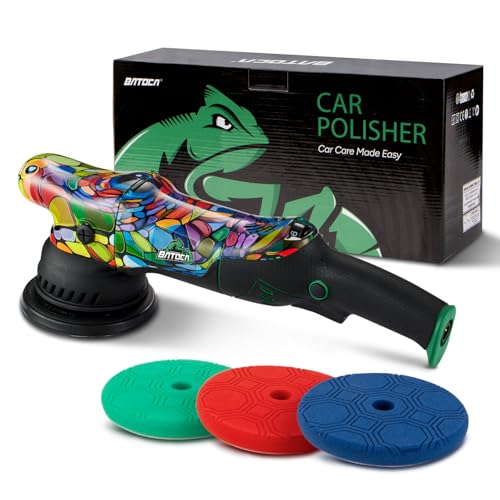
BATOCA P1 1000W 15mm Dual Action Polisher
Strengths
- 15mm long throw
- 16.4ft detachable cord
- Anti-vibration grip
Trade-offs
- Heavier build
- No battery option
- Higher learning curve
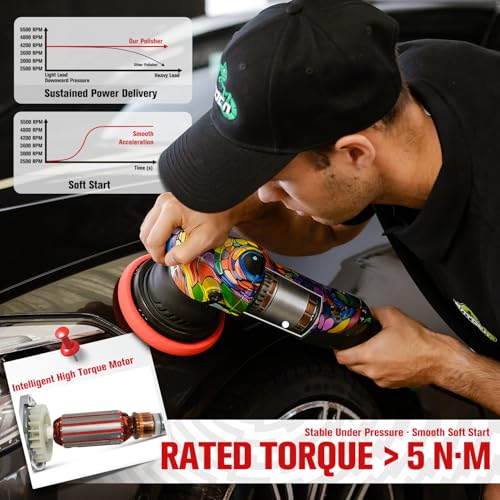
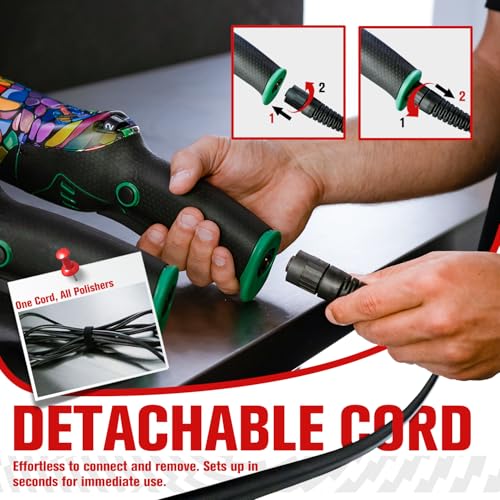
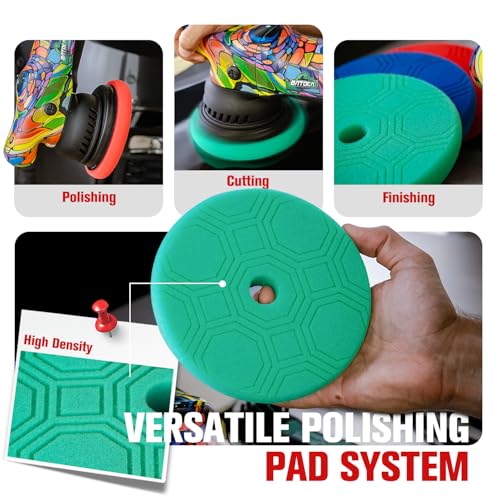
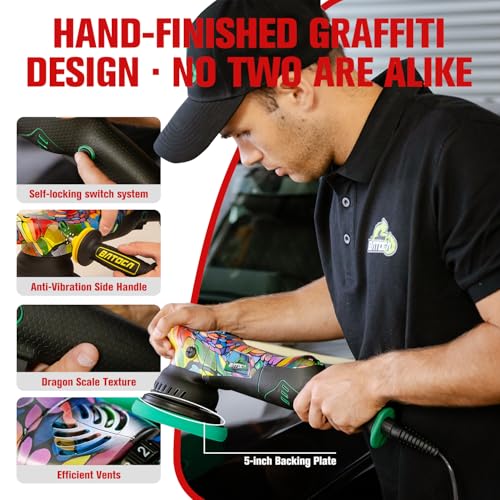
The BATOCA P1 doesn’t just perform well, it feels built to last, and that’s reflected in the feedback from detailers using it daily. The 1000W motor and 15mm orbit combo delivers fast, even correction with minimal heat, and the 16.4ft detachable cord is a standout for large vehicles. Owners consistently praise the Uni-Link system for reducing downtime and repair costs when cords get damaged.
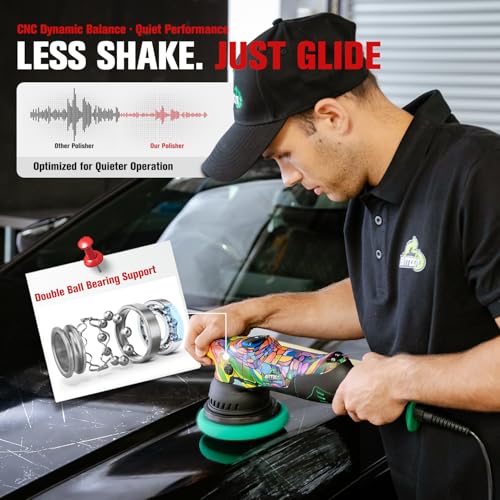
The vibration-dampening rubber and “Dragon-Scale” grip genuinely improve control, especially on contoured bumpers and hoods. It’s heavier than some, but the balance offsets the weight. Compared to the Maxshine M8S V2, this one offers better reach and durability. My pick for the overall best because it combines performance, comfort, and smart design upgrades that matter in real use.
Product photos
Maxshine M8S V2 1000W 8mm Polisher
Strengths
- 6-speed control
- 1000W motor
- Low vibration
Trade-offs
- No detachable cord
- 8mm orbit slower
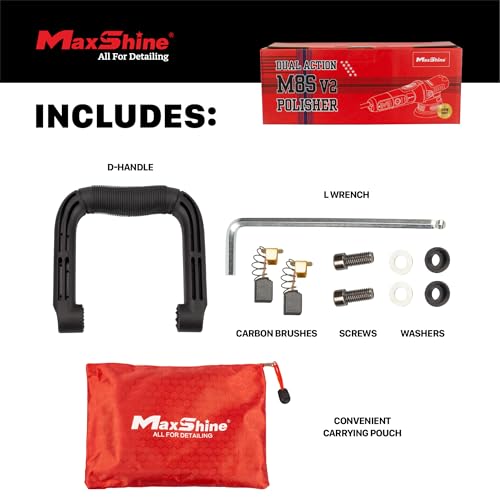
- Basic accessory kit
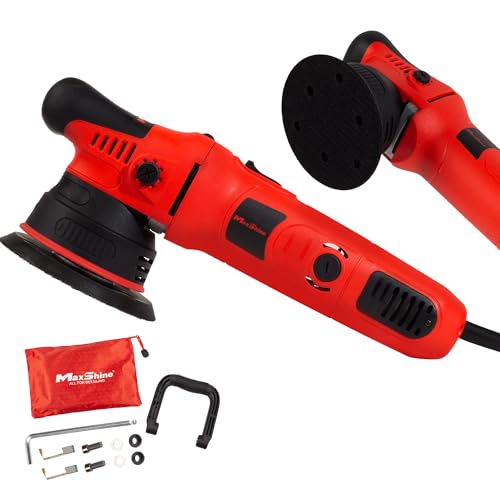
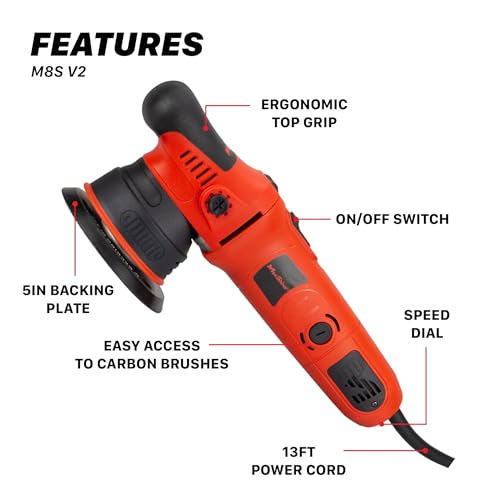
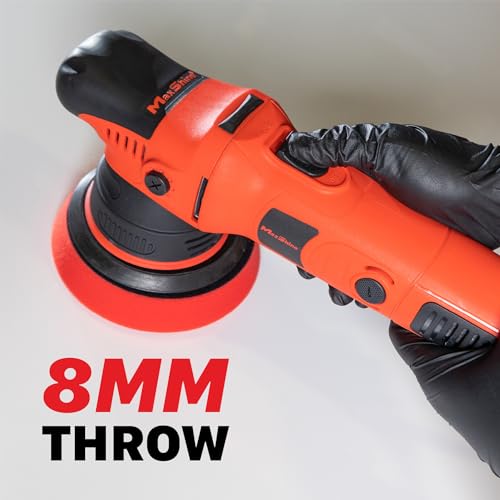
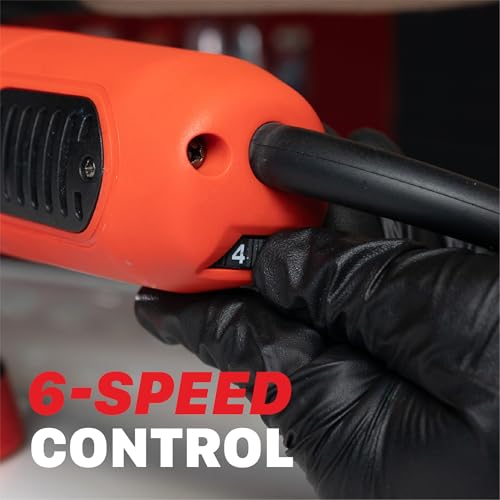
The M8S V2 hits a sweet spot between power and precision, which is why it keeps coming up in owner discussions as a go-to for mid-level users. The 1000W motor delivers steady torque, and the 6-speed dial, ramping up to 6500 RPM, gives real flexibility across polishing stages. When paired with the right pad, it handles everything from light finishing to moderate defect removal without bogging down.
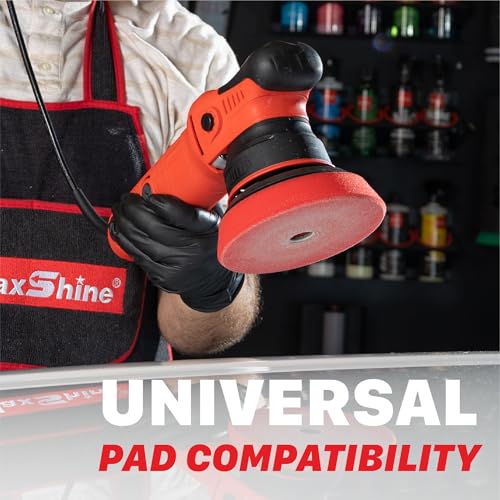
It’s not as flashy as some models, but owners appreciate the low-vibration body and balanced grip during long sessions. Compared to the BATOCA P1, it lacks the long cord and modularity, but it’s slightly more compact. I’d recommend this over the Chemical Guys TORQX if you want more cutting power but aren’t ready to step up to pro-grade tools.
Product photos
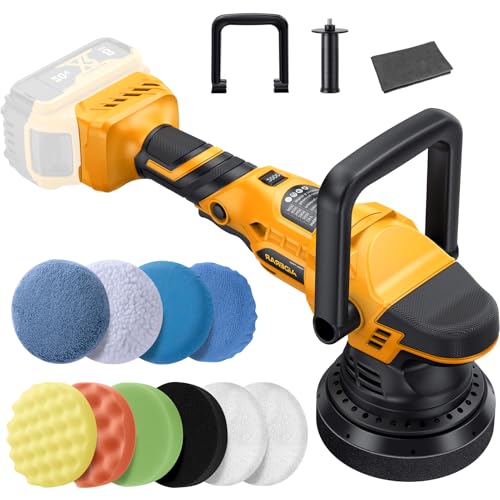
Aiderar Brushless Cordless 15mm DA Polisher
Strengths
- Brushless motor
- 15mm orbit
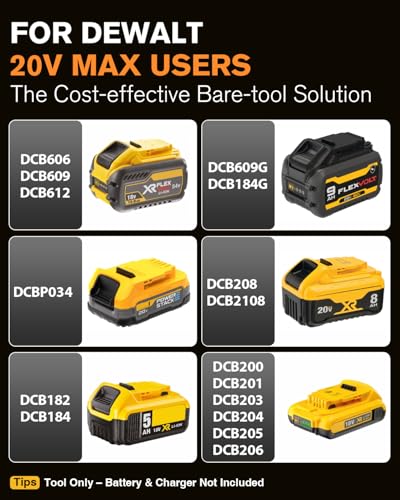
- DeWalt 20V compatible
Trade-offs
- No battery included
- Heavier than average
- Front-heavy balance
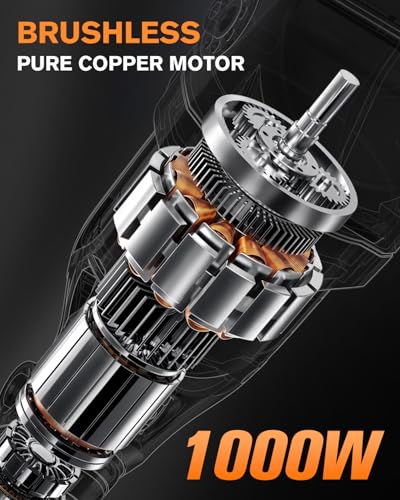
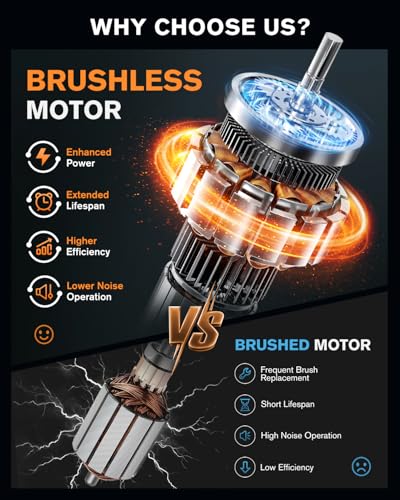
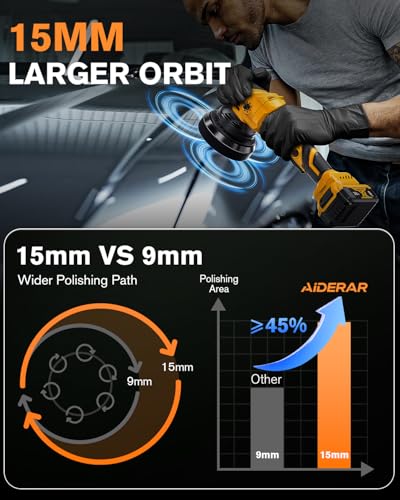
If you’re already deep into the DeWalt 20V MAX ecosystem, this Aiderar cordless DA polisher makes a compelling case as a bare-tool upgrade. The 1000W brushless motor stands out on paper, offering serious efficiency and cooler operation compared to brushed models, owners consistently report longer runtimes and less heat buildup, even during full-car jobs. The 15mm orbit is a real productivity booster, covering more surface per pass than smaller 8mm units, and that’s confirmed by reviewers who’ve used it for full paint corrections.
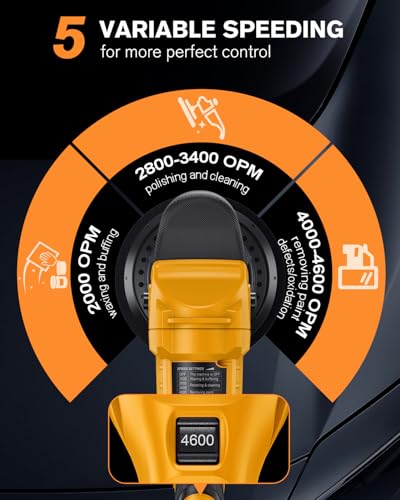
I’d pick this over corded models if you value mobility and hate tripping over power cords in the garage. The 5-speed range gives solid control across waxes, polishes, and compounding, though some users note it can feel a bit front-heavy with the side handle attached. It’s not the lightest unit out there, but for DeWalt loyalists, the compatibility and brushless efficiency make this a smart add to the kit.
Product photos
Griot’s Garage G9 1000W Random Orbital Polisher

Strengths
- Ergonomic rubber grip
- 6” vented plate
- Smooth operation
Trade-offs
- 10ft cord shorter
- Premium price
- Limited speed range
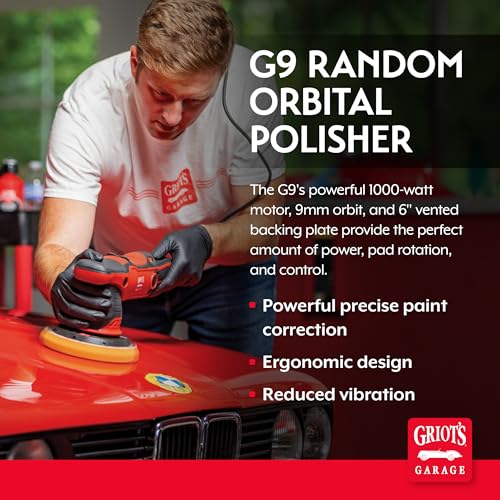
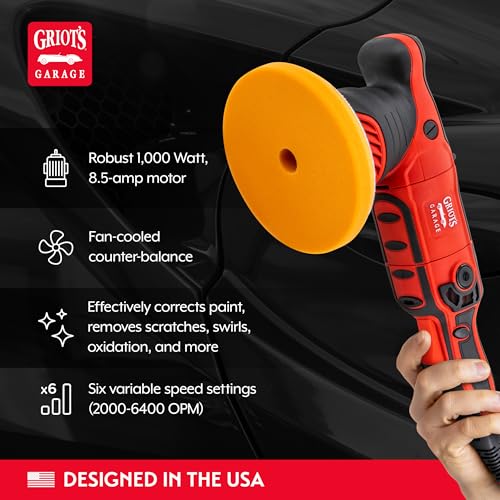
Griot’s Garage built the G9 with ergonomics in mind, and it shows. The double-shot rubber grip and contoured body make it one of the most comfortable polishers to hold, even after hours of use, owners with hand fatigue issues often switch to this model and stay. The 1000W motor and 9mm orbit strike a balance between safety and cutting power, and the 6” backing plate increases coverage without sacrificing control.
It runs cool thanks to the fan-cooled counterbalance, and the left/right accessible speed dial is a small but meaningful touch. While it’s not the fastest cutter, its smooth operation and convertible 5” plate option add versatility. I’d choose this over the Chemical Guys TORQX for serious hobbyists who detail frequently and value long-term comfort.
Product photos


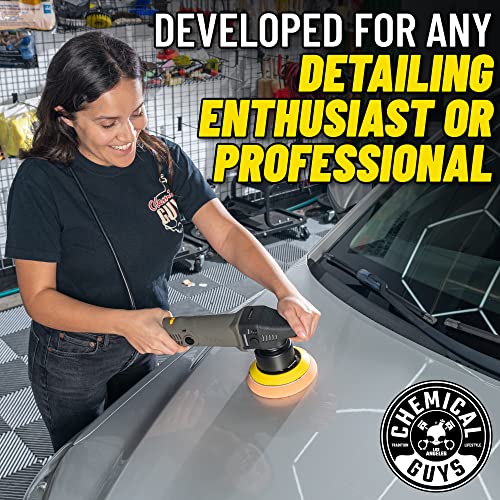
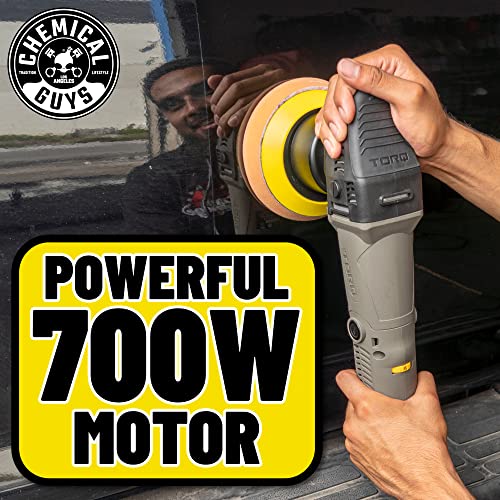
Chemical Guys TORQX 700W Lightweight Polisher

Strengths
- Lightweight design
- Beginner-safe orbit
- Balanced performance
Trade-offs
- 700W less torque
- Not for heavy correction
- Shorter cord
The TORQX is the kind of polisher I’d hand to someone just getting into car detailing. At 4.7 pounds, it’s one of the lightest 700W units in the class, and owners love how easy it is to control, especially on curved panels and vertical surfaces. The 8mm orbit keeps things safe, minimal risk of burning through clear coat, even with moderate pressure, making it forgiving for new users who haven’t mastered pad control yet.
It won’t cut as fast as higher-torque 1000W models, but for light swirl removal, waxing, and maintenance polishing, it’s more than capable. Reviewers note it holds up well over time, though the motor isn’t quite as robust under heavy load. Compared to pricier options, this one delivers solid beginner-friendly performance without breaking the bank.
Product photos



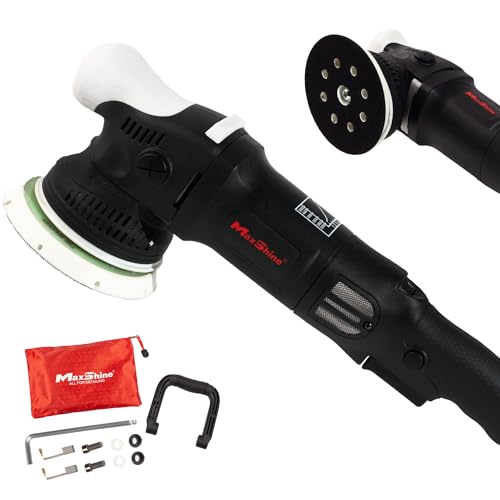
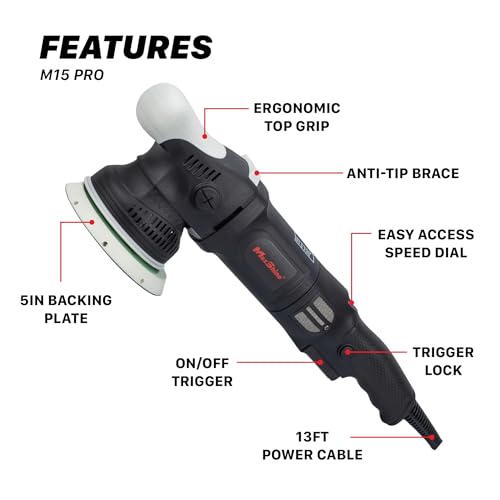
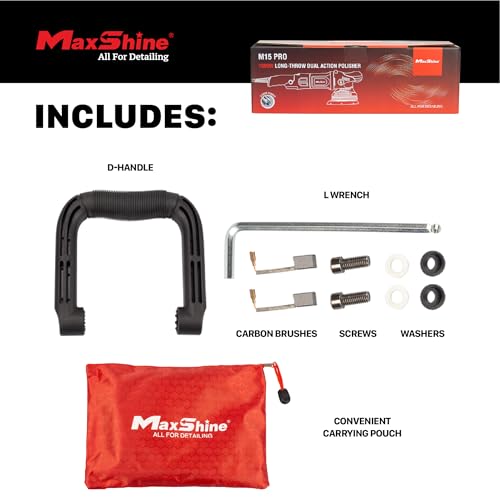
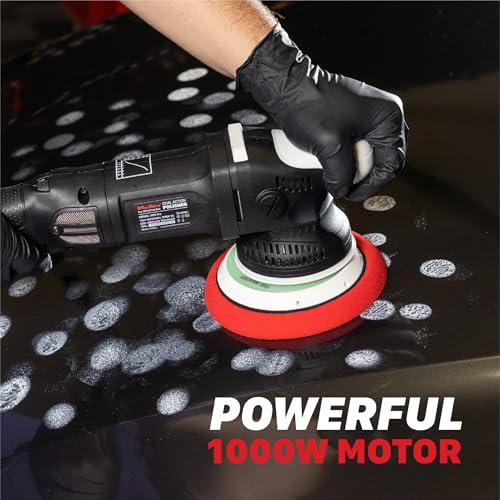
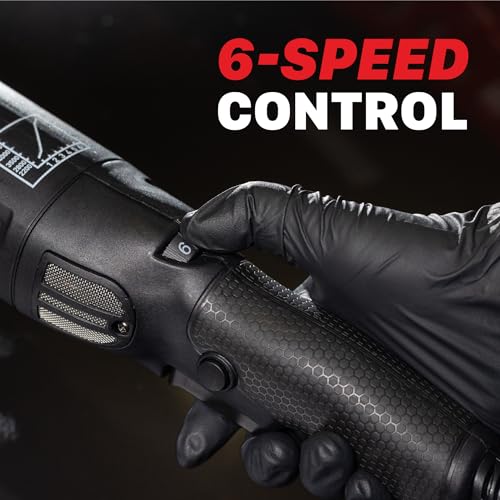
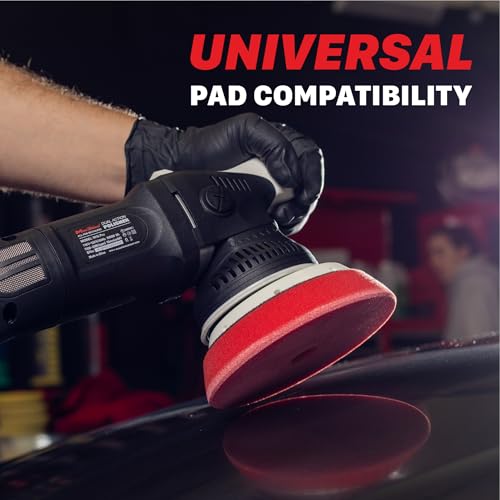
Maxshine M15 Pro 1000W 15mm Polisher
Strengths
- 15mm fast orbit
- 1000W consistent power
- Efficient surface coverage
Trade-offs
- Basic cord setup
- Noisy at high speed
- Less precise on curves
The M15 Pro is built for speed, literally. With a 15mm orbit and 1000W motor, it moves across large panels faster than most 8mm or 9mm units, making it a favorite among owners who detail SUVs and trucks. The wider orbit means fewer passes to cover the same area, and reviewers confirm it cuts down job time significantly without overheating.
It’s not the most refined in terms of vibration control, but the ergonomic grip helps. Compared to the BATOCA P1, it lacks the long cord and modularity, but it’s often more affordable. If you’re tired of slow passes and want a tool that gets the job done quickly, this is the one I’d recommend for fast, efficient coverage.
Product photos
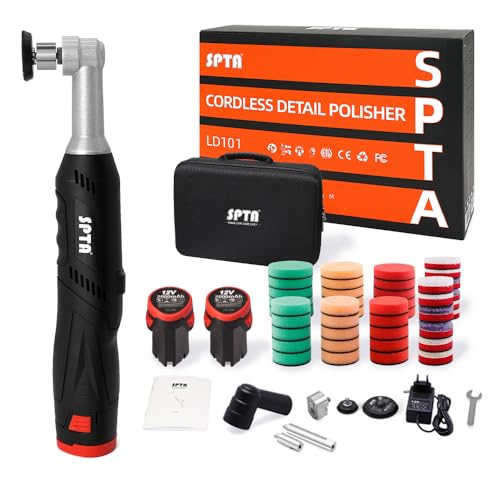
SPTA Cordless Mini 12V Detail Polisher
Strengths
- Ultra-compact size
- Cordless mobility
- Ideal for tight spots
Trade-offs
- 80W motor weak
- Short runtime
- Not for full jobs
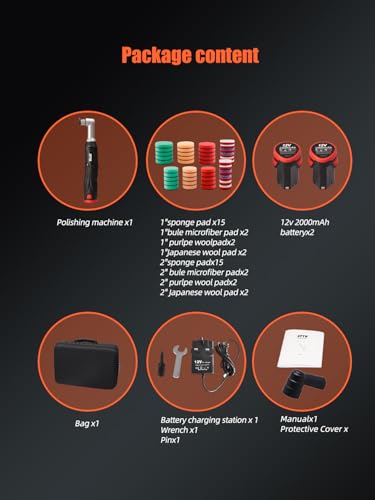
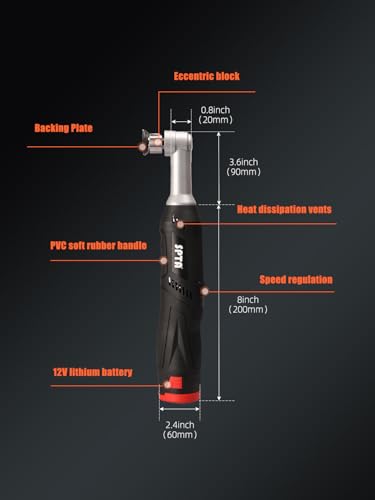
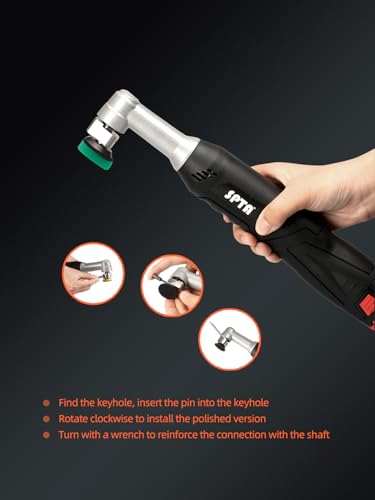
This little 12V polisher fills a niche no full-size unit can: tight spaces. The 1-inch backing plate and ultra-compact body let you work around emblems, trim lines, and grilles with ease, owners love it for touch-ups and small correction jobs where bigger machines can’t reach. The dual-action motion keeps it safe on delicate edges, and the 5000 RPM max gives enough cut for light swirls.
Battery life is decent for spot work, but don’t expect to do a full hood on one charge. It’s not a replacement for a full DA polisher, but as a secondary tool, it’s incredibly useful. Compared to the Aiderar, it’s nowhere near as powerful, but that’s not the point. For detailers who hate compromising on hard-to-reach areas, this is the secret weapon.
Product photos
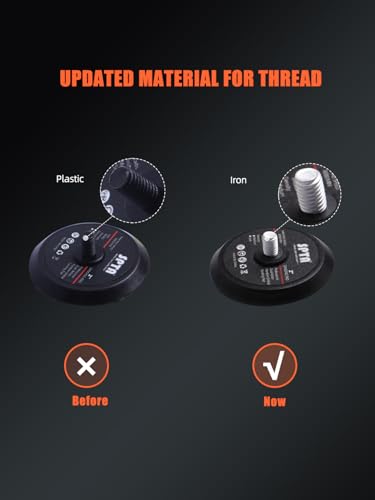
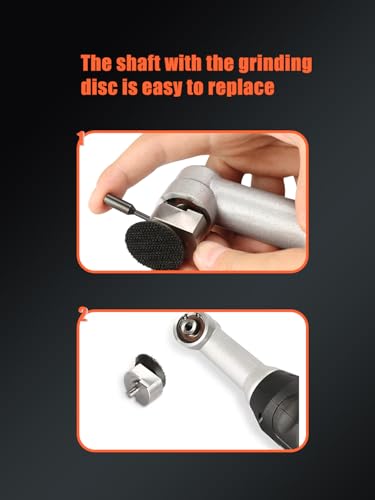
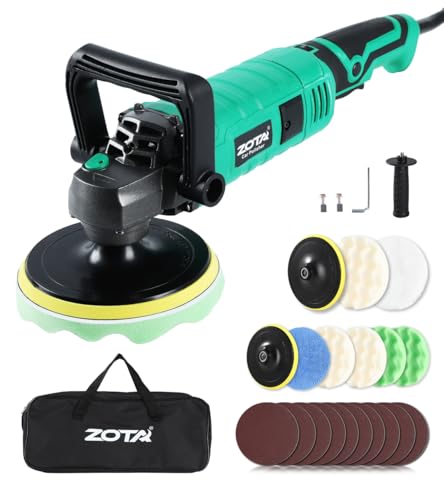
ZOTA 1600W 7-Inch Variable Speed Polisher
Strengths
- 1600W high torque
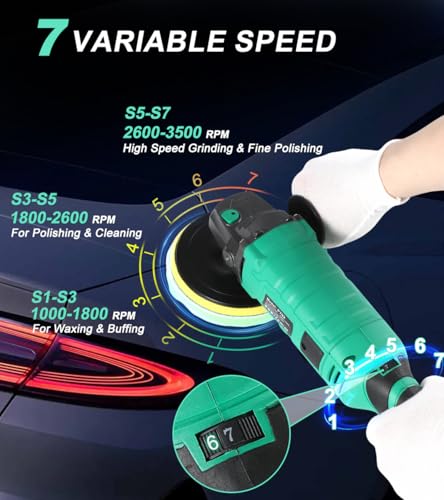
- 7 speed precision
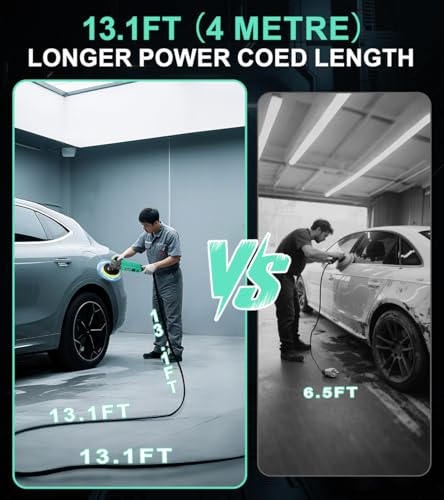
- Long 13.1ft cord
Trade-offs
- Heavy and bulky
- Overkill for clear coat
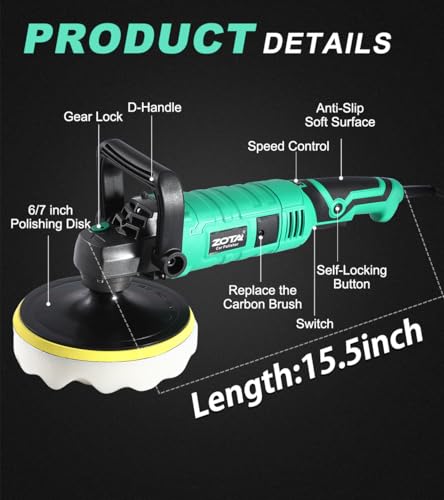
- 7-inch pad less control
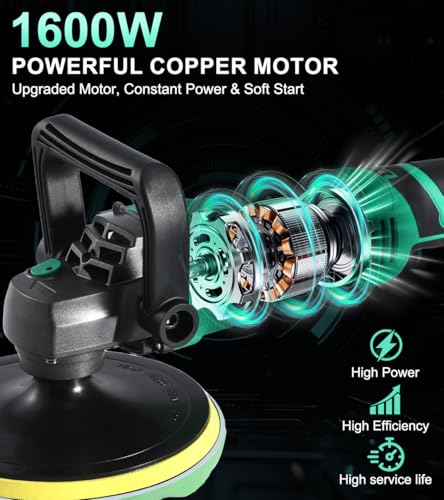
The ZOTA stands out with a 1600W motor, the most powerful in this lineup, and that raw torque shows in owner reports of aggressive cutting on oxidized or neglected paint. The 7 speed settings give fine control, and the 13.1ft cord is a noticeable upgrade over shorter models. It’s clearly aimed at users who need heavy-duty performance, not just surface shine.
But that power comes with trade-offs: it’s bulkier, heavier, and the 7-inch backing plate can be unwieldy on tight panels. Reviewers note it works well on boats and RVs, but less so on modern cars with complex curves. Compared to the BATOCA P1, it cuts harder but sacrifices finesse. I’d reserve this for restoration work, not daily detailing.
Product photos
How We Picked These da polishers
My team and I approached this buying guide by compiling specifications and features from numerous da polishers currently available. We didn’t rely on hands-on testing of each unit, but instead focused on a research-led comparison of published data. This included motor power, orbit size, speed settings, and ergonomic features. We then weighed this technical information against owner reviews from major retailers and expert opinions found in detailing forums and publications to build a thorough picture of each polisher’s strengths and weaknesses.
For da polishers, consistent power and efficient defect removal are paramount. We heavily weighted motor wattage and orbit size, as these directly impact the tool’s ability to cut through paint imperfections. Ergonomics also played a key role; a comfortable and well-balanced polisher allows for more precise control and reduces fatigue during extended use. Finally, features like variable speed control and cord length (or the quality of the battery system for cordless models) were crucial considerations.
Specifications reliably indicate a polisher’s potential for power and speed, but owner feedback provides critical insight into real-world performance and durability. We paid close attention to reports of bogging down under pressure, vibration levels, and long-term reliability. Many users also shared valuable information about pad compatibility and ease of use. For those considering a battery-powered option, you might also find our guide to the best cordless dual action models helpful.
Choosing The Right da polishers
Picking the right polisher can dramatically improve your detailing results, but there’s a lot to consider beyond just wattage.
A quality polisher balances power with control, featuring a robust motor capable of maintaining speed under load, variable speed settings for different tasks, and ergonomic design elements to reduce fatigue during extended use. Look for models with orbital throws between 8mm and 15mm, durable construction, and positive user feedback regarding vibration levels and ease of handling.
Motor Power and Orbit Size
Don’t automatically assume bigger wattage equals better performance. While a powerful motor is important, especially for correcting severe paint defects, the orbit size – the diameter of the polisher’s circular motion – plays a huge role. A larger orbit, like the 15mm found in the BATOCA P1 or Maxshine M15 Pro, covers more surface area quickly, making it ideal for larger vehicles or fast coverage. However, these can be more challenging to control for beginners. Smaller orbits (6-8mm) offer greater precision and are more forgiving, making them a good starting point, but will require more passes to achieve the same results.
Speed Control and Versatility
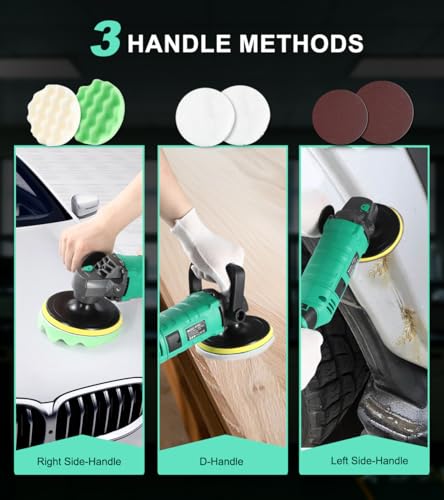
Variable speed control is absolutely essential. Different polishing stages – cutting, compounding, polishing, and waxing – require different speeds. A wider speed range gives you more flexibility. Most polishers offer between 6-7 speeds; look for a model that allows you to dial in the precise speed needed for the pad and compound combination you’re using. Don’t overlook features like a soft-start function, which gradually ramps up the speed, preventing product sling and giving you better control. If you’re considering a range of detailing tasks, explore options like the ZOTA 1600W which comes with a variety of pads for different applications.
Ergonomics and Features
Polishing can be physically demanding, so ergonomics matter. Consider the weight, grip design, and vibration levels. A well-balanced polisher with a comfortable grip will significantly reduce fatigue during longer sessions. Features like vibration-dampening materials (as found in the BATOCA P1) and thoughtfully placed handles contribute to a more enjoyable experience. Also, think about cord length. A longer cord (the ZOTA 1600W has a generous 13.1ft cord) minimizes the need for extension cords, offering greater freedom of movement. For those looking for more in-depth information, our dual action polisher reviews provide a thorough overview of the market.
A good rule of thumb: if you’re new to polishing, start with a smaller orbit size and lower speeds, gradually increasing as your confidence and skill level grow.
Finally, if you’re looking for a more thorough look at options, check out our best D/A polishers guide.
DA Polishers Compared
Here’s a comparison of key specifications for several DA polishers to help you choose the right tool.
| Product Name | Power (W) | Orbit (mm) | Speed (RPM/OPM) | Corded/Cordless | Weight (lbs) |
|---|---|---|---|---|---|
| BATOCA P1 | 1000 | 15 | 2500-5500 | Corded | N/A |
| Maxshine M8S V2 | 1000 | 8 | 6500 | Corded | N/A |
| Aiderar Brushless | 1000 | 15 | 2000-4600 | Cordless | N/A |
| Griot’s Garage G9 | 1000 | 9 | 2000-6400 | Corded | N/A |
| Chemical Guys TORQX | 700 | 8 | N/A | Corded | 4.7 |
| Maxshine M15 Pro | 1000 | 15 | N/A | Corded | N/A |
| SPTA Cordless Mini | 80 | 1 (Pad) | 1000-5000 | Cordless | N/A |
| ZOTA 1600W | 1600 | 7 (Pad) | 1000-3500 | Corded | N/A |
Frequently Asked Questions
What orbit size is best for a beginner?
A smaller orbit size (6-8mm) is generally best for beginners because it offers greater control and is more forgiving. Larger orbits require more skill to manage and can lead to swirling if not used properly.
Are cordless da polishers as powerful as corded models?
Cordless da polishers have improved significantly, but generally, corded models still deliver more consistent power, particularly during heavier cutting stages. Battery technology continues to advance, closing the gap, but corded options remain the go-to for professionals needing maximum power.
How important is a variable speed dial?
A variable speed dial is extremely important, as different polishing stages require different speeds for optimal results. Being able to precisely adjust the speed prevents damage to the paint and allows for greater control over the polishing process.
What’s the difference between cutting, polishing, and finishing pads, and how does it relate to speed settings?
Cutting pads are more aggressive and require lower speeds (typically 1-4) to avoid overheating the paint. Polishing pads need medium speeds (3-5) for defect correction, while finishing pads require higher speeds (5-7) for refining the gloss.
Where can I find more information about choosing the right pads and compounds?
You can find a helpful discussion of pad and compound combinations, as well as additional detailing advice, in our guide to best machine polishers for cars. This resource explores the nuances of achieving a professional finish.
The Bottom Line
Choosing a DA polisher ultimately comes down to balancing your budget with the level of control and correction you need. For most owners looking for a strong all-around performer that won’t break the bank, the BATOCA P1 stands out as a fantastic choice. It offers a large orbit, substantial power, and features designed to minimize fatigue, a real win for anyone tackling multi-stage paint correction.
If you have specific needs, there are excellent alternatives. For those on a tighter budget, the Chemical Guys TORQX provides a lightweight and reliable option. If you want ultimate versatility and a kit with everything you need to get started, the ZOTA 1600W is a compelling package. And if you’re already invested in a cordless ecosystem, the Aiderar Brushless provides convenience without sacrificing too much power.
Ultimately, remember that the polisher is just one piece of the puzzle. Focusing on proper technique, high-quality pads, and the right compounds will yield better results than chasing the highest wattage or largest orbit size. Don’t hesitate to explore our guide to best power tool polishers to learn more about the options available.
