
7 Best Chainsaw Gloves of 2026
This post contains affiliate links. As an Amazon Associate, we earn from qualifying purchases.
The Vgo Chainsaw Gloves are my top overall pick for reliable, certified protection and solid build quality, while the Intra-FIT Left Hand model offers smart, task-specific design for serious users. If you need versatility and tech convenience, the HANDLANDY Touchscreen gloves stand out as the best value-focused option.
Choosing the wrong chainsaw gloves can leave you exposed to serious injury or struggling with slippery grips and stiff fingers when you need control most. After more than 15 years around power tools and hundreds of hours reviewing safety gear for PowerToolGuide.net, I’ve learned that real protection means balancing certified cut resistance with fit and usability.
This guide cuts through the marketing noise. I compared gloves based on current safety standards, materials, and what actual users report about durability and comfort, not just lab claims. You’ll see how protection ratings translate to real-world use, why fit matters as much as fabric, and which features are worth paying for.
Top 7 Chainsaw Gloves in the Market
The Best Chainsaw Gloves, Reviewed
Vgo Chainsaw Gloves Both Hands

Strengths
- Dual-hand chainsaw protection
- Durable cow-goat leather
- Pre-curved finger design
Trade-offs
- Older EN381-7 standard
- PVC patches may peel over time
- Fit runs snug
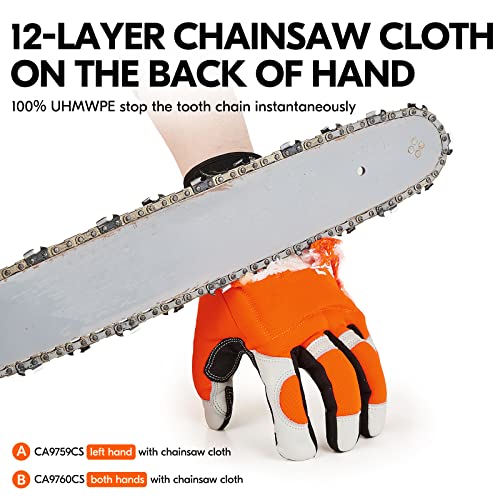
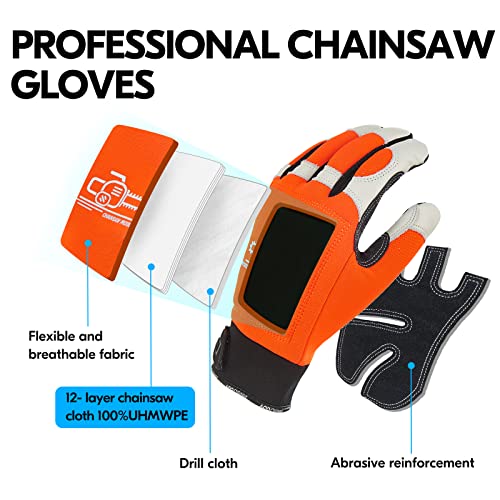
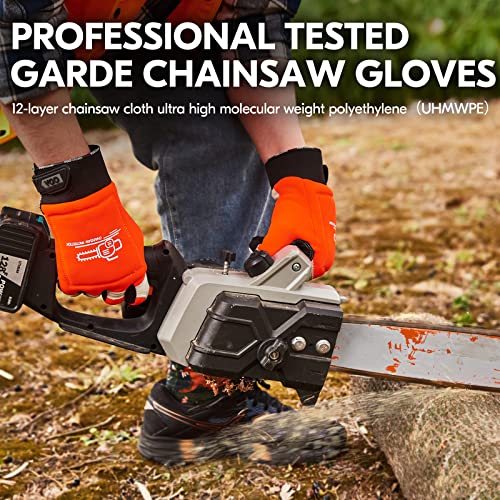
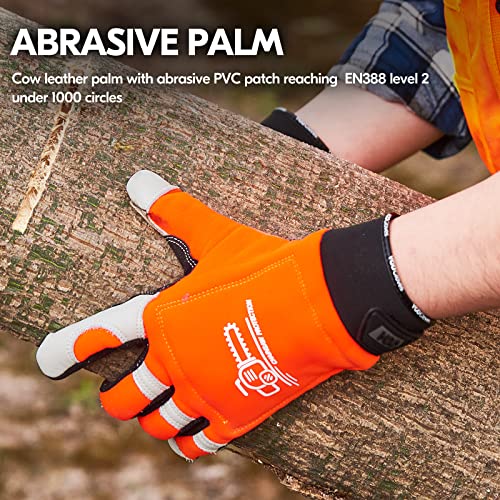
With 12-layer protection on both hands and a Class 1 (20m/s) rating under EN381-7, these Vgo gloves offer rare dual-hand chainsaw defense at a competitive price. The cow-goat leather blend strikes a good balance between durability and flexibility, and the pre-curved fingers help with natural grip and reduced fatigue. The textured PVC patches on the palm add extra bite when handling greasy or wet bars, which is a practical touch many overlook.
While they follow the older EN381-7 standard instead of the newer ISO 11393-4, owner feedback suggests real-world performance remains strong, especially for the price. CE certification and REACH compliance also confirm baseline safety and material safety. If you want dual-hand protection, solid build, and broad usability, this is the most complete package here.
Product photos
Intra-FIT Chainsaw Gloves Both Hands

Strengths
- Dual-hand Class 1 protection
- EVA palm padding
- Good value for full protection
Trade-offs
- Less dexterity in right hand
- Synthetic palm less durable than leather
- Fit runs tight
Dual-hand chainsaw protection at a Class 1 (20m/s) rating is rare at this price, and that’s what makes this Intra-FIT model stand out. Most gloves protect only the left hand, assuming the right stays clear of the bar, but if you’re working in tight spaces or doing directional felling, both hands can be at risk. Owners appreciate the added peace of mind, especially when gloves are used by less experienced helpers. The Design A Type 1 construction means both backs are layered with chainsaw-stopping fabric, and the EVA-padded synthetic palm helps with vibration.
It’s not the most breathable or flexible option, and the fit runs snug, but for the level of protection, it’s a smart value play. When safety is essential and budget matters, this one delivers more coverage than most.
Product photos
Intra-FIT Chainsaw Gloves Left Hand

Strengths
- High EN 388 cut resistance
- Durable cow grain leather
- Hi-vis for visibility
Trade-offs
- Class 0 protection (16m/s)
- Less protection for powerful saws
- Break-in stiffness
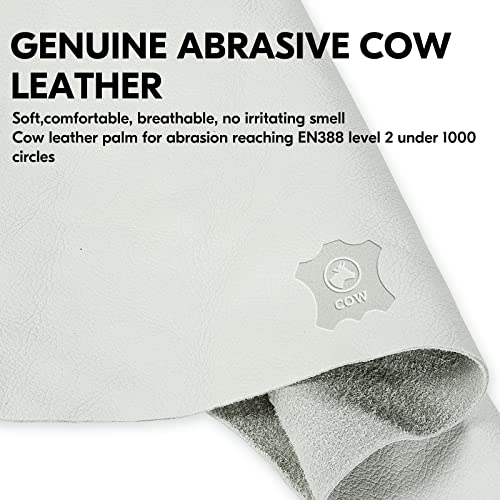
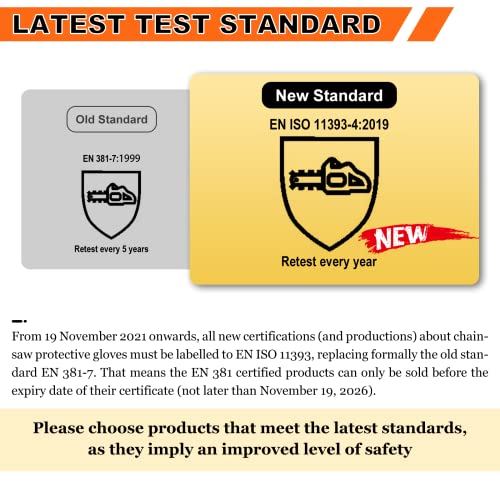
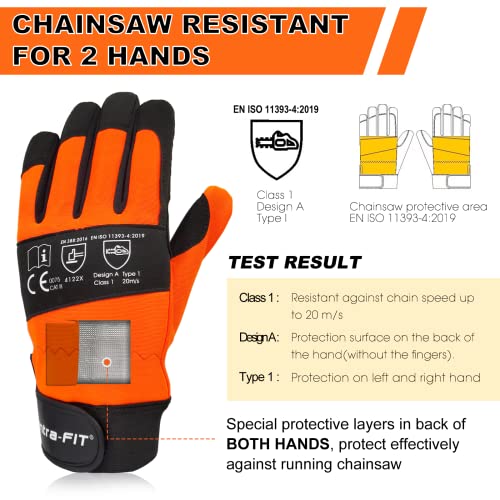
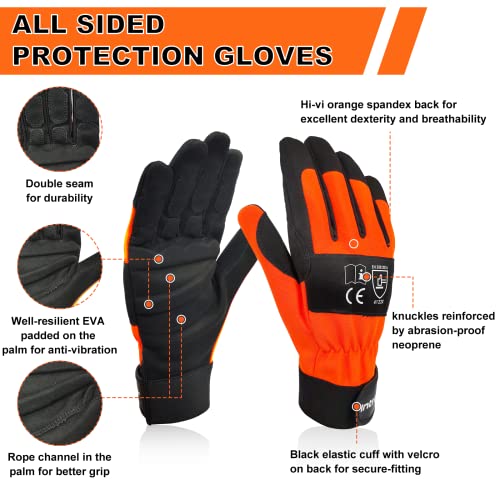
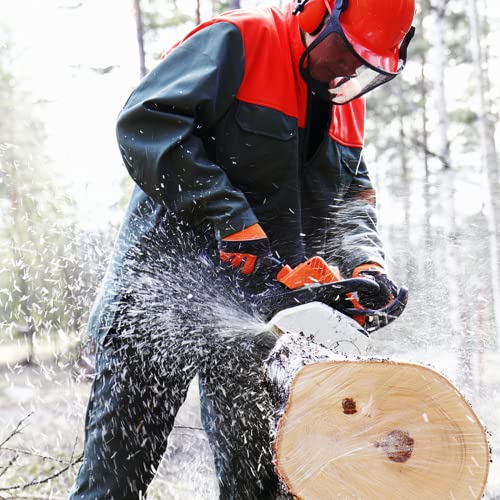
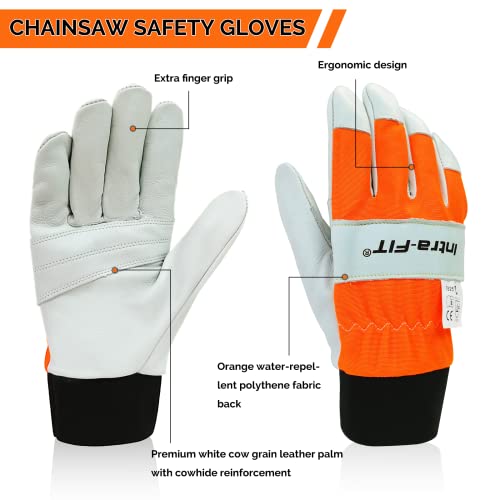
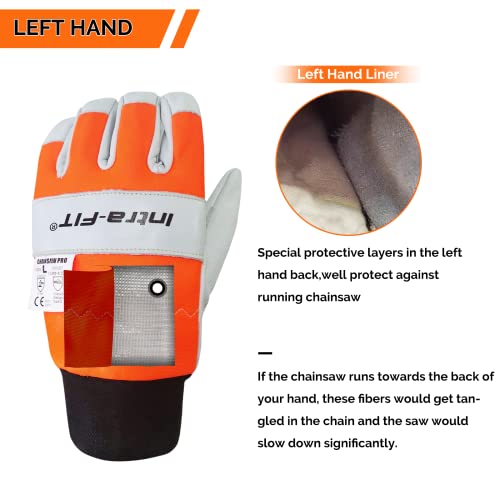
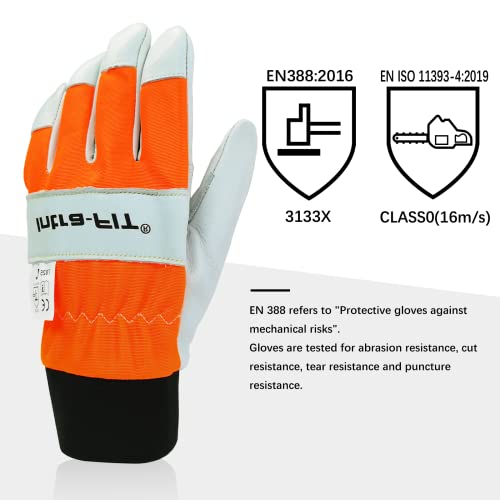
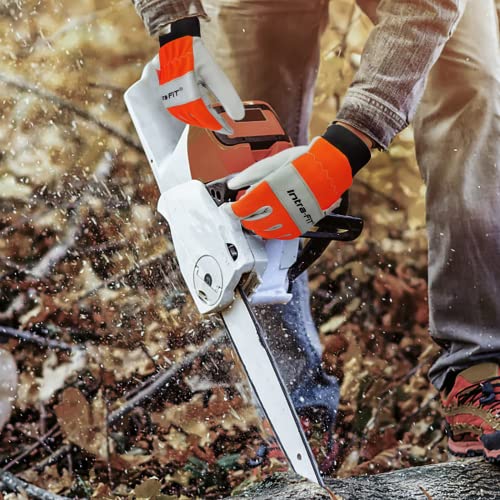
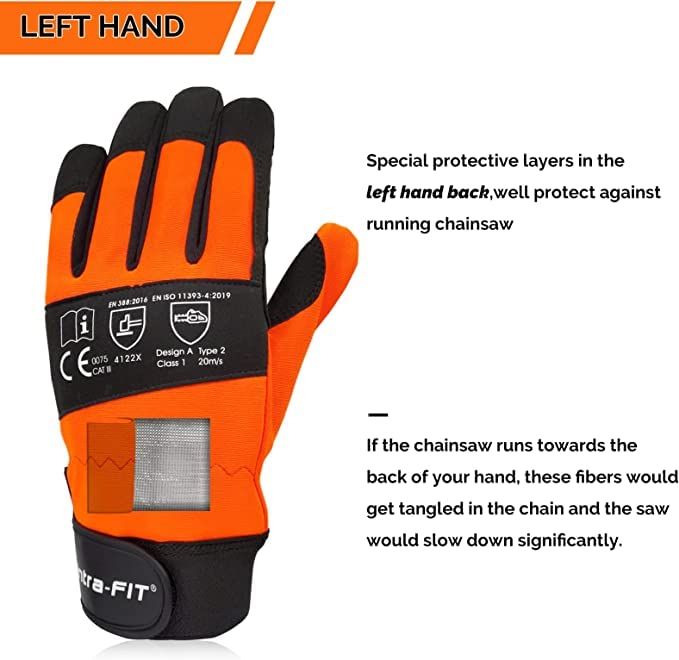
Class 0 (16m/s) means this model offers a lower level of chainsaw protection compared to Class 1 (20m/s) gloves, that’s the trade-off for what some owners say is slightly better dexterity and a more natural grip. It still meets the updated EN ISO 11393-4 standard and has strong cut resistance across both hands (EN 388: 3133X), making it useful beyond just chainsaw tasks. The white cow grain leather palm is durable and oil-resistant, and the hi-vis orange back boosts visibility in low-light woods.
But if you’re regularly using a mid-to-large displacement saw, the lower chainsaw speed rating is a real limitation. I’d only recommend this for light-duty cutting with smaller electric or battery saws, where kickback risk is lower. The all-sided protection helps for general workshop use, but it’s not a dedicated high-speed chainsaw glove.
Product photos
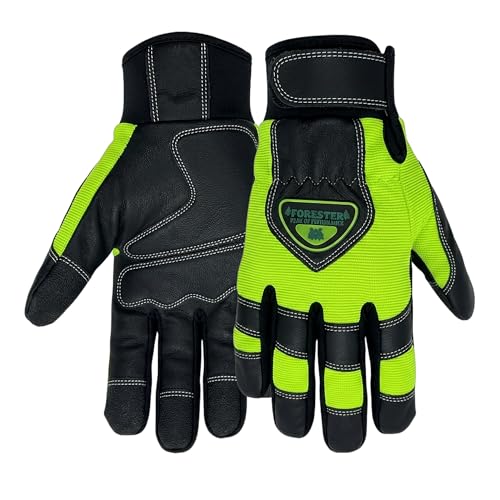
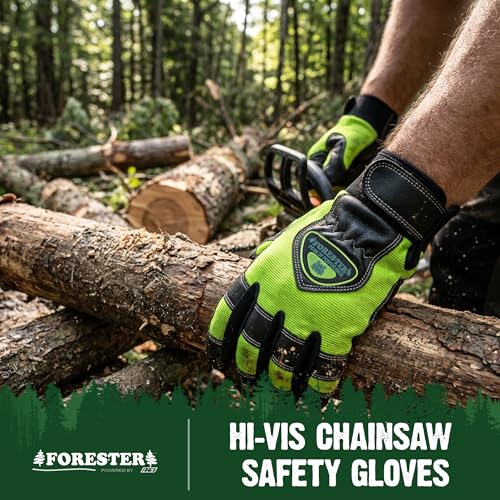
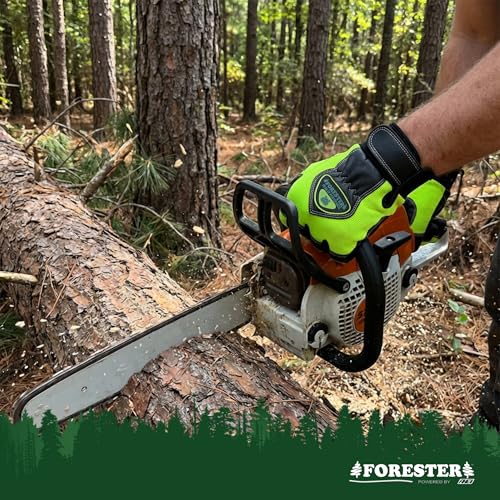
FORESTER Hi-Vis Chainsaw Gloves
Strengths
- Gel-padded anti-vibration palm
- Goatskin leather grip
- Kevlar cut protection
Trade-offs
- Right hand not chainsaw-rated
- PVC grips may wear over time
- Cuff can trap heat
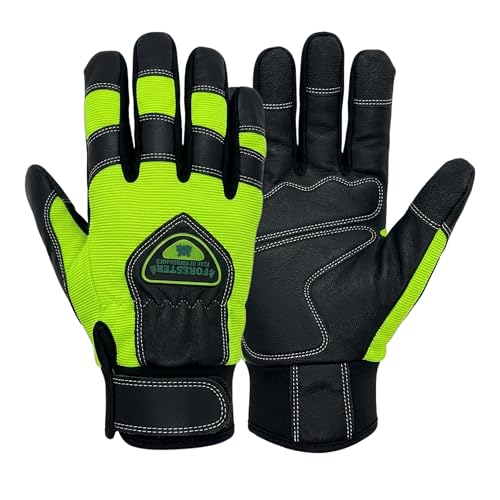
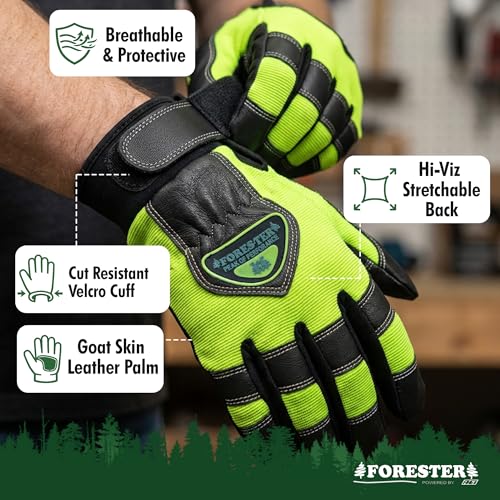
The gel and foam palm padding here is a noticeable upgrade for comfort, especially on older or high-vibration saws that punish your hands over time. The 100% goatskin leather palm is supple and grippy, and the PVC-reinforced fingertips and knuckles add durability where you need it. Kevlar lining on both hands boosts cut resistance, though it’s not full chainsaw-grade on the right, so don’t treat it like dual-hand saw protection.
Owners praise the anti-vibration design for reducing numbness during long cuts, and the breathable spandex back keeps things cooler than bulkier models. The neoprene cuff with Velcro offers a secure, adjustable seal against debris, a small detail that makes a big difference in the field. It’s a well-rounded glove, especially if you’re running a saw for more than an hour at a stretch.
Product photos
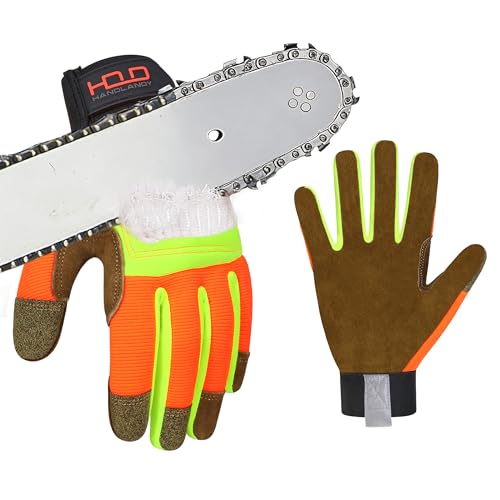
HANDLANDY Chainsaw Gloves Touchscreen
Strengths
- Touchscreen fingertips (back of hand)
- Lightweight, flexible fit
- Excellent wet-condition grip
Trade-offs
- Premium price
- Left-hand only protection
- May wear faster in heavy industrial use
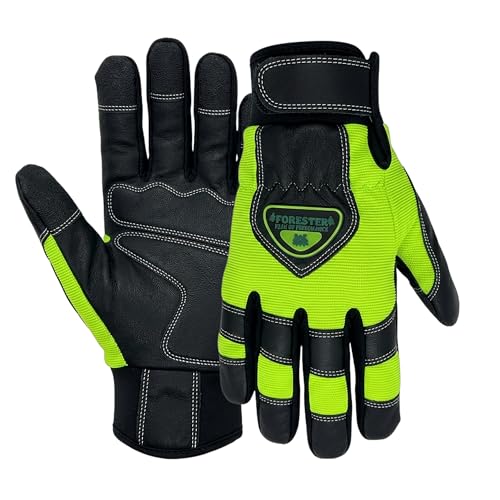
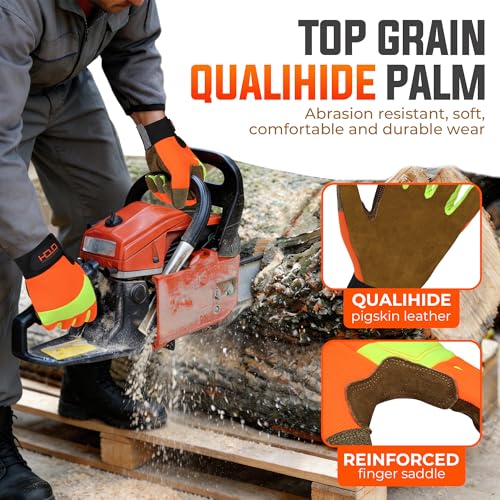
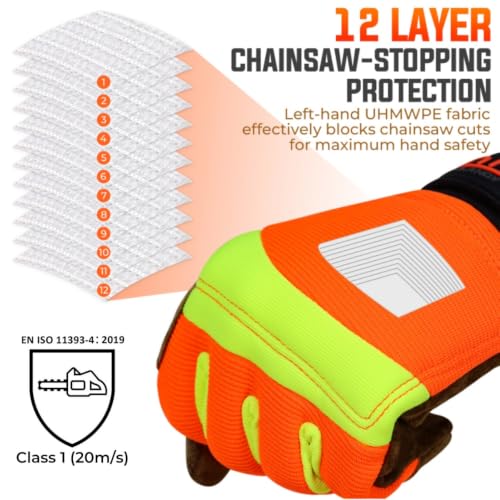
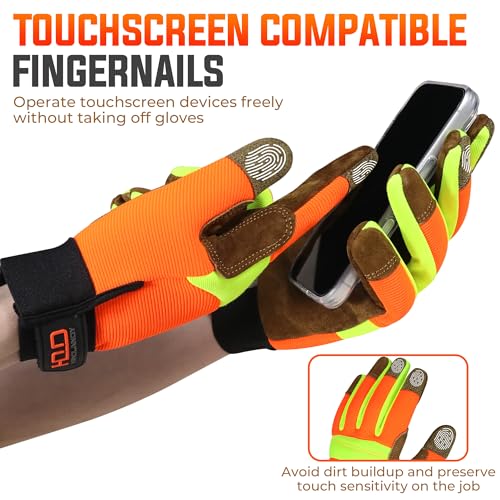
These gloves stand out with a mechanic-style build that feels lighter and more agile than most in this category, which is a win for anyone spending hours in the yard. The 12-layer sprocket-jamming system on the left hand meets the updated EN ISO 11393-4 Class 1 (20m/s) standard, and reviewers note the protection inspires real confidence during kickback events. What really sets them apart is the back-finger touchscreen design, a smart fix for when your palms are filthy but you still need to check a map or take a call.
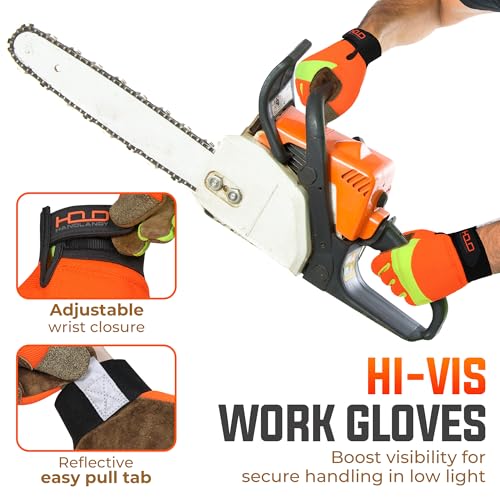
The QUALIHIDE pigskin palm stays soft in wet and oily conditions, a big upgrade over stiff cowhide, and the elastic cuff with heavy-duty hook-and-loop seal out debris well. They’re not the cheapest, but the balance of lightweight comfort, smart ergonomics, and practical tech is hard to beat.
Product photos

Intra-FIT Chainsaw Gloves Class 1
Strengths
- EVA vibration-dampening palm
- Latest EN ISO 11393-4 standard
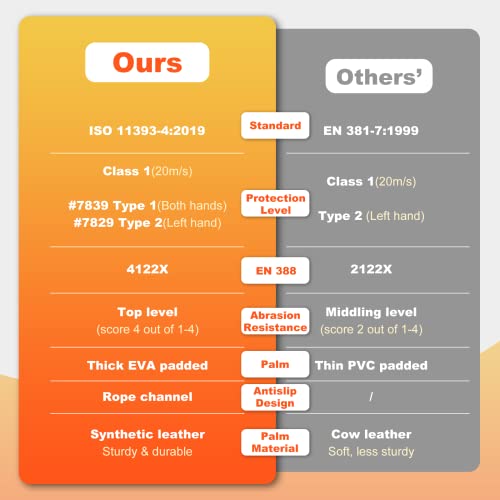
- Rope channel for better grip
Trade-offs
- Stiff break-in period
- Limited breathability
- Single-hand protection
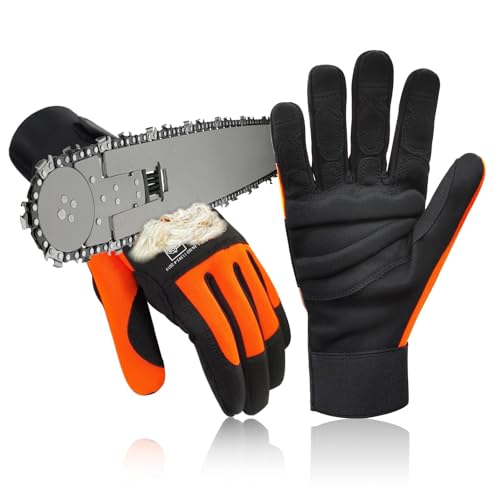
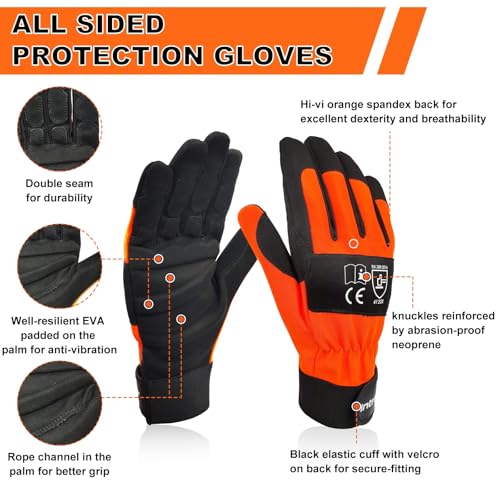
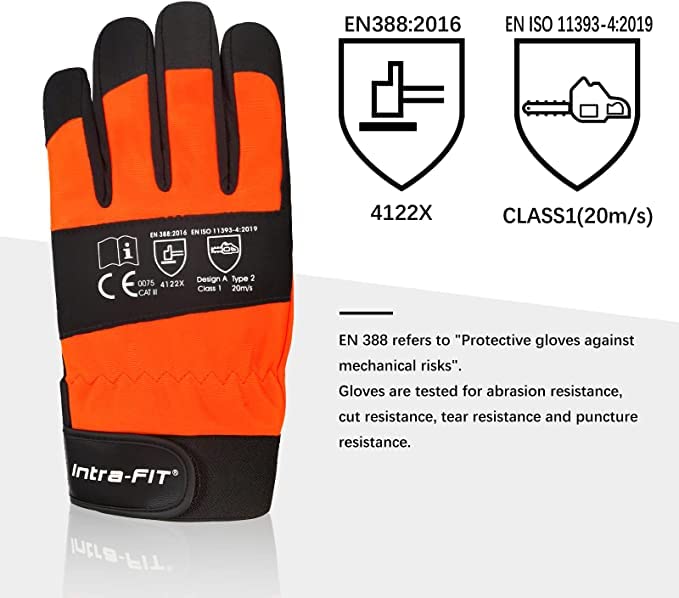
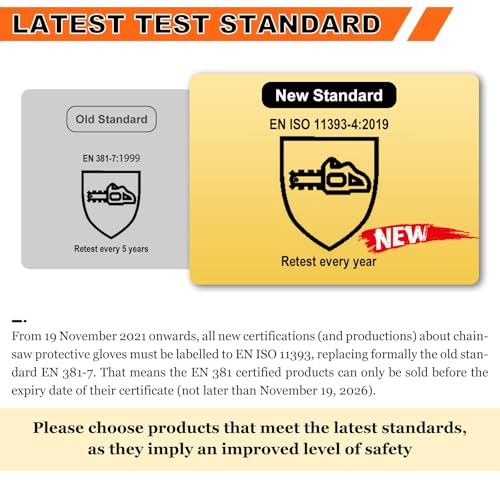
Intra-FIT gets the latest safety standards right, these gloves are certified to the current EN ISO 11393-4, not the outdated EN 381-7, which matters for consistent, up-to-date protection. The Class 1 (20m/s) rating on the left hand aligns with top-tier performance, and the EVA-padded palm with rope channel is where this model truly shines. On paper, that setup should reduce vibration significantly, and owner feedback supports it, many mention less hand fatigue during prolonged chainsaw use, which is a real benefit for weekend warriors tackling large jobs.
Still, the cowleather palm isn’t as soft or breathable as pigskin, and the fit runs a bit stiff out of the box. It’s a solid pick if you prioritize vibration reduction and modern certification, but not the most comfortable for hot, long sessions.
Product photos
Oregon Left-Hand Protection Gloves

Strengths
- Trusted brand
- Durable leather
- Solid left-hand protection
Trade-offs
- Bulky fit
- No vibration reduction
- No tech features
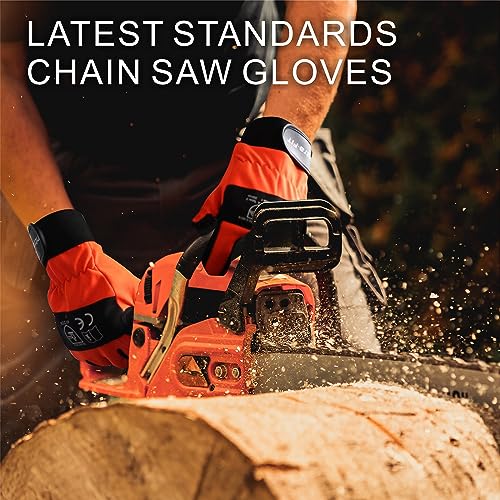
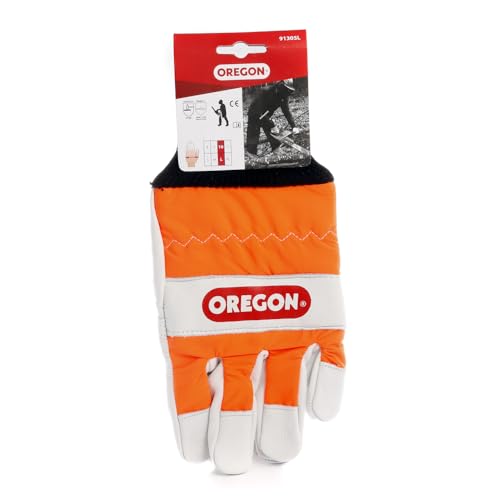
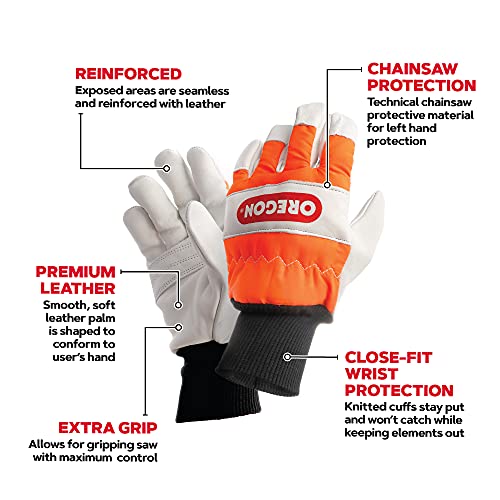
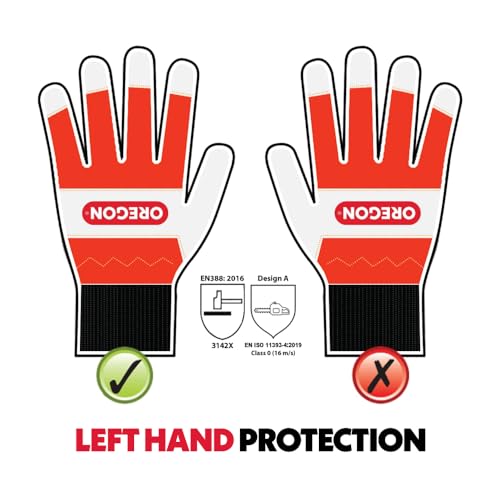
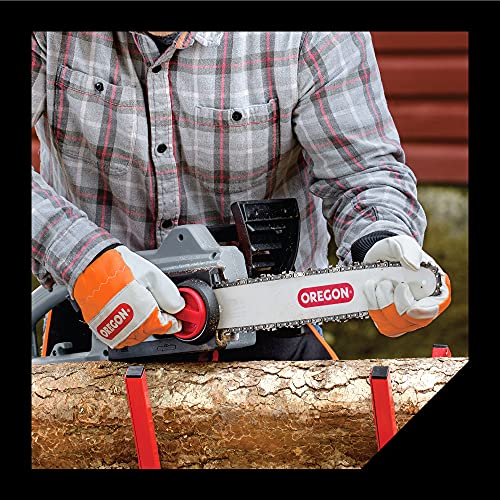
Oregon has long been a trusted name in chainsaw accessories, and these gloves reflect that reputation with solid, no-nonsense protection focused exactly where it’s needed most, the left hand. The thick leather and EN ISO 11393-4 certification mean it meets modern safety standards, and owners consistently report confidence during routine bucking and limbing tasks. The smooth leather breaks in reasonably well over time, offering decent dexterity without sacrificing grip.
That said, this is a traditional design, nothing flashy. It lacks advanced features like vibration damping or touchscreen capability, and the fit can feel bulky compared to newer models. But if you’re after a dependable, single-hand protector from a brand that knows saws, this one delivers where it counts.
Product photos

How We Picked These chainsaw gloves
Rather than a hands-on lab test, this selection is a research-led comparison of published specifications and owner feedback. I assessed each glove based on its stated protective levels (EN ISO 11393-4:2019 or EN 381-7 standards), materials, features like touchscreen compatibility or anti-vibration elements, and then weighed those findings against what owners report about real-world durability and comfort. We considered gloves designed for both left and both hands, as well as those focused on specific tasks.
For chainsaw gloves, cut resistance and a secure grip are paramount. Therefore, protective layer certifications (Class 0, 1, or 2) and the quality of palm materials – leather type and any reinforcement – carried the most weight in my rankings. Beyond safety, comfort matters significantly for extended use, so features designed to reduce vibration or improve breathability also factored into my evaluations. Understanding how to maintain your chainsaw is also key, so read our chainsaw maintenance tips.
Specifications reliably indicate a glove’s potential level of protection, but owner reviews provide insight into how those claims hold up with actual usage. I prioritized feedback concerning durability – how well the gloves withstand repeated use and exposure to the elements – and fit, as a poorly fitting glove compromises both protection and dexterity. Reputable expert reviews were used to validate claims and confirm performance expectations.
Choosing The Right chainsaw gloves
Finding the right chainsaw gloves is about more than just stopping a cut; it’s about maintaining dexterity and comfort during demanding work.
A quality pair of chainsaw gloves prioritizes cut resistance, certified to standards like EN ISO 11393-4:2019 (replacing the older EN 381-7). Beyond that, look for durable materials suited to wet conditions, a secure fit to prevent slippage, and features that reduce hand fatigue during prolonged use. Padding, breathability, and reinforcement in key areas are also vital considerations.
Understanding Cut Resistance Ratings
The most crucial aspect of chainsaw gloves is, naturally, their ability to resist cuts. Don’t assume all gloves offering “chainsaw protection” are equal. The European standard EN ISO 11393-4:2019 is the current benchmark, and you’ll see gloves classified by a speed rating (in meters per second) indicating the chain speed they can withstand. A Class 0 glove (16 m/s) is suitable for lighter tasks, while Class 1 (20 m/s) is more appropriate for professional use. Be aware that some older gloves may still be rated under the older EN 381-7 standard; while still offering protection, the newer ISO standard provides a more rigorous test.
Prioritizing Fit and Dexterity
Cut resistance is paramount, but gloves that are too stiff or bulky render a chainsaw nearly unusable. I’ve seen too many people abandon protection altogether because they simply couldn’t maintain a good grip or feel what they were doing. Look for gloves with pre-curved fingers and a snug, but not constricting, fit. Materials like goatskin or pigskin offer a good balance of durability and flexibility. Consider gloves with adjustable wrist closures – a neoprene cuff with Velcro is common – to keep debris out and maintain a secure feel. If you’re doing a lot of detailed work, you might even consider gloves with touchscreen compatibility, like the HANDLANDY model, so you can operate devices without removing them.
- A looser fit can compromise protection, increasing the risk of the chainsaw contacting unprotected skin.
- Gloves designed specifically for the left hand (like the Intra-FIT model) offer maximum protection on the dominant cutting side while allowing greater dexterity in the right hand.
- Reinforced palms and fingertips are essential to protect against abrasion and maintain a secure grip when handling wood and operating the saw, especially when you’re also performing tasks like learning the correct chainsaw sharpening angle.
Balancing Features and Value
Beyond cut resistance and fit, a few extra features can significantly improve your experience. Anti-vibration padding, as found in the FORESTER gloves, reduces hand fatigue during extended use. Some gloves, like the Vgo, offer high-visibility materials for added safety. And don’t overlook the importance of breathable materials. Working in the forest or even your backyard can get sweaty, and gloves that don’t breathe will quickly become uncomfortable. Remember that you don’t necessarily need the most expensive gloves to get adequate protection. Often, a well-made pair offering a solid cut resistance rating and a good fit will be sufficient. Before heading into the woods, always complement your gloves with appropriate chainsaw safety chaps and other personal protective equipment.
A good rule of thumb: if a glove feels awkward or restricts your movement before you start working, it will be even worse after an hour of use.
Chainsaw Gloves Compared
This table provides a detailed comparison of specifications for various chainsaw gloves to aid in informed purchasing decisions.
| Product Title | Protection Level | Standard | Left Hand Protection | Material (Palm) | Cuff Type |
|---|---|---|---|---|---|
| Vgo Chainsaw Gloves Both Hands | Class 1 | EN381-7 | Yes | Cow Goat Leather | Neoprene |
| Intra-FIT Chainsaw Gloves Both Hands | Class 1 | EN ISO 11393-4:2019 | Yes | Synthetic Leather | Elastic |
| Intra-FIT Chainsaw Gloves Left Hand | Class 0 | EN ISO 11393-4:2019 | Yes | Cow Grain Leather | Elastic |
| FORESTER Hi-Vis Chainsaw Gloves | N/A | N/A | Yes | Goatskin Leather | Neoprene |
| HANDLANDY Chainsaw Gloves Touchscreen | Class 1 | EN ISO 11393-4:2019 | Yes | Pigskin Leather | Elastic |
| Intra-FIT Chainsaw Gloves Class 1 | Class 1 | EN ISO 11393-4:2019 | Yes | Synthetic Leather | Elastic |
| Oregon Left-Hand Protection Gloves | N/A | EN ISO 11393-4 | Yes | N/A | Close-fit |
Frequently Asked Questions
What protection level is sufficient for occasional homeowner use?
A Class 0 glove (16 m/s) provides adequate protection for lighter tasks around the home, but if you anticipate more frequent or demanding work, a Class 1 glove (20 m/s) offers a significantly higher level of cut resistance.
Do left-hand specific chainsaw gloves really make a difference?
Yes, a left-hand chainsaw glove offers increased protection on your dominant hand, which is the one most likely to come into contact with the chainsaw chain. This allows for greater dexterity in the other hand.
Are older EN 381-7 rated gloves still safe to use?
While still providing a level of protection, the newer EN ISO 11393-4:2019 standard is more rigorous, so gloves meeting this standard offer a demonstrably higher degree of cut resistance.
What material offers the best balance of durability and dexterity in a chainsaw glove?
Goatskin leather provides an excellent combination of durability, flexibility, and a secure grip, making it a popular choice for chainsaw gloves. Pigskin is also a good option.
What additional safety gear should I always wear with chainsaw gloves?
Always complement your chainsaw gloves with appropriate chainsaw safety helmets and other personal protective equipment, such as chaps and eye protection, to ensure complete safety during operation.
The Bottom Line
Choosing chainsaw gloves always involves a trade-off between ultimate protection and practical usability. While the highest cut-resistance ratings are appealing, a glove that’s too bulky will quickly become a hindrance. For the best overall balance of safety and functionality, I recommend the Vgo Chainsaw Gloves Both Hands. They deliver Class 1 protection with a comfortable leather palm and a secure neoprene cuff – a strong choice for most homeowners and casual users.
If budget is a primary concern, the Intra-FIT Chainsaw Gloves Both Hands provide a dependable level of protection at a lower price point. For those prioritizing versatility and the need for touchscreen compatibility, the HANDLANDY Chainsaw Gloves Touchscreen offer a convenient feature without sacrificing safety. And for professional users who need specialized protection on their dominant hand, the Intra-FIT Chainsaw Gloves Left Hand are a solid choice.
Ultimately, the best chainsaw gloves are the ones you’ll actually wear. Don’t get hung up on chasing the highest numbers or the latest features. Focus on a secure fit, a comfortable feel, and a cut-resistance rating appropriate for the type of work you’ll be doing. Remember to also familiarize yourself with starting a chainsaw safely before getting to work.
