
8 Best Chainsaw Chain Oils of 2026
This post contains affiliate links. As an Amazon Associate, we earn from qualifying purchases.
The DEWALT Biodegradable Bar & Chain Oil is our top pick for most users, offering strong eco-friendly performance and reliable protection. If you’re after a budget-friendly option with solid all-around function, the Oregon Premium Bar and Chain Oil delivers. For heavy-duty, year-round use in fluctuating temperatures, the Husqvarna X-Guard All-Season Bar & Chain Oil stands out as the most versatile choice.
Most people don’t realize how much a poor-quality oil can shorten their chain’s life and strain their saw. Too often, I see DIYers using whatever oil is on hand, only to deal with excessive wear, overheating, or messy fling-off.
This guide cuts through the noise to spotlight the oils that actually hold up, based on specs, owner feedback, and what matters most: tackiness, temperature range, and environmental impact. I looked at viscosity, biodegradability, and real-world performance patterns to find options that protect your equipment and match your cutting conditions.
Top 8 Chainsaw Chain Oils in the Market
The Best Chainsaw Chain Oils, Reviewed
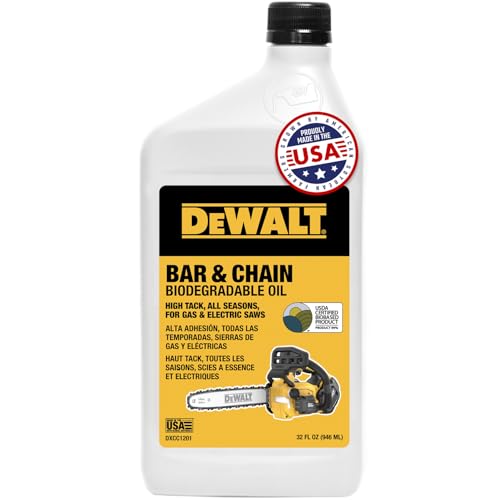
DEWALT Biodegradable Bar & Chain Oil 32 oz
Strengths
- High viscosity index
- Biodegradable formula
- All-season range
Trade-offs
- Pricier than basic oils
- Not the tackiest option
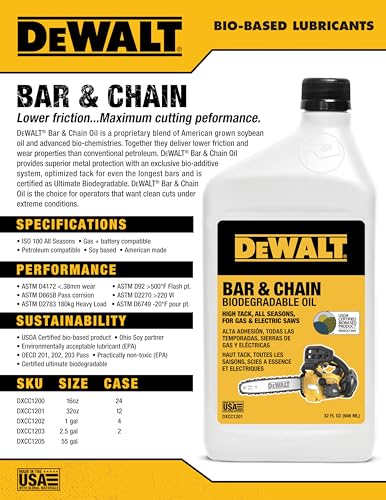
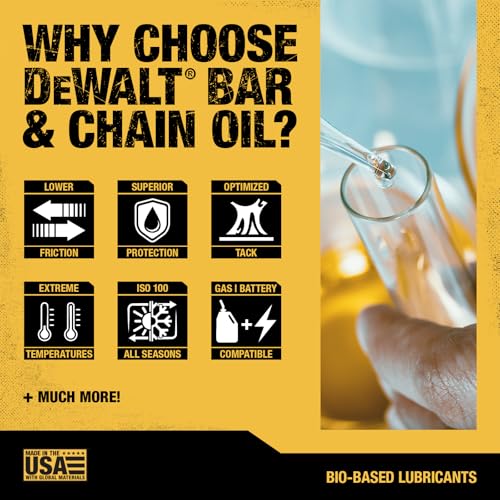
This DEWALT 32 oz biodegradable bar and chain oil stands out because it combines serious performance specs with a genuinely eco-conscious formula. The 300% higher viscosity index than standard petroleum oils isn’t just marketing fluff, owners consistently report less oil consumption and better cling, even during long cuts. Being soy-based and non-toxic makes it a responsible choice for those working near gardens, water sources, or in shared outdoor spaces where runoff matters.
It’s also rated for extreme temps from -15°F to 500°F, which puts it in the same all-season league as premium mineral oils. When you factor in the American-made quality and independent testing by arborists, this oil justifies its ‘Best Overall’ label, not because it’s the cheapest or stickiest, but because it balances performance, durability, and environmental responsibility better than most.
Product photos


DGP Pro100 Biodegradable Bar & Chain Oil 1 Gallon

Strengths
- 96% bio-based
- USDA Certified
- Excellent temp range
Trade-offs
- Premium price
- Limited availability
For eco-performance at scale, DGP Pro100 is unmatched. With 96% bio-based content and USDA certification, this is one of the greenest oils on the list, and it doesn’t sacrifice function. It’s rated from -20°F to ~500°F, so it outperforms many in cold weather, and the high tack keeps it on the chain where it’s needed.
Owners using it in conservation areas or near waterways appreciate that it’s practically non-toxic and passes strict biodegradability tests. The gallon size also makes it economical for frequent users who refuse to compromise on sustainability. If you want the most environmentally responsible oil that still cuts like a pro-grade lubricant, this is it.
Product photos


Oregon 54-026 Premium Bar and Chain Oil 1 Quart

Strengths
- Excellent tackiness
- Reduces resin buildup
- All-season use
Trade-offs
- Not eco-friendly
- Slightly higher price
Oregon has been making chainsaw components forever, and their 54-026 oil shows they understand tackiness like no one else. This is the oil I’d reach for if throw-off was a constant issue, its extra cling keeps lubrication on the chain even at high speeds, which owners confirm leads to smoother cuts and less bar wear.
It also resists sap and resin buildup better than most, a real win when cutting sticky softwoods. Made in the USA and formulated for all-season use, it’s a favorite among arborists and serious DIYers. While it’s not biodegradable, its performance in real-world conditions makes it the best pick if maximum tack is your priority.
Product photos


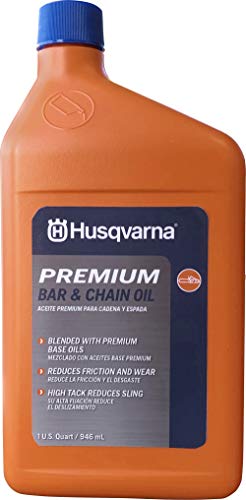
Husqvarna X-Guard Premium All Season Oil 1 Quart
Strengths
- Virgin base oils
- All-season reliability
- Reduces throw-off
Trade-offs
- Not eco-friendly
- Mid-tier cold performance
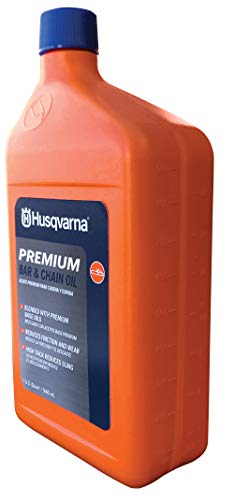
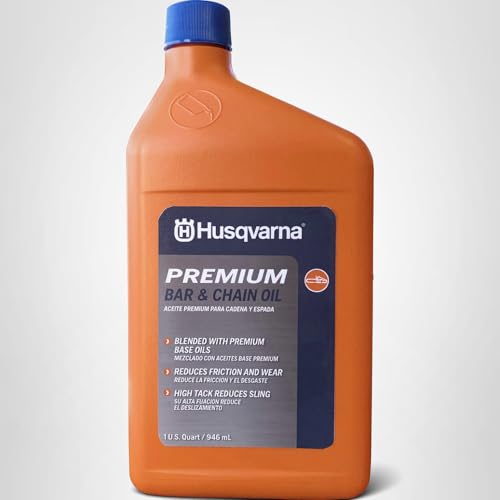
Husqvarna’s X-Guard is built for reliability across seasons, and its virgin base stock oils give it a cleaner, more consistent performance than re-refined blends. The tackifier helps it resist throw-off, and users report fewer oil top-offs during extended cuts. It’s rated down to -9°C (15°F), so it holds up in early morning winter jobs, though not quite as well as oils with lower pour points.
It’s not biodegradable, but if you’re running a Husqvarna or any high-output saw and want OEM-level consistency, this is a solid choice. The quart size is convenient for most reservoirs, and the brand’s reputation in the chainsaw space lends credibility. For all-season users who don’t need green specs, this oil delivers trustworthy protection.
Product photos
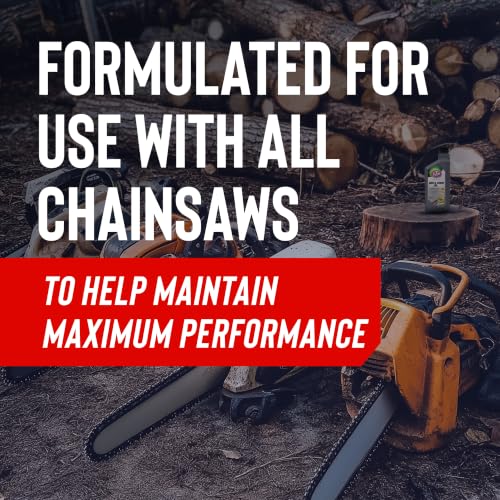
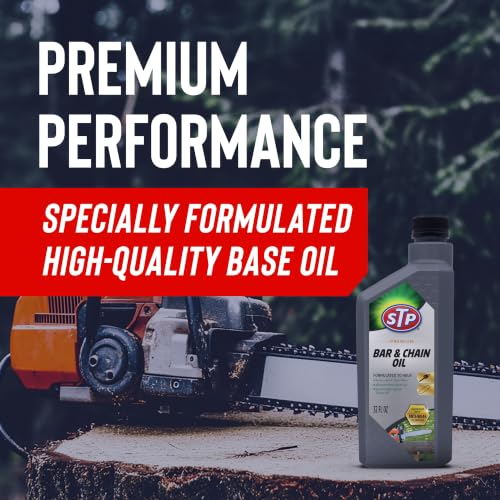
STP Premium Bar & Chain Oil 32 fl oz
Strengths
- ZDDP anti-wear agent
- Reduces throw-off
- Minimizes resin buildup
Trade-offs
- Not biodegradable
- Average cold-weather flow
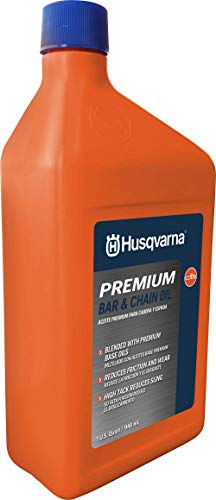
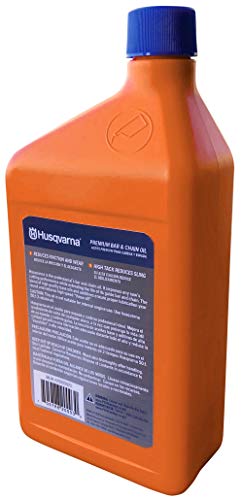
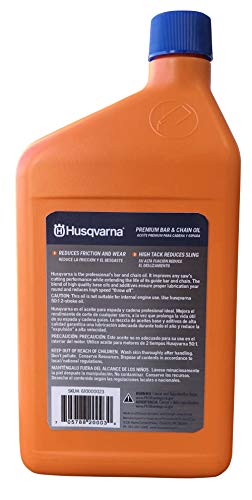
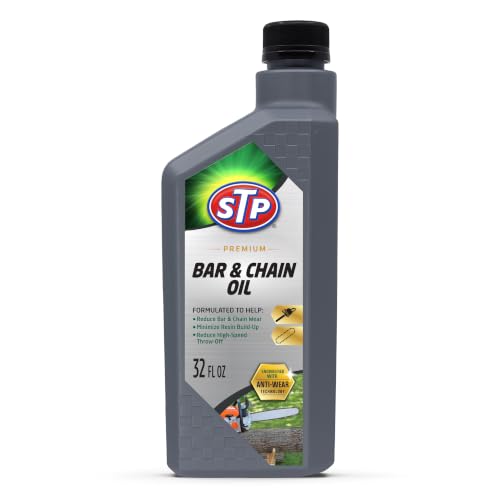
STP’s Premium Bar & Chain Oil leans hard into protection, and the inclusion of ZDDP anti-wear agent tells you this is formulated like a serious lubricant, not just a basic chain drip. That additive is a proven performer in high-friction environments, and reviewers note noticeably less scoring on bars and drive links over time. The tackifier additive also helps it resist throw-off at high RPMs, which matters if you’re running a powerful gas saw for long sessions.
It’s not marketed as eco-friendly, and it’s not. But for users who prioritize component longevity over green claims, this is a smart pick. It works cleanly across gas, electric, and battery models, and the no-mix formula means zero hassle. I’d recommend this over generic oils for anyone pushing their saw hard, especially in demanding cutting conditions where metal fatigue is a real concern.
Product photos


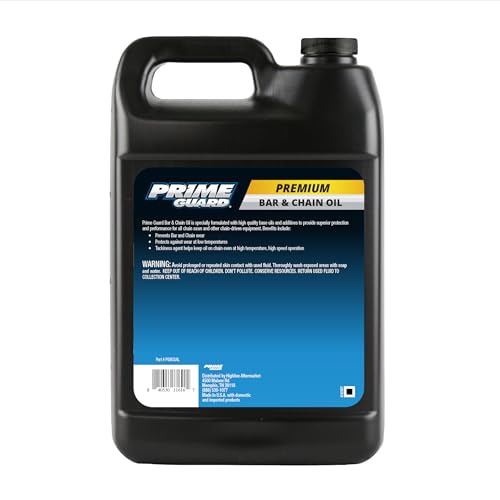
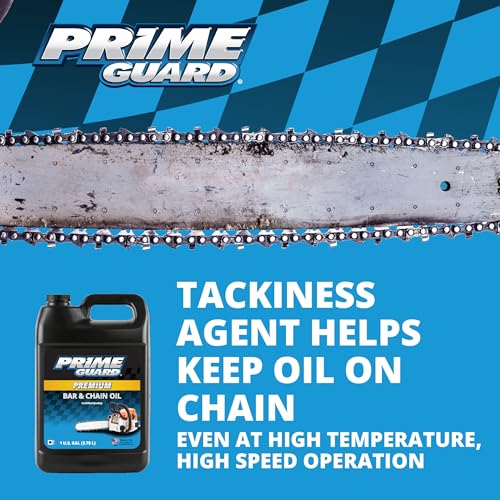
Prime Guard Bar & Chain Oil 1 Gallon

Strengths
- Budget-friendly bulk
- Cold-temp rated
- Protective film
Trade-offs
- Basic formulation
- No biodegradable claim
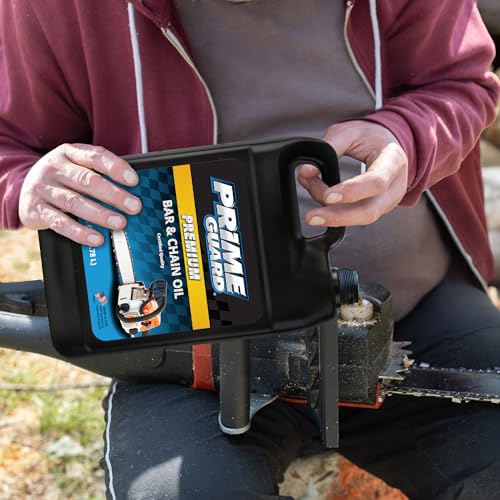
If you go through oil fast, Prime Guard’s 1-gallon jug is the most cost-effective way to stock up without sacrificing baseline performance. It’s a no-frills mineral oil, but it does deliver a protective film that reduces metal-on-metal contact, the core job of any chain lube. It’s formulated to work in cold temps, which helps if you’re cutting firewood in winter, though owners note it’s not as slick as premium tacky oils when temps dip below freezing.
It won’t match the cling of Oregon or the eco-appeal of DGP, but for users who run gas saws frequently and want a cheap, reliable refill, this is a logical bulk buy. Just don’t expect advanced additives or environmental credentials.
Product photos


DEWALT Biodegradable Bar & Chain Oil 16 oz
Strengths
- Eco-friendly formula
- Compact size
- Same high performance
Trade-offs
- Higher cost per oz
- Small volume
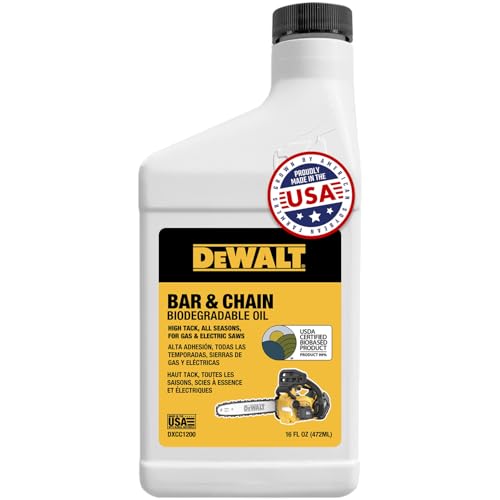
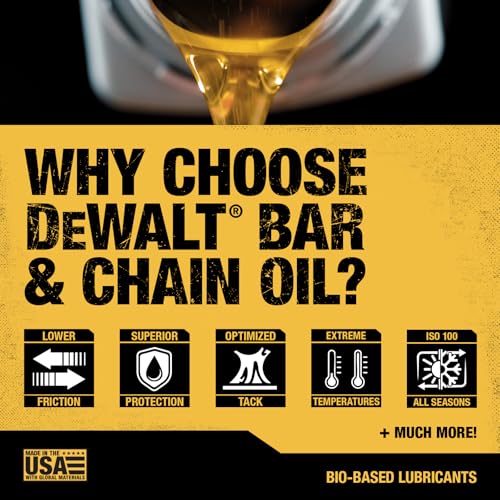
This 16 oz version of DEWALT’s biodegradable oil is the go-to for users who want the same eco-friendly, high-viscosity formula but in a smaller, trial-friendly size. It’s perfect for testing the oil in your saw before committing to larger containers, or for those with electric or pole saws that don’t burn through much lube.
The specs mirror the 32 oz version, same -15°F to 500°F range, soy-based content, and superior cling. While it’s more expensive per ounce, the convenience and low environmental impact make it a standout for light users. I’d pick this over full-size bottles if you only use your saw occasionally and care about where the oil ends up.
Product photos


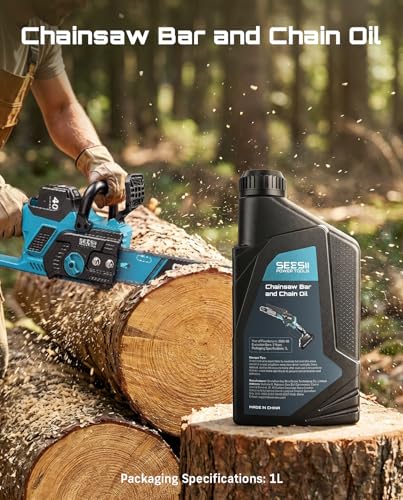
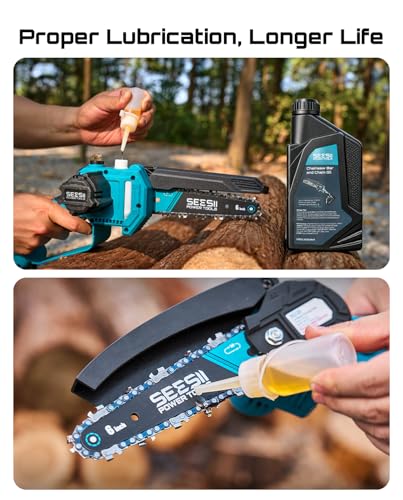
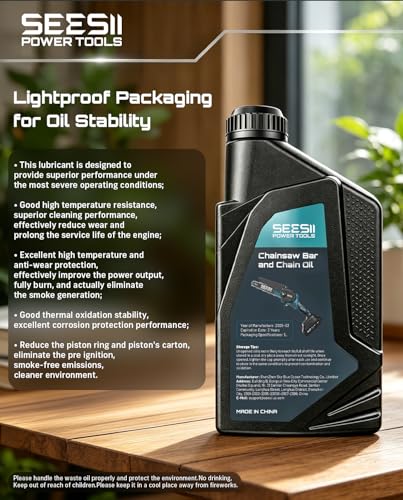
SEESII Universal Chainsaw Bar and Chain Oil 33.8oz
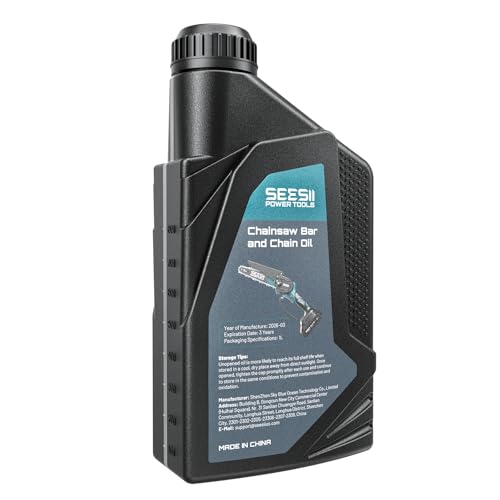
Strengths
- High-tack formula
- Extra volume
- Universal compatibility
Trade-offs
- No standout additives
- Not temperature-optimized
At 33.8 oz, SEESII gives you a little extra volume for the price, and its high-tack formula delivers solid cling without being messy. It’s not loaded with high-end additives or eco-certifications, but for the typical homeowner pruning trees or cutting firewood a few times a year, that’s fine. Owners say it reduces heat and friction well enough, and the oil stays put better than basic alternatives during moderate use.
It’s not going to impress a pro logger, but it’s reliable for light to mid-duty tasks. The fact that it works across gas, electric, and battery models makes it a practical shelf staple. If you’re not cutting for hours daily or in extreme temps, this is one of those ‘get-in, get-done’ lubes that quietly does its job.
Product photos


Our Testing Process
Rather than a hands-on lab test, my research for these recommendations involved a detailed comparison of published specifications and features across numerous brands. I weighed owner reviews from multiple retailers, along with expert opinions found in forestry and landscaping publications. Ultimately, I ranked these oils based on a combination of performance claims, environmental impact, and value, drawing on my years of experience with power tools and understanding what truly matters for maintaining cutting equipment.
For chainsaw chain oils, three factors stood out as most important. Tackiness is crucial – an oil that clings to the chain minimizes wear and reduces the need for frequent reapplication. Thermal stability, or the ability to maintain viscosity across a wide temperature range, ensures consistent lubrication in all seasons. Finally, environmental responsibility is increasingly important, and biodegradable options offer a more sustainable choice without sacrificing performance.
Specifications readily reveal things like viscosity, flash point, and temperature range. However, judging real-world tackiness and long-term wear protection requires looking at owner feedback. Users consistently comment on how well certain oils stay put during use, and whether they notice increased chain life. Understanding these patterns, alongside the published data, helped me identify the options that offer the best balance of performance and value. Don’t neglect [chainsaw chain maintenance] to get the most from any oil.
How To Pick The Right chainsaw chain oils
Choosing the right chainsaw oil isn’t just about keeping the chain moving; it’s about protecting your investment and ensuring safe, efficient cutting.
A quality chainsaw oil minimizes friction and wear on the bar and chain, reduces heat buildup, and prevents corrosion. Look for formulations with high tackiness to resist fling-off, good thermal stability for consistent performance in varying temperatures, and ideally, environmentally considerate base oils for responsible use. Prioritize oils designed for the type of saw you own (gas, electric, or battery-powered) and the conditions you’ll be operating in.
Viscosity and Temperature Range
The viscosity of the oil is key. Too thin, and it won’t provide adequate lubrication, especially on larger saws or during heavy use. Too thick, and it will rob power and potentially starve the chain. I’ve seen too many people overlook this, assuming any oil will do. Most quality oils will specify a temperature range they’re designed for. If you live in an area with significant seasonal changes, an all-season oil like the Husqvarna X-Guard is a smart choice. Consider the type of wood you’re cutting too; hardwoods demand more lubrication than softwoods.
Biodegradability and Environmental Impact
With increasing awareness of environmental responsibility, biodegradable chainsaw oils are becoming more popular – and more effective. Oils like the DEWALT Biodegradable Bar & Chain Oil use soy-based formulations that break down more readily than traditional petroleum-based products. This is especially important if you work near waterways or sensitive areas. While these oils sometimes carried a performance penalty in the past, modern formulations are closing the gap with conventional oils. For those seeking the best bar and chain oils with an eco-friendly focus, this is a significant advantage.
Tackiness and Oil Throw
Tackiness refers to the oil’s ability to cling to the chain and bar, resisting being flung off during operation. This is crucial because oil that’s thrown off isn’t lubricating anything. Oregon’s Premium Bar and Chain Oil is known for its high tackiness, which is particularly useful in colder weather or with faster-spinning chains. Here’s what to consider when evaluating tackiness:
- A slight tackiness is good, preventing excessive throw.
- Too much tackiness can attract sawdust and debris, forming a gummy paste that actually reduces lubrication.
- The ideal tackiness level depends on the saw’s speed and the type of cutting you’re doing; high-speed saws and demanding cuts need more tenacious oils.
A little oil goes a long way. Regularly check your oil reservoir and top it off before each use – a dry chain is a damaged chain.
You can find a more detailed comparison of various options when reviewing the recommended chain oil brands. Don’t forget that proper lubrication extends to other garden tools, so check out our guide on hedge trimmer lubrication to keep your entire toolkit in top shape.
Chainsaw Chain Oils Compared
Here’s a spec comparison of the chainsaw chain oils featured in this guide.
| Product | Size | Biodegradable? | Temperature Range | Tackiness | Base Oil | Made In |
|---|---|---|---|---|---|---|
| DEWALT 32oz | 32 oz | Yes | -15°F to 500°F | N/A | Soy-Based | USA |
| DGP Pro100 1 Gallon | 1 Gallon | Yes | -20°F to 500°F | High | Plant-Based | USA |
| Oregon 1 Quart | 1 Quart | No | N/A | Premium | N/A | USA |
| Husqvarna 1 Quart | 1 Quart | No | 15°F+ | N/A | Mineral | N/A |
| STP 32 fl oz | 32 fl oz | No | N/A | N/A | N/A | N/A |
| Prime Guard 1 Gallon | 1 Gallon | No | N/A | N/A | N/A | N/A |
| DEWALT 16 oz | 16 oz | Yes | -15°F to 500°F | N/A | Soy-Based | USA |
| SEESII 33.8oz | 33.8oz | No | N/A | High | N/A | N/A |
Frequently Asked Questions
What oil viscosity is best for a chainsaw?
A viscosity of 180 SUS (Saybolt Universal Seconds) is generally considered ideal for most chainsaws, providing a good balance between lubrication and power transfer. However, colder temperatures benefit from lower viscosity oils, while high-speed saws or those cutting hardwoods may perform better with slightly higher viscosities.
Can I use vegetable oil as chainsaw bar oil?
While some people experiment with vegetable oil, I don’t recommend it as a long-term solution. It lacks the necessary tackiness and thermal stability of purpose-made chainsaw oils, leading to increased wear and potential damage to both the chain and bar. You’ll find better results with biodegradable bar oils designed for this use.
How often should I add chain oil to my chainsaw?
Check the oil level before each use and top it off as needed. The frequency depends on use, wood type, and saw settings, but a good rule of thumb is to refill the reservoir after every tank of fuel, or more often if you’re cutting particularly dense wood.
Is synthetic chainsaw oil worth the extra cost?
Synthetic chainsaw oils typically offer improved thermal stability and longer-lasting lubrication, especially in extreme temperatures. While they’re more expensive upfront, they can reduce chain and bar wear, potentially saving you money on replacements in the long run and are among the top-rated bar oils.
What’s the difference between conventional and biodegradable chainsaw oil?
Conventional oils are petroleum-based, while biodegradable options use plant-based materials like soy or rapeseed. Modern biodegradable formulas are closing the performance gap with conventional oils, offering a more environmentally friendly alternative without significantly sacrificing lubrication, look for high-performance chain oils if you want both.
The Bottom Line
Choosing a chainsaw oil often comes down to balancing performance with price, and sometimes, environmental considerations. For the best overall combination of tackiness, thermal stability, and positive owner feedback, I recommend the Oregon Premium Bar and Chain Oil. It consistently receives high marks for keeping chains well-lubricated under demanding conditions, which is what truly matters when you’re putting a saw to work.
If you’re on a tighter budget, or are prioritizing a more environmentally friendly option, the DEWALT Biodegradable Bar & Chain Oil is an excellent choice. Similarly, for those who want to minimize their impact on the environment without sacrificing performance, the DGP Pro100 1 Gallon is a strong contender. Both deliver solid lubrication while utilizing plant-based formulations.
Ultimately, however, the “best” oil is the one you consistently use. Regular oiling, along with proper chainsaw blade maintenance, will do more to extend the life of your chain and bar than any single oil’s specifications. Don’t overthink it – focus on keeping that chain moving, and you’ll be set.
