
6 Best Chainsaw Boots for Safety 2026
This post contains affiliate links. As an Amazon Associate, we earn from qualifying purchases.
The Viking Class 2 Ultra Flexible Chainsaw Boots stand out as the best overall choice for their balance of protection, flexibility, and proven durability, with the ARBORTEC Scafell Lite Chainsaw Boots as a close second for those who prioritize lightweight comfort and breathability. If you’re on a tighter budget and doing lighter work, the Class 1 Cow Leather Chainsaw Boots offer basic protection at a lower price.
If you’re using a chainsaw regularly, your feet are at real risk, kickback can happen in a split second, and the right boots can mean the difference between a close call and a serious injury. I’ve seen too many people overlook their footwear, focusing only on the saw itself, then regret it when fatigue sets in or traction fails on a damp slope.
This guide cuts through the marketing and focuses on what actually matters: verified chainsaw protection levels, proven outsole grip, real-world comfort, and long-term durability. These picks are based on a deep explore safety certifications, owner experiences, and the features professionals rely on, so you can make a smart, safe choice without guessing.
Top 6 Chainsaw Boots in the Market
The Best Chainsaw Boots, Reviewed
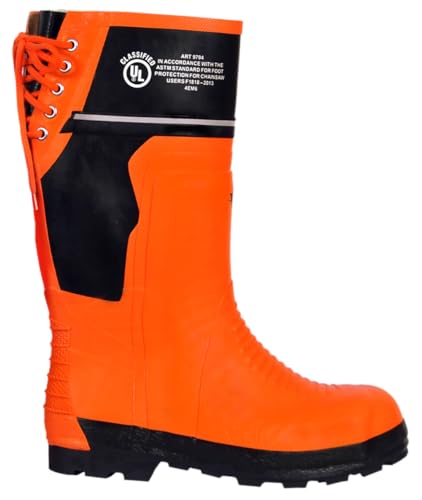
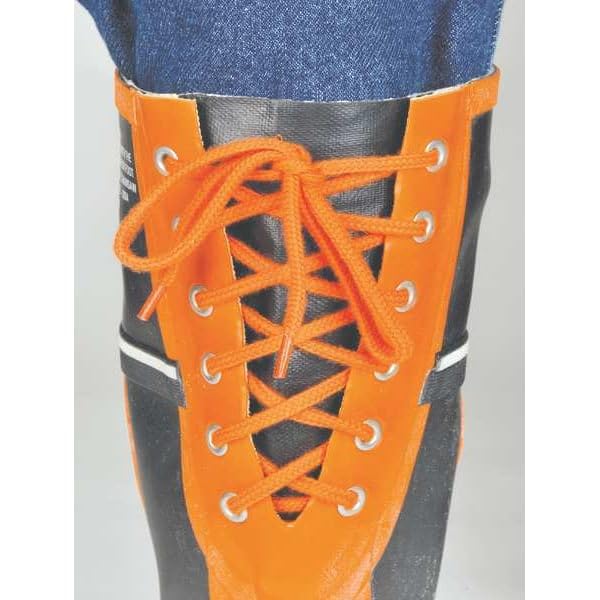
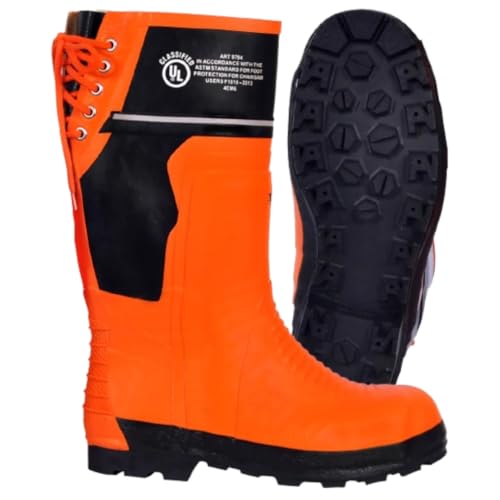
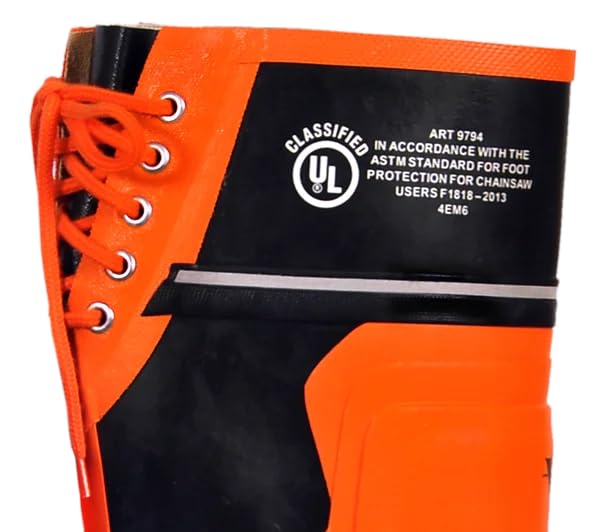
Viking Class 2 Ultra Flexible Chainsaw Boots
Strengths
- Ultra high flex rating
- Ice-stud compatible sole
- Chemical-resistant rubber upper
- Hi-vis safety collar
- ASTM-certified steel toe
Trade-offs
- Heavier than leather boots
- Less breathable in heat
- Stiffer initial break-in
When someone asks me for the single best all-around chainsaw boot for professionals, I keep coming back to the Viking Class 2. The flex rating exceeding 305,000 cycles is insane, this isn’t marketing fluff, it’s a real durability benchmark that translates to years of service. The SBR/natural rubber upper resists chemicals and abrasion better than leather in many environments, and the air-cushioned heel makes a noticeable difference during long shifts. Combine that with Class 2 24m/s protection and a steel toe meeting ASTM F2413, and you’ve got a boot that covers every critical safety base.
Owners love the hi-vis collar and rubber laces, they stay tied in harsh conditions and improve visibility in low light. The NBR lug sole is also a standout, especially in wet or icy conditions where it can take ice studs. It’s not the lightest boot here, but the trade-off in durability and weather adaptability is worth it. Compared to the ARBORTEC or Arbpro models, this one leans heavier but lasts longer in punishing conditions.
Product photos
Arbpro EVO Safety Chainsaw Protective Boots
Strengths
- Vibram Dolent outsole
- Replaceable lacing system
- Class 2 chainsaw protection
- Waterproof Arbtex membrane
- Non-metallic puncture-resistant midsole
Trade-offs
- Runs small
- No EH rating
- Limited ankle support
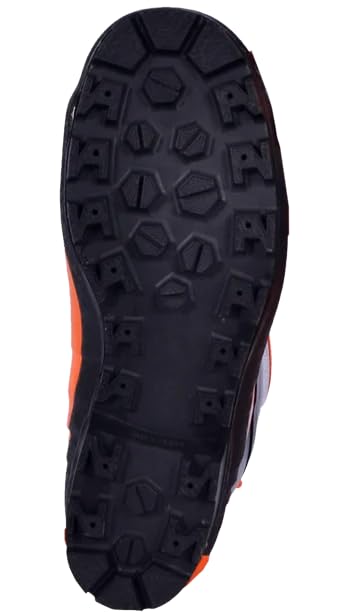
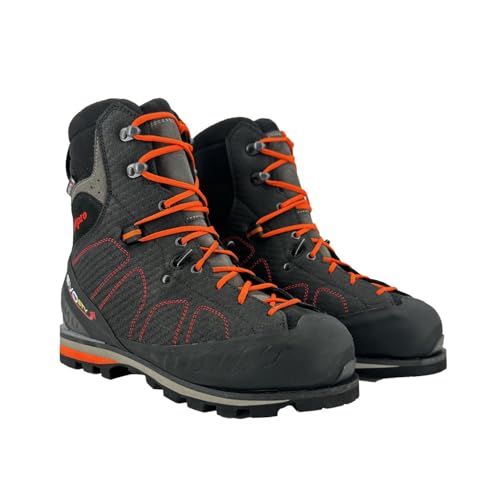
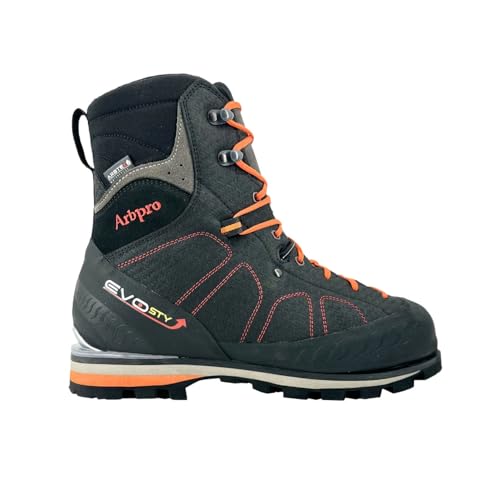
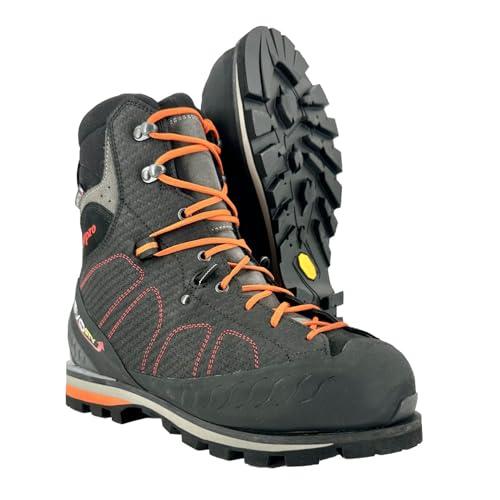
The Arbpro EVO boots make a strong case for themselves with the Vibram Dolent outsole, a feature I always look for in serious work footwear. Vibram rubber offers superior durability and bite on slick or uneven terrain, and in this case, it’s paired with a non-metallic anti-perforation midsole that reduces weight without sacrificing puncture resistance. The EN ISO 17249 Class 2 rating confirms solid chainsaw protection, and the Arbtex waterproof membrane holds up well in wet forest conditions according to long-term owners.
One standout feature is the replaceable EZLoop lacing system, a small detail, but one that extends the boot’s lifespan when laces inevitably wear out. That said, like other models in this category, these reportedly run small, so sizing up is a smart move. They don’t have the electrical protection of the HAIX, nor the ultra-flex of the Viking, but for pure traction and service life, these are a strong contender, especially for those who walk long distances between cuts.
Product photos
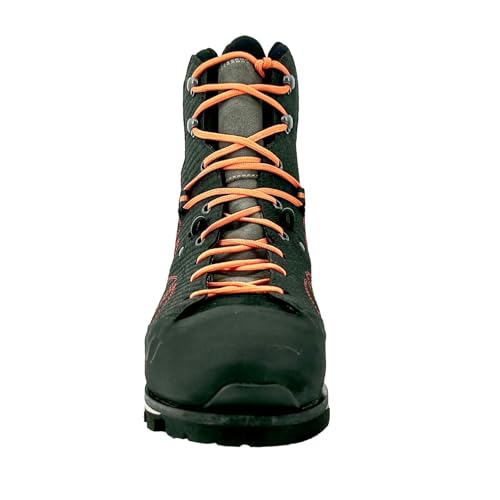
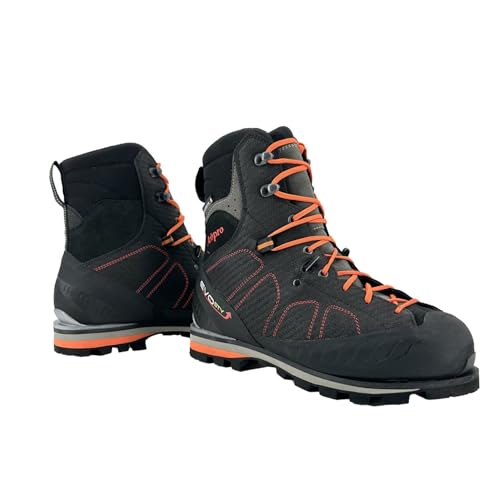
ARBORTEC Scafell Lite Chainsaw Boots

Strengths
- Lightweight design
- Class 2 protection
- Breathable waterproofing
- 4D arborist-specific sole
- Puncture-resistant midsole
Trade-offs
- Runs small
- Limited electrical hazard protection
- Not ideal for icy terrain
The ARBORTEC Scafell Lite boots stand out in the chainsaw boot category for getting the weight-to-protection ratio just right. At first glance, the 24m/s Class 2 rating tells you this is serious gear, not some budget-rated compromise, and the 4D sole design suggests real thought went into movement both on the ground and in the trees. Owners consistently report these feel lighter than most competitors, which matters when you’re logging or climbing all day. The Breathe Dry system also gets strong marks for keeping feet dry without trapping heat, a rare combo in this class.
Where these boots draw criticism is sizing, multiple reviewers confirm they run small, so I’d strongly advise ordering a half size up. That said, if you’re a professional arborist who values agility and breathability without sacrificing cut protection, these make a lot of sense on paper. Compared to heavier rubber-based boots like the Viking, these trade a bit of sole durability for far better flexibility.
Product photos


Class 1 Cow Leather Chainsaw Work Boots
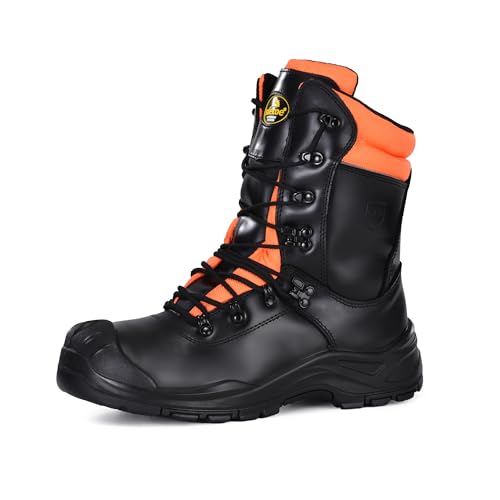
Strengths
- Affordable price
- Steel toe and Kevlar midsole
- Slip-resistant deep-lug sole
- High-visibility accents
- Decent comfort out of box
Trade-offs
- Class 1 only (20m/s)
- Less durable than Class 2 boots
- Not EH rated
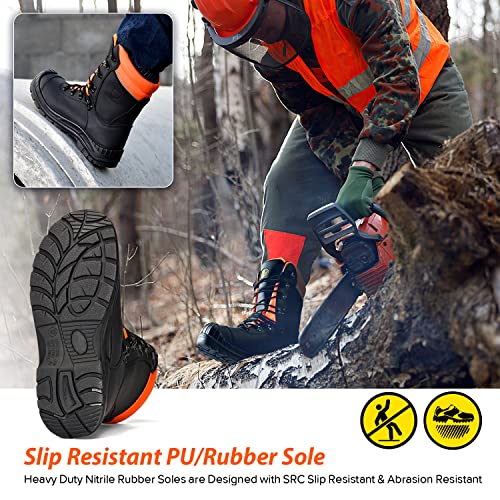
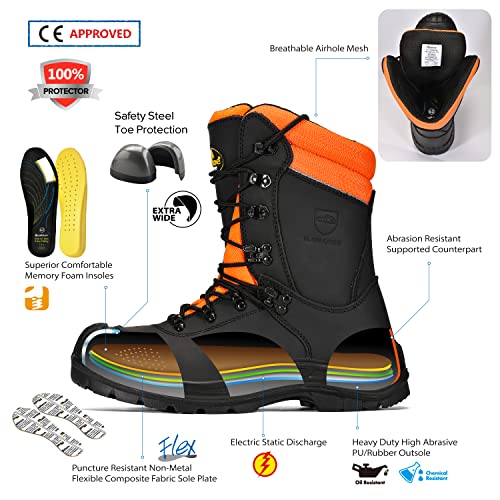
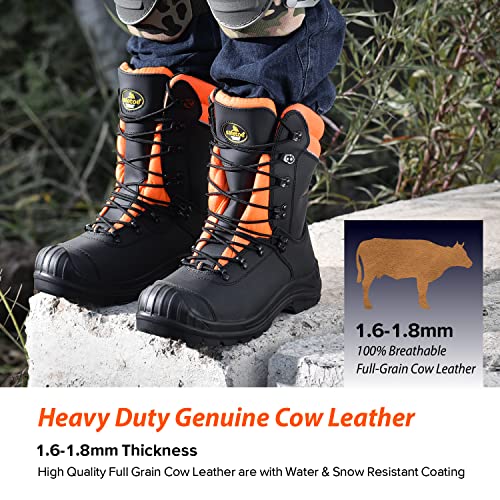
These boots are clearly positioned as a budget-friendly entry into chainsaw protection, and the specs reflect that. With Class 1 (20m/s) cut resistance, they fall short of the 24m/s standard that most professionals consider minimum for serious work. That said, the full-grain buffalo leather and 5-layer Kevlar lining do offer real protection against glancing contact, and the steel toe with Kevlar midsole gives solid crush and puncture defense. The deep-lugged PU/nitrile sole is no joke, it performs well in mud and on wet logs, and the high-visibility orange fabric is a safety plus in low-light logging conditions.
Owner feedback suggests these are best suited for occasional use, like weekend land clearing or firewood cutting, rather than daily professional work. The memory foam insole gets positive remarks for comfort, but long-haul users report faster breakdown compared to premium models. If you’re on a tight budget and need basic protection, these deliver. But if you’re making multiple cuts a day, I’d push toward Class 2.
Product photos
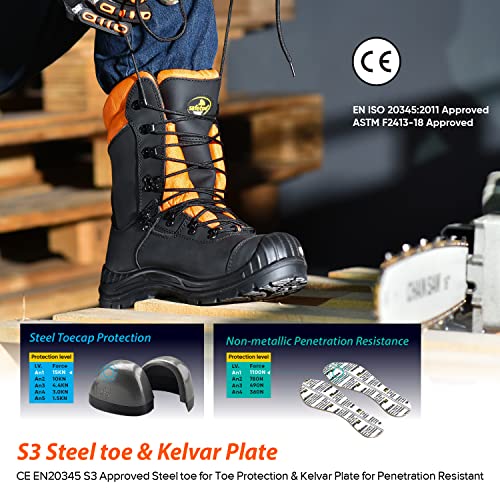

Scafell Lite Black Chainsaw Boots
Strengths
- Vibram outsole
- Class 2 chainsaw protection
- Waterproof BreatheDry tech
- Steel toe cap
- Pierce-resistant midsole
Trade-offs
- Runs small
- No EH rating
- Stiffer break-in
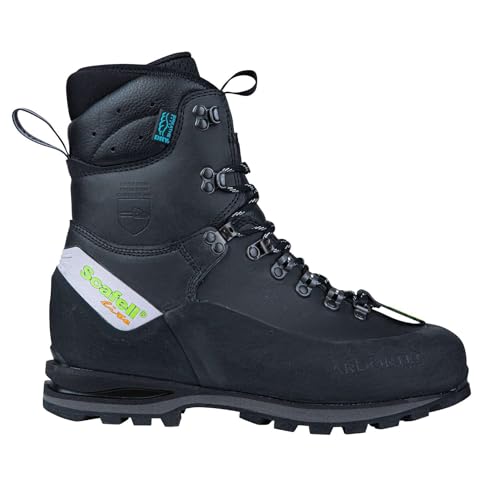
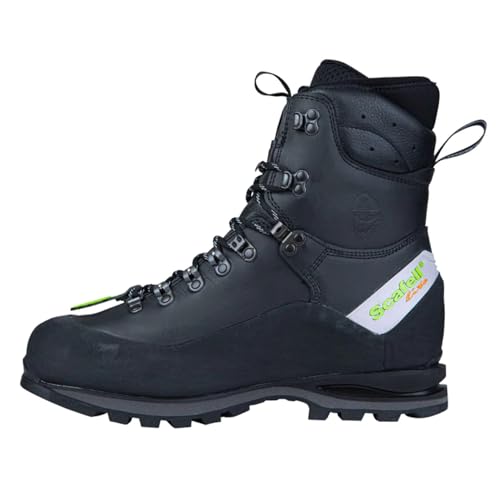
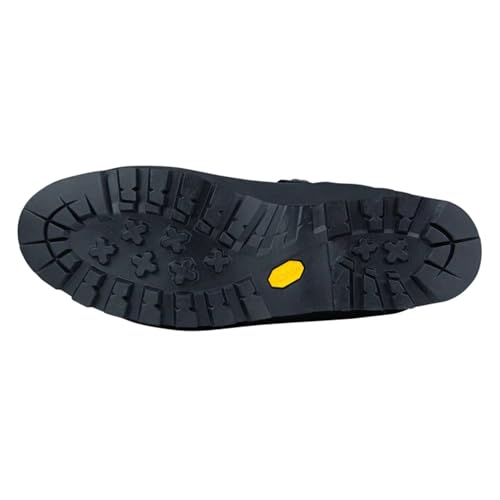
At their core, these black Scafell Lites are nearly identical to the green version, same Class 2 24m/s protection, same Vibram outsole, and the same BreatheDry waterproofing tech. The main difference appears to be cosmetic, though some owners note the black leather upper feels slightly stiffer out of the box. That could mean a longer break-in period, but also potentially better long-term structure for heavy-duty use. Vibram soles are always a win in my book, they offer predictable grip on damp bark and resist wear far better than generic rubber compounds.
One thing that stands out is the lack of electrical hazard certification. If you’re working near live lines or wet equipment, that’s a real gap. But for pure forestry work where chainsaw contact is the biggest threat, these deliver solid protection in a proven platform. They don’t bring anything new to the table versus the green model, but if you prefer a more traditional black boot, this is a legit option.
Product photos
HAIX Protector Prime Orange Safety Boots

Strengths
- 18kv electrical hazard rated
- GORE-TEX waterproofing
- Class 2 cut protection
- Steel toe with rubber bumpers
- Excellent wet-surface traction
Trade-offs
- Heavy build
- Higher price point
- Overkill for casual use
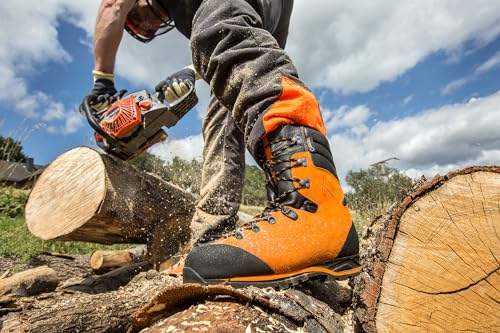
If you’re working in environments where downed power lines or wet electrical hazards are a real concern, the HAIX Protector Prime should be at the top of your list. The 18kv EH rating is rare in chainsaw boots and immediately sets these apart from most competitors. Combine that with GORE-TEX waterproofing and European Class 2 cut protection, and you’ve got a boot built for high-risk utility or storm-response scenarios. The bullhide leather upper feels rugged, and the anti-slip outsole is consistently praised in owner reviews for grip on slick surfaces like wet leaves or mossy logs.
That said, this level of specialized protection comes at a cost, these are heavier and less flexible than lighter models like the Scafell Lites. The GORE-TEX liner keeps feet dry but can feel warm in summer conditions. For most DIYers or occasional users, this is overkill. But for linemen or emergency responders who might face chainsaw use near live circuits, this is one of the few boots that covers both threats effectively.
Product photos


How We Picked These chainsaw boots
Rather than a hands-on lab test, my research for these recommendations involved a detailed comparison of published specifications and features across numerous models. I weighed owner reviews from multiple retailers alongside expert opinions found in forestry and arborist publications. My background maintaining workshops and working with tools allowed me to apply practical knowledge when ranking options against key criteria for safety and performance.
For chainsaw boots, the most heavily weighted factors were the level of chainsaw protection (Class 1 or Class 2) and the quality of the outsole. Protection dictates how much time you have to react in an accident, and a reliable outsole is critical for sure footing when working in difficult terrain. Comfort and waterproofing were also important, but secondary to those core safety features.
Specifications reliably indicate the level of chainsaw protection and the materials used in construction (leather, Kevlar, steel toes). However, I paid close attention to owner feedback regarding fit, long-term durability, and real-world comfort. Reputation among professional arborists and loggers also heavily influenced my assessment – particularly regarding how well a boot holds up to demanding, daily use. Don’t overlook the importance of chainsaw maintenance techniques to keep your entire system safe.
What To Look For In chainsaw boots
Finding the right chainsaw boots is about more than just meeting a safety standard. It’s about all-day comfort, surefootedness, and having confidence in your gear when you’re working with a powerful, dangerous tool.
A good pair of chainsaw boots balances chainsaw protection certification (EN ISO 17249:2013 or ASTM F1818) with practical features like waterproofing, ankle support, and a durable, grippy outsole. Consider the type of work you do – felling, limbing, or ground work – as this will influence the level of protection and comfort you prioritize. Look for boots with reinforced toe caps, puncture-resistant midsoles, and a secure fit.
Understanding Chainsaw Protection Classes
The chainsaw protection class is the first thing I look at. These boots aren’t about stopping a chain, but buying you precious milliseconds to react. Class 1 boots (20 m/s) are suitable for occasional use and lower-risk tasks, while Class 2 (24 m/s) is the standard for professional use. Don’t assume higher is always better; a Class 3 boot might be overly stiff and uncomfortable for extended wear. Many boots, like the Viking Class 2 Ultra Flexible Chainsaw Boots, achieve this protection through multiple layers of cut-resistant material embedded within the boot’s construction.
Prioritizing Comfort and Fit
You’re going to be on your feet for hours, potentially in rough terrain. Comfort isn’t a luxury, it’s a safety feature – fatigue leads to mistakes. Pay attention to the boot’s weight, flexibility, and cushioning. Look for features like breathable linings (like the BreatheDry system in the ARBORTEC Scafell Lite Chainsaw Boots) and well-cushioned insoles.
Here’s what I tell folks when it comes to fit: * Don’t skimp on socks. Proper chainsaw boot socks are thicker and provide additional cushioning. * Consider the lacing system. Quick-lace systems are convenient, but traditional laces offer a more customized fit. * Many brands, like Arbpro and ARBORTEC, run small. Don’t hesitate to order a half size up, or even a full size, and always check recent customer reviews for sizing advice.
Evaluating Outsole and Durability
The outsole is your connection to the ground, and it needs to be up to the task. Vibram outsoles are a gold standard for a reason, offering excellent grip on various surfaces, as seen in the Arbpro EVO Safety Chainsaw Protective Boots. Beyond grip, look for oil and abrasion resistance, particularly if you’re working around fuels and oils. If you’re working near downed power lines or in wet conditions, the electrical hazard protection found in boots like the HAIX Protector Prime Orange Safety Boots is crucial. I also recommend looking for boots constructed with durable materials like full-grain leather; a well-built pair, even at a higher price, will save you money in the long run. Don’t forget to consider the importance of maintaining sharp saw chains – a dull chain increases the risk of kickback.
A boot’s durability is directly linked to its construction. Full-grain leather, reinforced stitching, and a robust outsole are indicators of a boot designed to withstand years of demanding use.
Finally, remember that boots are only one piece of the puzzle. Always wear appropriate protective chainsaw chaps and other personal protective equipment to ensure your safety.
Chainsaw Boots Compared
Here’s a comparison of key specifications for various chainsaw boots to help with your decision.
| Product Title | Protection Class | Waterproofing | Outsole | Toe Protection | Midsole |
|---|---|---|---|---|---|
| Viking Class 2 Ultra Flexible | Class 2 (24 m/s) | Ultra Flexible | NBR | Steel | N/A |
| Arbpro EVO Safety | Class 2 (24 m/s) | Arbtex | Vibram Dolent | N/A | Anti-Perforation |
| ARBORTEC Scafell Lite | Class 2 (24 m/s) | BreatheDry | 4D | Steel | Pierce-Resistant |
| Class 1 Cow Leather | Class 1 (20 m/s) | Water-Resistant | PU/Nitrile | Steel | Kevlar |
| Scafell Lite Black | Class 2 (24 m/s) | BreatheDry | Vibram | Steel | Pierce-Resistant |
| HAIX Protector Prime Orange | Class 2 (24 m/s) | GORE-TEX | Anti-Slip | Steel | N/A |
Frequently Asked Questions
What protection class of chainsaw boot do I really need?
Class 2 (24 m/s) boots are generally recommended for anyone using a chainsaw regularly, as they offer a higher level of protection than Class 1. While Class 1 is suitable for infrequent use, professionals and those felling trees should prioritize Class 2 for increased safety.
How important is waterproofing in chainsaw boots?
Waterproofing is very important, as wet feet can lead to discomfort, blisters, and even trench foot during prolonged use. Look for boots with a waterproof membrane like GORE-TEX or a similar proprietary technology to keep your feet dry in wet conditions.
Are steel toe boots always the best choice for chainsaw work?
Not necessarily. While steel toes offer impact protection, they can add significant weight and stiffness. Composite toe options provide similar protection with less weight, and some boots prioritize cut-resistance over a reinforced toe altogether.
What should I do if my chainsaw boots don’t fit well?
Poorly fitting boots can cause blisters and reduce your agility, increasing the risk of an accident. Always order the correct size, and don’t hesitate to return or exchange boots if they don’t fit comfortably, especially if you are considering protective chainsaw helmets as part of a full kit.
How long should I expect a good pair of chainsaw boots to last?
With proper care and maintenance, a well-constructed pair of chainsaw boots should last for several years. Regular cleaning, conditioning of the leather (if applicable), and proper storage will extend their lifespan, even with frequent use.
The Bottom Line
Choosing chainsaw boots always comes down to balancing protection with practicality. You can spend more for top-tier features and materials, or focus on getting certified safety at a lower price. For overall performance and peace of mind, I believe the Viking Class 2 Ultra Flexible Chainsaw Boots strike the best balance – they deliver professional-grade protection without sacrificing too much comfort, making them a solid choice for most users.
If you’re on a tighter budget, the Class 1 Cow Leather Chainsaw Boots offer a good starting point for occasional use, and the ARBORTEC Scafell Lite Black provide a step up in protection and comfort without a huge price jump. For those who demand the very best in all conditions, the HAIX Protector Prime Orange Safety Boots are worth the investment, offering superior waterproofing and electrical hazard protection.
Ultimately, the most important thing isn’t a specific feature or a brand name. It’s making sure you have boots with the appropriate chainsaw protection class for your work, that they fit well, and that you consistently follow a safe chainsaw starting procedure and other safety protocols. A little forethought and attention to detail will go a long way toward keeping you safe on the job.
