
8 Best Chainsaw Batteries of 2026
This post contains affiliate links. As an Amazon Associate, we earn from qualifying purchases.
The overall best chainsaw battery is the Enyuly 4000mAh 80V, delivering strong power and solid runtime for demanding jobs. For budget-minded users, the 6000mAh for Ryobi 40V offers reliable performance and broad compatibility. If you’re working with smaller equipment, the CS Cameron Sino 4000mAh 20V provides excellent value and dependable output.
Most people don’t realize how much a weak or poorly matched battery can turn a simple cutting job into a frustrating chore. You’re left with stalled cuts, long recharge waits, or worse, damaging your saw.
I’ve researched the top options based on specs, owner feedback, and brand reliability to highlight batteries that actually deliver on power, runtime, and fit. This guide cuts through the marketing noise so you can pick a battery that matches your saw and your workload.
Top 8 Chainsaw Batteries in the Market
The Best Chainsaw Batteries, Reviewed
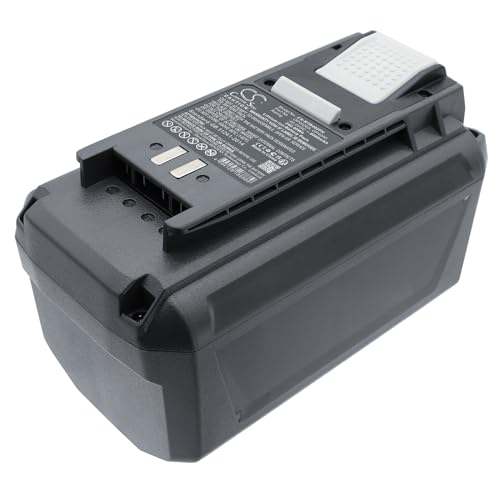
6000mAh Replacement Battery for Ryobi 40V
Strengths
- High capacity
- Wide compatibility
- Good safety features
Trade-offs
- Heavy at 2.3kg
- Voltage sag under load
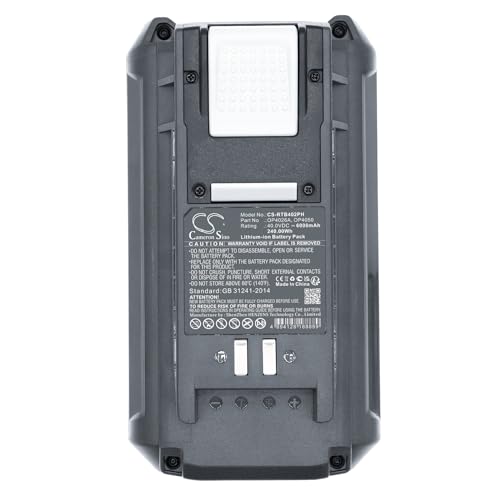
This 6000mAh 40V replacement battery stands out in the Ryobi ecosystem, where tool sharing across the 40V line is a big selling point. On paper, its 240Wh capacity is solid for mid-range cutting jobs, and owners consistently report it delivers noticeably longer runtime than the stock 40V 4Ah packs, especially when paired with the 20-inch brushless saw. The build quality seems reliable, with proper circuitry for over-charge and thermal protection, which is critical when pushing a chainsaw hard.
That said, its 2.3kg weight is significant. While it fits perfectly per user feedback, that heft can make extended use tiring, especially on pole-style tools or backpack blowers. Compared to OEM options, this third-party pack offers more capacity at a lower cost, but some users note slight variance in voltage regulation during peak load. Still, for anyone already invested in Ryobi’s 40V platform, this is a smart upgrade for sustained performance.
Product photos
Enyuly 4000mAh 80V Replacement Battery

Strengths
- High 320Wh capacity
- Stable 80V output
- Long runtime
Trade-offs
- Heavy at 2.58kg
- Bulky dimensions
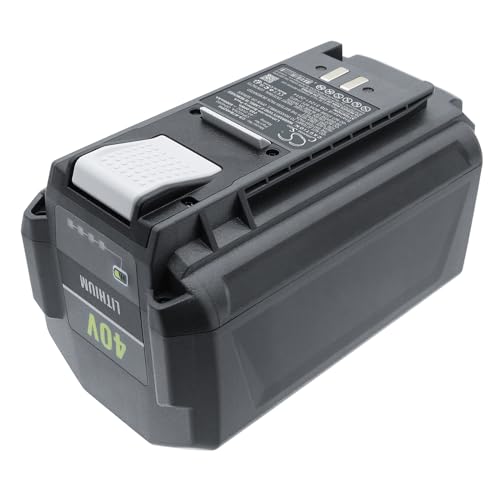
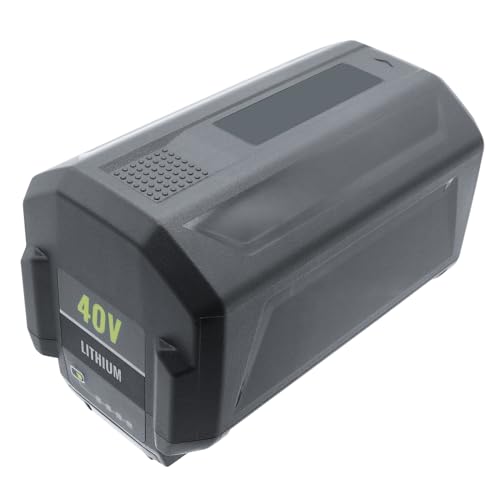
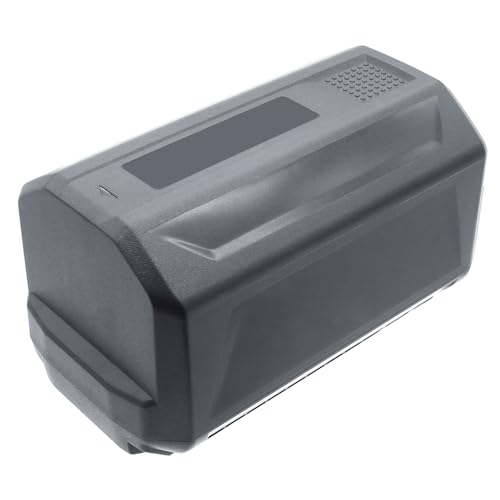
This Enyuly 80V 4000mAh battery is one of the few third-party options that matches the energy density of GreenWorks’ top-tier packs. At 320Wh, it’s a serious performer, owners say it powers through hardwood cutting with the 18- or 21-inch saws without sagging. The size is bulky, and at 2.58kg, it’s heavy, but that’s the trade-off for this much capacity.
Build quality appears strong, and the one-year warranty is standard. Compared to the FITHOOD 2000mAh pack, this is the smarter buy for anyone doing real work. It’s not OEM, but the specs and user feedback suggest it holds voltage well and integrates cleanly with the tool’s electronics. If you need long runtime on an 80V saw, this delivers.
Product photos
4000mAh 24V Replacement Battery for GreenWorks
Strengths
- Doubles stock capacity
- Affordable upgrade
- Lightweight design
Trade-offs
- Not for heavy cutting
- Lower voltage limits power
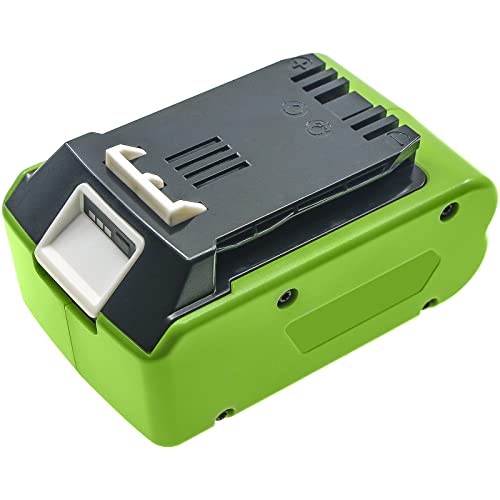
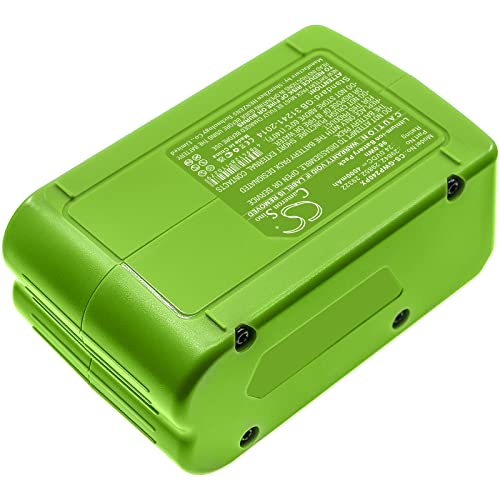
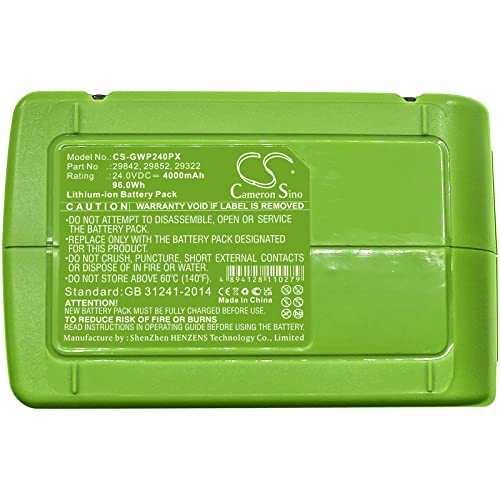
This 24V 4000mAh replacement is a standout value for GreenWorks G24 users. At 96Wh, it doubles the capacity of the original 2000mAh packs that often ship with entry-level saws. Reviewers note a clear improvement in runtime, turning a saw that used to die mid-job into one that can handle a full session of branch clearing. The 909g weight keeps it balanced on smaller tools like the 10-inch saw or 20-inch pole hedge trimmer.
It’s not going to match 40V or 80V performance, but for light-duty homeowners, that’s not the point. The real win here is price-to-performance. Compared to GreenWorks’ official batteries, this third-party option delivers the same fit and safety features at a fraction of the cost. I’d recommend it to anyone tired of swapping tiny batteries every 10 minutes.
Product photos
Ejjinenbby 4000mAh 80V Replacement Battery
Strengths
- 320Wh high capacity
- Two-year warranty
- Exact OEM fit
Trade-offs
- Heavy and bulky
- Same as other 80V clones
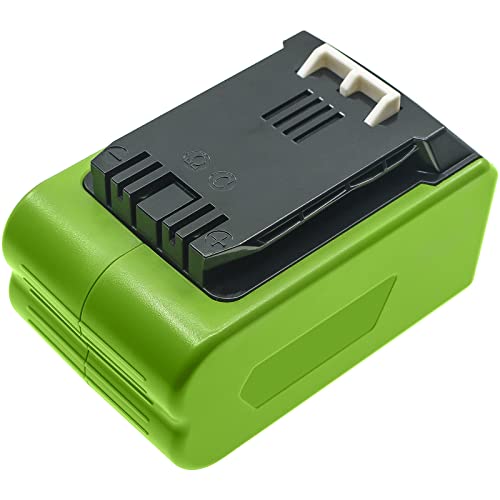
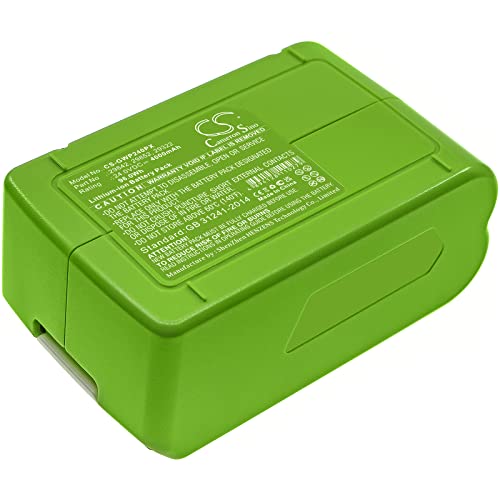
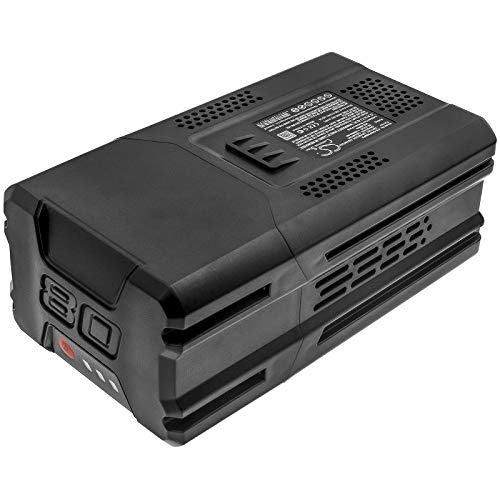
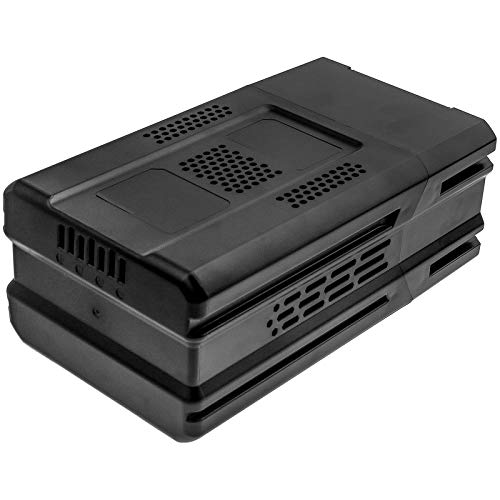
Nearly identical in specs to the Enyuly pack, this Ejjinenbby 80V 4000mAh battery offers the same 320Wh of energy and similar dimensions. The key differentiator? A two-year warranty, which beats most competitors. Owners confirm it fits and performs like the OEM battery, with no reported issues in communication or power delivery. For long runtime on demanding jobs, this is as good as it gets in the 80V aftermarket space.
While it shares the same weight and size drawbacks, that’s unavoidable at this capacity. Between this and the Enyuly, I’d lean toward Ejjinenbby for the longer warranty and responsive customer support. It’s a confidence booster when you’re not buying direct from GreenWorks.
Product photos
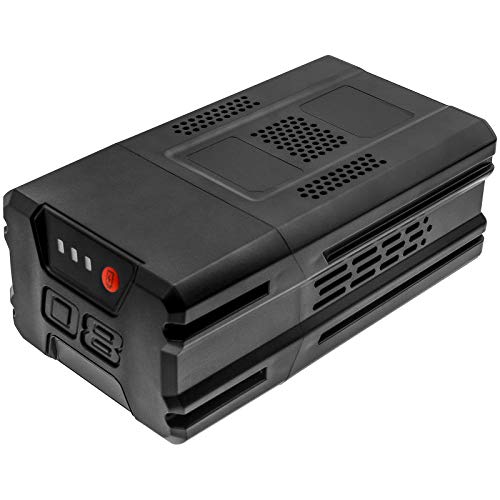
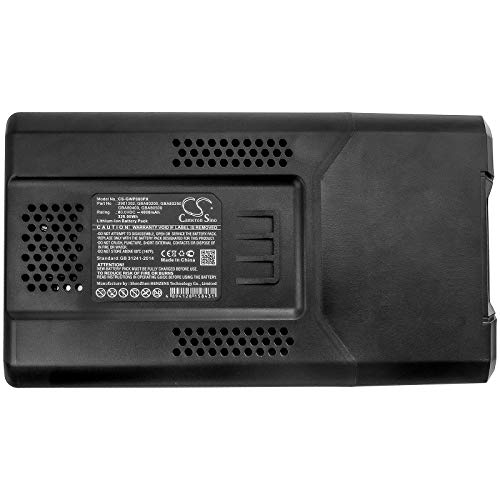
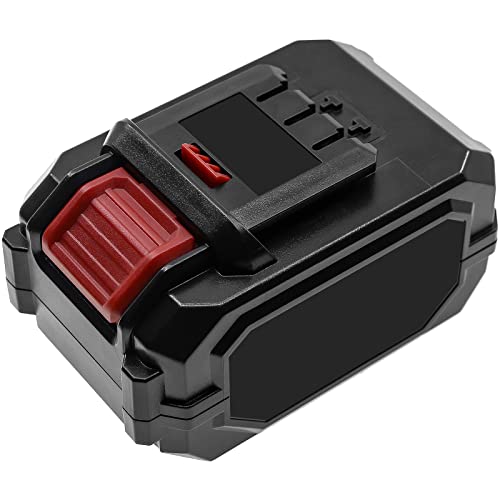
CS Cameron Sino 4000mAh 20V Battery
Strengths
- Good capacity for 20V
- Perfect Kimo fit
- Reliable safety features
Trade-offs
- Limited to niche brand
- Low power for big jobs
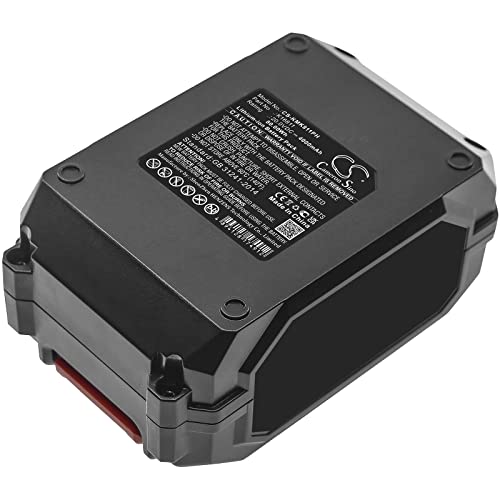
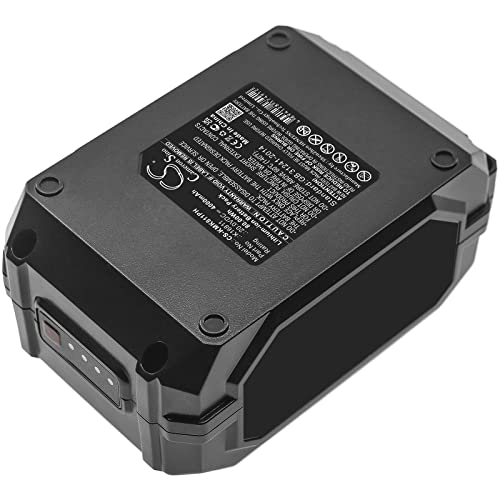
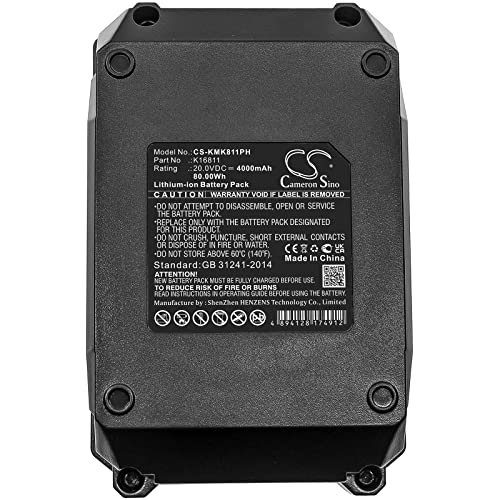
This 20V 4000mAh battery is tailored for Kimo’s compact 2-in-1 tools, especially their 6-inch chainsaw and mini blower combo. At 80Wh, it offers solid runtime for a tool in this class, owners say it handles small cutting jobs like trimming saplings or cutting kindling without issue. The 836g weight keeps the tool balanced, and the fit is reported as seamless.
Kimo tools aren’t widespread, so replacement options are limited. That makes this Cameron Sino pack valuable for existing users. While 20V won’t compete with larger saws, it’s adequate for what these mini tools are designed for. If you own a Kimo QM-series, this is likely your best (and maybe only) upgrade path.
Product photos
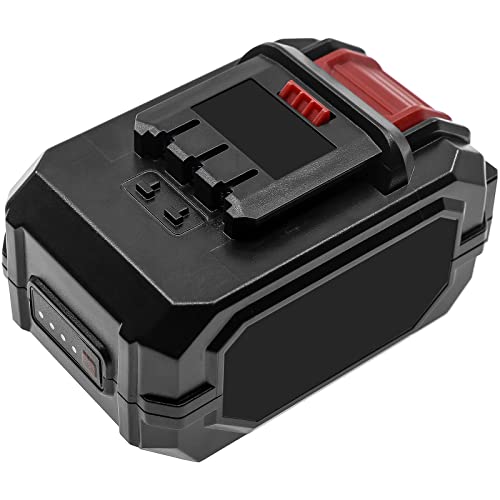
2000mAh 24V Replacement Battery for Greenworks
Strengths
- Low cost
- Lightweight
- Easy install
Trade-offs
- Very short runtime
- Low capacity
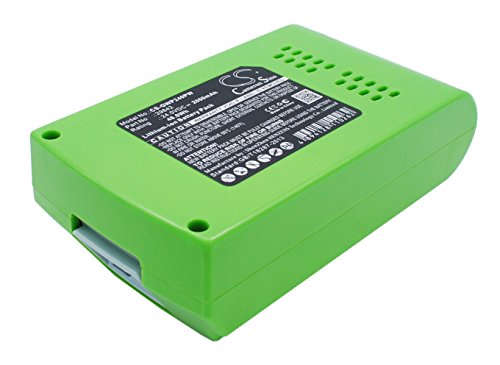
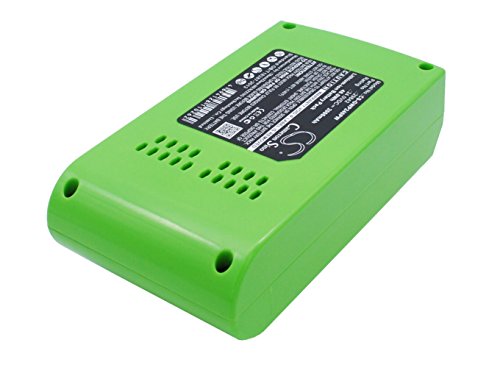
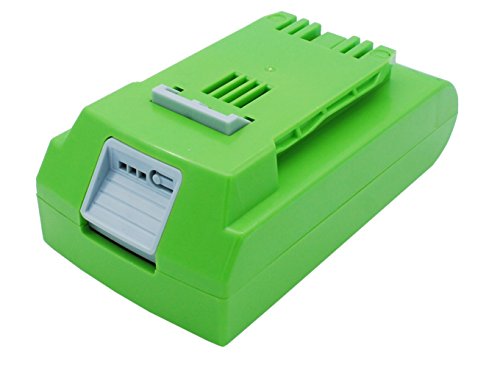
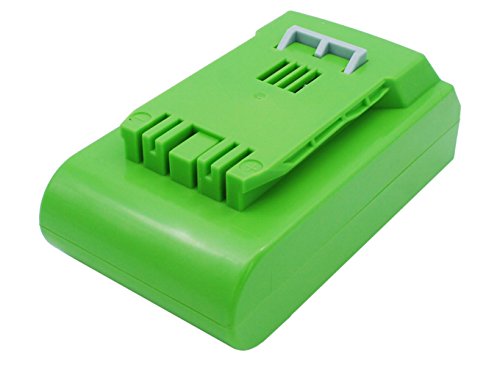
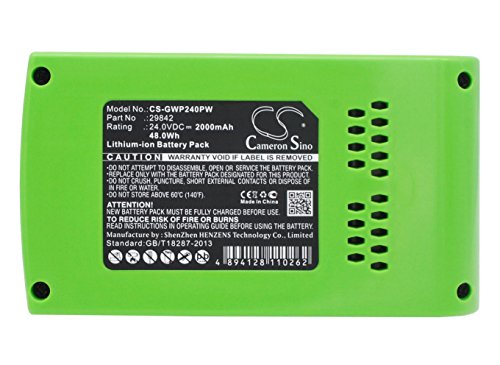
This 24V 2000mAh pack is the bare minimum for running a small GreenWorks chainsaw. At 48Wh, it’s underpowered and short-lived, owners report it lasts just 15–20 minutes under moderate load. It’s lightweight and cheap, yes, but that comes at the cost of usability. If your saw came with this battery, you’ve probably already felt the frustration of constant recharging.
It’s only worth considering as a spare if you already have higher-capacity batteries. Compared to the 4000mAh 24V option, this is a step backward. I wouldn’t recommend it as a primary power source for any serious work. Save the money and go bigger.
Product photos
FITHOOD 2000mAh 80V Replacement Battery

Strengths
- High 80V output
- Compact and light
- Certified safety standards
Trade-offs
- Low capacity for 80V
- Short runtime under load
At 80V and 160Wh, this FITHOOD battery is compact for its class, but that 2000mAh capacity is the limiting factor. It fits the PRO 80V line perfectly and offers the high voltage needed for serious cutting, but owners report it burns through charge quickly under load. For quick jobs like splitting firewood or trimming a few thick limbs, it works fine. But compared to higher-capacity 80V packs, it’s underpowered in endurance.
The 1.5kg weight is manageable, and the safety certifications (UN38.3, CE, RoHS) suggest decent quality control. Still, I’d only recommend this if you already have a high-capacity 80V battery and need a spare for short tasks. For primary use, the lower capacity makes it a weak link in an otherwise powerful system.
Product photos

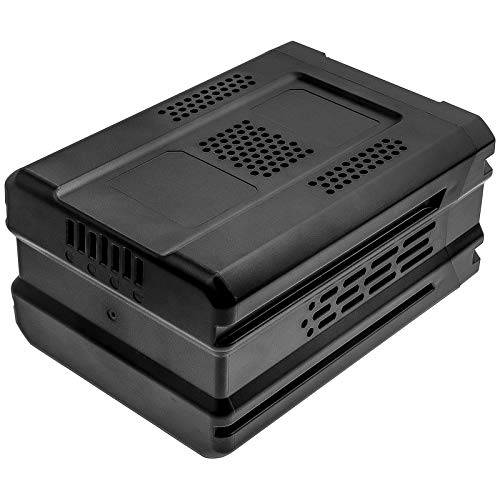
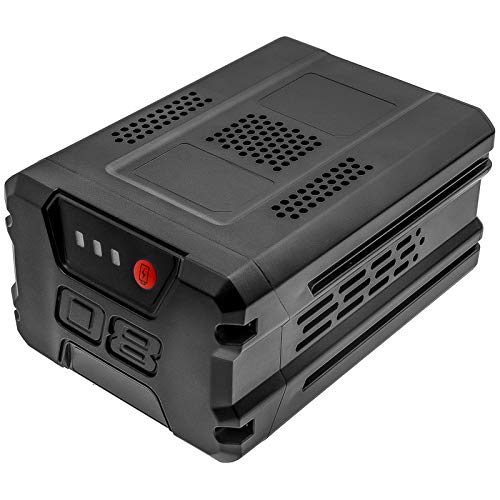
DNLBBO 21V 4.0Ah Lithium Battery
Strengths
- Charge indicator
- Solid safety suite
- Good runtime for light tasks
Trade-offs
- Limited to DNLBBO tools
- Low voltage for heavy cutting
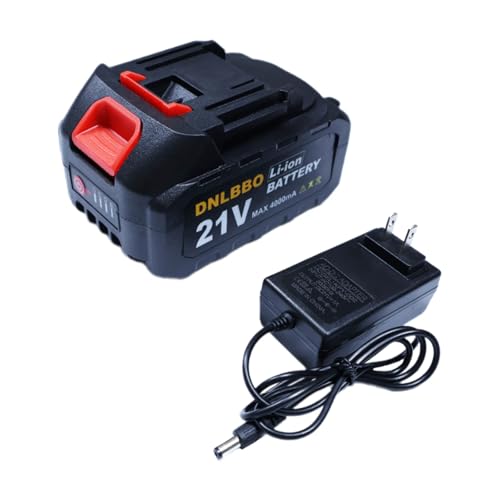
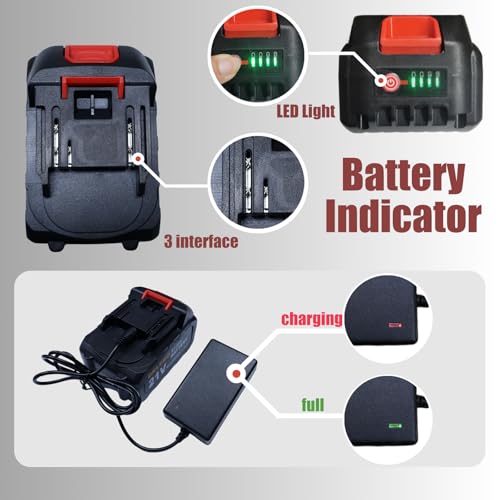
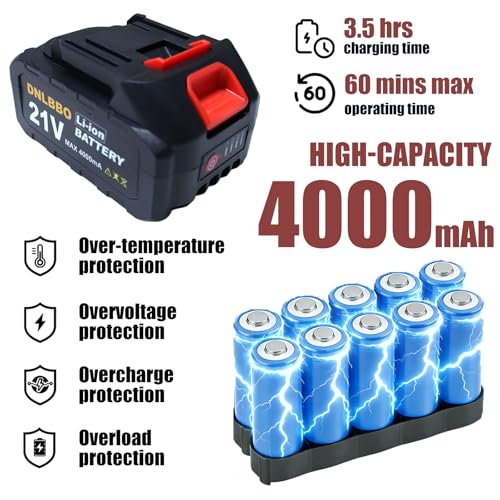
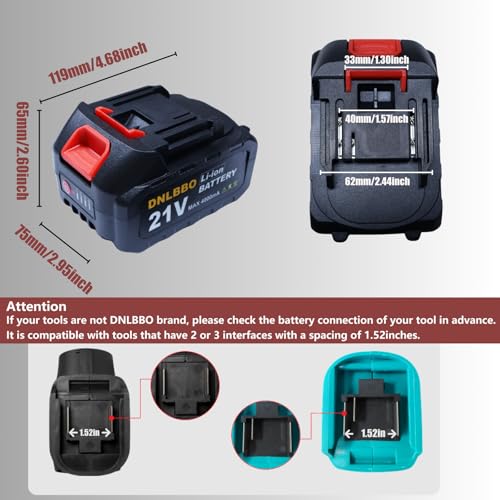
The DNLBBO 21V 4.0Ah battery is built specifically for their compact tool ecosystem, and it shows. It’s not powerful enough for heavy-duty chainsaw work, but for their 6- to 8-inch mini saws and smaller yard tools, owners say it delivers consistent 30–40 minutes of runtime, enough for light pruning or firewood prep. The built-in charge indicator is a nice touch, letting you check the level at a glance, which many budget batteries skip.
Still, this is a closed ecosystem. It won’t work with any major brand tools, and the 21V platform lacks the torque needed for serious cutting. That said, the safety protections are robust, and the included charger adapter adds convenience. If you’re already using DNLBBO tools, this battery makes sense. But if you’re starting fresh, I’d push you toward a more versatile voltage platform.
Product photos

How We Picked These chainsaw batteries
As someone who’s spent years around power tools, I know a battery is the heart of any cordless chainsaw. Rather than a hands-on lab test with each battery, this selection is based on a research-led comparison of published specifications and owner feedback. I examined voltage, amp-hour (Ah) ratings, and compatibility lists, then weighed those against what owners are saying about real-world runtime and durability. Finally, I considered reputation and warranty support from each brand.
For chainsaw batteries, voltage and capacity are key. Higher voltage generally means more power for tackling tough cuts, while higher amp-hour ratings translate directly to longer runtimes. Compatibility is also critical; a battery is useless if it doesn’t fit your saw. I prioritized batteries offering broad compatibility with popular brands and models, and those with clear specifications regarding tool fitment.
Battery specifications reliably tell you the potential power and runtime, but owner feedback is where you learn about real-world performance. I looked for patterns in reviews – consistent reports of short runtimes, overheating issues, or quick degradation. Reputation matters too; brands known for quality power tool components generally deliver more reliable batteries. Don’t forget the importance of maintaining a sharp chain; learning proper chainsaw sharpening methods will maximize your battery’s efficiency.
How To Choose The chainsaw batteries
Choosing the right battery for your chainsaw is crucial for getting the power and runtime you need to tackle any job. It’s more than just voltage; understanding capacity, compatibility, and safety features will ensure you get the most out of your cordless chainsaw.
A quality chainsaw battery delivers consistent power, offers a reasonable runtime for the task at hand, and incorporates multiple safety protections to prevent damage to the battery and the tool. Buyers should check voltage, amp-hour (Ah) rating, compatibility with their specific chainsaw model, and any certifications indicating safety standards have been met.
Voltage and Tool Compatibility
The first thing I always tell people is to absolutely confirm the battery voltage matches your chainsaw. It sounds obvious, but it’s a common mistake. Most cordless chainsaws now operate at 40V, 60V, or 80V, but there are still 20V and 24V models out there. Using the wrong voltage can damage both the battery and the saw. Beyond that, even within the same voltage, compatibility isn’t guaranteed. Some manufacturers, like Ryobi, have proprietary battery platforms, meaning their batteries only work with their tools. Others, like those using the Greenworks platform, offer wider compatibility.
Amp-Hour (Ah) Rating and Runtime
Amp-hours (Ah) directly relate to runtime. A higher Ah rating means the battery can deliver a consistent current for a longer period. For example, a 4.0Ah battery will generally run longer than a 2.0Ah battery, all other factors being equal. As a rule of thumb:
- A 2.0Ah battery is fine for light yard work.
- A 4.0Ah battery is a good all-around choice for most homeowners.
- A 5.0Ah or higher battery is best for professionals or those tackling large jobs. This increased capacity comes with a weight penalty, so consider how long you’ll be using the saw continuously.
Safety and Build Quality
Don’t skimp on safety features. A good chainsaw battery will have built-in protection against overcharging, over-discharging, overheating, and short circuits. Look for batteries that are certified by organizations like FCC and RoHS, indicating they meet certain safety and quality standards. Beyond the certifications, consider the battery’s construction. A robust housing and quality cell connections contribute to durability and longevity. If you’re looking for a new chainsaw to go with your battery, checking out the top battery-powered chainsaws can help you find a complete system.
A battery’s lifespan is directly tied to how well it’s treated. Always store batteries in a cool, dry place, and avoid leaving them fully discharged for extended periods.
Chainsaw Batteries Compared
Here’s a comparison of key specifications for the chainsaw batteries listed.
| Product Title | Voltage (V) | Capacity (mAh) | Watt-hours (Wh) | Weight (g) | Dimensions (mm) |
|---|---|---|---|---|---|
| 6000mAh for Ryobi 40V | 40.0 | 6000 | 240.0 | 2300 | 183.4 x 101.6 x 115.4 |
| Enyuly 4000mAh 80V | 80.0 | 4000 | 320.0 | 2579 | 214.0 x 118.6 x 83.0 |
| 4000mAh for Greenworks 24V | 24.0 | 4000 | 96.0 | 909.0 | 126.8 x 78.0 x 71.2 |
| Ejjinenbby 4000mAh 80V | 80.0 | 4000 | 320.0 | 2579 | 214.0 x 118.6 x 83.0 |
| CS Cameron Sino 4000mAh 20V | 20.0 | 4000 | 80.0 | 836 | 120.4 x 77.3 x 68.0 |
| 2000mAh for Greenworks 24V | 24.0 | 2000 | 48.0 | 619.0 | 136.95 x 77.7 x 53.1 |
| FITHOOD 2000mAh 80V | 80.0 | 2000 | 160.0 | 1524 | 170.7 x 118.6 x 83.0 |
| DNLBBO 21V 4.0Ah | 21 | 4000 | N/A | N/A | N/A |
Frequently Asked Questions
What battery voltage do I really need for a chainsaw?
Generally, 40V is sufficient for most homeowner tasks, but 60V or 80V provides more power for thicker branches and demanding cuts. Consider the type of wood you’ll be cutting most often; larger diameter hardwoods benefit from the extra voltage.
How long do chainsaw batteries typically last on a single charge?
Runtime varies wildly, but a 4.0Ah battery on a 40V chainsaw will generally provide 30-60 minutes of continuous use. Heavier use, thicker wood, and dull chains will all decrease runtime, so keep a spare charged battery on hand.
Can I use a third-party battery with my chainsaw?
Yes, but with caution. While many aftermarket batteries claim compatibility, confirming voltage and physical fit is critical. Using an incompatible battery could damage your saw or void the warranty; always check your owner’s manual first.
What’s the best way to extend the life of my chainsaw battery?
Store your batteries in a cool, dry location at around 60% charge when not in use. Avoid fully discharging them, and don’t expose them to extreme temperatures. Following these guidelines can significantly extend the battery’s lifespan.
Where can I find more information on choosing a chainsaw and its accessories?
If you’re still unsure about which chainsaw is right for you, checking out reviews of the top cordless electric chainsaws can help narrow down your options and ensure you get a reliable tool for your needs.
The Bottom Line
Choosing a chainsaw battery often comes down to balancing power and convenience against cost and weight. While higher voltage and amp-hour ratings deliver more performance, the Enyuly 4000mAh 80V battery strikes an excellent balance for owners of 80V saws, offering substantial power and runtime in a widely compatible package. It’s a bit of an investment, but provides the kind of reliable performance you want when tackling tough jobs.
For those on a tighter budget, or those with 24V Greenworks tools, the Greenworks 24V 4000mAh battery is a solid performer. Similarly, if you’re committed to the Ryobi 40V platform, the 6000mAh for Ryobi 40V offers exceptional runtime for the price. These options demonstrate that you don’t necessarily have to spend a fortune to get a battery that will get the job done.
Ultimately, remember that a powerful battery is only part of the equation. Maintaining a sharp chain – learning good chainsaw maintenance tips – and choosing the right saw for the task are just as important as the battery itself. Don’t overlook the fundamentals; a well-maintained tool, combined with a suitable battery, will always outperform a powerful setup that’s been neglected.
