7 Best Caulk Finishing Tools of 2026
This post contains affiliate links. As an Amazon Associate, we earn from qualifying purchases.
The Cramer 7-Piece Profiling Kit is the best overall caulk finishing tool, delivering unmatched profile variety and solid construction. For budget-conscious DIYers, the ALLWAY 3-in-1 Caulk Tool performs well without breaking the bank, while the Goopreen 5-in-1 stands out for versatility with its included silicone pads and multi-function design.
If you’ve ever struggled with messy caulk lines or spent more time wiping than smoothing, you’re not alone. Even experienced DIYers can end up with lumpy, uneven seals when using the wrong finishing tool – or worse, one that degrades after a single job.
This guide cuts through the clutter, highlighting the top caulk finishing tools based on real owner feedback, material quality, and functional design. I focused on durability, profile range, and how well each tool handles both smoothing and removal, so you can pick the right one for clean, professional results every time.
Top 7 Caulk Finishing Tools in the Market
The Best Caulk Finishing Tools, Reviewed
Cramer 7-Piece Profiling Kit
Strengths
- 16 profile variants
- Includes alignment guides
- Durable metal blades
Trade-offs
- Higher cost
- Overkill for simple jobs
- Heavier to store
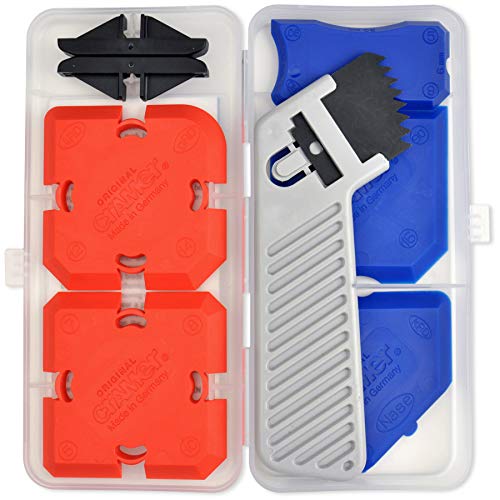
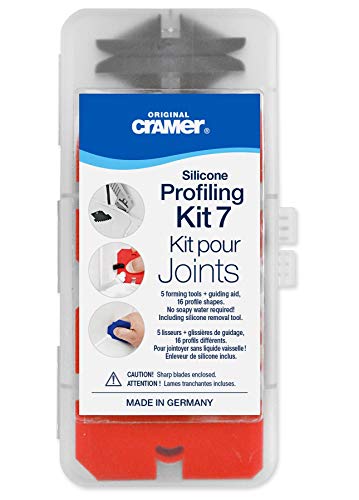
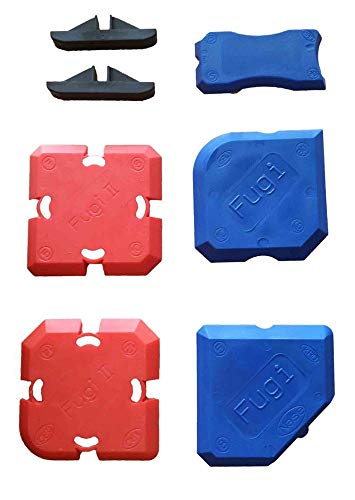
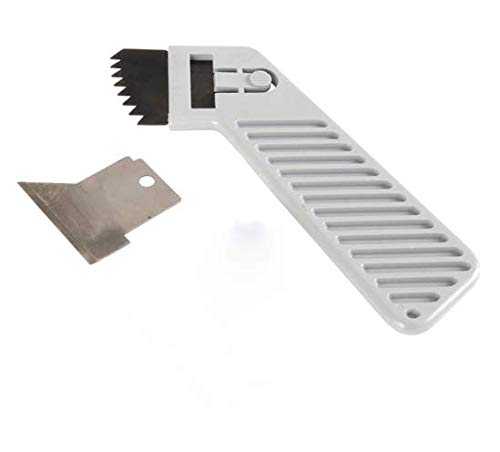
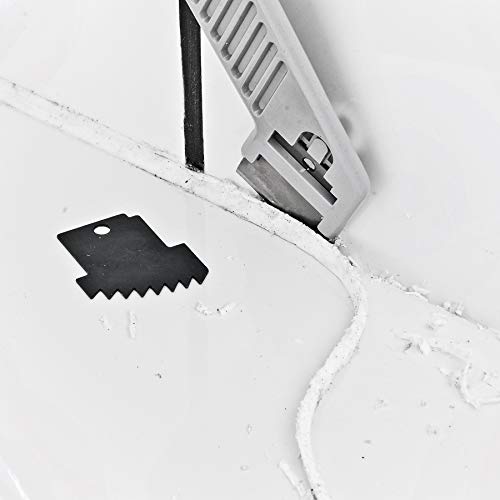
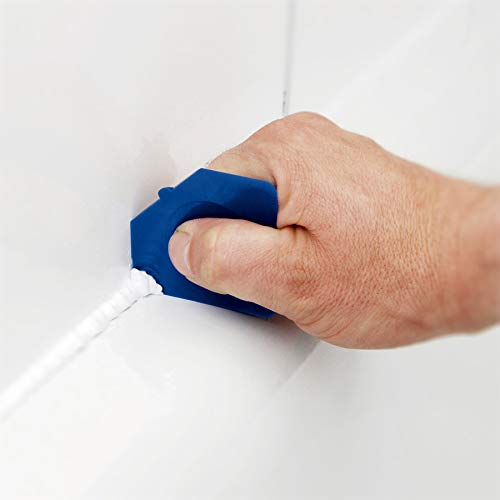
The Cramer 40407 is the gold standard in this category, and owners and pros agree, it’s worth the investment. Made in Germany, this kit includes 5 profiling tools with 16 edge variants, two alignment guides, and a dedicated caulk remover with three metal blades. The guides are a standout for clean intersections, and the 90° tool edges ensure crisp corners, something you rarely get with generic tools.
Reviewers consistently highlight how this kit eliminates the need for masking tape, thanks to its precision shaping and smooth silicone finish. The storage box keeps everything organized, which matters when you’re mid-job. While pricier than single tools, it outperforms in consistency and longevity. If you compare it to budget models, the difference is like using a scalpel versus a butter knife.
Product photos
ALLWAY 3-in-1 Caulk Tool
Strengths
- Affordable
- Comfortable grip
- 3-in-1 function
Trade-offs
- Plastic feels flimsy
- Silicone wears fast
- Not for heavy jobs
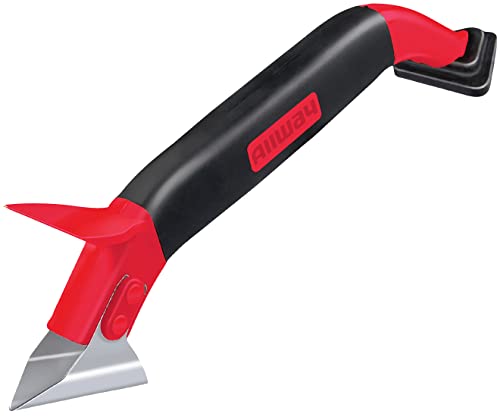
The ALLWAY CT31 stands out as a no-frills, budget-friendly option that gets the basics right. On paper, the 3-in-1 design, featuring a stainless-steel blade for removal, a rotatable silicone triangle for smoothing, and a plastic scraper for cleanup, makes sense for weekend DIYers who want one tool to handle multiple steps. Owners consistently report it works well on latex and acrylic caulk, and the soft-grip handle adds comfort during short jobs.
Where it falls short is in durability and versatility. The engineering plastic feels lightweight, almost toy-like, and some users note the silicone tip wears down quickly with repeated use, especially on thicker silicone beads. Compared to kits with replaceable parts, this one’s a compromise. But for occasional touch-ups around windows or tubs, it’s a capable starter tool.
Product photos


Goopreen 5-in-1 Caulking Tool
Strengths
- 6 replaceable silicone pads
- Stainless steel head
- Multiple scraper shapes
Trade-offs
- Bulky design
- Pad storage not included
- Button mechanism can stiffen
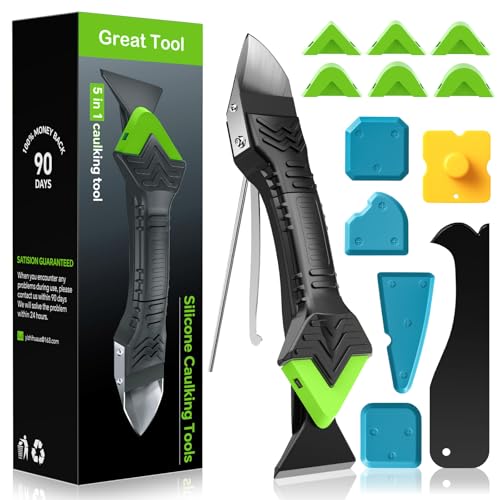
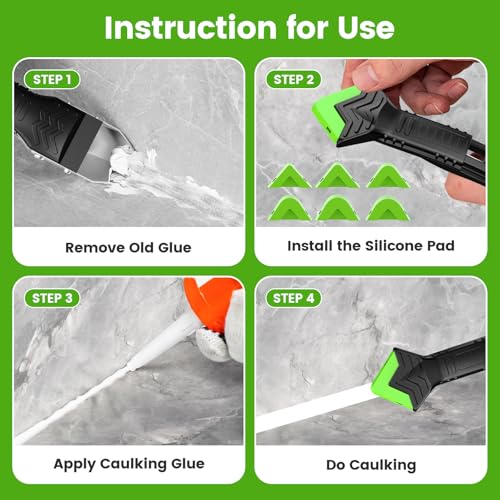
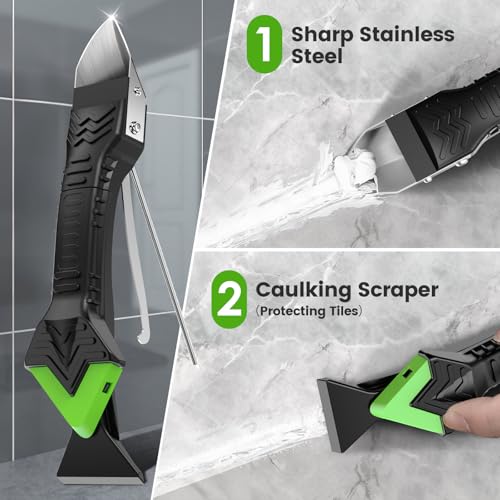
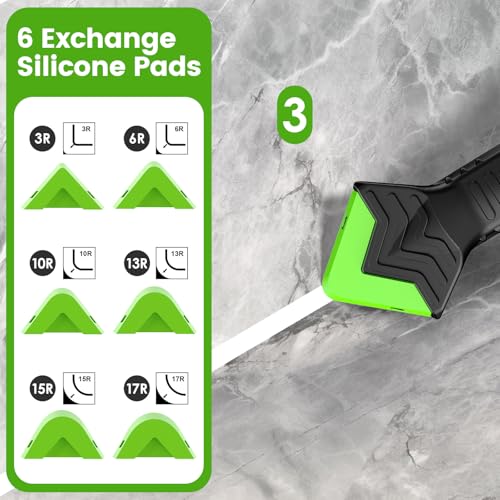
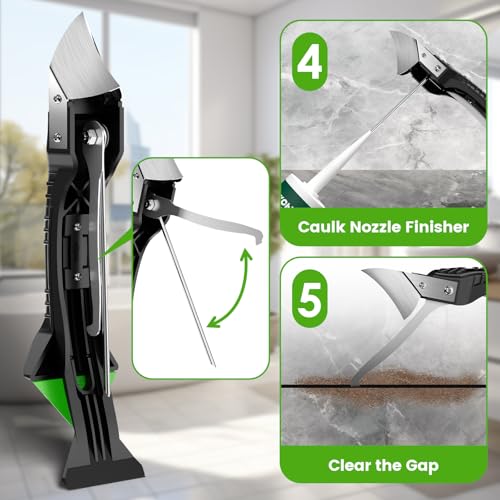
If you want maximum flexibility in one tool, the Goopreen 5-in-1 is hard to ignore. The inclusion of 6 replaceable silicone pads with varying radii (3R to 17R) means you can match the curve of any bead, something most fixed-tip tools can’t offer. The stainless-steel head adds durability, and owners report it holds up well across multiple projects without rust or warping.
The multi-scrapers and push-pull pad system make it easy to swap tips on the fly, which is a real time-saver when working on mixed joints (like narrow window corners and wide tub seams). Some note the plastic body feels a bit bulky, but the trade-off is better grip under pressure. Compared to basic 3-in-1 models, this one brings near-professional adaptability at a mid-range price.
Product photos
4-Piece Urethane Caulk Kit

Strengths
- 4 precise sizes
- Scratch-resistant tips
- Easy to clean
Trade-offs
- No removal function
- Tips not replaceable
- Limited to finishing
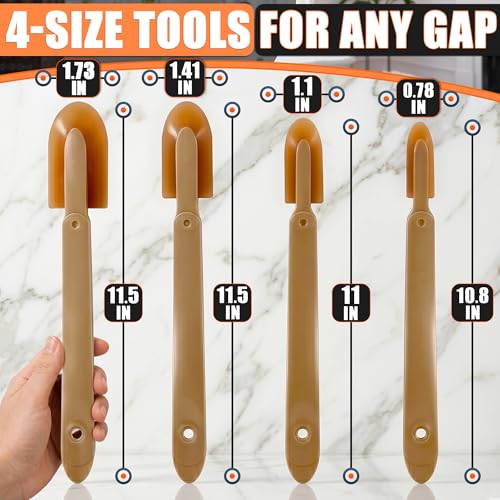
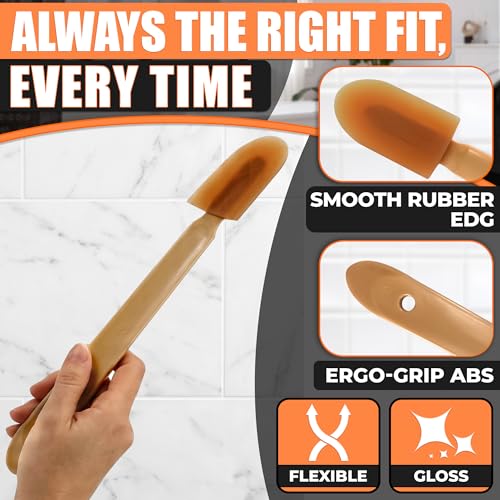
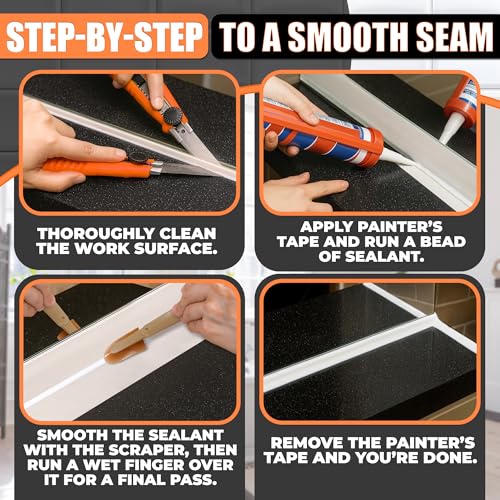
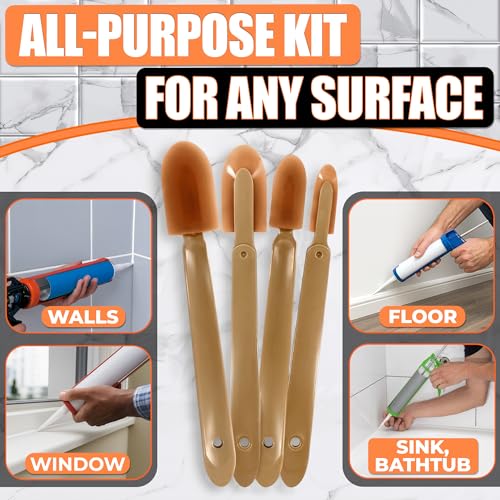
This 4-piece urethane rubber tip kit is built for precision finishing, and it delivers. Each of the four sizes, ranging from 0.78” to 1.73”, is molded to fit common joint widths, so you’re never guessing which tool to use. The ABS handles are comfortable, and the pre-shaped rubber tips eliminate finger-smearing, which owners say cuts cleanup time in half.
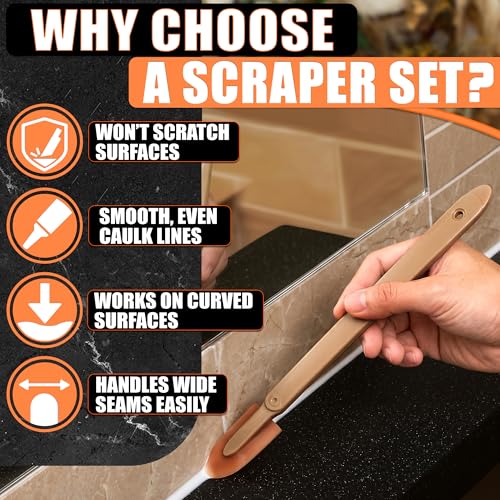
What sets this apart is its surface safety, reviewers confirm it won’t scratch glass, chrome, or stone, which is crucial around sinks and showers. The tips rinse clean easily before cure, and the whole set handles dozens of projects. Compared to single silicone tools, this kit offers more consistency, especially for first-time caulkers. It’s not for removal, but as a finishing system, it’s one of the most reliable.
Product photos
STONE REEF 5-in-1 Spatulas
Strengths
- Premium silicone
- Multiple angles
- Lightweight and portable
Trade-offs
- No scraper included
- No rigid structure
- Not for old caulk removal
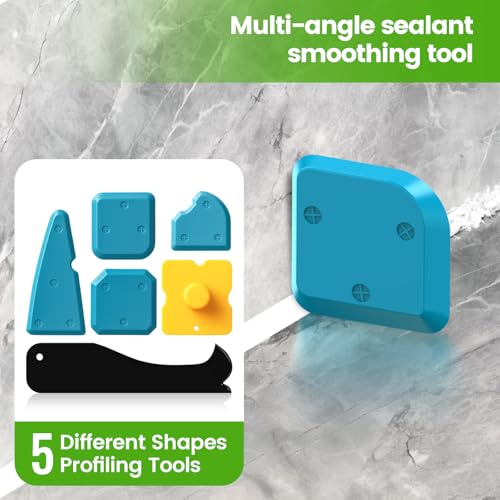
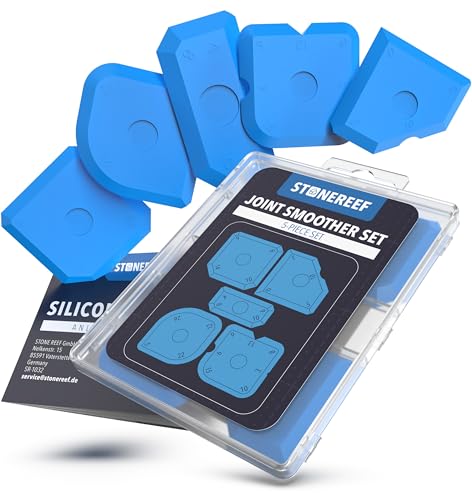
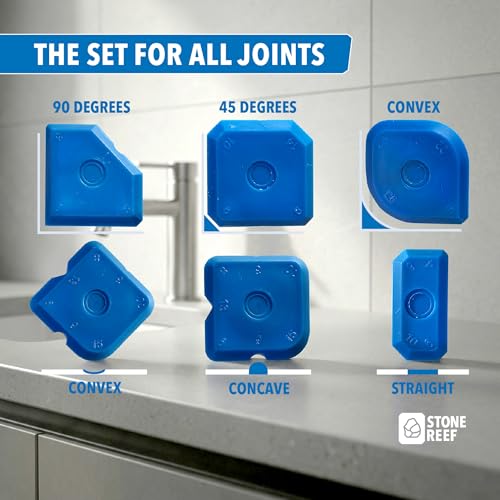
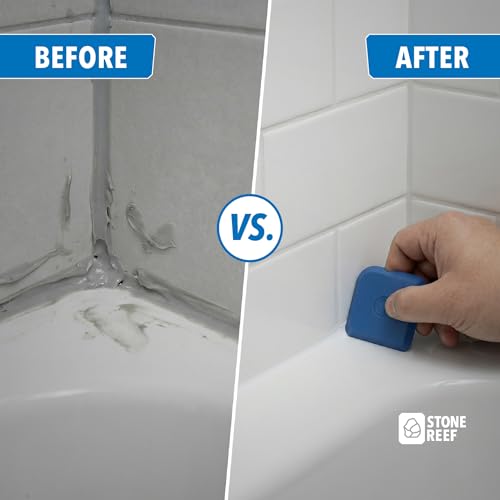
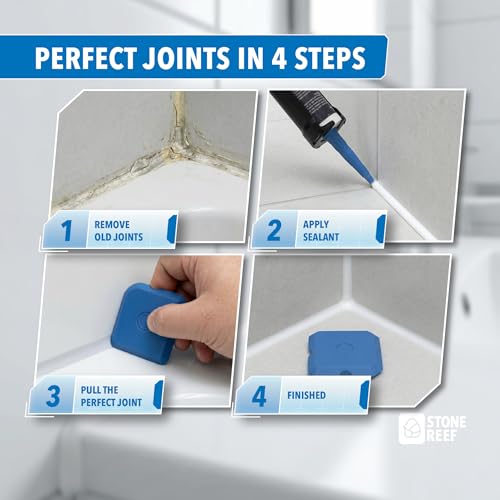
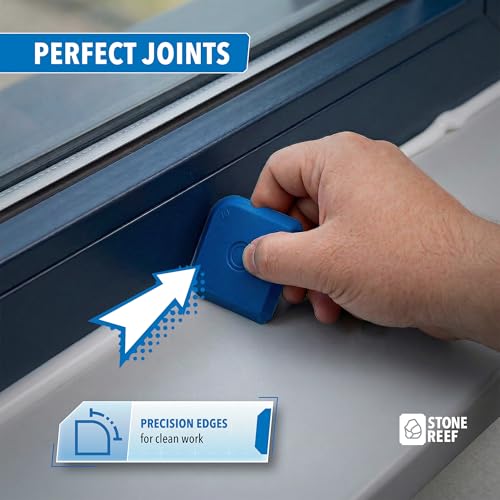
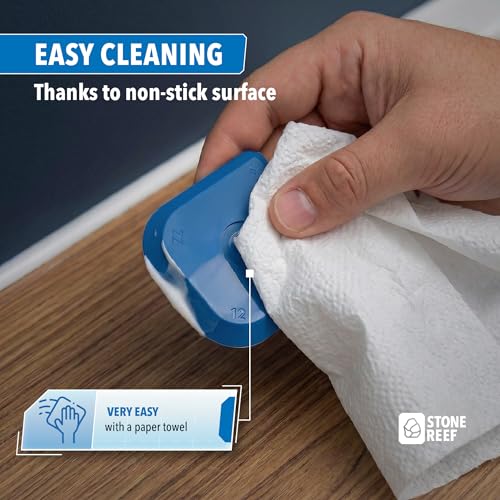
The STONE REEF 5-in-1 silicone spatula set is all about reusability and ease of use. Made from premium silicone, these spatulas resist tearing and clean up fast, just rinse and reuse. Owners appreciate the variety of angles and profiles, which handle corners, curves, and straight lines with equal ease. They’re especially effective with silicone and grout, where flexibility matters.
Unlike tools with plastic or metal bodies, these are lightweight and won’t scratch surfaces. The lack of a scraper or removal blade means you’ll need another tool for prep work, but for pure finishing, they’re a low-maintenance favorite. Compared to kits with mixed materials, this one’s simpler but highly focused. The included satisfaction guarantee adds confidence for new buyers.
Product photos
Saker 3-in-1 Stainless Tool
Strengths
- Sharp stainless blade
- Effective on old caulk
- Adjustable glide
Trade-offs
- Plastic end wears fast
- Silicone pad not replaceable
- Not ideal for fine finishing
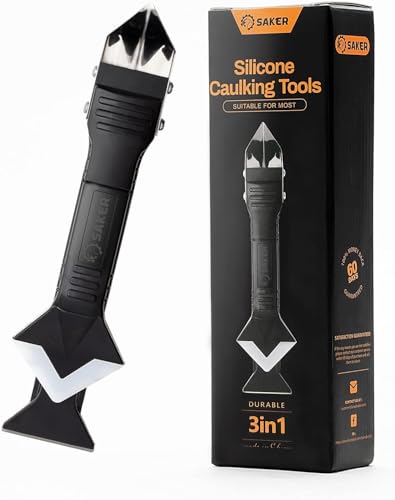
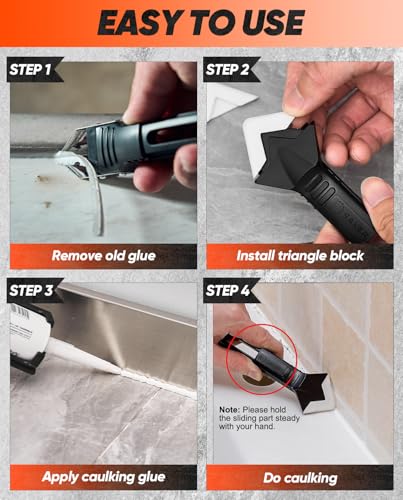
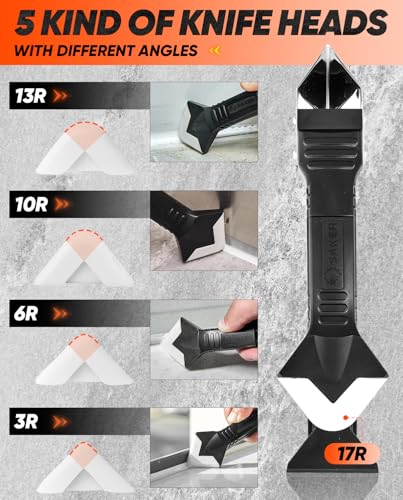
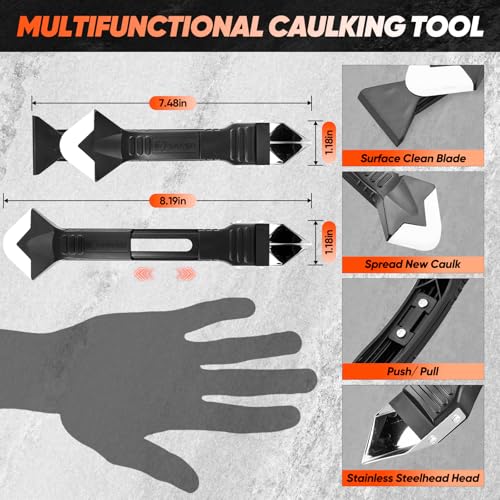
Saker’s 3-in-1 tool leans hard into heavy-duty removal, and that’s where it earns its keep. The stainless-steel blade is sharper and sturdier than most in this category, and reviewers frequently praise how efficiently it slices through old silicone and grout without chipping. The silicone smoother side performs adequately, but it’s the scraper function that makes this a standout for renovation-heavy tasks.
One smart design touch owners mention is the adjustable back screws, loosening them slightly improves glide, though over-loosening risks wobble. The plastic end is a weak point; using it on concrete or tile edges leads to premature wear. Still, for stripping out decades-old caulk in bathrooms or around windows, this tool has earned its reputation as a removal specialist.
Product photos
Outus 2-Piece Orange Tools
Strengths
- 2 tools for redundancy
- Flexible, reusable plastic
- Over 10 edge profiles
Trade-offs
- Not for thick silicone
- Edges can deform
- No metal components
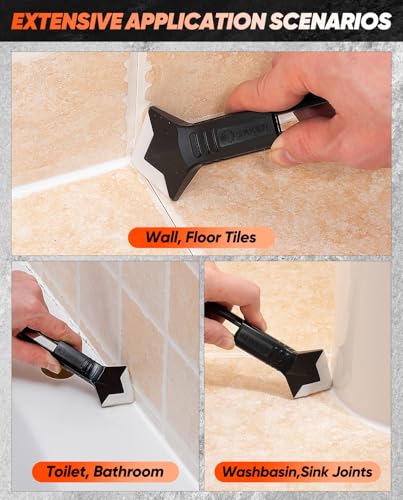
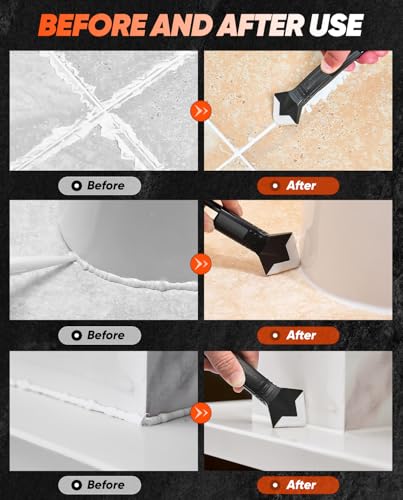
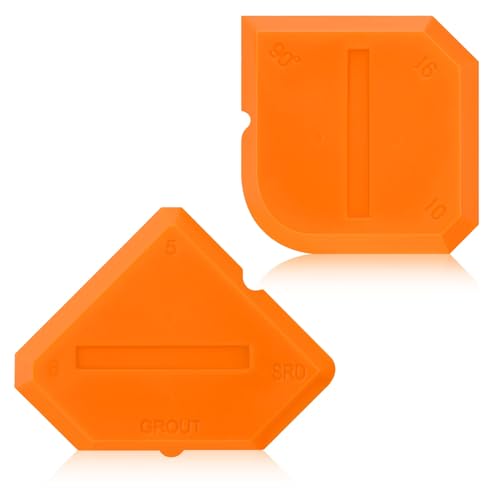
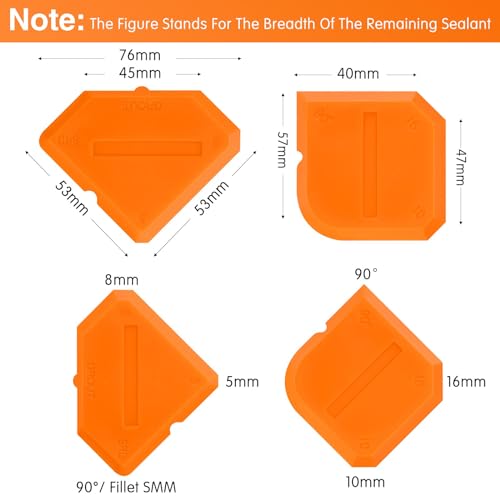
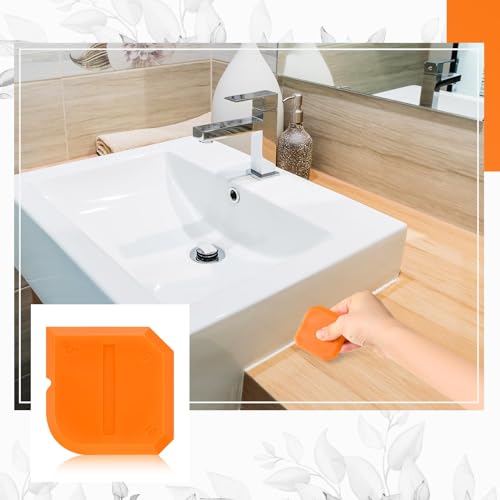
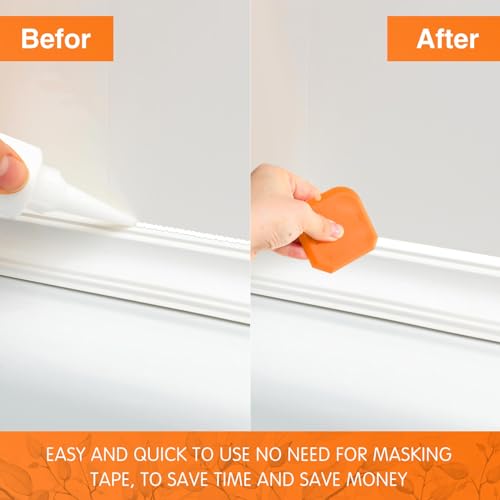
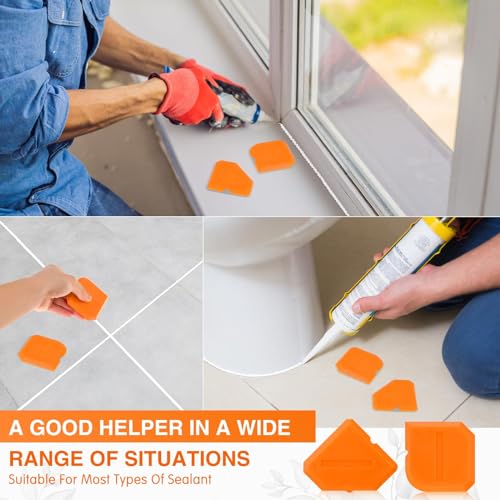
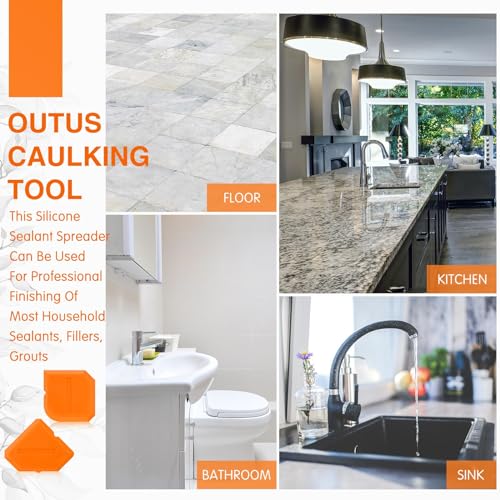
The Outus 2-piece set is a solid value pick for those who want redundancy and variety without spending much. The flexible orange plastic tools offer over 10 edge profiles between them, making it easy to find a match for most joints. Owners like that they’re reusable and easy to clean, just wipe with a damp cloth and they’re ready again.
These tools work best with latex and acrylic sealants, and while they don’t have the heft of metal-based tools, their flexibility helps conform to uneven surfaces. Some users note the edges can deform slightly under heavy pressure, especially on wide beads. But for the price, getting two durable, multi-edge tools is a win, especially if you’re training a junior DIYer or want a backup on hand.
Product photos
How We Picked These caulk finishing tools
Rather than a hands-on lab test, my research for these recommendations focused on a detailed comparison of published specifications and features across numerous caulk finishing tools. I weighed owner reviews from major retailers alongside expert opinions found in trade publications and DIY forums. This process allowed me to build a ranking based on real-world feedback and a solid understanding of what makes for effective caulking work.
For this category, the most important factors were versatility and durability. A tool that can handle both old caulk removal and precise smoothing is highly valuable, as is construction that can withstand repeated use without quickly wearing down. Ultimately, the best tools simplify the process and deliver consistently clean, professional-looking results – those were the key qualities I prioritized. You’ll find many options available, but these stood out.
Published specifications reliably indicate the range of profile sizes offered and the materials used in construction. However, judging ease of use, long-term durability, and the quality of the finish really requires looking at owner feedback. I paid close attention to reports of tools breaking easily, leaving residue, or simply being awkward to hold and maneuver. You can find more information on top sealant application tools if you’re looking for a broader overview.
What To Look For In caulk finishing tools
Choosing the right caulk finishing tools can elevate a simple repair job to a professional-looking result.
A quality set will offer durable materials, a variety of profiles to match common joint sizes, and designs that minimize mess and wasted sealant. Look for tools made from stainless steel or sturdy polymers, with replaceable pads or multiple integrated shapes. Consider whether removal of old caulk is a frequent task, and if so, prioritize tools with effective scraping blades.
Material and Durability
I’ve seen a lot of cheaply made caulk finishing tools that bend, crack, or simply fall apart after a few uses. Don’t skimp here. Stainless steel is fantastic for scraping and won’t rust, but can potentially scratch delicate surfaces (test first!). High-quality polymers are more forgiving, and sets with replaceable silicone pads offer the best of both worlds – durability and adaptability. Consider that some tools, like the Saker 3-in-1, even warn against using certain parts on hard surfaces to prolong their life.
Profile Variety and Precision
The biggest mistake I see DIYers make is using the wrong profile for the joint. A profile that’s too wide results in a messy, uneven bead, while one that’s too narrow leaves gaps. Here’s what to look for: * A narrow profile (around 3/16″) for tight spaces like around faucets. * A medium profile (around 1/4″) for general use around windows and doors. * A wider profile (3/8″ or more) for larger gaps like around bathtubs. Pay attention to sets like the Goopreen 5-in-1, which includes multiple replaceable silicone pads of varying radii, allowing for a truly customized finish.
Value and Ease of Use
While a dedicated set of specialized tools is ideal, there are plenty of multi-function options that deliver excellent value. These are particularly useful if you only occasionally tackle caulking projects. However, don’t sacrifice quality for price. A flimsy tool that requires excessive force to use will ultimately be more frustrating – and may not produce a better result.
A good rule of thumb: if you’re frequently removing old caulk, invest in a dedicated scraper tool. Trying to use a multi-tool for both removal and smoothing usually leads to a compromised result.
If you’re looking for a wider range of tools for home improvement projects, be sure to check out our guide to caulk application tools. For tackling larger projects, you may also want to explore different types of caulking guns and smoothers to improve your efficiency. And don’t forget the importance of a sharp utility knives for caulk for clean and precise cuts.
Caulk Finishing Tools Compared
Here’s a comparison of key specifications for various caulk finishing tools to help you choose the right one for your needs.
| Product Name | Best For | # of Functions | Material | Reusable? | Includes Pads? |
|---|---|---|---|---|---|
| Cramer 7-Piece Profiling Kit | Best Overall | 7 | Metal, Plastic | Yes | No |
| ALLWAY 3-in-1 Caulk Tool | Best Budget Friendly | 3 | Plastic, Steel | Yes | No |
| Goopreen 5-in-1 Caulking Tool | Best Multi-Function Tool | 5 | Steel, Plastic, Silicone | Yes | Yes (6) |
| 4-Piece Urethane Caulk Kit | Best for Precision Finishing | 4 | Urethane | Yes | No |
| STONE REEF 5-in-1 Spatulas | Best Reusable Silicone Set | 5 | Silicone | Yes | No |
| Saker 3-in-1 Stainless Tool | Best for Heavy-Duty Removal | 3 | Steel, Silicone | Yes | Yes |
| Outus 2-Piece Orange Tools | Best Value Set | 2 | Plastic | Yes | No |
Frequently Asked Questions
What material is most durable for caulk finishing tools?
Stainless steel is generally the most durable material, resisting bending and rust. However, it can potentially scratch surfaces, so high-quality polymers or tools with replaceable silicone pads offer a good balance of durability and gentleness.
Can I use the same tool for removing old caulk and smoothing new caulk?
While some multi-tools attempt this, it’s generally best to use separate tools. Dedicated scrapers are more effective at removing old caulk, and using the same tool for both can compromise the smoothing process.
Are replaceable pads worth the extra cost?
Yes, replaceable pads offer significant value. They allow you to customize the profile for different joint sizes and maintain a clean, professional finish without replacing the entire tool when a pad wears out.
What size profile should I use for a typical bathroom caulk job?
A medium profile, around 1/4 inch, works well for most bathroom applications around sinks, tubs, and showers. For tighter spaces around faucets, a smaller 3/16-inch profile is ideal.
What if I need a tool for very precise work in tight spaces?
Consider a set that includes narrow profiles and tools designed for detailed work, or look into best multi-tools for precision tasks which can offer the maneuverability needed for intricate caulking jobs.
The Bottom Line
Choosing caulk finishing tools often comes down to balancing control and convenience. Do you want a dedicated set offering maximum precision, or a multi-tool that handles a variety of tasks? For most homeowners, I recommend the Cramer 7-Piece Profiling Kit. It strikes an excellent balance between durability, versatility, and the ability to deliver consistently clean results, it’s a solid choice for tackling common caulking projects around the house.
If you’re working on a tight budget or only need a tool for occasional use, the ALLWAY 3-in-1 Caulk Tool is a fantastic option. For those who want maximum flexibility and the ability to customize the finish, the Goopreen 5-in-1 Caulking Tool with its interchangeable silicone pads is the way to go. And if you find yourself frequently removing old caulk, consider pairing any of these with some oscillating multi-tools for caulk removal to make the job much easier.
Ultimately, remember that the most expensive tool won’t fix poor preparation or sloppy application. Taking the time to properly clean the surface, apply a consistent bead of caulk, and then smooth it with a quality finishing tool is what truly makes the difference. Focus on those fundamentals, and you’ll achieve professional-looking results every time.
