
8 Best Auto Diagnostic Tools of 2026
This post contains affiliate links. As an Amazon Associate, we earn from qualifying purchases.
The BLCKTEC 460T stands out as the best overall auto diagnostics tool for its broad OBD2 protocol support, ABS and SRS access, and reliable reset functions, while the FOXWELL NT301 Plus is a strong budget pick thanks to its built-in battery test and solid core features. For those wanting more advanced capabilities down the line, the FOXWELL NT604 Elite offers room to grow.
If you’ve ever been stranded with a blinking check engine light and no idea what it means, you know how valuable a good diagnostics tool can be. Most drivers don’t need a $1,000 professional scanner, but a cheap code reader often leaves you guessing without real answers.
This guide cuts through the noise by focusing on what matters: accurate code reading, access to live data, essential reset functions, and real-world reliability. We evaluated the field using published specs, verified owner feedback, and vehicle compatibility trends to find the tools that deliver the most value for DIYers and home mechanics.
Top 8 Auto Diagnostics Tools in the Market
The Best Auto Diagnostics Tools, Reviewed
BLCKTEC 460T All-System OBD2 Scanner

Strengths
- Full system diagnostics
- 12+ reset functions
- Free RepairSolutions2 app
Trade-offs
- Vehicle-specific limits
- No Mac support
- Requires compatibility check
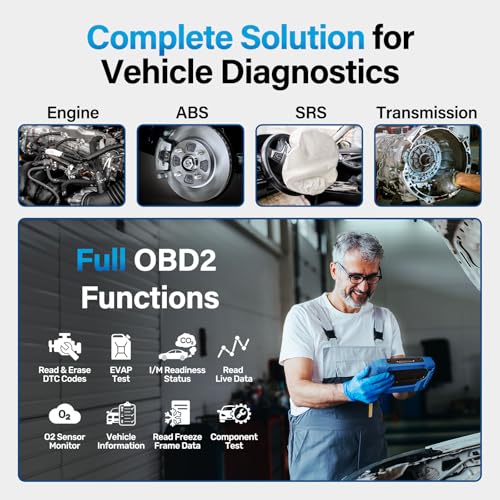
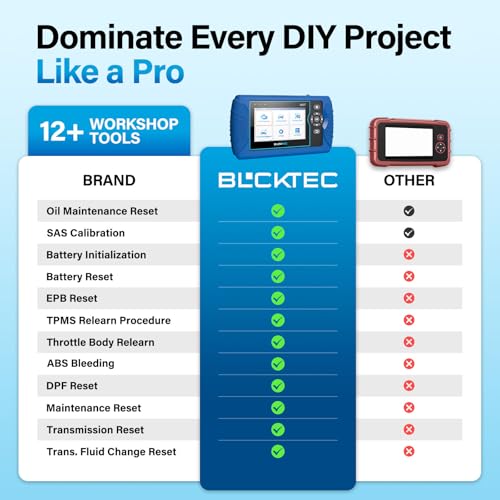
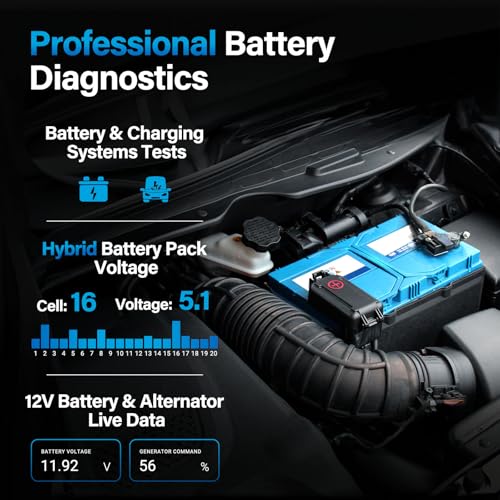
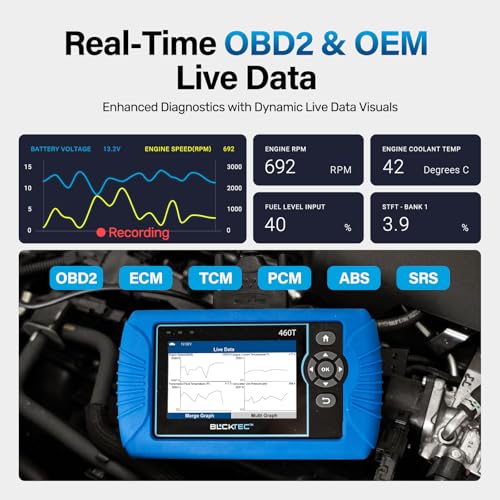
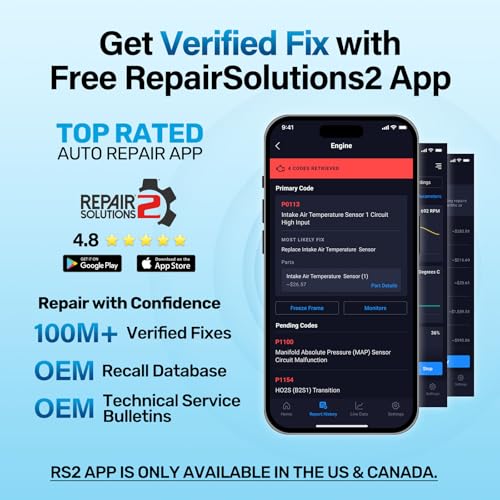
The BLCKTEC 460T is the most complete package here, and it earns the ‘Best Overall’ label without question. It reads and clears codes across all major systems, engine, transmission, ABS, SRS, and includes 12+ service resets like oil, TPMS, EPB, DPF, and throttle relearn. The AutoVIN and AutoScan features save time, and the live data can graph and overlay up to four streams, which is huge for diagnosing intermittent issues. Pair it with the free RepairSolutions2 app, and you get OEM-level repair data, TSBs, and recall info, no subscription needed.
Owners praise its speed and depth, noting it feels like a shop-grade tool. Compared to the Autel AP200, it’s more user-friendly out of the box and doesn’t rely on a phone. Against the Foxwell NT604 Elite, it offers more resets and broader functionality. The only downside? You must check compatibility carefully, some features depend on your specific vehicle. But for most users, this is the last scanner you’ll ever need to buy.
Product photos
Autel MaxiAP AP200 Bluetooth Scanner

Strengths
- Full system access
- 19+ service functions
- Lifetime free updates
Trade-offs
- Phone-dependent
- No tablet support
- Pairing quirks
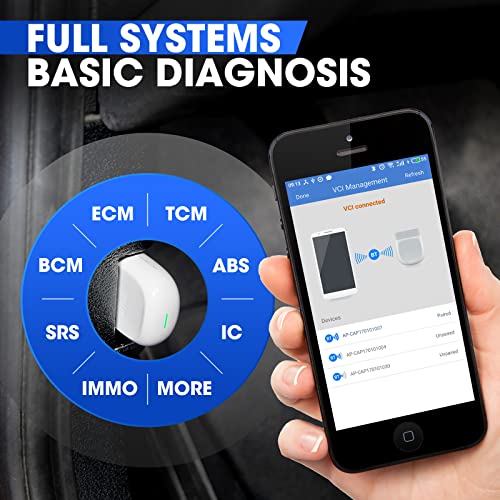
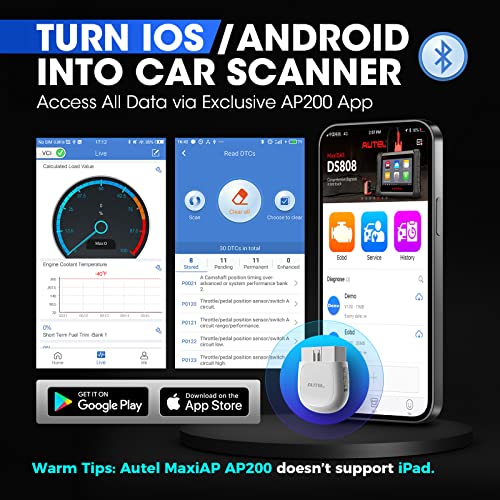
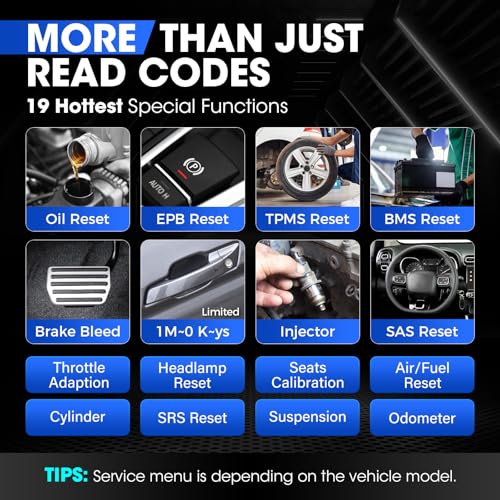
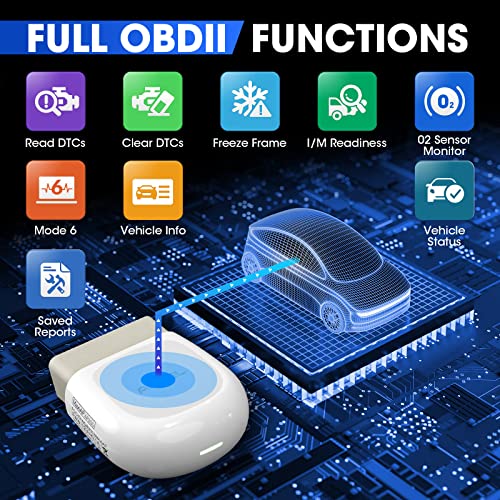
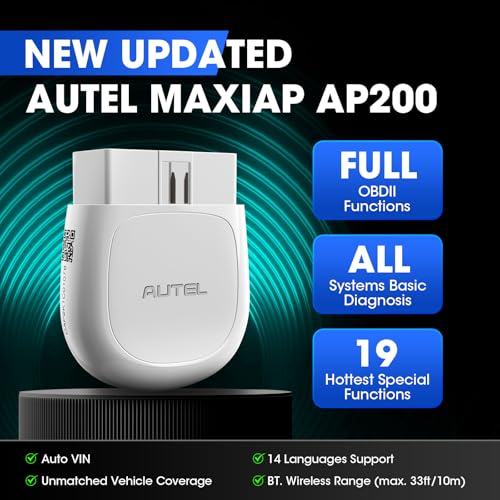
The Autel AP200 is a clever workaround for those who want Autel-level diagnostics without the high price tag. Instead of a standalone unit, it’s a Bluetooth adapter that turns your phone into a full diagnostic tool, offering the same functions as the MK808 and MX808 scanners. It accesses all vehicle systems, reads and clears ABS/SRS codes, and supports 19+ service functions, including DPF regeneration and battery registration. The app is well-designed, offers AutoVIN, and includes lifetime free updates.
But it’s only as good as your phone. No tablet support, and Android users must pair through the app, not system Bluetooth, which can trip people up. Compared to the BLCKTEC 460T, it’s more flexible but less reliable in extreme temps or low-battery situations. If you’re comfortable using your phone as the display and want top-tier features at a fraction of the cost, this is a strong play. But if you want a dedicated device, look elsewhere.
Product photos
FOXWELL NT301 Plus 2-in-1 Scanner
Strengths
- Battery and engine combo
- EVAP leak test
- Data recording
Trade-offs
- No service resets
- Windows-only updates
- No ABS/SRS support
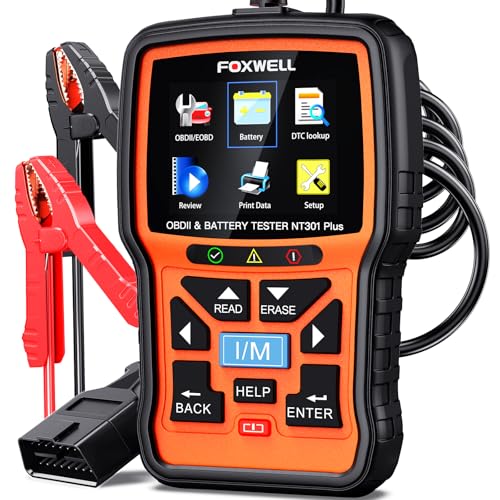
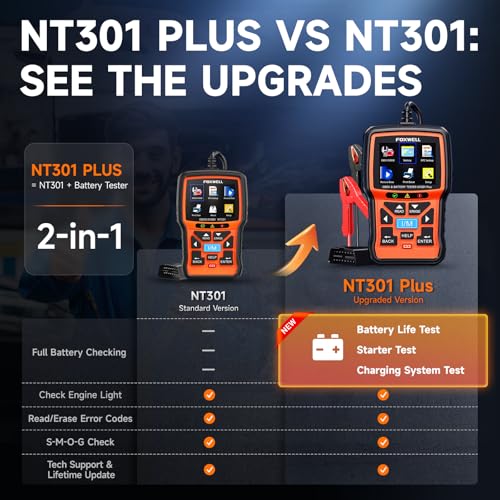
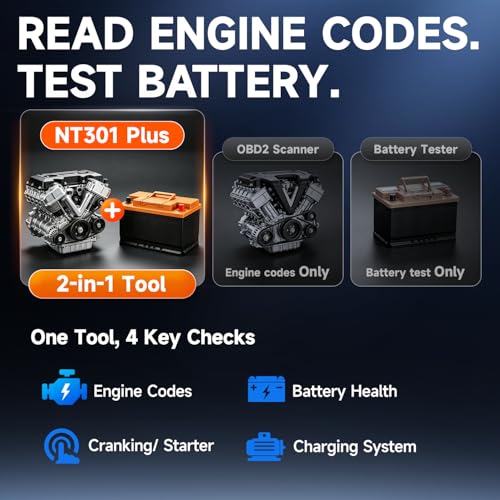
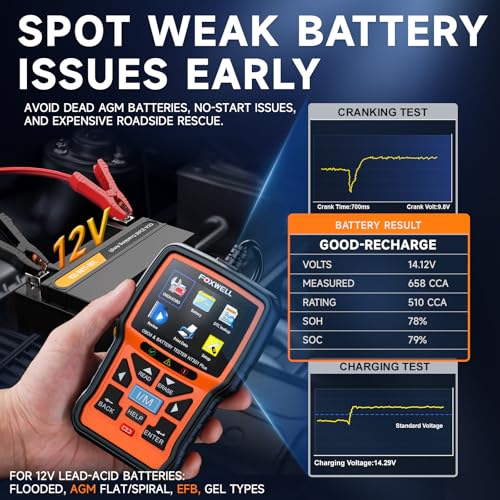
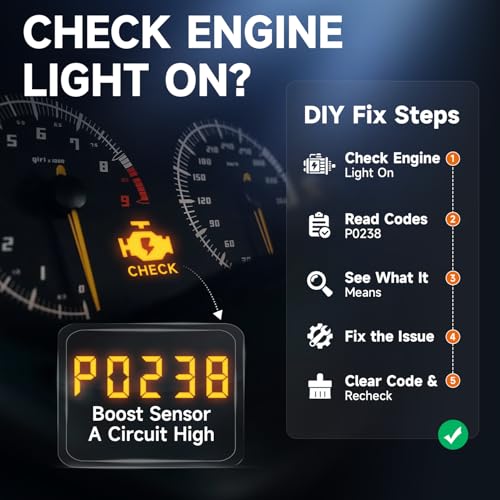
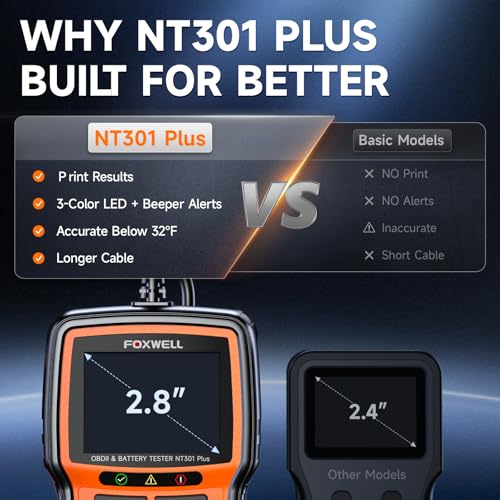
The NT301 Plus is a no-nonsense 2-in-1 tool that solves two big pain points: engine codes and battery issues. It combines a capable OBD2 scanner with a 12V battery, starter, and charging system tester, making it perfect for pre-trip checks or diagnosing no-start conditions. The 2.8-inch color screen is a big upgrade over the original NT301, and the live data includes graphing and recording, which helps catch intermittent faults. It also runs EVAP leak tests and I/M readiness checks, so smog prep is covered.
But it’s limited, no ABS, SRS, or service resets. Compared to the Innova 5210, it has a better screen and data logging but lacks oil reset and repair guidance. Still, if your main goal is to avoid being stranded and understand basic engine or battery issues, this is one of the most practical tools here. The fact that it pays for itself after one avoided tow job makes it a smart buy.
Product photos
FOXWELL NT604 Elite ABS SRS Scanner
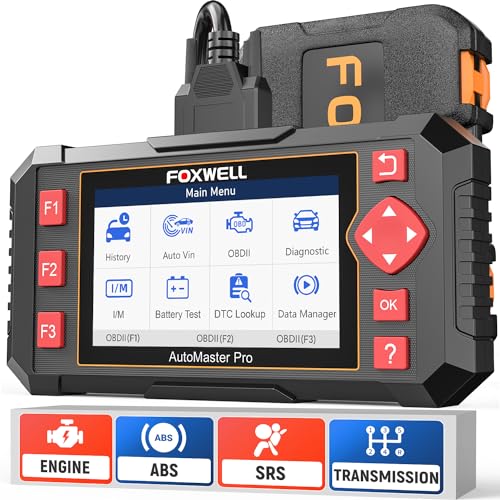
Strengths
- ABS and SRS support
- Standalone design
- Report printing
Trade-offs
- No service resets
- Limited vehicle coverage
- No battery test
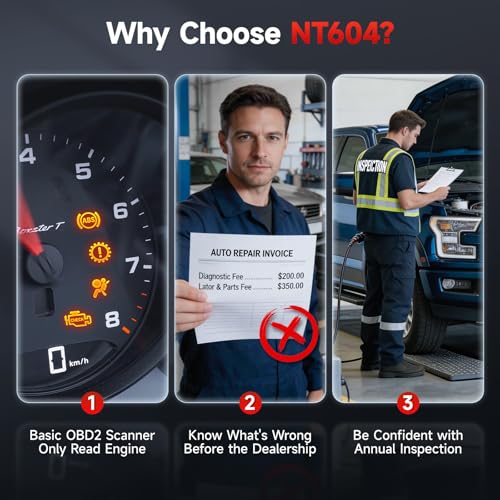
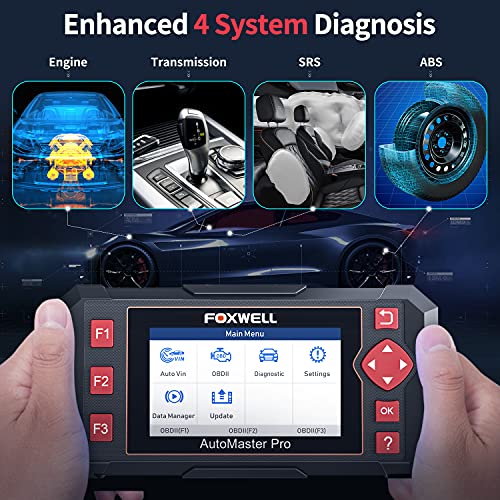
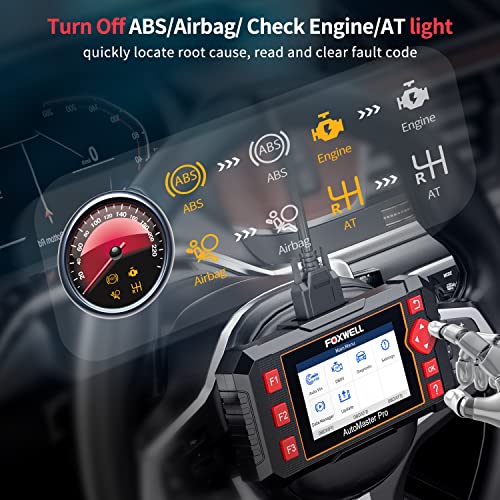
When you need to go beyond engine codes and check ABS or airbag systems, the NT604 Elite is one of the few affordable tools that can do it well. It reads and clears codes for engine, transmission, ABS, and SRS, making it ideal for diagnosing warning lights that the basic OBD2 scanners ignore. The AutoVIN feature speeds up setup, and the live data with playback helps track down intermittent faults. It even prints reports via PC, which is rare at this price.
But it doesn’t perform service resets, no oil, EPB, or DPF functions. Compared to the BLCKTEC 460T, it’s less versatile but more focused on core diagnostics. Against the Autel AP200, it’s a standalone unit, so no phone dependency. For anyone dealing with ABS or airbag lights and wanting a professional feel without the shop tool price, this is the right call.
Product photos
FOXWELL NT301 OBD2 Code Reader

Strengths
- Reliable engine diagnostics
- EVAP and O2 tests
- Lifetime updates
Trade-offs
- Basic functionality
- No battery test
- No service functions
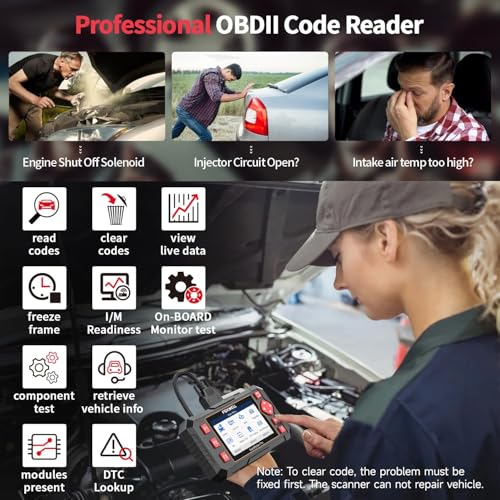
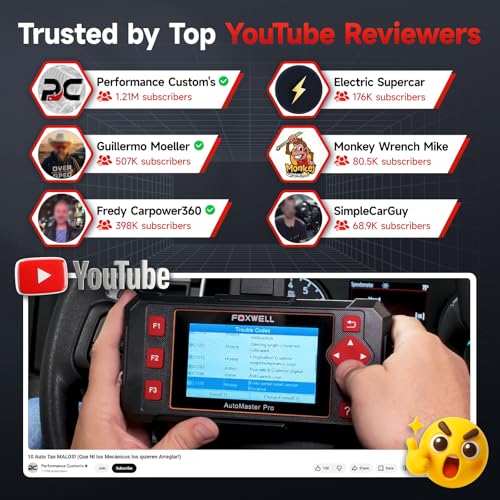
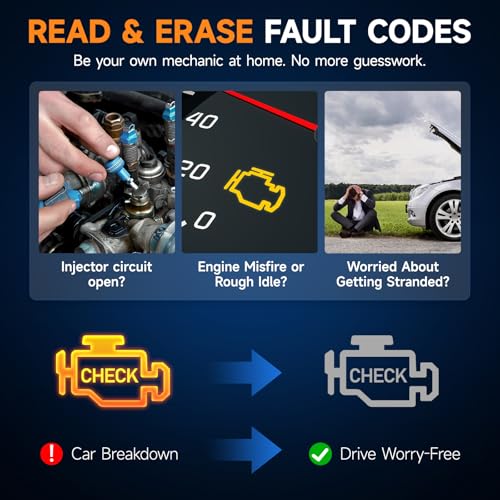
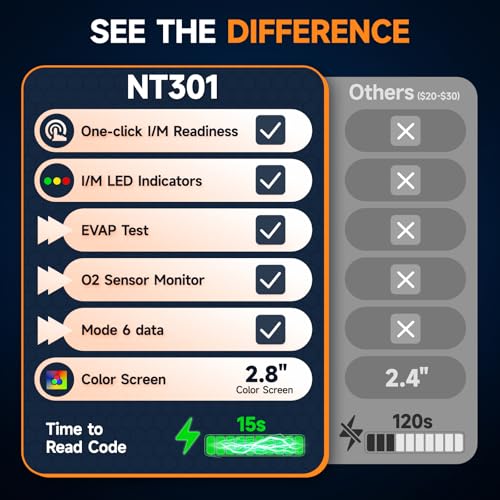
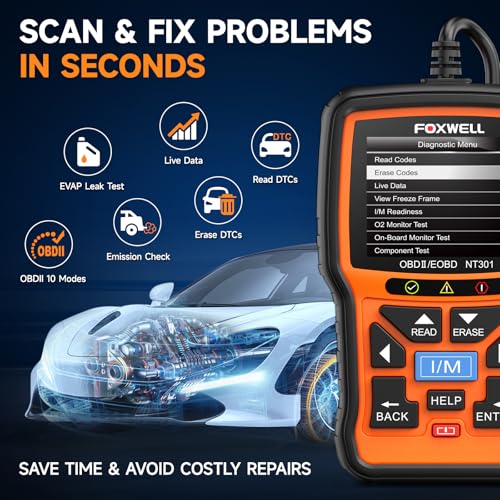
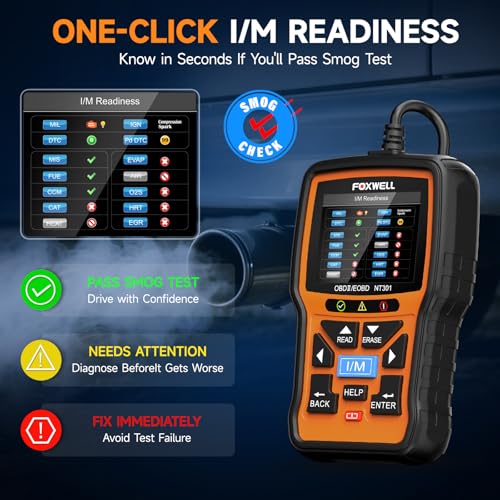
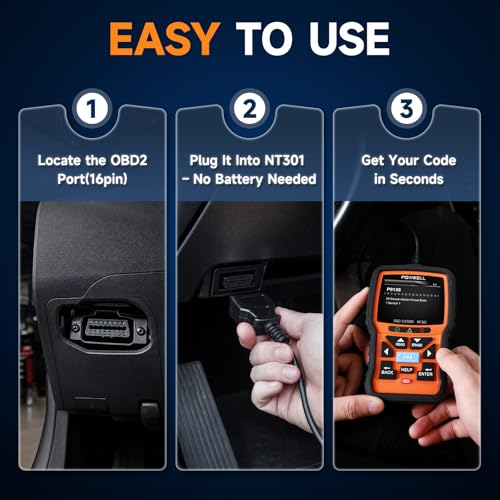
The NT301 is the definition of a no-frills code reader, simple, reliable, and focused. It reads and clears engine codes, shows live data in graph form, checks I/M readiness, and retrieves VIN, everything you need to diagnose a check engine light. The 2.8-inch color screen is clear, and the EVAP and O2 sensor tests help with emissions tuning. It’s widely praised by DIYers and even recommended by mechanics in online videos.
But it does only engine diagnostics. No ABS, SRS, battery testing, or resets. Compared to the NT301 Plus, it lacks the battery tester and larger screen. Against the ZMOON ZM201, it’s less visually polished but more proven over time. If you want the most basic, trustworthy code reader and nothing more, this is it. But if you need more, you’ll outgrow it fast.
Product photos
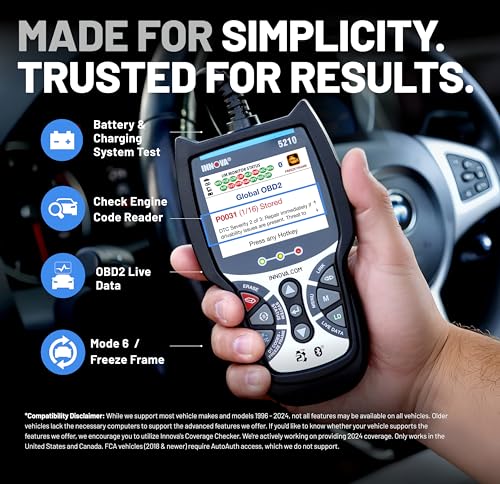
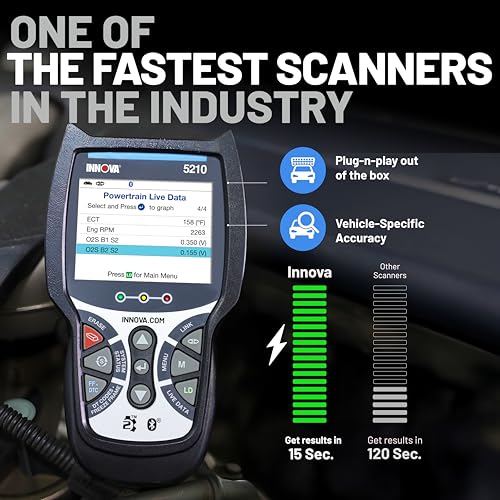
Innova 5210 OBD2 Scanner & Battery Tester
Strengths
- Battery health test
- Free repair app
- Oil reset included
Trade-offs
- ABS coverage varies
- No DPF or EPB reset
- Limited live data depth
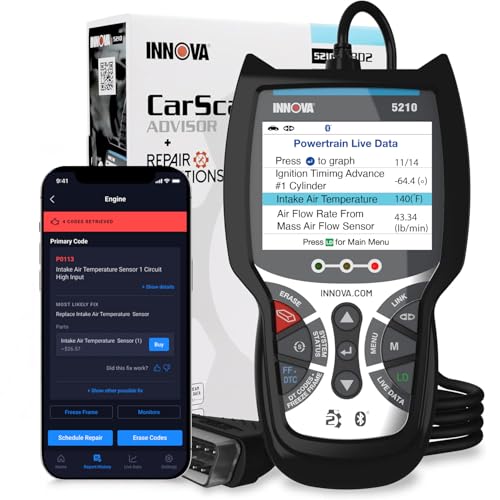
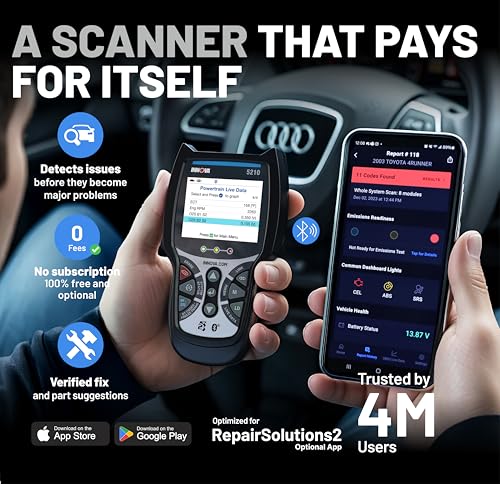
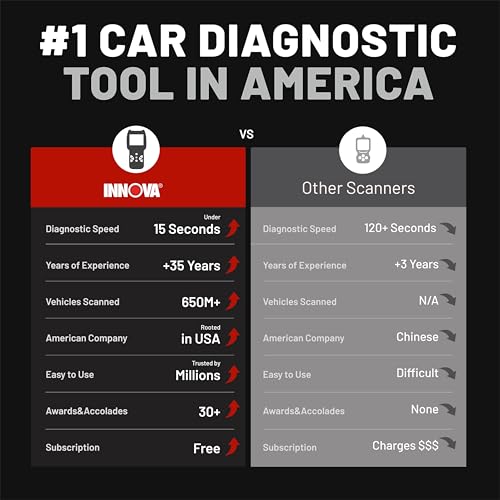
The Innova 5210 stands out by pairing solid OBD2 diagnostics with a built-in battery tester, a combo that’s rare at this level. Being able to check alternator health and battery condition alongside engine codes is a real win for preventing roadside surprises. It reads and clears engine and ABS codes (on supported vehicles), offers live data, and includes oil reset and I/M readiness checks. But its biggest strength is the free RepairSolutions2 app, which delivers verified fixes from ASE-certified techs, not just generic code guesses.
Reviewers note the app integration is seamless, and the advice often saves a trip to the shop. Compared to the VDIAGTOOL VD10, it’s more versatile and diagnostic-focused. Against the Foxwell NT301 Plus, it lacks the larger screen and data recording, but it matches on battery testing and adds stronger repair guidance. My pick for anyone who wants to understand why a code appeared and what to do next.
Product photos

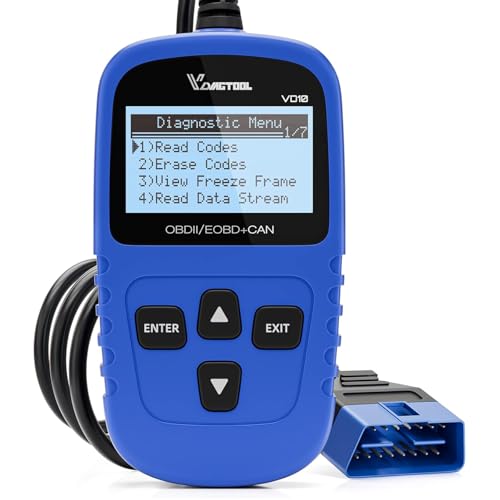
VDIAGTOOL VD10 OBD2 Code Reader
Strengths
- Affordable
- Plug and play
- Clear code definitions
Trade-offs
- No ABS/SRS support
- Basic display
- No advanced resets
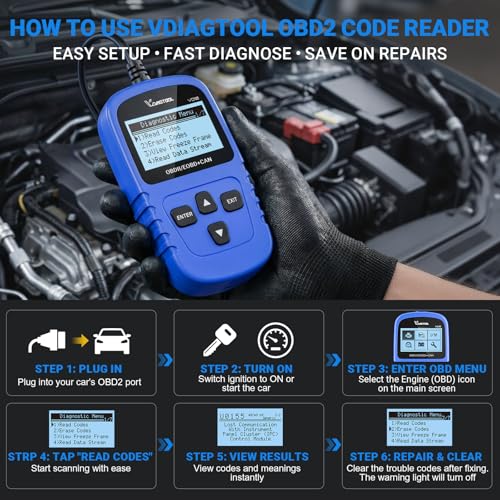
For the budget-conscious DIYer who just needs to read and clear engine codes without fuss, the VDIAGTOOL VD10 makes a strong case. It covers all the OBD2 basics, reading and clearing DTCs, live data, freeze frame, I/M readiness, and does so with a built-in database of over 3,000 codes, which means you’re not left guessing what a P0420 actually means. The white-backlit LCD is simple but serviceable, and the plug-and-play design means no charging or setup headaches.
Owners consistently report it works reliably on most post-1996 vehicles, especially American and common Asian models. While it doesn’t touch ABS or airbag systems, that’s not its job. It’s an entry-level tool, but it overdelivers on core functionality. Compared to the Foxwell NT301, it lacks graphing and EVAP testing, but it’s often priced lower, making it the smarter pick if you only need code reading and clearing.
Product photos


ZMOON ZM201 Professional OBD2 Scanner
Strengths
- Color screen with graphs
- Large DTC database
- EVAP and O2 testing
Trade-offs
- Engine-only diagnostics
- No service resets
- No battery test
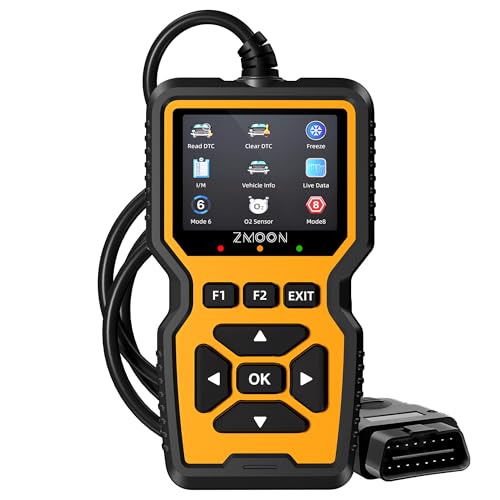
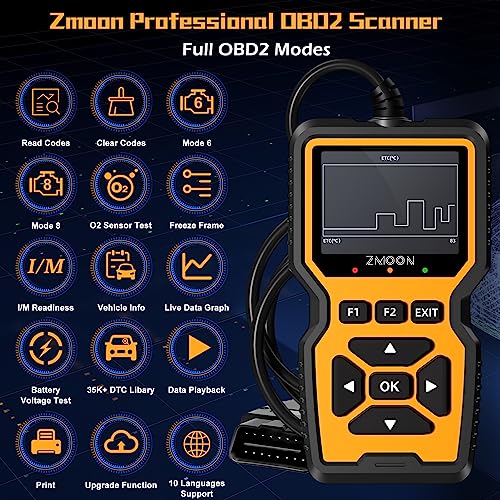
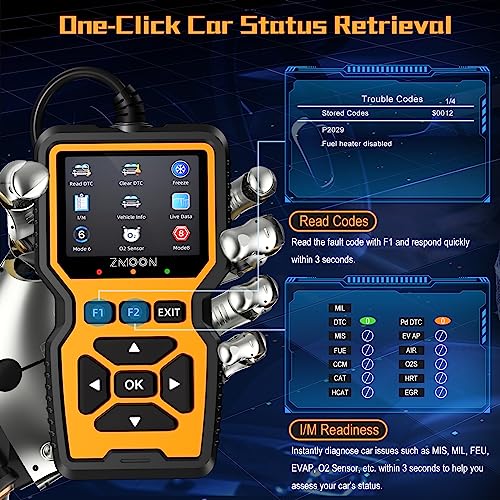
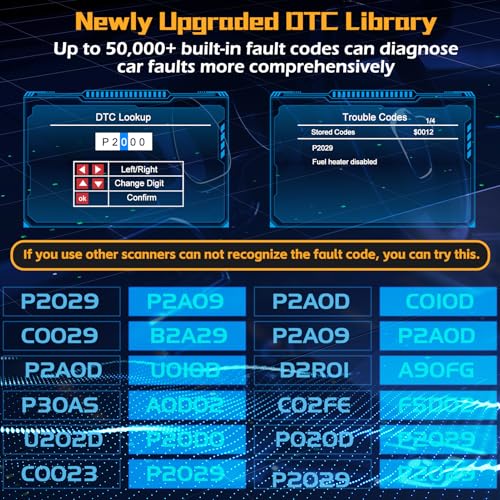
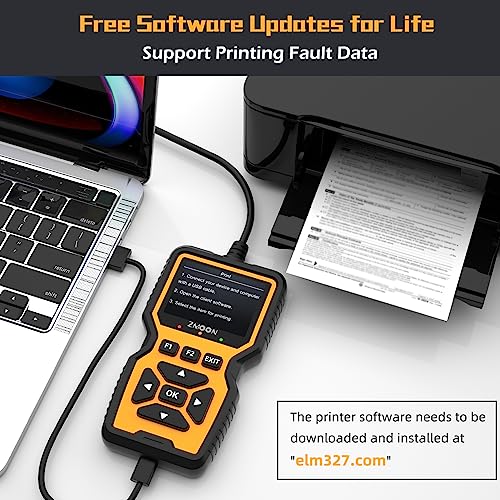
If you want a dedicated engine code reader with a sharp interface and no distractions, the ZMOON ZM201 is a solid performer. The 2.8-inch color screen is bright, easy to read, and supports graph view for live data, something even some pricier tools skip. It handles all OBD2 protocols, reads and clears engine codes, shows freeze frame data, and includes EVAP and O2 sensor tests, which helps with emissions prep. The built-in DTC library has over 50,000 codes, so it’s more thorough than most in this class.
But it’s strictly engine-only, no ABS, SRS, or transmission access. That’s fine if you’re focused on check engine light issues, but not if you need broader diagnostics. Compared to the Foxwell NT301, it offers better visuals and more data depth, though the NT301 has better brand trust. For engine-specific work, the ZM201 is the better value.
Product photos

How We Picked These auto diagnostics tools
We approached this guide by researching the specifications and features of numerous auto diagnostics tools currently available. Rather than a hands-on lab test, this is a research-led comparison of published data, owner reviews from major retailers, and analysis of expert opinions found on automotive enthusiast sites. We then ranked these tools based on their capabilities and value, considering the needs of both casual DIYers and more experienced mechanics.
For this category, the ability to accurately read and clear diagnostic trouble codes (DTCs) and access live data streams were weighted most heavily. Beyond that, features like vehicle compatibility, ease of use, and the availability of additional functions – such as battery testing or specialized reset procedures – also played a significant role. A tool’s ability to help users quickly pinpoint the source of a problem, and potentially avoid a costly shop visit, was paramount.
The published specifications reliably detail the OBDII protocols supported and the range of vehicles a scanner can cover. However, we placed significant emphasis on owner feedback to gauge real-world usability and accuracy. Reports of frequent errors, difficult-to-navigate menus, or limited compatibility were strong indicators of potential issues. For those interested in maintaining optimal tire health, exploring dedicated tire pressure monitoring tools can complement these diagnostic capabilities.
Choosing The Right auto diagnostics tools
Choosing the right auto diagnostics tool can feel overwhelming. There’s a huge range of capability, from simple code readers to professional-level scanners, and the price reflects that.
A quality auto diagnostic tool should accurately read and clear OBDII codes, provide access to live data streams, and offer a user-friendly interface. Look for compatibility with your vehicle’s make, model, and year, and consider whether you need advanced features like bi-directional controls or specialized system diagnostics.
Understanding Diagnostic Depth
Don’t assume every scanner does everything. The core function of most tools is reading and clearing the check engine light, but the level of detail they provide beyond that varies dramatically. Some scanners only access the engine control unit (ECU), while others can explore ABS, SRS, transmission, and other systems. If you’re only tackling basic maintenance and want to know why the light came on, a basic OBDII code reader will likely suffice. However, if you plan on more in-depth repairs, or work on a variety of vehicles, you’ll want a scanner with broader system coverage.
Considering Reset Functions
Many modern vehicles require “reset” functions after certain maintenance procedures. For example, after an oil change, the oil life monitoring system may need to be reset. Or, after replacing brake pads, the electronic parking brake may require a reset. The availability of these functions is a key differentiator between scanners. Scanners like the BLCKTEC 460T boast a large number of reset functions, but it’s crucial to verify compatibility with your specific vehicle before purchasing. Don’t assume a scanner that offers 12+ reset functions will actually perform them on your car.
- A basic code reader will generally not offer any reset functions.
- Mid-range scanners may offer a few common resets, like oil life and TPMS.
- Professional-grade scanners will typically offer the widest range of reset functions, but at a significantly higher price point.
A tool is only as good as its ability to accurately diagnose the problem. Don’t skimp on quality, even if you only need basic functionality.
Balancing Features and Value
The price of auto diagnostics tools can range from under $30 to well over $500. It’s tempting to go with the cheapest option, but that may leave you frustrated with limited functionality or inaccurate readings. For most DIYers, a mid-range scanner offers the best balance of features and value. These scanners provide access to live data, I/M readiness tests, and often some basic reset functions, all without breaking the bank. If you’re serious about auto repair and want access to the most advanced features, you might consider investing in a professional-grade scanner. For those starting out, or needing a reliable tool for basic maintenance, consider investing in essential mechanic tools to get you started. And remember, the right tool is useless without the knowledge to interpret the data; a solid understanding of automotive systems is just as important as the scanner itself. Ultimately, knowing the capabilities of your vehicle and your own repair ambitions will point you towards the correct investment in diagnostic equipment for pros.
Auto Diagnostics Tools Compared
This table summarizes the key specifications of several auto diagnostics tools to aid in comparison.
| Product Name | OBD2 Protocols | Battery Test | ABS/SRS Support | Oil Reset | Live Data | I/M Readiness |
|---|---|---|---|---|---|---|
| BLCKTEC 460T | All | No | Yes | Yes | Yes | Yes |
| Autel MaxiAP AP200 | OBDII | No | Yes | Yes | Yes | Yes |
| FOXWELL NT301 Plus | OBDII | Yes | Yes | No | Yes | Yes |
| FOXWELL NT604 Elite | OBDII | No | Yes | No | Yes | Yes |
| FOXWELL NT301 | OBDII | No | No | No | Yes | Yes |
| Innova 5210 | OBDII | Yes | Limited | Yes | Yes | Yes |
| VDIAGTOOL VD10 | All | No | No | No | Yes | Yes |
| ZMOON ZM201 | All | No | No | No | Yes | Yes |
Frequently Asked Questions
What level of OBDII protocol support should I look for?
All of the tools I’ve researched support the standard OBDII protocols, but full support (including CAN, ISO, VPW, and more) ensures compatibility with a wider range of vehicles, especially older models. Prioritize “All” protocol support if you work on cars from different eras.
Are these scanners able to update their software?
Yes, most quality auto diagnostic tools offer software updates, typically via USB or Wi-Fi. Keeping the software current is crucial for maintaining vehicle compatibility and accessing the latest diagnostic information.
Can these tools diagnose problems beyond the check engine light?
Many scanners can access data from other vehicle systems like ABS and SRS, but the depth of coverage varies. Higher-end tools, like the BLCKTEC 460T and Autel MaxiAP AP200, offer more thorough system diagnostics than basic code readers.
How do I know if a scanner is compatible with my vehicle?
Most manufacturers provide compatibility lists on their websites. However, owner reviews can provide valuable real-world insights. If you need help with tire pressure monitoring, exploring tire sensor reset tools can be a good supplement.
What is the difference between a hard and a soft code?
A soft code indicates an issue that doesn’t immediately illuminate the check engine light, often a pending problem. A hard code means the issue has triggered the light and typically requires clearing the code after the repair is made.
The Bottom Line
Buying an auto diagnostics tool often comes down to how much control you want versus how much fuss you’re willing to deal with. If you simply need to understand why your check engine light is on and clear the code, a basic option will do. However, for anyone wanting to really dig in and perform more complex repairs, the BLCKTEC 460T offers the broadest capability and is, in my view, the strongest overall pick due to its extensive system coverage and reset functions.
For those on a tighter budget, the FOXWELL NT301 is a solid choice. If you prioritize versatility and want to be prepared for a wide range of vehicles and issues, the Autel MaxiAP AP200 is a good option, particularly if you also want to explore tire pressure sensor programmers to handle those systems independently. And for those needing a built-in battery tester, the Innova 5210 provides a convenient all-in-one solution.
Ultimately, the most expensive tool won’t magically make you a mechanic. Accurate readings and a user-friendly interface are crucial, but understanding how to interpret the data is even more important. Focus on getting a tool that matches your skill level and the types of repairs you anticipate tackling, and remember that a little research can save you a lot of time and money down the road.
