
6 Best Air Compressors for Nail Guns 2026
This post contains affiliate links. As an Amazon Associate, we earn from qualifying purchases.
The DEWALT 6 Gallon Pancake Air Compressor stands out as the best overall pick for powering nail guns, delivering reliable airflow and durability. If you’re watching your budget, the Bostitch 6 Gallon Pancake offers solid performance at a lower price. For those who value quiet operation above all, the Metabo HPT 1 Gallon Quiet Compressor is a standout despite its small size.
Most people buying an air compressor for nail guns aren’t looking for industrial power, they need something that keeps up with their framing, finish, or roofing nailer without constant cycling or weighing a ton. The real challenge is sorting through marketing specs to find a unit that actually performs consistently on the job.
This guide cuts through the noise. I compared specs and owner feedback across top models, focusing on what matters: CFM at 90 PSI, tank size, portability, and noise. These picks are based on real-world usability, not just paper performance.
Top 6 Air Compressor For Nail Guns in the Market
The Best Air Compressor For Nail Guns, Reviewed
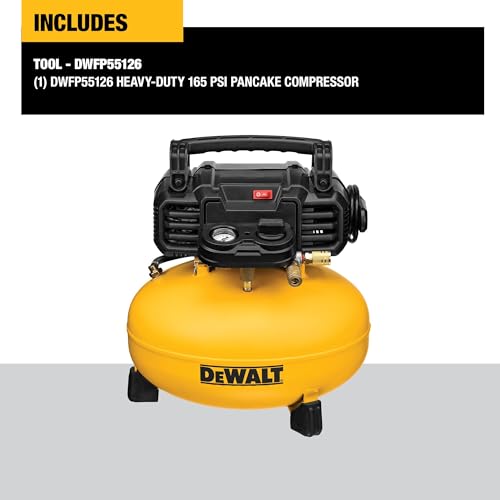
DEWALT 6 Gallon Pancake Air Compressor
Strengths
- Balanced power and portability
- Cold-weather startup
- Quiet for class (78.5 dBA)
- Ball drain valve
- High-flow regulator
Trade-offs
- Single tank limit
- No accessories included
- Slight hose snag point
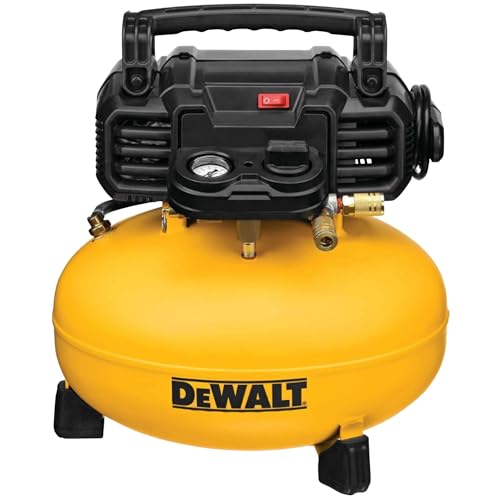
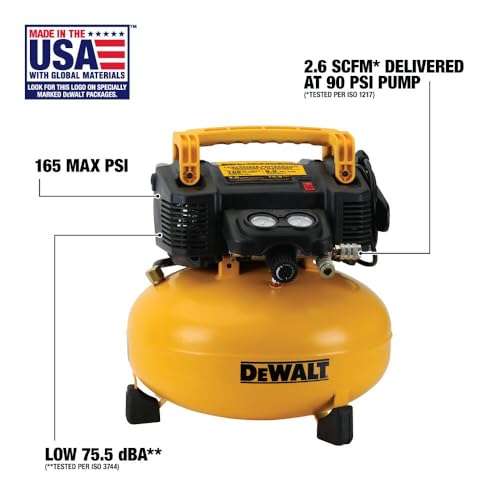
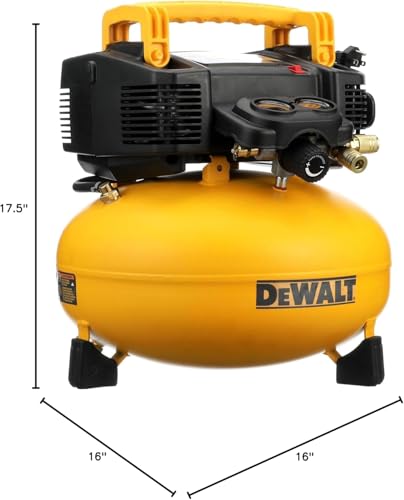
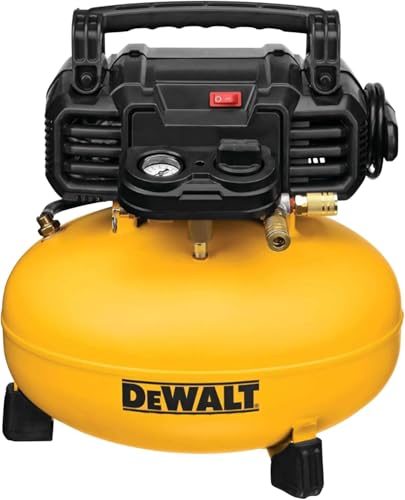
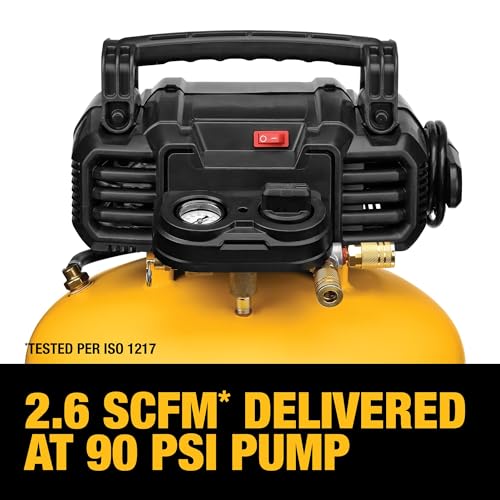
This DEWALT hits the sweet spot between power, portability, and reliability, earning its ‘Best Overall’ label. The 165 PSI and 2.6 SCFM at 90 PSI give it enough output for framing, roofing, and finish work, while the 30 lb weight keeps it easy to carry. The high-flow regulator ensures your nailers get full performance, and the ball drain valve makes tank maintenance simple.
It starts reliably, even in cold weather or on long extension cords, which many owners highlight as a major plus. Compared to the Bostitch, it’s quieter and better built; compared to the Metabo HPT THE TANK, it’s less powerful but more affordable and easier to store. For most users, this is the easy pick.
Product photos
Bostitch 6 Gallon Pancake Air Compressor
Strengths
- Affordable entry point
- Comes with full accessory kit
- Oil-free pump
- Dual universal couplers
Trade-offs
- Noisy compared to others
- Basic regulator
- Slower recovery
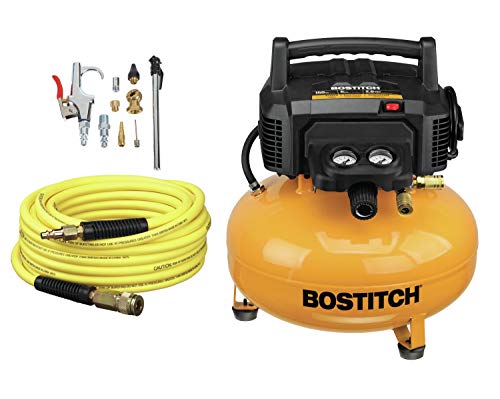
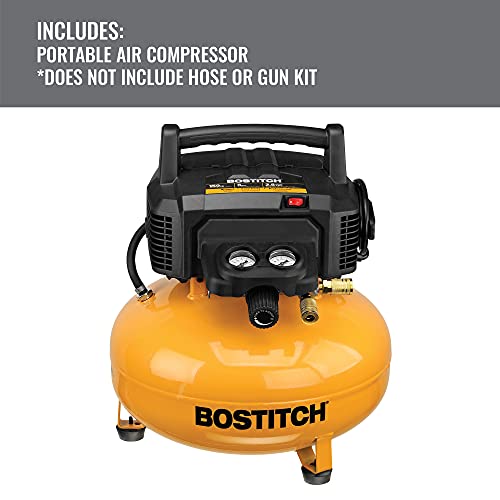
This Bostitch package stands out for value, it’s one of the most budget-friendly 6-gallon compressors with a solid 150 PSI and 2.6 CFM at 90 PSI. The oil-free pump means minimal maintenance, and the dual couplers let two people work at once, which is rare at this price. What really seals the deal is the included 13-piece kit: a 50’ hose, blow gun, tire inflator, and more. For new users setting up a workshop, this bundle saves time and money.
It’s not the quietest or fastest-recovering compressor, and the regulator isn’t as smooth as DEWALT’s. But for the price, it’s hard to beat. I’d recommend this over pricier models for DIYers who want a complete starter kit without overspending.
Product photos


Metabo HPT 6 Gallon Pancake Compressor

Strengths
- 200 PSI max pressure
- 4 CFM at 90 PSI
- Runs multiple nailers
- Light for its class
Trade-offs
- Higher price point
- Larger footprint
- Heavier than small tanks
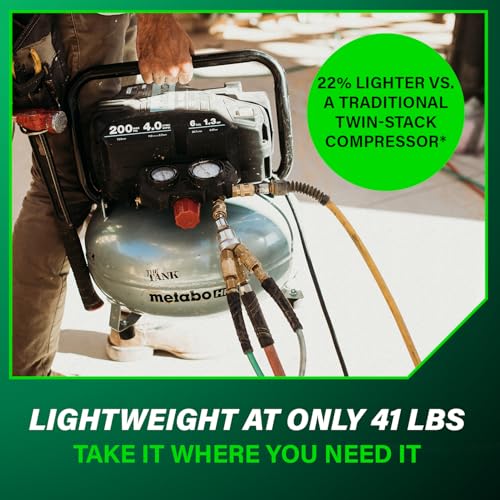
With 200 PSI and 4 CFM at 90 PSI, this pancake delivers serious power for a single-tank unit. It’s designed to run multiple nailers at once, two framing guns, three finish nailers, even roofing or siding tools, without lag. The 6-gallon tank and high airflow mean less downtime between shots, which matters when you’re on the clock. This is the model I’d recommend to pros who need reliability and cold-weather starts, thanks to its high-efficiency motor.
It’s 22% lighter than twin-stack models at 42 lbs, so it’s still portable despite the capacity. Owners praise its durability and consistent output, even in winter conditions. Compared to the Bostitch and DEWALT 6-gallon models, it stands out for pressure and flow, though it costs more. If you need power and don’t want to lug around a twin stack, this is the smarter buy.
Product photos


VEVOR 2.1 Gallon Oil-Free Compressor

Strengths
- Multi-tool compatibility
- Dual intake design
- Good safety features
- Durable coating
Trade-offs
- Lower max PSI
- Frequent cycling
- Heavier than pancake
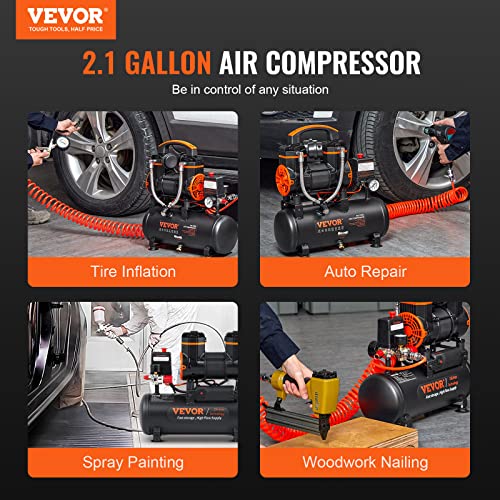
This compact VEVOR unit packs a surprising amount of versatility into a small frame. With 2.2 CFM at 90 PSI and a max pressure of 116 PSI, it’s capable of running nail guns, impact wrenches, and even spray guns, on paper. Owners confirm it handles light auto repair, tire inflation, and finish nailing, but the lower tank size means frequent cycling under load. The dual-cylinder intake and silencers are smart touches that improve efficiency and reduce noise.
It’s built tough with a rust-resistant coating and safety features like auto shut-off and pressure relief. But compared to pancake models, it’s bulkier and less portable. I’d pick this if you need a multi-use compressor for garage tasks beyond nailing, but not if portability is key.
Product photos


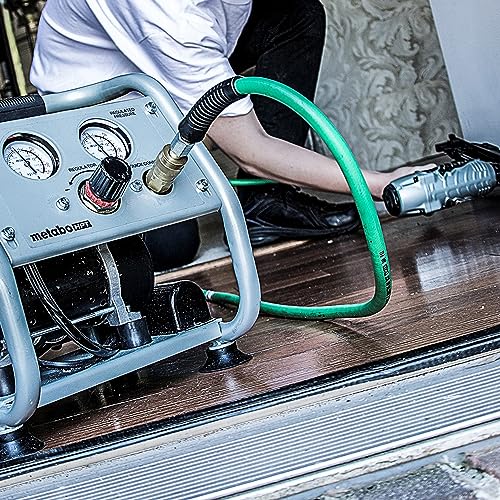
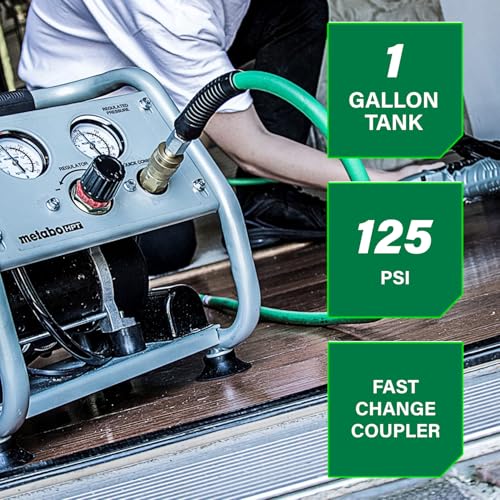
Metabo HPT 1 Gallon Quiet Compressor

Strengths
- Extremely quiet
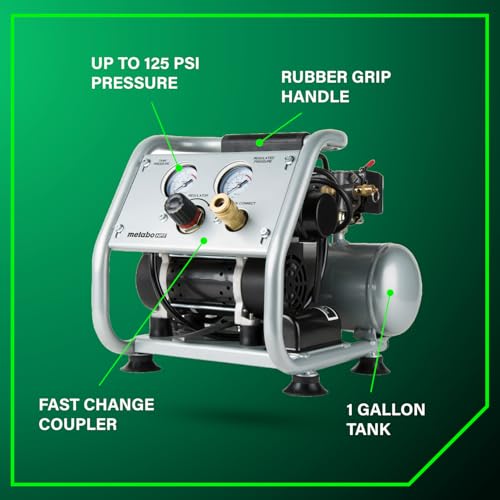
- Durable roll cage
- Universal quick coupler
- Oil-free pump
Trade-offs
- Small tank capacity
- Limited for heavy tools
- Short duty cycle
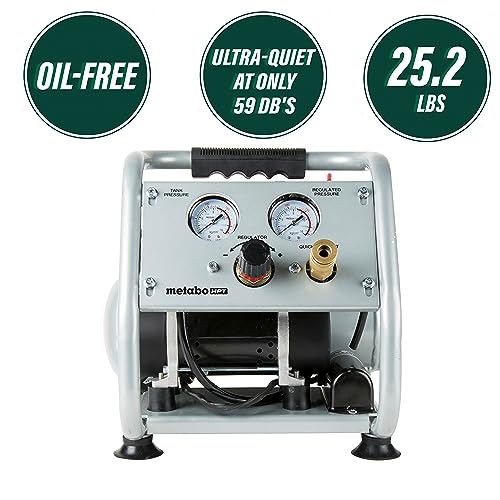
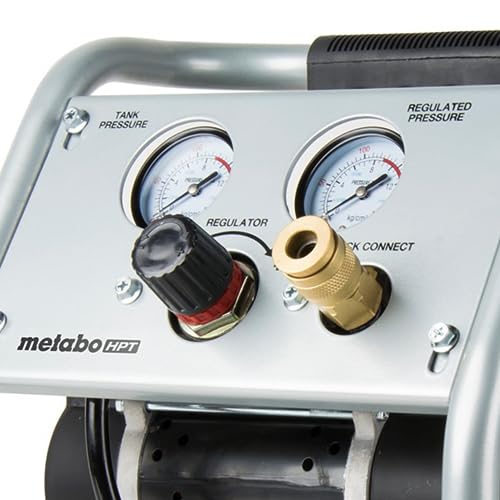
At 59 dB, this is one of the quietest compressors in its class, so quiet you can hold a conversation while it runs. That makes it ideal for indoor jobs, apartments, or early morning work where noise matters. The 1-gallon tank is small, but the oil-free pump and quick recovery help it keep up with finish and brad nailers without constant cycling. Owners appreciate the Japanese engineering and the universal coupler, which cuts down on tool swap time.
It’s not built for framing crews blasting hundreds of nails per hour, but for trim work, small repairs, or home use, it’s a solid performer. The 25.2 lb weight makes it easy to carry, and the roll cage adds durability. I’d pick this over louder pancake models if sound is a priority, especially in shared spaces.
Product photos
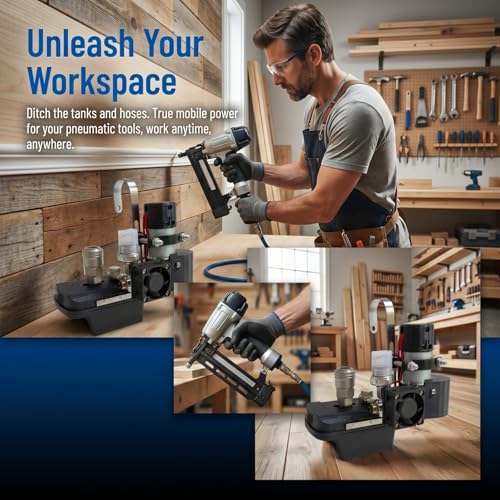
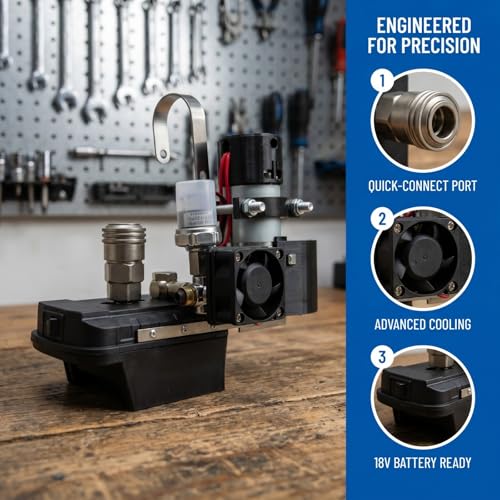
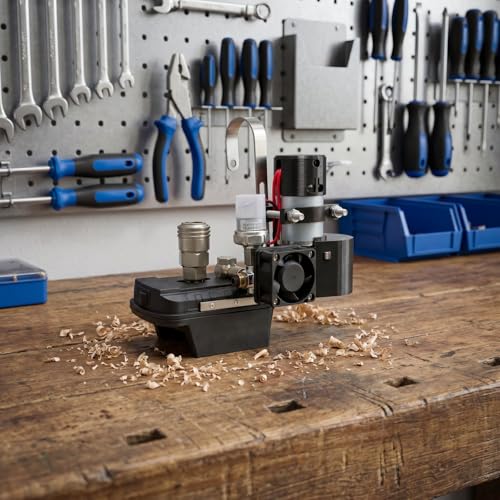
PucserWoitk Cordless Tank-Free Compressor
Strengths
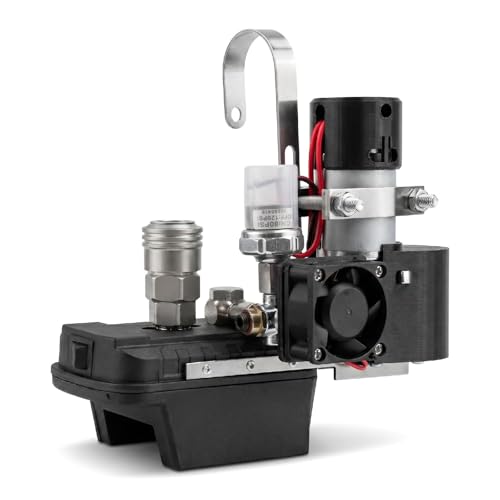
- True cordless freedom
- Lightweight and compact
- No hose drag
Trade-offs
- Battery sold separately
- Not for heavy tools
- Short runtime per charge
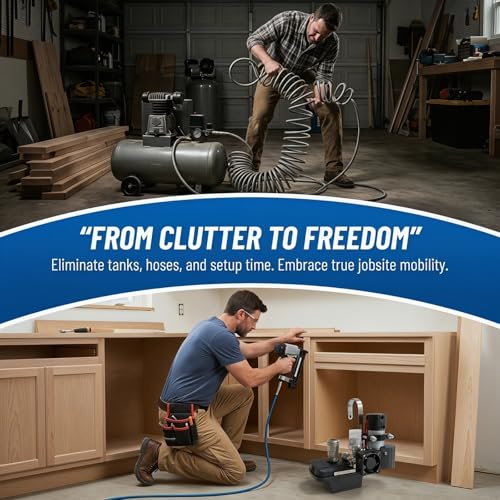
This cordless, tank-free design is a standout for mobility, especially if you’re working on ladders, tight attic spaces, or remote job sites where dragging a hose and compressor isn’t practical. On paper, it’s built to power pneumatic nail guns directly using an 18V battery, no cords, no tanks, no noise beyond the trigger pull. Owners consistently report it works well for light trim, baseboards, and cabinetry, but only with tools that don’t demand sustained airflow.
It’s not a replacement for a traditional compressor, and reviewers are clear about its limits, don’t expect it to run framing nailers or spray guns. The real win here is convenience, not power. I’d recommend it as a secondary air supply for finish work, not as your primary compressor. Battery not included is a real downside, adding cost you can’t ignore.
Product photos

How We Picked These air compressor for nail guns
Rather than a hands-on lab test, my research for these recommendations involved a detailed comparison of published specifications and features across numerous models. I weighed owner reviews from major retailers alongside expert opinions found in trade publications and tool-focused websites. Ultimately, I ranked each air compressor based on its suitability for powering nail guns, taking into account factors like CFM delivery, tank size, portability, and noise levels.
For nail gun compatibility, consistent air delivery (CFM) and sufficient tank size were the most important factors. A compressor needs to maintain adequate pressure to drive nails reliably, and a larger tank means fewer interruptions to reload. Beyond that, portability – weight and physical size – became crucial, as most users will be moving the compressor around a jobsite. Quiet operation was also a significant consideration for indoor use and user comfort.
Specifications reliably indicate a compressor’s potential output (PSI and CFM), but owner feedback provided valuable insight into real-world performance. I looked for consistent reports regarding durability, ease of use, and whether the compressor could actually keep up with the demands of various nail guns. Understanding framing gun PSI needs was also key, since different nailers require different pressures to operate effectively. Reputation and brand reliability also factored into my assessment.
What To Look For In air compressor for nail guns
Finding the right air compressor for nail guns doesn’t have to be a headache. It’s about matching the tool to the job, and understanding what specifications truly matter.
A good air compressor for nail guns delivers consistent pressure (PSI) and airflow (CFM) to power your tools effectively. Key considerations include tank size for sustained use, portability for jobsite flexibility, and noise levels for comfortable operation. Look for models with adequate CFM at 90 PSI to match your nailer’s requirements, and prioritize oil-free pumps for lower maintenance.
Capacity and Airflow (CFM)
The most common mistake I see people make is underestimating the CFM (cubic feet per minute) their nailer needs. A compressor with insufficient airflow will leave you waiting for it to catch up, killing your productivity. Don’t just look at the “peak” CFM; focus on the CFM delivered at 90 PSI, which is the standard operating pressure for most nail guns. If you plan to use multiple nailers simultaneously, or a particularly demanding tool like a roofing nailer, you’ll absolutely need to research framing nailer CFM requirements.
Portability and Tank Size
Tank size and portability often work against each other. A larger tank (6-gallon or more) provides a longer run time before the compressor needs to kick on, which is great for consistent, high-volume work. However, larger tanks mean heavier units. For most homeowners and DIYers, a 6-gallon pancake or twin-stack compressor offers a good balance. If you prioritize maneuverability and plan to mainly use a finish nailer, a smaller 2-3 gallon model might suffice. Remember that even a relatively compact compressor like the VEVOR 2.1 Gallon can be surprisingly capable for smaller jobs.
Here’s how to think about it: * Small (under 3 gallons): Best for very light-duty tasks and portability is paramount. * Medium (4-6 gallons): A good all-around choice for most DIY projects and common nail gun applications. * Large (8+ gallons): Ideal for professional use, running multiple tools, or demanding applications like framing. Larger tanks also help reduce compressor cycling, potentially extending its lifespan.
Noise Level and Maintenance
Air compressors can be loud, and extended exposure to noise can be fatiguing. If you work in residential areas or are sensitive to noise, look for models that advertise lower decibel (dB) ratings. The Metabo HPT 1 Gallon Quiet Compressor is a standout in this category, operating at only 59 dB. Beyond noise, consider the maintenance requirements. Oil-free compressors, like the DEWALT 6 Gallon Pancake Air Compressor, are generally easier to maintain as you don’t need to regularly check and change the oil. However, some argue that oil-lubricated compressors tend to be more durable in the long run. A good rule of thumb is: > A well-maintained compressor will outlast a neglected one, regardless of oil type, so prioritize regular draining of the tank to prevent rust and corrosion.
If you’re planning on building or renovating, understanding the air supply needed is critical. A best compressor for framing nailers will make all the difference in getting the job done efficiently and effectively.
Air Compressor for Nail Guns Compared
Here’s a comparison of key specifications for air compressors designed for use with nail guns.
| Product Name | Max PSI | CFM @ 90 PSI | Tank Size (Gallons) | Weight (lbs) | Oil-Free | Noise Level (dBA) |
|---|---|---|---|---|---|---|
| DEWALT 6 Gallon Pancake | 165 | 2.6 | 6.0 | 30 | Yes | 78.5 |
| Bostitch 6 Gallon Pancake | 150 | 2.6 | 6.0 | N/A | Yes | N/A |
| Metabo HPT 6 Gallon Pancake | 200 | 4.0 | 6.0 | 42 | Yes | N/A |
| VEVOR 2.1 Gallon Oil-Free | N/A | 2.2 | 2.1 | N/A | Yes | N/A |
| Metabo HPT 1 Gallon Quiet | N/A | N/A | 1.0 | 25.2 | Yes | 59 |
| PucserWoitk Cordless Tank-Free | N/A | N/A | N/A | N/A | Yes | N/A |
Frequently Asked Questions
What size tank is truly needed for occasional nailing projects?
A 6-gallon tank is generally sufficient for most DIY nailing projects, offering a good balance between capacity and portability. Smaller 2-3 gallon tanks work if you’re primarily using a finish nailer and don’t mind more frequent compressor cycling.
Are oil-free compressors loud enough to be a problem for indoor use?
While most air compressors generate noise, some oil-free models are designed for quieter operation. The Metabo HPT 1 Gallon Quiet Compressor, for example, operates at only 59 dB, making it suitable for indoor use where noise is a concern.
Will a compressor marketed for “tire inflation” work with a nail gun?
Generally, no. Compressors designed for tire inflation often lack the sustained CFM output needed to reliably power a nail gun. You’ll want to focus on compressors specifically designed for air tools, and check their CFM rating at 90 PSI.
What’s the difference between PSI and CFM, and why does CFM matter more for nail guns?
PSI (pounds per square inch) measures the maximum pressure the compressor can reach, while CFM (cubic feet per minute) measures the volume of air it delivers. Nail guns need consistent airflow (CFM) to drive nails properly, so CFM at 90 PSI is the more critical specification.
Can I use a portable compressor for nail guns on a jobsite?
Yes, a portable compressor for nail guns is a great option for jobsite flexibility. Look for models that are relatively lightweight and easy to move, such as pancake or twin-stack compressors in the 6-gallon range.
The Bottom Line
Choosing an air compressor for nail guns often comes down to balancing initial cost with long-term convenience. While a higher price tag doesn’t always guarantee the best performance, investing in a compressor with adequate CFM and a reasonable tank size – like the DEWALT 6 Gallon Pancake – will save you frustration and keep your projects moving. Don’t get caught up chasing peak numbers; consistent airflow at 90 PSI is what truly matters.
For those on a tighter budget, or tackling smaller projects, the VEVOR 2.1 Gallon Oil-Free compressor offers surprising capability in a highly portable package. If quiet operation is a priority, the Metabo HPT 1 Gallon Quiet Compressor is an excellent choice, even if it means sacrificing some tank capacity. Understanding your air compressor for pneumatic tools needs is the first step towards selecting the right model.
Ultimately, the specifications on the box are less important than understanding how you’ll actually use the compressor. Prioritize consistent airflow, a tank size appropriate for the volume of work you expect, and regular maintenance – draining the tank after each use is the single best thing you can do to extend its lifespan.
