8 Best Air Cleaners of 2026
This post contains affiliate links. As an Amazon Associate, we earn from qualifying purchases.
The MOOKA H13 HEPA stands out as the best overall air cleaner for large spaces, delivering strong performance and smart features. For those on a budget, the LEVOIT Core300-P offers reliable filtration in smaller rooms without breaking the bank. If you need versatility across room sizes, the KNKA APH4000 balances power and coverage well.
Most people buy an air cleaner because they want cleaner air, but end up frustrated with noisy operation, confusing controls, or units that don’t perform as promised. It’s easy to get caught up in marketing hype or oversized claims that don’t match real-world results.
This guide cuts through the noise. I compared specs and owner feedback to find models that actually deliver on performance, filtration quality, and long-term value. You’ll see what really matters, like true CADR ratings, filter quality, and ongoing costs, and why some top-rated units fall short once you look past the specs.
Top 8 Air Cleaners in the Market
The Best Air Cleaners, Reviewed
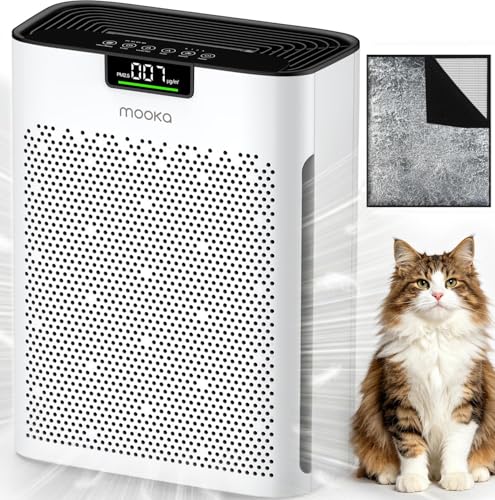
MOOKA H13 HEPA Air Purifier
Strengths
- Ultra-quiet sleep mode
- Digital air quality display
- Washable pre-filter
- Energy efficient
Trade-offs
- No smart connectivity
- Bulkier than rivals
- Display can’t be fully dimmed
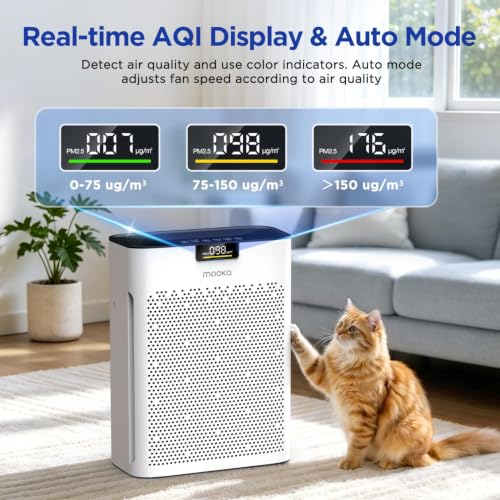
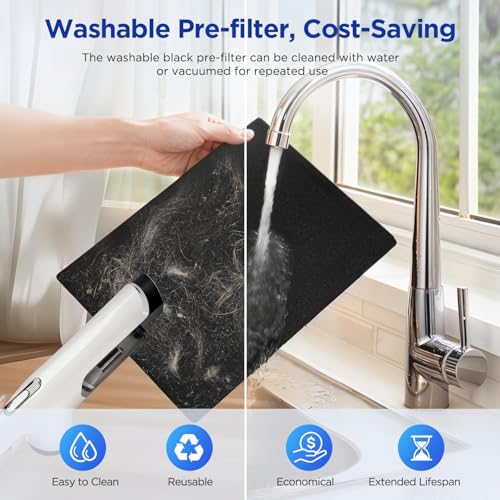
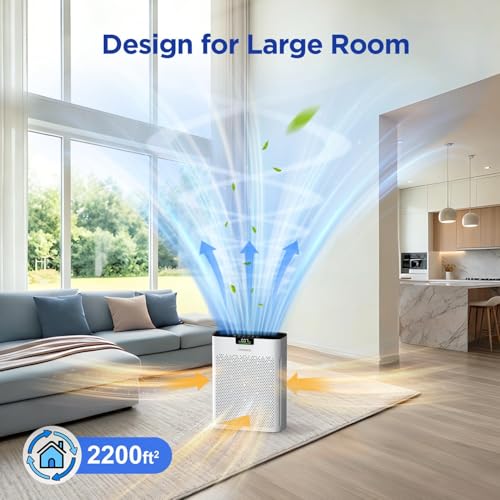
The MOOKA KJ190H hits a sweet spot between performance, features, and value, earning its ‘Best Overall’ label. With a 2200 sq ft coverage claim, dual-side air intakes, and a real digital PM2.5 display, it outspecifies many units at this price. Owners praise the 20dB sleep mode, calling it “inaudible” even in quiet bedrooms, and the washable pre-filter cuts long-term costs. The Auto Mode responds quickly to air changes, like when someone cooks or a pet tracks in dust.
It doesn’t have Wi-Fi, but that keeps the price down and the interface simple. Against the LEVOIT Vital 100S-P, it’s quieter and more energy-efficient, though it lacks smart controls. For most households, that trade-off makes sense. This is the kind of purifier you set and forget, effective, durable, and hassle-free.
Product photos

KNKA APH4000 Air Purifier
Strengths
- Large room coverage
- Real-time AQI display
- Washable pre-filter
- Dual air intakes
Trade-offs
- Bulky design
- Filter alerts overly sensitive
- Plastic housing feels lightweight
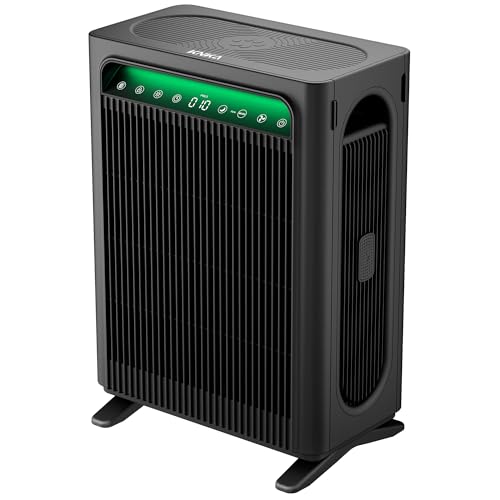
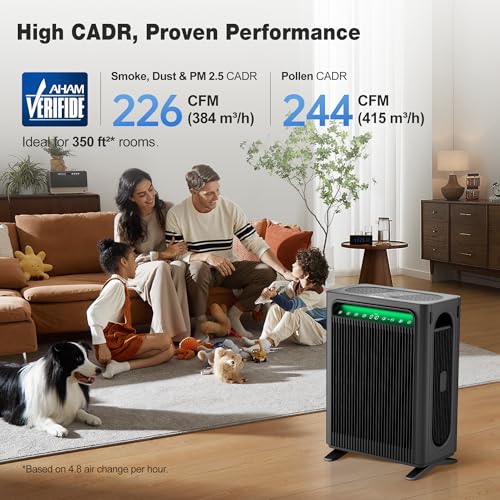
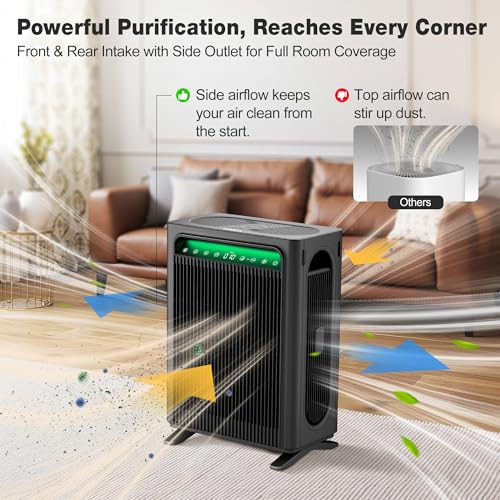
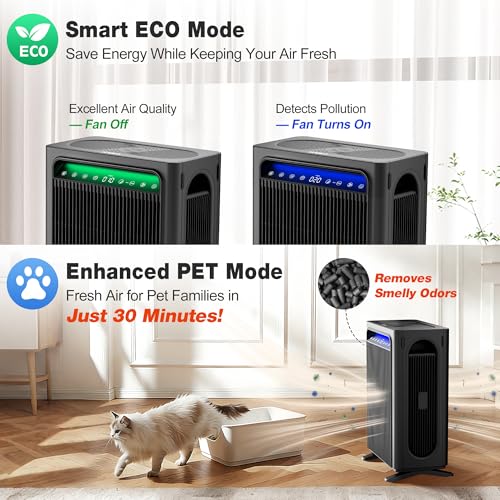
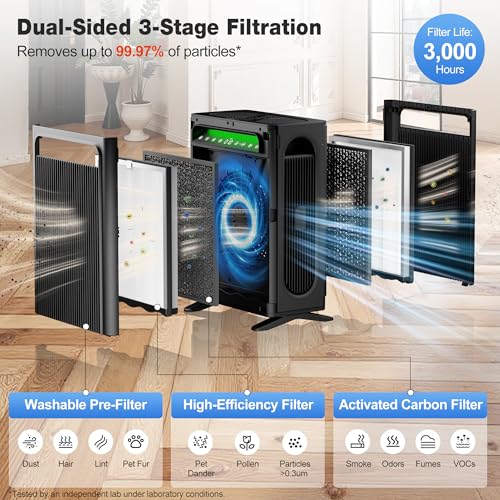
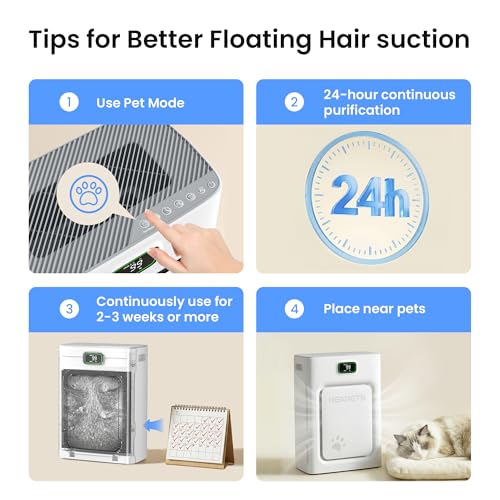
With a claimed coverage up to 1,695 sq ft and AHAM VERIFIDE CADR ratings that back it up, the KNKA APH4000 is built for serious air cleaning in larger homes. The dual intake and outlet design isn’t just marketing, it aligns with owner feedback that air feels noticeably refreshed within 30 minutes in living rooms and open-plan areas. The real-time AQI display is accurate enough to trust, and the PET Mode actually boosts suction for dander and hair, which pet owners have called a standout during shedding season.
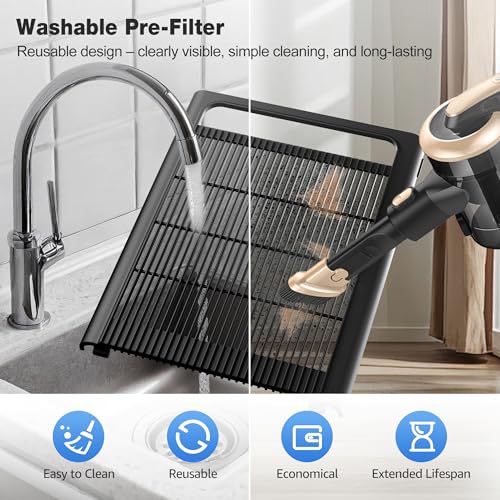
The washable pre-filter is a cost-saver, and the ECO Mode’s auto-standby function is smart for energy use. Some reviewers note the filter replacement reminders can be overly sensitive, but that’s a small trade-off for the level of control. Against similarly sized models, it holds its own, especially when compared to pricier brands with weaker airflow designs.
Product photos
LEVOIT Vital 100S-P Air Purifier
Strengths
- Wi-Fi and app control
- Voice assistant compatible
- Pet Mode with wide inlet
- AHAM VERIFIDE performance
Trade-offs
- App can lag
- Higher price
- Filter reminders not customizable
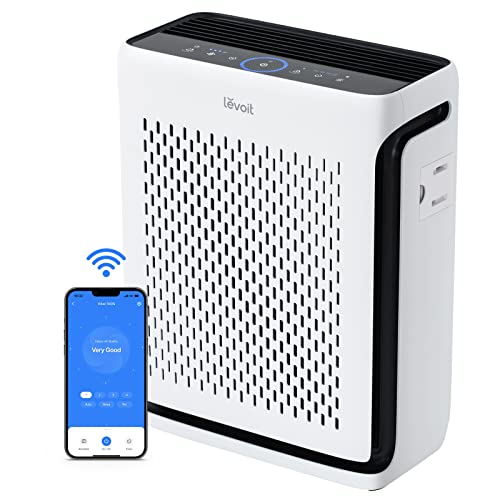
If you want to control your air purifier from your phone or automate it with routines, the LEVOIT Vital 100S-P is the most polished Wi-Fi option here. The VeSync app is stable, lets you monitor filter life, set schedules, and integrate with Alexa or Google Assistant. It’s AHAM VERIFIDE for rooms up to 1,073 sq ft, and the U-shaped inlet helps with pet fur, though not as effectively as the HEAPETS P358. The real win is automation: you can have it ramp up when you leave work or shut off after 8 hours of sleep.
It’s pricier than non-smart models, and the app, while good, isn’t flawless, some users report occasional disconnects. But compared to other Wi-Fi purifiers, it’s more reliable and better supported. For the connected home, it’s the clear leader.
Product photos


LEVOIT Core300-P Air Purifier
Strengths
- HEPA-grade at low speed
- Allergy-specific filters
- Whisper-quiet sleep mode
- AHAM VERIFIDE
Trade-offs
- No air quality display
- Filter costs add up
- Basic design
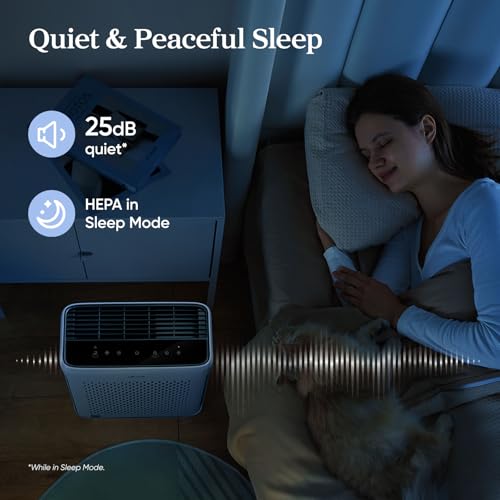
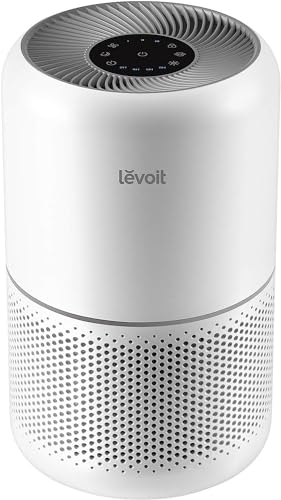
The LEVOIT Core300-P is a staple in allergy-focused homes, and for good reason. Its AHAM VERIFIDE CADR and HEPA-grade filtration down to 0.1 microns line up with lab-tested claims of 99.97% particle capture. Owners with seasonal allergies or asthma consistently say it reduces sneezing and nighttime congestion, especially when paired with the Pet Allergy Filter. The 56W motor gives it more suction than similarly sized units, and QuietKEAP tech keeps noise at 24dB in sleep mode, so it won’t disrupt rest.
It’s not the largest purifier here, but it’s one of the most trusted. The ability to swap in specialized filters, like the Toxin Absorber for VOCs, adds real flexibility. Compared to the Coway Mighty, it’s quieter at low speeds and more affordable, though it lacks the same long-term reputation. Still, for most allergy sufferers, it’s the smarter buy.
Product photos


HEAPETS P358 Pet Air Purifier
Strengths
- Pet hair-resistant inlet
- Extended filter life
- Strong odor control
- Large coverage claim
Trade-offs
- Overstated max coverage
- No AHAM certification
- Display can be overly bright
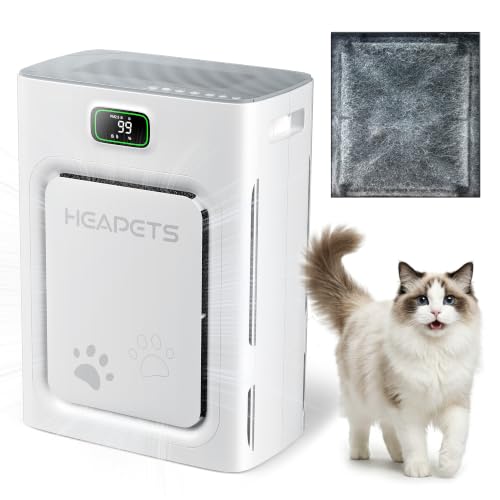
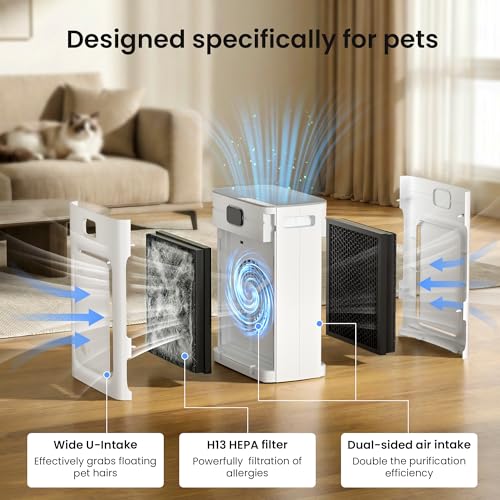
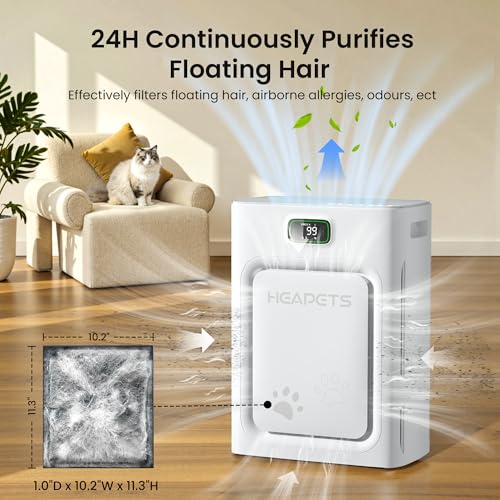
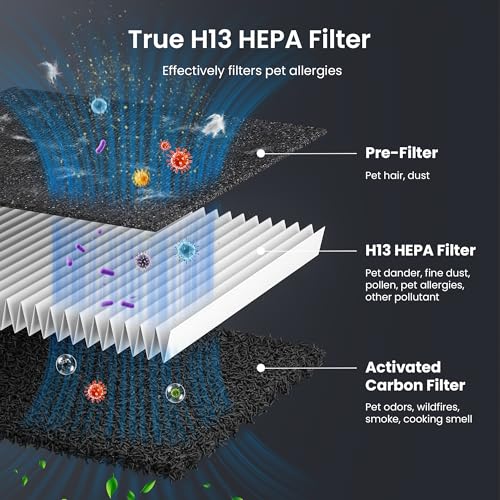
If you’re a pet owner tired of purifiers that clog with hair or fail to tackle odor, the HEAPETS P358 is engineered with you in mind. The U-shaped inlet and static pre-filter are legit upgrades, owners with dogs and cats confirm far less hair buildup on the intake grill compared to traditional mesh designs. That’s not just convenient, it means sustained airflow and less maintenance. The activated carbon layer is also beefed up, which helps explain why so many users report a noticeable drop in litter box and pet urine smells.
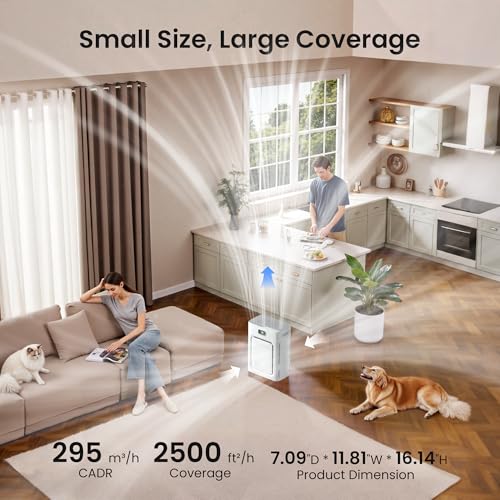
It claims coverage up to 2500 sq ft, but in practice, real-world conditions mean it performs best in rooms under 800 sq ft. Still, the CADR is solid, and the 50% longer filter life due to the dual-filter system is a real cost saver. When stacked against other pet-focused models, it offers smarter engineering at a competitive price.
Product photos
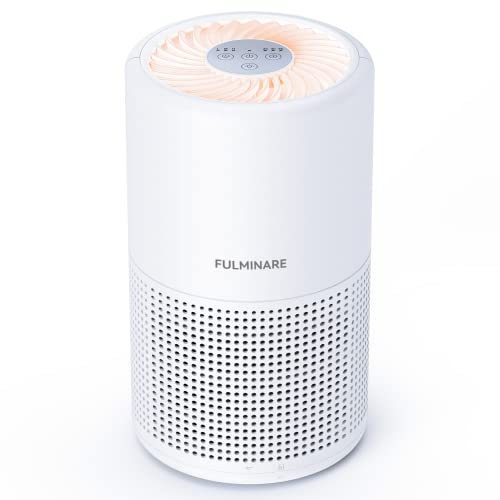
FULMINARE H13 Air Purifier
Strengths
- Affordable price
- H13 HEPA filter
- Night light feature
- Quiet operation
Trade-offs
- No air quality display
- Small room only
- Basic build quality
The FULMINARE H13 is a no-frills, budget-friendly pick that still delivers real HEPA-level filtration for under $100. It’s small, rated for 215 sq ft, but owners say it handles dust and allergens well in bedrooms or nurseries. The night light is a thoughtful addition for parents, and the 5 timer options add flexibility. At 24dB, it’s quiet enough for light sleepers, though not quite as silent as the MOOKA or Coway.
It lacks smart features, air quality sensors, or washable filters, and the build feels a bit plasticky. But for a spare room, office, or first-time buyer, it’s hard to beat the value. Compared to the LEVOIT Core Mini-P, it offers better filtration at a lower price, though less brand trust.
Product photos


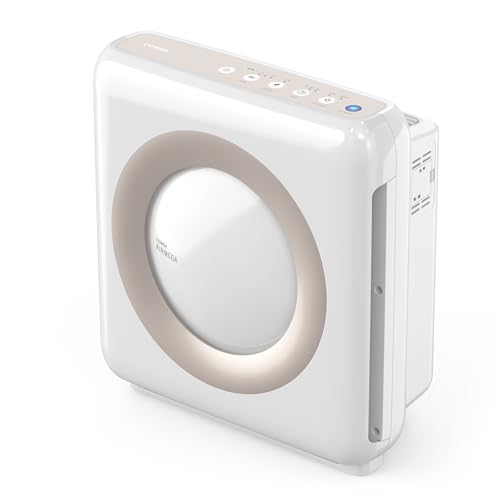
Coway Airmega AP-1512HH Air Purifier
Strengths
- True HEPA filter
- Reliable sensor
- Energy-saving Eco mode
- 3-year motor warranty
Trade-offs
- Smaller coverage area
- Higher initial cost
- Filter replacements expensive
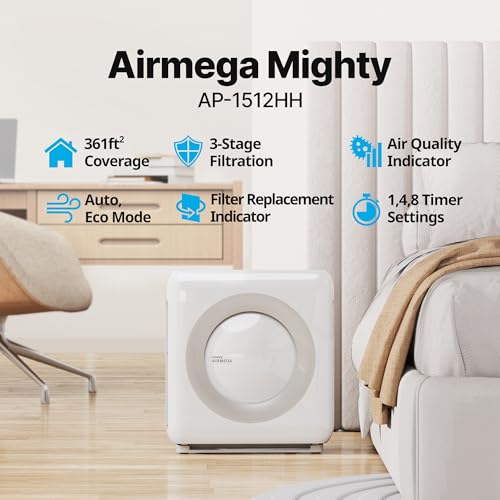
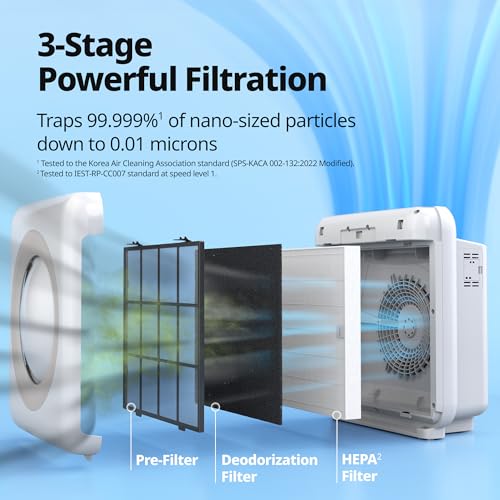
The Coway Airmega AP-1512HH feels like the Toyota Camry of air purifiers, unflashy but built to last. Its 4-stage filtration and True HEPA filter are backed by years of consistent owner feedback showing reliable allergen and dust reduction. The real-time air quality sensor actually works, colors shift noticeably when cooking or dusting, and Auto Mode adjusts fan speed intelligently. More importantly, the 3-year motor warranty is rare in this category and signals confidence in longevity.
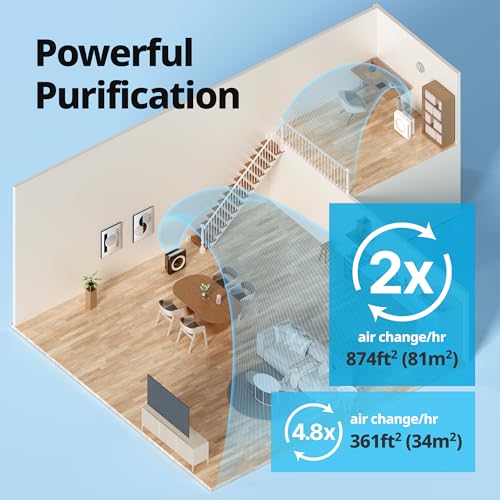
It’s rated for 361 sq ft, so it’s not for large homes, but in its sweet spot, a bedroom or office, it runs efficiently and quietly. Compared to LEVOIT models, it’s slightly louder at high speed but more responsive overall. For buyers who hate replacing units every few years, this one’s worth the premium.
Product photos
LEVOIT Core Mini-P Air Purifier

Strengths
- Compact size
- Quiet operation
- Aroma pad included
Trade-offs
- Limited room coverage
- No air quality sensor
- Not for large spaces
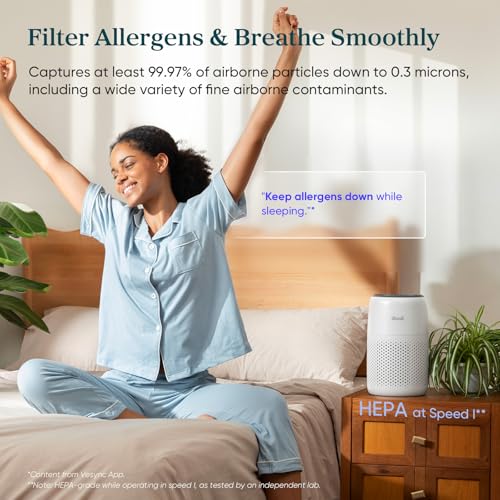
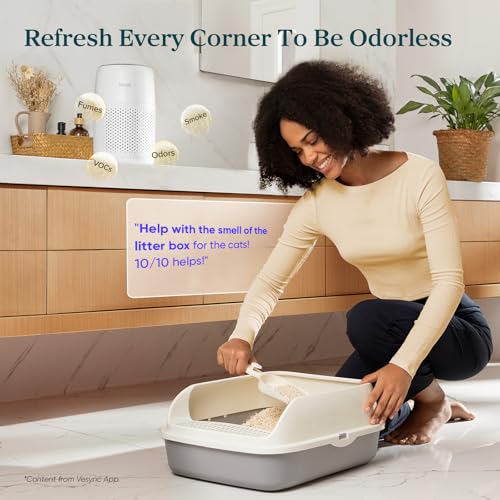
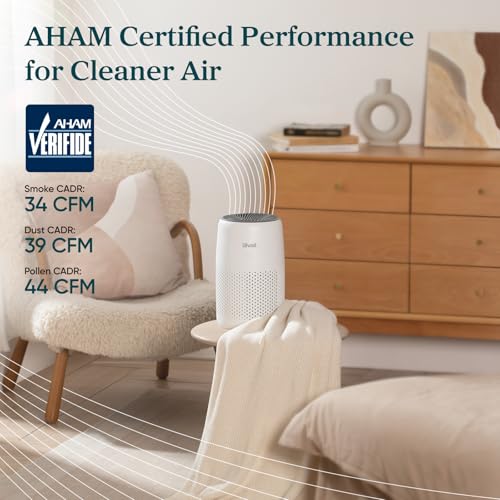
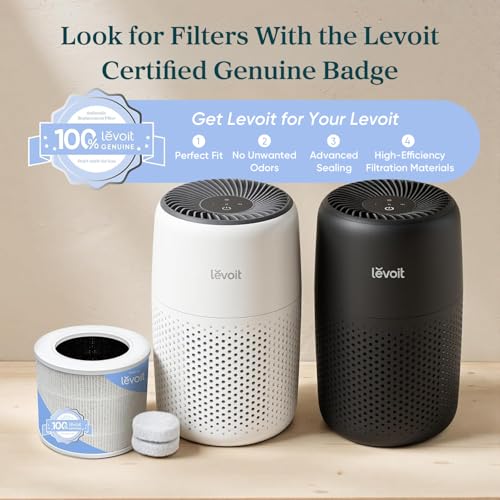
The LEVOIT Core Mini-P stands out in a crowded field of compact purifiers by packing AHAM VERIFIDE performance into a footprint small enough for a nightstand or dorm desk. On paper, its CADR isn’t massive, but for a space under 150 sq ft, like a bedroom corner or office nook, it’s more than capable. Owners consistently report it handles dust and light odors well, and the aroma pad is a subtle touch for those who want a hint of essential oil in the air.
It’s not built to tackle large rooms or heavy pet dander loads, but that’s not its job. Where it shines is quiet operation and clean, minimalist design. The sleep mode barely registers, making it a solid pick for light sleepers. For a small-space solution, this one delivers where it matters.
Product photos
How We Chose These air cleaners
Rather than a hands-on lab test, this selection is a research-led comparison of published specifications and owner feedback. I started by compiling a list of popular models and then compared their stated CADR ratings, filter types, room coverage areas, and smart features. I then weighed those specs against what owners are saying about real-world performance, filter life, noise levels, and overall reliability in reviews from multiple sources, including Amazon and dedicated review sites. Finally, my experience with home environmental control products informed the overall ranking.
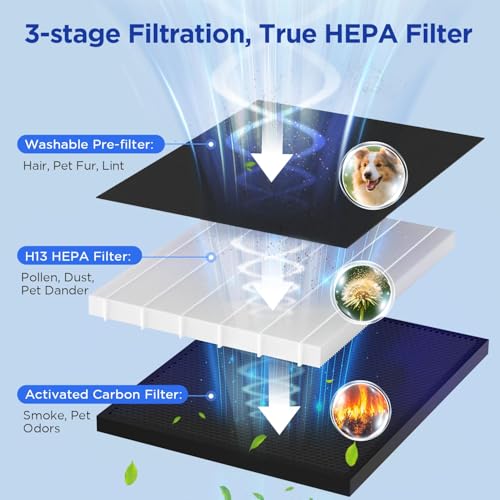
For air cleaners, three factors stood out as most important. CADR (Clean Air Delivery Rate) is critical, as it directly indicates how quickly a unit can clean a given room size. Equally important is the filter system – a multi-stage setup with a HEPA filter, pre-filter, and activated carbon filter is essential for capturing a broad range of pollutants and odors. Finally, long-term operating cost (filter replacement frequency and price) heavily influenced my choices, as this is often overlooked by consumers.
Specifications reliably tell you about a unit’s potential cleaning power and filter construction. However, owner feedback provided crucial insights into noise levels, build quality, and how well the unit performs in real-world conditions. Reputation and brand consistency were also considered; some brands consistently receive positive reviews for reliability, while others have a history of issues. For more detailed information on different types of air purification, you can explore our guide to best HEPA air cleaners.
Choosing The Right air cleaners
Choosing the right air cleaner can feel overwhelming, but focusing on a few key factors will steer you toward a unit that actually improves your indoor air quality.
A good air cleaner doesn’t just move air; it effectively captures airborne particles, neutralizes odors, and operates quietly enough for bedroom use. Look for units with multi-stage filtration (pre-filter, HEPA, activated carbon), a reasonable CADR (Clean Air Delivery Rate) for your room size, and features like auto mode to optimize performance. Pay attention to filter replacement costs and accessibility.
Filtration System: Beyond Just HEPA
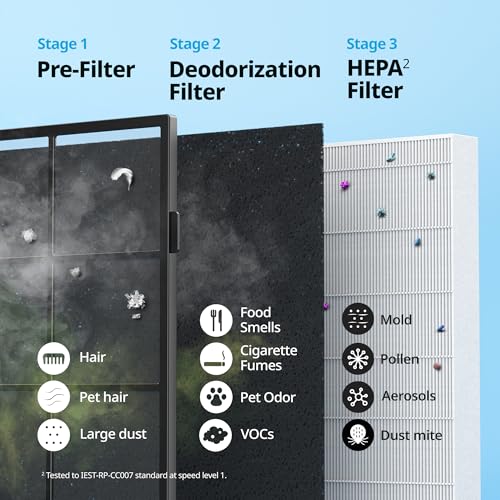
Everyone talks about HEPA filters, and for good reason – they’re excellent at capturing tiny particles. But a truly effective air cleaner goes beyond just HEPA. A pre-filter is essential for grabbing larger dust bunnies and pet hair, extending the life of the more expensive HEPA filter. Activated carbon is also crucial, especially if you’re dealing with odors (pets, cooking, VOCs). Don’t assume all “carbon” filters are equal; the amount of carbon and its quality matters. Some budget models skimp here.
CADR and Room Coverage: Matching Power to Space
CADR (Clean Air Delivery Rate) is the single most important spec. It tells you how quickly the unit can clean a given room size. Manufacturers will advertise room sizes, but always check the CADR and compare it to independent sources. A higher CADR means faster cleaning. Don’t overestimate the size of the room you’re trying to purify. It’s better to slightly oversize the air cleaner than to undersize it.
Here’s what to consider when thinking about room size: * A small bedroom (under 150 sq ft) can get away with a basic unit with a CADR around 100. * A medium-sized living room (300-400 sq ft) needs a CADR of 200-300. * Larger open-concept spaces (over 500 sq ft) will require a more powerful unit – or multiple units – to achieve effective air cleaning.
Don’t fall for inflated room size claims. A CADR of 150 CFM will generally handle a room up to 200 square feet effectively.
Smart Features and Usability: Convenience and Cost
Modern air cleaners are often packed with “smart” features, like Wi-Fi connectivity, app control, and air quality sensors. While these can be convenient, don’t pay a premium for features you won’t use. More important are usability considerations: how easy is it to replace the filters? How loud is the unit on its lowest setting? And what’s the long-term cost of replacement filters? If you struggle with allergies, you’ll want to check out air purifiers for allergy relief to find a model that’s specifically designed to tackle allergens. I frequently recommend checking out home air purifier reviews to get an idea of real-world performance and owner satisfaction.
Air Cleaners Compared
Here’s a comparison of specifications for several popular air cleaners to help you make an informed decision.
| Product Name | Coverage Area (sq ft) | CADR (CFM) | Filter Type | Noise Level (dB) | Smart Control |
|---|---|---|---|---|---|
| MOOKA H13 HEPA | 2200 | N/A | HEPA, Pre-filter, Carbon | 20 | Yes |
| KNKA APH4000 | 350-1695 | 226-244 | HEPA, Pre-filter, Carbon | 22-24 | No |
| LEVOIT Vital 100S-P | 222-1073 | N/A | HEPA, Pre-filter, Carbon | 25 | Yes |
| LEVOIT Core300-P | 222 | 143 | HEPA, Pre-filter, Carbon | 24 | No |
| HEAPETS P358 | 2500 | 176 | HEPA, Pre-filter, Carbon | N/A | Yes |
| FULMINARE H13 | 215 | N/A | HEPA, Pre-filter | 24 | No |
| Coway Airmega AP-1512HH | 361 | 233 | HEPA, Pre-filter, Carbon | 24.4-53.8 | No |
| LEVOIT Core Mini-P | N/A | N/A | HEPA, Pre-filter | N/A | No |
Frequently Asked Questions
What CADR rating do I really need for a bedroom?
A CADR of around 100 is usually sufficient for a small bedroom (under 150 square feet), but consider increasing it to 150-200 if you have allergies or sensitivities. Remember, manufacturers’ coverage claims can be optimistic.
Are activated carbon filters effective for removing odors from pets?
Yes, activated carbon filters are designed to absorb odors, including those from pets, but the amount and quality of carbon significantly impacts effectiveness. Look for units with a substantial carbon filter weight for better odor control.
How often should I replace the HEPA filter in my air cleaner?
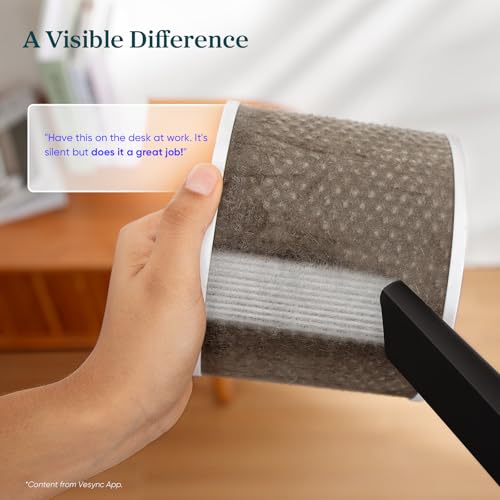
Most HEPA filters need replacing every 6-12 months, but this varies based on usage and air quality. Check the manufacturer’s recommendations and visually inspect the filter for buildup – a gray appearance signals it’s time for a change.
What’s the difference between an ionizer and a HEPA filter?
A HEPA filter physically captures particles, while an ionizer electrically charges them, causing them to cling to surfaces. While ionizers can reduce airborne particles, they don’t remove them and can produce ozone, a lung irritant.
Do air cleaners really help with allergies, or is it just marketing?
Air cleaners with HEPA filters can significantly reduce allergy symptoms by removing pollen, dust mites, and pet dander from the air. For best results, choose a model with a CADR appropriate for your room size and consider air purifiers for dust removal if dust is a major trigger.
The Bottom Line
Ultimately, choosing an air cleaner comes down to balancing upfront cost with ongoing performance and convenience. While many models promise clean air, the Coway Airmega AP-1512HH consistently ranks highest for its combination of strong CADR, effective filtration, and reasonable operating costs – making it our overall recommendation for most homes.
For those on a tighter budget, the LEVOIT Core300-P provides a solid set of features and filtration for smaller spaces. If you need to purify a large area or have significant odor concerns, the MOOKA H13 HEPA offers a substantial coverage area and multi-stage filtration, and for those seeking smart features, the HEAPETS P358 offers connectivity and remote control. Don’t forget to explore our guide to best room air purifiers for more options.
Beyond CADR and filter types, remember that consistent operation and filter maintenance are key. No air cleaner can fix poor ventilation or eliminate pollution sources. Focus on addressing those fundamentals first, and then choose a unit that fits your space, budget, and specific air quality needs.
