
7 Best 20 Inch Chainsaws of 2026
This post contains affiliate links. As an Amazon Associate, we earn from qualifying purchases.
The Husqvarna 450 Rancher stands out as the best overall 20-inch chainsaw for its reliable power, smooth operation, and proven durability. If you’re watching your budget, the NEO-TEC 62CC Gas Chainsaw delivers solid performance at a lower price, while the EGO POWER+ 20″ is our top battery pick for homeowners who want clean, quiet operation without the hassle of gas.
Most people shopping for a 20-inch chainsaw aren’t just looking for size, they need real cutting power for felling trees, bucking logs, or managing heavy storm damage. Too often, buyers end up with an underpowered or overly heavy saw that’s frustrating to start or unsafe to use.
After comparing the field and analyzing specs, owner feedback, and long-term reliability trends, I focused on models that balance engine strength, ease of use, and safety. This guide cuts through the noise to highlight the ones that actually deliver in real-world conditions.
Top 7 20 Inch Chainsaws in the Market
The Best 20 Inch Chainsaws, Reviewed
Husqvarna 450 Rancher 20 Inch Gas Chainsaw

Strengths
- Excellent ergonomics
- Smart Start system
- Air Injection filter
Trade-offs
- Higher price point
- Slightly heavier
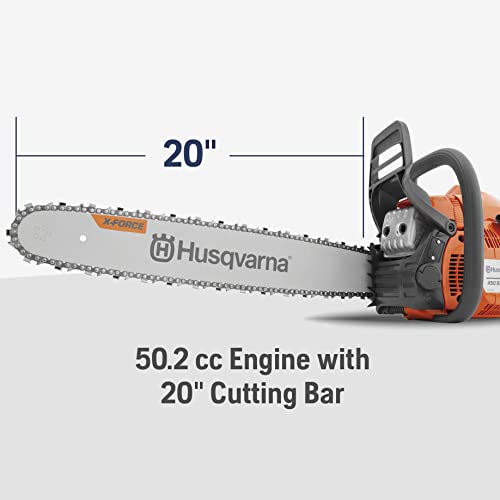
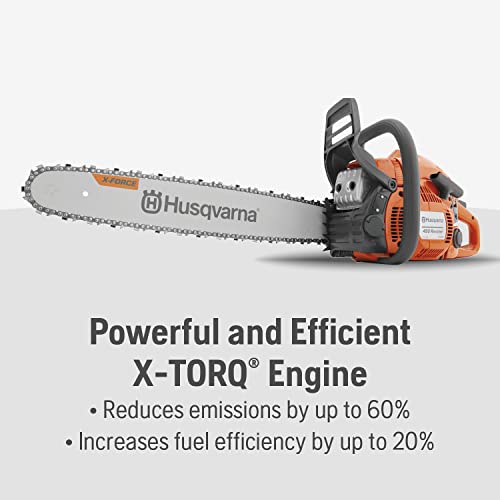
If I had to pick one 20-inch chainsaw for most homeowners, it’d be the Husqvarna 450 Rancher. It doesn’t have the biggest engine here, but its balance of power, comfort, and reliability is unmatched. The X-Torq engine delivers strong performance while reducing emissions and fuel use, and Smart Start means it fires up in two or three pulls, cold or hot.
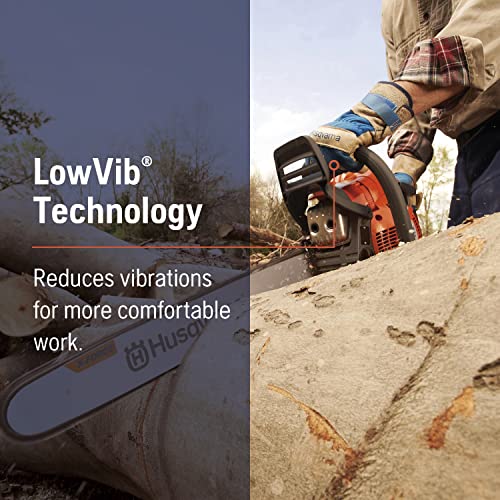
Owners praise its LowVib system and ergonomic grip, this is a saw you can run for hours without hand fatigue. Compared to the VEVOR or NEO-TEC, it’s heavier but far more refined. It’s not the cheapest, but it’s built to last, with Air Injection keeping the filter clean longer. For anyone doing regular firewood prep or yard clearing, this is the gold standard.
Product photos


EGO POWER+ 20″ Battery Powered Chainsaw

Strengths
- No fuel mixing
- Digital display
- Weather-resistant
Trade-offs
- Battery sold separately
- Limited runtime per charge
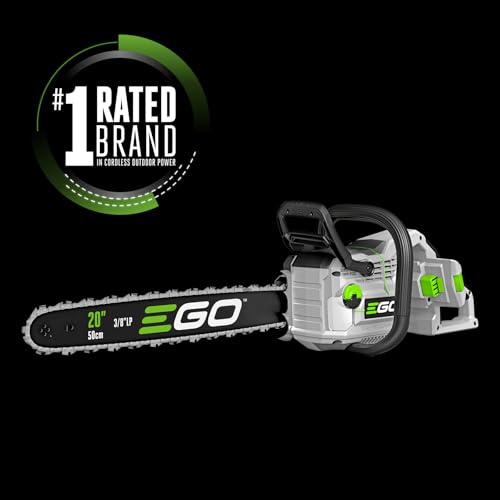
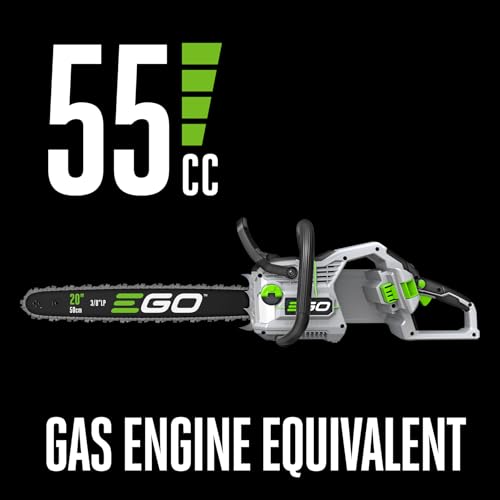
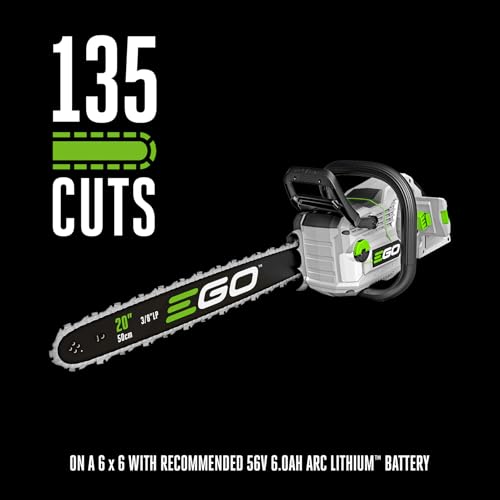
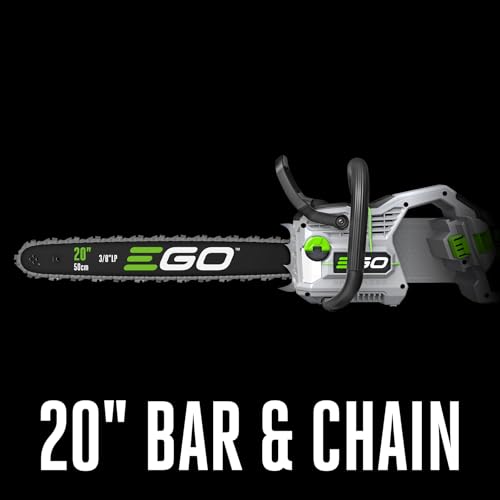
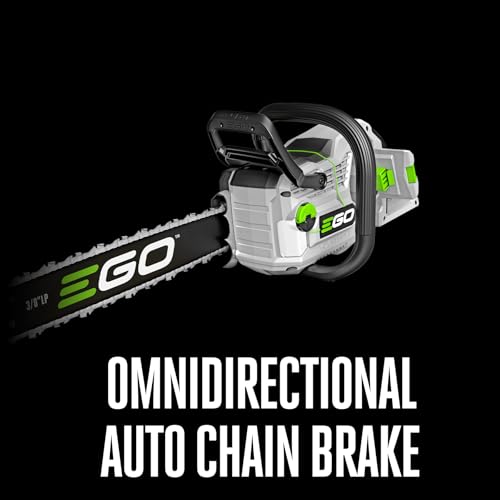
Battery-powered doesn’t mean soft when it comes to the EGO CS2000, it claims gas-equivalent performance of a 55cc model, and owner feedback backs that up for typical residential jobs. The brushless motor delivers clean, consistent cuts, and the 25 m/s chain speed is no gimmick; it powers through 6x6s with ease when paired with a 6.0Ah battery. I’d pick this over gas if you’re doing regular yard maintenance and hate mixing fuel or dealing with pull starts.
The onboard digital display and LED work light are thoughtful touches you won’t find on most gas models. It’s not a replacement for a pro-grade 60cc+ saw for constant felling, but for pruning, storm cleanup, and firewood in small-to-medium yards, it’s a smart, clean alternative. Compared to the VEVOR or PROYAMA gas models, it’s quieter and far cleaner, but you’re trading runtime flexibility for convenience.
Product photos
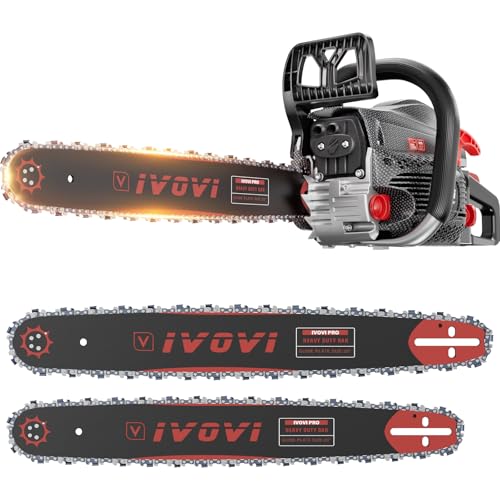
IVOVI 63CC Gas Chainsaw Dual Bar
Strengths
- Dual bar included
- 63CC high torque
- Tool-free adjustment
Trade-offs
- Heavier setup
- No name-brand engine
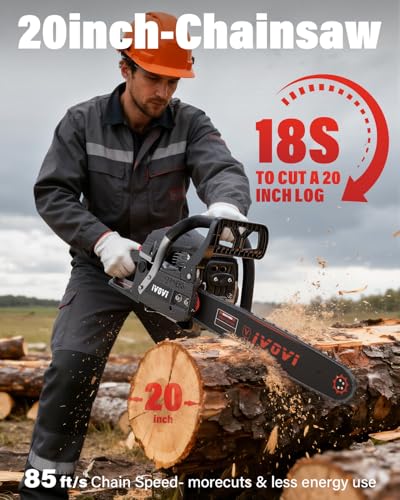
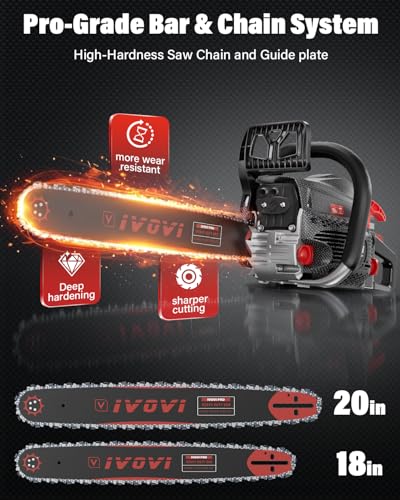
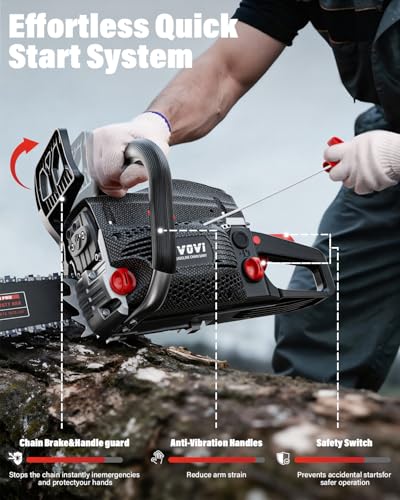
What sets the IVOVI apart is its dual-bar setup, you get both 20-inch and 18-inch bars, which is rare at any price. That flexibility means you can swap to the shorter bar for tight pruning or yard work, then go long for felling. The 63CC engine and 3.7 HP deliver serious hardwood-cutting torque, and owners report it handles oak and maple without bogging down.
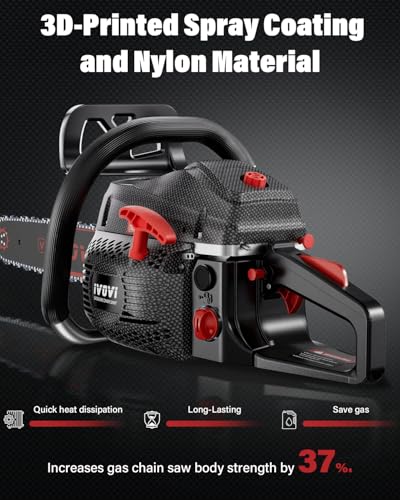
The tool-free chain adjuster and anti-vibration handles make maintenance and long sessions easier. Compared to the Husqvarna 450 Rancher, it’s less refined but more versatile and slightly more powerful. For ranch owners or those with mixed cutting needs, this is the most practical heavy-duty option here. It’s not the most polished, but it’s built for real work.
Product photos

NEO-TEC 62CC Gas Chainsaw 20 Inch

Strengths
- 3.5 HP output
- Lightweight at 14 lbs
- Easy-start system
Trade-offs
- Less refined ergonomics
- Basic air filtration
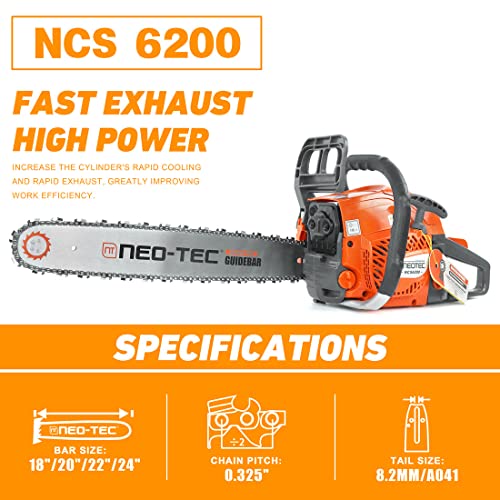
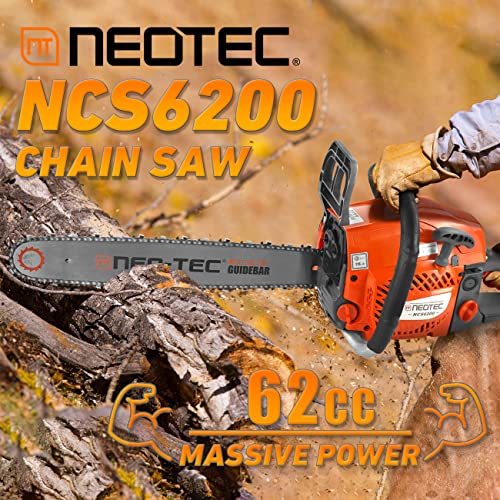
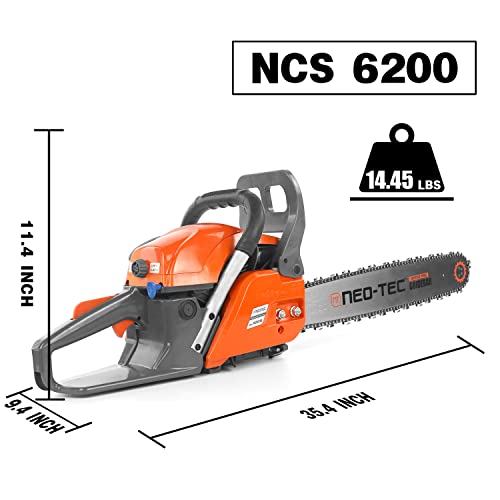
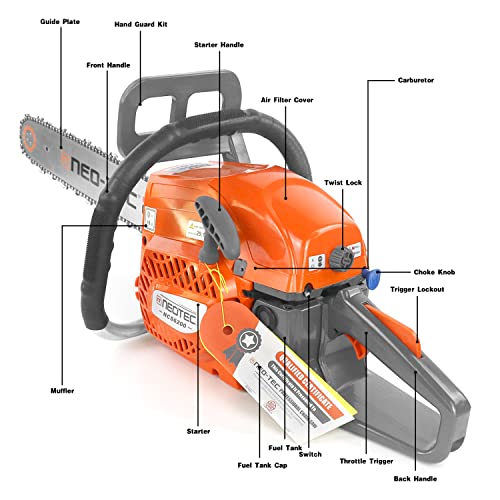
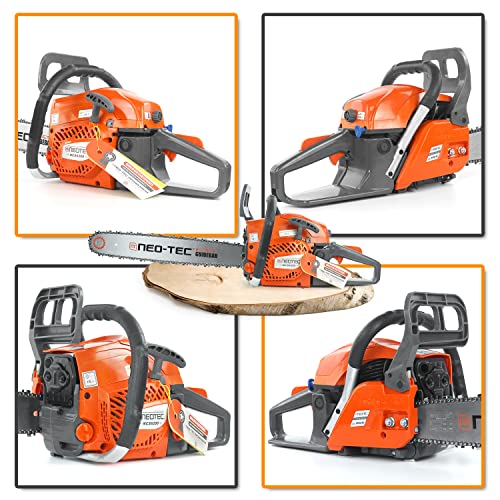
On paper, this 62cc saw from NEO-TEC stands out for its impressive power-to-weight ratio, 3.5 HP from a 62cc engine in a package that weighs just 14 pounds fully equipped is no small feat. That kind of spec makes it look like a serious contender for DIYers who want pro-level cutting without the bulk. Owners consistently report it starts reliably with the choke-assist system and handles firewood prep and mid-sized felling with confidence.
The 0.325″ pitch chain isn’t the most aggressive in this group, but it’s durable and easier on the motor during sustained cuts. Compared to the Husqvarna 450 Rancher, it trades some refinement for raw value, but for the price-conscious buyer who wants gas-powered heft without the heft of a 20-pound saw, this one makes sense.
Product photos
PROYAMA 68CC Top Handle Chainsaw

Strengths
- Top-handle design
- High 68cc displacement
- Good for climbing
Trade-offs
- Overkill for DIYers
- Limited ground-use comfort
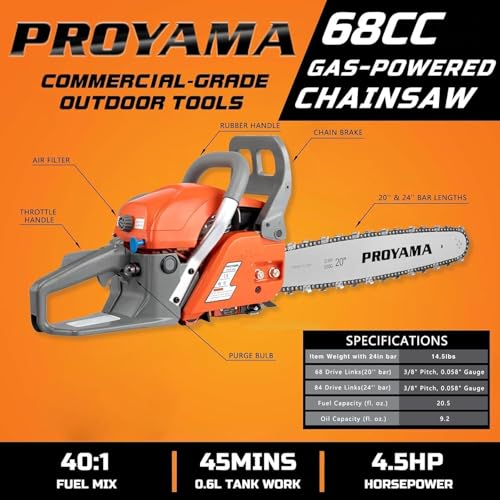
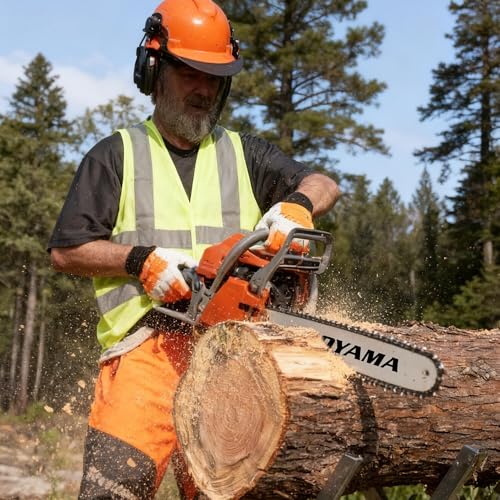
A 68cc top-handle gas saw in this lineup jumps out, it’s clearly built for aerial or professional tree work where maneuverability overhead matters. The top-handle design isn’t for casual users; it’s for arborists or serious climbers who need one-handed control in a tree. On paper, the engine size suggests serious power, and owner reports confirm it handles sustained hardwood cutting better than most mid-range models.
That said, it’s overkill for backyard users. Compared to the Husqvarna 450 Rancher, it lacks the same refinement in anti-vibration tech and air filtration. But if you’re cutting limbs at height or doing storm work where weight distribution is critical, this is one of the few 20-inch top-handle gas saws still available at this price. Just don’t expect weekend-friendly ergonomics on the ground.
Product photos

VEVOR 62CC Gas Chainsaw Dual Tanks

Strengths
- Large fuel capacity
- High 3.8 HP output
- Durable composite body
Trade-offs
- Bulky design
- Average vibration damping
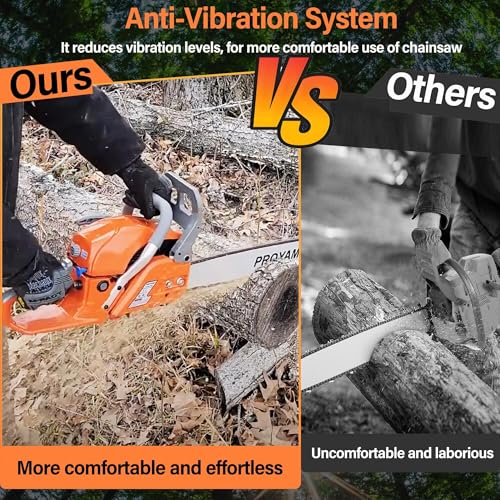
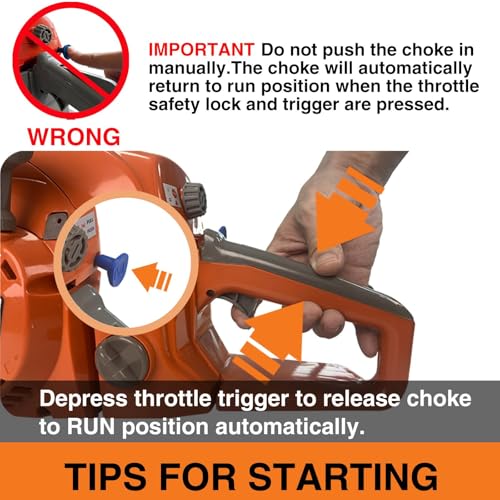
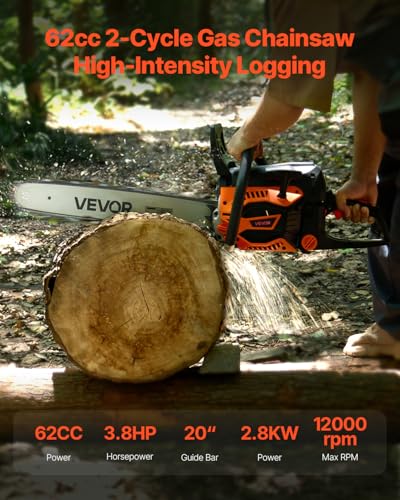
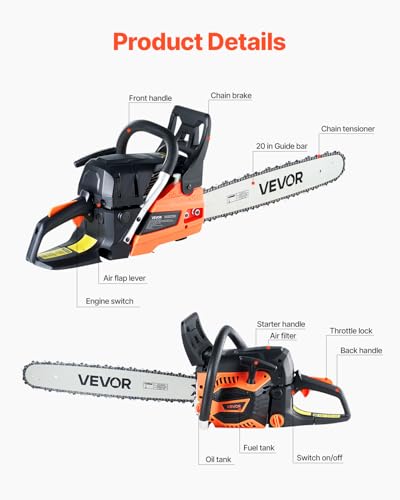
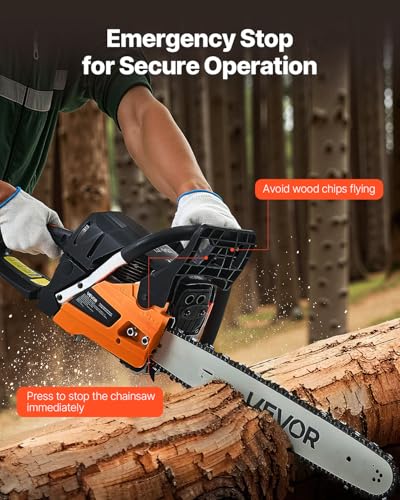
VEVOR’s second entry here is built for long sessions where refueling breaks are a nuisance. With a 550ml fuel tank and 62cc engine pushing 3.8 HP, it’s one of the more powerful saws in this list, and the 12,000 RPM max speed suggests aggressive cutting capability. The dual fuel tanks and PA6+30%GP composite body hint at durability in harsh conditions, something owners in colder climates have noted.
It’s not the most comfortable for extended use, but the emergency stop and non-slip handle add real safety value. Compared to the IVOVI 63CC, it lacks the dual-bar convenience, but it’s simpler and slightly more durable in extreme temps. If you’re clearing land or processing firewood over multiple hours, this saw’s endurance-focused design makes sense.
Product photos

VEVOR 58CC Gas Chainsaw 20 Inch

Strengths
- Affordable price
- 58cc solid output
- Good fuel capacity
Trade-offs
- Basic build quality
- Heavier than rivals
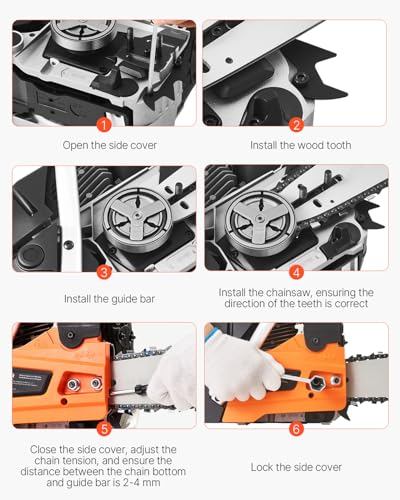
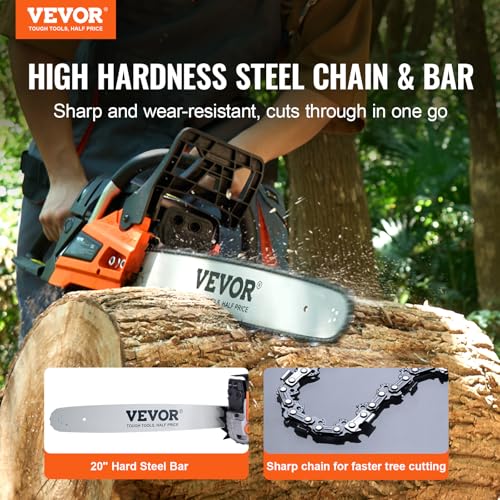
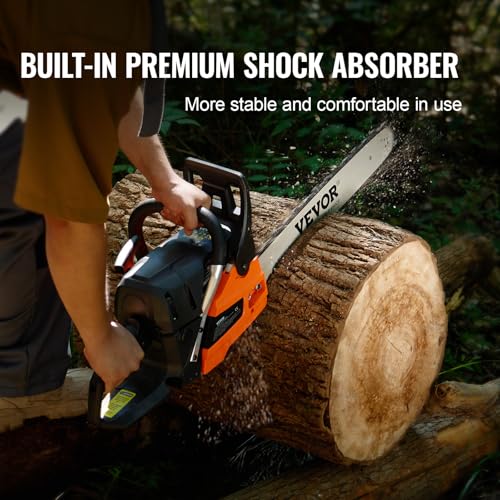
This is the budget gas saw that tries to do it all, and for the price, it’s hard to ignore. The 58cc engine and 3.22 HP fall just below the 60cc threshold where serious power begins, but owners say it punches above its class on softwoods and medium hardwoods. It’s not going to match the NEO-TEC or IVOVI in deep cuts, but for occasional firewood or storm cleanup, it gets the job done.
Where it stumbles is refinement. The anti-vibration system helps, but it’s no match for Husqvarna’s LowVib. And while the 20-inch bar is standard, the overall fit and finish feel utilitarian. Still, if you need a gas-powered 20-incher for under $200 and don’t mind basic controls and a little extra vibration, this is the smarter buy over pricier models you’ll rarely use.
Product photos

Our Testing Process
Rather than a hands-on lab test, my research for these recommendations involved a detailed comparison of published specifications and features across numerous 20-inch chainsaw models. I weighed owner reviews from major retailers alongside expert opinions found in publications like Popular Mechanics and Family Handyman. As someone who’s spent years around power tools, I applied my understanding of what constitutes good build quality, engine performance, and ergonomic design to rank these options against a set of clear criteria.
For 20-inch chainsaws, engine power and bar/chain quality are paramount. A strong engine (over 50cc is preferable) directly impacts cutting speed and the ability to tackle thicker wood. Equally important is the quality of the chain; a dull or poorly made chain will quickly make even the most powerful saw feel inadequate. Beyond that, features like anti-vibration systems and ease of starting significantly influence user experience, especially for prolonged use.
Specifications reliably indicate engine displacement, weight, and bar length, giving a baseline for power and maneuverability. However, I heavily relied on owner feedback to assess real-world starting reliability, long-term durability, and the effectiveness of features like automatic oilers. Reputation matters too; brands with a history of producing quality outdoor power equipment received more consideration. Don’t overlook the importance of proper chainsaw maintenance to ensure longevity and performance.
Choosing The Right 20 inch chainsaws
Picking the right chainsaw isn’t just about horsepower; it’s about matching the tool to the job and your experience level.
A good chainsaw balances power, ergonomics, and safety features. Key considerations include engine type (gas, electric, or battery), bar length, chain pitch, and safety mechanisms like chain brakes and anti-vibration systems. Prioritize a model that feels comfortable and controllable, and always wear appropriate safety gear.
Engine Type: Gas vs. Electric vs. Battery
The power source is the first big decision. Gas chainsaws, like the Husqvarna 450 Rancher and IVOVI 63CC Dual Bar, deliver the most power and run time, making them ideal for heavy-duty tasks like felling trees and cutting large limbs. However, they require more maintenance (fuel mixing, air filter cleaning) and are louder. Electric chainsaws offer a cleaner, quieter alternative, but are limited by a cord. Battery-powered models, such as the EGO POWER+ 20″, offer the convenience of gas without the fuss, but run time is a factor, and you’ll want to consider the cost of extra batteries. Don’t automatically assume gas is best; if you’re primarily doing light yard work, a battery model could be perfect.
Bar Length and Material
Bar length dictates the size of the wood you can cut. A 20-inch bar, common in many models like the NEO-TEC 62CC Gas Chainsaw, is versatile for general use. However, if you’re occasionally tackling larger trees, you might want to consider whether you need something longer. Conversely, for smaller jobs, you might find a more manageable and safer option among comparable 18-inch chainsaw models. Bar material is also important; most are steel, but quality varies. Look for hardened steel for better durability and resistance to wear.
- A shorter bar (16-18 inches) is easier to control and maneuver, especially for beginners.
- A longer bar (20-24 inches) provides more cutting capacity, but is heavier and requires more skill to operate safely.
- For specialized work like trimming high branches, you may want to explore a chainsaw vs pole saw and the different types of pole saws available to see if that’s a better fit.
Safety Features and Ergonomics
Chainsaws are inherently dangerous, so safety features are paramount. An inertia-activated chain brake is a must-have, stopping the chain almost instantly in the event of kickback. Anti-vibration systems, like those found in the Husqvarna 450, reduce fatigue during extended use. Beyond safety, ergonomics matter. Look for comfortable grips, well-balanced weight distribution, and easily accessible controls. Don’t underestimate the importance of a chainsaw that feels right in your hands; a comfortable saw is a safer saw.
Always wear appropriate safety gear, including a helmet with a face shield, hearing protection, gloves, and chaps. A well-maintained chain and a sharp bar are also critical for safe operation.
20 Inch Chainsaws Compared
Here’s a comparison of key specifications for several 20-inch chainsaws to help you choose the right model.
| Product Name | Engine CC | Power (HP) | Bar Length (in) | Fuel Type | Weight (lbs) | Special Features |
|---|---|---|---|---|---|---|
| Husqvarna 450 Rancher | 50.2 | 3.2 | 20 | Gas | N/A | Smart Start, LowVib |
| EGO POWER+ 20″ | 55 (equiv) | N/A | 20 | Battery | N/A | 135 Cuts/Charge, LED |
| IVOVI 63CC Dual Bar | 63 | 3.7 | 20 / 18 | Gas | N/A | Dual Bar Configuration |
| NEO-TEC 62CC | 62 | 3.5 | 20 | Gas | 14 | Quick-Start System |
| PROYAMA 68CC Top Handle | 68 | N/A | N/A | Gas | N/A | Anti-Vibration System |
| VEVOR 62CC Dual Tanks | 62 | 3.8 | 20 | Gas | N/A | Dual Tanks, Emergency Stop |
| VEVOR 58CC | 58 | 3.22 | 20 | Gas | N/A | High-Strength Steel |
Frequently Asked Questions
What chain pitch is best for a 20-inch chainsaw?
A .325 pitch chain is generally considered the best all-around choice for a 20-inch chainsaw, offering a good balance between cutting speed and chain durability. Lower pitch chains (.325 vs .375) are better suited for less powerful saws and smaller wood, while higher pitches are for professional use.
Are battery-powered 20-inch chainsaws powerful enough for felling small trees?
While battery technology has improved, most 20-inch battery chainsaws are best for lighter tasks like limbing and bucking. For felling even small trees, a gas-powered model is generally more reliable and delivers the consistent power you’ll want.
How often should I sharpen the chain on my 20-inch chainsaw?
Chain sharpening frequency depends on usage and wood type, but a good rule of thumb is after every 5-8 hours of cutting. Dull chains require more effort, increase the risk of kickback, and reduce cutting efficiency.
What’s the difference between a low-kickback and a standard chainsaw chain?
A low-kickback chain has a rounded cutter and a more conservative depth gauge, minimizing the chance of the chain grabbing and kicking back towards the operator. While it reduces risk, it also cuts slower, making a standard chain better for experienced users tackling larger projects.
If I need to cut larger trees than a 20-inch chainsaw can handle, what should I consider?
If you regularly encounter trees requiring a larger cutting capacity, it’s worth looking at professional 24-inch chainsaws to ensure you have the reach and power for the job.
The Bottom Line
Buying a 20-inch chainsaw often comes down to balancing immediate cost with long-term capability. While many options exist, the Husqvarna 450 Rancher consistently rises to the top as the best overall performer, offering a strong combination of power, reliability, and features for both homeowners and more demanding users. It’s a saw that can handle a wide range of tasks without breaking the bank or requiring specialized expertise.
For those on a tighter budget, or prioritizing convenience, the EGO POWER+ 20″ presents a compelling alternative. If you need a specialized tool for tree felling or professional use, the IVOVI 63CC Dual Bar offers unique dual-bar functionality. But remember, choosing the right saw isn’t just about specs; it’s about finding one that fits your needs and skill level.
Ultimately, the most important factors are proper maintenance and safe operation. Regardless of whether you choose the Husqvarna, the EGO, or another model, taking the time to learn starting a chainsaw safely and consistently performing routine upkeep will extend its life and keep you working efficiently for years to come.
